Adhering to Quality Assurance Standards in Website Development

Adhering to quality assurance standards in website development is not just about fulfilling a set of requirements; it’s about ensuring that websites deliver the best possible experience to users while maintaining high levels of performance and security. This article explores the importance of integrating a robust quality assurance process throughout the website development lifecycle, from the initial design phase to post-launch maintenance. By adopting best practices and keeping up with industry standards and regulatory compliance, developers can create websites that not only impress but also stand the test of time in terms of usability, accessibility, and reliability.
Key Takeaways
- Quality assurance must be integrated into every stage of the website development lifecycle to ensure the highest standards are met.
- Regular website health audits and performance optimization strategies are essential for maintaining an optimal user experience.
- A quality-centric team culture, continuous learning, and collaboration across teams are pivotal for effective quality assurance practices.
- Post-launch monitoring and iterative improvements based on user feedback are crucial for the long-term success of a website.
- Compliance with web accessibility guidelines, data protection laws, and industry best practices is necessary to meet regulatory demands and customer expectations.
Establishing a Robust Quality Assurance Process
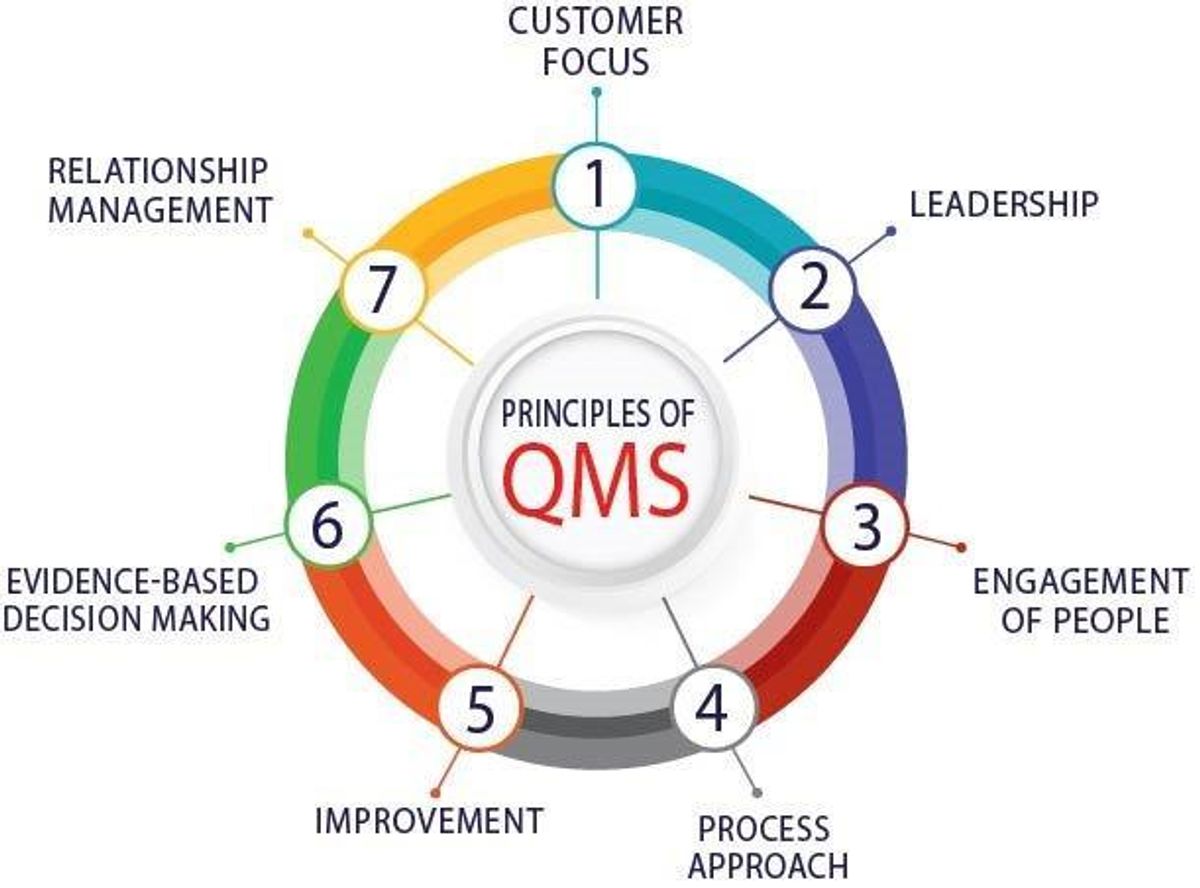
Defining Quality Standards and Metrics
In the realm of website development, defining quality standards and metrics is crucial for delivering products that meet both client expectations and industry benchmarks. Quality standards encompass various aspects such as functionality, usability, performance, and accessibility. Metrics, on the other hand, provide quantifiable measures to assess these standards throughout the development process.
To establish these metrics, one must first understand the industry standards and regulatory requirements the product must adhere to. This understanding forms the basis for a set of clear, measurable goals. For instance, performance metrics might include page load times and server response times, while usability could be measured through user engagement and satisfaction rates.
By integrating a robust set of quality standards and metrics into the development lifecycle, teams can ensure that the end product not only functions as intended but also provides a standout digital experience that exceeds user expectations.
It is also essential to assign specific QA roles and responsibilities within the team to maintain a consistent focus on quality. This clarity in roles ensures that every team member understands their part in upholding the quality assurance process. A methodical yet flexible approach, as exemplified by AM2 Studio, guarantees excellence from strategy to maintenance.
Integrating QA into the Development Lifecycle
Integrating Quality Assurance (QA) into the development lifecycle is essential for delivering high-quality software products. QA should be embedded early and throughout the development process, not tacked on as an afterthought. This proactive approach allows for the early detection and resolution of issues, which can save time and resources in the long run.
To effectively integrate QA, consider the following steps:
- Establish clear quality objectives and metrics.
- Create comprehensive test plans that align with development stages.
- Ensure continuous collaboration between QA professionals and developers.
- Implement rigorous process documentation and control.
- Utilize tools for automated testing and continuous integration.
By adopting a QA plan, consistency and reliability become the benchmarks of every software release, enhancing customer trust and competitive standing.
It’s not just about finding bugs; it’s about fostering a culture of quality where QA principles are seen as intrinsic to the development tasks. This shift in mindset encourages ownership and a drive for excellence in the end product.
Utilizing Tools and Automation for Efficiency
In the realm of website development, efficiency is paramount. Automation tools are indispensable for streamlining the QA process, enabling teams to execute repetitive and time-consuming tasks with precision and speed. By automating test cases, especially those that are critical or prone to human error, developers can focus on more complex issues that require manual attention.
Automation effectiveness can be enhanced through careful planning and continuous maintenance, ensuring that test scripts remain relevant and reliable over time.
Selecting the right tools for automation is a strategic decision. It involves considering the nature of the website, the technologies used, and the specific QA requirements. Here’s a list of considerations when choosing automation tools:
- Compatibility with the website’s technology stack
- Ability to integrate with other tools and systems
- Support for various testing types (e.g., functional, performance, security)
- Ease of use and learning curve for the team
- Scalability to accommodate project growth
AM2 Studio’s approach to automation aligns with these considerations, focusing on speed, security, SEO, functionality, and user experience to deliver top-quality products.
Ensuring Website Performance and Security

Conducting Regular Website Health Audits
Regular website health audits are essential to ensure that a website remains efficient, secure, and user-friendly. Conducting these audits systematically can uncover potential issues before they escalate into larger problems, affecting user experience and performance. A comprehensive audit typically includes checking for broken links, optimizing page load times, assessing mobile responsiveness, and ensuring that security measures are up to date.
A well-executed website health audit not only identifies areas for improvement but also provides actionable insights to enhance overall website quality.
To maintain a high standard of website performance, consider the following checklist:
- Review and optimize website code and content.
- Perform regular performance tests, such as load and stress testing.
- Select hosting solutions that offer scalability and efficiency.
By adhering to these practices, businesses like AM2 Studio can maintain a competitive edge in web development, focusing on quality, performance, and continuous improvement.
Implementing Performance Optimization Strategies
To ensure a website’s performance is optimized, a multi-faceted approach is necessary. Monitoring traffic patterns is crucial for anticipating potential spikes and scaling proactively. Implementing caching mechanisms, such as browser and server-side caching, can significantly reduce server load and improve response times.
Optimizing code and content, including compressing images, is essential for minimizing load times and resource consumption. Regular performance testing, including load and stress tests, helps identify scalability bottlenecks. Scalable hosting solutions, like cloud hosting with auto-scaling, adapt to traffic demands effectively.
By focusing on technical solutions like code efficiency and caching mechanisms, and maintaining robust security measures, websites can handle increased traffic without compromising on performance or security.
For WordPress websites, keeping plugins updated and minimizing the use of external scripts can prevent security risks and performance issues. A comprehensive performance optimization strategy not only enhances user experience but also contributes to better search engine rankings and visibility.
Maintaining Up-to-Date Security Measures
In the ever-evolving landscape of web security, maintaining up-to-date security measures is crucial for protecting against vulnerabilities. Regular updates to the core and plugins of a website are fundamental to safeguard against potential threats. Security checks should be automated and frequent, ensuring that the site remains malware-free at all times.
By implementing a routine of daily security checks and updates, you can significantly reduce the risk of security breaches and maintain the integrity of your website.
To ensure comprehensive security, consider the following steps:
- Conduct daily automated security checks to detect malware or suspicious activity.
- Keep the WordPress core and plugins updated to the latest versions after thorough testing.
- Implement data plane security techniques to protect data in transit and at rest.
- Review and optimize data storage strategies to prevent unauthorized access.
- Strengthen access points to external networks to shield against external attacks.
Adhering to these practices not only secures your website but also aligns with regulatory changes and industry standards, providing peace of mind for both website owners and users.
Adopting Best Practices for Quality Assurance

Fostering a Quality-Centric Team Culture
Creating a quality-centric team culture is pivotal for the success of website development projects. Integrate quality management practices by developing a comprehensive SQA plan, embedding QA processes, ensuring team collaboration, and defining quality standards. This approach not only enhances the product but also instills a sense of ownership and pride among team members.
A positive and productive work environment is fostered by clear goals and pathways, which in turn fuel motivation and engagement. When team members are aligned with the business mission and see QA principles as intrinsic to their tasks, they are more likely to contribute to a shared vision of quality.
Encouraging creativity and exploration within project teams can lead to breakthroughs that define the future of the business. Fostering an innovation culture is inherently future-oriented and crucial for maintaining a competitive edge.
To ensure a quality-centric culture, consider the following steps:
- Strong leadership commitment and support
- Detailed quality planning in product design and process development
- Comprehensive training on QA principles and procedures
- Rigorous process documentation and control
- Extensive collaboration and communication across teams
- Ongoing audits and risk assessment
- Use of statistical quality control tools
- Validation of corrective/preventive actions
- Continual measurement and analysis of quality data
- Recognition and replication of best practices
Continuous Learning and Improvement
In the dynamic field of website development, continuous learning and improvement are essential for maintaining a competitive edge. The shelf-life of skills is rapidly decreasing, making it imperative for teams to stay informed about the latest technologies and methodologies. Regular training sessions on new programming languages and development frameworks can significantly enhance a team’s capabilities and drive projects forward with innovative solutions.
Embracing a culture of continuous improvement involves a structured approach that includes regular reviews, data-driven changes, and involving QA from the start. This ensures that quality assurance is not an afterthought but an integral part of the development process.
To systematically evaluate and enhance quality, teams can adopt the following steps:
- Leveraging Data Analytics to measure user engagement and satisfaction.
- Establishing benchmarks and Key Performance Indicators (KPIs) for quality assessment.
- Analyzing results to support strategic decisions and improvements.
- Making adjustments based on feedback to align with original goals and quality standards.
Collaboration with Design and Development Teams
Effective collaboration between QA, design, and development teams is essential for delivering high-quality websites. Foster open communication to ensure that all parties are aligned on project goals and quality standards. Regular meetings and shared documentation can help maintain this alignment throughout the project lifecycle.
By integrating QA into every stage of the development process, from initial design to final implementation, we can catch and address defects early, reducing the cost and time required for fixes.
Utilize tools that support collaboration and transparency, such as version control systems and project management software. These tools not only facilitate better communication but also provide a clear record of changes and decisions made during the development process.
Collaboration is not just about tools and processes; it’s about building a culture of mutual respect and understanding. Encourage teams to share knowledge and learn from each other, creating a more cohesive and efficient workflow.
Navigating Post-Launch Challenges

Monitoring and Addressing Post-Launch Bugs
After a website launch, it’s crucial to remain vigilant for any post-launch bugs that may surface. These bugs can range from minor visual glitches to critical functional issues that impact user experience. To ensure a swift response, a structured approach to monitoring and addressing these bugs is essential.
- Watch session recordings to uncover issues across user journeys.
- Review heatmaps of key pages to understand user interactions.
- Implement automated alerts for uptime monitoring.
- Conduct daily security checks to maintain a malware-free site.
Proactive monitoring and timely bug resolution are key to maintaining the integrity and performance of a website post-launch.
Regular updates and performance checks are also part of a comprehensive maintenance strategy. By keeping the website’s core and plugins up-to-date, the risk of security vulnerabilities and performance issues is minimized. Additionally, SEO monitoring and frequent backups contribute to the website’s overall health and resilience.
Gathering User Feedback for Iterative Improvements
After a website launch, gathering user feedback is essential to understand how real users interact with the site and where improvements can be made. This feedback can be collected through various channels such as surveys, user testing sessions, and feedback forms.
- Analyze user behavior and feedback
- Identify patterns and common issues
- Prioritize changes based on impact
By continuously incorporating user feedback, websites can evolve to better meet user needs and enhance satisfaction.
It’s important to establish a structured process for collecting and analyzing feedback. This ensures that the insights gained are actionable and can lead to meaningful improvements. Regularly revisiting the feedback loop allows for the maintenance of high standards in website development and contributes to a seamless user experience.
Ensuring Ongoing Support and Maintenance
After a website launch, the journey towards maintaining excellence is ongoing. Ensuring ongoing support and maintenance is crucial for the website’s health and performance. Regular updates and security checks are part of a proactive approach to prevent potential issues before they arise.
To maintain a high level of website performance and security, it is essential to establish a routine for regular maintenance tasks.
A structured support system often includes the following elements:
- Uptime monitoring to ensure the website is always accessible to users.
- Security checks to keep the site free from malware and vulnerabilities.
- Performance optimization to guarantee fast loading times and a smooth user experience.
- Regular updates of the core system and plugins to protect against security threats.
- Automated backups to safeguard data and facilitate quick recovery in case of incidents.
By adhering to these practices, businesses can provide a seamless experience for their users while also protecting their digital assets. It’s about striking a balance between being reactive to immediate issues and being strategic about preventive measures.
Meeting Industry Standards and Regulatory Compliance

Aligning with Web Accessibility Guidelines
Ensuring that websites are accessible to all users, including those with disabilities, is not only a matter of inclusivity but also a legal imperative. Adherence to web accessibility guidelines is essential for creating an online environment that accommodates diverse abilities and complies with international standards such as the Web Content Accessibility Guidelines (WCAG).
- Universal Design for Learning (UDL): Incorporating UDL principles to support diverse learners.
- Compliance with Accessibility Laws: Meeting requirements like the ADA and other global regulations.
By integrating accessibility into the design and development process, websites can provide equal access and opportunities for everyone, fostering a more inclusive digital world.
Adherence to legal and regulatory requirements in web development, including accessibility standards, is crucial for building trust and ensuring the resilience of digital platforms. Continuous feedback and analytics are vital for driving improvements and maintaining compliance with evolving guidelines.
Adhering to Data Protection and Privacy Laws
In the digital age, ensuring compliance with data protection and privacy laws is not just a legal obligation but a cornerstone of consumer trust. As website developers, it’s imperative to stay abreast of the evolving landscape of privacy regulations. Gartner predicts that by 2025, privacy laws will cover 75% of the world’s population, making it crucial for developers to implement robust data security measures.
To maintain compliance, developers should regularly review and update their data privacy policies. This includes assessing data storage strategies and securing access to external networks. A proactive approach involves the following best practices:
- Enforce role-based access controls.
- Monitor and log data access.
- Adhere to strong password policies.
- Implement least-privileged and just-in-time access.
By integrating these practices into the development process, businesses can mitigate the risk of data breaches and build a reputation for respecting user privacy.
It’s also essential to understand the specific requirements of regulations such as the GDPR and CCPA. Non-compliance can lead to significant legal repercussions, emphasizing the need for a dedicated effort to protect user data.
Benchmarking Against Industry Best Practices
Benchmarking against industry best practices is a critical step in ensuring that website development aligns with the highest standards of quality and efficiency. Benchmarking is a process of measuring and comparing a company’s performance against the best practices and standards of its industry or other organizations. This process not only highlights areas of excellence but also uncovers gaps where improvements can be made.
By systematically evaluating quality through established benchmarks and key performance indicators (KPIs), organizations can set realistic goals for improvement and track progress over time.
To effectively benchmark, consider the following steps:
- Leveraging data analytics to measure user engagement and satisfaction.
- Establishing clear benchmarks and KPIs for systematic evaluation.
- Comparing performance with leading companies and industry standards.
- Implementing changes based on insights to enhance quality assurance processes.
Adherence to these practices ensures that quality is integrated into every step of the website development lifecycle, from design to post-launch support.
Ensuring that your digital presence not only stands out but also complies with industry standards and regulations is crucial for your business’s success. Our team at AM2 specializes in creating custom web solutions that meet these rigorous requirements. From WordPress Development to eCommerce optimization, we provide a comprehensive suite of services to elevate your online platform. Don’t let compliance be a roadblock to your growth. Visit our website to learn how we can help you navigate the complexities of digital compliance and drive your business forward.
Conclusion
In the realm of website development, adhering to quality assurance standards is not merely a procedural formality but a cornerstone of delivering exceptional digital experiences. Throughout this article, we’ve explored the multifaceted approach to QA, from establishing rigorous standards and metrics to embedding a culture of excellence within development teams. By embracing continuous improvement and leveraging best practices, developers can ensure that websites are not only aesthetically pleasing but also robust, secure, and user-friendly. As the digital landscape evolves, so too must our commitment to quality. By prioritizing QA at every stage of the development process, we can build websites that impress, perform, and stand the test of time, thereby fostering trust and satisfaction among users and stakeholders alike.
Frequently Asked Questions
What is Quality Assurance in website development?
Quality Assurance (QA) in website development is a systematic process designed to ensure that a website meets specific standards of quality. It encompasses various testing methods to identify, prevent, and correct issues, aiming to deliver a reliable, secure, and user-friendly website.
How can QA be integrated into the development lifecycle?
QA can be integrated into the development lifecycle by including quality checks at each stage of the process, from planning and design to development and deployment. This ensures that quality standards are adhered to throughout, and any issues are identified and resolved early.
What tools can be used to automate QA tasks?
Automation tools like Selenium, Jenkins, and JIRA can be used to automate repetitive QA tasks such as regression testing, build deployment, and issue tracking, leading to increased efficiency and consistency in the QA process.
Why is website performance optimization important?
Website performance optimization is crucial as it directly impacts user experience, engagement, and conversion rates. A fast-loading, responsive website can significantly improve customer satisfaction and search engine rankings.
What are some best practices for ensuring website security?
Best practices for website security include regularly updating software and plugins, using strong passwords and encryption, employing security plugins or services, and conducting periodic security audits to identify and mitigate vulnerabilities.
How can user feedback be used to improve a website post-launch?
Post-launch user feedback provides valuable insights into how real users interact with the website. This feedback can be used to make iterative improvements, fix bugs, and enhance features to better meet user needs and expectations.