Building Engaging Content Strategy for Online Presence
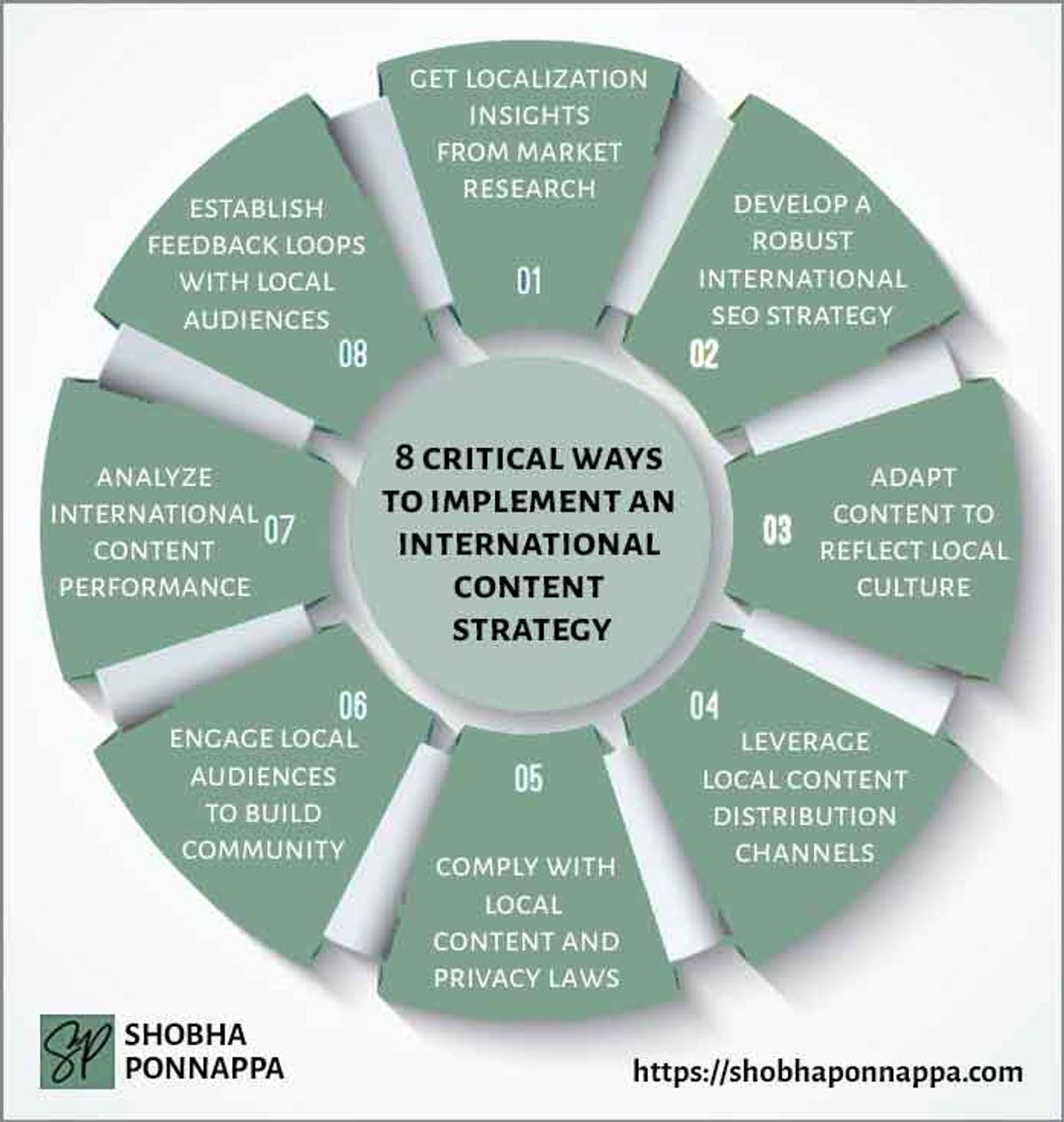
In the digital age, a robust online presence is vital for businesses and individuals alike. Crafting an engaging content strategy is the cornerstone of establishing a strong digital footprint. This article delves into the essential steps of building a content strategy that captivates your audience, optimizes for search engines, enhances user experience, and incorporates multimedia elements. It also explores the importance of measuring success and adapting your strategy to stay ahead in the competitive online landscape.
Key Takeaways
- A successful content strategy begins with a deep understanding of your target audience and setting clear objectives to guide your efforts.
- Optimizing content for both search engines and users is crucial, requiring a balance of SEO knowledge and a focus on readability and user engagement.
- User experience is significantly enhanced by thoughtful design and usability, including responsive layouts and regular usability testing.
- Incorporating multimedia and interactive elements like videos, infographics, and AR/VR experiences can significantly boost user engagement and retention.
- Measuring the impact of your content through KPIs and adapting your strategy based on feedback and industry trends are essential for continuous improvement.
Crafting a Comprehensive Content Strategy
Identifying Your Audience
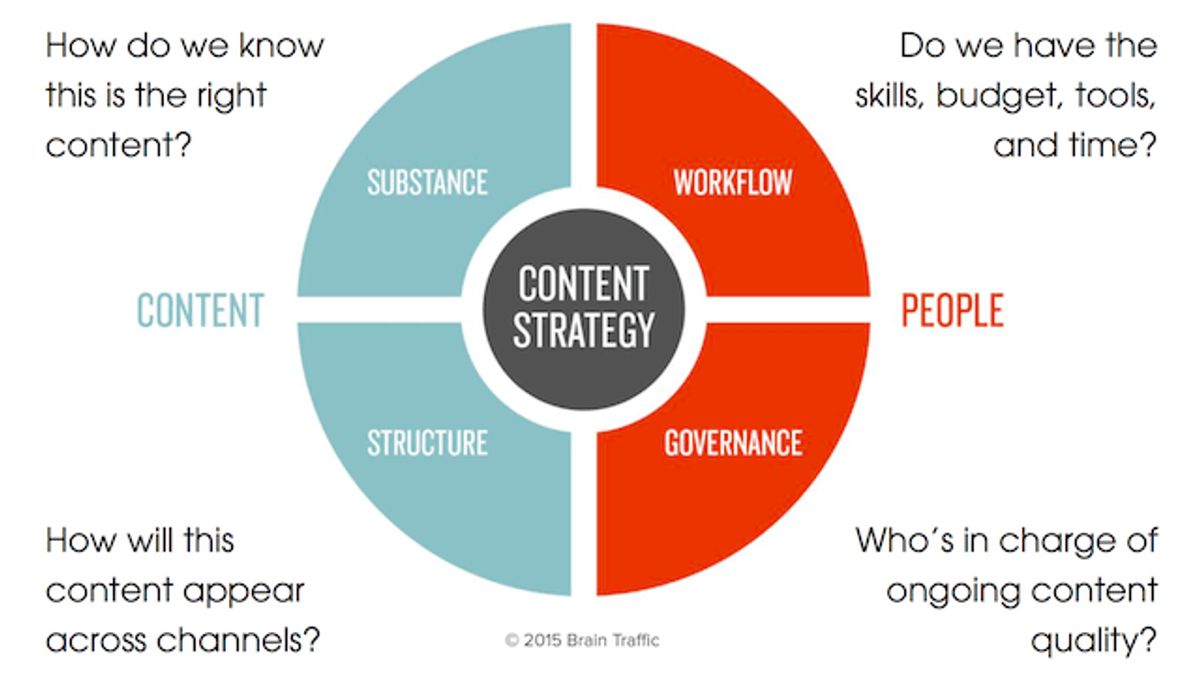
Understanding who your audience is and what they need is the cornerstone of a successful content strategy. Identifying your target audience is not just about demographics; it’s about finding the intersection of your audience’s desires and your brand’s unique value proposition. To do this effectively, consider the following steps:
- Conduct market research to gather insights about your audience’s preferences and behaviors.
- Analyze your current customer base to identify common characteristics and interests.
- Use social media analytics to understand who is engaging with your content and how.
- Create audience personas that represent your ideal customers and their journey.
By crafting content that resonates with your audience, you increase the likelihood of engagement and conversion. Tailoring your message to the specific needs and interests of your audience will make your content strategy more effective and your online presence more compelling.
Remember, the goal is to create content that not only attracts but also retains your audience by providing value and relevance. This is a continuous process that evolves as you gain more insights and data about your audience’s changing needs.
Setting Clear Objectives
To ensure the success of your content strategy, setting clear objectives is paramount. These objectives should align with your business goals and be designed to engage your target audience effectively. Crafting a content strategy involves understanding your audience through data analysis and creating buyer personas. This foundational step allows you to tailor your content to meet the specific needs and preferences of your audience segments.
Establishing SMART goals—Specific, Measurable, Achievable, Relevant, and Time-bound—is a methodical way to set objectives that are both clear and actionable. Here’s a simple breakdown of what each SMART component stands for:
- Specific: Objectives should be clear and specific to provide direction.
- Measurable: You need to be able to track progress and measure outcomes.
- Achievable: Goals should be realistic and attainable.
- Relevant: Objectives must align with broader business goals.
- Time-bound: Set deadlines to create a sense of urgency and focus.
By establishing SMART goals, you create a roadmap for your content strategy that not only guides your efforts but also provides a way to measure success and make necessary adjustments along the way.
Content Types and Channels
Understanding the variety of content types and the channels through which they are distributed is crucial for a successful online presence. Different content types resonate with different audience segments, and selecting the right channels is essential for reaching them effectively. For instance, a blog post might perform well on LinkedIn for a B2B audience, while a short video could be more engaging on Instagram for B2C consumers.
When considering content types, it’s important to evaluate their suitability for your brand and objectives. Here’s a brief overview of common content types:
- Blog posts
- Videos
- Infographics
- Podcasts
- Social media updates
- eBooks
- Webinars
Each channel has its own set of best practices and audience expectations. Tailoring your content for each platform ensures that it is consumed and shared, thus amplifying your reach. A successful content strategy evolves with audience needs. Content ideation and creation, platform diversity optimization, and tailoring content for different channels are key for engaging online presence.
It’s not just about creating content; it’s about creating the right content for the right channel at the right time.
Creating an Editorial Calendar
An editorial calendar is a strategic tool that aligns your content publication with your marketing goals. It not only helps in organizing and scheduling your content but also ensures consistent and timely delivery across various channels. Crafting a robust content strategy involves identifying audience needs and leveraging multimedia for engagement, which can be effectively managed through a well-planned editorial calendar.
By planning your content in advance, you can maintain a balance between evergreen content and timely pieces that capitalize on current trends or events.
To implement an effective editorial calendar, consider the following steps:
- Define content themes and topics based on your audience’s interests and pain points.
- Assign tasks and deadlines to team members for content creation and distribution.
- Use tools or software to track progress and collaborate with your team.
- Regularly review and adjust your calendar to reflect changes in strategy or market conditions.
Optimizing Content for Search Engines and Users

Understanding SEO Basics
To elevate your search visibility and drive meaningful traffic, a solid grasp of SEO fundamentals is essential. SEO, or Search Engine Optimization, is the art and science of making your content discoverable and attractive to search engines like Google. The goal is to rank higher in search results, which in turn increases organic traffic to your website.
Effective SEO involves a combination of technical and creative elements. These include keyword research, on-page optimization (such as title tags, meta descriptions, and header tags), and off-page factors like backlinks. Here’s a simple breakdown of key SEO components:
- Keyword Research: Identifying the terms and phrases your audience is searching for.
- On-Page SEO: Optimizing individual web pages to rank higher and earn more relevant traffic.
- Off-Page SEO: Actions taken outside of your own website to impact your rankings within search engine results pages.
- Technical SEO: Ensuring that search engines can crawl and index your website without any problems.
By focusing on these areas, you can create a winning SEO content strategy that not only appeals to search engines but also provides value to your users. Remember, SEO is not a one-time task but an ongoing process that requires regular monitoring and updating to keep up with search engine algorithms and industry best practices.
Balancing Keyword Use with Readability
Creating content that ranks well on search engines is crucial, but it’s equally important to ensure that your content is readable and engaging for your audience. Striking the right balance between keyword use and readability can be challenging, but it’s essential for maintaining the interest of your readers while satisfying search engine algorithms.
When optimizing content, consider the user’s experience first and foremost. Content should be informative and easy to read, with keywords integrated naturally.
Here are some tips to achieve this balance:
- Use keywords thoughtfully and sparingly to avoid keyword stuffing.
- Structure your content with headings, subheadings, and short paragraphs to improve readability.
- Employ synonyms and related terms to enrich your content without overusing exact keywords.
- Read your content out loud to ensure it flows naturally and revise any awkward phrasing.
Remember, content that provides value to the user will always perform better in the long run. Utilize SEO best practices for content strategy, including keyword research, optimization, and updates, while engaging with your community for an online presence that fosters communication and interaction.
Leveraging Analytics for Content Improvement
To truly enhance your online presence, leveraging analytics is essential for content improvement. Analytics tools provide insights into how users interact with your content, allowing you to make data-driven decisions. For instance, by examining metrics such as page views, bounce rates, and conversion rates, you can identify which pieces of content resonate with your audience and which may need refinement.
One effective method is to pair web analytics with behavior analytics. This combination can reveal patterns that are not immediately obvious. For example:
- Use heatmaps to identify page elements that influence conversions
- Use session recordings to see how users navigate through your site
By continuously analyzing and acting on this data, you can optimize your content strategy to better meet the needs of your audience and achieve your business objectives.
Remember, the goal is not just to attract visitors, but to engage them and encourage them to take action. Regularly reviewing and updating your content based on analytics will keep your strategy dynamic and effective.
Mobile Optimization and Accessibility
In today’s digital landscape, mobile optimization is not just a luxury; it’s a necessity. With the majority of internet users accessing content via mobile devices, ensuring your website is mobile-friendly is crucial for maintaining engagement and reach. Mobile optimization can significantly improve user experience, conversion rates, and SEO, making your content more accessible and enjoyable for users on-the-go.
To achieve optimal mobile performance, consider the following steps:
- Optimize images to reduce load times without compromising quality.
- Implement caching to save server resources and enhance user experience.
- Minify scripts to decrease loading times by reducing file sizes.
- Optimize the use of external scripts to minimize third-party requests and improve performance.
By focusing on these areas, you can create a seamless mobile experience that caters to the needs of your audience, regardless of the device they use.
Remember, mobile optimization also plays a significant role in accessibility. Making your content easy to navigate and interact with on smaller screens ensures that all users, including those with disabilities, can access your information. This inclusive approach not only broadens your audience but also demonstrates your commitment to providing a superior user experience.
Enhancing User Experience Through Design and Usability

The Role of Visual Design in Content Engagement
Visual design plays a pivotal role in content engagement, as it can significantly influence a user’s first impression and subsequent interaction with your online presence. A well-crafted visual design can make content more digestible and appealing, leading to increased user engagement and retention. It’s not just about aesthetics; it’s about creating a visual hierarchy that guides users through your content effortlessly.
Visual content, including videos, graphics, and photos, is crucial for keeping users engaged and interested in your brand’s message.
To achieve this, consider the following points:
- Utilize consistent branding elements to foster recognition and trust.
- Employ a color scheme that reflects your brand’s personality and enhances readability.
- Choose typography that is not only on-brand but also readable across devices.
- Incorporate whitespace to prevent clutter and focus user attention.
Remember, the goal is to create a seamless experience that resonates with your audience and encourages them to interact with your content.
Improving Navigation and Content Hierarchy
Effective navigation is the cornerstone of a seamless user experience. Simplicity and consistency are key to ensuring that users can find the information they need without frustration. A well-structured content hierarchy not only aids in navigation but also enhances the overall accessibility of your website.
By focusing on user-friendly navigation, you can significantly improve the engagement and satisfaction of your visitors.
To achieve this, consider the following points:
- Maintain a clear and intuitive navigation menu.
- Group related content together to facilitate ease of access.
- Use breadcrumbs to help users track their navigation path.
- Ensure that your site’s search functionality is effective and easy to use.
Remember, the goal is to create a responsive layout that adapts to various devices, providing a consistent experience across all platforms. Regularly reviewing your site’s navigation structure and making adjustments based on user feedback can lead to continuous improvement and a more enjoyable user journey.
Responsive Design for Multi-Device Compatibility
In today’s digital landscape, responsive design is not just a feature but a necessity. A website must look and function seamlessly on a variety of devices, from desktops to smartphones. To achieve this, a responsive layout is essential, ensuring that page elements adapt fluidly to different screen sizes and orientations.
Ensuring cross-device compatibility involves a series of steps, from initial design to ongoing testing. It’s crucial to consider the user’s journey on different devices and to make adjustments that enhance usability and engagement.
Testing for responsiveness is an iterative process. Tools like emulators and real device testing can help identify issues that might not be obvious during the design phase. Below is a list of best practices to consider when aiming for a multi-device friendly website:
- Use flexible grid layouts
- Implement media queries for different resolutions
- Optimize images and media for faster loading
- Prioritize touch-friendly interfaces for mobile devices
- Regularly update and test your website to address new devices and browsers
Conducting Usability Testing
Usability testing is a critical step in enhancing the user experience of your website or application. It involves observing real users as they interact with your product to identify any usability issues that could hinder their experience. This process not only helps in improving the navigation and content hierarchy but also ensures that your design meets the users’ needs and expectations.
By conducting usability testing, you can gather valuable insights into how users engage with your site, which can be used to make informed decisions about design and functionality improvements.
A typical usability testing process includes the following steps:
- Defining the scope and objectives of the test
- Recruiting participants that match your target audience
- Creating test scenarios that cover the key tasks users will perform
- Observing and recording user interactions
- Analyzing the data to identify patterns and issues
- Making recommendations for enhancements
Remember, the goal of usability testing is not just to find problems but to provide solutions that will lead to a more engaging and intuitive user experience. Engagement and interaction strategies, such as personalization, can significantly enhance user satisfaction and conversion rates.
Leveraging Multimedia and Interactive Elements

Incorporating Video and Audio Content
In today’s digital landscape, video and audio content are indispensable tools for enhancing user engagement and providing value to your audience. Crafting high-quality content with engaging visuals and clear layout is essential, and incorporating strong calls to action (CTAs) can significantly boost user interaction.
Use multimedia elements strategically to not only captivate your audience but also to complement and reinforce your message. This approach can lead to a more immersive experience that resonates with viewers and listeners.
Understanding the impact of multimedia on user engagement, it’s crucial to implement on-site SEO best practices to ensure your video and audio content are easily discoverable. Here’s a simple checklist to help you optimize your multimedia content:
- Ensure proper tagging and descriptions for SEO
- Host videos with a responsive player
- Provide transcripts for audio and video
- Use engaging thumbnails and previews
By following these steps, you can create a content strategy that leverages the power of multimedia to its fullest potential.
Interactive Infographics and Data Visualization
Interactive infographics and data visualization are powerful tools for presenting complex information in an engaging and easily digestible format. They transform raw data into a visual context, enhancing comprehension and retention. By leveraging these tools, content creators can illustrate trends, patterns, and narratives that might be lost in traditional text-based content.
Interactive elements in infographics encourage user engagement, making the content not only informative but also enjoyable to explore.
For example, a comparison of user engagement metrics before and after implementing interactive infographics might look like this:
| Metric | Before Infographics | After Infographics |
|---|---|---|
| Average Time on Page | 1 minute | 2.5 minutes |
| Bounce Rate | 70% | 45% |
| Social Shares | 50 | 150 |
To effectively incorporate these elements, consider the following steps:
- Identify the key data points that tell a compelling story.
- Choose the right type of chart or graph to represent your data.
- Use interactive features like hover effects, clickable elements, or animation to bring the data to life.
- Ensure that the design is responsive and accessible across all devices.
Gamification Strategies for Engagement
Incorporating gamification into your content strategy can significantly boost engagement by tapping into the natural human desire for competition and achievement. Gamification strategies can transform mundane tasks into exciting challenges, encouraging users to interact more deeply with your content. To implement effective gamification, consider the following steps:
- Define clear goals for what you want to achieve with gamification.
- Identify the behaviors you want to encourage and decide on the rewards.
- Choose the right gamification elements that align with your brand and audience.
- Test and iterate based on user feedback and data analysis.
By carefully integrating gamification elements, you can create a more dynamic and compelling online presence. Utilize interactive elements, social media, and quality content to diversify with multimedia and ensure a dynamic online presence.
Remember, the key to successful gamification is to keep it simple and fun. Overcomplicating the process can deter users rather than engage them. Start with basic elements like points, badges, and leaderboards, and gradually introduce more complex mechanics as your audience becomes more accustomed to the gamified experience.
Virtual and Augmented Reality Experiences
The integration of Virtual and Augmented Reality (VR/AR) technologies is revolutionizing the way brands interact with their audiences. By creating immersive and interactive experiences, companies can captivate users, offering a glimpse into what the future of digital engagement might look like.
VR and AR allow for a unique form of storytelling, where users are not just passive recipients but active participants in the narrative. This level of engagement can significantly enhance brand loyalty and customer retention.
To effectively leverage VR and AR, it’s crucial to understand their capabilities and limitations. Here’s a brief overview of how they can be utilized:
- Marketing and Advertising: Creating immersive campaigns that allow customers to experience products in a virtual space.
- Education and Training: Simulating real-world scenarios for a hands-on learning experience.
- Events and Conferences: Offering virtual attendance options or augmented overlays to enhance the physical experience.
- Retail: Enabling customers to try products virtually before making a purchase.
While the potential is vast, it’s important to integrate these technologies into a broader content strategy that aligns with your brand’s goals and values. Additionally, staying abreast of the latest trends and best practices in VR and AR will ensure that your content remains fresh and relevant.
Measuring Success and Adapting Your Strategy
Key Performance Indicators (KPIs) for Content
Understanding the right KPIs is crucial for measuring the success of your content strategy. These indicators should align with your business goals and provide insights into your content’s performance. Here’s a list of essential KPIs to consider:
- Traffic: The number of visitors to your content.
- Engagement: Time spent, pages per session, and social shares.
- Conversion Rate: The percentage of visitors who take the desired action.
- Bounce Rate: The percentage of visitors who leave after viewing only one page.
- SEO Ranking: The position of your content in search engine results.
By regularly monitoring these KPIs, you can gain valuable insights into what works and what doesn’t, allowing for data-driven decisions to refine your content strategy.
It’s important to not only track these metrics but also to understand the story they tell about user behavior and content effectiveness. Use this information to optimize your content for both search engines and user experience, ensuring that your online presence is both visible and valuable.
Using Feedback Loops to Refine Content
Incorporating feedback loops into your content strategy is essential for continuous improvement. By analyzing user interactions and performance metrics, you can identify what resonates with your audience and where adjustments are needed. This process of feedback looping ensures that your content remains relevant and effective over time.
Feedback loops allow for a dynamic content strategy that evolves based on user engagement and data-driven insights. It’s a proactive approach to content refinement that can lead to transformative results.
To effectively utilize feedback loops, consider the following steps:
- Implement tracking tools to monitor user behavior and content performance.
- Regularly review analytics to spot trends and areas for improvement.
- Engage with your audience through surveys, comments, or social media to gather qualitative feedback.
- Iterate on your content based on the insights gathered, enhancing both quality and relevance.
Remember, the goal is to create a continuous cycle of improvement using gathered data to refine processes, enhance outcomes, and ultimately, improve your online presence.
A/B Testing and Experimentation
A/B testing is a powerful strategy for determining the most effective content and design elements for your website. By comparing two versions of a page, you can gather data on user behavior and preferences. Implementing A/B testing requires a structured approach to ensure meaningful results. Start by identifying the elements you want to test, such as headlines, images, or call-to-action buttons. Then, define your success metrics, which could include click-through rates, conversion rates, or time spent on page.
A/B testing is not just about gaining insights into what works best; it’s about being willing to adapt and evolve your content strategy based on user feedback and data.
Once you’ve conducted your tests and collected data, analyze the results to understand which version performed better. Use this information to optimize your content and design for better engagement and conversion. Remember, A/B testing is an ongoing process, and regular testing can help you stay ahead of changing user preferences and market trends.
Here’s a simple table to help you track the performance of your A/B tests:
| Element Tested | Version A | Version B | Success Metric | Result |
|---|---|---|---|---|
| Headline | 45% CTR | 55% CTR | Click-Through Rate (CTR) | B Wins |
| Image | 10% Conv. | 15% Conv. | Conversion Rate | B Wins |
| Button Color | 200 Clicks | 250 Clicks | Number of Clicks | B Wins |
By systematically testing and refining your content, you can craft a content strategy that resonates with your audience and achieves your business objectives.
Staying Updated with Industry Trends
In the ever-evolving digital landscape, staying ahead of industry trends is crucial for maintaining a competitive edge. To adapt to changes, it’s essential to engage with the community and monitor feedback. This not only helps in understanding what resonates with your audience but also in identifying emerging patterns that could inform your content strategy.
Another way to stay up-to-date is by following industry leaders and influencers. They often share valuable insights and opinions about the latest developments. Subscribing to relevant newsletters, attending webinars, and participating in industry forums can also provide a wealth of information.
Maintaining a dynamic online presence requires a balance of innovation and responsiveness to user needs. By utilizing visual content and implementing SEO best practices, you can ensure audience engagement and content optimization.
Finally, don’t underestimate the power of analytics. Regularly reviewing your content’s performance can reveal what’s working and what’s not, allowing you to make data-driven decisions and keep your strategy aligned with current trends.
To truly thrive in the digital landscape, it’s essential to measure the success of your online strategies and adapt them for continuous improvement. Our team at AM2 specializes in creating custom web solutions that not only meet but exceed your business goals. From WordPress Development to eCommerce optimization, we have the expertise to elevate your online presence. Don’t settle for mediocrity; visit our website to learn how we can help you achieve digital excellence and grow your business.
Conclusion
In conclusion, building an engaging content strategy for your online presence is a multifaceted endeavor that requires careful planning, execution, and ongoing maintenance. From the initial strategy development to the design, development, and post-launch monitoring, each step plays a crucial role in ensuring your content resonates with your audience and achieves your business objectives. Remember to conduct regular website health audits, optimize for performance, and maintain the security of your digital assets. By staying informed and adapting to the ever-evolving digital landscape, you can create a robust online presence that captivates your audience and drives success.
Frequently Asked Questions
What is a content strategy and why is it important for online presence?
A content strategy is a plan for creating, publishing, and managing useful and relevant content. It’s important for online presence because it helps attract and engage audiences, improve search engine rankings, and drive business goals.
How can I identify my target audience for my content?
Identify your target audience by researching demographics, interests, behaviors, and pain points. Use surveys, social media analytics, and customer feedback to understand their needs and preferences.
What role does SEO play in content creation?
SEO plays a critical role by ensuring that content is discoverable by search engines and ranks well for relevant keywords, making it more likely to be found by your target audience.
How can I ensure my content is mobile-friendly and accessible?
To ensure mobile-friendliness, use responsive design, optimize images, and test on various devices. For accessibility, follow web standards, use alt-text for images, and ensure navigability for assistive technologies.
What are some effective multimedia elements to include in my content strategy?
Effective multimedia elements include videos, podcasts, infographics, interactive quizzes, and augmented reality experiences. These can increase engagement and provide value to your audience.
How do I measure the success of my content strategy?
Measure success using KPIs like website traffic, engagement metrics, conversion rates, and social shares. Use analytics tools to track performance and adapt your strategy based on data insights.