Building Engaging Content Strategy for Online Presence

In today’s digital landscape, having a strong online presence is vital for businesses and content creators alike. An effective content strategy is at the heart of engaging with your audience and establishing your brand’s digital footprint. This article delves into the various facets of building an engaging content strategy that not only attracts but also retains users, thereby bolstering your online presence.
Key Takeaways
- A robust content strategy framework begins with identifying core objectives and understanding your audience to tailor content effectively.
- Design and development should focus on user experience, incorporating visual aesthetics and seamless functionality to maximize engagement.
- Optimizing website performance, including load times and responsive design, is crucial for retaining users and improving search rankings.
- Offsite web properties, like social media, play a significant role in brand expansion and audience engagement through strategic content placement.
- Post-launch strategies, including monitoring user feedback and adapting to market trends, ensure the longevity and growth of your online presence.
Crafting a Robust Content Strategy Framework

Identifying Core Objectives and Audience
To build a content strategy that resonates with your audience and meets your business goals, start by defining clear objectives. These objectives should align with your overall business strategy and address specific outcomes you wish to achieve through your content.
Next, develop a deep understanding of your target audience. Creating buyer personas is a crucial step in this process. Buyer personas are fictional representations of your ideal customers, encompassing demographics, interests, pain points, and behaviors. This insight allows you to tailor your content to the needs and preferences of your audience, ensuring relevance and engagement.
By focusing on the intersection of your business goals and your audience’s needs, you can craft a content strategy that effectively drives action and loyalty.
Consider the following questions to further refine your buyer personas and content approach:
- Who are the people or companies that need or want your products/services?
- What are their pain points, motivations, and goals?
- How do they make their purchasing decisions?
- On what digital platforms do they spend their time?
- What type of content do they prefer to consume?
Developing a Content Calendar
A content calendar is a cornerstone of any successful content strategy, acting as a roadmap for what to publish, when, and where. It ensures consistency and relevance, aligning posts with key dates, trends, and promotional cycles. To start, list out the major themes or topics relevant to your audience and business goals. Then, plot these onto a calendar, considering the frequency of posts and the platforms you’ll use.
A well-planned content calendar not only organizes your efforts but also provides the flexibility to adapt to real-time market changes or user feedback.
Remember to balance evergreen content with time-sensitive posts to keep your audience engaged year-round. Utilize tools and software to automate scheduling and reminders, freeing up time to focus on crafting quality content.
Balancing Quality and Quantity
In the realm of content creation, balancing quality and quantity is pivotal to maintaining a consistent and engaging online presence. It’s not just about churning out content; it’s about crafting material that resonates with your audience and upholds your brand’s reputation. To achieve this equilibrium, consider the following steps:
- Define your content goals to align with your overall strategy.
- Create a content calendar to organize and schedule your content effectively.
- Understand your audience to tailor content that meets their interests and needs.
- Repurpose content to maximize the value of your efforts across different platforms.
It’s crucial to establish realistic expectations with your audience. Avoid overpromising content frequency if it compromises quality. Remember, consumers buy from brands they trust, and failing to deliver on your promises can lead to a loss of trust and business.
Ultimately, the goal is to foster a personal bond with your target audience by providing valuable content consistently. Use multimedia elements to enhance your offerings and monitor feedback to maintain a positive reputation. By doing so, you’ll ensure that your content strategy contributes to a strong brand voice and engaging digital experience.
Maximizing Engagement Through Design and Development
Incorporating User Experience (UX) Principles
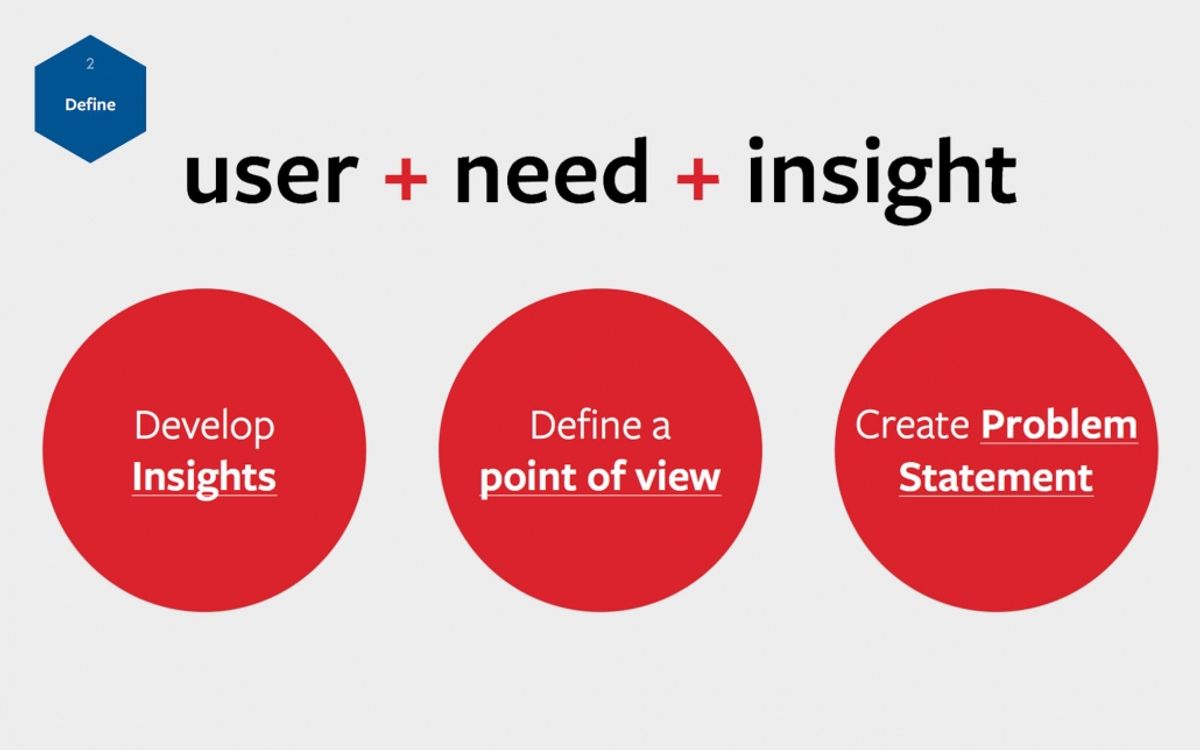
In the digital realm, user experience (UX) is paramount to engagement and retention. A well-crafted UX strategy ensures that users find value and satisfaction in their interactions with your online presence. To achieve this, consider the following steps:
- Conduct user research to understand the needs and behaviors of your target audience.
- Design with empathy, creating interfaces that are intuitive and accessible to all users.
- Implement user feedback loops to continually refine and improve the user experience.
By prioritizing UX, you create a foundation for content that resonates and compels users to return. It’s not just about aesthetics; it’s about creating a seamless journey that aligns with user expectations and enhances their overall satisfaction.
Remember, the goal is to foster a digital environment where users feel understood and valued. This approach not only boosts engagement but also strengthens brand loyalty over time.
Leveraging Visual Aesthetics
In the realm of digital marketing, visual aesthetics play a pivotal role in capturing and maintaining audience attention. A well-designed interface not only delights the eye but also facilitates smoother navigation, enhancing the overall user experience. To achieve this, consider the following steps:
- Evaluate the current design elements of your online presence.
- Identify areas for visual improvement, such as color schemes, typography, and imagery.
- Implement consistent branding across all digital platforms.
- Use high-quality visuals that are optimized for different devices.
- Regularly update the design to keep it fresh and engaging.
By prioritizing visual aesthetics, businesses can create a more inviting and memorable online environment that resonates with their audience.
It’s essential to not only focus on the initial impact but also to ensure that the visual elements are strategically aligned with the brand’s message and values. This alignment helps in building a strong brand identity that can be easily recognized and appreciated by the audience. Moreover, tracking the performance of different visual strategies through analytics can provide valuable insights for ongoing refinement.
Ensuring Seamless Functionality
In the realm of online presence, seamless functionality is not just a feature; it’s a necessity. Users expect a frictionless experience, and any hiccup can lead to frustration and abandonment. To achieve this, a meticulous approach to design and development is required, one that prioritizes user needs and ensures that every interaction is intuitive and efficient.
A well-integrated system is the backbone of a user-friendly website. It’s essential to have a clear roadmap for both front-end and back-end development to maintain consistency and reliability across all web properties.
Documentation processes are key here. Look to determine clear frameworks and document them somewhere that’s easily accessible, ensuring everyone knows how and when to implement updates or troubleshoot issues. This proactive strategy minimizes downtime and maximizes user satisfaction.
Below is a checklist to help maintain seamless functionality:
- Regularly update and test all website components
- Monitor website performance analytics
- Conduct user experience (UX) surveys and A/B testing
- Implement responsive design for optimal viewing on all devices
- Ensure cross-browser compatibility
By adhering to these steps, brands can foster a sense of trust and reliability with their audience, which is crucial for long-term engagement and retention.
Optimizing Performance for User Retention
Improving Website Load Times
In the digital age, speed is synonymous with success. Websites that load quickly not only enhance user experience but also contribute significantly to search engine ranking and user retention. To achieve this, a multi-faceted approach is essential.
A Content Delivery Network (CDN) can drastically reduce load times by serving content from servers closest to the user.
Additionally, optimizing images and scripts can lead to substantial performance improvements. Here’s a quick checklist to get started:
- Use a Content Delivery Network (CDN)
- Optimize images for faster loading without compromising quality
- Minify CSS and JavaScript files
- Implement caching to reduce server load
- Regularly update content management systems and plugins
By prioritizing these steps, businesses can ensure that their websites remain competitive and appealing to users who demand quick and seamless online experiences.
Implementing Responsive Design
In the digital age, responsive design is not just a trend but a necessity. By utilizing responsive design, websites can adapt to any screen size, providing users with a seamless and consistent experience across all devices. This approach is crucial for user retention, as it ensures that your website is accessible and functional, regardless of the device being used.
Responsive design is about creating web pages that look good on all devices!
A responsive website automatically adjusts its layout, images, and functionalities to match the viewer’s screen resolution. Here are some key steps to implement responsive design:
- Use flexible grid layouts that resize with the browser.
- Implement media queries to apply different styles for different devices.
- Optimize images so they load quickly and fit the screen they’re displayed on.
- Ensure that interactive elements like buttons and forms are easy to use on touch screens.
Remember, the goal is to provide an optimal viewing experience—easy reading and navigation with minimal resizing, panning, and scrolling.
Conducting Regular Website Health Audits
To maintain an optimal online presence, regular website health audits are essential. These audits encompass a variety of critical aspects such as security, performance, SEO, usability, and analytics. By systematically evaluating these areas, you can ensure that your website remains secure, fast, and user-friendly, which are key factors in retaining visitors and maintaining high search engine rankings.
A comprehensive website health audit will highlight areas for improvement and provide actionable recommendations to enhance your site’s overall performance and user experience.
The process of a website health audit typically includes the following steps:
- Reviewing security protocols to prevent data breaches and protect user information.
- Analyzing website speed and performance to reduce bounce rates.
- Assessing SEO practices to improve organic search visibility.
- Examining usability to ensure a seamless user journey.
- Checking scalability to accommodate growth in traffic and content.
- Monitoring analytics to understand user behavior and refine content strategy.
Regular audits not only help in identifying current issues but also in anticipating potential future challenges. This proactive approach can save time and resources in the long run, and help in leveraging social media platforms effectively for audience engagement.
Leveraging Offsite Web Properties for Brand Expansion
Utilizing Social Media Platforms Effectively
To maximize online engagement, it’s crucial to identify the platforms where your target audience spends their time and tailor your efforts accordingly. A diverse content calendar that includes articles, images, and videos, each optimized for the platform it’s shared on, can significantly boost your presence.
Engaging with your audience is not just about posting content; it’s about fostering a two-way conversation. Prompt responses to comments, messages, and mentions show that you value your audience’s input and encourage further interaction.
Strategic use of hashtags can enhance discoverability, while encouraging user-generated content (UGC) can deepen audience investment in your brand. Analyze performance metrics to refine your strategy over time, ensuring that your content remains fresh and relevant. Remember, social media is a dynamic space that rewards creativity and adaptability.
Engaging in Community Building and UGC
Building a sense of community and encouraging user-generated content (UGC) are pivotal for amplifying your brand’s online presence. Fostering a vibrant community not only enhances customer loyalty but also provides a wealth of content that resonates with your audience. To achieve this, start by identifying the platforms where your target audience is most active and focus your efforts there.
- Encourage UGC by running contests, asking questions, or featuring customer stories.
- Analyze engagement metrics and adjust your content strategy based on what resonates most.
- Join relevant forums and communities, participate in discussions, and share valuable insights.
By engaging with your audience and encouraging UGC, you create a dynamic environment where your brand can thrive and grow organically.
Remember to manage online communities with care, respond promptly to comments, and use hashtags strategically to increase discoverability. Leverage audience insights for content creation and develop a unique brand voice that stands out in the digital landscape.
Strategic Content Placement on External Sites
To truly amplify your brand’s online presence, strategic content placement on external sites is a game-changer. Identifying the right platforms that align with your brand’s values and audience is crucial. Collaborate with sites that already have the trust and attention of your target demographic to maximize impact.
When considering external sites for content placement, it’s important to evaluate their relevance to your industry and audience. A bulleted list can help organize your approach:
- Research potential platforms for alignment with your brand
- Assess the site’s audience demographics and engagement levels
- Determine the type of content that performs well on the platform
- Negotiate the terms of content placement and promotion
By meticulously selecting and negotiating content placements, you can ensure that your brand message resonates with the right audience, driving meaningful engagement and traffic back to your own site.
Remember, the goal is not just to increase visibility but to create lasting partnerships that contribute to your overall content strategy. Regularly review the performance of your content on these external sites and adjust your strategy as needed to maintain a dynamic and effective online presence.
Post-Launch Strategies for Sustained Growth

Monitoring and Responding to User Feedback
In the digital age, user feedback is invaluable for refining your online presence and enhancing user satisfaction. Engaging with your audience by responding to comments and messages is not just courteous—it’s strategic. It shows that you value their input and are committed to improving their experience.
By analyzing engagement metrics and adjusting your content strategy accordingly, you can ensure that your offerings resonate with your audience. This continuous loop of feedback and improvement is crucial for sustained growth.
To effectively monitor and respond to user feedback, consider the following steps:
- Identify the platforms where your audience is most active.
- Develop a content calendar that includes time for engaging with feedback.
- Use social listening tools to monitor brand mentions and gauge sentiment.
- Promptly address issues raised in feedback to maintain a positive reputation.
Remember, a proactive approach to user feedback can lead to increased loyalty and a stronger brand.
Continual Quality Assurance and Bug Fixes
After the excitement of a website launch, the real work begins to ensure that the site remains relevant, secure, and high-performing. Continual quality assurance and bug fixes are critical to maintaining the integrity of your online presence. A robust QA process, as highlighted by LambdaTest, involves systematic testing and adherence to best practices to meet specified requirements.
A proactive approach to quality assurance not only prevents potential issues but also reinforces user trust in your brand.
Regular maintenance activities should include performance checks, security updates, and the monitoring of core and plugin updates. These tasks are essential for keeping your website running smoothly and efficiently. Below is a list of key post-launch maintenance actions:
- Uptime monitoring with automated alerts
- Daily security scans to ensure the site is malware-free
- Frequent updates to WordPress core and plugins
- Performance optimization to enhance user experience
By implementing these measures, you can swiftly address any new bugs that may arise and maintain a seamless user experience. Remember, a well-maintained website reflects the professionalism and reliability of your business.
Adapting to Evolving Market Trends
In the dynamic landscape of digital marketing, staying ahead of market trends is not just beneficial; it’s imperative for sustained growth. As trends evolve, so must your content strategy to remain relevant and engaging. Crafting a content strategy aligned with social media algorithms and audience feedback ensures that your brand resonates with current consumer behaviors and preferences.
- Regularly analyze market data and user engagement metrics.
- Update content themes and formats to reflect current trends.
- Experiment with emerging platforms and content types.
- Foster agility in your strategy to pivot quickly when necessary.
Embracing change and fostering innovation in your content approach can lead to a more vibrant and adaptable online presence. It depends on the organization’s ability to adapt to changes and implement a content strategy that captivates the audience at every turn.
Continuously refining your strategy in response to real-time data and feedback allows for a proactive rather than reactive approach. This agility is crucial in an environment where consumer attention is fleeting and competition is fierce. By engaging in real-time community management and adapting content to the pulse of the audience, you create a dynamic and responsive brand image.
To ensure your business thrives after its initial launch, it’s crucial to implement effective post-launch strategies that drive sustained growth. Our team at AM2 specializes in WordPress Development, eCommerce solutions, and custom web design that can help elevate your online presence and keep your growth trajectory on the rise. Don’t let your momentum fade; visit our website to explore our services and discover how we can support your journey towards success. Let’s build something great together!
Conclusion
In conclusion, building an engaging content strategy for your online presence is a multifaceted endeavor that requires careful planning, creativity, and ongoing optimization. From developing a strong brand voice to leveraging offsite web properties, each element plays a crucial role in capturing your audience’s attention and fostering meaningful interactions. By encouraging user-generated content, optimizing for search engines, and analyzing performance metrics, you can refine your approach and ensure that your content resonates with your target audience. Remember, the digital landscape is ever-evolving, and staying adaptable is key to maintaining a vibrant and effective online presence. Whether you’re a seasoned marketer or just starting out, the insights and strategies discussed in this article can guide you towards a more impactful and rewarding digital footprint.
Frequently Asked Questions
How do I identify my core objectives and audience for my content strategy?
Identifying core objectives involves understanding your business goals and how content can help achieve them. To identify your audience, conduct market research, analyze customer data, and create buyer personas to tailor your content effectively.
What are the benefits of developing a content calendar?
A content calendar helps you plan and organize your content publication schedule. It ensures consistent posting, helps manage resources, aligns content with key dates or events, and allows for strategic content distribution.
How can I balance quality and quantity in my content creation?
Focus on creating high-quality content that provides value to your audience, while also maintaining a consistent posting schedule. Use analytics to understand what works, and be prepared to adapt your strategy to maintain engagement.
What role does user experience (UX) play in content engagement?
UX is crucial for content engagement as it ensures that the content is easy to access, navigate, and understand. Good UX design can lead to a more enjoyable user interaction with your content, increasing the likelihood of engagement and retention.
How does website performance affect user retention?
Website performance, including load times and responsiveness, directly impacts user retention. Users are more likely to stay on and return to a website that loads quickly, functions smoothly, and provides a seamless experience across devices.
Why is it important to leverage offsite web properties for brand expansion?
Offsite web properties, like social media platforms and external blogs, extend your brand’s reach, improve SEO, and allow you to engage with a wider audience. They’re integral to a comprehensive online content marketing strategy.