Building Engaging Content Strategy for Online Presence
In today’s digital landscape, having a robust online presence is crucial for businesses to thrive. A well-crafted content strategy not only enhances visibility but also engages and retains audiences. This article outlines the essential steps for building an engaging content strategy that will bolster your online presence and ensure your message resonates with your target audience.
Key Takeaways
- Develop a comprehensive content strategy by understanding your audience, setting clear goals, mapping content to the right channels, and scheduling with a content calendar.
- Design your online platforms with user engagement in mind, incorporating attractive web design, optimizing UX, interactive elements, and ensuring mobile responsiveness.
- Utilize technology effectively by choosing the right CMS, implementing SEO best practices, integrating social media, and using analytics to refine content delivery.
- Maintain and grow your online presence through regular content updates, audience engagement, community building, and data-driven performance monitoring.
- Ensure quality and consistency across your content by implementing QA processes, maintaining brand voice, adapting to feedback, and making post-launch strategy adjustments.
Crafting a Comprehensive Content Strategy

Identifying Your Audience and Their Needs
Understanding who your audience is and what they need is the cornerstone of a successful content strategy. Identifying your target demographic is not just about knowing their age or location, but also understanding their behaviors, preferences, and pain points. This insight allows you to tailor your content to resonate with them on a deeper level.
To begin this process, consider the following steps:
- Conduct market research to gather data on your audience.
- Analyze social media trends to understand their interests.
- Create personas representing your ideal customers.
- Use surveys and feedback to refine your understanding.
By placing the audience at the center of your content strategy, you ensure that every piece of content has a purpose and meets a specific need, ultimately leading to a stronger connection with your audience.
Once you have a clear picture of your audience, align your content to address their needs and challenges. This alignment is not only crucial for engagement but also for building trust and credibility with your audience.
Setting Clear Objectives and Goals
To ensure your content strategy is effective, defining clear objectives is crucial. These objectives should align with your overall business goals and be specific, measurable, achievable, relevant, and time-bound (SMART). A well-defined goal might be to increase website traffic by 20% within the next quarter or to grow your email subscriber list by 500 members in six months.
By setting these targets, you create a purposeful roadmap for your content marketing efforts, one that not only resonates with your audience but also drives tangible results and propels your brand forward.
It’s essential to break down your main objectives into smaller, actionable steps. Here’s an example of how you might structure these steps:
- Conduct a content audit to establish a baseline.
- Identify key performance indicators (KPIs) for each goal.
- Develop a content plan that addresses your KPIs.
- Allocate resources and assign responsibilities.
- Monitor progress and adjust the strategy as needed.
Content Mapping and Channel Selection
Once you’ve identified your audience and set your goals, it’s time to map out your content. Content mapping is a strategic process that aligns your content with the customer journey, ensuring that each piece serves a specific purpose at the right stage. Begin by assessing how your current content supports your target audience in their buying journey and identify gaps where new content is needed.
Selecting the right channels is crucial for delivering your content effectively. Different platforms cater to varying demographics and content formats. For instance, a B2B company might focus on LinkedIn for thought leadership articles, while a B2C brand could leverage Instagram for visual storytelling. Here’s a simple list to help you choose:
- Determine your audience’s preferred platforms
- Match content types to channel strengths
- Consider the resources needed for each channel
- Encourage feedback from your audience
- Adapt based on insights and changing market trends
Continuously iterate and refine your content strategy to stay relevant and engaging. This iterative process is key to maintaining a dynamic online presence that resonates with your audience and adapts to market shifts.
Establishing a Content Calendar
A content calendar is a cornerstone of any successful content strategy, providing a structured framework for what content to publish, when, and where. It ensures consistency and relevance, keeping your audience engaged and informed. A well-planned content calendar aligns with your marketing goals and makes room for flexibility to adapt to trends or breaking news.
- Identify key dates and events relevant to your brand or industry.
- Plan content themes around these dates to maximize engagement.
- Allocate resources effectively to ensure timely content creation and distribution.
- Monitor and adjust your calendar as needed to maintain alignment with your strategy.
By meticulously planning your content calendar, you can avoid last-minute rushes and ensure a steady stream of quality content that resonates with your audience.
Remember, a content calendar is not set in stone. It’s a dynamic tool that should evolve with your content strategy and audience’s interests. Regular reviews and updates are essential to keep it fresh and effective. AM2 Studio’s strategic approach to web development, which includes user-centric design, data-driven decisions, and post-launch monitoring, can serve as an inspiration for maintaining a high-performance content calendar.
Designing for User Engagement
Principles of Attractive Web Design
At the heart of engaging online content lies the principle of attractive web design. It’s not just about aesthetics; it’s about creating a user-friendly environment where content is king and design serves to enhance the user experience. A well-designed website can significantly boost content engagement rates, as it encourages visitors to stay longer and interact more with the content provided.
The key to successful web design is understanding that every element on the page has a purpose and contributes to the overall user experience.
To achieve this, there are several core principles to consider:
- Simplicity: Keep the design clean and uncluttered to avoid overwhelming users.
- Consistency: Ensure that the design is consistent across all pages for a cohesive user experience.
- Navigation: Make it easy for users to find what they’re looking for with intuitive navigation.
- Responsiveness: Design for various devices and screen sizes to reach a wider audience.
- Color and Typography: Use color and typography strategically to convey mood and importance.
- Imagery: Select high-quality images that complement the content and message.
By adhering to these principles, you can create a website that not only looks great but also performs well, providing a seamless experience that supports your content strategy.
Optimizing User Experience (UX)
To optimize user experience (UX), it’s essential to focus on the performance and usability of your website. A well-optimized site not only retains visitors but also improves conversion rates. Performance optimization should be a continuous process, involving regular audits and updates.
By analyzing and optimizing website performance, businesses can significantly enhance user satisfaction and engagement.
Consider the following steps to ensure your website delivers a seamless user experience:
- Conduct a website health audit to identify areas for improvement.
- Implement performance optimization techniques, such as image compression and code minification.
- Regularly update WordPress core and plugins to maintain security and performance.
- Utilize tools to track user interaction and conversion rates, making data-driven decisions for further enhancements.
Remember, a fast-loading website is crucial for maintaining online visibility, as search engines like Google consider performance when ranking sites. Balancing SEO with excellent customer experience is key to a successful online presence.
Incorporating Interactive Elements
Interactive elements are a cornerstone of modern web design, playing a crucial role in capturing and maintaining user attention. By integrating features such as quizzes, polls, and interactive infographics, you can significantly enhance the user’s engagement with your content.
Consider the following steps to effectively incorporate interactive elements into your website:
- Identify the most engaging content for your audience through analytics and feedback.
- Design interactive elements that are intuitive and add value to the user’s experience.
- Test interactivity across different devices to ensure functionality and responsiveness.
- Gather user data to personalize future interactions and improve overall engagement.
Engagement and interaction strategies focus on personalized, visually appealing content to enhance user engagement. Personalization based on user preferences is key for a satisfying user experience and business growth.
Remember, the goal is not to overwhelm users with interactivity but to provide them with a seamless and enjoyable experience that encourages them to explore and connect with your content.
Mobile Responsiveness and Cross-Platform Consistency
In today’s digital landscape, mobile responsiveness and cross-platform consistency are critical to user engagement and retention. Users expect a seamless experience, whether they’re browsing on a desktop, tablet, or smartphone. Implementing responsive design principles ensures that your content is accessible and aesthetically pleasing across all devices.
Consistent Branding across all platforms reinforces your identity and fosters user trust. It’s not just about visual appeal; it’s about creating a cohesive user journey. A mobile-first approach is often recommended, as the majority of internet traffic now comes from mobile devices.
To achieve this, consider the following steps:
- Conduct thorough testing on various devices and browsers.
- Utilize flexible grid layouts and media queries in your design.
- Optimize images and multimedia for fast loading times.
- Ensure that interactive elements are touch-friendly.
By prioritizing mobile responsiveness, you not only cater to the needs of your audience but also improve your search engine rankings, as search engines favor mobile-friendly websites. Remember, a responsive website is no longer a luxury; it’s a necessity in the modern web ecosystem.
Leveraging Technology for Content Delivery

Choosing the Right Content Management System
Selecting the appropriate Content Management System (CMS) is pivotal for the success of your online presence. A CMS that aligns with your business goals and technical requirements can maximize online engagement and streamline content delivery. Consider the following factors when choosing a CMS:
- Ease of Use: The CMS should be intuitive for your team to use, regardless of their technical expertise.
- Customization: It should offer the flexibility to tailor the experience to your specific needs.
- Scalability: As your business grows, the CMS must be able to handle increased traffic and content.
- Support and Maintenance: Reliable support and regular updates are crucial for long-term stability.
- SEO Capabilities: Built-in SEO tools will help ensure your content ranks well in search engines.
A successful content strategy evolves with audience needs and leverages a CMS that facilitates the ideation and creation of engaging content.
Additionally, it’s important to assess the CMS’s compatibility with other tools and plugins that can enhance your website’s functionality. Here’s a list of common CMS features to consider:
- Content scheduling
- User permissions and roles
- Multilingual support
- Responsive design
- E-commerce integration
By carefully evaluating these aspects, you can ensure that your chosen CMS will serve as a robust foundation for your content strategy.
Utilizing SEO Best Practices
In the digital landscape, visibility is paramount. To ensure your content reaches its intended audience, it’s crucial to embed SEO best practices into your strategy. Start by conducting thorough keyword research to understand what your audience is searching for and tailor your content to meet those queries.
Effective SEO is not just about keywords; it’s about creating quality content that answers questions and provides value. This means optimizing titles, meta descriptions, and headers to improve click-through rates. Additionally, consider the following points to enhance your SEO efforts:
- Ensure your website’s structure is search engine friendly.
- Regularly update content to keep it fresh and relevant.
- Build a network of backlinks from reputable sources.
- Optimize images and videos for faster loading times.
By integrating these SEO tactics, you can increase your content’s discoverability and drive more organic traffic to your site. Remember, optimizing content for online success involves incorporating SEO best practices and utilizing analytics for content refinement to enhance visibility and engagement.
Finally, stay abreast of the latest SEO trends and algorithm updates to keep your content strategy ahead of the curve. It’s a continuous process of learning, testing, and refining to achieve the best results.
Integrating Social Media for Wider Reach
In the digital age, social media platforms are indispensable tools for expanding your content’s reach. By strategically leveraging these platforms, you can connect with a broader audience and foster meaningful interactions. Here’s how to effectively integrate social media into your content strategy:
- Identify the platforms where your target audience is most active.
- Create platform-specific content that resonates with users on each social network.
- Utilize scheduling tools to maintain a consistent posting cadence.
- Engage with followers through comments, messages, and interactive features like polls and live videos.
By crafting high-quality, engaging content and fostering a community on social media, you can amplify your online presence and create lasting impact.
Remember, it’s not just about the quantity of content, but the quality and relevance that will keep your audience engaged and coming back for more. Utilizing analytics tools and A/B testing can help refine your approach, ensuring that your social media efforts are aligned with your overall content strategy goals.
Employing Analytics for Content Optimization
In the digital landscape, analytics play a pivotal role in content optimization. By scrutinizing data, content creators can understand user behavior, identify trends, and make informed decisions to enhance content strategy. Analytics enable the measurement of key performance indicators (KPIs), allowing for a granular analysis of what works and what needs improvement.
Analytics guide optimization efforts for user engagement and content performance, leading to audience growth and loyalty.
For instance, tracking metrics such as page views, bounce rates, and conversion rates can reveal the effectiveness of different content types. This insight is invaluable for refining content to better meet the needs of your audience. Additionally, A/B testing can be employed to compare variations of content to determine which resonates most with users.
Here’s a simple list of steps to integrate analytics into your content strategy:
- Define clear KPIs to measure success.
- Collect and analyze data regularly.
- Implement changes based on insights gained.
- Continuously monitor performance and adjust strategy as needed.
Maintaining and Growing Your Online Presence

Regular Content Updates and Refreshes
To maintain and grow your online presence, regular content updates are not just beneficial; they are essential. By keeping your content fresh and relevant, you can ensure that your audience remains engaged and that your site stays competitive in the ever-evolving digital landscape. Regular updates can lead to higher search engine rankings, increased traffic, and improved engagement metrics.
Regularly refreshing your content helps you maintain a robust online presence and bring a multitude of benefits.
Implementing a content refresh strategy involves several key steps:
- Reviewing existing content for accuracy and relevance
- Updating statistics, case studies, and examples to reflect current trends
- Revising content to incorporate audience feedback and new insights
- Repurposing successful content across different formats and channels
By following these steps, you can create a dynamic online community that is continuously engaged with your brand. Monitoring performance and adapting to audience feedback are crucial for ensuring that your content strategy remains effective over time.
Engaging with Your Audience
Engaging with your audience is a dynamic process that requires active listening and timely responses. Craft a content strategy that resonates with your community by understanding their preferences and feedback. Utilize social media platforms to foster a two-way conversation, where you not only share content but also participate in discussions and address concerns.
To maintain a vibrant online community, it’s essential to adapt to trends and provide value through informative and entertaining interactions. Regular engagement helps in building trust and loyalty among your followers.
Incorporate real-time community management to stay connected with your audience. This involves monitoring social media channels, responding to comments, and being proactive in conversations. Here’s a simple list to ensure effective engagement:
- Monitor social media channels for mentions and feedback
- Respond promptly to comments and inquiries
- Encourage user-generated content to increase involvement
- Host live Q&A sessions to interact directly with your audience
By staying attuned to the needs and interests of your audience, you can create a more personalized and impactful online presence.
Building a Community Around Your Brand
Building a community around your brand is not just about creating a customer base, but about fostering an environment where interaction and loyalty thrive. Engagement with your audience is crucial; it transforms passive consumers into active brand advocates. To achieve this, consider the following steps:
- Give Back To The Community: Initiatives like charity events or sponsorships can resonate with your audience’s values.
- Sponsor Related Organizations And Events: Aligning with relevant causes or events can enhance your brand’s community presence.
- Create Unique Video Projects: Engaging content such as behind-the-scenes footage or customer stories can deepen the connection.
Increasing brand awareness and website traffic are natural outcomes of a vibrant brand community. An engaged community not only supports your brand but also amplifies its reach.
Remember, the goal is to create a space where members feel valued and heard. Regularly engaging with your audience through comments, forums, or social media can lead to a stronger brand-community bond. Monitoring the community’s health and adapting to its needs will ensure its growth and sustainability.
Monitoring Performance and Making Data-Driven Decisions
To ensure the longevity and success of your online presence, monitoring performance and making data-driven decisions is crucial. This involves regularly reviewing website analytics to understand user behavior and site performance. Key metrics such as page views, bounce rates, and conversion rates provide valuable insights into what content resonates with your audience and what needs improvement.
By employing analytics, you can pinpoint areas for optimization, leading to enhanced user experience and increased engagement.
Additionally, conducting website health audits can reveal technical issues that may affect SEO and overall site usability. These audits should assess performance, security, and on-site SEO, offering a comprehensive view of your website’s health. Here’s a simple breakdown of areas to focus on during an audit:
- Performance: Measure site speed and identify bottlenecks.
- Security: Check for SSL certificates, outdated plugins, and other vulnerabilities.
- SEO: Ensure tags are correctly placed and tools for measuring success are in place.
Strategically use visuals and interactive elements to foster community building and encourage interaction. Optimize your content with SEO best practices to enhance visibility and attract more traffic. Lastly, manage your online communities effectively, creating social media groups where necessary, to maintain a vibrant and engaged audience.
Ensuring Quality and Consistency
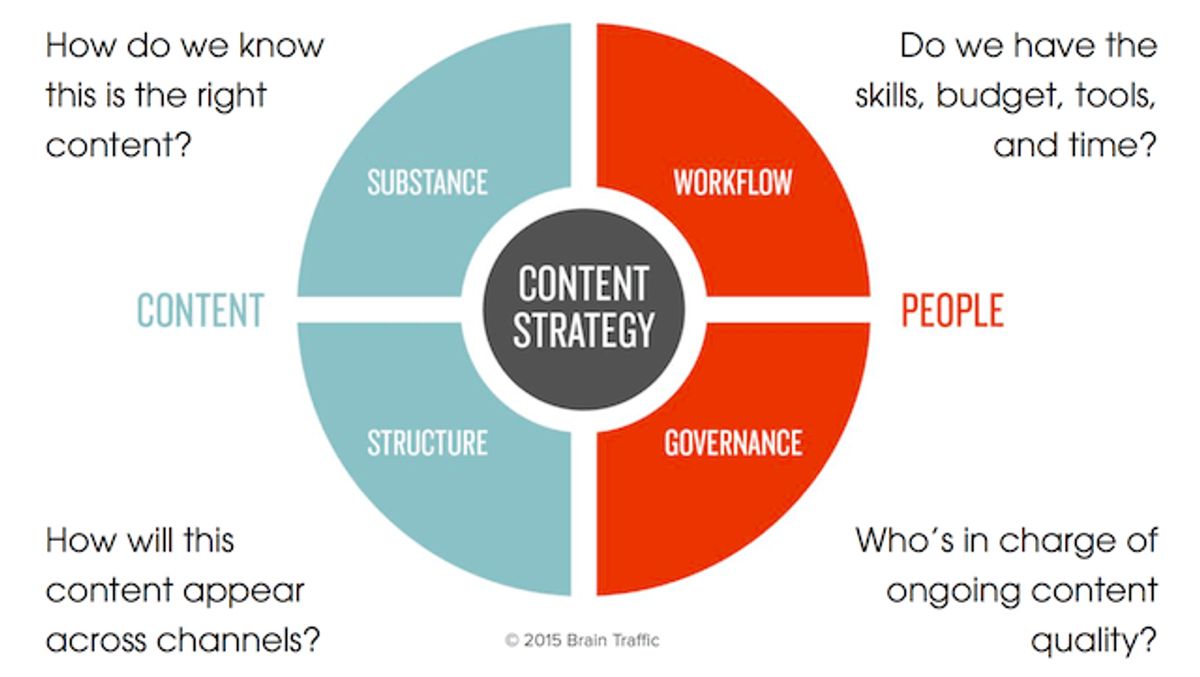
Implementing a Quality Assurance Process
Implementing a quality assurance process is pivotal in delivering content that consistently meets or exceeds expectations. This involves a series of checks and balances to ensure that all content aligns with the brand’s voice, message, and goals.
- Conduct thorough content reviews to identify any discrepancies or areas for improvement.
- Establish clear quality benchmarks that all content must meet before publication.
- Regularly update and refine the quality assurance process based on feedback and performance data.
By prioritizing quality over quantity, businesses can establish trust with their audience and enhance user engagement.
It’s essential to balance the need for fresh content with the necessity for high standards. A structured approach to quality assurance can lead to a more engaging and trustworthy online presence. Utilizing tools like content analysis and performance metrics can provide insights into where your content strategy can be improved, ensuring that your business remains competitive and relevant.
Consistency in Voice and Brand Messaging
Maintaining a consistent voice and brand messaging across all platforms is crucial for building trust and recognition with your audience. This consistency should be reflected not only in the tone and style of the content but also in the visual elements that accompany it.
To ensure this uniformity, it’s important to develop a brand style guide that outlines the specifics of your brand’s voice, tone, and visual guidelines. This document serves as a reference for anyone creating content for your brand, ensuring that all communications are cohesive.
A brand style guide typically includes:
- Brand mission and values
- Tone of voice
- Logo usage
- Color palette
- Typography
- Imagery guidelines
By adhering to these guidelines, you can craft a cohesive content strategy that resonates with your audience and strengthens your brand identity. Regular reviews and updates to the style guide can help your brand adapt to new trends while maintaining its core messaging.
Adapting to Feedback and Market Changes
In the dynamic landscape of online content, adapting to feedback and market changes is crucial for sustained success. Regularly soliciting and incorporating user feedback ensures that your content remains relevant and engaging. It’s equally important to stay attuned to market trends, as they can significantly influence user interests and behaviors.
By proactively adjusting your content strategy, you can maintain a competitive edge and foster a loyal audience base.
To effectively adapt, consider the following steps:
- Conduct periodic reviews of user feedback and analytics.
- Identify emerging trends and align your content accordingly.
- Test new content formats and platforms to gauge user response.
- Iterate quickly on successful content and phase out underperforming material.
Remember, the goal is to create a flexible content strategy that evolves with your audience’s needs and the market’s demands. This approach not only enhances user experience but also bolsters your brand’s relevance in an ever-changing digital ecosystem.
Post-Launch Content Strategy and Adjustments
After the excitement of launching your online content, the real work begins with post-launch strategy and adjustments. Monitoring and reacting to performance metrics is crucial for ongoing success. Regularly review analytics to understand user behavior and content effectiveness.
A proactive approach to post-launch adjustments can significantly enhance the longevity and impact of your content.
Consider the following steps to refine your strategy:
- Analyze user engagement and feedback
- Identify areas for improvement
- Implement changes based on data-driven insights
- Test and measure the impact of adjustments
Remember, a successful content strategy is not static; it evolves with your audience and the digital landscape. Stay agile and be prepared to pivot your approach to maintain relevance and engagement.
At the heart of every successful online venture is a website that exudes quality and consistency. Our team at AM2 specializes in crafting custom WordPress and eCommerce solutions that ensure your digital presence is robust, reliable, and resonant with your audience. From performance optimization to comprehensive website health audits, we are dedicated to elevating your brand. Ready to transform your website into a powerful business tool? Visit our website and discover how our expert services can make a difference for you.
Conclusion
In the digital age, an engaging content strategy is vital for establishing a robust online presence. Throughout this article, we’ve explored the multifaceted approach required to create content that resonates with audiences and drives engagement. From the initial strategy development to the design, development, and post-launch monitoring, each step is crucial for success. Remember, the journey doesn’t end with the launch; continuous support, maintenance, and performance optimization are key to maintaining a dynamic and responsive online presence. By applying the insights and strategies discussed, businesses can craft a content strategy that not only captivates their audience but also supports their growth and adapts to the ever-evolving digital landscape.
Frequently Asked Questions
How do I identify my target audience for content strategy?
Identify your target audience by analyzing your current customer base, conducting market research, and using analytics tools to understand demographics, interests, and behaviors.
What are the key components of a comprehensive content strategy?
A comprehensive content strategy includes audience identification, clear objectives, content mapping, channel selection, a content calendar, and performance monitoring.
How can I optimize my website for user engagement?
Optimize your website for user engagement by implementing attractive web design, enhancing user experience (UX), incorporating interactive elements, and ensuring mobile responsiveness.
Why is it important to have a content management system?
A content management system (CMS) simplifies content creation, management, and delivery, allowing for efficient updates, collaboration, and scalability.
How does regular content updating contribute to online presence?
Regular content updates keep your website fresh, improve SEO rankings, engage your audience, and reflect the latest industry trends and insights.
What role does analytics play in content optimization?
Analytics provide insights into content performance, user behavior, and engagement, enabling data-driven decisions to refine and improve your content strategy.