Crafting Memorable User Experiences with Intuitive Design

In a world where digital interaction is paramount, the creation of intuitive and memorable user experiences is crucial for the success of any product. This article delves into the significance of storytelling in UX design, the principles of intuitive design, and their collective impact on user retention and satisfaction. It also explores how user-centered design fosters innovation and the strategic importance of UX design in the technological sphere.
Key Takeaways
- Storytelling in UX design enhances user engagement by creating relatable narratives that simplify complex interactions and foster memorability.
- Intuitive design is rooted in usability, accessibility, and consistency across platforms, forming the bedrock of a seamless user experience.
- User retention is significantly influenced by UX design, with ease of use and satisfying interactions promoting brand loyalty and advocacy.
- Innovation in UX is driven by a deep understanding of user needs, adaptation to trends, and leveraging user feedback for continuous improvement.
- Investing in UX design is essential for technological success, as it differentiates products and ensures a compelling and cohesive digital presence.
The Role of Storytelling in UX Design
Embracing Narrative to Enhance User Engagement
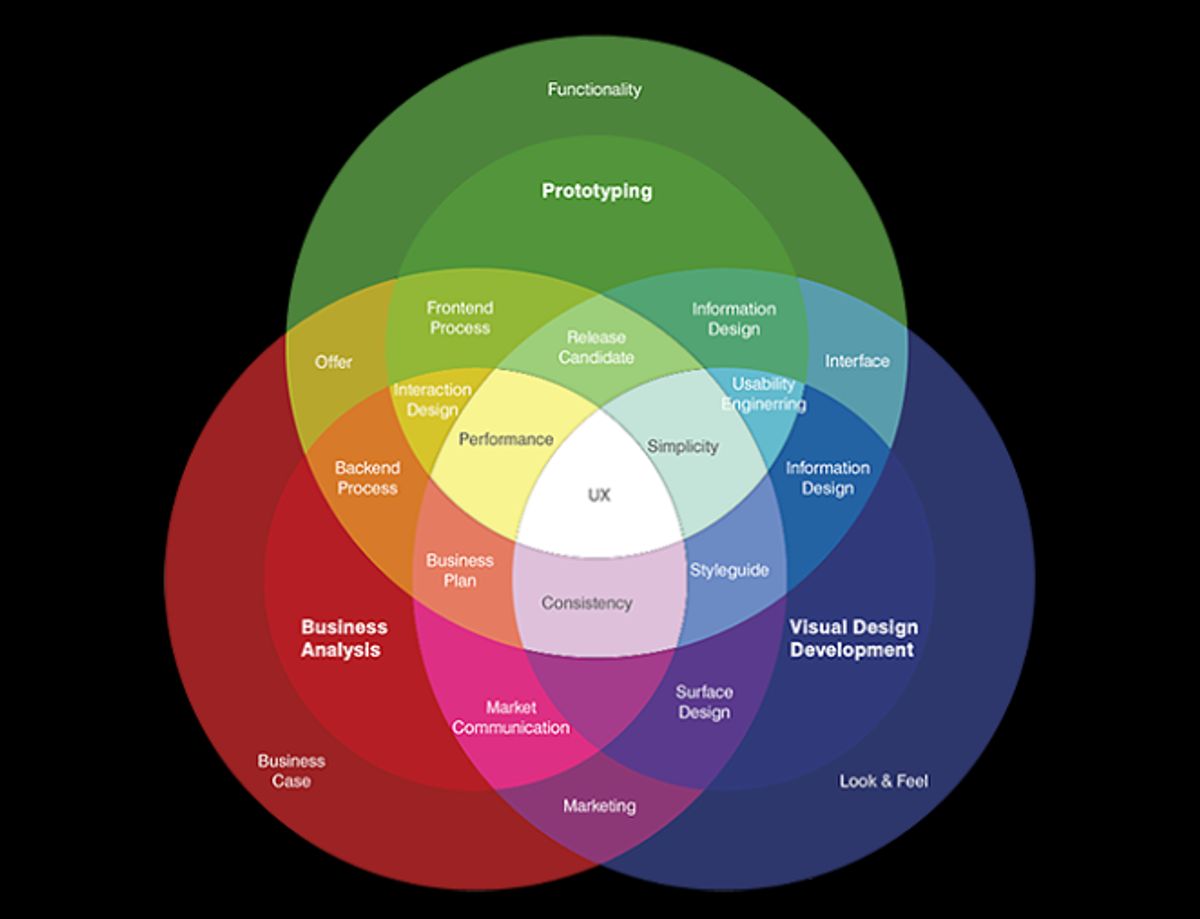
In the dynamic realm of UX design, embracing narrative can significantly boost user engagement. Storytelling in UX is not just a trend; it’s a strategic necessity that forges a deeper connection between products and their users. By incorporating a narrative into the design, users find themselves immersed in a journey that is both intuitive and memorable.
The power of storytelling in UX design lies in its ability to simplify complexity and make the user experience more relatable. It transforms interactions into stories that resonate on a personal level, making the experience not just usable, but enjoyable.
Here are some ways to integrate storytelling into UX design:
- Use characters or mascots to guide users through the interface.
- Create scenarios that reflect common user tasks in a story format.
- Employ visual storytelling elements like illustrations and animations to convey messages.
- Design micro-interactions that tell a story with each user action.
Emotion, guidance, simplicity, and memorability are the cornerstones of a narrative-driven design approach. As we move forward with emerging technologies like AR, VR, and AI, the opportunities for storytelling in UX only expand, offering new dimensions to engage users.
Simplifying Complexity Through Storytelling
In the intricate web of UX design, storytelling emerges as a beacon of clarity, transforming convoluted concepts into relatable and engaging narratives. By weaving a story around the user’s journey, complex systems become familiar landscapes, guiding users with ease and confidence.
- Embrace the narrative: Just as Mailchimp integrates storytelling in its interface, making email campaign creation a breeze, other platforms can follow suit to demystify their processes.
- Illustrate with examples: Google Analytics, for instance, uses storytelling to simplify goal-setting and conversion paths, aiding users in navigating the maze of web analytics.
- Foster connection: A well-told story resonates, creating a bond between the user and the product, turning routine interactions into memorable experiences.
The art of storytelling in UX is not just about aesthetics or entertainment. It’s a strategic tool that, when skillfully applied, can significantly reduce the cognitive load on users, making the complex simple and the mundane fascinating.
Creating Memorable Experiences with Intuitive Scenarios
Intuitive scenarios in UX design are akin to a well-told story; they guide users effortlessly through a digital landscape. By crafting scenarios that are relatable and easy to follow, designers can significantly enhance the user’s journey. This approach not only simplifies the interaction but also embeds a memorable experience in the user’s mind.
Intuitive design scenarios are not just about aesthetics; they are about creating a seamless path that users can navigate with confidence and ease.
Incorporating narrative into UX design enhances user engagement by creating emotional connections. For instance, Airbnb’s rebranding showcases how visual storytelling can revitalize a brand’s identity and values, making the user experience not just functional but also enjoyable. To illustrate the power of storytelling in UX, consider the following points:
- Emotional resonance: Users are more likely to remember and return to experiences that evoke emotions.
- Simplified complexity: A narrative can turn intricate processes into engaging stories, making them more understandable.
- Guided interactions: Like chapters in a book, intuitive scenarios lead users through tasks in a logical and satisfying sequence.
Principles of Intuitive Design

Usability: The Foundation of User Experience
At the heart of user experience design lies a simple yet profound principle: usability is the cornerstone of user satisfaction. This encompasses more than just an aesthetic appeal; it’s about creating an intuitive path that guides users effortlessly through a digital landscape. Usability ensures that users can achieve their goals with ease, which in turn fosters a positive relationship with the product.
- Know your users’ goals: Understanding what users aim to achieve is crucial for designing interfaces that cater to their needs.
- Visual hierarchy: Establishing a clear visual hierarchy helps users navigate content and prioritize actions.
- Simplify interactions: Streamline processes to minimize user effort and reduce complexity.
By focusing on usability, designers can craft experiences that not only look good but also function seamlessly, making every interaction a step towards user loyalty.
Investing in usability is not just about fixing what’s broken; it’s about proactively creating environments where users can thrive. This proactive approach to design can lead to increased conversion rates, user retention, and ultimately, brand advocacy.
Accessibility: Designing for All Users
In the realm of UX design, accessibility is paramount. It’s about creating an inclusive environment where all users, including those with disabilities, can navigate and utilize digital products with ease. Adhering to the WCAG (Web Content Accessibility Guidelines) is not just a matter of compliance; it’s a commitment to user empowerment and equality.
- Understand diverse needs: Begin by recognizing the wide range of abilities and preferences among users.
- Implement WCAG standards: Follow the latest guidelines to ensure your design is accessible to as many people as possible.
- Test with real users: Conduct usability testing with people who have disabilities to identify and address potential barriers.
By designing for accessibility, we not only comply with legal requirements but also open up our digital interfaces to a wider audience, fostering a sense of belonging and community.
Accessibility in UX design is not a one-time task but an ongoing process of learning, adapting, and improving. It’s about taking proactive steps to ensure that everyone has a fair chance to experience the digital world in all its richness and diversity.
Consistency Across Platforms for Seamless Interaction
In the realm of user experience, consistency is the cornerstone of a seamless cross-platform strategy. It allows users to transition between devices effortlessly, fostering a sense of familiarity and trust. Design elements such as layout, navigation, and visual branding must be uniform to avoid confusion and enhance user satisfaction.
Achieving consistency and intuitiveness across platforms is crucial for user experience. It’s essential to prioritize user needs, maintain simplicity, responsiveness, and adapt to platform nuances. This approach not only enhances satisfaction but also fosters user loyalty.
By adopting a user-centric approach and implementing practical design strategies, seamless experiences that delight users and drive engagement across all platforms can be created.
Remember, in today’s digital landscape, users expect seamless experiences whether they’re on a desktop, mobile device, or tablet. Careful planning and execution of a cross-platform UX strategy are imperative for crafting compelling user experiences.
The Impact of UX Design on User Retention

Fostering Brand Loyalty Through Ease of Use
The essence of a user-centric approach in design lies in its ability to create a seamless and effortless user journey. By prioritizing simplicity and clarity, products become more intuitive, leading to increased user satisfaction and loyalty. A well-designed interface acts as a silent ambassador for the brand, embedding positive experiences in the user’s memory.
Ease of use is not just about making tasks simpler; it’s about creating a journey that feels personal and considerate to the user.
To achieve this, designers employ various strategies such as microinteractions, animations, and empathetic design. These elements work together to guide users through a digital landscape with ease, making every interaction satisfying. Consistency across all touchpoints further reinforces this, ensuring that users feel at home regardless of the platform they are using.
Below is a list of key factors that contribute to ease of use and, consequently, brand loyalty:
- Intuitive navigation and interaction
- Clear and concise content
- Responsive and consistent design elements
- Accessibility for all user groups
- Regular updates and improvements based on user feedback
Turning Users into Advocates with Satisfying Interactions
Creating advocates out of users is a transformative process that hinges on delivering satisfying interactions at every touchpoint. It’s about exceeding expectations and providing an experience so delightful that users can’t help but share it with others.
A key strategy in this endeavor is optimizing UI for conversion rates and user experience. This involves a blend of intuitive design, privacy-respecting personalization, and emotional design, all orchestrated by cohesive teams. When these elements align, businesses witness a surge in both user satisfaction and success.
By focusing on the user’s journey, we can pinpoint moments that are ripe for creating advocacy. These are the interactions where users feel empowered, understood, and pleasantly surprised.
To illustrate the impact of these efforts, consider the following table showing the relationship between user satisfaction and advocacy:
| User Satisfaction Level | Likelihood of Advocacy |
|---|---|
| Delighted | Very High |
| Satisfied | High |
| Neutral | Moderate |
| Dissatisfied | Low |
| Frustrated | Very Low |
This table underscores the direct correlation between the quality of user experience and the propensity for users to become brand advocates. It’s a reminder that every interaction counts and that the cumulative effect of positive experiences can turn users into powerful allies for a brand.
The Importance of Post-Launch Monitoring and Support
The journey of a digital product does not end at launch; it merely enters a new phase of continuous improvement. Monitoring your progress is crucial to understanding how users interact with your product and where enhancements can be made. This can be achieved through meticulous analytics tracking and user feedback analysis.
The post-launch phase is a critical time to gather insights and make data-driven decisions that can shape the future of your product.
A structured approach to post-launch support might include the following steps:
- Reviewing user feedback to identify common issues or desired features.
- Analyzing performance metrics to understand user behavior and conversion rates.
- Implementing A/B testing to refine user experience based on real data.
- Providing timely updates and fixes to maintain optimal performance and security.
By embracing a proactive post-launch strategy, you ensure that your product remains relevant and continues to meet user needs effectively. This ongoing commitment to excellence not only enhances user satisfaction but also fosters brand loyalty and advocacy.
Innovating with User-Centered Design
Identifying Real Needs to Drive Innovation
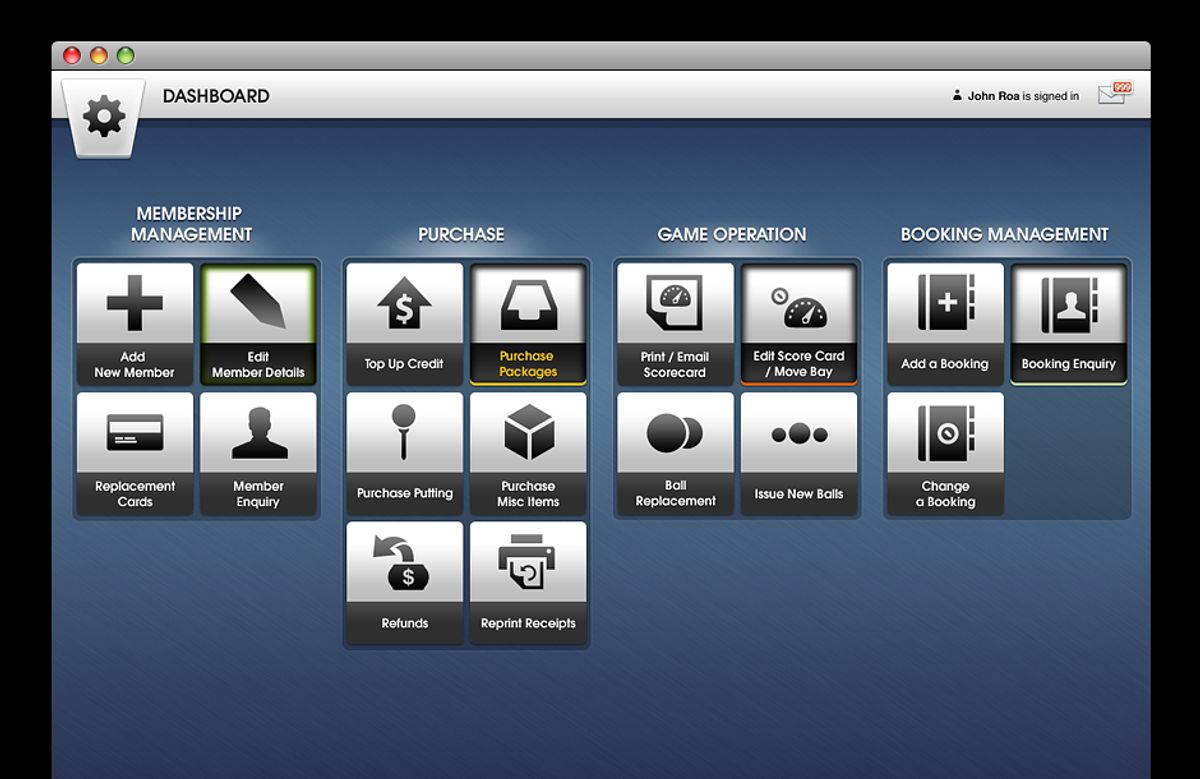
In the realm of user-centered design, the first step towards innovation is to identify the real needs of users. This involves a deep understanding of the challenges and pain points that users face in their daily interactions with technology. By focusing on these needs, designers can create solutions that are not only functional but also resonate with users on a personal level.
Innovation in UX design is not about adding features for the sake of novelty; it’s about simplifying and enhancing the user experience in meaningful ways.
To effectively identify these needs, a structured approach is essential. Here’s a simple process:
- Conduct user research to gather insights.
- Analyze the data to find common patterns.
- Brainstorm solutions with a focus on usability and satisfaction.
- Prototype and test with real users to validate ideas.
- Iterate based on feedback to refine the design.
AM2 Studio’s success in web development is a testament to the power of a user-centric approach. Their meticulous planning and creative design, coupled with post-launch monitoring, ensure excellence and client satisfaction.
Adapting to Emerging Trends and Technologies
In the ever-evolving landscape of technology, UX designers must be agile and forward-thinking to ensure that digital products remain relevant and engaging. As new technologies emerge, such as augmented reality (AR), virtual reality (VR), and artificial intelligence (AI), the possibilities for innovative storytelling and user interaction expand exponentially.
The integration of these technologies into UX design not only enhances the user’s journey but also creates opportunities for more personalized and immersive experiences.
To stay ahead of the curve, UX professionals should focus on a few key areas:
- Continuous Learning: Keeping up with the latest design trends, tools, and methodologies.
- User Research: Understanding the evolving needs and behaviors of users.
- Collaboration: Working closely with developers, marketers, and product managers to create cohesive experiences.
- Experimentation: Testing new ideas and technologies in controlled environments before full-scale implementation.
Adapting to change is not just about adopting new technologies; it’s about fostering a culture of innovation where continuous improvement is the norm. By doing so, UX designers can create experiences that not only meet but exceed user expectations.
Leveraging User Feedback for Continuous Improvement
In the dynamic landscape of UX design, user feedback is the compass that guides continuous improvement. It’s not just about collecting data; it’s about understanding and acting on it to enhance the user experience. A structured approach to integrating feedback can transform the way products evolve over time.
By systematically analyzing user feedback, designers can pinpoint areas for enhancement, ensuring that the product not only meets but exceeds user expectations.
To effectively leverage feedback, consider the following steps:
- Gather feedback through various channels such as surveys, interviews, and usability tests.
- Analyze the feedback to identify common themes and actionable insights.
- Prioritize feedback based on its potential impact on the user experience and business goals.
- Implement changes and monitor their effect on user behavior and satisfaction.
- Repeat the process, using new feedback to inform further iterations.
This cyclical process ensures that products remain relevant and user-centric. It’s a commitment to never settling, to always striving for a better user experience. Remember, feedback is not just a one-time event; it’s an ongoing conversation with your users.
Crafting Exceptional Digital Experiences

The Convergence of Functionality and Emotion in Design
In the realm of UX design, the fusion of functionality and emotion is paramount. Designing interfaces with emotional intelligence is not just about aesthetics; it’s about creating connections. Emotional design can significantly impact user satisfaction, loyalty, and overall experience. Interfaces designed with empathy meet functional requirements while also resonating on a human level, fostering a sense of belonging and understanding.
Intuitive design involves understanding user behavior, emotional impact, and interface consistency. It’s about crafting engaging and delightful user experiences through microinteractions and usability testing. Here’s a list of key elements that contribute to this convergence:
- Empathy in design thinking
- Emotional resonance through microinteractions
- Consistency in visual and interactive elements
- Usability testing to refine user experiences
By prioritizing both functionality and emotion, designers can create products that are not only easy to use but also deeply engaging. This dual focus ensures that users not only accomplish their tasks with efficiency but also enjoy the journey, making the experience memorable and likely to be shared with others.
In conclusion, the blend of functionality and emotion in UX design is a strategic approach that can lead to higher user retention and brand loyalty. It’s a delicate balance that, when achieved, results in a seamless and satisfying interaction between the user and the product.
Aristotle’s Elements of Good Storytelling in UX
Aristotle’s timeless framework for storytelling is remarkably applicable to UX design. Plot, the first element, is akin to crafting a seamless user journey. It’s about the narrative arc that users follow as they interact with a product. This journey should be coherent and lead users towards their goals with ease.
Character represents the users themselves, each with unique needs and backgrounds. Designers must understand these characters to create experiences that resonate on a personal level. Theme reflects the core message or value proposition of the product, which should be clear and compelling.
Dialogue in UX is the interaction between the user and the system. It’s crucial for this ‘conversation’ to be intuitive and helpful, guiding users without overwhelming them. Melody, or the rhythm of the experience, should be consistent and harmonious, providing a sense of familiarity and comfort.
Décor relates to the visual aesthetics of the product, which should support the story by being functional and appealing. Lastly, Spectacle is the delight or surprise that memorable experiences often contain, elevating the ordinary to extraordinary.
By integrating these elements into UX design, we create not just usable interfaces, but also engaging narratives that foster emotional connections and memorable experiences.
Incorporating these elements thoughtfully can transform a mundane task into an engaging story, where users are the protagonists on a journey towards their goals. It’s a powerful approach that can lead to deeper user engagement and brand loyalty.
Ensuring Consistency and Cohesion Across Digital Platforms
In the realm of digital design, consistency is the cornerstone that supports a seamless user experience. Users moving between devices and platforms should feel a sense of familiarity, not friction. This is achieved through uniformity in visual elements, interaction patterns, and overall behavior of the digital product.
- Consistent navigation design is crucial, with a focus on mobile responsiveness, clear labels, and visual consistency.
- Utilize familiar UI patterns and clear labeling to foster intuitive interfaces.
By maintaining a coherent design language across platforms, we not only streamline the user journey but also reinforce brand identity.
It’s not just about the aesthetic; it’s about creating a predictable and reliable environment where users can operate with confidence. Whether it’s a web application, mobile app, or desktop software, each touchpoint should contribute to a cohesive brand experience.
Investing in UX Design for Technological Success
The Strategic Necessity of Storytelling in Digital Products
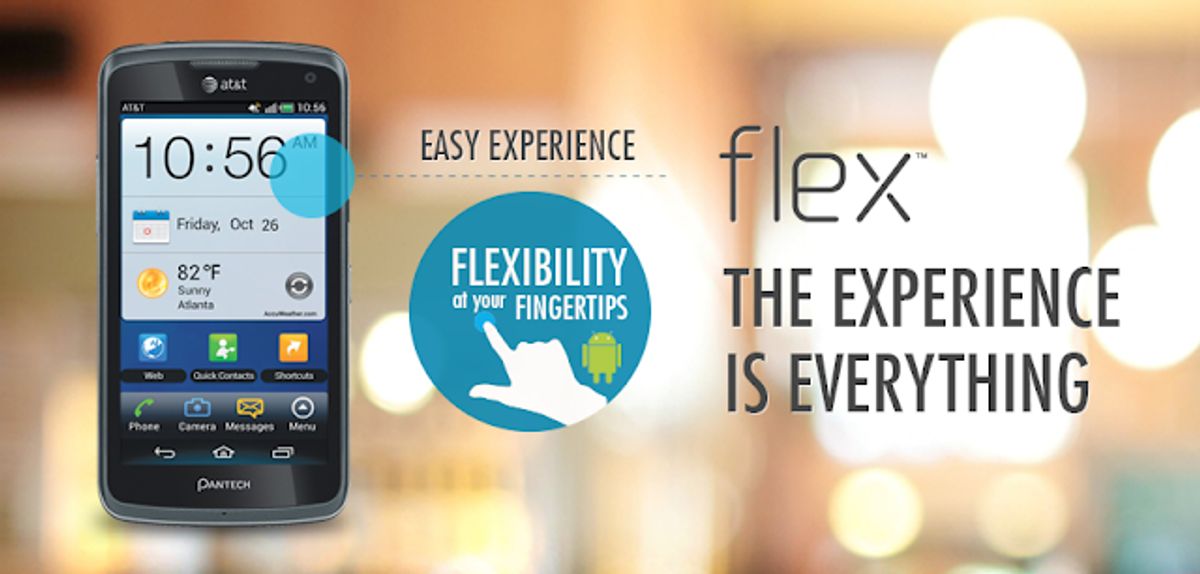
In the competitive landscape of digital products, storytelling is a strategic necessity that can set a brand apart. It’s not just about the features or the technology; it’s about the narrative that weaves these elements into a cohesive and engaging user journey. Storytelling in UX design is a craft that, when executed well, transforms a user’s interaction with a product into a memorable experience.
By embedding a story into the design, users find a sense of purpose and direction, making the digital environment more intuitive and relatable.
The process of integrating storytelling into UX design involves several key steps:
- Understanding the user’s needs and motivations
- Crafting a narrative that aligns with the user’s journey
- Designing interactions that reinforce the story
- Evaluating the effectiveness of the story through user feedback
This approach not only enhances user engagement but also fosters a deeper connection between the product and its users. It’s a powerful tool that can simplify complex systems and make the user experience more enjoyable and intuitive.
Differentiating Through Superior User Experiences
In the realm of digital products, superior user experiences are the cornerstone of differentiation. Companies that prioritize UX design are not just enhancing their product’s functionality; they are also forging emotional connections that resonate with users. This dual focus on practicality and emotion can set a product apart in a crowded market.
- Balancing Business Goals and the User Experience in Design: First, you must understand what the business wants. Align your design strategies to support the business’s goals while keeping users’ needs front and center.
By adopting a user-centric approach, businesses can ensure that their digital products are not only efficient and easy to use but also genuinely enjoyable. This leads to increased user satisfaction and loyalty, which are critical for long-term success.
Well-executed UX design is a strategic asset that can lead to a sustainable competitive advantage. It’s about understanding and meeting the needs of both the business and the user, creating a harmonious balance that benefits all stakeholders.
The Imperative of UX Design in Today’s Tech Landscape
In the ever-evolving digital age, UX design has become an indispensable facet of technological success. It transcends mere aesthetics, shaping the way users interact with and feel about technology. The imperative of UX design is evident in its ability to foster user satisfaction and loyalty, which are critical for long-term retention and brand advocacy.
The essence of UX design lies in its focus on the user’s journey, ensuring that every touchpoint is intuitive, efficient, and enjoyable.
To illustrate the significance of UX design, consider the following points:
- Usability: A cornerstone of UX, usability ensures that products are straightforward and easy to navigate.
- Accessibility: Designing with inclusivity in mind allows for a wider audience to benefit from technology.
- Consistency: A seamless experience across all platforms enhances user confidence and satisfaction.
By prioritizing these aspects, businesses can not only attract new users but also convert them into loyal customers and brand advocates. The role of UX designers is crucial in this digital transformation, as they are tasked with creating experiences that resonate on a functional and emotional level.
In today’s digital age, the success of technology-driven businesses hinges on the quality of user experience (UX) they deliver. Investing in top-notch UX design is not just a luxury—it’s a necessity for staying competitive and ensuring customer satisfaction. At our company, we specialize in creating custom web solutions that are not only aesthetically pleasing but also optimized for performance and user engagement. From WordPress development to eCommerce solutions, we have the expertise to elevate your online presence. Don’t let your business fall behind—visit our website to explore our services and see how we can help you achieve technological success.
Conclusion
In conclusion, the art of crafting memorable user experiences through intuitive design is an essential aspect of today’s digital landscape. By prioritizing usability, embracing the power of storytelling, and ensuring accessibility, designers can create interfaces that resonate deeply with users. The examples and strategies discussed throughout this article underscore the importance of a user-centric approach that fosters engagement, satisfaction, and loyalty. As we continue to navigate the ever-evolving world of UX design, let us remember that at the heart of every successful digital product is an experience that feels natural, seamless, and, above all, intuitively human.
Frequently Asked Questions
How does storytelling enhance user experience (UX) design?
Storytelling in UX design enhances user engagement by creating relatable narratives that make the experience more memorable and intuitive. It simplifies complexity by guiding users through a seamless journey, fostering emotional connections that lead to stronger brand loyalty.
What are the core principles of intuitive design?
The core principles of intuitive design include usability, ensuring the product is easy to use; accessibility, designing for all user abilities and devices; and consistency, providing a seamless interaction across various platforms and devices.
Why is UX design important for user retention?
UX design is crucial for user retention as it focuses on creating satisfying interactions that meet user needs, leading to ease of use and enjoyment. This results in users becoming advocates for the brand and fosters loyalty through positive experiences.
How does user-centered design drive innovation?
User-centered design drives innovation by focusing on real user needs and challenges. By continuously adapting to emerging trends and leveraging user feedback, designers can create innovative solutions that resonate with users and address their evolving preferences.
What role does consistency play in crafting digital experiences?
Consistency is key in crafting digital experiences as it ensures users have a cohesive and predictable experience across all digital platforms. This uniformity helps users to navigate and interact with ease, which enhances their overall satisfaction and engagement.
What is the strategic necessity of storytelling in digital products?
Storytelling is strategically necessary in digital products because it provides a framework that engages users on an emotional level, making the experience more impactful and memorable. It helps differentiate products in a crowded market and fosters a deeper user-product connection.