Crafting Memorable User Experiences with Intuitive Design
In a rapidly evolving digital world, creating a user experience that is both intuitive and memorable is crucial for any business looking to stand out. Intuitive design is about more than just good looks; it’s about crafting an experience that feels natural and effortless for users, guiding them seamlessly towards their goals. This article delves into the strategies and principles behind designing interfaces that not only attract users but also retain them through engaging and user-centered design approaches. By balancing aesthetics with functionality and continuously adapting to user feedback and expectations, businesses can craft digital narratives that resonate deeply with their audience and foster brand loyalty.
Key Takeaways
- Intuitive design prioritizes understanding user behavior to create experiences that naturally guide users towards desired actions, enhancing engagement and conversion rates.
- The balance of form and function is essential in UI/UX design, ensuring that aesthetics support usability and contribute to a seamless user experience.
- A user-centered design approach involves thorough research, personalized user journey mapping, and a commitment to accessibility and inclusivity.
- Consistency across digital touchpoints and reinforcing brand identity through design are key to building a cohesive and memorable brand experience.
- Staying relevant in a dynamic digital landscape requires adapting to emerging design trends and incorporating continuous user feedback for improvement.
The Pillars of Intuitive Design

Understanding User Behavior
To create an intuitive design, it’s crucial to start with a deep understanding of user behavior. This involves recognizing patterns in how users interact with digital interfaces and what drives their decisions. By analyzing these behaviors, designers can anticipate user needs and create experiences that feel natural and effortless.
- Efficient user journeys are at the heart of intuitive design. They guide users towards their goals with minimal friction, whether it’s making a purchase or signing up for a newsletter.
- User-centric interfaces increase engagement by providing relevant content and interactions that resonate with the user’s context and preferences.
- Privacy considerations are integral, ensuring that users feel secure in their interactions and trust the platform with their data.
By strategically planning the user experience and focusing on usability and microinteractions, designers can craft digital narratives that not only meet but exceed user expectations, leading to increased satisfaction and loyalty.
Ultimately, intuitive design is not just about the aesthetics; it’s about creating a seamless connection between the user and the digital environment, where every interaction is meaningful and contributes to a positive overall experience.
Principles of Guided Interactions
Guided interactions are the invisible hand that leads users through a digital landscape. By creating logical navigation flows and intuitive gestures, designers can ensure that users find what they’re looking for with ease. This principle is not just about leading a user to a destination but about crafting an experience that feels natural and requires minimal cognitive effort.
Efficient user journeys are the cornerstone of intuitive design. The path from a user’s initial visit to a successful conversion should be as seamless as possible. Strategic UI/UX design minimizes the chances of users getting lost or frustrated, thereby reducing drop-offs and increasing successful interactions.
An optimized user journey streamlines the process, resulting in higher conversion rates and user satisfaction.
To achieve this, consider the following steps:
- Understand the user’s goals and motivations.
- Map out the user’s journey from initial contact to final conversion.
- Identify potential friction points and simplify complex tasks.
- Use visual cues and consistent design elements to guide users.
- Test and refine the journey through user feedback and analytics.
Designing for Conversion
The ultimate goal of any digital platform is to guide users towards a successful conversion. This could be a purchase, a sign-up, or any other action that aligns with the business objectives. To achieve this, every element of the design must be meticulously crafted to lead users down the conversion path with minimal friction.
Key steps in designing for conversion include:
- Understanding user psychology: Knowing what drives users to take action is crucial.
- Simplifying the user interface (UI): A clutter-free UI encourages users to focus on the important elements.
- Responsive design: Ensuring the platform works seamlessly across all devices enhances user engagement.
By optimizing the user journey and strategically placing calls-to-action (CTAs), we can create a user experience that not only satisfies but also converts.
It’s not just about the visual appeal; it’s about creating a narrative that resonates with the user. A well-designed website or app should feel like a dialogue between the user and the platform, with each interaction taking them a step closer to conversion. By analyzing and optimizing performance, we can increase sales, improve user experience, and enhance overall website usability.
Engagement Through Aesthetics and Usability

Balancing Form and Function
In the realm of intuitive design, achieving the perfect equilibrium between aesthetics and functionality is paramount. This delicate balance ensures that users are not only captivated by the visual appeal but also find the interface easy to navigate and use. A meticulous understanding of the user’s needs, the context of the design, and a keen eye for visual aesthetics are essential to this process.
The goal is to enhance both user delight and usability without compromising on either aspect.
To illustrate this concept, consider the following points:
- A design that is visually stunning but difficult to use will not keep users engaged.
- Functionality that is robust but presented in an unappealing way will fail to attract users.
- The user’s journey should be prioritized in the design process to guarantee ease of use and satisfaction.
By monitoring user engagement metrics and focusing on strategic UI/UX design, we can ensure that our designs not only captivate but also drive user actions aligned with business goals. It’s about shaping experiences that resonate with users and reinforce brand identity.
Capturing User Attention
In the digital realm, capturing user attention is both an art and a science. A captivating UI/UX design is not just about aesthetics; it’s a critical element in engaging users effectively. With the average attention span dwindling, businesses have only a brief window to make an impression. This is where the role of visual hierarchy comes into play, guiding users’ attention to key areas of your site.
An engaging interface simplifies navigation, allowing the content to take center stage and the user experience to excel. When users are captivated, they are more likely to delve deeper into your offerings and potentially become loyal customers.
To ensure your design resonates with users, consider these points:
- Employ a clear and consistent layout.
- Use contrasting colors to highlight important elements.
- Incorporate motion and animation judiciously to draw the eye.
- Optimize loading times to prevent user drop-off.
By focusing on these aspects, you can create an intuitive environment that not only holds attention but also encourages exploration and interaction.
Streamlining User Navigation
Streamlining user navigation is not just about aesthetics; it’s about creating a clear path for users to follow, enhancing their overall experience. A logical and hierarchical menu structure is paramount, guiding users effortlessly through the site’s content. Incorporating responsive design ensures that navigation is intuitive across all devices, from desktops to smartphones.
To further refine the user journey, consider the following tips:
- Maintain simplicity in design to avoid overwhelming users.
- Ensure consistency across pages for a cohesive experience.
- Optimize website speed through technical improvements like image compression.
- Implement mobile-friendly menus and touch gestures for ease of use.
By focusing on these aspects, businesses can minimize user frustration and facilitate a smoother journey from initial visit to conversion.
Remember, the goal is to reduce drop-offs and increase successful interactions. Whether it’s making a purchase or signing up for a newsletter, an optimized navigation system plays a crucial role in achieving these objectives.
Strategies for a User-Centered Design Approach
Research and User Feedback
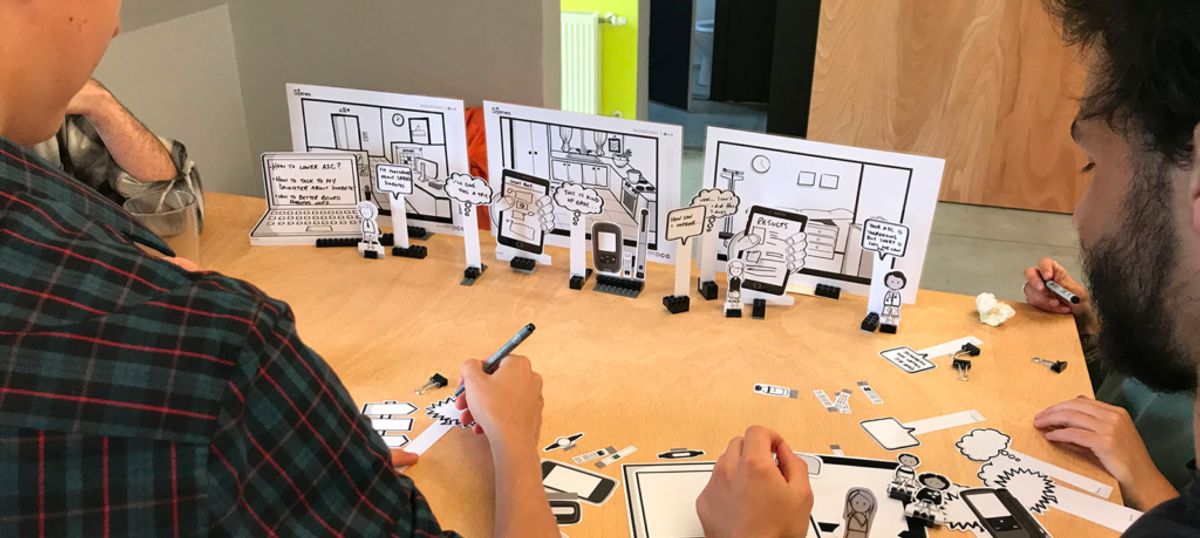
In the realm of user-centered design, research and user feedback form the bedrock of creating intuitive experiences. By delving into the behaviors, needs, and frustrations of users, designers can craft solutions that resonate on a personal level.
A structured approach to gathering feedback involves multiple stages, from initial surveys to usability testing. Below is an outline of a typical feedback loop:
- Conducting user interviews and surveys to gather initial data.
- Analyzing the data to identify patterns and pain points.
- Creating prototypes based on insights and testing them with users.
- Iterating on the design based on user feedback and further testing.
Emphasizing the importance of privacy, it’s crucial to handle all user data with the utmost respect and care, ensuring compliance with relevant regulations.
Ultimately, the goal is to create a seamless and satisfying user experience that not only meets but exceeds user expectations. This process is never static; it requires ongoing attention and adaptation as user needs evolve.
Personalization and User Journey Mapping
In the realm of user-centered design, personalization is the cornerstone that makes a user’s experience truly unique. By leveraging user data and segmentation, businesses can deliver targeted recommendations that resonate with individual preferences. A study by Instapage highlighted that 74% of consumers feel frustrated when website content is not personalized, underscoring the importance of tailored experiences.
Effective user journey mapping is a strategic process that guides users towards desired actions, such as making a purchase or signing up for a newsletter. This process not only streamlines the path to conversion but also enhances user satisfaction. To illustrate, consider the following steps in user journey mapping:
- Define the map’s scope
- Determine your user personas
- Give the personas context
- List persona goals
- Map out the touchpoints
By meticulously crafting a journey that anticipates and addresses user needs at every step, businesses can forge a stronger connection with their audience, leading to increased engagement and conversion rates.
Adapting the user journey to accommodate individual behaviors and preferences is not just a trend; it’s a necessity in today’s digital landscape. As users evolve, so must the experiences we design for them, ensuring that every interaction feels personal and relevant.
Accessibility and Inclusivity in Design
In the realm of digital design, accessibility and inclusivity are not just ethical imperatives but also strategic advantages. By embracing a wide range of abilities and backgrounds, designers can create products that resonate with a broader audience. This approach begins with adherence to WCAG guidelines and extends to a mindset that views diversity as a source of innovation.
Design principles focus on emotional resonance, simplified complexity, and guided interactions. Usability and accessibility are key for user satisfaction and inclusivity in digital experiences.
To ensure that digital products are accessible to all, including people with disabilities, here’s a checklist to consider:
- Use sufficient contrast ratios for text and background colors.
- Provide alternative text for images and multimedia.
- Ensure that all interactive elements are keyboard-navigable.
- Offer captions and transcripts for audio and video content.
- Design with mobile and assistive technologies in mind.
By integrating these practices into the design process, we not only comply with legal standards but also demonstrate a commitment to social responsibility and user empowerment.
Building a Cohesive Brand Experience
Consistency Across Digital Touchpoints
In the realm of digital branding, consistency is key. It’s about ensuring that every interaction a user has with your brand online is coherent and reinforces your brand’s identity. This goes beyond mere visual elements; it encompasses the tone of voice, messaging, and even the functionality of digital platforms.
- Visual Consistency: Logos, color schemes, and typography should be uniform across all platforms.
- Tone and Messaging: The brand’s voice should be recognizable, whether on social media, email campaigns, or web content.
- Functional Consistency: Navigation, layout, and interaction patterns should be familiar to users, regardless of the digital touchpoint.
By maintaining a consistent brand experience, businesses can foster a sense of reliability and trust with their users. It’s a subtle yet powerful way to build a lasting relationship with your audience.
AM2 Studio’s strategic web development approach focuses on user-centric design, cutting-edge technology, and rigorous quality assurance. They offer comprehensive services and maintenance to ensure client success and satisfaction. This holistic approach is essential for creating a seamless brand experience that users can depend on, no matter where they encounter your brand online.
Reinforcing Brand Identity Through Design
In the realm of digital interfaces, intuitive design meets user needs with a blend of consistency, emotional resonance, and usability. A strong brand identity is not just about a memorable logo or a catchy tagline; it’s about creating a cohesive experience that resonates with users on every level. By integrating design elements that reflect the core values and personality of the brand, businesses can foster a sense of familiarity and trust with their audience.
A holistic design approach unifies the user experience, reinforcing the brand’s message and fostering user trust.
For instance, consider the following steps to ensure your design strategy is effectively reinforcing your brand identity:
- Align your design with your brand’s values and objectives.
- Create user-centric designs that boost engagement and satisfaction.
- Convert digital interactions into meaningful customer relationships.
- Position your brand as an industry leader through meticulous UI/UX design.
Each of these steps contributes to a digital narrative that speaks directly to your users, making your brand not just seen but felt. This emotional engagement is a key pillar for creating engaging user experiences that encourage users to recommend the brand and return for repeat business.
Creating a Memorable Brand Narrative
In the realm of digital storytelling, a memorable brand narrative is not just about the content; it’s about connecting with your audience on a deeper level. To achieve this, it’s essential to understand the user behavior and craft a story that resonates with them. This involves creating buyer personas that reflect the characteristics and needs of your target audience.
A cohesive brand narrative weaves together the values, mission, and unique selling points of a company into a compelling story that captivates the audience and fosters brand loyalty.
By consistently integrating this narrative across all digital touchpoints, from the website to social media, businesses can enhance brand perception and encourage users to advocate for the brand. Clear calls to action, streamlined navigation, and engaging visuals are crucial elements that support the narrative and guide users towards desired actions, such as making a purchase or signing up for a newsletter.
Evolving with User Expectations
Adapting to Emerging Design Trends
In the dynamic realm of UI/UX design, staying abreast of emerging trends is not just beneficial; it’s imperative for survival. Companies must evolve their design strategies to maintain relevance and cater to the ever-changing preferences of users. Moonello, for instance, ensures its designs are contemporary by investing in research and industry collaboration, thus resonating with today’s audience while anticipating the needs of tomorrow.
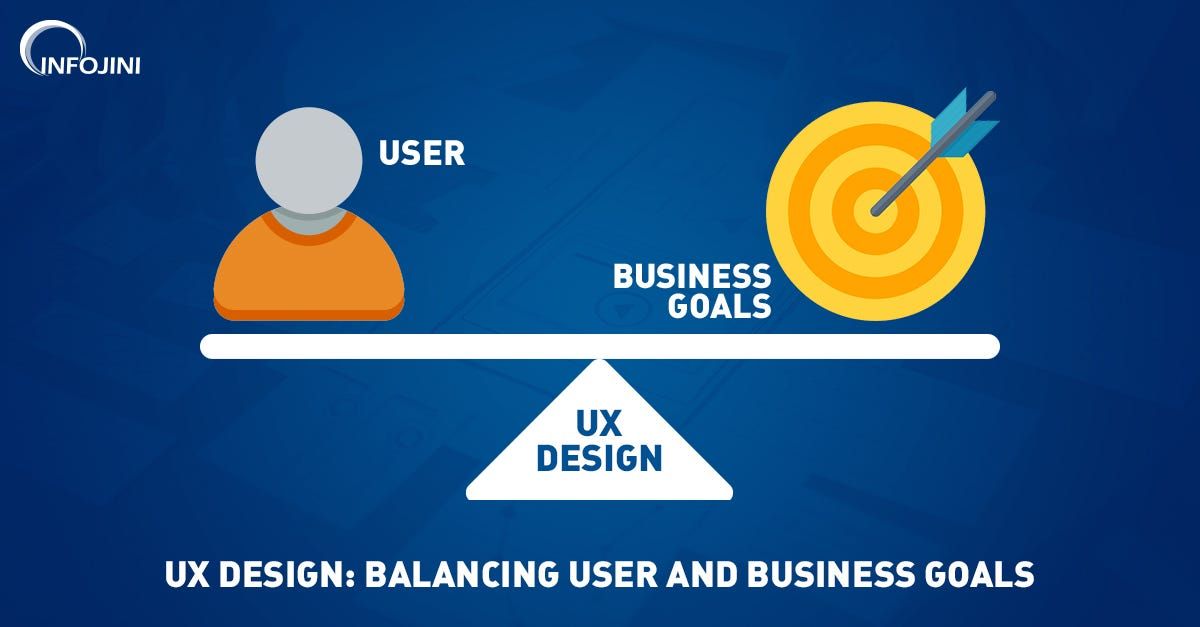
Intuitive design emphasizes user psychology, simplifies interfaces, and creates memorable experiences. Leveraging familiar patterns enhances usability, but innovation is also crucial for optimal user experience.
Adapting to new trends often involves a delicate balance between innovation and maintaining a sense of familiarity. Moonello’s approach to redesigning existing platforms exemplifies this by modernizing features without stripping away the core values that users have grown accustomed to. This ensures a seamless transition and improved user engagement post-redesign.
Responsive design, website speed optimization, and mobile-friendly navigation are practical steps that can significantly enhance usability. These elements contribute to a streamlined navigation experience, which is a cornerstone of user satisfaction and increased conversion rates.
Incorporating Feedback for Continuous Improvement
The feedback loop is a critical component in evolving user experiences. It involves the collection of user insights, which are then analyzed to inform design improvements. This cyclical process ensures that products remain aligned with user needs and expectations.
- Gather: Collect feedback through surveys, user testing, and analytics.
- Analyze: Identify patterns and areas for enhancement.
- Implement: Make informed changes to the design.
- Re-evaluate: Assess the impact of those changes and gather further feedback.
By continuously incorporating user feedback, designers can refine and optimize the user experience, leading to increased satisfaction and loyalty.
In practice, companies like AM2 Studio and Volpis prioritize user feedback in their web development and UI/UX design processes. They recognize that intuitive navigation and streamlined activities are not just about convenience but also about driving conversion rates. Micro-interactions, for example, can delight users and significantly improve usability, making the experience not only functional but memorable.
Maintaining Relevance in a Dynamic Digital Landscape
In the fast-paced realm of digital design, staying ahead of the curve is not just an advantage; it’s a necessity. Businesses must continuously evolve their online presence to align with the latest user expectations and technological advancements. This involves a proactive approach to design, where regular updates and refinements are based on user feedback and performance analytics.
To maintain relevance, it’s imperative to foster an environment of ongoing learning and adaptability. Embracing change and being willing to pivot strategies in response to new data ensures that a brand remains competitive and resonant with its audience.
A key aspect of this evolution is the integration of emerging design trends that resonate with users. This not only enhances the user experience but also reinforces the brand’s position as an industry leader. Below is a list of strategies that can help maintain this crucial relevance:
- Conducting thorough website health audits to identify areas for improvement
- Implementing a cycle of testing, feedback, and iteration for continuous enhancement
- Staying informed about new design methodologies and incorporating them into the design process
- Ensuring that all digital touchpoints reflect the latest in usability and accessibility standards
Remember to analyze your blog’s performance regularly, seek feedback from your readers, and adapt accordingly. The key is to remain agile and open to new ideas that can propel the brand forward in an ever-changing digital landscape.
As the digital landscape continues to shift, it’s crucial for businesses to evolve with user expectations. Our team at AM2 specializes in creating custom web solutions that not only meet but exceed the modern demands of online presence. From WordPress Development to eCommerce optimization, we ensure your website stands out in a crowded digital world. Don’t let your business fall behind – visit our website to see how we can help you stay ahead of the curve and make a lasting impression on your customers.
Conclusion
In conclusion, intuitive design is not just about creating a visually appealing interface; it’s about crafting a seamless user experience that resonates with users and guides them effortlessly towards their goals. By balancing aesthetics with functionality and prioritizing the user’s journey, businesses can foster engagement, boost conversion rates, and reinforce their brand identity. The examples and strategies discussed in this article underscore the importance of a user-centered approach to design. As we’ve seen with Moonello’s strategic UI/UX designs and the various projects highlighted, the right design choices can lead to memorable user experiences that set a brand apart in the digital landscape. Embrace the principles of intuitive design, and watch as your digital platforms transform into powerful tools for business success.
Frequently Asked Questions
What are the core principles of intuitive design?
Intuitive design is based on understanding user behavior, creating guided interactions, and designing for easy conversions. It focuses on creating a seamless user experience that feels natural and requires minimal effort to engage with.
How does aesthetics impact user engagement?
Aesthetics play a crucial role in capturing user attention and making a strong first impression. A well-designed interface that balances form and function can significantly enhance usability and keep users engaged with the content.
What is a user-centered design approach?
A user-centered design approach involves placing the user at the heart of the design process. This includes conducting thorough research, gathering user feedback, personalizing the user journey, and ensuring accessibility and inclusivity.
How can a brand create a cohesive digital experience?
To create a cohesive digital experience, a brand must ensure consistency across all digital touchpoints, reinforce its identity through design elements, and craft a memorable brand narrative that resonates with users.
Why is it important to evolve with user expectations?
User expectations are constantly changing, often influenced by emerging design trends and technological advancements. Staying relevant and competitive requires adapting to these changes and continuously improving based on user feedback.
How can Moonello help with UI/UX design?
Moonello specializes in strategic UI/UX design, blending aesthetics with functionality to create intuitive and engaging digital experiences. They focus on user-centric interfaces, increased engagement, and conversion rates, ensuring a consistent brand image.