Crafting Memorable User Experiences with Intuitive Design
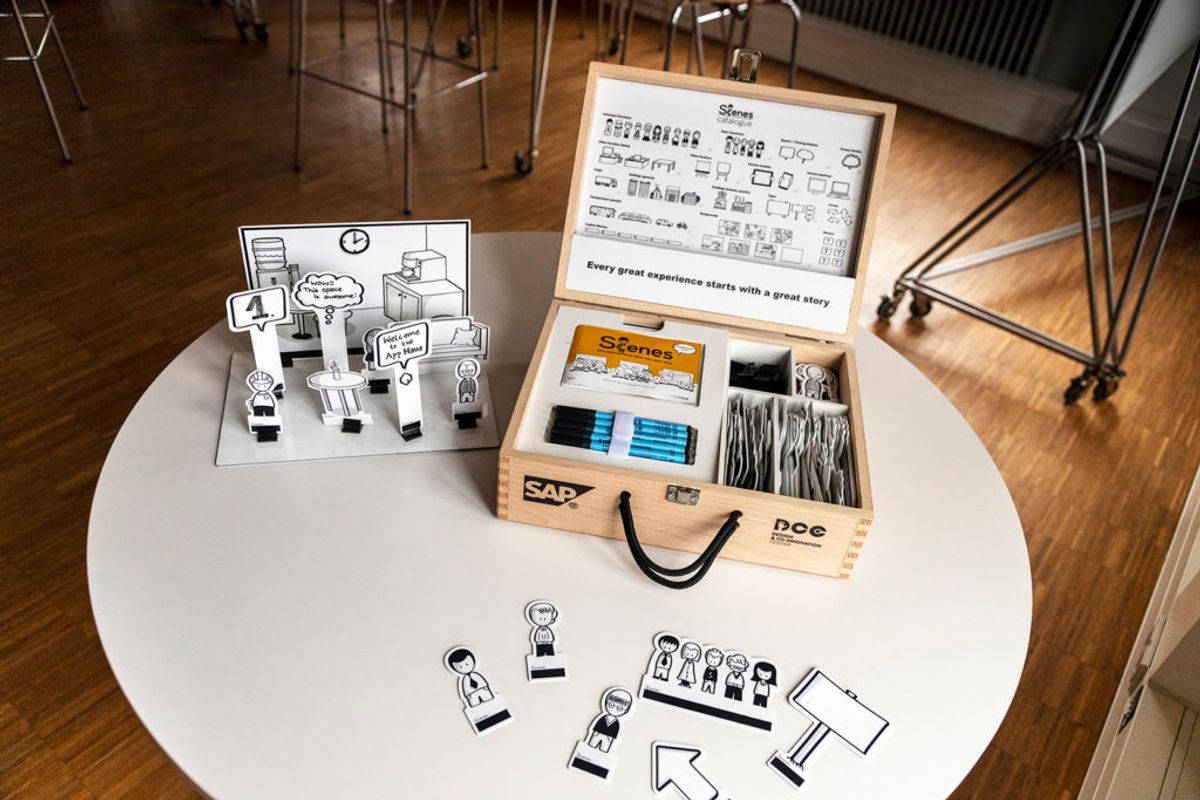
In the fast-paced digital world, intuitive design is the cornerstone of creating user experiences that not only attract but also retain customers. ‘Crafting Memorable User Experiences with Intuitive Design’ is an article that delves into the strategies and principles that make digital interfaces not just functional, but also delightful and memorable. This article will explore how understanding user behavior, emotional engagement, optimized conversion, creativity, and consistency across platforms can transform the user journey into a seamless and enjoyable process.
Key Takeaways
- Intuitive design is rooted in a deep understanding of user behavior and simplifying navigation to foster user-friendly experiences.
- Emotional engagement is achieved through delightful interactions, storytelling, and a strong brand connection, making experiences memorable.
- Optimizing for conversion involves streamlining the user journey, enhancing call-to-action visibility, and leveraging analytics for informed design decisions.
- The best designs balance creativity with functionality, ensuring innovative experiences that remain accessible and easy to use.
- A cohesive user experience across all platforms is maintained by developing a consistent design language and adapting designs for various devices.
The Pillars of Intuitive Design

Understanding User Behavior
To create an intuitive design, it’s essential to start with a deep understanding of user behavior. User research and persona development are foundational steps in this process. By analyzing how users interact with products, designers can identify patterns and preferences that inform the creation of more user-friendly interfaces.
The goal is to streamline the user’s journey from initial contact to conversion, ensuring a seamless and satisfying experience.
Designers must consider the ‘Who, Why, What, and How’ of product use. The ‘Why’ delves into user motivations, the ‘What’ covers the possible actions with the product, and the ‘How’ focuses on the design’s accessibility and aesthetics. This holistic approach is crucial for crafting designs that resonate with users and drive engagement.
- Conduct user interviews and surveys
- Analyze user interaction data
- Create detailed user personas
- Map out user journeys
AM2 Studio’s approach to web development exemplifies the importance of a strategic, data-driven design that prioritizes user experience. By blending creativity with technology, they ensure their websites stand out, while robust maintenance and support services contribute to ongoing client success.
Simplifying Navigation
To create an efficient user journey, it’s crucial to simplify navigation within your digital product. This means designing a user interface that is clear, concise, and predictable, allowing users to find what they need without unnecessary complexity. Intuitive design focuses on understanding user psychology and simplifying the user interface to create engaging, efficient experiences that prioritize user needs and minimize cognitive load.
A well-structured navigation system acts as a roadmap to guide users through a website or application, enhancing the overall user experience.
Here are some key considerations for simplifying navigation:
- Consistency in design elements such as buttons, links, and menu structures.
- Clarity in labeling and language that resonates with the user’s expectations.
- Hierarchy that reflects the importance and relationship between different sections.
- Accessibility to ensure that all users, regardless of ability, can navigate the product with ease.
By focusing on these aspects, designers can reduce the chances of users getting lost or frustrated, thereby increasing the likelihood of successful interactions and conversions.
Incorporating Feedback Mechanisms
In the realm of intuitive design, feedback mechanisms play a crucial role in shaping the user experience. They serve as a bridge between users and designers, allowing for a continuous dialogue that can drive improvements and innovation. To effectively incorporate feedback, it’s essential to choose the right methods and tools. There’s a toolbox full of options, including surveys, interviews, focus groups, and usability tests, each with its own strengths.
Embracing feedback is not just about collecting data; it’s about fostering an environment where users feel heard and valued. This approach can lead to a more refined product and a deeper connection with the user base.
Iterating on design based on user feedback is an ongoing process that should not end with the product launch. It’s a cycle of testing, learning, and refining that ensures the product evolves to meet user needs. Encourage feedback from all stakeholders and remember that each piece of feedback is a step toward design excellence.
Designing for Emotional Engagement

Creating Delightful Interactions
In the quest to craft memorable user experiences, the art of microinteractions plays a pivotal role. These small, functional moments are where attention to detail can transform every pixel into a moment of joy. By implementing user-friendly design principles and prioritizing seamless interactions, designers can create delightful moments that leave a lasting impression on users.
The key to delightful interactions is not just in the grand gestures but in the nuances that make the user feel understood and valued.
To achieve this, a designer must become a maestro of empathy, curating user journeys that are not only efficient but also emotionally resonant. This involves a deep understanding of user behavior, a commitment to problem-solving, and a mastery of design thinking. Below is a list of elements that contribute to creating delightful interactions:
- Aesthetics that please the senses
- Motion that guides and delights
- Sound that enhances the experience
- Context-aware interactions
These elements, when harmoniously combined, shape experiences that resonate with users, making every interaction a step in a memorable journey.
Building Brand Connection
In the realm of intuitive design, building a strong brand connection is pivotal. It’s not just about the visual appeal; it’s about creating a digital narrative that resonates with users on a personal level. Design principles like clarity, simplicity, and consistency are foundational in enhancing the user experience. By weaving these elements into the design, users form an emotional bond with the brand, which in turn fosters loyalty and advocacy.
A refined UI/UX design not only communicates professionalism and attention to detail but also a commitment to user satisfaction. When users encounter a seamless and attractive interface, they inherently trust the brand more, leading to increased engagement and the likelihood of repeat business.
To illustrate the impact of intuitive design on brand perception, consider the following points:
- Enhanced Brand Perception: Users associate the quality of the design with the quality of the brand.
- Increased User Engagement: Delightful design elements create emotional connections, increasing engagement and trust in the product.
- Boosted Conversion Rates: A well-designed user interface can lead to higher conversion rates as it simplifies the user journey.
- Consistent Brand Image: Maintaining a cohesive design across all platforms ensures that the brand image remains consistent and recognizable.
Utilizing Storytelling in Design
In the realm of design, storytelling is a powerful tool that can captivate and engage users, creating a memorable experience that resonates on an emotional level. By weaving a narrative throughout the user interface, designers can guide users through a journey that not only informs but also entertains and connects.
Storytelling in design is not just about the content; it’s about creating a cohesive narrative that aligns with the brand and enhances the overall user experience.
Designers often use personas and scenarios to represent their target audience, allowing them to craft experiences that are not only functional but also emotionally appealing. This approach helps to build empathy and provides insight into user behavior, which is crucial for creating intuitive and user-centric designs.
- Understand your audience
- Create relatable personas
- Weave a narrative through interactions
- Evoke emotions that align with the brand
By mastering the art of storytelling, designers can transform a good design into an unforgettable experience that stands out in a crowded digital landscape.
Optimizing for Conversion

Streamlining the User Journey
The path from a user’s initial visit to a successful conversion should be as efficient as possible. By understanding user behavior and implementing design principles that guide them towards desired actions, businesses can reduce drop-offs and increase successful interactions. An optimized user journey streamlines the process, resulting in higher conversion rates and user satisfaction.
To transform the user experience, it’s crucial to analyze and refine each step of the user journey. This ensures that every interaction is purposeful and moves the user closer to their goal.
Here are some key steps to consider when streamlining the user journey:
- Simplify the navigation: Ensure that users can find what they’re looking for with ease.
- Incorporate user feedback: Regularly collect and act on user input to improve the journey.
- Focus on performance: A fast-loading website keeps users engaged and reduces bounce rates.
- Clarify the call-to-action: Make it clear what the user needs to do next to convert.
By focusing on these areas, businesses can create a seamless and intuitive user experience that not only satisfies but also delights their customers.
Enhancing Call-to-Action Visibility
In the realm of user experience, the visibility of call-to-action (CTA) elements is crucial for guiding users towards the desired action. A well-placed and clearly visible CTA can significantly boost conversion rates. To achieve this, it’s important to make sure the button is obvious and not to go overboard with too many competing messages.
Creating a sense of urgency and picking CTA colors wisely are strategies that can lead to better user engagement and conversion. Use words that encourage action to compel users to take the next step.
Here are some best practices for CTA visibility:
- Ensure the CTA stands out visually from the rest of the page.
- Position the CTA prominently, ideally above the fold.
- Use contrasting colors to draw attention.
- Keep the message clear and concise.
By implementing these practices, designers can create an intuitive path for users, leading to enhanced brand perception and increased user engagement.
Leveraging Analytics for Design Decisions
In the realm of user experience design, leveraging analytics is a cornerstone for informed decision-making. By interpreting user behavior data, designers can pinpoint areas for improvement and validate their choices through A/B testing. This data-driven approach ensures that design modifications are not just based on intuition but are backed by tangible user interactions.
Analytics serve as a compass, guiding the enhancement of usability and engagement, ultimately steering towards an optimized user journey.
For instance, consider the impact of website speed on user satisfaction. Analytics can reveal the correlation between page load times and bounce rates, prompting designers to prioritize performance optimizations. Similarly, conversion rate analytics can highlight the effectiveness of different call-to-action placements, leading to strategic design adjustments.
To illustrate the process, here’s a simplified workflow:
- Analyze data and identify patterns to understand user preferences and pain points.
- Implement changes based on insights, such as modifying layouts or streamlining processes.
- Use A/B testing to compare the performance of design variations.
- Review analytics post-implementation to measure impact and plan further iterations.
Balancing Creativity with Functionality

Innovating within Usability Constraints
In the realm of user experience design, innovation must coexist with usability. Designers are tasked with pushing the boundaries of creativity while ensuring that the end product remains intuitive and accessible to users. This delicate balance is achieved through a process of iterative design, where new ideas are constantly tested and refined.
- Start with a clear understanding of user needs and limitations.
- Explore creative solutions within the framework of established usability principles.
- Test prototypes rigorously with real users to gather feedback.
- Iterate on the design, incorporating user insights and improving usability.
The goal is not to design for the sake of novelty, but to create solutions that enhance the user’s interaction with the product.
By adhering to this approach, designers can craft experiences that are both innovative and user-friendly, ultimately leading to products that users love to engage with. It’s a continuous journey of discovery, where each iteration brings us closer to an optimal balance between the new and the familiar.
Conducting Thorough Usability Testing
Thorough usability testing is a critical step in the design process, ensuring that the end product is not only functional but also intuitive and user-friendly. Usability testing should be as rigorous as the design process itself, involving a diverse group of users to uncover a wide range of insights.
The process begins with planning and goal setting, where clear objectives are established to guide the testing. Selecting the right users is crucial; they should represent the target audience to provide relevant feedback. During the test, observing user interactions and listening to their feedback provides invaluable information that can lead to impactful design improvements.
By meticulously analyzing the results, designers can iterate on the product, enhancing the user experience and ultimately driving user satisfaction.
A structured approach to usability testing includes several key steps:
- Planning and Goal Setting
- Selecting the Right Users
- Conducting the Test
- Analyzing Results
- Iterating Based on Feedback
This methodical process ensures that the product not only meets the users’ needs but also delivers a seamless and enjoyable experience.
Prioritizing Accessibility in Design
In the realm of user experience, accessibility is not an afterthought but a key component of intuitive design. It ensures that products are usable by everyone, regardless of their abilities or circumstances. By prioritizing accessibility, designers embrace a wider audience, fostering inclusivity and ensuring compliance with legal standards.
- Usability and Accessibility: These are intertwined aspects of design that cater to users with diverse abilities, providing an intuitive interface for all.
- Interaction Design Skills: Essential for crafting user-friendly interfaces that consider aesthetics, motion, sound, and context.
- Balancing Creativity with Usability: Innovation should not compromise intuitiveness and user-friendliness.
By embedding accessibility into the design process, we not only adhere to ethical and legal standards but also enhance the overall user experience, making it more inclusive and equitable.
Accessibility is not just about meeting standards; it’s about understanding and designing for real people with varied needs. This approach leads to a more robust design that benefits all users and contributes to a positive brand reputation.
Maintaining a Cohesive Experience Across Platforms
Developing a Consistent Design Language
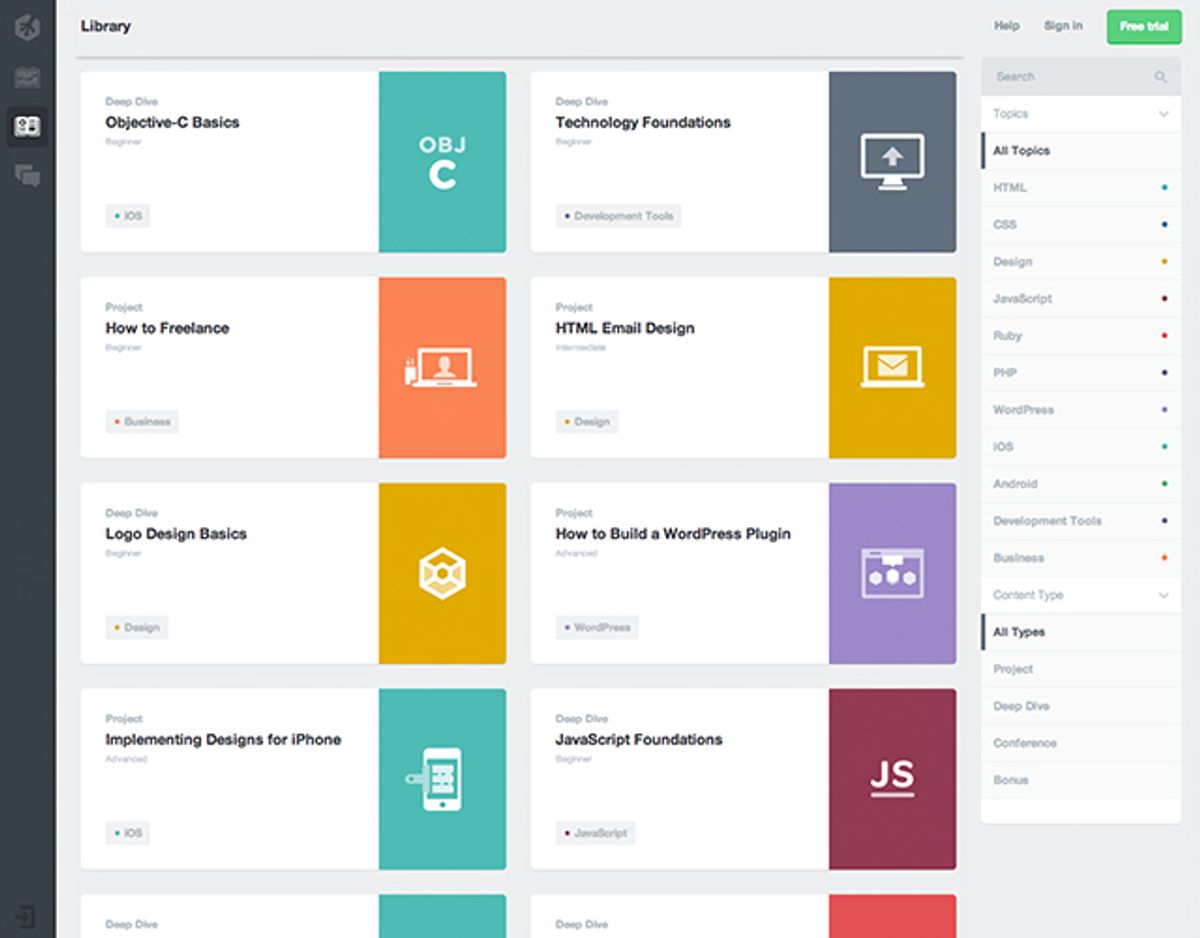
A consistent design language is the backbone of a cohesive user experience. It ensures that no matter where users interact with a product—be it a website, mobile app, or any other platform—they encounter a familiar environment. This familiarity breeds comfort and trust, which are essential for maintaining user engagement and strengthening brand identity.
Design prioritizes user psychology, emotional responses, and consistency for engaging user experiences. By developing a design language that is both intuitive and reflective of the brand’s values, companies can create a seamless experience that resonates with users on a deeper level.
A unified design language not only simplifies the design and development process but also fosters collaboration among teams. It serves as a shared toolkit that streamlines communication and ensures that all elements are in harmony.
To establish a consistent design language, consider the following steps:
- Conduct a comprehensive audit of the product’s existing user interface (UI).
- Define the core elements that represent the brand and its values.
- Develop a set of guidelines that dictate the use of color, typography, and other design elements.
- Create reusable components that can be easily adapted across different platforms.
- Iterate relentlessly, using feedback to refine and evolve the design language.
Ensuring Brand Identity Integrity
Maintaining a consistent brand identity across various platforms is essential for building trust and recognition among users. It’s not just about using the same logo or color scheme; it’s about ensuring that every touchpoint reflects the core values and messaging of the brand. This consistency reinforces the brand’s promise and can lead to enhanced brand perception, encouraging users to recommend the brand and return for repeat business.
A refined UI/UX design communicates professionalism and a commitment to user satisfaction, which in turn fosters trust and loyalty.
To achieve this, companies must expand upon their Brand Style Guide with specifics for the digital realm, including typography, imagery, and interaction patterns. Below is a list of key considerations for maintaining brand identity integrity:
- Conducting an initial trademark search to secure the brand name
- Proactively securing digital assets across all platforms
- Developing a consistent design language that resonates with the brand
- Vigilant defense of the brand’s integrity against infringement
By adhering to these steps, businesses can ensure that their brand identity remains intact and recognizable, no matter where or how customers interact with it.
Adapting Designs for Various Devices
In today’s digital landscape, users access content through a myriad of devices, each with its own screen size, resolution, and operating system. Designing for adaptability is not just a luxury but a necessity to ensure a consistent and engaging user experience. Adapting designs for various devices means creating flexible and responsive interfaces that maintain usability and aesthetic appeal across different platforms.
Consistency and intuitiveness across platforms are crucial for user experience. Design should prioritize user needs, simplicity, responsiveness, and consistency. Adapting to platform nuances enhances satisfaction and loyalty.
To achieve this, designers must consider the constraints and capabilities of each device. For instance, a desktop user might appreciate intricate details and interactive elements that a mobile user would find cumbersome or slow to load. Here’s a simple checklist to help maintain design integrity across devices:
- Ensure responsive layouts that adjust to different screen sizes
- Optimize touch targets for mobile usability
- Test designs on actual devices for real-world performance
- Simplify elements without sacrificing functionality
By embracing these practices, designers can create experiences that are not only visually cohesive but also functionally robust, no matter the device.
In today’s digital landscape, it’s crucial to provide a seamless experience for your users across all platforms. Whether they’re browsing on a desktop or tapping through on a mobile device, your audience expects consistency and ease of use. At our company, we specialize in crafting bespoke digital solutions that ensure your brand’s presence is cohesive and engaging, no matter the platform. From WordPress development to custom web design, we’ve got you covered. Ready to elevate your digital strategy? Visit our website and let’s create something amazing together.
Conclusion
In the realm of digital interfaces, the distinction between a good user experience and a great one often hinges on intuitive design. Throughout this article, we’ve explored the multifaceted approach to crafting user experiences that not only meet functional needs but also resonate on an emotional level. From the strategic use of storytelling to the meticulous balance of creativity and usability, the goal is to create a seamless journey that captivates and retains user attention. As we’ve seen in various case studies, such as the Intuitivo design system and the White Rabbit NFT project, the impact of well-executed design is profound, leading to increased engagement and conversion rates. It is clear that investing in intuitive design is not just about aesthetics; it’s about fostering a deep connection with users that propels a brand forward in the competitive digital landscape. Remember, the most memorable user experiences are those that feel as natural as they are innovative.
Frequently Asked Questions
What are the core principles of intuitive design?
Intuitive design is centered around understanding user behavior, simplifying navigation, and incorporating feedback mechanisms to create an effortless user experience.
How can emotional engagement be integrated into design?
Emotional engagement can be achieved through creating delightful interactions, building a strong brand connection, and utilizing storytelling within the design to resonate with users on a personal level.
What strategies can optimize conversion rates in design?
To optimize for conversion, streamline the user journey, enhance the visibility of calls-to-action, and leverage analytics to make informed design decisions that encourage user action.
How do you balance creativity with functionality in design?
Balancing creativity with functionality involves innovating within usability constraints, conducting thorough usability testing, and prioritizing accessibility to ensure the design is both aesthetically pleasing and practical for all users.
What is important when maintaining a cohesive experience across platforms?
Maintaining a cohesive experience requires developing a consistent design language, ensuring brand identity integrity, and adapting designs to provide a seamless user experience across various devices.
Why is usability important in design?
Usability is crucial because it ensures that a product is easy to use, meets users’ needs, and provides a satisfying experience, which ultimately leads to higher user retention and conversion rates.