Crafting Memorable User Experiences with Intuitive Design
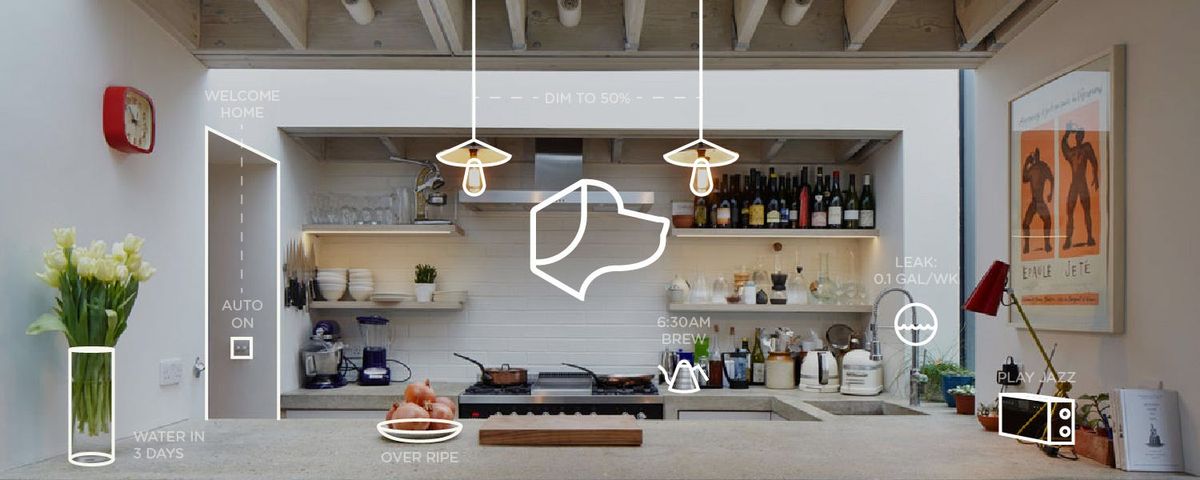
In a world where digital interactions are increasingly prevalent, the importance of intuitive design in crafting memorable user experiences cannot be overstated. Intuitive design not only facilitates ease of use but also enhances user satisfaction and loyalty. This article explores the critical aspects of intuitive design, from understanding user psychology to ensuring privacy, and highlights the impact of design on user engagement and conversion rates.
Key Takeaways
- Understanding user psychology is crucial for creating intuitive designs that resonate with users and meet their needs.
- Simplifying navigation and balancing aesthetics with functionality are key to enhancing user experience and engagement.
- Optimizing user interfaces and employing strategic design can significantly improve conversion rates.
- Respecting user privacy while offering personalized experiences is essential in building trust and maintaining compliance.
- Continuous monitoring, feedback integration, and iterative design improvements are vital for the longevity of user experiences.
The Pillars of Intuitive Design

Understanding User Psychology
At the core of intuitive design is a profound grasp of user psychology. This understanding informs every aspect of the user experience, from the layout of information to the subtleties of color and typography. By delving into the cognitive processes that guide user interactions, designers can craft interfaces that feel familiar and easy to navigate.
Empathy is the cornerstone of user-centered design. It allows designers to step into the shoes of users, anticipate their needs, and create environments that speak to their preferences and objectives.
To truly align with user expectations, it’s essential to gather data-driven insights. Heatmaps, for example, can unveil navigation patterns and click zones, offering a clear picture of user behavior. This information is pivotal in refining the user interface to match the mental models of users. Below is a list of steps that can help in understanding and applying user psychology in design:
- Conduct user research to uncover needs and behaviors.
- Analyze interaction data, such as heatmaps, to understand preferences.
- Iterate on design based on feedback and observed usage.
- Continuously monitor and adapt to changing user trends and feedback.
Remember, the design process is never static; it evolves as users and their behaviors change over time. By committing to this ongoing cycle of research, analysis, and iteration, designers can ensure that their interfaces remain intuitive and engaging.
Simplifying Navigation
Streamlining navigation is crucial for ensuring that users can effortlessly find what they’re looking for within a digital product. Clear and intuitive navigation menus, logical grouping of related items, and minimizing the number of clicks required to reach a destination are essential aspects of simplifying navigation.
By reducing cognitive load and providing users with a clear path to their desired destination, designers can enhance the overall user experience.
Designing user-friendly navigation involves best practices such as maintaining simplicity, ensuring consistency across pages, and creating responsive layouts. These practices are not just about aesthetics but about creating a seamless flow that guides users through the content without confusion or frustration.
- Maintain simplicity in design
- Ensure consistency across all pages
- Create responsive layouts adaptable to various devices
- Logical grouping of related content
- Minimize the number of clicks to reach a destination
When navigation is intuitive, users are more likely to stay engaged, explore further, and ultimately take the desired actions, leading to better conversion rates and user satisfaction.
Balancing Aesthetics and Functionality
In the realm of intuitive design, the interplay between aesthetics and functionality is crucial. Aesthetic choices not only convey the brand’s essence but also forge an emotional connection with users. However, functionality must not be compromised for the sake of visual appeal. The design should facilitate a seamless user experience, ensuring that each element is optimized for user expectations and consistent across devices.
The goal is to create a design that feels like a natural extension of the user, enhancing usability while maintaining a visually pleasing interface.
Design consistency, such as uniform typography and icon use, plays a significant role in maintaining this balance. It’s about arranging the elements as though they were part of a natural environment, providing a sense of harmony and tranquility. Below is a list of considerations for balancing aesthetics and functionality:
- Authentic visuals that reflect the brand’s truth
- Readability with appropriate contrast
- Consistent design elements across all screens
- Optimized interface for various devices
By adhering to these principles, designers can create experiences that are not only memorable but also intuitive and user-friendly.
Optimizing for Conversion: Usability Meets Aesthetics
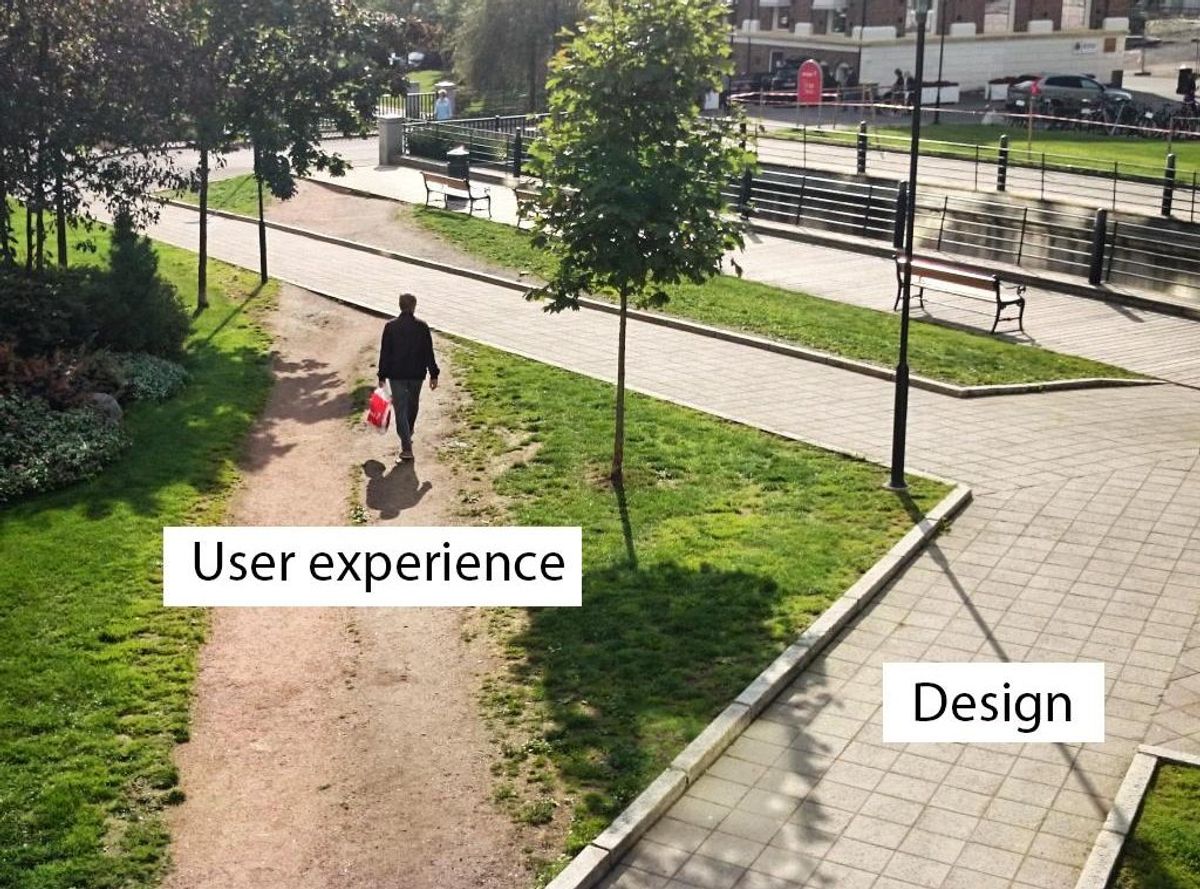
Analyzing User Interface for Enhanced Experience
In the quest to craft memorable user experiences, analyzing the user interface (UI) is a critical step. It’s a continuous process that adapts to the evolving needs and preferences of users. By examining user interaction data, we can pinpoint areas for improvement and make informed decisions to enhance the overall online customer experience.
This involves analyzing user pain points and then addressing them to improve the overall online customer experience.
Key benefits of a well-analyzed UI include enhanced user satisfaction, improved conversion rates, and a competitive edge in the market. To quantify these benefits, consider the following metrics:
- User Satisfaction Score (USS)
- Task Success Rate (TSR)
- Time on Task (ToT)
- Conversion Rate (CR)
- Click-Through Rate (CTR)
Each metric offers insights into different aspects of the user experience, from how users feel about the interface to how effectively they can complete tasks. By tracking these metrics over time, we can measure the impact of UI changes and ensure that we are moving in the right direction.
Design Strategies to Improve Conversion Rates
To enhance conversion rates, a meticulous approach to user interface design is paramount. By analyzing visitor behavior analytics and identifying areas of low engagement, known as ‘coldspots’, we can pinpoint where improvements are needed. For instance, a common issue is confusion around form inputs, which can lead to form abandonment. Addressing these concerns through clearer field labels and instructions can lead to a more streamlined user experience and, consequently, higher conversion rates.
A great user experience not only boosts conversions but also fosters brand loyalty, which is invaluable in today’s competitive landscape.
Optimizing site speed is another critical factor; even a few seconds’ delay can deter potential customers. Performance optimization should be a continuous process, with regular monitoring and updates to ensure the best possible user experience. Below is a list of key areas to focus on for improving user experience and conversion rates:
- Enhanced User Satisfaction
- Competitive Advantage
- Website Speed and Performance
- Clear and Intuitive Navigation
- Effective Use of Visual Hierarchy
By prioritizing these areas, businesses can create a more engaging and intuitive interface that not only attracts but retains customers, leading to sustained growth and success.
The Role of Visual Hierarchy in User Engagement
The concept of visual hierarchy is pivotal in creating an interface that guides the user’s eye and emphasizes the most important elements. By strategically using size, color, and layout, designers can influence the order in which information is processed. This not only aids in navigation but also in reinforcing the message and purpose of the design.
Organizing content with a clear hierarchy is essential for guiding users through a digital experience. It helps them prioritize information, improving usability and readability.
The benefits of a well-executed visual hierarchy extend beyond aesthetics. It can lead to heightened brand perception, greater user engagement, and increased customer retention. Here’s how a visual hierarchy can impact user experience:
- Heightened Brand Perception: Reflects positively on the brand’s reputation for innovation and customer-centricity.
- Greater User Engagement: Captivates users, driving deeper engagement with the product.
- Increased Customer Retention: Delivers experiences that resonate, fostering long-term loyalty.
In practice, companies like Muc-Off have leveraged visual hierarchy to drive significant improvements. By analyzing heatmaps and adjusting their homepage layout to display product images above-the-fold, they saw a 106% increase in purchases. This demonstrates the tangible impact that visual hierarchy can have on user engagement and business success.
Privacy and Personalization: Respecting User Choices
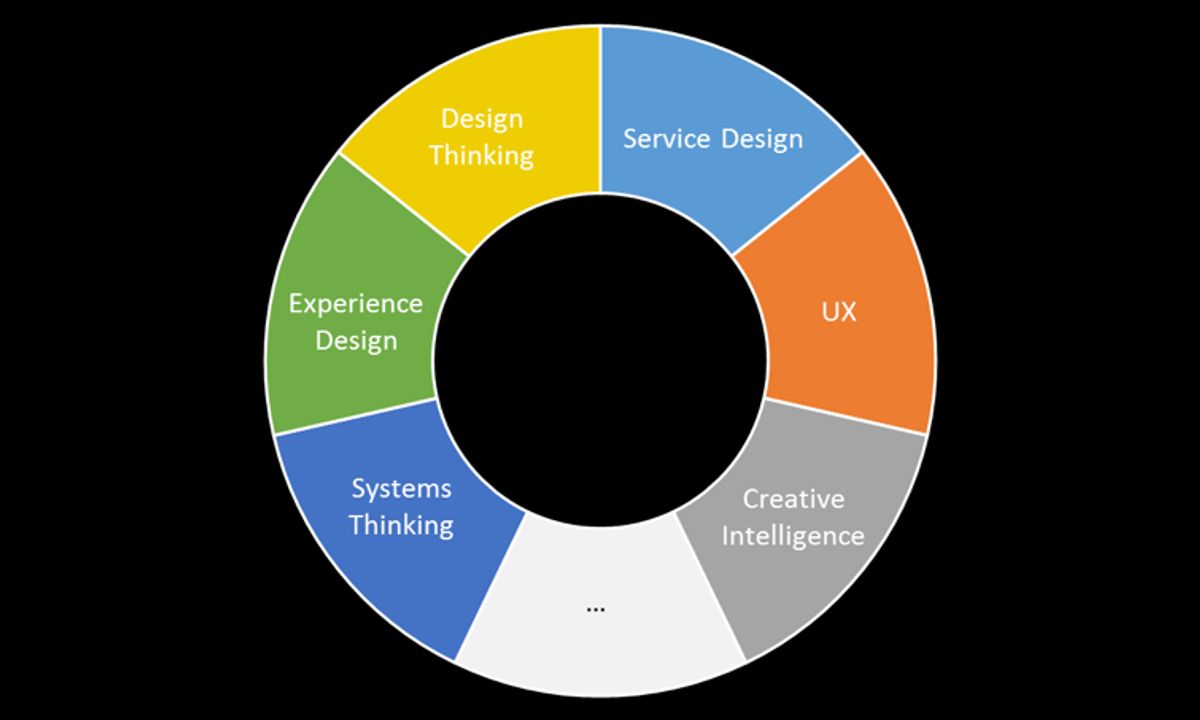
Incorporating Privacy by Design
In the digital realm, privacy by design stands as a foundational principle that ensures user privacy is an integral part of the development process, rather than an afterthought. This approach requires a proactive stance, embedding privacy into the design and architecture of IT systems and business practices.
Privacy by design is about creating a seamless user experience where privacy is maintained without sacrificing functionality. It’s about building trust with users by making sure their personal information is handled with care and respect.
To effectively incorporate privacy by design, certain steps can be followed:
- Conducting thorough privacy impact assessments
- Minimizing data collection to what is strictly necessary
- Ensuring transparency about how data is used
- Providing users with control over their personal information
- Implementing strong data security measures from the outset
By adhering to these practices, businesses can demonstrate a commitment to user privacy that goes beyond compliance. It’s a strategic approach that aligns with user expectations and builds lasting relationships.
Customizing User Experiences While Protecting Data
In the quest to provide tailored experiences, the challenge lies in balancing personalization with data protection. Users crave personalized content, yet they also demand assurance that their privacy is safeguarded. To achieve this, designers must navigate a delicate interplay between leveraging user data for customization and upholding stringent privacy standards.
By integrating privacy by design, businesses can build trust and ensure compliance with data protection regulations. This approach involves embedding privacy into the very fabric of user experience design, from the initial concept to the final product.
A successful strategy includes clear communication about data usage and offering users control over their information. Below is a list of key considerations for designers:
- Transparency in data collection and usage
- User-friendly privacy settings
- Secure handling of user data
- Regular updates to privacy policies
These elements contribute to a respectful and ethical user experience that values customer retention and data-driven iteration.
Navigating the Cookie Consent Challenge
In the realm of web design, ensuring user privacy has become a cornerstone of user trust and satisfaction. Designers create memorable user experiences with microinteractions and layout. Websites must prioritize user control, privacy, and personalization through clear cookie consent and customizable experiences.
The WP Cookie Consent tool is user-friendly. It has various customization options, making changing your cookie consent banners simple. The tool ensures correct adherence to privacy laws, providing a seamless integration for users and designers alike.
Below is a list of best practices for cookie consent banners:
- Clearly articulate the purpose of cookies and tracking.
- Provide options for granular consent for different cookie categories.
- Ensure easy accessibility to modify cookie preferences at any time.
- Design for clear visibility without obstructing content.
Navigating the cookie consent challenge involves a delicate balance between compliance and user experience. By adopting these practices, websites can foster transparency and empower users, ultimately enhancing trust and engagement.
Showcasing Success: Case Studies in Intuitive Design

Revamping E-commerce Platforms for Maximum Impact
In the dynamic world of e-commerce, intuitive interfaces are not just a luxury but a necessity for success. The revamping of e-commerce platforms hinges on creating an environment where users feel comfortable and engaged. This involves a meticulous blend of design, functionality, and performance optimization.
The key to a successful e-commerce platform is a design that prioritizes user understanding and engagement while balancing personalization and privacy.
To achieve this, a structured approach is essential. Here’s a snapshot of the process:
- Strategy: Identifying the core objectives and mapping out the user journey.
- Design: Crafting a user-centric interface that resonates with the target audience.
- Development: Implementing performance optimizations to ensure seamless interactivity.
- Education: Empowering users with the knowledge to navigate the platform efficiently.
- Tracking & Measuring: Analyzing user interactions to refine and enhance the experience.
By focusing on these steps, e-commerce platforms can see a significant improvement in conversion rates. It’s not just about making the platform look good—it’s about creating a cohesive experience that users will return to time and again.
Creating Cohesive Brand Experiences Across Digital Assets
In the realm of digital branding, consistency is king. A cohesive brand experience is not just about visual aesthetics; it’s about creating a seamless journey for the user across all digital platforms. This journey should be intuitive and familiar, regardless of the touchpoint.
Intuitive design focuses on understanding user needs, consistency in design language, usability, aesthetics, and iterative improvements to create engaging user experiences.
To achieve this, brands must establish a strong design foundation that acts as a compass, guiding every design decision. Here are some benefits of a cohesive brand experience:
- Heightened Brand Perception: Reflects positively on the brand’s reputation.
- Greater User Engagement: Captivates users, driving deeper interaction.
- Increased Customer Retention: Fosters long-term loyalty by resonating with users.
Ultimately, the goal is to build a relationship with customers that feels personal and reliable, yet respects their privacy and adapts to their evolving needs.
Leveraging Design for Community Engagement and Social Impact
Design is a powerful tool for fostering community engagement and driving social impact. By creating intuitive and inclusive platforms, designers can empower users to connect, share, and advocate for causes they care about.
Intuitive design fosters emotional connections and brand loyalty. Microinteractions enhance user satisfaction. Aesthetics must align with usability. Trust, privacy, and security are crucial. Continuous analytics and user feedback drive iterative design improvements.
Incorporating ethical considerations and inclusivity, designers can address issues like data privacy and transparency while mitigating algorithmic biases. This approach not only broadens accessibility but also builds trust with a diverse user base. Here are some key strategies:
- Design with sustainability in focus to minimize environmental impact.
- Ensure the design reflects the brand’s truth, enhancing credibility.
- Advocate for energy-efficient designs and highlight product durability.
- Emphasize interfaces accessible to all abilities, promoting inclusivity.
By adhering to these principles, designers can create digital experiences that not only engage but also inspire users to become ambassadors for change.
Beyond Launch: Ensuring Longevity in User Experience

The Importance of Post-Launch Monitoring and Support
After the excitement of a launch, the real work begins to ensure the longevity and success of your digital product. Post-launch monitoring and maintenance are crucial for sustaining the quality of the website, swiftly addressing any bugs, and maintaining an engaging online presence. Key activities include uptime monitoring, security checks, performance assessments, SEO monitoring, and regular backups.
The post-launch phase is not just about fixing what’s broken; it’s about proactively seeking ways to improve and optimize the user experience.
To systematically approach post-launch support, consider the following checklist:
- Regularly review website analytics to understand user behavior.
- Conduct A/B testing to refine user interfaces and workflows.
- Gather and act on user feedback to enhance the overall experience.
- Stay updated with the latest web standards and technologies.
By committing to these practices, businesses can not only fix immediate issues but also anticipate and prevent potential problems, thereby ensuring a seamless user experience.
Continuous Improvement through User Feedback
The journey of a user experience doesn’t end at launch; it evolves with the users themselves. Utilizing customer feedback for continuous improvement is crucial in adapting to the ever-changing digital landscape. This involves collecting customer feedback, analyzing it, and using the insights gained to drive ongoing improvements in your acquisition strategies. Balancing user needs with business goals becomes a dynamic process that hinges on the feedback loop.
By delivering experiences that resonate with users, businesses can foster long-term relationships, reducing churn and increasing customer lifetime value.
Identifying and addressing pain points through feedback is essential for optimizing the user experience. Regular usability testing, surveys, and analytics can pinpoint areas for enhancement. Below is a list of steps to refine the design based on user feedback:
- Conduct usability tests to gather real user feedback.
- Analyze user interaction data for insights.
- Pinpoint pain points and opportunities for enhancement.
- Employ feedback to iteratively refine the design.
- Monitor post-launch performance to identify new opportunities.
Remember, the goal is to create a seamless, enjoyable process that delivers top-quality products while ensuring a stressless experience for the user.
Strategies for Keeping Your Design Relevant and Engaging
In the dynamic world of UX design, relevance and engagement are the cornerstones of sustained user interest. Keeping your design at the forefront of innovation requires a proactive approach. Regular updates and iterations based on user feedback and emerging trends are essential. This not only ensures that the design remains fresh but also that it continues to meet the evolving needs of users.
To maintain relevance, it’s crucial to stay informed about the latest design trends and technological advancements. Incorporating these insights into your design process can lead to more intuitive and engaging user experiences.
Here are some key strategies to keep your design relevant and engaging:
- Conduct ongoing user research to understand changing preferences.
- Implement A/B testing to refine features and improve user satisfaction.
- Foster a culture of continuous learning within your design team.
- Encourage user feedback and make it a central part of the design evolution.
Remember, UX design impacts user retention by prioritizing simplicity, clarity, and intuitive interactions. Strategies like microinteractions, animations, and empathetic design are pivotal in fostering brand loyalty and creating advocates through satisfying interactions.
As you venture beyond the initial launch of your website, it’s crucial to maintain an exceptional user experience that keeps your audience engaged and returning. At our company, we specialize in WordPress Development, eCommerce solutions, and custom web design that ensure your site remains at the forefront of digital innovation. Don’t let your website become outdated; visit our website to explore our comprehensive services and discover how we can help you sustain a dynamic and enduring online presence.
Conclusion
In the realm of digital design, the creation of intuitive and memorable user experiences is not just an art; it’s a strategic endeavor that can significantly impact a brand’s success. As we’ve explored throughout this article, the meticulous crafting of UI/UX design is a multifaceted process that involves understanding user needs, employing empathetic design principles, and ensuring seamless interaction across all touchpoints. By prioritizing usability, engaging visual design, and emotional resonance, businesses can foster deeper connections with their audience, leading to enhanced satisfaction, increased conversions, and a competitive edge in the market. The journey from concept to implementation is a collaborative and iterative one, requiring a blend of creativity, technical expertise, and a relentless focus on the end-user. Ultimately, the goal is to deliver top-quality products and services that not only meet but exceed user expectations, turning every interaction into a memorable experience that reinforces the brand’s promise and values.
Frequently Asked Questions
What are the core principles of intuitive design?
Intuitive design is anchored in understanding user psychology, simplifying navigation, and balancing aesthetics with functionality to create seamless user experiences.
How can analyzing the user interface improve conversion rates?
By examining the user interface, designers can identify usability issues and opportunities for enhancement, leading to a more engaging experience that encourages conversions.
What is the role of privacy in design?
Privacy must be integrated into the design process to respect user choices and protect their data, ensuring trust and compliance with legal standards.
Can you provide examples of successful intuitive design?
Success stories include revamping e-commerce platforms for improved user engagement and creating cohesive brand experiences across various digital assets.
Why is post-launch monitoring important for user experience?
Post-launch monitoring helps identify and rectify any unforeseen issues, ensuring the design remains relevant, engaging, and performs optimally over time.
How do you balance user personalization with privacy concerns?
Balancing personalization with privacy involves using data responsibly, obtaining clear consent for cookies and tracking, and providing options for users to control their privacy settings.