Crafting Memorable User Experiences with Intuitive Design

In the world of digital design, creating intuitive user experiences is paramount to engaging and retaining users. By blending innovation with a deep understanding of user behavior, designers can craft interfaces that feel familiar yet fresh, encouraging exploration and interaction. This article delves into the strategies and considerations that make for memorable user experiences, balancing usability with the thrill of discovery, and ensuring privacy and trust along the way. As technology evolves, so do the trends and tools at a designer’s disposal, making it an exciting time to be at the forefront of intuitive design.
Key Takeaways
- Intuitive design bridges the gap between user expectations and innovative features, leading to memorable experiences.
- Engagement is heightened through emotional connections, storytelling, and interactive elements within the user interface.
- Trust in design is established by prioritizing transparency, data security, and seamless management of user consent.
- Optimized usability and conversion rates are achieved through simplified user flows, iterative testing, and user feedback analysis.
- The future of intuitive design is shaped by adapting to user behavior, integrating AI, and exploring AR/VR technologies.
The Intersection of Intuition and Innovation in User Experience Design
Understanding the User’s Perspective
At the heart of intuitive design lies a deep empathy for the user. It’s about stepping into their world, grasping their needs, desires, and the challenges they face. By immersing ourselves in the user’s perspective, we can craft experiences that feel natural and effortless.
To truly understand the user, we must gather insights through various methods. This includes direct user research, such as interviews and surveys, as well as indirect observation of user behavior.
Understanding the user’s mindset is not a one-off task but a continuous process. As designers, we must be willing to iterate and refine our designs based on ongoing user feedback. This iterative approach ensures that our designs remain aligned with user needs and expectations.
Here’s a brief overview of the steps involved in understanding the user’s perspective:
- Conduct user research to gather insights.
- Analyze the data to identify patterns and pain points.
- Create user personas to represent the target audience.
- Map out user journeys to understand the full experience.
- Continuously test and refine designs based on user feedback.
Balancing Familiarity with Novelty
In the realm of user experience design, the delicate dance between familiarity and novelty is crucial. Users gravitate towards interfaces that resonate with their existing mental models, yet they are also delighted by innovative features that enhance their experience. This balance is not just about aesthetics; it’s about creating a seamless and intuitive interaction that feels both fresh and recognizable.
- Ensure that Novelty Enhances the User Experience: Novelty should serve a purpose, improving usability or adding value to the user’s journey.
- Leverage Skeuomorphism Wisely: Use design elements that mimic the physical world to create an instant connection, but evolve them to fit the digital context.
- Iterate with User Feedback: Introduce new elements cautiously and refine them based on user feedback to maintain a comfortable level of familiarity.
The key is not to reinvent the wheel, but to improve it in ways that users find meaningful and engaging. By weaving together the threads of what users know and expect with the surprise of new possibilities, designers can craft experiences that are both intuitive and captivating.
Iterative Design and Continuous Improvement
The essence of iterative design lies in its cyclical nature, where each loop through the process yields insights that enhance the overall user experience. It’s a practice deeply rooted in the philosophy that a product is never truly finished but is continuously evolving. This approach aligns with the concept of ‘Iteration in UX’, which emphasizes refining design solutions through repeated cycles of feedback, testing, and evaluation.
In the realm of intuitive design, iteration is not just about fixing what doesn’t work; it’s about enhancing what already does. By leveraging user psychology, usability, and emotional connections, designers can create experiences that resonate more deeply with users. Iterative design is a testament to the commitment to excellence and the understanding that user needs can shift over time, necessitating ongoing adaptation and creativity.
Iterative improvements are incremental steps towards perfection, each informed by analytics and user feedback. This process ensures that the design remains relevant and effective, fostering a sense of trust and satisfaction among users.
To illustrate the iterative process, consider the following steps:
- Prototyping: Create low or high-fidelity representations to test design concepts.
- Usability Testing: Observe real users interacting with the product to identify issues.
- Analysis: Examine user behavior and feedback to inform design decisions.
- Refinement: Make necessary adjustments to the design based on the analysis.
- Implementation: Deploy the refined design and monitor its performance.
- Repeat: Continue the cycle with the aim of constant improvement.
Designing for Engagement: Strategies for Memorable User Experiences

Creating Emotional Connections through Design
At the heart of intuitive design lies the ability to evoke emotions and build a rapport with the user. Emotional design and storytelling are not just about aesthetics; they are about creating an experience that resonates on a personal level. By understanding the user’s emotional journey, designers can craft interfaces that are not only functional but also emotionally engaging.
The key to crafting memorable user experiences is to design for the heart as well as the mind.
Incorporating elements that reflect the user’s identity and values can significantly enhance the sense of connection. A well-designed user interface can turn a mundane interaction into a delightful experience. Here are some ways to create emotional connections:
- Use color and typography that align with the brand’s personality.
- Introduce micro-interactions that surprise and delight.
- Design with a narrative in mind to guide the user through the journey.
Understanding user behavior and needs is crucial for improving website navigation and satisfaction. When users feel understood and valued, they are more likely to engage deeply with the product, leading to a more memorable and satisfying experience.
The Role of Storytelling in User Experience
Storytelling in UX design is akin to a guiding light, leading users through a digital landscape with a narrative that feels both familiar and engaging. Analogies act as the storytellers, bridging the gap between user expectations and the innovative features of a product. By weaving a story that users can connect with, designers create a memorable journey that resonates on a personal level.
Design elements should serve a purpose, harmoniously integrated with user-centric functionalities. Storytelling enhances user experience, guiding through a compelling narrative for optimal engagement.
Journey mapping is a practical tool that helps in visualizing the user’s path through the product. It outlines key interactions, highlighting moments where storytelling can significantly enhance the user experience:
- Identifying touchpoints for narrative integration
- Pinpointing opportunities to evoke emotions
- Revealing pain points where stories can provide comfort and guidance
Ultimately, the goal is to craft experiences that are not only functional but also emotionally enriching, making each interaction with the product something users will remember and appreciate.
Leveraging Interactive Elements for Enhanced Engagement
Interactive elements are a cornerstone of engaging user experiences. By incorporating features such as dynamic content, real-time feedback, and gamification, designers can create immersive environments that captivate users and encourage continued interaction. These elements not only make the experience more enjoyable but also deepen the user’s connection with the product.
- Dynamic content adjusts to user preferences and actions, providing a personalized experience.
- Real-time feedback reinforces user actions, offering instant gratification and guidance.
- Gamification introduces elements of play, making the interaction fun and memorable.
The key to successful interactive design lies in understanding the user’s needs and behaviors, ensuring that each interactive touchpoint is intuitive and adds value to the overall experience.
When executed thoughtfully, interactive elements can transform a static interface into a lively and responsive environment. This not only enhances user satisfaction but also contributes to higher engagement levels, which are crucial for the success of any digital experience.
Navigating the Privacy Landscape: Building Trust through Intuitive Design

Incorporating Transparency in User Interfaces
In the realm of user experience design, transparency is the cornerstone of trust. Users are more likely to engage with and return to platforms that are upfront about their operations and data practices. This transparency can be achieved through clear language, intuitive design elements, and straightforward navigation.
Transparency in design not only complies with legal requirements but also empowers users. By making information accessible and understandable, users feel in control of their interactions with technology.
For instance, when a user encounters a cookie consent form, it should be more than a mere formality. It should provide essential information in a digestible format, allowing users to make informed decisions about their data. Here’s an example of how to present cookie consent options:
- Necessary Cookies: Essential for website functionality.
- Performance Cookies: Help improve user experience.
- Targeting Cookies: Used for advertising purposes.
- Functionality Cookies: Remember user preferences.
By categorizing cookies and providing clear choices, users can manage their consent and preferences with ease, fostering a sense of user empowerment.
Designing for Data Security and User Privacy
In the digital age, data security and user privacy are not just features but foundational elements of user experience design. Users expect their information to be protected as a default, not as an option. To meet these expectations, designers must embed privacy controls within the interface, making them accessible and easy to understand.
- User feedback and testing inform design choices for trust and recognition.
- A data-driven approach with analytics improves user experience.
- Balancing functionality with privacy is crucial for UX design, integrating security measures seamlessly.
Designing for privacy means more than just adding security features; it’s about creating a transparent environment where users feel in control of their data.
By incorporating privacy considerations from the outset, designers can ensure compliance with regulations like GDPR and build trust with their audience. This trust is essential for fostering long-term relationships and encouraging user engagement.
Managing User Consent and Preferences Seamlessly
In the realm of user experience, managing user consent and preferences is a critical aspect that can significantly impact trust and engagement. Designing intuitive systems for consent management is not just about compliance; it’s about respecting user autonomy and fostering a transparent relationship.
Users should feel in control of their data and privacy settings, with the ability to easily modify their preferences at any time. This sense of empowerment is key to building long-term trust.
To achieve this, a consent management strategy should include clear options for users to opt-in or opt-out, with straightforward explanations of data usage. Here’s a list of essential elements for a successful consent management framework:
- Transparency in how data is collected and used
- Control for users to manage their consent and preferences
- Minimal data collection to respect user privacy
- Quick and clear feedback mechanisms
- Consistent user interface elements
By integrating these principles, designers can ensure that users have a seamless experience when managing their consent and preferences, leading to higher satisfaction and trust.
Optimizing for Usability: Techniques to Increase Conversion Rates
Simplifying User Flows to Reduce Friction
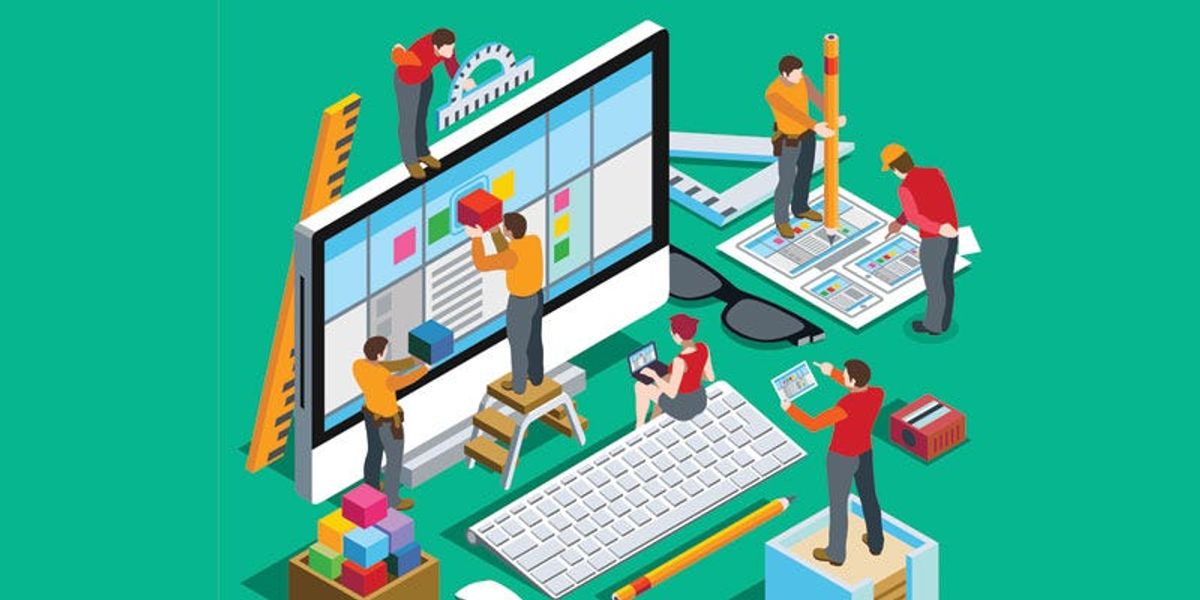
In the realm of user experience design, simplifying user flows is essential to reduce friction and enhance the journey towards conversion. Clear and intuitive navigation allows users to find what they need swiftly, fostering a positive interaction with your content. By understanding and aligning with user intent, your site becomes a streamlined path to meeting searchers’ needs.
A well-structured user flow minimizes obstacles and guides users towards desired actions, such as signing up for a newsletter or completing a purchase. This not only increases the likelihood of conversions but also has a direct impact on earnings.
To achieve this, consider the following steps:
- Journey Mapping: Visualize the user’s experience to identify pain points and opportunities for improvement.
- Gesture-Based Analogies: Use natural, intuitive interactions that draw on real-world actions to make digital tasks feel familiar.
- Personalization: Adapt to user behaviors and preferences for a seamless experience.
Tracking and measuring tools are crucial for assessing the effectiveness of these strategies. They provide insights that can lead to further enhancements, ensuring that every visit to your website maximizes its potential for conversion.
Utilizing A/B Testing to Refine User Experiences
A/B testing is a powerful strategy for enhancing user experiences by comparing two versions of a webpage or app feature to determine which one performs better. By methodically testing variations, designers can make data-driven decisions that lead to more effective designs and higher conversion rates. The process typically involves the following steps:
- Identifying the goal of the test, such as increasing click-through rates or improving form completion rates.
- Creating two versions (A and B) with a single variable changed.
- Randomly serving these versions to users and collecting data on their interactions.
- Analyzing the results to see which version achieved the goal more effectively.
A/B testing not only validates design choices but also reveals user preferences and behaviors that may not be immediately apparent. It’s a continuous cycle of testing, learning, and improving that keeps the user experience at the forefront of design.
When executed correctly, A/B testing can lead to significant improvements in user engagement and satisfaction. For instance, a simple change in button color or the wording of a call-to-action can result in a noticeable uplift in conversions. The table below illustrates a hypothetical A/B test result for a button color change:
| Metric | Version A (Original) | Version B (New Color) |
|---|---|---|
| Click-through Rate | 15% | 20% |
| Conversion Rate | 5% | 7% |
| Bounce Rate | 30% | 25% |
In conclusion, A/B testing is an indispensable tool in the UX designer’s toolkit, enabling the creation of more intuitive and user-centric designs.
Analyzing User Feedback to Inform Design Decisions
In the realm of user experience design, analyzing user feedback is a pivotal step in creating a product that resonates with its audience. By meticulously examining user interactions, comments, and satisfaction levels, designers can uncover invaluable insights that drive iterative improvements. This process not only enhances usability but also bolsters user engagement and, ultimately, conversion rates.
A structured approach to gathering and interpreting feedback involves several key activities:
- Usability Testing: Observing real users as they interact with the product to pinpoint usability issues.
- Surveys and Interviews: Collecting quantitative and qualitative data to understand user needs and pain points.
- Analytics Review: Leveraging data to identify patterns and anomalies in user behavior.
- A/B Testing: Comparing different design variations to determine which performs better.
By embedding user feedback into the design cycle, we ensure that our products evolve in a way that is both user-centric and data-informed.
Ultimately, the goal is to create a seamless and intuitive user experience that not only meets but exceeds user expectations. This commitment to continuous refinement is what sets apart successful digital products in today’s competitive landscape.
The Future of Intuitive Design: Emerging Trends and Technologies

Adapting to New User Behaviors and Expectations
As the digital landscape evolves, user behaviors and expectations are rapidly changing, demanding that UX designers remain agile and informed. The rise of personalized services has set a new standard for user experiences. Users now anticipate that systems will learn from their interactions and adjust results based on their previous actions. This personalized approach requires a seamless user experience that meets these expectations.
The key to success in this dynamic environment is a commitment to lifelong learning and empathy for users, ensuring that designs not only meet but exceed user needs.
To stay ahead, designers must embrace strategies that anticipate and respond to new trends. Below is a list of considerations for adapting to new user behaviors:
- Understanding and implementing emerging technologies
- Creating designs that are responsive to user feedback
- Ensuring accessibility and inclusivity in design
- Balancing the need for data security with user convenience
Each of these points represents a step towards crafting user experiences that resonate with modern audiences and drive engagement.
Integrating AI and Machine Learning for Personalized Experiences
The integration of AI and machine learning into user experience design is revolutionizing the way we interact with digital products. By analyzing user data, AI can tailor experiences to individual preferences, making interactions more intuitive and satisfying. This personalization extends beyond mere content suggestions to encompass the entire user journey, from navigation to customer support.
Personalized experiences not only cater to user needs but also foster deeper engagement and brand loyalty.
However, it’s crucial to maintain a human touch in AI-driven designs to avoid alienating users. The balance between automation and human-centric design is key to creating interfaces that are both efficient and relatable. Here are some steps to ensure successful AI integration:
- Understand the ethical implications of AI in design.
- Ensure transparency in how user data is utilized.
- Continuously gather and incorporate user feedback.
- Use AI to enhance, not replace, human interactions.
By adhering to these principles, designers can create experiences that are not only smart but also secure, trustworthy, and genuinely user-friendly.
Exploring the Potential of Augmented and Virtual Reality
The integration of Augmented Reality (AR) and Virtual Reality (VR) technologies is revolutionizing the way users interact with digital content. By creating immersive brand experiences, these technologies offer a new dimension of user engagement and storytelling. For instance, AR can overlay digital information onto the physical world, while VR creates a completely virtual environment for users to explore.
The potential for analogy in AR and VR expands dramatically, blending the digital and physical worlds and engaging all the senses.
Designers are tasked with leveraging these technologies to craft experiences that are not only visually compelling but also intuitive and meaningful. This involves understanding the nuances of human perception and interaction within virtual spaces. The goal is to create experiences that feel as natural as possible, reducing the learning curve and allowing users to navigate these new realities with ease.
To illustrate the impact of AR and VR in user experience design, consider the following applications:
- Education and Training: Immersive simulations for learning complex subjects or practicing skills in a risk-free environment.
- Retail and E-commerce: Virtual try-ons and interactive product demonstrations that enhance the shopping experience.
- Real Estate and Architecture: Virtual tours of properties and architectural visualizations that offer a realistic sense of space.
- Entertainment and Gaming: Engaging games and experiences that transport users to other worlds.
As we continue to leverage multimedia for global reach, staying updated on design trends is crucial for creating impactful storytelling and establishing a strong brand identity. The journey through uncharted digital landscapes is made familiar through the art of analogy, transforming the unknown into relatable experiences that resonate with users.
As we navigate the ever-evolving landscape of intuitive design, staying ahead of the curve is crucial for success. Our website offers a wealth of knowledge on the latest trends and technologies that are shaping the future of design. From custom WordPress development to eCommerce solutions, we provide the expertise to elevate your digital presence. Don’t miss out on the opportunity to transform your business with cutting-edge design solutions. Visit our website to explore our services and discover how we can help you achieve your goals.
Conclusion
In the realm of digital innovation, the creation of intuitive and memorable user experiences stands paramount. As we’ve explored throughout this article, the essence of intuitive design lies in its ability to resonate with users on a deeper level, fostering a seamless interaction that feels almost second nature. By employing strategies that prioritize usability, empathize with user needs, and leverage the power of familiar analogies, designers can craft experiences that not only meet but exceed user expectations. The projects and methodologies discussed serve as a testament to the transformative impact of intuitive design on user engagement and satisfaction. As businesses continue to navigate the ever-evolving digital landscape, the principles of intuitive design will remain a cornerstone in building connections that endure, ensuring that every user journey is as memorable as it is effortless.
Frequently Asked Questions
What is intuitive design in user experience?
Intuitive design refers to creating user interfaces that are easy to understand and use without prior instruction or training. It relies on leveraging common user expectations and experiences to create a seamless and natural interaction with the product.
How can storytelling enhance user experience design?
Storytelling in UX design helps to create a narrative around a product or service, making it more relatable and engaging for users. It can guide users through a journey, evoke emotions, and build a stronger connection between the user and the brand.
Why is privacy important in intuitive design?
Privacy is crucial in intuitive design because it builds trust with users. By transparently managing user data, respecting their preferences, and ensuring data security, users are more likely to feel comfortable and continue using a product or service.
What role does usability testing play in improving conversion rates?
Usability testing allows designers to observe real users interacting with a product, identify friction points, and understand user behavior. This feedback is invaluable for refining the design to make it more intuitive and user-friendly, thereby increasing conversion rates.
How is AI shaping the future of intuitive design?
AI is shaping the future of intuitive design by enabling personalized user experiences, predictive user interfaces, and smarter interactions. Machine learning algorithms can analyze user behavior to tailor content and functionalities to individual preferences and needs.
What is the impact of virtual reality on user experience design?
Virtual reality (VR) offers immersive experiences that can transport users to different worlds. In UX design, VR can be used to create interactive and engaging environments that provide a new level of depth to user interactions and can be particularly effective for education, training, and entertainment.