Crafting Memorable User Experiences with Intuitive Design

In a digital age where user expectations are constantly evolving, intuitive design has become a cornerstone of creating memorable user experiences. This article delves into the multifaceted approach to intuitive design, exploring its foundational pillars, strategies for enhancing usability, the critical role of privacy and trust, real-world success stories, and a forward-looking perspective on the future of design. By understanding and implementing these principles, designers can craft experiences that not only meet but exceed user expectations, fostering engagement, loyalty, and trust.
Key Takeaways
- Intuitive design is anchored in a deep understanding of user needs, ensuring simplicity, clarity, and consistency across platforms while being responsive and adaptive.
- Usability enhancements through meticulous user interface analysis and conversion rate optimization lead to better user engagement, with accessibility and inclusivity being paramount.
- Establishing privacy and trust is crucial in user experience design, necessitating robust data protection, transparent cookie policies, and clear privacy practices.
- Case studies from various industries, including e-commerce, real estate, and non-profits, demonstrate the impact of intuitive design on user engagement and community building.
- The future of intuitive design is shaped by emerging technologies, the rise of the metaverse, and a growing emphasis on sustainable and ethical design practices.
The Pillars of Intuitive Design
Understanding User Needs
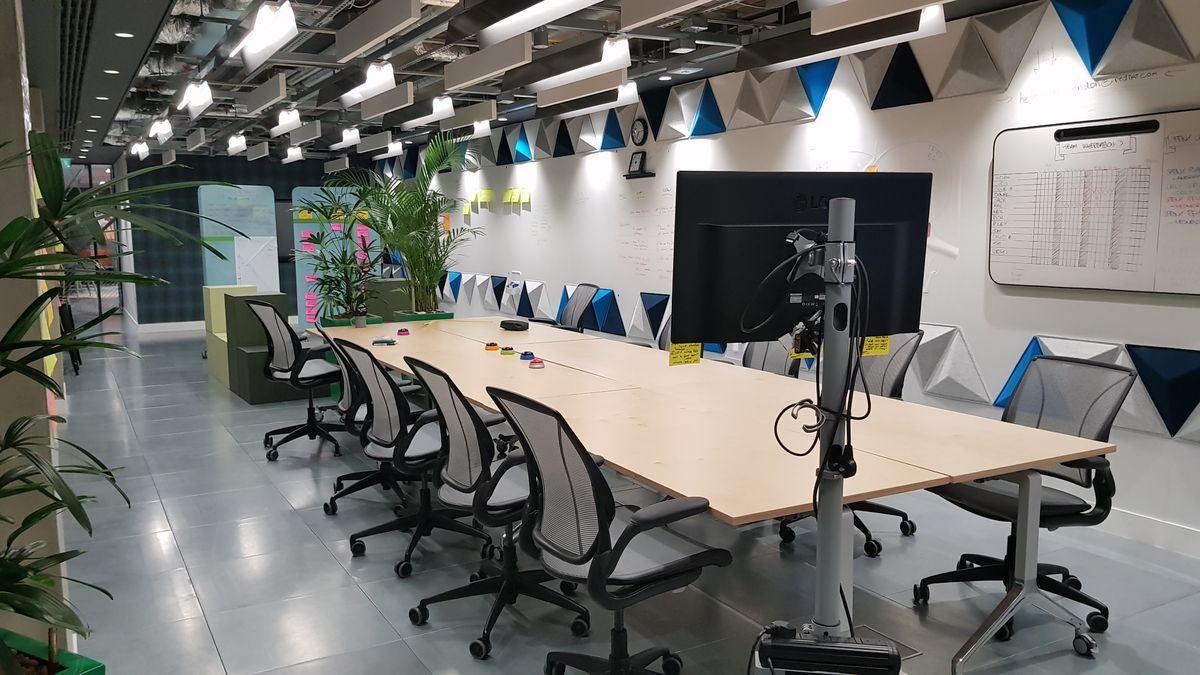
At the heart of intuitive design lies a deep understanding of user needs. This foundational step goes beyond mere assumptions, requiring designers to engage in thorough research to grasp the true requirements of their audience. By empathizing with users, designers can create solutions that resonate on a personal level, ensuring that the end product is not only functional but also meaningful.
To effectively cater to user needs, it’s essential to follow a structured approach:
- Identify your users and understand their ongoing needs.
- Conduct holistic research from the user’s perspective.
- Review and iterate on the design to refine the service.
Embracing this user-centric mindset is crucial for developing a design that feels intuitive and effortless to use. It’s about crafting an experience that users can navigate naturally, almost as if the design is reading their minds.
Ultimately, the goal is to create a seamless interaction where users can achieve their objectives with minimal friction. This process not only enhances user satisfaction but also fosters loyalty, as users are more likely to return to a service that understands and meets their needs.
Simplicity and Clarity
In the realm of intuitive design, simplicity and clarity are paramount. These principles ensure that users can navigate and interact with a product effortlessly. To achieve this, designers must strip away unnecessary elements, focusing on the essentials that contribute to a seamless user experience.
- Identify core functionalities
- Remove redundant features
- Streamline navigation paths
- Optimize interface elements
By prioritizing simplicity, designers create an environment where users can achieve their goals with minimal cognitive load. This approach not only enhances usability but also fosters a sense of confidence and satisfaction in the user.
Intuitive design focuses on understanding user psychology, emphasizing simplicity and clarity. User research, personas, and continuous refinement lead to engaging and user-friendly experiences. The goal is to create a product that feels like second nature to the user, one that they can use without conscious thought or effort.
Consistency Across Platforms
Achieving consistency across platforms is crucial for a seamless user experience. It ensures that users feel familiar with your brand, no matter the device or channel they are using. This familiarity breeds comfort, which in turn can lead to increased user engagement and loyalty.
- Uniformity in Visual Design: Maintain the same color schemes, typography, and design elements.
- Functional Consistency: Ensure features work similarly across all platforms.
- Content Synchronization: Keep messaging and content consistent.
- Cross-Platform Accessibility: Guarantee accessibility standards are met universally.
Consistency in design not only streamlines the user journey but also reinforces brand identity, making every interaction with your product a part of a cohesive whole.
In practice, consistency can be seen in the strategic approach of companies like AM2 Studio, where the focus on user-centric design and cutting-edge technology is evident across their various projects. Whether it’s an NFT project for White Rabbit or a real estate website for Ardea, the commitment to a unified user experience is paramount. Similarly, the importance of a cohesive brand identity is highlighted in marketing efforts, as it enhances brand recognition and builds credibility.
Responsive and Adaptive Design
In the realm of intuitive design, responsive and adaptive strategies are crucial for creating seamless user experiences. Responsive design ensures that a website or application adjusts smoothly to different screen sizes and orientations, providing optimal usability across a range of devices. Adaptive design goes a step further by detecting the device type and tailoring the experience accordingly.
The goal is to minimize user effort and maximize efficiency, regardless of the device being used.
To achieve this, a combination of flexible grids, fluid images, and media queries are employed. Below is a list of key considerations for implementing responsive and adaptive design:
- Use a mobile-first approach
- Implement flexible grid layouts
- Optimize images for varying resolutions
- Employ media queries for device-specific adjustments
- Test on multiple devices and screen sizes
By prioritizing user psychology and continuous improvement, designers can craft experiences that feel natural and intuitive. The process involves a blend of usability, emotional connection, analytics, and creativity to ensure that the user-centric experiences resonate with the audience.
Enhancing Usability for Better Engagement

User Interface Analysis
In the realm of user interface analysis, the goal is to dissect and enhance the elements that make up the user’s interaction with a digital product. By meticulously examining the UI, we can pinpoint areas that may hinder usability or impede conversion rates. This process is not just about aesthetics; it’s about creating a seamless flow that guides users naturally to their desired outcomes.
A well-analyzed UI is the cornerstone of an intuitive user experience, leading to increased user satisfaction and business success.
Key aspects of UI analysis include the evaluation of design elements, navigation patterns, and interactive components. It’s crucial to understand how these factors coalesce to form the user’s journey from entry to conversion. Here’s a brief overview of the steps involved:
- Reviewing current UI design and identifying pain points
- Conducting user testing to gather direct feedback
- Analyzing data to uncover trends and areas for improvement
- Implementing changes and measuring their impact on user behavior
Optimizing the UI for conversion rates and user experience requires a blend of intuitive design, privacy-respecting personalization, emotional design, and cohesive team collaboration. These efforts ensure that the interface is not only visually appealing but also functionally effective in meeting user needs.
Conversion Rate Optimization
In the realm of intuitive design, conversion rate optimization (CRO) stands as a pivotal strategy for enhancing user engagement and boosting business outcomes. By meticulously analyzing user interface elements and their impact on user behavior, designers can identify areas ripe for improvement.
The goal is to create a seamless journey that not only meets user expectations but also encourages the desired actions, such as making a purchase or signing up for a newsletter.
A successful CRO approach involves a blend of design finesse and data-driven decision-making. For instance, simplifying navigation, optimizing page load times, and ensuring mobile responsiveness are key factors that can lead to significant uplifts in conversion rates. Below is a list of critical steps in the CRO process:
- Evaluate current user interface design
- Implement A/B testing to compare variations
- Analyze data to understand user interactions
- Refine and iterate based on feedback and metrics
By prioritizing user experience at every stage, businesses can create a compelling online presence that resonates with their audience and drives growth.
Accessibility and Inclusivity
In the realm of user experience, accessibility and inclusivity are not just ethical imperatives but also practical necessities. By embracing a design philosophy that caters to a diverse user base, we can create interfaces that are usable and welcoming to everyone, regardless of their abilities or circumstances.
Ensuring that digital products are accessible to all users is a cornerstone of intuitive design. It involves a commitment to universal design principles and the integration of features that accommodate a wide range of physical and cognitive abilities.
A key aspect of this approach is adherence to the Web Content Accessibility Guidelines (WCAG), which provide a framework for creating web content that is accessible to people with disabilities. Here are some essential considerations for enhancing accessibility:
- Use of alternative text for images and multimedia
- Keyboard navigation for users unable to use a mouse
- Text alternatives for non-text content
- Sufficient contrast between text and background
- Captioning and transcripts for audio and video content
By implementing these and other best practices, we can ensure that our digital environments are not only compliant with legal standards but also more engaging and usable for a broader audience. This commitment to accessibility in UI design is not just about meeting minimum requirements; it’s about fostering an inclusive digital world where everyone has the opportunity to participate fully.
Feedback Loops and Iteration
In the realm of user experience design, feedback loops and iteration are not just beneficial; they are essential. Iteration in UX refers to the cyclical and repetitive process of refining and improving design solutions based on feedback, testing, and evaluation. This approach ensures that the end product resonates with users and meets their needs effectively.
Iterative development is a core aspect of creating intuitive user experiences. It allows designers to make informed decisions and continuously improve the product.
By implementing a structured feedback loop, teams can gather insights and pinpoint areas for enhancement. The process typically involves the following steps:
- Design and develop initial concepts.
- Conduct user testing and collect feedback.
- Analyze the feedback and identify patterns.
- Refine the design based on insights.
- Repeat the cycle until the desired outcome is achieved.
This method not only improves the user experience but also fosters a culture of continuous learning and adaptation within the design team.
Privacy and Trust in User Experience
Importance of Data Protection
In the digital age, data protection is paramount for both users and businesses. When customers feel confident that their personal data is protected, they’re more likely to share it willingly. This openness can be beneficial for businesses, as it often leads to increased user engagement and trust.
Ensuring robust data protection isn’t just about compliance; it’s about respecting user privacy and securing their trust. A transparent approach to handling personal information can set a company apart in an increasingly data-conscious market.
To achieve this, companies must adopt clear privacy policies and practices. Below is a list of essential steps for safeguarding user data:
- Conduct regular privacy audits.
- Implement strong encryption methods.
- Provide clear and accessible privacy notices.
- Enable user control over their data.
- Stay updated with the latest data protection regulations.
Transparent Cookie Policies
In the realm of user-centric website design, transparent cookie policies play a pivotal role. Users should be clearly informed about the types of cookies a website uses and the purposes they serve. This transparency is not just a legal requirement; it’s a cornerstone of trust and user engagement.
For instance, a website might categorize its cookies into necessary, analytics, functional, and others, each with a specific role. Necessary cookies are crucial for basic site functionality and are typically set to be always enabled. Analytics cookies, on the other hand, collect data to help understand user behavior.
By providing users with the option to manage their cookie preferences, websites empower them with control over their personal data.
Here’s a breakdown of common cookie categories and their consent durations:
| Cookie Category | Consent Duration |
|---|---|
| Necessary | 11 months |
| Analytics | 11 months |
| Functional | 11 months |
| Performance | 11 months |
It’s essential to ensure that users can easily access and modify their cookie settings at any time, enhancing the overall user experience.
Building Trust with Clear Privacy Practices
In the digital realm, trust is paramount. Users are increasingly aware of their digital footprint and the potential misuse of their personal data. To foster trust, companies must prioritize transparency in their privacy practices. This means not only having a clear and accessible privacy policy but also providing users with control over their data.
For instance, a simple yet effective approach is to offer clear options for cookie management. Users should be able to easily understand what cookies are used for and have the ability to accept or reject them. Below is an example of how cookie consent can be structured:
- Necessary Cookies: Always Enabled
- Preferences: Optional (with opt-in)
- Statistics: Optional (with opt-in)
- Marketing: Optional (with opt-in)
By empowering users with this level of control, we not only comply with legal requirements but also build an emotional connection with our audience by respecting their choices.
Moreover, minimal data collection should be a design goal to balance user privacy with the benefits of customization. When users see that a company collects only what is necessary, they are more likely to trust and engage with the digital product. Testing based on user feedback is crucial to ensure that privacy features are intuitive and meet user expectations.
Showcasing Success: Case Studies in Design
E-commerce and Conversion Strategies
In the realm of e-commerce, conversion rate optimization (CRO) is the cornerstone of success. By meticulously analyzing user interfaces and customer journeys, businesses can pinpoint areas for enhancement, leading to a more intuitive shopping experience and increased sales. A prime example of this is the case study of dScryb, a Membership eCommerce store that saw remarkable improvements through targeted CRO efforts.
The key to e-commerce success lies not only in attracting visitors but in converting them into loyal customers. This involves a deep dive into performance analytics, user behavior, and continuous refinement of the online store.
Post-launch support is crucial; it’s where the subtleties of user interaction come to light. Tracking tools are implemented to monitor conversions and performance, providing valuable insights for ongoing optimization. Here’s a snapshot of the process:
- Design: Tailoring custom designs to optimize user experience for conversions.
- Development: Coding with performance optimization at the forefront.
- Education: Equipping store managers with the knowledge to run their online store.
- Tracking & Measuring: Utilizing tools to track conversions and user interactions.
- Post-launch Support: Identifying opportunities for further improvements post-launch.
Each step is a building block towards creating an online store that not only looks good but sells effectively around the clock.
Real Estate and Visual Storytelling
In the realm of real estate, visual storytelling is not just about showcasing properties, but about creating a narrative that resonates with potential buyers. It’s about crafting a vision of life within the walls of a home. The transformative power of visual storytelling in real estate can lead to emotional connections, ultimately reducing time on market and increasing buyer interest.
By weaving together high-quality images, virtual tours, and detailed descriptions, real estate professionals can provide a comprehensive and immersive experience that stands out in a crowded market.
The success of a real estate project hinges on its ability to capture and maintain the attention of its audience. For instance, the ‘Ash & Edward’ modern home project leveraged a custom WordPress design to enhance its online presence, resulting in a compelling digital footprint that mirrored the elegance of the property itself.
- Emotional Engagement: Crafting stories that evoke emotions and aspirations.
- Immersive Experience: Utilizing tools like 360-degree virtual tours.
- Detailed Descriptions: Providing in-depth information to answer potential questions.
- High-Quality Imagery: Using professional photography to highlight features.
The goal is to create a seamless journey from discovery to decision, where each element of the presentation works in harmony to convey the unique value of the property.
Non-Profit Initiatives and Community Engagement
Non-profit organizations often face unique challenges when it comes to engaging their communities and stakeholders. A well-crafted user experience (UX) can be pivotal in fostering participation and support for their causes. By focusing on intuitive design, non-profits can create digital platforms that resonate with their audience’s values and needs.
One key aspect of this is the strategic discovery phase, where the organization’s goals are aligned with user expectations. This is followed by the implementation of diverse design solutions that cater to the specific challenges of the non-profit sector. Post-launch monitoring ensures that the digital experience continues to meet user needs effectively.
The success of non-profit websites hinges on their ability to communicate their mission clearly and to facilitate easy interaction for users.
Case studies in this realm often highlight the importance of microinteractions in UI/UX design, which can significantly enhance user engagement. These small, yet impactful design elements are tailored to the non-profit industry, ensuring that every interaction contributes to a positive user experience.
- Strategic discovery and goal alignment
- Implementation of tailored design solutions
- Post-launch monitoring and adjustments
By adhering to these principles, non-profit initiatives can achieve a level of community engagement that not only supports their immediate goals but also builds a foundation for long-term success.
The Future of Intuitive Design
Emerging Technologies and User Experience
As we navigate the digital landscape, emerging technologies are reshaping the way we interact with devices and services. The integration of user-centric focus in design is paramount, with technologies like AI, VR, and IoT leading the charge in creating more personalized and engaging experiences. These technologies enable designers to understand user behavior and forge stronger emotional connections.
- AI and Machine Learning: Tailoring experiences to individual preferences.
- Virtual Reality (VR): Immersive environments for enhanced user engagement.
- Internet of Things (IoT): Connected devices providing seamless interactions.
- Voice User Interfaces (VUIs): Conversational interactions for accessibility.
The key to success in intuitive design lies in the delicate balance between aesthetics and functionality, ensuring that users not only enjoy the visual appeal but also trust the privacy of their data. As we look to the future, the role of designers will evolve to include not just the creation of visually appealing interfaces, but also the ethical implementation of these technologies to maintain user trust and engagement.
Designing for the Metaverse
As we venture into the realm of the Metaverse, the principles of intuitive design take on new dimensions. The Metaverse offers a digital experience that transcends traditional interfaces, requiring designers to think beyond the screen.
- User immersion is paramount, with the goal of creating seamless transitions between virtual and physical realities.
- Interactivity becomes more complex, as users expect to manipulate digital elements as intuitively as they would in the real world.
- Personalization is key to user engagement, allowing for a tailored experience that adapts to individual preferences and behaviors.
In the Metaverse, every design decision must contribute to a cohesive and captivating user journey. The challenge lies in crafting environments that are not only visually stunning but also functionally robust, supporting a wide range of user interactions.
Designing for the Metaverse also involves a deep understanding of social dynamics. As a shared space, the Metaverse is a melting pot of cultures and personalities, making inclusion and diversity essential components of design. This is not just about aesthetics; it’s about creating spaces where everyone feels welcome and represented.
Sustainable Design and Ethical Considerations
In the realm of intuitive design, sustainability and ethics are becoming increasingly pivotal. Designers are tasked with creating solutions that not only meet the present needs but also consider the long-term impact on the environment and society. This involves a shift towards materials and processes that are eco-friendly and designs that promote longevity and recyclability.
- Embrace renewable resources
- Minimize waste and pollution
- Encourage product lifecycle extension
Moreover, ethical considerations are integral to user trust. Transparent practices and respect for user data are essential in fostering a responsible relationship with technology. As we move forward, the integration of sustainable and ethical practices will be a defining factor in the success of design initiatives.
The future of intuitive design is inextricably linked to our ability to innovate responsibly. It is about creating experiences that are not only seamless and engaging but also conscientious and respectful of both people and the planet.
As we look towards the future, intuitive design is set to revolutionize the way we interact with technology. At the forefront of this movement, our team offers bespoke WordPress Development and eCommerce solutions that cater to your unique business needs. From performance optimization to custom design, we ensure your online presence is not only functional but also truly engaging. Ready to elevate your digital experience? Visit our website and discover how our expertise can help your business grow. Let’s create something remarkable together!
Conclusion
In the journey of crafting memorable user experiences, intuitive design stands as the cornerstone of success. Throughout this article, we’ve explored the multifaceted approach to creating interfaces that resonate with users, from usability enhancements to the implementation of strategic design principles. By analyzing real-world examples and understanding the importance of a user-centric mindset, we can see that the art of intuitive design is not just about aesthetics but also about fostering a seamless interaction between the user and the digital environment. As we continue to innovate and build upon these foundations, the goal remains clear: to deliver experiences that are not only functional but also delightful, ensuring that users not only achieve their objectives but enjoy the process. Remember, the measure of a design’s success is not just in its visual appeal, but in its ability to convert visitors into loyal customers, and in doing so, elevate the brand it represents.
Frequently Asked Questions
What are the key principles of intuitive design?
Intuitive design is based on understanding user needs, ensuring simplicity and clarity, maintaining consistency across platforms, and implementing responsive and adaptive design.
How can usability be enhanced to improve user engagement?
Enhancing usability involves conducting user interface analysis, optimizing conversion rates, focusing on accessibility and inclusivity, and establishing feedback loops for continuous iteration.
Why is privacy important in user experience?
Privacy is crucial because it builds trust with users. Clear privacy practices and transparent cookie policies help ensure users feel secure in providing personal information.
Can you provide examples of successful design case studies?
Successful design case studies include e-commerce sites with effective conversion strategies, real estate websites with compelling visual storytelling, and non-profit initiatives that foster community engagement.
What emerging technologies are influencing intuitive design?
Emerging technologies such as AI, VR, and AR are reshaping intuitive design, with significant developments in designing for the metaverse and considering sustainable and ethical design practices.
How do you ensure a website design is optimized for performance?
A website design is optimized for performance by following best practices in development, focusing on performance optimization, and conducting regular health audits to ensure high-speed loading and responsiveness.