Creating Unique Brand Identity through Visual Storytelling

In the modern marketplace, a unique brand identity is crucial for standing out and connecting with consumers. Visual storytelling offers a powerful means to craft a distinctive brand persona, evoke emotions, and foster a memorable brand experience. By strategically utilizing visual narratives, imagery, and media across various platforms, brands can create a strong emotional bond with their audience that resonates beyond the product or service itself. This article delves into how visual storytelling can be effectively employed to establish and strengthen a brand’s identity.
Key Takeaways
- Visual storytelling is a dynamic tool for conveying brand values and personality, creating an emotional connection with the audience.
- The choice of visual elements, such as color, characters, and imagery, is critical in crafting relatable and engaging brand narratives.
- Strategic use of visual media, including video content and infographics, enhances engagement and communication effectiveness.
- Consistency in visual branding across all platforms is vital for maintaining brand recognizability and coherence in omnichannel marketing.
- Measuring the success of visual storytelling involves analyzing key performance indicators, audience engagement, and adjusting strategies based on analytics.
The Art of Visual Storytelling

Understanding the Power of Visual Narratives
Visual storytelling transcends mere words, tapping into the visceral power of imagery to convey messages and evoke emotions. Humans are hardwired to respond to visuals; we retain over 65% of information presented visually compared to a mere 10% from text alone. This innate preference for visual content is why brands must leverage visual narratives to create a lasting impression.
A brand’s visual story is its silent ambassador, weaving together elements that resonate with its audience. Crafting a visual narrative involves more than just aesthetics; it’s about creating a cohesive experience that aligns with the brand’s values and mission. Here are some key steps to consider:
- Identify the core message of your brand.
- Choose visuals that embody your brand’s personality.
- Develop a consistent theme that can be adapted across various platforms.
By embedding your brand’s essence into every visual element, you create a narrative that speaks volumes without uttering a single word. It’s a strategy that not only captivates but also builds an emotional bridge to your audience, fostering a deeper connection.
The impact of a well-crafted visual story is undeniable. Engaging colored visual content is 80% more likely to be consumed, and consumers are 85% more likely to purchase a product after watching a related video. These statistics underscore the importance of integrating visual storytelling into your brand’s communication strategy to enhance engagement and drive consumer action.
Crafting a Compelling Brand Narrative
A compelling brand narrative is the backbone of effective visual storytelling. It’s about weaving the essence of your brand into a story that resonates with your audience. Define your core identity—know your brand’s values, mission, and vision, and ensure they align with your business objectives. Then, craft a narrative that captivates and builds emotional connections.
Authenticity is key in storytelling. Your brand’s narrative should be relatable, engaging, and true to your core values. This trust turns casual customers into loyal advocates.
Selecting the right engagement channels is crucial. Your story should be consistent across all platforms, yet tailored to the unique strengths and audience of each. Here’s a simple guide to follow:
- Define your brand’s core identity
- Craft a narrative that connects emotionally
- Choose the right platforms for engagement
Remember, your brand is like a character with its own emotional baggage and history. It shouldn’t be perfect; imperfections make it realistic and relatable. By following these steps, you can create a narrative that not only stands out but also fosters a deep connection with your audience.
Selecting the Right Visual Elements
Selecting the right visual elements is a pivotal step in crafting a visual narrative that aligns with your brand’s message and values. It’s about more than just aesthetics; it’s about choosing visuals that enhance your story and resonate with your audience.
When considering the visual elements for your brand, think about the emotions you want to evoke. A well-chosen color palette, for example, can convey a range of feelings, from trust to excitement, and should reflect the brand’s personality. Typography, imagery, and the use of space all contribute to how your message is perceived.
Visual storytelling in branding is crucial for creating a unique brand identity that resonates with audiences, fosters emotional connections, and differentiates from competitors through authentic and strategic design elements.
Here are some key considerations for selecting visual elements:
- Audience Preferences: Tailor your visuals to the tastes and preferences of your target audience.
- Color Psychology: Utilize colors to evoke specific emotions and convey your brand’s personality.
- Consistency: Ensure that your visual elements are consistent across all platforms and mediums.
- Story Relevance: Choose images and styles that accurately represent the essence of your brand’s story.
Remember, the goal is to create a cohesive and compelling visual identity that stands out in a crowded marketplace.
Building Emotional Connections Through Imagery

Creating Relatable Brand Characters
To forge a deep connection with your audience, introduce relatable and engaging characters that embody your brand’s values. These characters act as the face of your brand, creating a memorable impression that can lead to a strong emotional bond with consumers.
Consider the following steps to develop characters that resonate:
- Define your brand identity: Establish the core values and personality traits that your characters will represent.
- Craft a backstory: Give your characters a history that aligns with your brand’s narrative and makes them more three-dimensional.
- Incorporate conflict: Introduce challenges that your characters must overcome, mirroring the struggles of your target audience.
- Show growth and resolution: Demonstrate how your characters evolve, reflecting the positive impact of your brand on their lives.
Authenticity is key in visual storytelling. Ensure that your brand characters are not only relatable but also true to the brand’s essence. Overpromising or creating a facade can lead to distrust among consumers.
By carefully constructing a hero that is realistic and relevant, you can craft a compelling narrative that not only entertains but also inspires action. Remember, the goal is to provoke the desired emotions in your audience, whether it’s joy, trust, or inspiration, leading them to associate those feelings with your brand.
Using Color Psychology to Evoke Emotions
The strategic use of color in branding is a powerful tool to evoke specific emotions and create a lasting impression on consumers. Brands meticulously select colors that align with their identity and the feelings they wish to instill in their audience. For example, a vibrant red can convey excitement and passion, while a calming blue might suggest trust and dependability.
By understanding color psychology, marketers can craft visual experiences that resonate deeply with their target audience, influencing both perception and behavior.
It’s essential to consider the emotional impact of each color when designing brand elements. Here’s a simple guide to some common color associations:
- Red: Energy, urgency, passion
- Blue: Trust, calm, professionalism
- Yellow: Optimism, happiness, warning
- Green: Growth, health, tranquility
- Black: Sophistication, luxury, formality
- White: Purity, simplicity, innocence
These associations are not universal, as cultural differences can alter the emotional response to colors. Therefore, it’s crucial to tailor color choices to the specific context and audience of the brand.
The Role of Photography and Graphics in Branding
Photography and graphics are not just supplementary elements; they are at the heart of brand storytelling. High-quality visuals capture attention and convey messages quickly, often bypassing the need for text. A brand’s visual narrative can be significantly enhanced by the strategic use of photography and graphics, which work together to create a cohesive and memorable brand identity.
- Photography: Captures real-life moments, evokes authenticity, and humanizes the brand.
- Graphics: Includes logos, icons, and illustrations that can simplify complex information and reinforce brand recognition.
The right combination of photography and graphics can transform a brand’s message into a visual symphony that resonates with its audience on an emotional level.
It’s essential to select imagery that aligns with the brand’s values and message. This alignment ensures that every visual element tells a part of the brand’s story, contributing to a unified brand experience. By doing so, brands can differentiate themselves in a competitive landscape and foster a deeper connection with their audience.
Strategic Use of Visual Media in Branding

Leveraging Video Content for Deeper Engagement
In the realm of visual storytelling, video content stands as a powerful tool to create immersive experiences that resonate with audiences. By leveraging multimedia for brand storytelling, companies can craft narratives that are not only visually appealing but also emotionally engaging. Videos allow for a dynamic representation of brand values and stories, making them a key element in building a deeper connection with viewers.
The integration of interactive elements and social media platforms further amplifies the impact of video content. It encourages audience participation and fosters a sense of community around the brand.
Statistics reveal the effectiveness of video in branding. For instance, users are significantly more likely to purchase a product after watching a related video. This underscores the importance of aligning imagery with brand values to create a meaningful narrative. Below is a list of steps to effectively leverage video content:
- Identify the core message of your brand narrative.
- Develop a storyboard that visually represents this message.
- Choose the right platform to share your video content.
- Monitor audience engagement and adjust your strategy accordingly.
Incorporating Infographics for Effective Communication
Infographics serve as a bridge between data and storytelling, transforming complex information into digestible visual narratives. They are a powerful tool for brands to convey their message succinctly and memorably. By presenting data visually, infographics can significantly enhance understanding and retention.
Infographics are not just about displaying data; they are about telling a story that resonates with the audience. The key is to combine the right elements to create a cohesive and engaging narrative.
When designing infographics, it’s crucial to focus on clarity and simplicity. Here’s a list of best practices to consider:
- Use clear, concise language
- Select relevant and accurate data
- Employ visually appealing graphics and colors
- Organize information logically
- Ensure the design aligns with the brand identity
Remember, an infographic is all about visuals, so it’s important to use strong visuals that effectively communicate your message. Choose images and graphics that are high in quality and relevant to the content.
The Impact of Social Media Imagery on Brand Perception
In the realm of social media, imagery is a critical component that shapes how consumers perceive a brand. Visuals can instantly convey emotions, values, and the essence of a brand’s story, making them a powerful tool for creating a lasting impression. A well-crafted image can resonate with viewers, fostering a sense of connection and loyalty.
- Engagement: Images that capture attention and provoke thought are more likely to be shared, increasing visibility and engagement.
- Consistency: Maintaining a consistent visual style across platforms reinforces brand identity and aids in recognition.
- Authenticity: Authentic imagery that reflects real-life experiences can build trust and credibility with the audience.
By strategically utilizing social media imagery, brands can enhance their narrative and create a cohesive and memorable identity. This approach not only supports brand recognition but also encourages a deeper emotional bond with the audience.
Understanding the impact of social media on brand perception and implementing effective strategies can lead to a positive brand image, increased customer loyalty, and ultimately, a stronger market position. It’s essential for brands to regularly evaluate and adjust their visual content to align with audience preferences and emerging trends.
Designing for Consistency Across Platforms
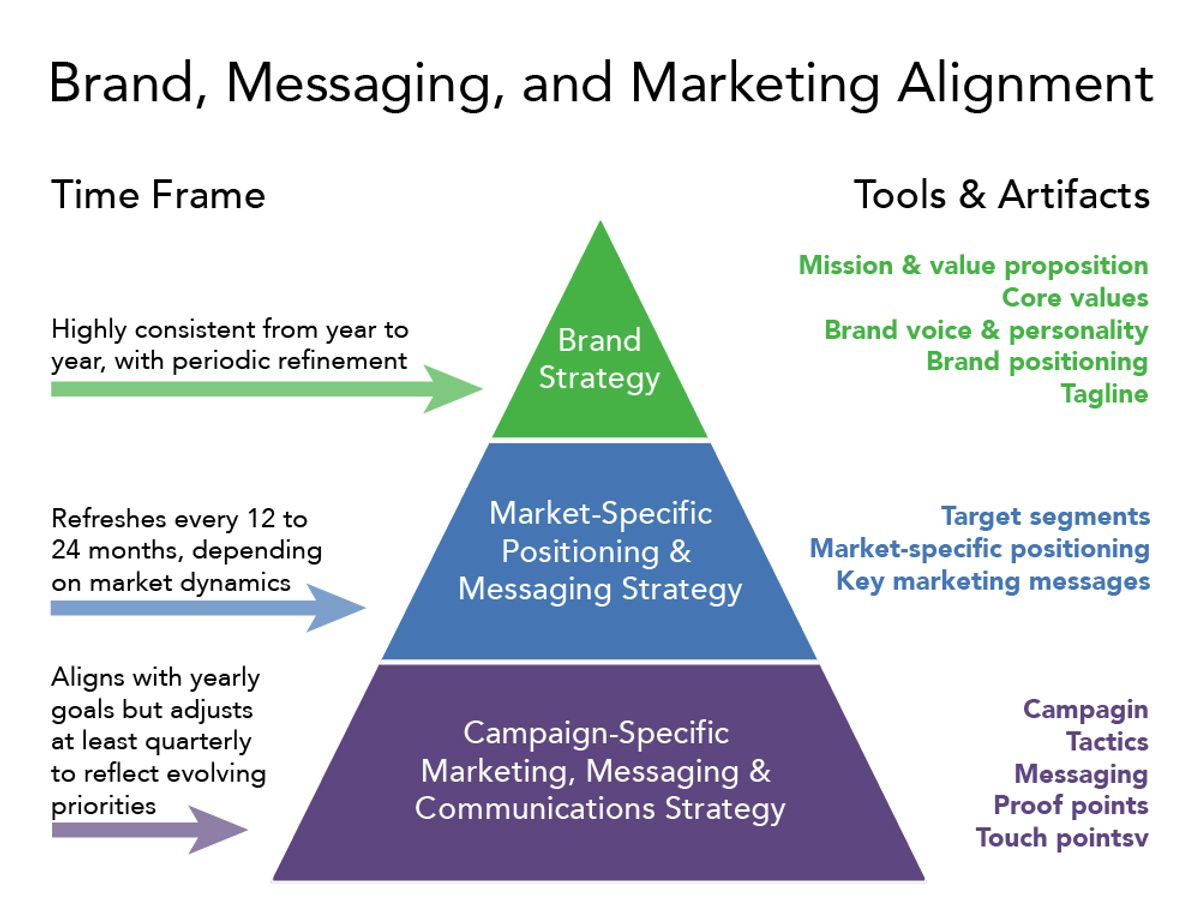
Maintaining Visual Coherence in Omnichannel Marketing
In the realm of omnichannel marketing, consistency in visual language is key for brand identity. Aligning visuals with core values across all platforms creates a seamless experience for customers, reinforcing brand messaging and fostering loyalty.
For instance, a retail brand should ensure that product listings, checkout processes, and account management features are uniform across web and mobile interfaces. This not only simplifies the user journey but also solidifies the brand’s presence in the digital landscape.
- Consistency across channels: Ensure the brand story is unwavering across social media, websites, and in-person interactions.
- Incorporate core values: Reflect your brand’s values in your story to build a stronger community.
Crafting cohesive visual language enhances brand messaging and loyalty.
By adhering to a consistent narrative, brands provide a blueprint for all decisions, from product development to marketing strategies. This strategic approach helps maintain focus and resonates with the target audience, shaping the overall brand experience.
Adapting Visual Stories for Different Media Outlets
In the realm of visual storytelling, the adaptation of content for various media outlets is crucial for maintaining brand consistency while catering to the unique characteristics of each platform. For instance, the immersive experience of an Instagram Story differs significantly from the informative layout of a LinkedIn post. Here’s a list of considerations when adapting visual stories:
- Understand the platform’s audience: Tailor the visual narrative to resonate with the specific demographics of each outlet.
- Optimize for format and size: Adjust image resolutions and aspect ratios to meet the technical requirements of different channels.
- Maintain brand elements: Ensure logos, color schemes, and typography are consistent across platforms.
- Leverage platform features: Utilize native tools like filters, stickers, or interactive polls to enhance engagement.
Adapting visual content effectively requires a strategic approach that balances brand identity with platform-specific nuances to achieve a cohesive and engaging presence.
It’s also essential to monitor the performance of adapted content across outlets. This data can inform future strategies, ensuring that the visual storytelling aligns with the evolving preferences of the audience and the dynamics of each media outlet.
Ensuring Brand Recognizability in Digital and Physical Spaces
In the quest for a distinctive brand identity, it’s imperative to maintain visual consistency across both digital and physical realms. This coherence is the cornerstone of brand recognizability, allowing customers to instantly connect with the brand, regardless of the platform or medium.
- Craft a memorable logo that stands out in both digital banners and storefront signage.
- Select typography that communicates your brand’s voice effectively online and offline.
- Ensure that your color palette and design elements are harmonious across all marketing materials.
By integrating these visual elements cohesively, a brand can create a seamless experience for its audience, fostering trust and loyalty.
Optimizing the user experience on your website is just as crucial as the design of your physical packaging. Regular updates, streamlined navigation, and accessibility are key to a positive online presence. Similarly, a comprehensive brand strategy should integrate social media, leveraging these platforms to reinforce brand identity and engage with the audience. Learn from industry leaders and apply best practices for consistent brand identity, utilizing technology for interactive storytelling.
Measuring the Success of Visual Storytelling

Key Performance Indicators for Visual Branding
To gauge the effectiveness of visual branding efforts, it’s essential to track specific Key Performance Indicators (KPIs). These metrics provide insights into how well your visual identity resonates with your audience and drives business objectives.
- Brand awareness is a critical KPI, reflecting the level of recognition and familiarity among your target market. It can be measured through surveys, social media mentions, and search volume data.
- Engagement metrics such as likes, shares, and comments on visual content indicate how compelling and shareable your brand’s story is.
- Conversion rates from visual campaigns reveal the direct impact on sales and lead generation.
- Website traffic, particularly to pages featuring key visual elements, can signal the strength of your visual narrative.
By consistently monitoring these KPIs, brands can assess the success of their visual storytelling and make data-driven decisions to optimize their strategies.
It’s not just about the numbers; qualitative feedback from customer surveys and social listening can provide valuable context to the quantitative data. Understanding the sentiment behind the interactions helps in refining the visual elements that best embody the brand’s identity and values.
Analyzing Audience Engagement and Sentiment
Understanding how your audience interacts with your brand’s visual storytelling is crucial for measuring its effectiveness. Engagement metrics such as likes, shares, comments, and view duration can provide a quantitative measure of how compelling your content is. However, to truly grasp the audience’s emotional response, sentiment analysis tools are indispensable. Tools like Temper and Glimpse offer real-time feedback, capturing the audience’s immediate reactions to your brand’s narrative.
By analyzing both engagement data and sentiment, you can gain a comprehensive understanding of your audience’s perceptions and feelings towards your brand.
To effectively analyze audience sentiment, consider the following steps:
- Identify the key metrics that align with your brand’s goals.
- Utilize sentiment analysis tools to gauge emotional responses.
- Monitor social media interactions for qualitative insights.
- Conduct surveys to gather direct feedback from your audience.
This dual approach of combining hard data with qualitative feedback allows for a nuanced understanding of your brand’s impact. It enables you to refine your visual storytelling to resonate more deeply with your audience.
Adjusting Visual Strategies Based on Analytics
In the realm of visual branding, analytics serve as the compass that guides strategic adjustments. Data visualization tools are pivotal in transforming raw analytics into actionable insights. By leveraging platforms like Looker Studio and Tableau, brands can simplify complex data, making it easier to identify trends and patterns that inform visual storytelling efforts.
Analytics not only highlight what’s working but also reveal areas that require refinement. This continuous loop of tracking, analyzing, and adjusting ensures that visual strategies remain aligned with brand objectives and audience preferences.
To effectively adjust visual strategies, consider the following steps:
- Review key performance metrics to gauge the effectiveness of current visuals.
- Identify visual elements that resonate with your audience through engagement data.
- Experiment with variations in imagery, color schemes, and layout to optimize user experience.
- Implement changes incrementally to measure impact without disrupting brand consistency.
- Continuously monitor analytics to maintain a dynamic and responsive visual branding approach.
Visual storytelling is an art that can transform the way your audience engages with your content. Measuring its success is crucial to refining your strategy and ensuring your message resonates with viewers. To take your visual storytelling to the next level, visit our website and explore our range of services, from custom WordPress development to eCommerce solutions. Let’s create compelling narratives that captivate and convert. Discover how we can help you tell your story more effectively today.
Conclusion
In the realm of brand identity, visual storytelling emerges as a powerful conduit for conveying a brand’s essence, values, and unique selling points. By weaving a compelling narrative through imagery, brands can forge emotional connections with their audience, fostering loyalty and driving engagement. As we’ve explored in this article, the strategic use of visual elements—ranging from logos and color palettes to website design and social media content—can significantly enhance a brand’s market presence. Whether through a meticulously crafted website for an NFT project, a user-friendly platform for a winter festival, or a custom WordPress theme for a real estate venture, the examples we’ve discussed underscore the transformative impact of visual storytelling. It’s an art that requires creativity, consistency, and a deep understanding of one’s audience. For businesses looking to stand out, investing in visual storytelling is not just an option but a necessity in today’s visually-driven market.
Frequently Asked Questions
What is visual storytelling in branding?
Visual storytelling in branding is the strategic use of images, graphics, colors, and other visual elements to convey a brand’s narrative and values. It aims to create an emotional connection with the audience, enhance brand recognition, and differentiate the brand in the market.
How can visual storytelling impact my brand’s identity?
Visual storytelling can significantly impact your brand’s identity by building a memorable and distinctive image that resonates with your audience. It can communicate your brand’s personality, create a sense of authenticity, and foster a deeper emotional bond with consumers.
What are the key elements of visual storytelling for brands?
Key elements of visual storytelling for brands include a consistent color palette, relatable characters, engaging imagery, strategic use of typography, and multimedia content like videos and infographics that align with the brand’s narrative and goals.
Why is consistency important in visual storytelling across platforms?
Consistency in visual storytelling across platforms is crucial for maintaining brand recognition and coherence. It ensures that the brand is easily identifiable, reinforces the brand message, and provides a seamless experience for the audience, regardless of the channel.
How can I measure the success of my brand’s visual storytelling efforts?
The success of visual storytelling can be measured through key performance indicators such as audience engagement, conversion rates, social media shares, and sentiment analysis. Additionally, monitoring website analytics and customer feedback can provide insights into the effectiveness of visual branding strategies.
Can visual storytelling be used for all types of brands?
Yes, visual storytelling can be adapted to suit any brand, regardless of industry or size. The key is to craft a visual narrative that aligns with the brand’s values and resonates with the target audience, using the appropriate visual elements and media channels.