Creating Unique Brand Identity through Visual Storytelling

In a marketplace saturated with brands vying for attention, establishing a unique brand identity is crucial. One of the most effective ways to achieve this is through visual storytelling. This approach leverages the power of images, colors, and design elements to craft a compelling narrative that resonates with audiences. By aligning visual elements with the brand’s core values and message, companies can create an emotional connection with their audience, setting the stage for a memorable and distinctive brand experience.
Key Takeaways
- Visual storytelling is a strategic tool in branding that creates emotional connections and memorable experiences for the audience.
- A brand’s visual narrative should be rooted in its core values and message, ensuring authenticity and coherence.
- Consistency in visual elements across all platforms is vital for reinforcing brand identity and enhancing recognition.
- Engaging visual content, such as interactive designs and shareable social media graphics, can significantly boost audience engagement.
- Measuring the success of visual storytelling involves tracking engagement, analyzing content performance, and adapting strategies over time.
The Art of Visual Storytelling in Branding

Understanding the Narrative Behind Your Brand
At the heart of visual storytelling in branding lies the narrative that defines your brand’s essence. It’s about more than just aesthetics; it’s about weaving a story that resonates with your audience and gives meaning to your brand. This narrative should be authentic, reflecting the true values and journey of your brand, as authenticity is what fosters trust and loyalty among customers.
To successfully craft this narrative, start by defining your core identity—what are the fundamental values, mission, and vision of your brand? How do they align with your business objectives? Then, create a brand story that captivates and builds emotional connections. Select the right engagement channels to share this story, ensuring that it reaches your audience effectively.
Crafting a compelling brand narrative is not a one-time effort; it’s an evolving process that adapts as your brand grows. Consistency in this narrative across all platforms is crucial for establishing a strong brand identity.
Remember, a brand that aligns its marketing and messaging with the reality of its products and services earns the trust of its customers. It’s not about pretending to be something you’re not—it’s about being genuine and letting your brand’s unique story unfold.
Crafting a Visual Language for Your Audience
Creating a visual language for your audience is a critical step in establishing a unique brand identity. This language consists of the visual elements that will become synonymous with your brand, such as color, typography, imagery, and overall design aesthetic.
When selecting your visual elements, it’s essential to consider the emotions and associations they evoke. For instance, colors are not just aesthetic choices; they carry meanings and can influence perception. A well-chosen color palette can communicate your brand’s personality and values without a word being spoken. Similarly, typography should not only be legible but also reflect the character of your brand, whether it’s traditional, modern, or whimsical.
The key to effective visual storytelling is to ensure that every visual component aligns with your brand’s narrative and resonates with your audience. This alignment creates a cohesive and memorable experience that can foster brand loyalty and recognition.
To truly connect with your audience, you must understand their preferences and behaviors. This understanding allows you to craft a visual language that not only stands out but also feels familiar and relatable to your audience. Here are some steps to consider:
- Recognize your audience’s tastes and demographics
- Select hues and fonts that align with your brand’s messaging
- Use imagery that relates to your audience’s emotions
- Ensure consistency across all visual elements
By meticulously crafting a visual language tailored to your audience, you can create a powerful tool for communication that transcends cultural and linguistic barriers.
Aligning Imagery with Brand Values
To create a visual narrative that is authentic and resonant, it is essential to align imagery with the core values of your brand. High-quality, authentic images not only communicate your brand’s essence more effectively than words alone but also ensure that every visual touchpoint reflects your brand’s personality and values. This strategic alignment leaves a lasting impression on your audience and reinforces your brand’s identity.
- Identify the Message and Core Values of Your Brand: Begin by understanding your brand’s mission, beliefs, and personality. These will guide your selection of visual elements.
- Emotional Impact: Choose images that evoke the desired emotional response from your audience.
- Brand Alignment: Confirm that all visual content consistently supports the brand’s overall narrative.
By consistently using imagery that aligns with the brand’s story, businesses can create a visual narrative that resonates with their audience. This approach not only strengthens the connection with the audience but also enhances the overall brand experience.
Strategies for Crafting a Compelling Brand Narrative
Identifying Core Messages and Themes
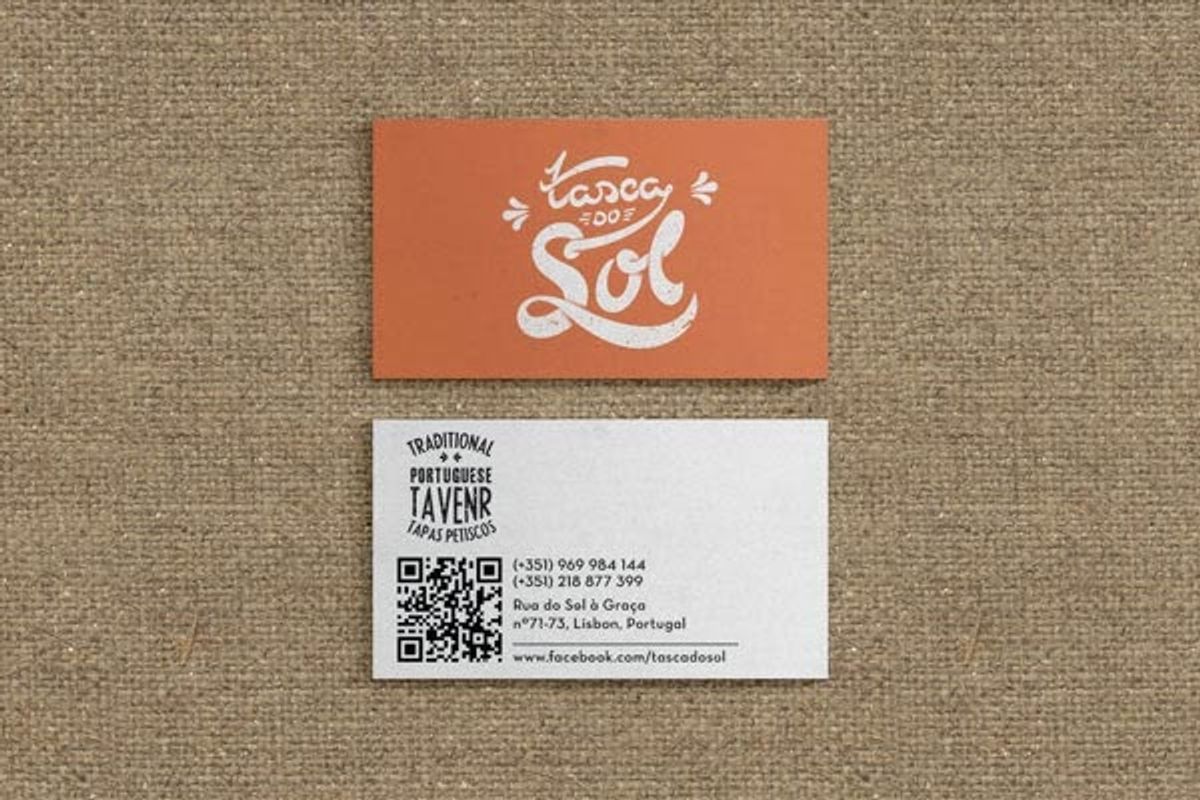
At the heart of visual storytelling is the ability to convey your brand’s core messages and themes effectively. To do this, start by defining your brand’s identity, including its values, mission, and vision. These elements should resonate with your business objectives and form the foundation of your narrative.
Crafting a compelling brand story involves more than just aesthetics; it’s about creating emotional connections with your audience. This narrative should be consistent across all platforms, from social media to your website, ensuring a unified brand experience.
Identifying your brand’s core messages involves a deep understanding of your audience’s needs, desires, and aspirations. It’s crucial to weave these messages into every aspect of your design, aligning visual elements with your brand’s message to create a cohesive and engaging narrative.
Here are some steps to consider:
- Define your core identity
- Craft a compelling narrative
- Select the right engagement channels
- Ensure consistency across channels
- Incorporate core values into your story
Leveraging Design Elements to Enhance Storytelling
In the realm of branding, visual storytelling is not just about aesthetics; it’s a strategic tool that can significantly amplify a brand’s narrative. By carefully selecting and combining design elements such as color, typography, and imagery, brands can create a visual language that resonates with their audience and reinforces their message.
The power of design in storytelling lies in its ability to evoke emotions and forge connections. When these elements are used consistently, they become a shorthand for the brand’s identity, making it instantly recognizable to consumers.
For instance, consider the following aspects of design that can be leveraged to enhance your brand’s storytelling:
- Color: It sets the mood and conveys the brand’s energy.
- Typography: It reflects the brand’s tone and personality.
- Imagery: It illustrates the brand’s story and values.
- Layout: It guides the viewer’s journey through the brand’s narrative.
Each of these elements plays a pivotal role in crafting a cohesive visual brand identity. It’s essential to ensure that your visual elements, such as colors, fonts, and imagery, are consistent across all touchpoints. This consistency helps reinforce your brand’s narrative and fosters a deeper connection with your audience.
Incorporating Consistency Across All Platforms
In the realm of branding, consistency is the cornerstone of a unified brand identity. It’s not just about having a recognizable logo; it’s about ensuring that every aspect of your brand’s visual language speaks with the same voice, regardless of the platform. This includes your website, social media profiles, advertising, packaging, and even your email campaigns.
To achieve this, a comprehensive brand style guide is indispensable. It serves as the blueprint for all visual communication, dictating the use of colors, typography, imagery, and more. Adherence to this guide ensures that your brand is easily recognizable and reinforces your brand identity.
For instance, consider the following steps to maintain visual consistency:
- Develop a detailed brand style guide and distribute it to all content creators.
- Regularly review and update your brand assets across all platforms.
- Train your team on the importance of brand consistency.
- Monitor your brand’s representation in the market to ensure compliance with the style guide.
By integrating these practices into your brand strategy, you can create a cohesive visual narrative that resonates with your audience and builds brand loyalty. Remember, a consistent brand narrative is not just about aesthetics; it’s about creating a reliable and trustworthy image that customers can connect with.
Maximizing Impact with Visual Consistency
Developing a Cohesive Color Palette
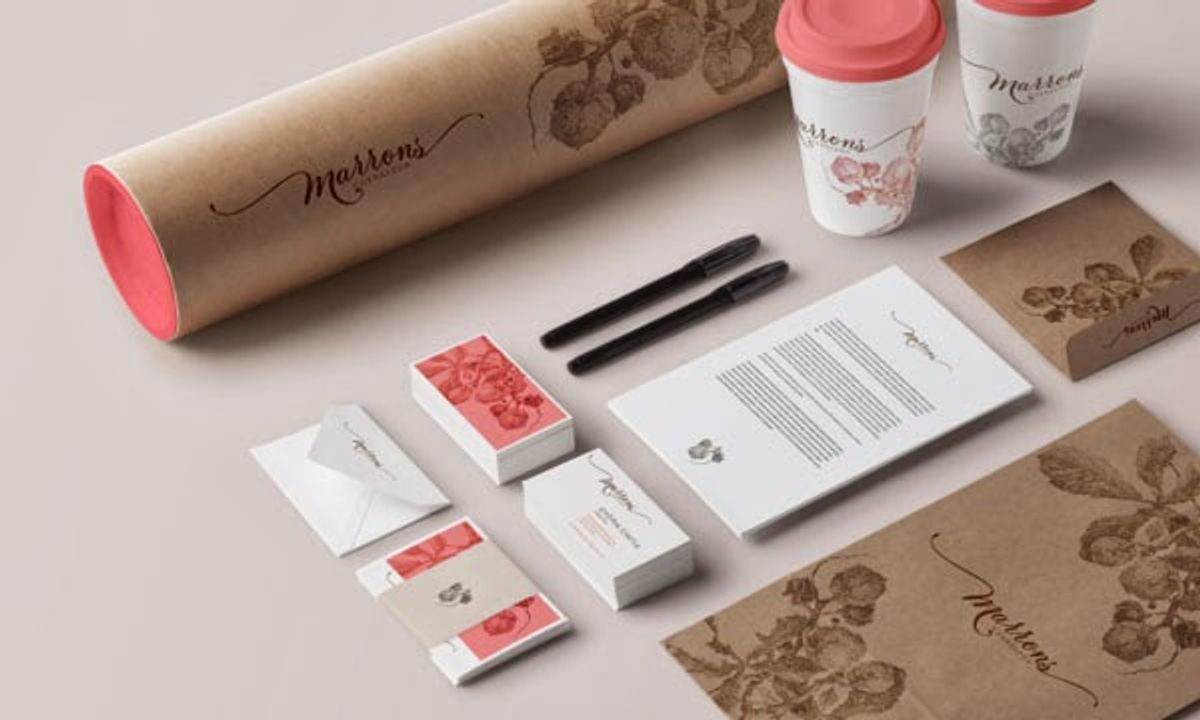
A cohesive color palette is fundamental to establishing a visual identity that is instantly recognizable and evokes the intended emotional response from your audience. When selecting colors, consider the psychological impact they have, as each hue can influence perception and behavior. For instance, blue often instills a sense of trust and loyalty, which is why it’s a common choice for social media platforms like Facebook and Twitter.
To ensure consistency, document your brand’s color scheme meticulously, including primary, secondary, and accent colors with their exact hex codes. This practice is crucial for maintaining brand integrity across various mediums, whether digital or print.
A consistent color palette across all marketing materials solidifies your brand’s visual narrative and makes it memorable.
Remember, the goal is not just to choose attractive colors but to select hues that align with your brand’s personality and values. This strategic approach to color selection is a powerful tool in visual storytelling, helping to weave a narrative that resonates with your audience.
Choosing Imagery that Reflects Brand Personality
The selection of imagery is a pivotal aspect of visual storytelling that conveys the essence of your brand to the audience. High-quality, authentic images not only complement the narrative but also reinforce the brand’s personality and values. For instance, a brand like Patagonia uses rugged imagery and earthy colors to reflect its commitment to environmental responsibility, resonating deeply with its target audience.
By consistently using imagery that aligns with the brand’s story, businesses can create a visual narrative that resonates with their audience.
It’s crucial to choose visuals that connect with your audience on an emotional level, guiding them through your brand’s story in a captivating way. This involves a strategic selection of colors, fonts, and layout that harmonizes with your brand’s tone and message.
- DEFINE YOUR BRAND’S CORE VALUES AND PERSONALITY: Before selecting imagery, clarify what your brand stands for.
- CREATE A BRAND PERSONALITY: Develop a consistent style and tone that aligns with your brand values.
- CAPTURE YOUR AUDIENCE’S EMOTIONS: Use imagery that relates to your audience’s emotions and tells your brand’s story.
- CONSIDER YOUR LAYOUT: Ensure that the layout leads the audience through your story logically.
Ensuring Brand Identity Across Digital and Physical Media
In the realm of branding, visual consistency is key in storytelling for brand trust. Establishing a comprehensive set of brand guidelines is essential to maintain a uniform appearance and message across all forms of media. This includes everything from your website and social media profiles to your physical marketing materials like business cards and billboards.
Your brand’s visual elements should be omnipresent, reinforcing your identity across various touchpoints. Digital and Printed Correspondence: From email footers to business stationery, every piece of communication should reflect your brand’s visual language.
To achieve this, consider the following steps:
- Conduct an audit of all current brand materials.
- Update or create brand guidelines that include logo usage, color palette, typography, and imagery.
- Train your team on these guidelines to ensure consistency.
- Regularly review and refresh your materials to keep your brand identity current and aligned with market trends.
Engaging Your Audience Through Visual Elements
Utilizing Graphics and Typography to Convey Emotion
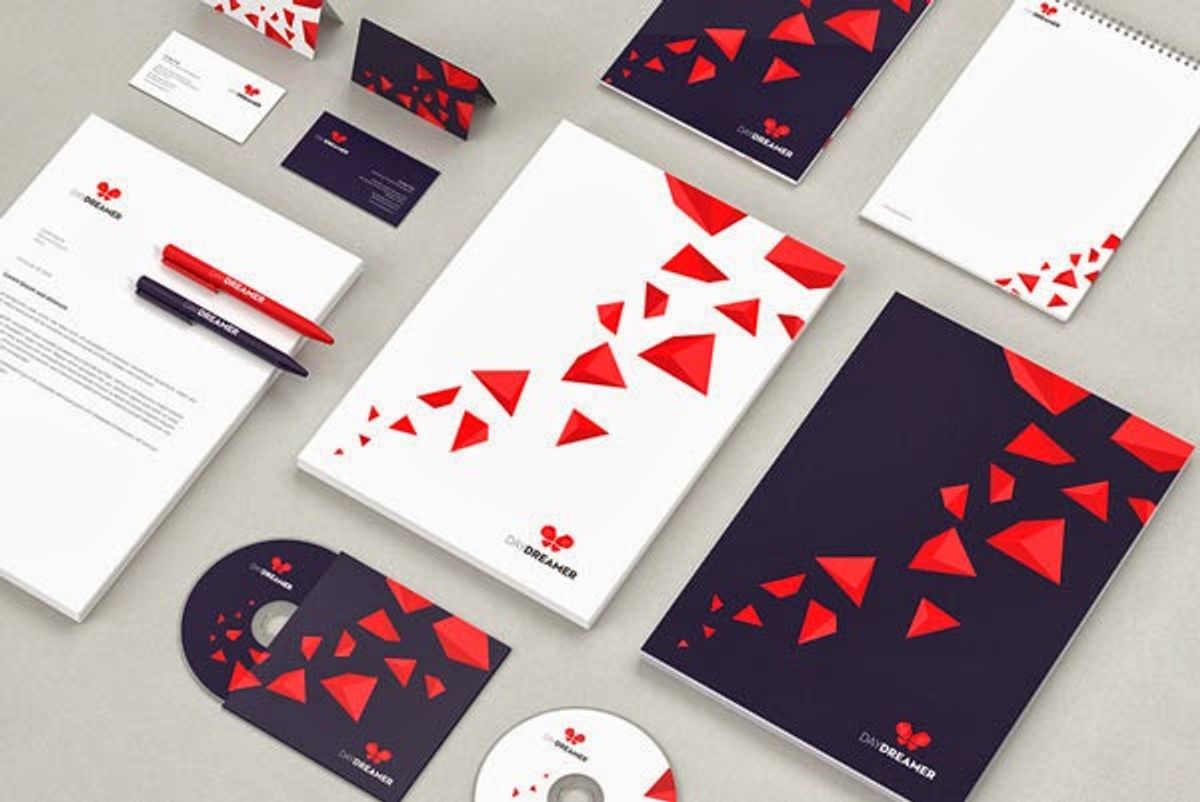
The power of visual storytelling is not just in the images we see but also in the fonts and graphics that accompany them. Typography can express a range of emotions, from the seriousness of a bold sans-serif to the elegance of a flowing script. It’s essential to select your visual elements wisely, as they are your narrative tools—color, typography, images, and layout all play a part in this.
The right combination of graphics and typography can make your brand more approachable and engaging for the audience.
Here’s a quick guide to the impact of typography on your brand’s visual storytelling:
- Select hues that evoke the desired feelings and match your brand’s messaging.
- Choose a font that is readable on various devices and encapsulates your brand’s essence.
- Utilize imagery that resonates with your audience’s emotions and tells your brand’s story.
Remember, fonts speak a visual language. For instance, horror movies often use bleeding typography, while a cursive font might be perceived as feminine. Limit your selection to 1-3 fonts and decide on the typeface formatting (bold, italic, regular, etc.) to maintain clarity and impact.
Interactive Design for Enhanced User Experience
Interactive design is pivotal in creating an immersive brand experience that captivates and retains users. By integrating responsive design elements, brands can ensure a consistent visual identity across various platforms, enhancing the user’s journey through the brand’s narrative. A well-optimized UX design not only supports the visual identity but also significantly enhances it.
By providing a seamless and engaging user experience, the brand’s identity is experienced in a positive light, encouraging deeper engagement and loyalty.
Key aspects of UX optimization that contribute to a cohesive visual identity include ensuring intuitive navigation and optimizing for user experience (UX). These elements are crucial in building a brand’s visual story that resonates with the audience. Below is a list of strategies to consider for interactive design:
- Developing a user-centric design approach
- Utilizing emerging technologies for innovative experiences
- Implementing responsive design for consistency across devices
- Crafting a narrative through visual and interactive elements
Responsive design not only improves user experience but also reinforces your brand’s visual identity by ensuring consistency across all user touchpoints. This approach allows brands to stay competitive and relevant in a rapidly changing digital landscape.
Creating Shareable Content for Social Media
In the realm of social media, visual content reigns supreme. To captivate your audience and encourage sharing, it’s essential to create content that is not only visually appealing but also resonates with your brand’s story.
Statistically, visual posts get consistently more clicks, shares, and comments than posts with text only. Try using a mixture of photos, images with text, and other multimedia to tell your brand’s narrative in a compelling way.
Here are some key considerations for creating shareable content:
- Quality Over Quantity: Prioritize high-quality images and videos that reflect your brand’s aesthetic and message.
- Emotionally Engaging: Craft content that evokes emotions, whether it’s joy, curiosity, or inspiration.
- Actionable CTA: Include clear calls-to-action that prompt users to engage with your content, such as ‘Share if you agree!’ or ‘Tag a friend who needs to see this!’
- Optimized for Each Platform: Tailor your content to the unique features and audience of each social media platform.
By focusing on these elements, you can create content that not only stands out but also becomes a vehicle for your audience to spread your brand’s message.
Measuring Success in Visual Storytelling
Tracking Engagement and Audience Response
Understanding how your audience interacts with your brand’s visual storytelling is pivotal to refining your strategy. Track key performance metrics such as social media activity, website traffic, and conversion rates to gauge the effectiveness of your visual narrative. Direct consumer insights, through comments and feedback, provide valuable qualitative data.
Engagement goes beyond mere views or likes. It’s about fostering a two-way conversation, where active participation and community building become the cornerstones of a thriving brand identity.
To systematically capture audience response, consider the following steps:
- Monitor social media discussions and brand mentions.
- Analyze customer reviews and feedback for recurring themes.
- Conduct surveys and polls to gather direct insights from your audience.
- Use analytics tools to track user interaction and identify patterns.
By focusing on these areas, you can discern how well your brand resonates with your target audience and pinpoint areas for improvement.
Analyzing Visual Content Performance
To truly understand the effectiveness of your brand’s visual storytelling, analyzing visual content performance is essential. This involves tracking key metrics that reflect user engagement and the impact of your visual elements. Metrics such as page views, time spent on site, and social shares offer insights into how compelling your visual narrative is.
- Page Views: Indicates the number of times a visual piece has been viewed.
- Time on Site: Reflects the duration of engagement with your content.
- Social Shares: Measures the content’s virality and audience reach.
By examining these metrics, you can gauge the resonance of your visual storytelling with your audience. A study has shown that engaging colored visual content has 80% more chances to be consumed, highlighting the importance of vibrant, attention-grabbing visuals in your brand’s narrative.
Continuously review the performance of your visual storytelling efforts by analyzing key metrics such as engagement, view duration, and social shares. This will help you measure and adapt your strategies for maximum impact.
Remember, the goal is not just to attract views but to create meaningful interactions that reinforce your brand’s identity and values. As you analyze your visual content’s performance, look for patterns and feedback that can inform future content creation, ensuring that your visual story remains relevant and impactful over time.
Adapting and Evolving Visual Strategies Over Time
In the ever-changing landscape of branding, visual strategies must be adaptable to maintain relevance and effectiveness. As market trends shift and brand strategies evolve, a brand’s visual identity should follow suit, ensuring it continues to resonate with its audience and reflect its current values. This adaptability is not about reinventing the brand with each change but about making strategic updates that enhance the brand’s message and appeal.
By conducting regular brand audits and gathering user feedback, companies can identify areas for improvement and ensure their visual elements align with their evolving identity and values.
To measure the success of these adaptations, brands should track engagement and analyze the performance of their visual content. This data can inform future visual strategies, allowing brands to stay ahead of the curve and maintain a strong connection with their audience. The following list outlines key steps in this ongoing process:
- Review and update the website’s design and content to match the brand’s current positioning.
- Assess visual consistency across all platforms and make necessary adjustments.
- Analyze user feedback to identify areas for improvement.
- Embrace innovation and trends while staying true to the brand’s core identity.
- Implement tracking tools to measure conversions, performance, and user interaction.
Adapting visual strategies is a continuous journey that requires foresight and a willingness to embrace change. It’s a balance between maintaining a consistent brand identity and staying fresh and relevant in the eyes of consumers.
In the realm of visual storytelling, success is not just about the story you tell, but how you tell it. Our team at AM2 specializes in crafting digital experiences that captivate and engage your audience. From custom WordPress development to eCommerce solutions, we ensure that your visual narrative is not only heard but also seen and felt. Measure your success with a partner that understands the art of digital storytelling. Visit our website to explore our services and let us help you tell your story with impact.
Conclusion
In the realm of brand identity, visual storytelling emerges as a transformative force, capable of crafting a narrative that resonates deeply with audiences. By weaving together strategic imagery, color schemes, typography, and design elements, brands can convey their unique ethos and values in a way that captivates and engages. This article has underscored the importance of a cohesive visual identity and the power it holds to differentiate a brand in a crowded marketplace. As we’ve explored various strategies and real-world examples, it’s clear that when a brand’s visual storytelling is executed with precision and creativity, it not only enhances the user experience but also fosters a strong emotional connection that can lead to lasting brand loyalty. Whether through website design, social media campaigns, or multimedia content, the art of visual storytelling is an indispensable tool in the arsenal of any brand aiming to leave a memorable imprint on its audience.
Frequently Asked Questions
What is visual storytelling in branding?
Visual storytelling in branding is the use of images, color, typography, and other design elements to convey a brand’s narrative and values, creating a memorable and emotional connection with the audience.
How can visual consistency impact brand identity?
Visual consistency reinforces brand recognition and trust by ensuring that all visual elements, such as logos, color palettes, and imagery, are cohesive across different platforms and media.
Why is it important to align imagery with brand values?
Aligning imagery with brand values ensures that the visual representation of the brand accurately reflects its core principles and message, which helps in building a genuine connection with the target audience.
What role does typography play in visual storytelling?
Typography influences the tone and readability of the brand’s message. It’s a crucial element that contributes to the overall aesthetic and can evoke specific emotions in the audience.
How can I measure the success of my brand’s visual storytelling?
Success can be measured through engagement metrics, audience response, and performance analysis of visual content. Adapting strategies based on these insights can lead to improved outcomes.
What strategies can help in crafting a compelling brand narrative?
Identifying core messages, leveraging design elements, and maintaining consistency across all platforms are key strategies. Collaborating with skilled agencies can also translate a brand’s vision into a compelling narrative.