Creating Unique Brand Identity through Visual Storytelling
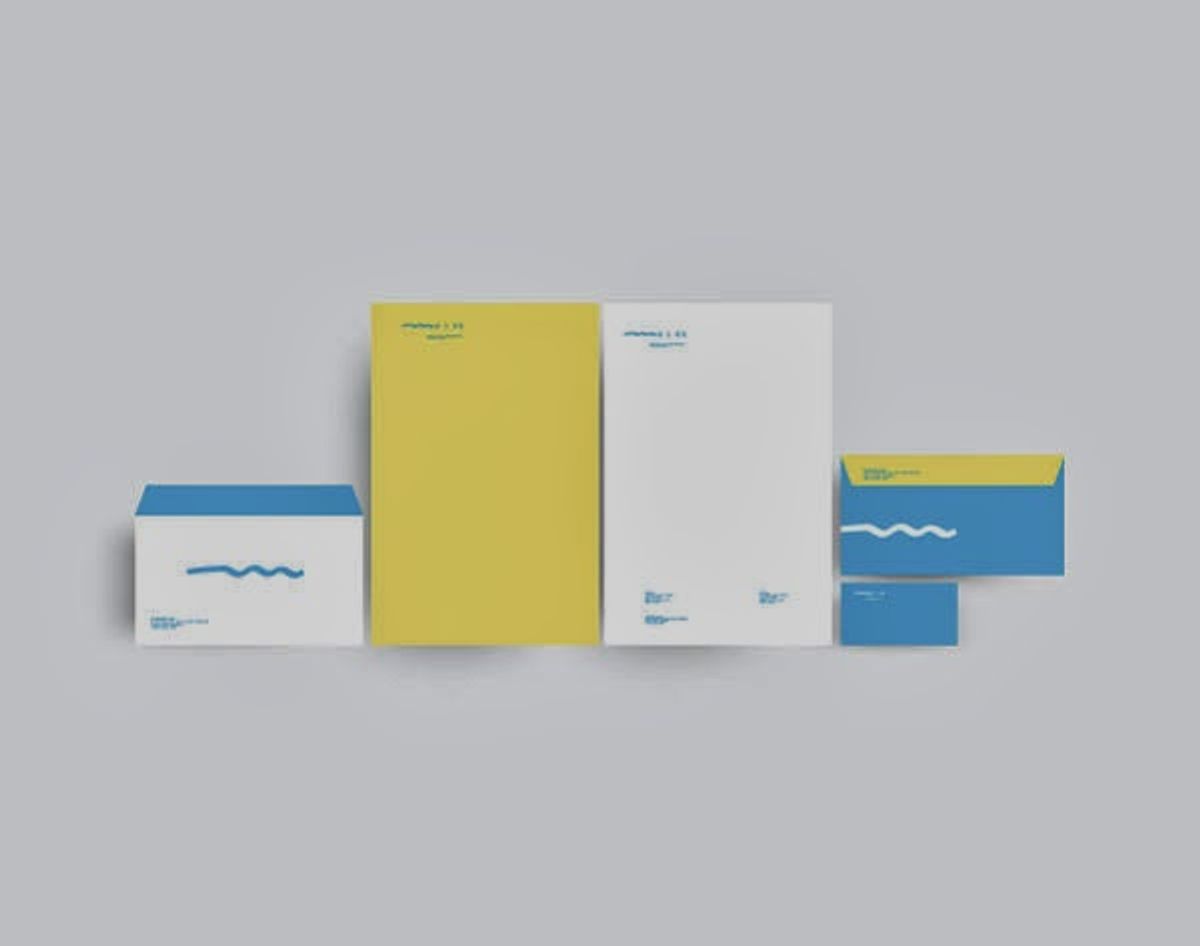
In today’s digital age, a brand’s visual identity is more important than ever. It’s not just about logos and color schemes; it’s about telling a story that resonates with your audience and sets you apart from the competition. Visual storytelling is a compelling way to create an emotional connection with your customers, making your brand memorable and impactful. This article will explore how to craft a unique brand identity through visual storytelling, examining successful strategies and case studies to inspire your own brand narrative.
Key Takeaways
- Visual storytelling in branding harnesses the power of imagery, color, and design to convey a brand’s narrative and values.
- A well-defined visual language, including color palette and typography, is essential for creating a consistent and recognizable brand identity.
- Multimedia elements such as videos, interactive features, and infographics can significantly boost engagement and simplify complex messages.
- Analyzing case studies of industry giants and small businesses alike can provide valuable insights into successful visual branding strategies.
- Consistency across all platforms ensures a cohesive brand experience, reinforcing the brand’s story and identity with every interaction.
The Art of Visual Storytelling in Branding

Understanding the Power of Visuals
In the realm of branding, visuals are a universal language that transcends cultural and linguistic barriers, creating immediate connections with audiences. The right visual elements can evoke emotions, tell a story, and convey complex messages succinctly. For instance, a logo is not just a symbol; it’s a distillation of a brand’s identity, capable of inspiring trust, curiosity, or loyalty.
Visual storytelling is not about adding decorative elements; it’s about integrating visuals that align with your brand’s core values and message.
To harness the power of visuals effectively, consider these steps:
- Identify the emotions you want to evoke.
- Select images, colors, and fonts that reflect your brand’s personality.
- Use consistent visual motifs across all platforms to reinforce brand recognition.
By strategically leveraging visuals, brands can create a memorable identity that stands out in a crowded marketplace. AM2 Studio’s strategic approach to web development focuses on personalized strategies, creative design, and cutting-edge technology, exemplifying the impact of a well-crafted visual identity.
Crafting a Visual Narrative
To craft a compelling brand narrative, it’s essential to align visual elements with the core message of your brand. This involves a strategic blend of design choices that resonate with your audience and reflect your brand’s identity.
- Know Your Audience: Tailor your narrative to their aspirations and values.
- Keep It Simple: Use clear, concise language and avoid unnecessary complexity.
- Maintain Consistency: Use consistent design elements across all platforms.
- Incorporate Multimedia: Enhance the narrative with images, videos, and interactive elements.
A visual narrative should not only tell a story but also inspire action and engagement from the audience. It’s a multi-sensory journey that conveys your brand’s personality and values.
Remember, a visual narrative is more than just aesthetics; it’s about creating a connection with your audience that motivates action and fosters brand loyalty. By incorporating interactive elements, you invite your audience to become active participants in your brand’s story.
Consistency Across Platforms
Achieving a harmonious brand presence across various platforms is crucial for reinforcing your visual storytelling. Consistency is the backbone of brand recognition, ensuring that your message remains clear and impactful, no matter where your audience encounters it. This uniformity in visual communication helps to establish trust and solidify your brand identity.
To maintain consistency, it’s essential to have a set of guidelines that dictate the use of visuals, colors, and typography. These standards should be meticulously applied across all mediums, from your website to social media, and even in eCommerce photos.
Here are some practical steps to ensure consistency:
- Utilize a defined color palette that aligns with your brand’s emotional appeal.
- Apply consistent typography that reflects your brand’s voice.
- Incorporate imagery and icons that resonate with your narrative.
- Regularly audit your brand’s presence to ensure alignment across platforms.
- Solicit feedback and be willing to iterate based on audience response.
By adhering to these principles, you can create a compelling brand story that resonates with your audience and stands the test of time.
Defining Your Brand’s Visual Language
Choosing the Right Color Palette
The color palette you choose for your brand is more than just an aesthetic choice; it’s a strategic tool that can influence perceptions and behaviors. Selecting the right colors can communicate your brand’s values and personality without saying a word. When planning your brand’s color scheme, consider starting with three main colors: a base, an accent, and a neutral. This foundational trio can then be expanded or refined to suit the specific needs of your brand.
A well-chosen color palette enhances brand recognition and helps to create a cohesive look across all platforms.
It’s important to understand the psychology of colors and how they can affect emotions and decisions. For example, blue often conveys trust and dependability, while red can evoke excitement and urgency. Here’s a simple guide to help you begin the process:
- Identify the emotions and values you want your brand to evoke.
- Research how different colors are perceived culturally and within your industry.
- Test color combinations to see how they work together and with your content.
- Get feedback from your target audience to ensure the colors resonate with them.
- Finalize your palette and apply it consistently across all marketing materials and digital platforms.
Typography That Speaks Volumes
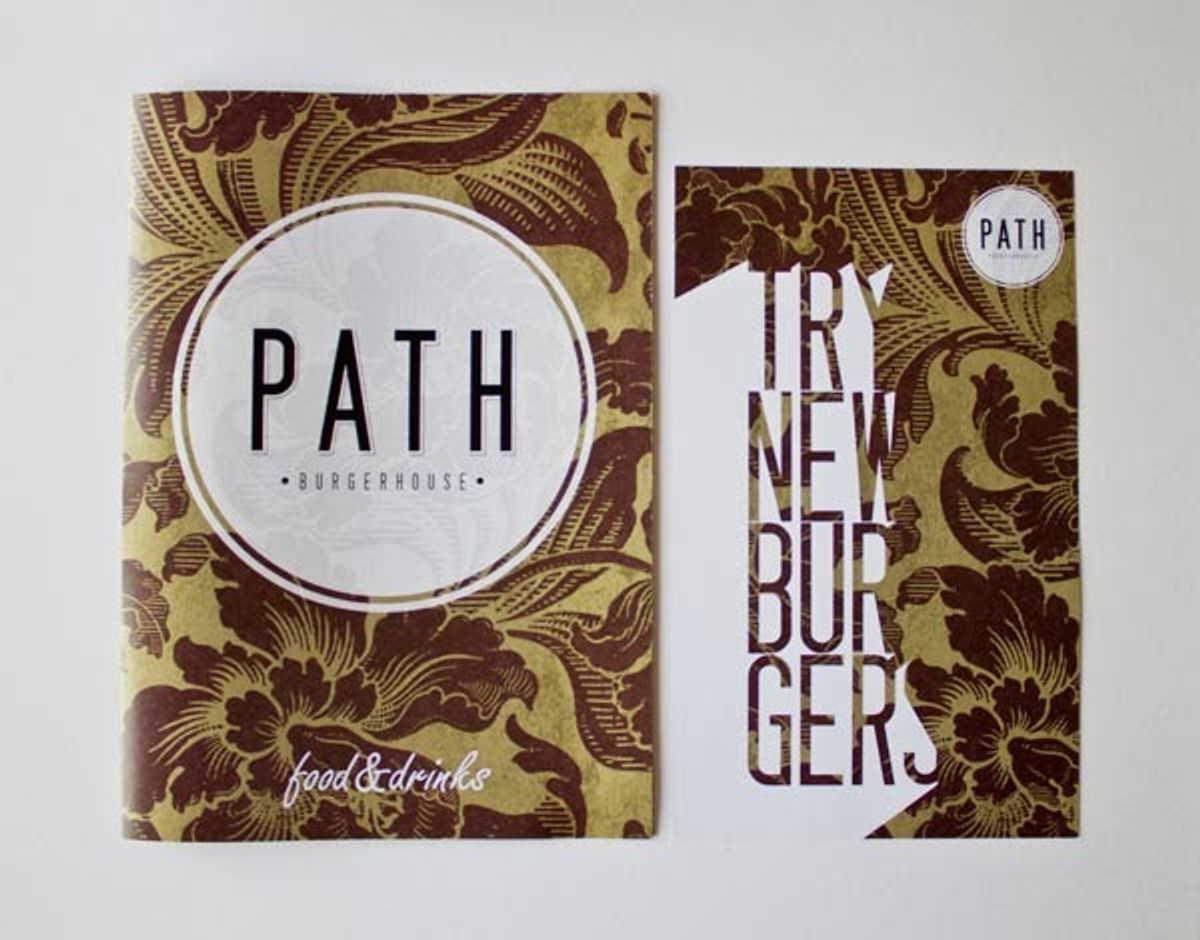
The choice of typography is a declaration of a brand’s character. Fonts convey more than just words; they evoke emotions and associations. Consider the boldness of a heavy sans-serif or the elegance of a script font—each tells a different story. A brand’s identity is heavily influenced by its use of typography, which plays a pivotal role in brand recognition. Think of it as the visual voice of your brand narrative.
When selecting a typeface for your brand, it’s crucial to align it with the brand’s core values and message. A mismatch between font and brand personality can lead to confusion and dilute the brand’s impact.
Here are some key considerations when choosing typography for your brand:
- Legibility: Ensure that the typeface is easy to read across different mediums and sizes.
- Versatility: The chosen font should work well in various contexts, from your website to print materials.
- Uniqueness: Opt for a typeface that sets you apart from competitors and is identifiable with your brand.
- Emotional Impact: Different fonts can trigger different feelings; choose one that aligns with the emotional experience you want to evoke.
Remember, consistency in typography is just as important as the initial selection. Consistent use of type across all platforms reinforces brand recognition and fosters trust with your audience.
Incorporating Imagery and Icons
In the realm of visual storytelling, imagery and icons serve as the silent ambassadors of your brand. They convey complex ideas succinctly, often transcending language barriers. When chosen carefully, these visual elements can encapsulate your brand’s essence and communicate your narrative more effectively than words alone.
- Keep It Simple and Concise: Use imagery that aligns with your brand’s narrative and is easily digestible at a glance.
- Maintain Consistency: Ensure that the imagery and icons used are consistent across all platforms to reinforce brand recognition.
- Multimedia Content Creation: Complement your visual storytelling with multimedia elements like infographics and videos to enhance engagement.
By integrating imagery and icons that resonate with your audience, you create a cohesive and memorable brand experience.
Remember, the goal is to showcase your brand personality through imagery for a lasting impact. It’s not just about aesthetics; it’s about making a connection with your audience that goes beyond the visual to evoke emotion and action.
Leveraging Multimedia for Enhanced Engagement

The Role of Video in Storytelling
In the realm of visual storytelling, video stands as a paramount tool for brands to forge a deep connection with their audience. The dynamic nature of video content allows for a multi-sensory experience, engaging viewers and conveying complex messages with ease.
- Design engaging content with visuals and multimedia to captivate your audience.
- Balance multimedia elements to enhance, not overshadow, the core message.
- Maintain a consistent brand voice across all video content to build a recognizable online presence.
Video storytelling is not just about visual appeal; it’s about crafting a narrative that resonates on an emotional level, driving viewer engagement and loyalty.
By leveraging the power of video, brands can balance content for emotional resonance, ensuring that their messaging strikes a chord across various platforms. The key is to integrate video into a broader brand storytelling strategy, one that aligns with the company’s values and goals.
Interactive Elements and User Experience
In the realm of visual storytelling, interactive elements play a crucial role in enhancing user experience. By engaging users in a two-way conversation, brands can foster a deeper connection and encourage active participation in their narrative.
For instance, incorporating quizzes, polls, or interactive infographics can transform passive viewers into active participants. This not only increases the time spent on your platform but also provides valuable insights into your audience’s preferences and behaviors.
A website emphasizes the importance of a responsive strategy, leveraging multimedia for enhanced interaction, and the art of storytelling in brand narratives to engage audiences effectively.
Moreover, user feedback mechanisms such as comment sections or social media integration allow for real-time engagement and can be instrumental in refining your brand’s story. It’s essential to monitor and analyze this feedback to adapt and evolve your storytelling approach continuously.
Here’s a simple checklist to ensure your interactive elements are on point:
- Design for simplicity and ease of use
- Ensure cross-platform consistency
- Test interactive features thoroughly before launch
- Solicit user feedback and be prepared to iterate
Remember, the goal is to create an immersive experience that resonates with your audience and leaves a lasting impression of your brand.
Using Infographics to Simplify Complex Ideas
Infographics serve as a bridge between complex data and the audience, translating intricate concepts into digestible visual narratives. By harnessing the power of infographics, brands can communicate more effectively, making information not only more accessible but also more engaging. The key lies in the distillation of data into a format that captures the essence of the message without oversimplifying the content.
Infographics are not just about aesthetics; they are strategic tools that can enhance comprehension and retention. When executed well, they can turn a mundane report into a captivating story.
For instance, consider the impact of an infographic that outlines customer demographics, preferences, and behaviors. A well-designed infographic can replace pages of text and tables, providing a snapshot that is both informative and easy to understand. Here’s a simplified example of how data might be presented:
| Age Group | Preferences | Behaviors |
|---|---|---|
| 18-25 | Eco-friendly products | Online shopping |
| 26-35 | Quality over price | Brand loyalty |
| 36-45 | Convenience | Mobile payments |
The use of visual elements like charts, icons, and color coding can further enhance the narrative, guiding the viewer through the information hierarchy and emphasizing key points. The ultimate goal is to make the complex simple, without losing the message’s integrity.
Case Studies: Successful Visual Brand Stories
Analyzing Industry Giants
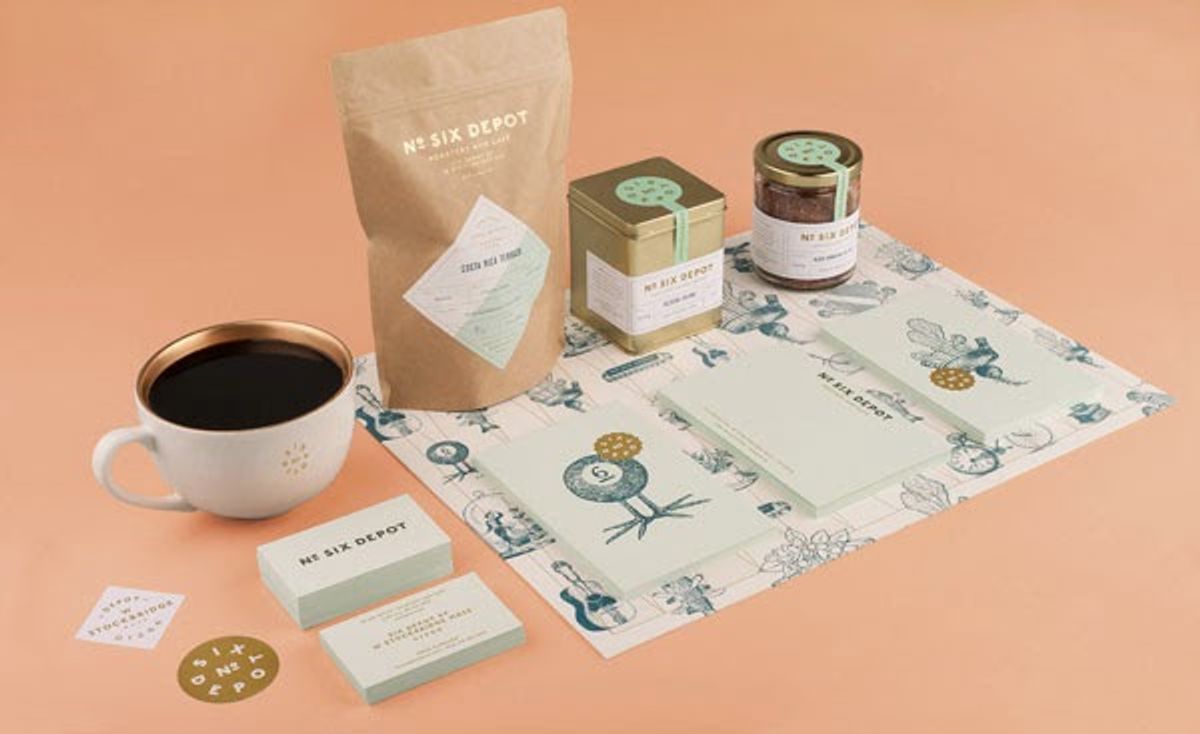
In the realm of visual storytelling, industry giants have set the bar high, demonstrating the profound impact of a well-crafted brand narrative. Apple’s "Think Different" campaign is a prime example, where the celebration of innovators like Albert Einstein and Steve Jobs not only communicated a message of creativity but also solidified Apple’s reputation as a pioneer. Similarly, Nike’s "Just Do It" slogan and the accompanying imagery inspire action, resonating with audiences worldwide and creating an indelible brand identity.
The art of visual storytelling in branding is not just about aesthetics; it’s about weaving a narrative that embodies the brand’s ethos and connects with the audience on an emotional level.
Coca-Cola’s "Open Happiness" campaign further illustrates the power of visuals in branding, with its consistent use of vibrant colors and joyful imagery to evoke feelings of happiness and community. These narratives are more than marketing; they are the chapters of a brand’s ongoing story that foster emotional engagement and enhance brand recognition and loyalty.
In analyzing these titans of industry, it becomes clear that visual strategies are crucial for brand identity. High-quality visuals convey professionalism, trust, and uniqueness, driving brand success in a competitive market. Astonishingly, over 65% of consumers assert that their purchasing decisions hinge on the brand story, underscoring the significance of visual storytelling and measurement in today’s marketplace.
Small Business Successes
Small businesses often face the challenge of standing out in a crowded market, but visual storytelling can be their secret weapon. By crafting a compelling brand narrative through visuals, small enterprises can connect with their audience on a deeper level. For instance, a website that offers WordPress and eCommerce development services not only showcases its portfolio but also highlights career opportunities, emphasizing its unique brand identity and fostering a connection with its audience.
The key to success lies in the authenticity and memorability of the visual story. It’s not just about the aesthetics; it’s about weaving a narrative that resonates with the values and aspirations of the target market.
A bulleted list can succinctly capture the essential elements of a successful visual brand story for small businesses:
- Authenticity in the brand’s visual message
- Consistency across all platforms and materials
- Engaging and high-quality visual content
- Strategic use of color, typography, and imagery to convey the brand’s personality
By adhering to these principles, small businesses can create a lasting impression that not only attracts customers but also builds loyalty and trust.
Lessons from Non-Profit Organizations
Non-profit organizations often operate with limited resources, making their success in visual storytelling a testament to the power of creativity and strategic thinking. By aligning visual elements with their core values, non-profits create emotional connections that boost audience engagement, setting them apart in a crowded sector.
A clear and consistent visual narrative can amplify a non-profit’s message, inspiring action and fostering community support.
To achieve this, non-profits focus on a few key strategies:
- Solicit Feedback: Engaging with stakeholders to refine the narrative.
- Keep It Simple and Concise: Ensuring the message is easily understood.
- Be Audience-Centric: Tailoring the story to resonate with the audience’s values.
- Inject Personality: Allowing the brand’s character to shine through.
- Evolve with Your Brand: Adapting the story as the organization grows.
These strategies not only help in crafting a compelling brand story but also in maintaining consistency across various platforms, a crucial aspect for non-profits to maintain their identity and message clarity.
Dive into our collection of ‘Case Studies: Successful Visual Brand Stories’ and discover how we’ve helped businesses like yours craft compelling visual identities that resonate with their audience. Each case study is a testament to our expertise in creating brand stories that not only look great but also drive results. Ready to transform your brand’s story? Visit our website and let’s create something unforgettable together. Your brand’s success story starts here.
Conclusion
In the dynamic world of branding, visual storytelling emerges as a powerful conduit for creating a unique brand identity. It’s not just about the aesthetics; it’s about weaving a narrative that resonates with your audience, encapsulating your brand’s values, mission, and vision. As we’ve explored throughout this article, the journey of crafting a compelling brand story is both an art and a science. By understanding your audience, maintaining consistency, and embracing authenticity, you can set your brand apart in a saturated marketplace. Remember, your brand story is more than a marketing tool—it’s the heartbeat of your brand, inviting customers to join you on a journey that transcends the ordinary. So, take inspiration from successful brands, keep your narrative simple yet captivating, and let the power of visual storytelling propel your brand to new heights.
Frequently Asked Questions
What is visual storytelling in branding?
Visual storytelling in branding involves using images, videos, and other multimedia elements to craft a narrative that conveys a brand’s identity, values, and message in a compelling and memorable way.
Why is consistency important in visual branding across platforms?
Consistency in visual branding across platforms helps to establish brand recognition, builds trust with the audience, and ensures that the brand’s message is clear and coherent no matter where it is encountered.
How do I choose the right color palette for my brand?
Choosing the right color palette for your brand involves considering the emotions and associations colors evoke, as well as ensuring they align with your brand’s personality and the message you want to convey.
What role does typography play in a brand’s visual language?
Typography contributes to a brand’s visual language by influencing the readability of content and evoking certain feelings or attitudes through the choice of font style, size, and arrangement.
How can video enhance my brand’s visual storytelling?
Video can enhance a brand’s visual storytelling by providing a dynamic and engaging way to present information, showcase products or services, and connect with the audience on an emotional level.
What are some examples of successful visual brand stories?
Successful visual brand stories include Nike’s ‘Just Do It’ campaign, which uses powerful imagery and narratives to inspire action, and Apple’s clean and innovative design aesthetics that communicate its brand values.