Creating Unique Brand Identity through Visual Storytelling
In the competitive landscape of digital branding, visual storytelling emerges as a pivotal strategy for crafting a distinct brand identity. It’s a potent blend of imagery and narrative that captivates the audience, fostering a deep, emotional connection with the brand. This article delves into the essence of visual storytelling and its critical role in distinguishing a brand in the marketplace. We explore the foundational principles, the development of a cohesive visual brand identity, and analyze case studies of brands that have successfully harnessed this powerful tool. Additionally, we provide strategies for engaging audiences and look ahead to the future of branding innovation through visual storytelling.
Key Takeaways
- Visual storytelling is essential for creating a unique brand identity that resonates with audiences on an emotional level.
- Understanding the target audience and crafting a compelling narrative are foundational to effective visual branding.
- A cohesive visual brand identity is built through consistent use of logos, color schemes, imagery, and typography across all platforms.
- Analyzing successful case studies helps in understanding the impact of visual storytelling on brand identity and customer engagement.
- The future of branding lies in innovation, embracing new technologies, and adapting to changing consumer behaviors and visual communication trends.
The Fundamentals of Visual Storytelling in Branding

Understanding Your Audience
To craft a compelling visual narrative for brand identity, it’s essential to start with a deep understanding of your audience. Knowing your audience’s interests, values, and preferences is the cornerstone of creating visuals that not only resonate but also make a lasting impression.
Feedback and surveys are invaluable tools for gaining insights into how your visual storytelling is perceived. This feedback can guide improvements, ensuring your visuals are impactful and aligned with audience expectations.
A powerful connection with your audience is forged through shared experiences. By tapping into these, you create empathy and trust, which are vital for a strong brand identity.
Identifying specific segments of your audience based on interests or past behaviors can significantly increase engagement. Choose the right visual format—be it images, videos, animations, or infographics—to best convey your brand’s story and connect with your audience on a deeper level.
Crafting a Compelling Narrative
In the realm of branding, crafting a compelling narrative is not just about telling a story; it’s about weaving a tapestry that resonates with your audience’s values and experiences. A narrative should be more than a sequence of events; it should evoke emotions and build connections that align with your brand’s ethos.
To create a narrative that captivates, consider the following elements:
The protagonist, often the customer, who the audience can relate to.
A conflict or challenge that introduces tension.
A resolution that showcases your brand’s role in creating a positive outcome.
Remember, a strong narrative differentiates your brand in a crowded market. It’s not just about the products or services; it’s about the stories of the people behind them, their passion, and the unique experiences they offer. This approach to storytelling can transform a brand into a memorable icon.
Choosing the Right Visual Elements
The selection of visual elements is a pivotal step in visual storytelling for branding. It’s not just about aesthetics; it’s about finding the right visuals that embody the brand’s values and message. To achieve this, consider the following points:
- Identify the core values of your brand. What are the messages you want to convey through visuals?
- Understand the psychological impact of colors, shapes, and imagery. Each element can evoke different emotions and associations.
- Diversity in visual formats can enrich the storytelling. Use a mix of images, videos, animations, and infographics to keep the audience engaged.
- Test and iterate based on audience feedback. Visuals should be refined over time to ensure they continue to resonate with your audience.
Authentic storytelling and visual elements are crucial for brand identity. Consistency, emotional connection, and relatability are key.
Remember, the goal is to create a visual narrative that aligns with your brand identity and effectively engages your audience. By carefully choosing each visual component, you can craft a compelling brand story that stands out in the crowded marketplace.
Developing a Cohesive Visual Brand Identity
Designing Logos and Color Schemes
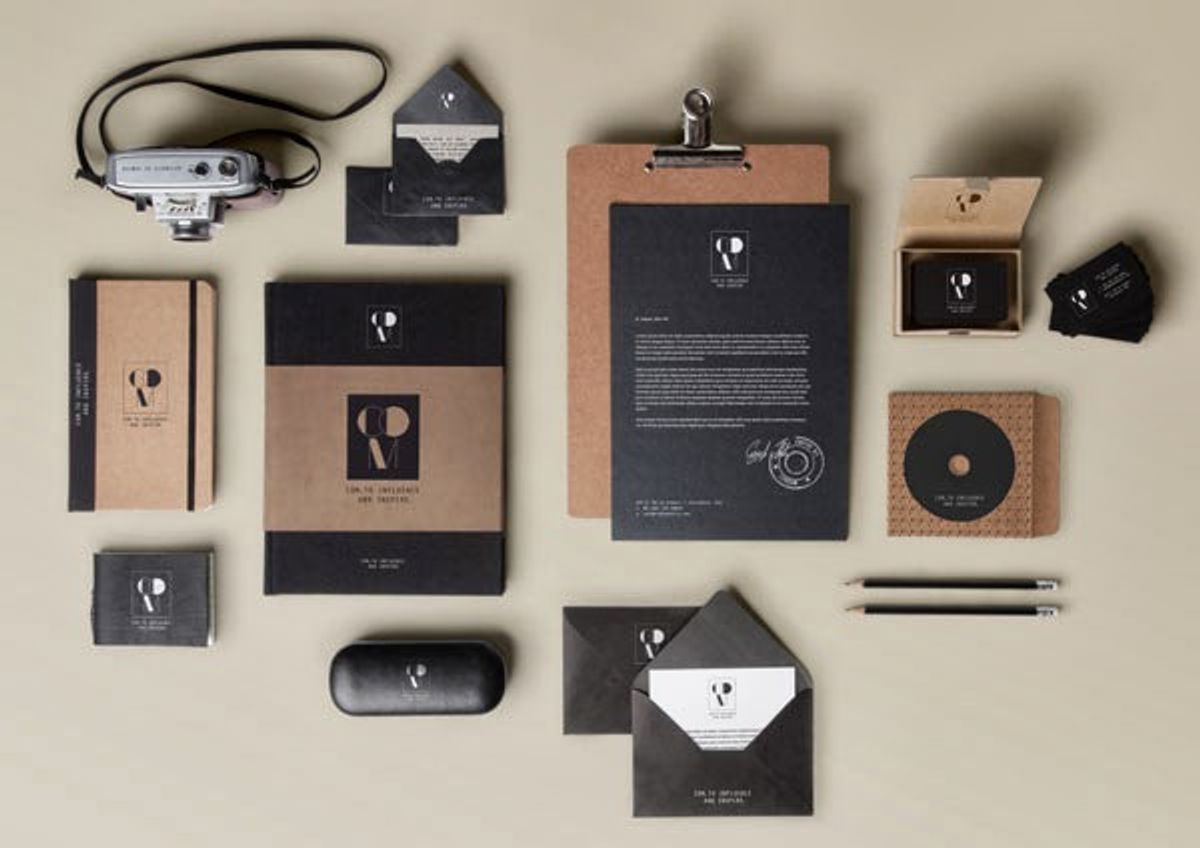
The creation of a logo and the selection of a color scheme are pivotal in establishing a brand’s visual identity. A logo serves as the face of the company, encapsulating its essence in a visual form that is easy to recognize and remember. Color schemes play a crucial role in conveying the brand’s personality and values, often leveraging color psychology to evoke specific emotions and associations in the audience.
When designing a logo, it’s essential to consider how it will translate across various mediums and contexts. It should be scalable, adaptable, and reflective of the brand’s narrative authentically. Similarly, choosing a color scheme involves more than just aesthetics; it’s about creating a cohesive experience that resonates with your audience and remains consistent across all platforms.
To inspire your next logo design, consider exploring a range of logo color combinations. Each color has the power to shape perceptions and contribute to a lasting brand identity.
Below is a list of key considerations when designing logos and color schemes:
- Understand the brand’s core values and story
- Research the target audience’s preferences and cultural associations
- Experiment with different color palettes and typography
- Ensure versatility and scalability of the logo design
- Test the logo and color scheme in various applications
By thoughtfully combining these elements, brands can create a visual language that is not just recognizable but relatable and authentic.
Incorporating Imagery and Typography
The art of visual storytelling is not complete without the strategic use of imagery and typography. These elements are the silent ambassadors of your brand, conveying messages without saying a word. Imagery, when used effectively, can evoke emotions and create a connection with the audience that words alone cannot achieve. Typography, on the other hand, is not just about choosing fonts; it’s about creating a visual hierarchy that guides the viewer’s attention and complements the overall narrative.
The choice of imagery and typography should be deliberate and aligned with the brand’s core values and message. This alignment ensures that every visual touchpoint reinforces the brand identity and resonates with the audience.
To achieve a harmonious blend, consider the following steps:
- Identify the core themes of your brand’s story.
- Select imagery that reflects these themes and evokes the desired emotional response.
- Choose typography that is not only legible but also embodies the brand’s personality.
- Ensure consistency across all platforms to maintain a cohesive brand identity.
Remember, the goal is to create a visual language that is both recognizable and relatable, making your brand’s identity authentic and memorable.
Consistency Across All Platforms
Achieving consistency across all platforms is crucial for a brand’s visual identity. It ensures that the brand is immediately recognizable, whether the customer is browsing on a desktop or swiping through their mobile device. This uniformity extends beyond mere aesthetics; it encompasses the brand’s core values and messaging, which should be reflected in every piece of visual content.
To establish a consistent brand presence, it is essential to optimize visual storytelling for each platform’s unique requirements. Ignoring this can lead to visuals that are not displayed correctly, potentially alienating parts of the audience.
Here are some steps to maintain consistency:
- Clearly define your brand personality.
- Develop a cohesive visual language that embodies core values.
- Optimize visuals for different platforms.
- Integrate with APIs and third-party platforms for seamless user experience.
- Regularly audit and update visual elements to maintain freshness without losing familiarity.
Case Studies: Successful Brand Stories
Analyzing Industry Disruptors
In the realm of branding, industry disruptors stand out by redefining expectations and presenting fresh narratives through visual storytelling. These pioneers harness the power of visuals to craft a brand identity that resonates deeply with their audience, often leading to a loyal following and a distinct market position.
- White Rabbit (NFT): A metaverse company that utilized a custom design strategy to establish its presence in the digital space.
- Inchoo: A leading Magento eCommerce agency that reimagined its brand through a new UX/UI strategy, enhancing its digital footprint.
- Geologija: The Croatian Geological Society’s website redesign exemplifies how tailored imagery can reflect organizational values and attract engagement.
Consistency in visual elements and a dedication to storytelling are the hallmarks of these disruptors. They not only adapt to the current digital landscape but also shape it, setting new benchmarks for branding excellence.
By analyzing these cases, we can extract valuable insights into the strategies that enable a brand to cut through the noise and establish a unique identity. It’s not just about being different; it’s about being authentically engaging and memorable.
Celebrating Customer-Centric Brands
Customer-centric brands prioritize the needs and preferences of their customers at every touchpoint. By embedding customer stories and experiences into their branding, they foster a deeper emotional connection that resonates with their audience. This approach not only humanizes the brand but also amplifies customer loyalty and advocacy.
Brands that excel in customer-centricity often see a ripple effect of positive outcomes, from increased word-of-mouth referrals to enhanced brand reputation.
A hallmark of customer-centric brands is their ability to listen and adapt. They engage with their customers, gather feedback, and continuously refine their offerings. Below is a list of practices that exemplify customer-centric branding:
- Personalizing customer interactions
- Showcasing real customer testimonials
- Implementing customer feedback into product development
- Creating community-driven marketing campaigns
- Offering exceptional customer support
These practices demonstrate a commitment to not just meeting, but exceeding customer expectations. The result is a brand story that’s not only told by the company but co-authored by its customers.
Inspiring Movements Through Visuals
The power of visual storytelling in branding extends beyond mere aesthetics; it can ignite movements and foster community around shared values. Brands that harness this power create more than just customer loyalty—they inspire action and advocacy.
- Use visuals that evoke emotion: Emotion is a powerful tool in visual storytelling. Use visuals that evoke emotions like joy, inspiration, or empathy to forge a deeper connection with your audience.
- Keep it simple: A simple, uncluttered visual can often convey your message more effectively than a complex one. Aim for clarity and ease of understanding.
By now, we hope you appreciate how storytelling and design exist as two sides of the same creative coin. Each informs and inspires the other, creating a cycle of inspiration that fuels both brand identity and audience engagement.
Visuals are more likely to evoke emotions than text alone, triggering responses that resonate on a deeper level. This emotional connection is what makes visual storytelling a potent tool for brands looking to leave a lasting impression.
Strategies for Engaging Your Audience with Visuals

Leveraging Multimedia Content
In the digital age, multimedia content has become a cornerstone of effective brand storytelling. By incorporating a mix of text, images, audio, and video, brands can create a richer, more engaging experience for their audience. For instance, a well-produced video can convey a brand’s message in a way that is both informative and emotionally resonant, leading to a deeper connection with consumers.
To maximize the impact of multimedia content, it’s essential to maintain a consistent brand voice across all mediums. This consistency helps to reinforce brand identity and ensures that the message remains clear and compelling, regardless of the platform. Additionally, analyzing the performance of multimedia content is crucial for refining strategies and improving engagement over time.
Experimenting with emerging channels such as podcasts and virtual reality can further enrich the brand experience. It’s about creating a tapestry of content that not only tells a story but also invites the audience to become a part of it.
Optimizing Visuals for Different Platforms
In the realm of visual storytelling, optimizing your visuals for different platforms is crucial for engagement and brand consistency. Each platform has its unique set of requirements and user behaviors. For instance, image dimensions and file sizes should be tailored to fit the specifications of platforms like Instagram, Twitter, or LinkedIn to prevent cropping or quality loss.
Strong visual content on social media gives people a reason to follow, like, comment, and eventually buy from you. It can make or break your strategy.
Accessibility should not be overlooked; ensuring that visuals are perceivable by all users, including those with disabilities, is a key aspect of inclusive design. Here are some practical tips for optimizing your visuals:
- Proper Sizing: Match the dimensions of your images to the platform’s requirements.
- Compression: Find a balance between image size and quality, especially for JPGs.
- Fewer Images: Minimize the number of images to reduce load times and focus user attention.
Remember, the goal is to create a seamless user experience across all devices and platforms, enhancing your brand’s digital presence and storytelling impact.
Measuring Impact and Refining Approaches
To truly understand the effectiveness of your visual storytelling, it’s imperative to measure the impact and refine your strategies based on data-driven insights. Utilizing tools like Google Analytics and social media analytics can provide a wealth of information about audience demographics, engagement levels, and campaign success metrics.
By regularly analyzing this data, you can pinpoint areas that need improvement and make informed decisions to enhance your visual narrative.
Here are some steps to ensure your visual storytelling is on the right track:
- Track engagement metrics to gauge audience interaction.
- Monitor conversion metrics to measure the effectiveness of visuals in driving actions.
- Assess brand awareness metrics to understand the reach of your visual storytelling.
- Solicit feedback directly from your audience through surveys and social media.
- Conduct A/B testing to compare different visual approaches and determine what resonates best.
Remember, the goal is to create visual stories that not only captivate but also convert. By embracing a cycle of measurement and refinement, you can continually elevate your brand’s visual identity and connect more deeply with your audience.
The Future of Branding: Innovation in Visual Storytelling

Embracing New Technologies
In the dynamic landscape of visual storytelling, the adoption of new technologies is pivotal for brands aiming to stand out. Cloud-based solutions, for instance, offer scalable and accessible platforms for creating and sharing visual content. By staying informed about the latest advancements, brands can leverage tools like augmented reality (AR) and virtual reality (VR) to create immersive experiences that captivate their audience.
Embracing technology is not only a strategic move; it’s a necessity in today’s digital-first world. It levels the playing field, allowing brands of all sizes to innovate and connect with their audiences in meaningful ways.
The integration of artificial intelligence (AI) in visual storytelling tools enables the analysis of consumer behavior, ensuring that the visuals resonate with the intended audience. Moreover, the rise of NFTs and metaverse platforms presents new avenues for brands to engage with consumers and offer unique digital experiences. Below is a list of key technologies that are shaping the future of branding through visual storytelling:
- Augmented Reality (AR) for interactive campaigns
- Virtual Reality (VR) for immersive brand experiences
- Artificial Intelligence (AI) for consumer insights and personalization
- Blockchain for authenticity and NFT-based storytelling
- Metaverse platforms for community building and engagement
Adapting to Changing Consumer Behaviors
In the dynamic landscape of consumer behaviors, brands must remain agile and responsive to maintain a strong visual identity. Understanding the evolving preferences and values of consumers is crucial for crafting a brand story that resonates and endures. For instance, the rise of social media has shifted the focus towards more authentic and user-generated content, which can significantly enhance brand loyalty.
- Personalization is key in today’s market; consumers expect brands to recognize their unique needs and preferences.
- Utilizing data analytics tools can provide insights into consumer behavior, allowing for more targeted and effective storytelling.
- Engagement through interactive elements, such as polls or quizzes, can create a more immersive brand experience.
By adapting to these behavioral shifts, brands can create a visual narrative that not only captures attention but also fosters a deeper connection with their audience.
Analyzing industry leaders’ strategies reveals a common thread: a seamless integration of technology and storytelling. Brands that excel in visual storytelling often leverage digital platforms to create a cohesive and engaging narrative across all touchpoints. This approach not only ensures consistency but also maximizes user engagement.
Predicting Trends in Visual Communication
As we look towards the future of branding, predicting trends in visual communication becomes a pivotal strategy for staying ahead. The digital landscape is ever-evolving, with new technologies shaping how brands interact with their audience. Interactive design, for instance, is gaining traction, offering immersive experiences that captivate users and foster deeper engagement.
Brands must be agile, ready to adapt to new visual storytelling techniques that resonate with consumers. This means not only keeping an eye on emerging trends but also being prepared to implement them effectively.
To stay relevant, brands should consider the following points:
- Embrace interactive content that encourages user participation.
- Utilize augmented reality to create unique, memorable brand experiences.
- Explore the use of virtual reality for immersive storytelling.
- Invest in data-driven design to tailor visuals to audience preferences.
By anticipating changes and experimenting with new formats, brands can create compelling visual stories that stand out in a crowded market.
As we navigate the ever-evolving landscape of branding, the importance of innovative visual storytelling becomes increasingly clear. To stay ahead of the curve and ensure your brand’s message resonates with your audience, consider leveraging our expertise in custom web design and development. Our team at AM2 is dedicated to crafting unique digital experiences that captivate and engage. Don’t let your brand get left behind—visit our website to explore our services in WordPress Development, eCommerce, and more, and let’s create something extraordinary together. Your future in branding starts here.
Conclusion
In the realm of branding, visual storytelling emerges as a transformative force, one that transcends mere aesthetics to forge a deep and enduring connection with the audience. It is through this artful blend of imagery and narrative that a brand’s unique identity is not only revealed but also etched into the minds of consumers. As we’ve explored in this article, the journey to crafting a distinctive brand identity is intricate, requiring a harmonious fusion of creativity, strategic thinking, and a profound understanding of the target audience. By embracing the principles of visual storytelling, brands can elevate their identity, creating a tapestry of visuals and stories that resonate, inspire, and endure. Whether it’s through a meticulously designed logo, a compelling website, or an immersive digital experience, the ultimate goal remains the same: to tell a story that captivates, engages, and leaves a lasting impression.
Frequently Asked Questions
What is visual storytelling in branding?
Visual storytelling in branding is the use of images, videos, graphics, and other visual elements to craft a narrative that embodies the essence of a brand. This approach helps to communicate the brand’s values, mission, and personality to the audience in an engaging and memorable way.
Why is a cohesive visual brand identity important?
A cohesive visual brand identity is crucial because it ensures that all visual elements of a brand are unified and consistent across various platforms. This consistency helps to build recognition, trust, and a strong emotional connection with the audience.
How can visual storytelling impact audience engagement?
Visual storytelling can significantly increase audience engagement by providing an immersive and interactive experience. It makes the brand narrative more relatable and memorable, encouraging the audience to connect with the brand on a deeper level.
What are some successful examples of visual storytelling in marketing?
Successful examples include campaigns that use compelling imagery and videos to tell a story, such as Dove’s Real Beauty sketches, Apple’s Shot on iPhone series, and Nike’s Just Do It campaigns. These brands use visuals to create powerful narratives that resonate with their audiences.
How does technology influence the future of visual storytelling in branding?
Technology plays a significant role in shaping the future of visual storytelling by offering new tools and platforms for creating and sharing content. Innovations such as augmented reality, virtual reality, and interactive media are opening up new possibilities for brands to tell their stories in unique and captivating ways.
What steps can a brand take to develop a strong visual storytelling strategy?
To develop a strong visual storytelling strategy, a brand should start by understanding its audience, defining its core message, and choosing the right visual elements to convey that message. It should also focus on creating high-quality, original content and ensure consistency across all platforms and media.