Creating Unique Brand Identity through Visual Storytelling

In the digital age, creating a unique brand identity is more crucial than ever. Visual storytelling offers a compelling way to differentiate your brand and connect with your audience on a deeper level. This article will guide you through the essentials of crafting a visual identity that tells your brand’s story, ensuring consistency across all platforms, and optimizing for user experience to leave a lasting impression.
Key Takeaways
- Developing a strong visual identity requires an understanding of brand aesthetics, color psychology, and the impact of typography on brand perception.
- Implementing visual consistency is key and can be achieved through a comprehensive style guide and uniform design elements across various platforms.
- Visual storytelling enhances brand identity by creating a narrative with imagery and multimedia elements, as evidenced by successful campaigns.
- The brand’s voice and tone must align with visual elements, and the interplay between visuals and copy is crucial for a cohesive brand message.
- Optimizing visual elements for user experience, including responsive design and user-centric visuals, is essential for maintaining brand integrity and measuring UX impact.
Understanding the Fundamentals of Visual Identity
Defining Brand Aesthetics
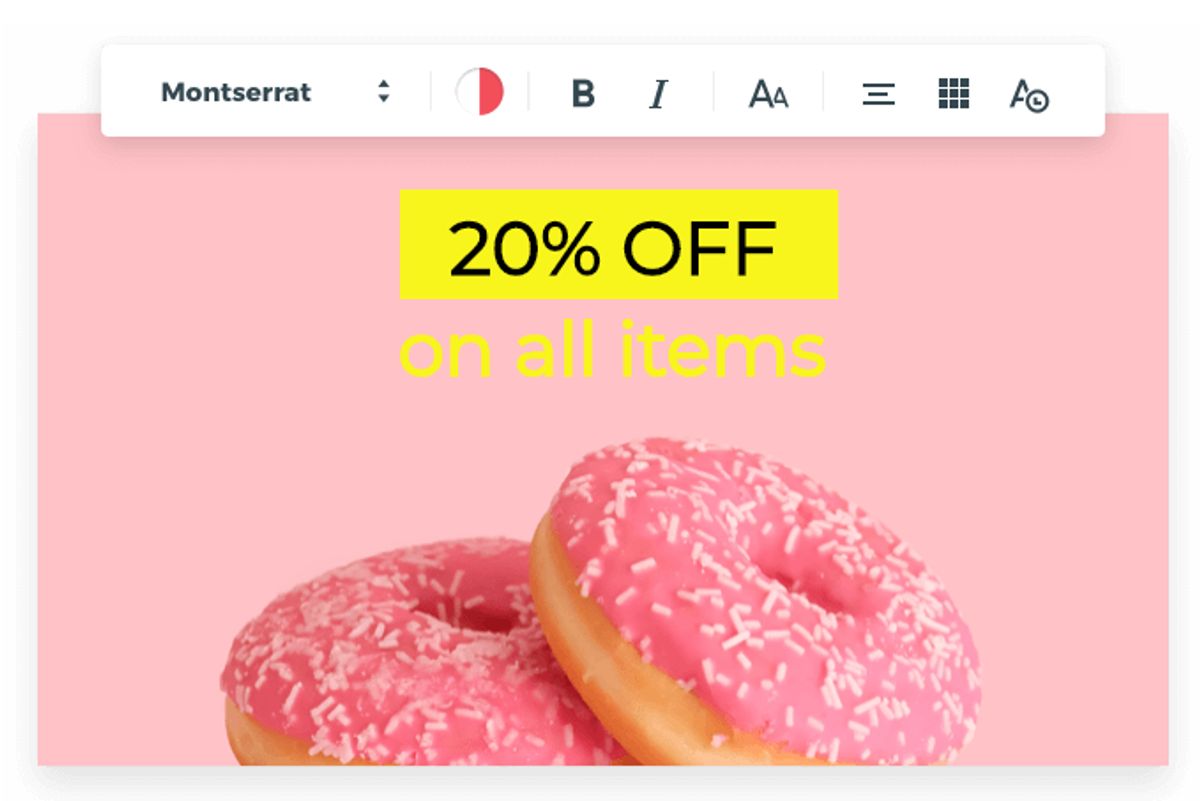
Brand aesthetics are the visual elements that comprise a brand’s unique presence and style, setting it apart from competitors. These elements include the logo, color palette, typography, and imagery that collectively convey the brand’s personality and values. For instance, Coca-Cola’s brand aesthetics are instantly recognizable by its distinctive red color and Spencerian script logo.
When defining brand aesthetics, it’s crucial to consider the emotional impact and associations they create. High-quality, authentic images can communicate a brand’s essence more effectively than words alone, reflecting the brand’s personality and values. Consistently using imagery that aligns with the brand’s story helps to craft a visual narrative that resonates with the audience.
In branding and design, storytelling becomes a pivotal role, transcending mere aesthetics to forge profound emotional connections with the audience.
A brand is not just a logo or a visual motif; it is a set of experiences and associations in the minds of consumers. As such, brand aesthetics should be thoughtfully designed to reflect the company’s mission and the experiences it aims to deliver.
The Role of Color Psychology
Color psychology is a powerful tool in branding, influencing how consumers perceive and interact with a brand. It’s not just about choosing attractive colors; it’s about selecting hues that convey the brand’s personality and values. For instance, blue often represents trust and dependability, which is why it’s a popular choice for financial institutions.
Understanding color psychology and its impact on consumer perception is essential for developing a color scheme that enhances the brand’s message and emotional appeal.
Consistency in color usage across all web pages and online platforms is crucial for reinforcing brand recognition. A consistent color palette makes the brand easily identifiable, creating a memorable experience for users. This extends beyond the website to include all marketing materials, social media profiles, and even product packaging, ensuring a unified brand presence both online and offline.
Here are some common color associations in branding:
- Blue: Trust, Dependability
- Red: Excitement, Energy
- Green: Growth, Health
- Yellow: Optimism, Cheerfulness
- Black: Sophistication, Luxury
Throughout the process, keep your target audience at the forefront, allowing their preferences and tastes to influence your visual choices. Choose a color palette that reflects the desired personality, understanding that colors evoke emotions and can convey trust, excitement, or sophistication.
Typography and Brand Perception
The fonts you choose for your brand’s visual identity do more than just display text; they convey the essence of your brand’s personality. Whether aiming for a traditional, modern, or whimsical feel, typography can significantly influence how users perceive your brand and its messages. A consistent typographic style across all brand materials is crucial for strengthening visual identity and building a cohesive brand image.
To ensure visual consistency and storytelling, it’s important to establish brand guidelines that include typography standards. These guidelines should detail the fonts and typographic treatments that are permissible for different types of content and contexts. For example:
- Primary Typeface: Used for headlines and major callouts.
- Secondary Typeface: Used for body text and supporting content.
- Accent Typeface: Reserved for special emphasis or decorative purposes.
By crafting a unique brand narrative and using typography strategically, brands can engage their audience emotionally, fostering trust and loyalty.
Maintaining brand integrity through design changes means that even when updating the visual elements, the typographic choices should remain aligned with the established brand voice. This alignment ensures that the brand’s message is conveyed effectively and leaves a lasting impression on the user.
Strategies for Implementing Visual Consistency

Creating a Style Guide
A style guide is the cornerstone of visual consistency for any brand. It is a comprehensive reference that details the visual elements which constitute the brand’s identity. This includes the color palette, typography, and imagery that should be used across all forms of communication and marketing materials.
By adhering to a style guide, every piece of content produced will resonate with the brand’s visual strategy, which is crucial for brand identity and differentiation in a competitive landscape. High-quality imagery and cohesive design elements captivate the audience, instill trust, and drive business growth.
Here are some key components that a style guide should cover:
- Color Palette: Specify primary, secondary, and accent colors along with their exact hex codes.
- Typography: Detail the brand’s chosen fonts, styles for headings, body text, and special text elements.
- Imagery Style: Define the type of images, illustrations, and icons that fit the brand’s identity.
Ensuring that every design element aligns with the brand’s narrative is not just about aesthetics; it’s about creating a seamless brand experience that customers can trust.
Consistent Use of Visual Elements Across Platforms
In the realm of visual consistency, it’s not just about having a recognizable logo or color scheme; it’s about ensuring that every aspect of your brand’s visual identity is harmoniously integrated across all platforms. This includes your website, social media profiles, marketing materials, and even product packaging.
For instance, consider the use of flexible grids and adaptive images to maintain a structured and visually coherent layout on different screen sizes. Similarly, consistent user interface elements such as navigation menus and buttons should have a uniform appearance, regardless of the device being used.
Innovation in branding requires adaptability and consistency. Maintaining a unified visual identity across all platforms is crucial for brand recognition and trust.
Moreover, a consistent color palette and typography are essential for reinforcing brand recognition, creating a memorable experience for users. This adaptability is vital for maintaining visual consistency, ensuring that the brand’s identity is presented accurately and effectively, no matter how the audience accesses the site.
Maintaining Brand Integrity Through Design Changes
As brands evolve, the challenge of maintaining brand integrity through design changes becomes paramount. Regular brand audits are crucial for ensuring that the visual identity aligns with the brand’s core values and messaging. These audits help identify areas that may no longer resonate with the audience or reflect the current brand positioning.
Adapting to change while preserving brand consistency is a delicate balance. It’s not about a complete overhaul but rather making strategic updates that enhance the brand’s appeal without alienating existing customers. For instance, AM2 Studio’s approach to web development emphasizes crafting unique digital experiences that align with strategic planning and creative design, ensuring that the brand’s integrity is upheld even as it adapts to new trends and customer preferences.
The process of brand development is ongoing, extending beyond the initial creation of logos and taglines. It involves strengthening these elements to ensure relevance and resonance with the target audience.
To avoid common pitfalls such as creating inconsistent branding or neglecting branding opportunities, it’s essential to have an all-encompassing brand strategy that is consistently applied across all channels. Continuous refinement and strategic evolution are key to keeping your brand at the forefront of your customers’ minds.
Enhancing Brand Identity with Visual Storytelling

Crafting a Narrative with Imagery
Visual storytelling is not just about selecting random images; it’s about crafting a narrative that resonates with your audience. Each image serves as a frame in the larger story of your brand, conveying emotions and values that align with your brand identity.
By carefully choosing visuals that reflect key moments in your brand’s story, you establish a strong connection with your audience, making your brand more memorable and relatable.
To effectively tell a story through imagery, consider the following steps:
- Identify the core message of your brand’s story.
- Select images that evoke the desired emotions and associations.
- Use a consistent visual style to maintain brand coherence.
- Sequence the images to create a compelling narrative flow.
Remember, the goal is to use visuals to make your brand’s story engaging and to foster a deeper emotional bond with consumers. A study has shown that engaging colored visual content has 80% more chances to be consumed than plain text, and users are 85% more likely to buy a product after watching a video about it. This underscores the power of visual storytelling in enhancing brand identity.
Incorporating Multimedia Elements
In the realm of visual storytelling, multimedia integration is a powerful tool that can amplify a brand’s narrative and create a more immersive experience for the audience. By combining various forms of media—such as images, videos, audio, and interactive features—brands can engage multiple senses, making the story more memorable and impactful.
The strategic use of multimedia elements can evoke emotions and foster a deeper connection with the audience, aligning with the brand’s identity elements for emotional resonance.
To effectively incorporate multimedia into your brand’s storytelling, consider the following steps:
- Identify the core message of your brand’s story and the emotions you wish to convey.
- Select multimedia elements that complement and enhance your narrative.
- Ensure that all multimedia content is consistent with your brand’s visual identity and values.
- Use analytics to measure audience engagement and refine your approach based on feedback.
Remember, the goal is to create a cohesive and engaging story that resonates with your audience and strengthens your brand identity.
Case Studies: Successful Visual Storytelling Campaigns
The power of visual storytelling in branding is undeniable. Engaging visual content has a significant impact on consumer behavior, with studies indicating that colorful imagery increases the likelihood of content consumption by 80%. Moreover, the chance of a product purchase rises by 85% after consumers watch a related video. These statistics underscore the effectiveness of visual narratives in creating a compelling brand identity.
Successful campaigns often hinge on a brand’s ability to craft a story that resonates with its audience. For instance, Gap’s Instagram campaign leveraged the personal stories of models with diverse backgrounds, while Slack’s homepage banner narrated the brand’s utility in a high-stakes environment. These examples illustrate how brands can use visual elements to weave a narrative that not only informs but also emotionally connects with the audience.
To encapsulate the essence of visual storytelling, consider the following key points:
- Understanding the audience is crucial for tailoring the narrative.
- Consistent use of logos, colors, and imagery reinforces brand identity.
- Innovation in storytelling can set a brand apart from its competitors.
By integrating these elements into a cohesive strategy, brands can enhance their identity and foster a deeper connection with their customers.
Integrating Brand Voice and Tone

Aligning Visuals with Brand Messaging
The synergy between content and visual elements is crucial for a cohesive brand identity. When visuals align with the brand’s messaging, they amplify the narrative and create a more impactful connection with the audience. This alignment ensures that the brand’s message is conveyed more effectively, leaving a lasting impression on the user.
- Visual-Textual Harmony: Ensure that the visual style and textual content work together to reinforce the brand’s message and identity.
- Emotional Resonance: Use visuals and text that together evoke the desired emotional response, strengthening the brand’s connection with its audience.
Crafting a narrative with imagery that resonates emotionally and aligns with the brand’s core values is essential for engaging customers and fostering brand loyalty.
Consistency across all platforms is key to maintaining this alignment. A bold and adventurous brand voice, for example, should be matched with vibrant colors and dynamic imagery. This not only enhances the user experience but also reinforces the brand’s identity at every touchpoint.
The Impact of Copy on Visual Identity
While visuals captivate and engage, it is the copy that conveys the essence of a brand’s message. The interplay between text and design elements forms a symbiotic relationship that can either strengthen or weaken a brand’s visual identity. Copy that resonates with the audience reinforces the imagery, creating a memorable brand experience.
- Clarity in messaging ensures that the visual narrative is not lost in translation.
- Consistency of tone across all platforms maintains the brand’s voice.
- Conciseness helps to keep the audience’s attention focused on the key message.
The right words can amplify the impact of visuals, making the brand’s story more persuasive and relatable.
Understanding the target audience is crucial for tailoring the copy to their preferences and expectations. This alignment of visuals and verbal communication is what makes a brand’s identity unique and recognizable. Measuring the impact of these elements on the audience’s perception is essential for refining and optimizing the brand narrative.
Balancing Visuals and Verbal Communication
In the realm of brand identity, the interplay between visuals and text is not just about aesthetics; it’s about crafting a cohesive message that resonates with the audience. Visual storytelling in branding emphasizes the power of visuals to connect with audiences, evoke emotions, and convey brand messages effectively through strategic design choices. However, this visual impact must be balanced with verbal communication to ensure clarity and reinforce the brand’s narrative.
This alignment ensures that the brand’s message is conveyed more effectively, leaving a lasting impression on the user.
To achieve this balance, consider the following points:
- Visual-Textual Harmony: Ensure that the visual style and textual content work together to reinforce the brand’s message and identity.
- Emotional Resonance: Use visuals and text that together evoke the desired emotional response, strengthening the brand’s connection with its audience.
- Consistency: Maintain a consistent style and tone across all web pages to reinforce the brand’s identity.
- Engagement: Use language that encourages interaction and engagement, making the website more dynamic and user-friendly.
Optimizing for User Experience (UX)

Responsive Design for Brand Consistency
In the digital age, responsive design is a critical component of brand consistency. It ensures that your brand’s visual identity is maintained across various devices, from desktops to smartphones. This adaptability not only enhances the user experience but also solidifies the brand’s presence in the consumer’s mind.
- Adherence to a style guide is paramount for responsive design, as it provides a blueprint for consistency.
- Font selection and scalability play a significant role in readability on different screen sizes.
- Performance optimization is essential for maintaining fast loading times and user engagement.
By prioritizing responsive design, brands can deliver a seamless experience that resonates with their audience and upholds the brand’s visual integrity.
Responsive design transcends mere aesthetics; it’s about creating a cohesive experience that aligns with the brand’s core message. As users switch between devices, the visual narrative should remain uninterrupted, reinforcing the brand’s identity at every touchpoint.
User-Centric Visual Design
In the realm of web design, user-centric visual design is paramount. It’s about crafting an online space that feels intuitive and welcoming to the user, ensuring that every visual element serves a purpose and enhances the overall experience. A positive UX reinforces the brand’s identity by ensuring that interactions with the brand are smooth, satisfying, and memorable. This involves a careful balance of visual design, content, and functionality, all tailored to meet the user’s needs and preferences.
By focusing on user-centric design, brands can create memorable brand experiences that resonate with their audience. This approach not only supports the visual identity but also significantly enhances it, encouraging deeper engagement and loyalty.
To achieve this, several key aspects must be considered:
- Ensuring intuitive navigation to guide users effortlessly through the website.
- High readability with font choices and content layout that make the website accessible and enjoyable.
- Responsive design to maintain brand consistency across all devices and touchpoints.
- Performance optimization for quick loading times and smooth interactions, which are crucial for user satisfaction and conversion rates.
Ultimately, designing for accessibility and optimizing usability for conversion are essential in enhancing user engagement and upholding the integrity of the visual identity.
Measuring the Impact of Visuals on UX
To establish a strong visual language for brand identity, it’s essential to measure the impact of visuals on user experience (UX). This involves analyzing various metrics that reflect how users interact with the visual elements of a website. Key performance indicators (KPIs) such as user engagement rates, conversion rates, and time spent on page can provide valuable insights into the effectiveness of the visual design.
By tracking these metrics, brands can identify which visual elements resonate with their audience and which may require refinement.
A structured approach to this analysis might include the following steps:
- Implement tracking tools to collect data on user interactions.
- Analyze the data to understand user behavior patterns.
- Test different visual elements to determine their impact on UX.
- Make data-driven decisions to optimize the visual identity.
Ultimately, the goal is to create a visually cohesive and engaging online presence that enhances the overall brand experience. Regularly reviewing and adjusting the visual strategy ensures that the brand remains relevant and appealing to its target audience.
At the heart of every successful online venture is an exceptional user experience. Our team at AM2 specializes in crafting custom WordPress websites that are not only visually stunning but also optimized for peak performance. We understand the importance of a seamless UX and are dedicated to ensuring your website is fast, responsive, and tailored to meet the unique needs of your audience. Elevate your online presence and drive better results by partnering with us for your next project. Ready to transform your website? Visit our [Services] page to learn more and get started today!
Conclusion
In the realm of brand building, visual storytelling emerges as a powerful conduit for crafting a unique and memorable brand identity. Through the strategic use of imagery, typography, and design, brands can weave a narrative that resonates with their audience, fostering a deep emotional connection. As we’ve seen, this approach is not just about aesthetics; it’s a comprehensive strategy that encompasses everything from responsive design to user experience, ensuring consistency across all platforms. By prioritizing visual storytelling, brands can differentiate themselves in a crowded marketplace, turning casual viewers into loyal advocates. The journey to a distinctive brand identity is intricate and ongoing, but with the right visual storytelling techniques, the path becomes clearer and the destination, much more attainable.
Frequently Asked Questions
What is visual storytelling in the context of brand identity?
Visual storytelling is the use of images, color, typography, and layout to convey a brand’s narrative in a cohesive and engaging way. It helps to establish an emotional connection with the audience and enhance the brand’s overall identity.
How can visual consistency be maintained across different platforms?
Visual consistency can be maintained by creating a style guide that outlines the use of visual elements such as logos, color palettes, typography, and imagery. This guide should be followed across all platforms to ensure a unified brand experience.
What role does color psychology play in brand aesthetics?
Color psychology involves the study of how colors impact human behavior and emotions. In brand aesthetics, choosing the right colors can evoke specific feelings and associations with the brand, influencing perception and behavior.
How does typography affect brand perception?
Typography contributes to brand perception by influencing readability, setting the tone, and conveying personality. The choice of fonts and how they are used in design can significantly impact how a brand is perceived by its audience.
What is the impact of responsive design on user experience and brand identity?
Responsive design improves user experience by ensuring that a brand’s website is accessible and visually consistent across different devices. This consistency reinforces the brand’s visual identity and fosters trust with users.
Can you provide examples of successful visual storytelling campaigns?
Successful visual storytelling campaigns include Nike’s ‘Just Do It’ campaign, which uses powerful imagery and personal stories to inspire action, and Apple’s ‘Shot on iPhone’ campaign, which showcases the camera quality of iPhones through user-generated content.