Creating Unique Brand Identity through Visual Storytelling

In the increasingly competitive marketplace, establishing a distinctive brand identity is crucial for standing out. Visual storytelling has emerged as a powerful tool in branding, enabling companies to weave their unique narratives into the very fabric of their visual identity. This article explores the art of visual storytelling in branding, effective strategies for visual communication, case studies of successful branding, best practices for implementation, and the future of visual storytelling in digital marketing.
Key Takeaways
- Visual storytelling in branding is essential for creating a memorable and distinctive brand identity that resonates with audiences.
- A consistent and cohesive narrative through design elements such as color, typography, and imagery is key to unifying brand identity.
- Effective visual communication strategies, including the use of color psychology and integrating brand values, enhance brand engagement and perception.
- Analyzing successful case studies reveals the impact of visual storytelling on consumer engagement and the transformation of brand identity.
- Adapting to emerging technologies and changing consumer behaviors is necessary for the evolution of visual storytelling strategies in digital marketing.
The Art of Visual Storytelling in Branding

Understanding the Role of Visuals in Brand Identity
The cornerstone of a brand’s story lies in its visual identity, which includes the logo, color scheme, typography, and imagery. These elements work in unison to convey the essence of the brand, fostering recognition and trust among consumers.
Visual storytelling is key for brand identity, and understanding the audience is crucial. Consistent use of logos, colors, imagery, and innovation are vital for effective branding. A brand’s visual elements must be harmonious to solidify its identity and ensure instant recognizability.
Crafting a visual identity is not just about aesthetics; it’s about creating a cohesive narrative that resonates with your audience and stands the test of time.
To achieve this, consider the following steps:
- Develop a clear brand narrative that your visuals will support.
- Choose a consistent graphic style that aligns with your brand’s values and mood.
- Apply your visual elements uniformly across all platforms and materials.
- Regularly evaluate and refresh your visuals to maintain relevance and engagement.
Crafting a Compelling Narrative Through Design
In the realm of visual storytelling, the true artistry comes from constructing narratives that not only capture attention but also create a lasting impact on the audience. It’s about blending the visual elements in such a way that they tell your brand’s unique story, making it memorable and distinct.
Key to this process is the strategic selection of colors, typography, and imagery that align with your brand’s core values and message. These elements should work in unison to convey the desired emotion and message, as seen in the following table:
| Element | Role in Storytelling |
|---|---|
| Colors | Evoke emotions and set the mood |
| Typography | Reflect brand personality and importance |
| Imagery | Illustrate the narrative and engage the senses |
By tailoring your storytelling to the experiences, emotions, and values of your audience, you significantly enhance the relatability and effectiveness of your content.
Remember, consistency across all platforms ensures that your narrative remains cohesive, reinforcing your brand identity at every touchpoint. Whether it’s through a detailed case study or a vibrant website design, every piece of visual content should contribute to the overarching brand narrative.
Consistency and Cohesion: Unifying Brand Elements
Achieving a consistent brand identity across all platforms is not just about aesthetics; it’s about creating a seamless experience for your audience. When customers interact with your brand, whether on social media, your website, or in print, they should encounter a familiar set of visual elements that reinforce your brand’s narrative.
A cohesive visual identity is the cornerstone of brand consistency, encompassing logos, color schemes, and typography that are applied uniformly across all channels.
To ensure this consistency, consider the following steps:
- Define clear brand guidelines that serve as a compass for all branding efforts.
- Create a cohesive visual identity that includes your logo, color palette, and typography.
- Align messaging across channels to maintain a unified brand voice.
By adhering to these principles, businesses can build a strong business rating through brand cohesion, ensuring that their social media profiles and other touchpoints accurately reflect their brand identity.
Strategies for Effective Visual Communication
Leveraging Color Psychology and Typography
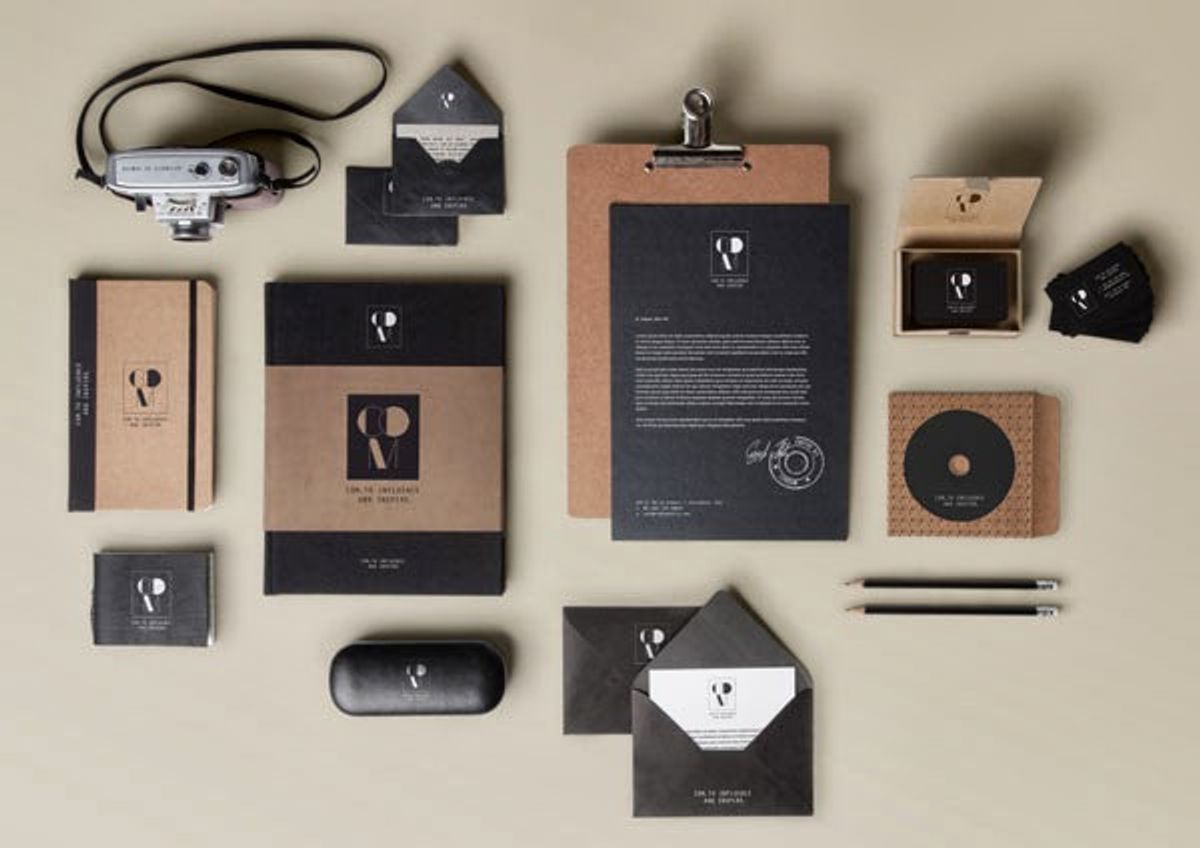
The strategic use of color and typography is not just about aesthetics; it’s about invoking the right emotions and conveying a message without words. Color psychology taps into the subconscious associations we have with certain hues, influencing how we perceive a brand. For instance, blue often instills a sense of trust and reliability, while red can evoke excitement and urgency.
When it comes to typography, the choice of font and typeface can significantly impact how your message is received. A well-chosen font resonates with the brand’s voice and personality, ensuring that the text is not only readable but also reflective of the brand’s identity. Consistency in typography across all platforms solidifies brand recognition and aids in building a cohesive brand image.
By meticulously selecting colors and fonts that align with brand values and target audience preferences, businesses can create a visual language that speaks volumes.
Here’s a simple breakdown of how primary and secondary color palettes are typically structured in brand guidelines:
- Primary Palette: Includes colors from the logo and key text elements like titles and headlines.
- Secondary Palette: Offers a range of shades for backgrounds, frames, and secondary design elements.
Adhering to these palettes ensures that all visual communications are harmonious and instantly recognizable as part of the brand.
The Power of Imagery and Iconography
Imagery and iconography serve as the visual shorthand of a brand’s story, creating an immediate, visceral impact on the viewer. Icons and graphical elements act as visual prompts, reinforcing the brand’s identity and increasing recognition. When these elements are consistently applied across various platforms, they ensure a cohesive brand experience.
Crafting a compelling brand narrative through visual storytelling involves more than just selecting the right images; it’s about creating an immersive experience that enhances brand identity and fosters emotional connections with consumers.
Photography, too, plays a crucial role in this narrative. Graphic designers meticulously curate and edit images to align with the brand’s message, using techniques that amplify the emotional resonance of a campaign. Moreover, data visualization transforms numbers and statistics into engaging infographics, making complex information memorable.
To illustrate the effectiveness of visual elements in branding, consider the following points:
- Visual prompts like icons and logos aid in brand recall.
- Consistent use of design elements across all media solidifies brand identity.
- Emotional connections are forged through carefully chosen imagery.
- Data visualizations make complex information accessible and engaging.
Integrating Brand Values into Visual Media
In the realm of visual branding, the integration of brand values into visual media is a pivotal strategy for creating a lasting impression on consumers. Visual elements such as images, videos, and design motifs serve as conduits for conveying a brand’s ethos and narrative. By embedding these values into every visual touchpoint, from websites to social media graphics, brands can foster a deeper emotional connection with their audience.
Consistency in visual storytelling is not just about aesthetics; it’s about reinforcing the brand’s identity and values at every opportunity.
To achieve this, a meticulous approach is required, one that aligns the visual language with the core principles of the brand. This can include the use of specific color palettes that reflect the brand’s personality, typography that echoes its voice, and imagery that resonates with its mission. Below is a list of key considerations for integrating brand values into visual media:
- Select visuals that embody the brand’s character and message.
- Employ a consistent style and tone across all platforms.
- Craft visuals that evoke the desired emotional response.
- Ensure that visual content aligns with the brand narrative.
By adhering to these guidelines, businesses can create a cohesive visual identity that not only captures attention but also builds brand loyalty and trust.
Case Studies: Success Stories in Visual Branding

Analyzing the Impact of Visual Storytelling on Engagement
Visual storytelling has emerged as a dynamic force in enhancing brand engagement. By weaving together visual elements with a cohesive narrative, brands can create a powerful emotional connection with their audience. This connection often translates into increased engagement, as viewers are more likely to interact with content that resonates on a personal level.
Visual storytelling is not just about aesthetics; it’s a strategic tool that can lead to greater brand loyalty and a stronger online presence.
The benefits of visual storytelling are clear, with metrics showing enhanced brand awareness and higher conversion rates. To quantify this impact, consider the following data points:
- Increased Engagement: Audiences engage more intensely with visual content.
- Enhanced Brand Awareness: Consistent visual narratives improve brand recognition.
- Higher Conversion Rates: Emotional connections can drive purchasing decisions.
By analyzing these metrics, brands can gauge the success of their visual storytelling efforts and refine their strategies for even better results.
Exploring the Transformation of Brand Perception
The transformation of brand perception is a testament to the power of visual storytelling. When a brand’s visual narrative aligns with its core values, it can shift consumer attitudes and strengthen emotional connections. This alignment is not just about aesthetics; it’s about crafting a story that resonates with the audience, often leading to increased loyalty and advocacy.
Consistency in imagery and messaging is crucial for this transformation. It ensures that every touchpoint with the consumer reinforces the brand’s narrative, creating a cohesive and memorable experience.
To illustrate the impact of visual storytelling on brand perception, consider the following points:
- Visuals communicate faster than words, making them a potent tool for capturing attention.
- A well-crafted visual narrative can evoke emotions and drive engagement.
- Consistent use of design elements across all platforms solidifies brand identity.
- Adapting visuals to stay relevant with trends while maintaining brand integrity can refresh consumer perception without losing brand recognition.
By mastering visual storytelling, brands can transform their narrative and create a unique identity that stands out in a crowded marketplace.
Lessons Learned from Visual Rebranding Campaigns
Rebranding is more than a facelift for a company’s image; it’s a strategic transformation that can revitalize a brand’s presence in the market. Authenticity is key in this process, as it resonates with audiences and builds trust. A successful rebranding campaign hinges on a deep understanding of the target audience, ensuring that the new visual identity aligns with their values and expectations.
Consistency across channels is crucial for reinforcing the new brand identity. This means synchronizing all visual elements, from logos to typography, across various platforms to create a cohesive brand experience. It’s not just about aesthetics; it’s about creating a narrative that embodies the brand’s ethos and communicates its unique value proposition effectively.
Innovation in visual storytelling can lead to significant engagement and a positive shift in brand perception. However, it’s important to balance creativity with adherence to brand guidelines to maintain a clear and consistent brand message. Regular audits and adjustments based on audience feedback are essential for keeping the visual branding relevant and impactful.
By analyzing rebranding success stories, we can distill valuable insights into what makes a visual transformation resonate with consumers. These lessons can guide future strategies and help brands navigate the complex landscape of visual identity in the digital age.
Best Practices for Visual Storytelling Execution

Balancing Creativity with Brand Guidelines
In the realm of visual storytelling, brand guidelines serve as a compass, directing the creative journey while ensuring the brand’s essence remains intact. These guidelines are not just rules but a framework that empowers creators to innovate within a structured environment.
Usage guidelines provide clear instructions for stakeholders on how to implement brand elements, preserving visual quality and ensuring uniformity. For instance, guidelines on spacing, minimum sizes, and color rules are crucial for maintaining a consistent brand identity across various materials.
Creativity within the confines of brand guidelines is not limiting but rather a challenge that sparks innovation.
It’s essential to test new approaches and document the results. Brand consistency allows for experimentation with messages and visual elements. Conducting A/B testing, generating digital assets, and staying attuned to audience trends are ways to keep the brand narrative fresh and engaging. When successful, these experiments should be discussed and incorporated into the brand guidelines, evolving the brand’s visual storytelling.
Here are key strategies to ensure brand consistency while fostering creativity:
- Define clear brand guidelines that act as a foundational framework.
- Create a cohesive visual identity that resonates with the brand’s personality.
- Encourage creative brainstorming within the boundaries of the brand’s visual language.
- Implement a process of discovery, design, development, and quality assurance to bring creative ideas to life.
- Monitor post-launch performance to identify opportunities for further innovation.
User-Centric Design: Tailoring Visuals to Your Audience
In the realm of visual storytelling, user-centric design is paramount. It’s about crafting an experience that resonates with your audience, ensuring that every visual element aligns with their preferences and behaviors. This approach not only fosters a deeper connection with the brand but also enhances the user’s journey through intuitive and seamless interaction.
By prioritizing optimization, we guarantee that visuals remain consistent and impactful across various devices and platforms. This adaptability is crucial in maintaining the integrity of the brand’s message.
Visuals, from images to videos, should not only be aesthetically pleasing but also functional. They must guide the user effortlessly towards a clear call to action, which acts as the catalyst for engagement. Personalization plays a critical role here, as it allows for visuals to be tailored to the unique tastes and interests of the audience, creating meaningful connections.
To ensure that your visual storytelling campaign hits the mark, it’s essential to measure and analyze engagement. This data-driven approach helps in refining strategies and enhancing user experience, ultimately leading to a successful brand identity that stands out in the digital landscape.
Measuring the Effectiveness of Visual Campaigns
To gauge the success of visual storytelling efforts, brands must track and analyze key performance indicators (KPIs). This involves looking beyond surface-level metrics like views or likes to understand deeper engagement and conversion rates. A structured approach to measurement can include:
- Engagement Metrics: Time spent on page, interaction rates, and social shares.
- Conversion Metrics: Click-through rates, sign-ups, and sales attributed to visual content.
- Brand Lift: Surveys measuring brand awareness, perception, and intent before and after the campaign.
By consistently monitoring these metrics, brands can iterate on their visual strategies, ensuring that their storytelling resonates with the audience and drives tangible business results.
Experimentation is also crucial. Testing new visual elements, narratives, and formats can reveal insights into audience preferences. Documenting the outcomes of these tests helps refine the visual language and storytelling techniques that work best for the brand. Ultimately, the goal is to create a visual identity that not only stands out but also contributes to the brand’s growth and industry leadership.
The Future of Visual Storytelling in Digital Marketing
Embracing Emerging Technologies and Trends
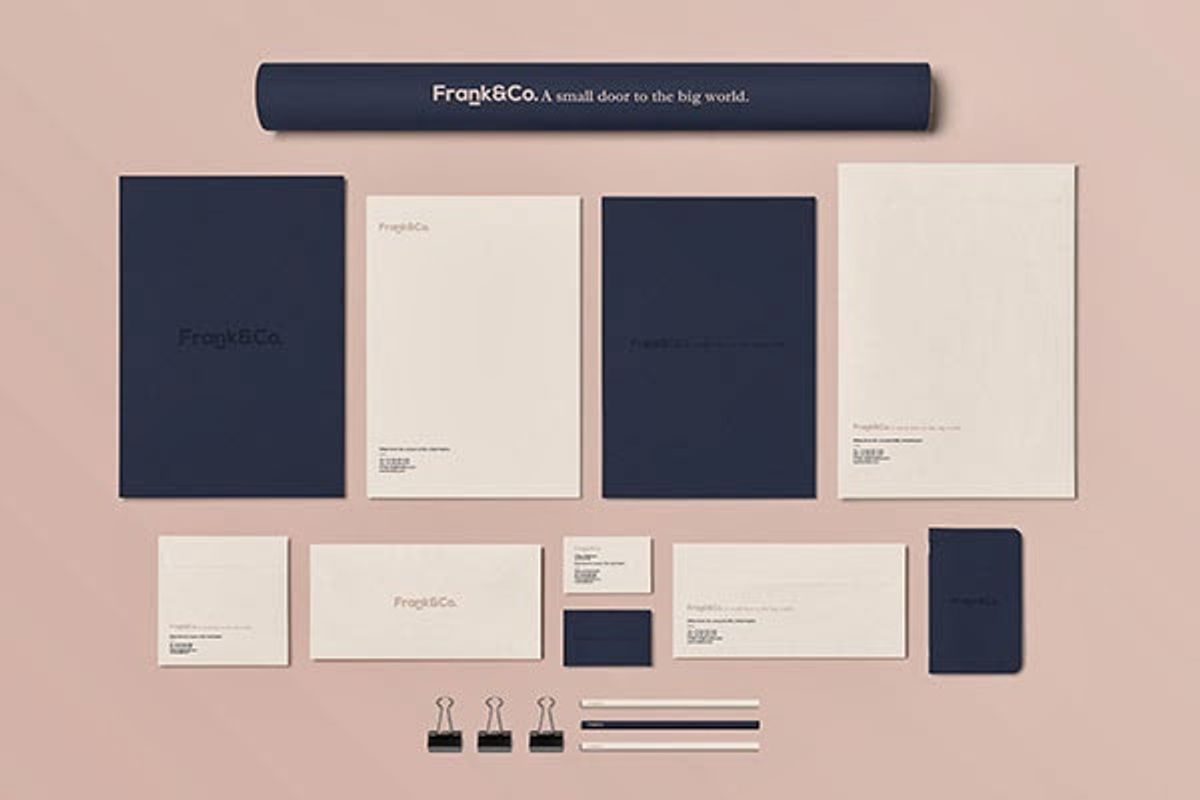
As we look towards the future, embracing emerging technologies and trends is pivotal for brands aiming to stay ahead in the digital marketing arena. The integration of new tech into visual storytelling not only captivates audiences but also sets a brand apart as an innovator.
For instance, the use of augmented reality (AR) allows consumers to interact with a brand in a more immersive way, while virtual reality (VR) can transport them into a completely different world, one where the brand’s narrative takes center stage. Moreover, the adoption of artificial intelligence (AI) in design processes can lead to more personalized and engaging visual content.
The key to success lies in the strategic implementation of these technologies to enhance, not overshadow, the brand’s story.
A recent trend highlighted by Mayya Geo on Medium points to the fashion tech industry adopting chrome textures in brand visuals, logos, and even makeup, showcasing how brands can incorporate current trends into their identity. Additionally, storytelling in branding is essential for conveying brand identity and values, fostering emotional engagement, and enhancing brand recognition and loyalty.
To effectively leverage these advancements, brands should consider the following steps:
- Stay informed about the latest digital marketing trends and consumer behaviors.
- Experiment with new visual formats and document the results.
- Ensure that new technologies align with the brand’s core values and message.
- Continuously measure and analyze the impact of these technologies on engagement and brand perception.
Adapting to Changing Consumer Behaviors
In the dynamic landscape of digital marketing, adapting to changing consumer behaviors is essential for maintaining a strong visual brand identity. As audiences evolve, so must the methods brands use to communicate visually. Testing new approaches and documenting results allows brands to stay relevant and engaging.
Consistency in brand messaging and visuals is key, yet flexibility to innovate within the brand framework ensures a fresh and current appeal.
For instance, A/B testing different design narratives can reveal what resonates best with the target audience. Additionally, keeping abreast of trends and integrating them thoughtfully into the brand’s visual language can lead to more meaningful connections with consumers. Below is a list of steps to consider when adapting to consumer shifts:
- Monitor audience engagement and feedback regularly.
- Encourage creative teams to explore and measure the impact of new digital assets.
- Update brand guidelines to reflect successful experiments and trends.
- Engage with your audience across various platforms, maintaining quality and style.
By embracing these practices, brands can craft a visual storytelling strategy that is both consistent with their identity and responsive to the ever-changing preferences of their audience.
Predicting the Evolution of Visual Storytelling Strategies
As we look to the future of visual storytelling, successful brands prioritize seamless processes, good communication, and consistency. These elements are crucial for maintaining a cohesive brand narrative that fosters trust and loyalty among audiences. Understanding audience preferences and leveraging user-generated content will become increasingly important.
The evolution of visual storytelling strategies will likely involve a greater emphasis on user experience and interactivity. Brands will need to adapt to the changing landscape by integrating emerging technologies that allow for more personalized and engaging visual narratives.
To stay ahead, brands must measure the effectiveness of their visual campaigns and continuously refine their strategies. This involves analyzing engagement metrics and user feedback to determine what resonates with the audience. Below is a list of key practices that will shape the future of visual storytelling:
- Embracing innovative technologies like AR/VR and interactive media
- Crafting stories that align with brand values and mission
- Utilizing data-driven insights to tailor content to user preferences
- Fostering community and collaboration through visual platforms
By anticipating these trends and remaining agile, brands can create compelling visual stories that captivate and convert.
As the digital landscape evolves, the art of visual storytelling becomes increasingly crucial for engaging audiences and driving business growth. At the heart of this revolution is our commitment to crafting bespoke WordPress and eCommerce solutions that not only captivate but convert. Dive into the future of digital marketing with us and discover how our expertise in WordPress development, custom web design, and performance optimization can elevate your brand’s online presence. Ready to transform your digital strategy? Visit our website to explore our services and start your journey towards a visually stunning and high-performing website.
Conclusion
In the bustling digital marketplace, a unique brand identity is not just desirable, it’s essential. Visual storytelling emerges as a transformative strategy, enabling brands to weave a compelling narrative that resonates with their audience. Through the careful integration of design elements, from typography to imagery, brands can articulate their values, mission, and essence, setting themselves apart from competitors. As we’ve explored, the power of visual storytelling lies in its ability to captivate, engage, and build a lasting relationship with consumers. By mastering this art, brands can ensure their message not only reaches but also profoundly impacts their audience, fostering recognition, trust, and loyalty in an ever-evolving digital landscape.
Frequently Asked Questions
What is visual storytelling in the context of branding?
Visual storytelling in branding is the art of using visual elements like color, typography, imagery, and design to craft a compelling narrative that encapsulates a brand’s identity, values, and message, engaging the audience and creating a memorable brand experience.
How does visual storytelling enhance brand identity?
Visual storytelling enhances brand identity by creating a consistent and cohesive visual language that resonates with the audience, conveys the brand’s essence, and differentiates it from competitors, leading to stronger recognition and emotional connections.
What role does color psychology play in visual storytelling?
Color psychology plays a crucial role in visual storytelling by leveraging colors to evoke specific emotions and associations, influencing consumer perceptions and behaviors, and reinforcing the brand’s message and identity.
Can visual storytelling improve customer engagement?
Yes, visual storytelling can significantly improve customer engagement by capturing attention with visually appealing content, fostering emotional connections, and making complex information more digestible and shareable.
What are some best practices for implementing visual storytelling in branding?
Best practices for visual storytelling in branding include maintaining consistency across all visual elements, aligning visuals with brand values, tailoring content to the target audience, and regularly measuring the impact of visual campaigns for continual improvement.
How is visual storytelling expected to evolve with digital marketing trends?
Visual storytelling is expected to evolve with digital marketing trends by integrating emerging technologies like AR/VR, adapting to changing consumer behaviors, and continuously innovating in visual content creation to stay relevant and engaging.