Creating Unique Brand Identity through Visual Storytelling

In the dynamic landscape of branding, visual storytelling emerges as a pivotal tool for crafting a unique brand identity. By strategically leveraging visual elements, brands can weave a compelling narrative that resonates with their audience, differentiates them from competitors, and fosters a deep, emotional connection. This article delves into the nuances of visual storytelling and its profound impact on establishing a memorable brand presence.
Key Takeaways
- Visual storytelling is a powerful method to convey a brand’s essence, values, and mission through strategic use of imagery, color, and design.
- Consistency across various platforms is crucial for reinforcing a brand’s visual narrative and ensuring a cohesive user experience.
- Engaging visual content significantly increases user interaction and can influence consumer purchasing decisions.
- The integration of responsive design is vital for maintaining brand identity across different devices and touchpoints.
- Emerging trends and technologies, such as augmented reality and ethical branding, are shaping the future of visual storytelling in branding.
The Art of Crafting a Visual Brand Narrative
Defining Your Brand’s Visual Language
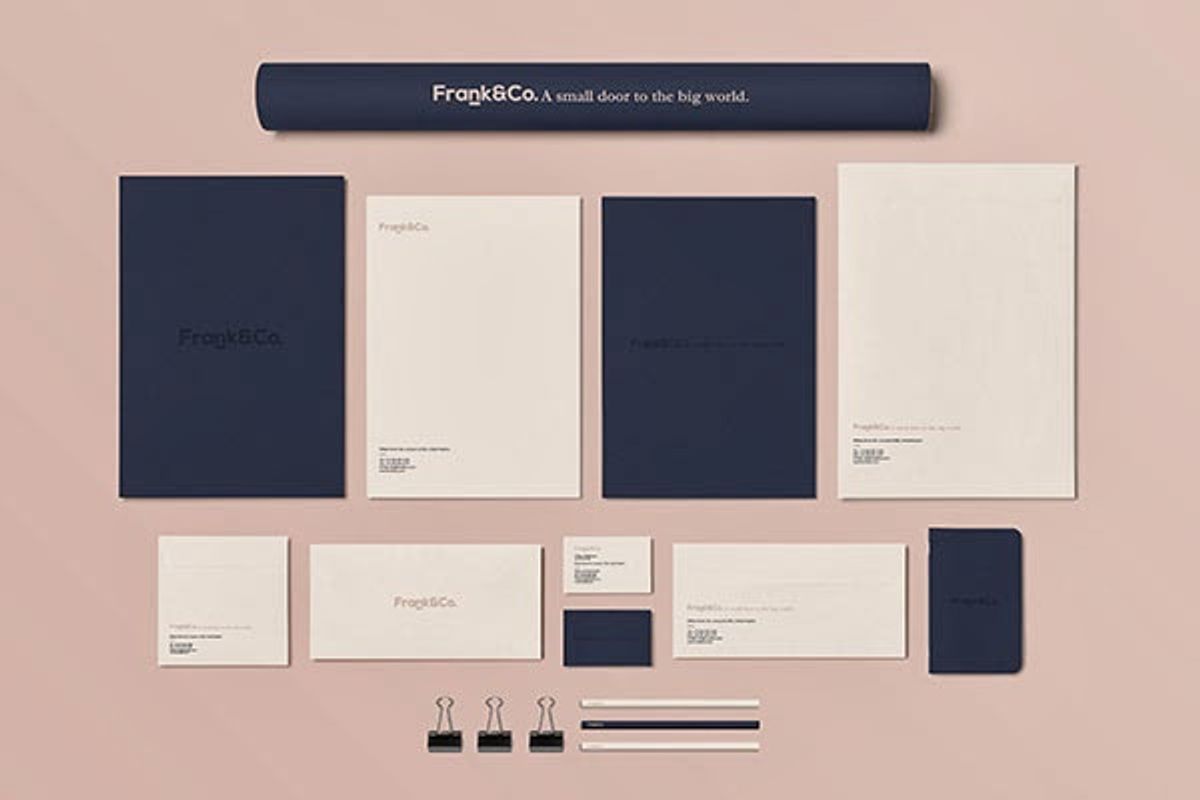
The foundation of a brand’s identity lies in its visual language, a comprehensive system that encompasses logos, color schemes, typography, and imagery. A well-defined visual language communicates the brand’s essence and values, creating a memorable experience for consumers. Crafting this visual identity requires a deep understanding of the brand’s narrative and the emotions it aims to evoke.
- Color Psychology: Colors play a pivotal role in conveying emotions and setting the tone for the brand’s message.
- Typography: The choice of fonts should reflect the brand’s personality, whether it be professional, playful, or avant-garde.
- Imagery: Consistent use of imagery solidifies the brand’s story, making it relatable and authentic.
A cohesive visual language is not just about aesthetics; it’s about creating a connection with the audience that resonates on an emotional level. This connection fosters trust and loyalty, which are invaluable to a brand’s success.
By meticulously planning and adhering to a style guide, brands ensure that every visual element aligns with their narrative. This strategic approach to visual identity is what sets apart successful brands like Coca-Cola, whose distinctive red color and script logo are instantly recognizable worldwide.
Aligning Imagery with Brand Values
To forge a deep connection with your audience, high-quality, authentic images are essential. They should mirror the brand’s personality and values, whether through candid photographs, professional shots, or custom illustrations. By consistently using imagery that aligns with the brand’s story, businesses can create a visual narrative that resonates with their audience.
Visual storytelling in branding emphasizes authentic brand narratives, consistent visual language, and core message alignment for emotional connections with the audience.
Aligning content with visual elements is crucial for a cohesive visual identity. Text and visuals should complement each other, enhancing the message of the other. For example, a bold and adventurous brand voice should be matched with vibrant colors and dynamic imagery. This synergy ensures that the brand’s message is conveyed effectively, leaving a lasting impression.
Here are some key points to consider when aligning imagery with brand values:
- Emotional Impact: Choose images that evoke the desired emotional response from the audience.
- Brand Alignment: Ensure all visual content reflects the brand’s identity and supports its overall narrative.
- Visual-Textual Harmony: The visual style and textual content should work together to reinforce the brand’s message and identity.
- Emotional Resonance: Use visuals and text that together evoke the desired emotional response, strengthening the brand’s connection with its audience.
Creating a Consistent Visual Experience Across Platforms
In the realm of visual storytelling, consistency is key to crafting a unique brand identity. It’s not just about using the same logo or color scheme; it’s about creating a seamless experience that resonates with your audience, no matter where they encounter your brand. This adaptability ensures that your brand’s identity is presented accurately and effectively across various platforms.
To achieve a consistent visual experience, it’s essential to align design elements with your core message. Simplify to ensure clarity and memorability.
Here are some steps to ensure visual consistency:
- Utilize flexible grid layouts that adapt to different screen sizes, maintaining structured content.
- Implement adaptive techniques for scaling images, ensuring they look sharp on any device.
- Maintain a consistent appearance for user interface elements like navigation menus and buttons.
By aligning your imagery with your brand values and ensuring a cohesive visual identity, you create a powerful narrative that is both engaging and memorable. Remember, a consistent visual experience simplifies the brand’s message, making it more accessible and impactful for the audience.
Strategies for Engaging Audiences with Visual Storytelling
Leveraging Multimedia to Enhance Brand Messaging
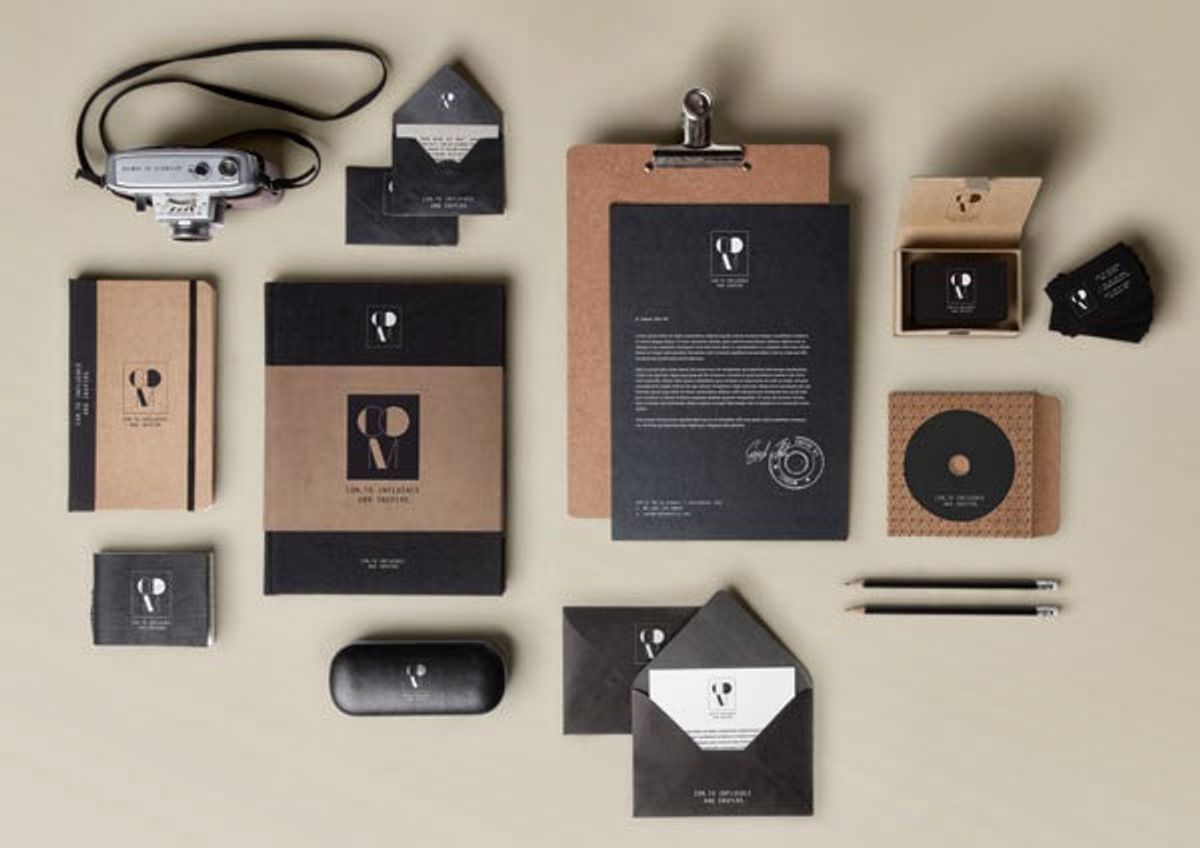
In the realm of visual storytelling, multimedia is a pivotal tool for amplifying a brand’s message and creating a lasting impact. By integrating various forms of media—images, videos, audio, and interactive elements—brands can craft a rich, multi-layered narrative that resonates with audiences on a deeper level.
- Images or videos: Include compelling, high-quality photos, GIFs, or video clips tailored to your brand.
- Audio: Enhance the emotional tone with music or voiceovers that align with your brand’s values.
- Interactivity: Engage users with interactive features like quizzes, polls, or games that reinforce your brand story.
The strategic use of multimedia not only captivates but also deepens the audience’s understanding of the brand, fostering loyalty and trust. It’s about creating an experience that sticks with the consumer long after they’ve encountered your brand.
Moreover, multimedia content has been shown to significantly increase user engagement. A study revealed that colored visual content is 80% more likely to be consumed than plain text, and users are 85% more likely to purchase a product after watching a related video. These statistics underscore the effectiveness of multimedia in making the brand’s message more impactful and memorable.
Incorporating Interactive Elements for Immersive Storytelling
Interactive elements are not just add-ons; they are crucial for creating an immersive storytelling experience that captivates and retains audience attention. Interactive features like quizzes, polls, and dynamic videos invite viewers to actively participate, transforming passive observers into active participants. This engagement is key to deepening the connection between consumers and your brand.
Encouraging user-generated content not only fosters a sense of community but also adds an authentic touch to your brand’s story. It’s a strategy that can amplify your brand’s reach and infuse your narrative with real-world testimonials and experiences.
By integrating interactive elements, brands can achieve greater engagement at a significantly accelerated pace. It’s a narrative technique that combines various media with a structured narrative to engage and communicate effectively. Here’s a list of interactive elements that can enhance your visual storytelling:
- Quizzes to understand audience preferences
- Polls for real-time feedback
- Interactive infographics that reveal data on interaction
- User-generated content campaigns
- Augmented reality experiences
- Personalized video journeys
Each of these elements can be tailored to reflect your brand’s unique identity and help in creating a memorable and engaging narrative.
Utilizing Social Media to Expand Your Visual Narrative
Social media platforms are not just channels for broadcasting content; they are dynamic spaces for expanding your brand’s visual narrative. By leveraging the interactive nature of these platforms, brands can create a dialogue with their audience, fostering a sense of community and belonging.
- Encourage audience participation with polls, contests, and user-generated content.
- Use social media platforms for visual storytelling.
- Maintain brand identity through unique visual narratives.
Social media is the perfect stage for visual storytelling, where every post contributes to the overarching brand story. It’s where brands can illustrate their values, mission, and personality in a way that resonates with their audience.
To truly harness the power of social media, it’s crucial to understand the nuances of each platform. Tailoring content to fit the context of each site can lead to higher engagement and a more cohesive brand image. Remember, consistency is key in visual storytelling; it ensures that your brand is easily recognizable and memorable.
Design Techniques That Elevate Brand Identity
Typography and Color Psychology in Branding
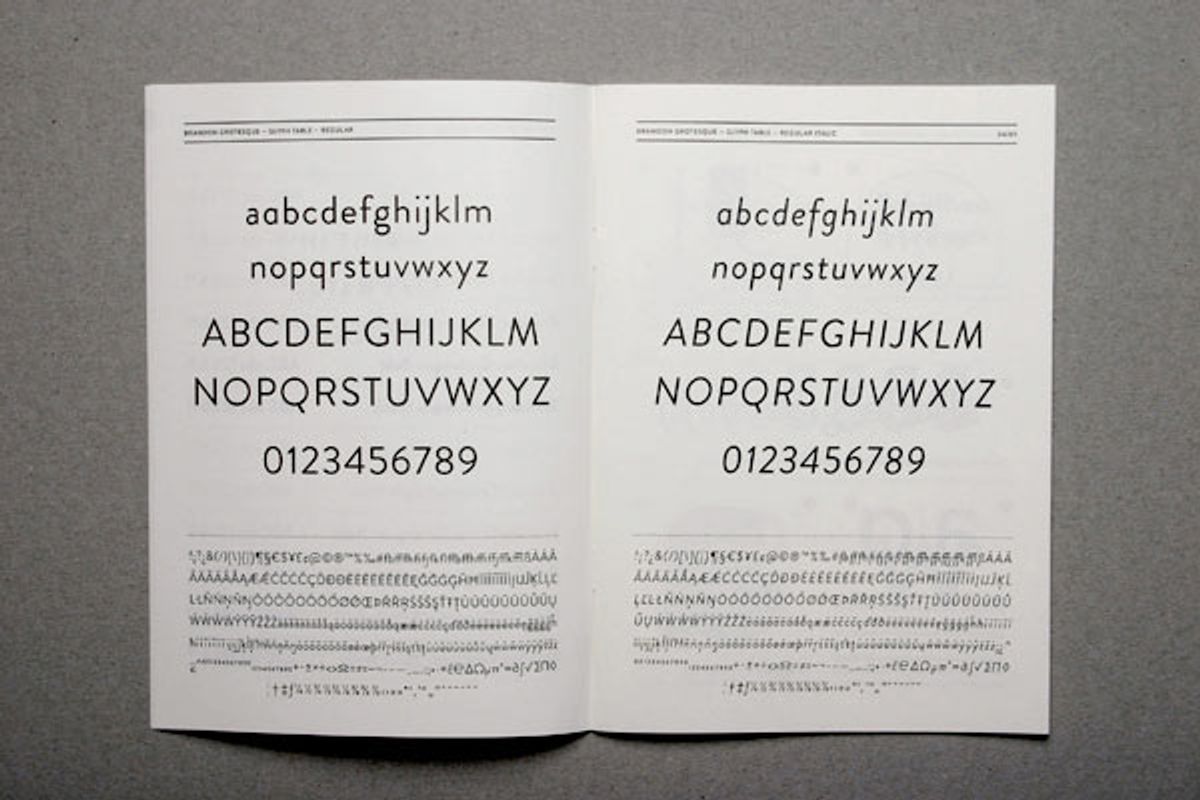
The strategic use of typography and color in branding is more than just aesthetic choices; they are powerful tools that shape brand perception. Typography reflects the brand’s personality, whether it’s traditional, modern, or whimsical, and it influences how users perceive the brand’s messages. A consistent typographic style across all brand materials is essential for reinforcing visual identity.
Color psychology plays a pivotal role in visual storytelling. The right color palette can evoke emotions and communicate brand values without a single word. It’s not just about choosing attractive colors; it’s about selecting hues that resonate with the brand’s ethos and enhance the visual narrative. Consistency in color usage across platforms ensures that the brand is easily identifiable, creating a memorable experience for users.
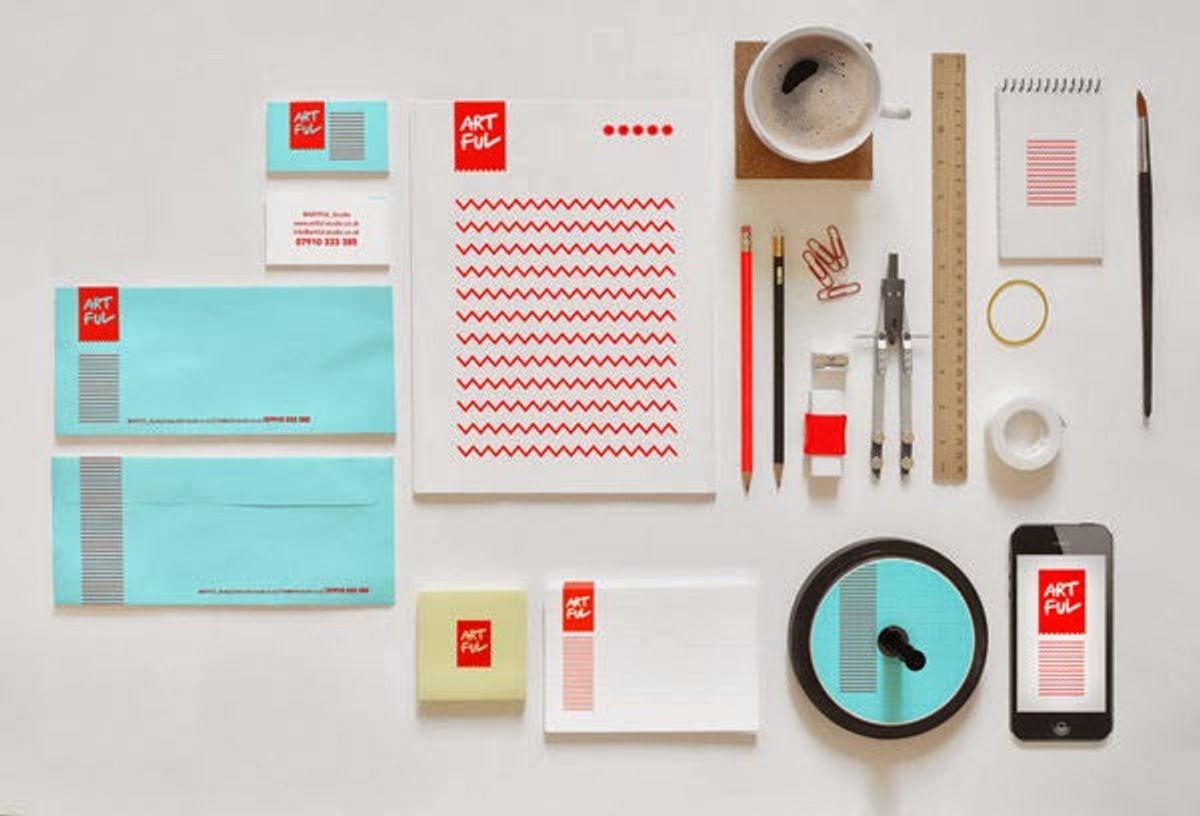
By meticulously planning and adhering to a comprehensive style guide, brands can ensure that every element aligns with their narrative, from the color palette to the typography and imagery style.
To illustrate the importance of these elements, consider the following list:
- Color Palette: Specify primary, secondary, and accent colors along with their exact hex codes for consistency.
- Typography: Choose fonts that embody the brand’s character and maintain a consistent style.
- Imagery Style: Define the type of images and icons that fit the brand’s identity, ensuring visual content supports the overall aesthetic.
The Role of Layout in Visual Hierarchy
The layout of your brand’s visual elements is a powerful tool in guiding the user’s journey through your narrative. A strategic layout not only organizes content but also establishes a hierarchy, ensuring that the most critical information captures attention first. This visual hierarchy is essential in creating a clear and impactful brand story.
By meticulously planning the layout, brands can create a path for the viewer’s eye to follow, leading them to key messages and actions.
Effective layout goes beyond mere aesthetics; it’s about creating a meaningful structure that resonates with your audience. Consider these points when designing your layout:
- Emotional Impact: Select images that align with the desired emotional response from your audience.
- Brand Alignment: All visual content should reflect the brand’s identity and support its overall narrative.
- Visual-Textual Harmony: The visual style and textual content must work together to reinforce the brand’s message.
- Emotional Resonance: Combine visuals and text to evoke the desired emotional response, strengthening the connection with the audience.
Remember, a well-thought-out layout can make your brand’s story more compelling and accessible, leaving a lasting impression on the user.
Innovative Use of White Space and Composition
The strategic use of white space in visual storytelling is not merely about the absence of content; it’s about creating breathing room for the audience’s eyes, enhancing the focus on key elements of the brand’s narrative. A well-organized layout with adequate spacing can guide users through the brand’s story, making it more compelling and accessible.
- Consistent Navigation: Ensures users can explore the brand’s story without confusion.
- Strategic Use of Space: Draws attention to the most important elements.
- Content Layout: Utilizes headings, lists, and white space to break up text and improve readability.
Incorporating these design techniques not only enhances the user experience but also solidifies the brand’s identity, making it more memorable. The innovative use of composition, alignment, and hierarchy directs the audience’s attention in a deliberate manner, creating a seamless visual journey that aligns with the brand’s voice and tone.
By mastering the art of white space and composition, brands can create a visual narrative that speaks volumes without overcrowding the canvas.
Measuring the Impact of Visual Storytelling on Brand Perception
Analyzing User Engagement and Behavior
Understanding how users interact with your brand’s visual storytelling is crucial for refining your strategy and ensuring it resonates with your audience. Analyzing user engagement and behavior goes beyond mere clicks and views; it involves delving into the nuances of how users connect with your content. To measure this effectively, consider the following steps:
- Track key performance indicators (KPIs) such as time spent on page, interaction rates, and social shares.
- Use social listening tools to gauge sentiment and uncover conversations about your brand.
- Implement A/B testing to determine which visual elements perform best.
By closely monitoring these metrics, you can gain insights into user preferences and tailor your visual narrative to better meet their expectations.
Additionally, it’s important to leverage analytics tools to track the performance of your visual content across different platforms. This data can help you understand which aspects of your visual storytelling are most effective and which may need adjustment. Here’s a simple table illustrating potential KPIs to monitor:
| KPI | Description | Why It Matters |
|---|---|---|
| Engagement Rate | The level of interaction with your content | Indicates content relevance |
| Share of Voice | The amount of brand mentions compared to competitors | Reflects brand presence |
| Conversion Rate | The percentage of users who take a desired action | Measures effectiveness of visuals |
Remember, the goal is to create a compelling visual brand narrative that captivates and engages your audience, turning them into loyal advocates for your brand.
Tools for Tracking Visual Brand Consistency
To maintain a strong visual brand identity, it’s essential to track and measure the consistency of your brand’s visual elements across various platforms. This can be achieved through a combination of analytics tools, design audits, and user feedback mechanisms. Here are some key tools and strategies for ensuring visual brand consistency:
-
Brand Guidelines: A comprehensive set of brand guidelines is the cornerstone of visual consistency. These guidelines should detail the use of logos, color palettes, typography, and imagery.
-
Design Audits: Regular design audits can help identify discrepancies and ensure that all visual elements align with the brand’s established guidelines.
-
Analytics Tools: Utilize analytics tools to monitor how your visual brand is being represented across different channels. These tools can track usage, engagement, and audience perception.
-
User Feedback: Gathering user feedback is invaluable for understanding how your audience perceives your brand. Surveys, focus groups, and user testing can provide insights into the effectiveness of your visual storytelling.
Ensuring visual consistency is not just about repetition; it’s about creating a harmonious visual language that resonates with your audience and reinforces your brand’s narrative.
By implementing these tools, businesses can gain a clear understanding of their visual brand’s impact and make informed decisions to enhance their visual storytelling efforts.
Case Studies: Successful Visual Brand Transformations
The transformative power of visual storytelling in branding is best exemplified through real-world case studies. These narratives not only showcase the process but also the profound impact on brand perception and engagement. For instance, a study on a leading Magento eCommerce agency, Inchoo, reveals the effectiveness of a new UX/UI strategy in enhancing user experience and brand identity.
Reflecting on various successful transformations, it’s evident that a well-executed visual brand narrative can lead to increased engagement and enhanced brand awareness.
Another compelling example is the White Rabbit (NFT) project, where a custom design strategy was pivotal in creating a distinct digital presence in the burgeoning metaverse space. Similarly, the Croatian Geological Society’s website redesign demonstrates how tailored visual elements can communicate a brand’s essence more effectively than words alone.
The table below summarizes key outcomes from selected case studies:
| Brand | Challenge | Strategy | Outcome |
|---|---|---|---|
| Inchoo | Outdated UX/UI | New UX/UI Implementation | Improved User Experience |
| White Rabbit (NFT) | Emerging Market Presence | Custom Design Strategy | Distinct Digital Presence |
| Croatian Geological Society | Lackluster Web Identity | Website Redesign | Enhanced Brand Communication |
Future Trends in Visual Storytelling for Brand Identity
Emerging Technologies Shaping Visual Narratives
The landscape of visual storytelling is rapidly evolving with the advent of emerging technologies that offer new ways to engage and captivate audiences. Augmented reality (AR) and virtual reality (VR) are at the forefront, providing immersive experiences that can transport users into the heart of a brand’s narrative.
By leveraging these technologies, brands can create interactive and memorable stories that resonate deeply with their audience, fostering a stronger emotional connection.
Additionally, the integration of artificial intelligence (AI) in visual storytelling tools enables the creation of personalized and dynamic content. This tailors the narrative to individual user preferences, enhancing the overall impact of the brand’s message.
Here are some key technologies transforming visual storytelling:
- Augmented Reality (AR)
- Virtual Reality (VR)
- Artificial Intelligence (AI)
- 360-degree videos
- Interactive video platforms
These technologies not only redefine the way stories are told but also how they are experienced, leading to greater engagement and a more profound brand loyalty.
Sustainability and Ethical Branding in Visuals
In the realm of visual storytelling, sustainability and ethical branding have become pivotal in connecting with today’s conscious consumers. Brands that integrate environmental sustainability into their visual identity not only appeal to eco-conscious consumers but also attract employees who are passionate about the company’s mission.
A visual narrative that emphasizes sustainability can make a brand’s message more impactful and memorable. By optimizing for user experience and incorporating social proof, brands enhance their credibility and foster a deeper connection with their audience.
The rising trend of sustainable and ethical branding is not just a passing fad; it’s a strategic move that successful sustainable brands employ to communicate their values, connecting with consumers on an emotional level.
Staying adaptable and responsive to evolving strategies and market trends ensures that a brand’s visual identity remains relevant and resonant with the target audience. This approach creates an engaging and memorable experience, establishing a strong emotional connection with the brand.
Adapting to Changing Consumer Preferences
In the dynamic landscape of consumer behavior, brands must be agile and responsive to remain relevant. Adapting your brand identity to reflect evolving market trends and consumer needs is not just beneficial; it’s essential for survival. For instance, consider how Netflix transitioned from a DVD rental service to a leading global streaming platform, reshaping its brand messaging to mirror its new services.
Brands that successfully adapt their visual storytelling to align with changing consumer preferences can maintain a strong connection with their audience, ensuring long-term brand loyalty.
To effectively adapt, brands should engage in continuous dialogue with their customers. Seeking regular feedback and monitoring shifts in consumer behavior are critical steps in this process. Below is a list of key actions brands can take to stay attuned to consumer preferences:
- Continuously evolve and adapt to meet changing customer needs.
- Maintain a consistent brand identity while introducing strategic updates.
- Seek customer feedback regularly to gauge brand perception.
- Analyze market trends to anticipate future shifts in consumer behavior.
As we navigate the evolving landscape of visual storytelling, brands must adapt to stay ahead. Our expertise in WordPress Development and Custom Web Design ensures your brand’s identity shines through every digital interaction. Ready to elevate your brand’s online presence? Visit our website to explore our services and discover how we can help you create a compelling and memorable brand identity. Let’s craft your story together—your audience is waiting.
Conclusion
In conclusion, visual storytelling is an indispensable tool for creating a unique brand identity. It transcends mere aesthetics, weaving a narrative that captures the essence of a brand and forges an emotional connection with the audience. Through strategic use of images, colors, and typography, brands can tell their story in a way that is not only visually appealing but also deeply resonant. As we’ve seen from various successful projects, from NFT platforms to real estate websites, visual storytelling can significantly enhance user engagement and brand recognition. By consistently applying these principles across all digital touchpoints, businesses can ensure a cohesive and memorable brand experience that stands out in the competitive market landscape.
Frequently Asked Questions
What is visual storytelling and why is it important for brand identity?
Visual storytelling is the technique of using visual elements like images, color, typography, and layout to convey a brand’s narrative and values. It is important for brand identity because it creates a memorable experience for users, establishes an emotional connection with the brand, and ensures consistency across all platforms.
How can a brand define its visual language?
A brand can define its visual language by identifying its core values and mission, and then choosing visual elements that reflect these aspects. This includes selecting appropriate colors, fonts, and imagery that align with the brand’s personality and message.
What role does typography play in branding?
Typography plays a crucial role in branding as it influences readability, mood, and the overall perception of the brand. The choice of typeface and font style can significantly impact how the brand’s message is received and can contribute to the brand’s visual identity.
How can interactive elements enhance visual storytelling?
Interactive elements such as animations, videos, and clickable features can enhance visual storytelling by making the experience more engaging and immersive for the user. They encourage users to actively participate in the brand’s story, leading to deeper connections and better retention of the brand’s message.
What are some tools for tracking visual brand consistency?
Tools for tracking visual brand consistency include brand management software, digital asset management systems, and design consistency checkers. These tools help ensure that all visual elements adhere to the brand’s guidelines across various platforms and campaigns.
What emerging technologies are shaping the future of visual storytelling for brands?
Emerging technologies such as augmented reality (AR), virtual reality (VR), and artificial intelligence (AI) are shaping the future of visual storytelling. They offer new ways to create immersive and interactive experiences that can captivate audiences and elevate a brand’s narrative.