Creating Unique Brand Identity through Visual Storytelling
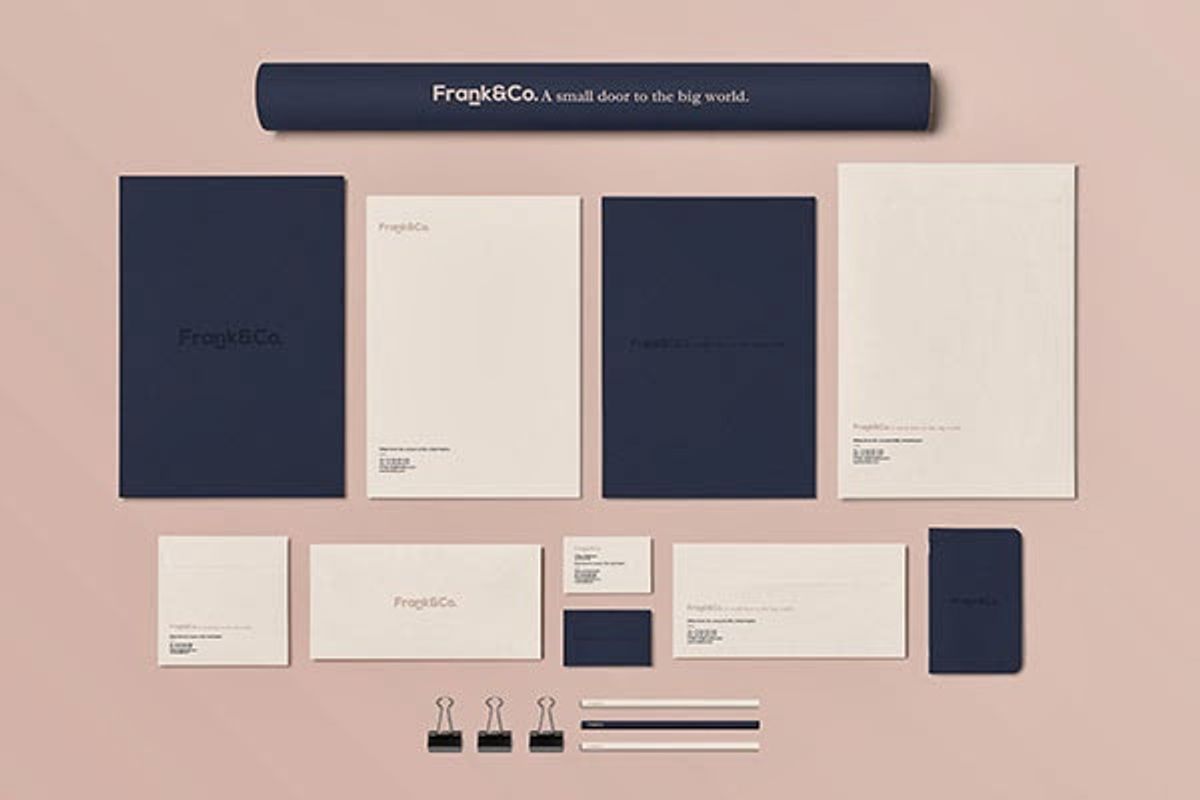
In the modern marketplace, establishing a unique brand identity is crucial for standing out and connecting with your audience. One of the most powerful tools for achieving this is visual storytelling. This approach leverages compelling graphics, videos, and other multimedia elements to weave a narrative that encapsulates a brand’s values, mission, and personality. By crafting a visual narrative that resonates with consumers, businesses can create memorable experiences that not only engage but also build brand loyalty and recognition. The following key takeaways provide insights into how visual storytelling can be harnessed to create a distinctive brand identity.
Key Takeaways
- Understanding the basics of visual storytelling is essential for creating a narrative that effectively communicates a brand’s message and engages the audience.
- A brand’s visual identity should be aligned with its core values, utilizing color, typography, and imagery to convey its unique personality and ethos.
- Consistency across all platforms is key to maintaining a cohesive brand image that is easily recognizable and trustworthy to consumers.
- Measuring the impact of visual storytelling through key performance indicators and audience analysis is critical for refining and optimizing the strategy.
- Staying ahead of the curve by adopting emerging technologies and innovative approaches will ensure that a brand’s visual storytelling remains fresh and relevant.
The Art of Crafting a Visual Narrative

Understanding the Basics of Visual Storytelling
At the heart of visual storytelling lies the ability to convey a narrative through imagery that captivates and resonates with the audience. Visual storytelling is the art of using images, videos, and other visual elements to tell a story. It’s a powerful marketing tool that can forge a deep connection with viewers, often more profoundly than words alone.
To begin crafting your visual narrative, consider these fundamental steps:
- Identify a strong central character or theme.
- Employ a narrative structure with a clear beginning, middle, and end.
- Utilize storytelling techniques like characters, dialogue, and conflict to engage viewers.
- Keep the visual elements simple and focused to support your message.
- Test and refine your story based on audience feedback and performance analytics.
Visuals enhance brand identity, provoke emotional responses, simplify complex information, and increase engagement and shareability.
Remember, the essence of a compelling visual story is not in its complexity but in its ability to communicate a message succinctly and powerfully. By focusing on these basics, you can begin to weave visual tales that not only inform but also inspire and move your audience.
Elements of a Compelling Visual Narrative
A compelling visual narrative is more than just a collection of images; it’s a carefully crafted story that resonates with the audience. The essence of a visual story lies in its ability to convey emotions and ideas without relying solely on text. To achieve this, certain elements must be meticulously aligned.
- Character: Every story needs a protagonist. In visual storytelling, this could be a person, a product, or even a brand itself.
- Setting: The backdrop against which the story unfolds. It should complement and enhance the narrative.
- Conflict: Introducing a challenge or problem that the protagonist must overcome adds depth and interest.
- Resolution: The conclusion of the story should provide closure and ideally, a call to action for the audience.
Incorporating these elements into your brand’s visual narrative can create a powerful connection with your audience, as seen in the success of brands like AM2 Studio. Their focus on strategic planning and creative design has set them apart in the realm of web development. Meanwhile, the power of visual storytelling in branding is undeniable, often driving consumer action and differentiating brands from their competitors.
By weaving together these elements, a brand can craft a visual narrative that not only tells a story but also embodies the brand’s values and mission, creating an indelible mark in the minds of consumers.
Case Studies: Successful Brand Stories
Examining real-world examples illuminates the transformative power of storytelling in brand strategy. Brands like Dove, Coke, and Nike have long been recognized for their compelling narratives, but they are far from alone. Numerous companies have woven storytelling into the fabric of their brand identity, achieving remarkable audience engagement and standing out in crowded markets.
For instance, VideoAmp’s website redesign went beyond aesthetic changes, illustrating the importance of a cohesive brand story. Similarly, the success of Apple, Coca-Cola, Airbnb, and others demonstrates the sales-boosting effect of effective storytelling. These case studies serve as valuable lessons for other businesses seeking to harness the same power.
The ability to craft a unique narrative is not just about creativity; it’s about connecting with consumers on a deeper level, conveying values, and creating a memorable brand experience.
From environmental conservation to technological innovation, these examples showcase the diverse approaches to storytelling that can resonate with consumers and differentiate a brand.
Designing a Distinctive Visual Identity
Aligning Visual Elements with Brand Values
The essence of visual storytelling in branding lies in the seamless integration of design elements with the core values and narrative of the brand. This alignment is crucial for crafting a brand identity that resonates with audiences and stands the test of time. Color psychology, typography, and imagery are not just aesthetic choices; they are strategic tools that shape perceptions and foster a lasting brand identity.
To achieve this harmony, it’s essential to have a clear understanding of your brand’s message and the emotions you wish to evoke. Every visual component should be a reflection of your brand’s ethos and should work together to tell your brand’s unique story.
Here are some steps to ensure alignment:
- Review your brand’s narrative and core values.
- Select visual elements that embody these values.
- Apply these elements consistently across all platforms.
- Gather feedback and be prepared to adapt and evolve.
By meticulously aligning visual elements with your brand’s values, you create a cohesive and authentic experience that captivates and engages your audience.
The Role of Color, Typography, and Imagery
The strategic use of color, typography, and imagery forms the cornerstone of a brand’s visual identity. Color psychology can influence perceptions and behaviors, making it a powerful tool in branding. For instance, blue often instills a sense of trust and reliability, while red can evoke excitement and urgency.
Choosing the right typography is equally critical. It’s not just about the style of the letters; it’s about conveying the brand’s voice and personality. Serif fonts might suggest formality and respectability, while sans-serif fonts are perceived as modern and clean.
Imagery, when used effectively, can communicate complex ideas quickly and evoke emotional responses. High-quality images and illustrations should align with the brand narrative, ensuring a cohesive story across all touchpoints.
Consistency in these visual elements is key to creating a memorable and recognizable brand identity. It’s not just about looking good; it’s about creating a visual language that speaks directly to your audience’s hearts and minds.
Here’s a quick checklist to ensure your brand’s visual elements are on point:
- Align colors with the brand’s emotional appeal
- Select typography that reflects the brand’s character
- Use imagery that complements the brand story
- Maintain visual consistency across all platforms
Maintaining Consistency Across All Platforms
Achieving a cohesive brand identity requires visual consistency across all customer touchpoints. This not only applies to digital platforms like websites and social media but also extends to physical marketing materials and packaging. By ensuring that logos, color schemes, and typography are uniform, brands can foster a sense of familiarity and reliability among their audience.
Maintaining a consistent visual language is not just about aesthetics; it’s a strategic approach to building brand recognition and trust.
To facilitate this consistency, brands should develop and adhere to a set of visual guidelines. These guidelines serve as a reference for anyone creating content for the brand, ensuring that all materials reflect the core identity. Below is a list of key components that should be included in a brand’s visual guidelines:
- Logo usage and variations
- Color palette and usage rules
- Typography and font styles
- Imagery and photography style
- Iconography and graphic elements
Visual consistency is key for building brand identity. Guidelines on logos, colors, and imagery ensure accurate representation across platforms, enhancing recognition and trust for diverse audiences.
Leveraging Multimedia for Enhanced Engagement

Incorporating Video and Animation in Your Strategy
In the digital age, video and animation have become essential tools for creating a dynamic brand identity. These mediums allow for a richer, more engaging narrative that can capture the essence of your brand and communicate it effectively to your audience.
To leverage these tools successfully, it’s important to define the objectives you want to achieve with your animated content. Whether it’s to educate, entertain, or inspire, having clear goals will guide the creative process and ensure your content aligns with your brand strategy.
Animation makes motion graphics enjoyable to watch and can easily be incorporated into your marketing plan. By doing so, you create memorable experiences that resonate with viewers and encourage them to engage with your brand.
Here are some steps to consider when incorporating video and animation into your strategy:
- Begin with a clear storyboard and flow to map out your visual narrative.
- Play with diverse content, including high-quality images and short video clips.
- Use animation to break down complex ideas and stir emotions.
- Test your visual story with a small audience and iterate based on feedback.
Remember, an engaging visual story isn’t just about aesthetics; it’s about conveying a message effectively and leaving a lasting impression.
Interactive Features and Their Impact on User Experience
Interactive features have become a cornerstone in creating a dynamic and engaging user experience. By integrating elements such as dynamic cursors, animations, and videos, brands can craft an immersive environment that captivates users and encourages interaction. For instance, non-conventional scrolling techniques like parallax, horizontal, and full-page scrolling can trigger a variety of user responses, leading to increased engagement.
Brand identity elements like logo, color palette, and multimedia integration enhance audience engagement and emotional connections for effective branding strategies.
The use of advanced AI in interactive design is transforming user interactions to be more intuitive and personalized. AI-driven tools are redefining the boundaries of creativity and efficiency, which not only elevates the user experience but also sets new standards in digital design. It’s crucial to be practical when creating these experiences; even simple design features can create a profound impact.
Here are some practical tips for enhancing user experience with interactive features:
- Utilize interactive illustrations to stand out on social media.
- Leverage AI features to make interactions more intuitive.
- Ensure seamless navigation and functionality across all digital platforms.
- Monitor user engagement metrics to gauge the effectiveness of interactive elements.
Optimizing Visual Content for Different Channels
In the realm of visual storytelling, the optimization of content for various channels is crucial for maintaining a cohesive brand narrative. Each platform has its unique set of rules and audience expectations that must be considered to maximize engagement.
- Social Media: Tailor your visuals to the platform’s preferred formats, such as square images for Instagram or landscape videos for YouTube.
- Websites: High-quality images and animations should be balanced with page load times to ensure a smooth user experience.
- Email Campaigns: Use eye-catching visuals that load quickly to grab attention in a crowded inbox.
Remember, an engaging visual story isn’t just about aesthetics; it’s about conveying a message effectively.
By understanding the nuances of each channel, brands can create a seamless visual experience that resonates with their audience. It’s not just about repurposing content; it’s about reimagining it to fit the context of the channel while preserving the essence of the brand story.
Measuring the Impact of Visual Storytelling

Key Performance Indicators for Visual Content
To gauge the effectiveness of visual storytelling, it’s crucial to track specific Key Performance Indicators (KPIs). These metrics not only measure the success of visual content but also inform future strategy adjustments. A primary KPI is the engagement rate, which includes likes, shares, comments, and the time spent on content. Another significant indicator is the conversion rate, reflecting the percentage of viewers who take the desired action after interacting with the visual content.
Establishing a visual language for brand identity is pivotal. It involves identifying key elements, creating a style guide, customizing visuals, and evaluating strategies for consistency and impact on brand perception.
Additionally, tracking the click-through rate (CTR) provides insights into how compelling the visual narrative is in driving traffic to a website or landing page. Here’s a concise table summarizing these KPIs:
| KPI | Description | Why It Matters |
|---|---|---|
| Engagement Rate | Interactions such as likes, shares, comments | Indicates content resonance with the audience |
| Conversion Rate | Percentage of viewers taking the desired action | Measures effectiveness in prompting viewer action |
| Click-Through Rate (CTR) | Ratio of clicks to impressions of the content | Assesses the content’s ability to drive traffic |
By monitoring these KPIs, brands can refine their visual storytelling techniques to better resonate with their audience and achieve their marketing objectives.
Analyzing Audience Response and Behavior
Understanding how your audience interacts with your visual content is crucial for refining your brand’s storytelling approach. Analyzing audience response and behavior provides insights into what resonates with your viewers and what doesn’t. By tracking metrics such as engagement rates, time spent on content, and social shares, brands can gauge the emotional impact of their narratives.
To craft a story that resonates with your target audience, it’s essential to identify their challenges and aspirations. Tailoring your message to address these points creates a deeper connection and encourages empathy.
Visual storytelling is not just about creating content; it’s about creating a dialogue with your audience. Encouraging user interaction and listening to feedback allows for a more dynamic and responsive brand narrative. Here are some steps to consider:
- Engage with your audience by encouraging them to share their experiences and stories.
- Research your target audience to understand their preferences and expectations.
- Implement tools to track conversions, performance, and user interaction.
- Analyze the data to identify opportunities for improvement and to ensure you maximize the benefits of every interaction.
By continuously learning from audience behavior, brands can adjust their visual storytelling strategies to enhance engagement, awareness, and loyalty. Consistent narratives that create emotional connections can lead to increased consumer engagement and conversion rates.
Adjusting Your Strategy Based on Metrics
Once you’ve gathered data on your visual content’s performance, it’s crucial to translate insights into action. This iterative process is not about overhauling your strategy on a whim but making informed adjustments that can lead to better engagement and conversion rates. For instance, if a particular type of imagery resonates with your audience, consider incorporating similar visuals in future campaigns.
By continuously monitoring and analyzing key metrics, you can refine your visual storytelling approach to better align with your audience’s preferences and behaviors.
Here’s a simple framework to guide your strategy adjustments:
- Review the performance data and identify trends or patterns.
- Hypothesize which elements contributed to success or underperformance.
- Test changes in a controlled environment to measure impact.
- Implement the successful changes across your campaigns.
- Repeat the process to foster ongoing improvement.
Remember, the goal is to create a visual strategy that not only stands out but also grows with your brand and audience. High-quality imagery, cohesive design, and storytelling are key components that enhance brand identity and customer engagement in competitive markets.
Future Trends in Visual Storytelling

Emerging Technologies Shaping Visual Narratives
The landscape of visual storytelling is undergoing a transformative shift with the advent of emerging technologies that redefine how narratives are crafted and experienced. Virtual Reality (VR) and Augmented Reality (AR) are at the forefront, offering immersive environments that engage audiences in the storyline like never before.
These technologies enable storytellers to create interactive experiences that are not only visually compelling but also emotionally resonant, providing a deeper connection to the brand’s message.
In addition to VR and AR, the integration of Artificial Intelligence (AI) in video editing is paving the way for more personalized and dynamic visual content. AI algorithms can analyze viewer preferences and behaviors, tailoring the narrative to individual tastes and enhancing the overall user experience.
Here is a list of key technologies revolutionizing visual storytelling:
- Virtual Reality (VR)
- Augmented Reality (AR)
- Artificial Intelligence (AI) in video editing
- 360-degree videos
- Interactive web experiences
As these technologies evolve, they will continue to shape the future of visual storytelling, offering new ways for brands to tell their stories and connect with their audience.
The Evolution of Consumer Expectations
As the digital landscape evolves, so do the expectations of consumers. They now seek more personalized, efficient, and impactful digital experiences, a trend that is reshaping the way brands approach visual storytelling. This shift is not just about aesthetics; it’s about creating narratives that resonate on a personal level with the audience.
The insights and strategies discussed provide a roadmap for navigating the complexities of today’s consumer expectations, positioning your business for growth.
To stay ahead, brands must embrace an iterative feedback loop, constantly refining their stories based on consumer input and shifting market conditions. Here’s a brief overview of what consumers expect today:
- Tailored content that addresses individual preferences
- Seamless user experiences across all digital platforms
- Engaging and interactive storytelling that captivates and retains attention
- Authenticity and transparency in brand narratives
These expectations are not static; they evolve as new technologies emerge and as consumers become more sophisticated in their consumption of digital content. Brands that understand and adapt to these changes can create a lasting impact and foster deeper connections with their audience.
Staying Ahead of the Curve with Innovative Approaches
In the dynamic realm of visual storytelling, staying ahead of the curve is not just about adopting the latest trends; it’s about pioneering innovative approaches that resonate with your audience. As technology evolves, so do the possibilities for crafting immersive narratives. Leveraging AI and SEO innovations can significantly enhance a brand’s digital presence and user engagement.
Interactive storytelling, using AR, VR, or online experiences, provides consumers with new ways to connect with your brand’s story. These methods can distinguish your company by offering captivating experiences that align with your core beliefs.
Optimization techniques combined with AI advancements create a powerful toolkit for websites that are visually appealing and perform well across all platforms. Personalization and responsive design driven by AI can take the user experience to unprecedented levels.
To maintain a competitive edge, consider the following steps:
- Embrace AI-powered personalization and predictive analytics.
- Integrate interactive elements like AR and VR to engage users.
- Continuously monitor and adapt to emerging technologies.
- Analyze and adjust strategies based on user behavior and feedback.
As we look towards the horizon of digital creativity, visual storytelling is evolving at an unprecedented pace. To stay ahead of the curve and ensure your brand’s narrative captivates your audience, visit our website for cutting-edge WordPress development, custom web design, and eCommerce solutions. Our team at AM2 is dedicated to crafting bespoke digital experiences that resonate with your target market. Don’t let your story go untold—partner with us to bring your vision to life. Explore our services and let’s create something extraordinary together.
Conclusion
In the realm of brand identity, visual storytelling emerges as a powerful tool to create a unique and memorable impression. By weaving together compelling visuals and narratives, brands can engage audiences on an emotional level, fostering a sense of connection and loyalty. From the strategic use of illustrations to the integration of visual narratives across various platforms, the examples discussed in this article showcase the effectiveness of visual storytelling in capturing the essence of a brand’s identity and values. As we’ve seen, whether it’s through a single advertisement or a comprehensive social media campaign, the art of visual storytelling can transform the way consumers perceive and interact with a brand, turning ordinary interactions into memorable experiences that resonate long after the initial encounter.
Frequently Asked Questions
What is visual storytelling in the context of brand identity?
Visual storytelling is the practice of using visual elements such as images, colors, typography, and multimedia to craft a narrative that embodies a brand’s values, mission, and personality. It helps create a memorable brand experience and fosters an emotional connection with the audience.
How can visual storytelling enhance brand engagement?
Visual storytelling can captivate the audience’s attention, simplify complex messages, and make content more relatable. It increases the likelihood of content consumption and can significantly improve the chances of a product being purchased by making the brand more memorable.
What are the key elements of a compelling visual narrative for a brand?
A compelling visual narrative includes consistent use of color schemes, typography, imagery, and themes that align with the brand’s core values. It also involves storytelling through various forms of media, such as videos, illustrations, and interactive content.
Can visual storytelling be measured for effectiveness?
Yes, the effectiveness of visual storytelling can be measured using key performance indicators like engagement rates, conversion rates, time spent on content, social shares, and audience feedback. These metrics help in analyzing and refining the visual strategy.
How does visual storytelling differ across various platforms?
Visual storytelling must be adapted to fit the format and user experience of different platforms. For instance, social media stories might be more casual and ephemeral, while a brand’s website may feature more detailed and permanent visual narratives.
What future trends are shaping visual storytelling for brands?
Emerging technologies like augmented reality (AR), virtual reality (VR), and interactive web elements are shaping the future of visual storytelling. Brands are also focusing on personalization and inclusivity in their visual narratives to meet evolving consumer expectations.