Creating Unique Brand Identity through Visual Storytelling

In the bustling marketplace of brands, carving out a unique identity is more crucial than ever. The article ‘Creating Unique Brand Identity through Visual Storytelling’ delves into the transformative power of visual elements in shaping a brand’s narrative. By leveraging the art of visual storytelling, brands can transcend conventional marketing, forge emotional connections, and etch a lasting impression in the minds of their audience. This piece explores strategies, case studies, and future trends that underline the significance of visuals in crafting an unforgettable brand identity.
Key Takeaways
- Visual storytelling is a potent tool for brands to convey complex ideas and emotions, creating a memorable identity that stands out.
- Aligning visuals with brand values and ensuring consistency across platforms are key strategies for developing a unique visual brand identity.
- Analyzing successful campaigns and learning from industry leaders can provide valuable insights for adapting visual branding strategies.
- Measuring the effectiveness of visual content and optimizing visuals for different channels are essential for integrating visual storytelling in marketing.
- Staying ahead of the curve in visual communication involves embracing emerging technologies and predicting shifts in consumer behavior.
The Art of Visual Storytelling in Branding
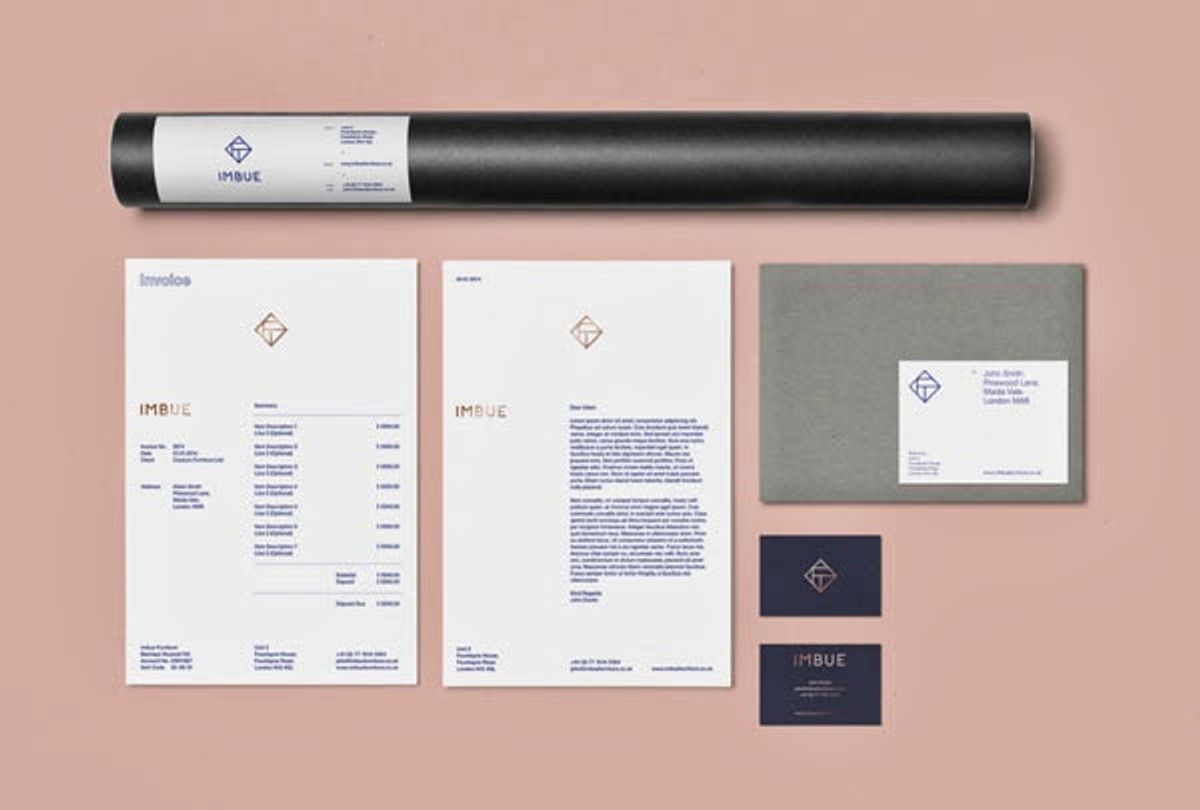
Understanding the Power of Imagery
In the realm of branding, visual storytelling is a potent force that can shape a brand’s identity and foster deep connections with the audience. High-quality visuals are not just aesthetically pleasing; they serve as a conduit for the brand’s message, values, and essence. Imagery that resonates with a brand’s narrative can transform a simple message into a memorable experience, making it a critical component in the art of visual storytelling.
Visual storytelling in branding enhances brand identity through strategic visuals that evoke emotions, convey messages, and build engagement. Crafting a compelling brand narrative with authenticity is key for memorable experiences.
Selecting the right imagery is crucial. It should reflect the brand’s core values and evoke the desired emotions in the audience. For instance, a brand that values adventure might use imagery of vast landscapes, while one that cherishes nurturing might opt for compassionate visuals. Below is a list of considerations when choosing imagery for your brand:
- Align imagery with brand values
- Evoke the desired emotional response
- Ensure consistency across all platforms
- Innovate while staying true to the brand
By meticulously curating visuals that align with these considerations, brands can create a unique and impactful identity that stands out in the market.
Crafting Compelling Narratives
To create a compelling narrative is to weave a story that resonates deeply with the audience. It’s about constructing a tale that not only informs but also inspires and evokes emotion. A narrative should have a clear structure, with a beginning that captures attention, a middle that builds interest, and an end that leaves a lasting impression.
- Know Your Audience: Tailor your story to reflect the values and desires of your audience.
- Be Authentic: Share genuine stories that embody the spirit of your brand.
- Conflict and Resolution: Introduce challenges and show how your brand can overcome them.
- Emotional Connection: Aim for narratives that elicit strong emotional responses.
Crafting a narrative that stands out in the crowded marketplace is essential for a brand’s success. It’s not just about selling a product or service; it’s about sharing a journey that the audience can relate to and become a part of.
Visual storytelling in branding is powerful, creating connections and driving engagement. A strong brand narrative humanizes the brand, encourages sharing, and differentiates from competitors through emotional visuals.
Leveraging Multimedia for Emotional Impact
In the realm of visual branding, multimedia is a potent tool for forging emotional connections with your audience. By integrating various forms of media, such as images, videos, and audio, brands can craft a multi-sensory experience that resonates on a deeper level.
Emotions lie at the core of effective storytelling. When a brand’s narrative stirs profound feelings like joy, empathy, or inspiration, it not only becomes memorable but also encourages brand advocacy and sharing.
To maximize the emotional impact, consider the following points:
- Utilize compelling imagery and high-quality visuals that align with your brand’s message.
- Experiment with different formats to find the most effective way to engage your audience.
- Encourage user-generated content to amplify your storytelling efforts and foster community.
Remember, the goal is to create narratives that are not only relatable but also unforgettable. When customers form an emotional bond with a brand, loyalty and long-term engagement are the natural outcomes.
Strategies for Developing a Unique Visual Brand Identity

Aligning Visuals with Brand Values
To create a distinctive visual identity, it’s crucial to align your visual elements with your brand’s core values. This strategic alignment ensures that every image, color, and design choice not only stands out but also communicates the essence of your brand to your audience.
Consider the following steps to achieve this alignment:
- Identify your brand’s core values and mission.
- Select imagery and design elements that reflect these values.
- Use a consistent color palette and typography across all platforms.
- Ensure that your messaging reinforces your brand’s personality.
By meticulously aligning visuals with brand values, businesses can forge a strong identity that resonates with customers and differentiates from competitors.
Remember, visual branding is not just about aesthetics; it’s about telling a story that embodies your brand’s vision and connects emotionally with your audience. Consistency in this visual narrative across various channels amplifies your brand’s message and reinforces its values, leading to a more cohesive and impactful brand experience.
Creating Consistency Across Platforms
Achieving a consistent visual identity across various platforms is fundamental to establishing a strong brand presence. It’s not just about using the same logo or color scheme; it’s about creating a seamless experience that resonates with your audience wherever they encounter your brand. This consistency builds trust and reinforces brand recognition, making it easier for customers to identify and engage with your brand across different mediums.
To ensure visual consistency, brands must develop comprehensive guidelines that cover all aspects of their visual identity. These guidelines should include specifics on logos, colors, typography, and imagery to guarantee accurate representation no matter the platform. For instance, consider how a brand like McDonald’s maintains a recognizable visual identity across its global franchises.
Consistency in branding is the glue that holds the brand narrative together over time. It allows for a unified brand experience that fosters familiarity and trust with the audience.
Maintaining this consistency is not just about aesthetics; it improves the user experience by providing a familiar and navigable environment across all touchpoints. It reduces confusion and enhances the customer’s journey, leading to a smoother and more enjoyable interaction with the brand.
Innovating with Design Trends
In the ever-evolving landscape of visual branding, staying ahead of design trends is not just about being trendy; it’s about harnessing innovation to resonate with audiences. Brands that successfully innovate within their visual identity do so by integrating new design trends in a way that aligns with their core values and messaging.
To create your unique look and feel, start by choosing a color palette that represents your brand’s personality and values. This approach ensures that when trends shift, your brand’s identity remains anchored yet fresh. It’s a delicate balance between adaptation and consistency, where subtle changes can have a significant impact.
- Evaluate current design trends and their relevance to your brand
- Experiment with new visual elements while maintaining brand integrity
- Update visual assets periodically to reflect contemporary aesthetics
- Gather feedback and measure the impact of design changes
By thoughtfully incorporating current design trends, brands can maintain a dynamic and engaging visual identity that captures attention and stands the test of time.
Case Studies: Success Stories in Visual Branding

Analyzing High-Impact Campaigns
High-impact campaigns are the cornerstone of effective visual branding. They not only capture attention but also resonate with the target audience to create lasting brand recognition. Analyzing these campaigns reveals common threads of success, such as a clear understanding of the brand’s core differentiators and the strategic use of compelling calls-to-action (CTAs).
For instance, Adobe’s "Acrobat’s Got It" campaign showcases the power of video content to convey a brand’s unique value proposition. Similarly, Salesforce’s video narratives position the company as a beacon of hope for customers, illustrating the emotional impact of visual storytelling.
By dissecting these campaigns, brands can uncover valuable insights into the elements that drive engagement and conversion. It’s not just about the aesthetics; it’s the strategic integration of design, narrative, and user experience that forms a cohesive and persuasive visual story.
To apply these insights, consider the following steps:
- Identify your brand or product’s core differentiators.
- Develop a narrative that aligns with your brand values and resonates with your audience.
- Integrate multimedia elements to enhance emotional engagement.
- Place CTAs strategically to guide user actions towards desired outcomes.
Learning from Industry Leaders
The journey to mastering brand personality and creating a distinct identity is exemplified by industry leaders who have harnessed the power of visual storytelling. These brands have not only established a strong presence but have also resonated deeply with their audiences. By analyzing their strategies, we can extract valuable lessons that can be applied to other brands seeking to enhance their visual branding.
Crafting a unique brand identity involves a continuous process of iteration and feedback. Successful brands listen to their customers and adapt their narratives to stay relevant and engaging.
A common thread among these success stories is the innovative use of design elements and multimedia to stand out. Below is a list of key strategies employed by industry leaders:
- Aligning brand visuals with core values
- Maintaining consistency across various platforms
- Embracing design trends to innovate
- Utilizing customer feedback to refine the brand narrative
These strategies highlight the importance of a dynamic approach to visual branding, where adaptation and innovation are as crucial as the initial design.
Adapting Strategies for Your Brand
Adapting your brand’s visual identity to the ever-changing landscape of design and consumer expectations is a dynamic process. Case studies highlight the power of storytelling in brand strategy, demonstrating how a well-crafted visual narrative can resonate with audiences and create a lasting impact. It’s essential to align your visual identity design with your brand values to foster a deep connection with your audience.
To effectively adapt strategies for your brand, consider the following steps:
- Evaluate your current visual branding elements and assess their alignment with your brand’s core values.
- Identify areas for improvement or innovation, keeping an eye on current design trends and consumer behavior.
- Collaborate with creative professionals to refine your visual storytelling, ensuring it’s authentic and engaging.
- Implement changes incrementally to maintain brand consistency while staying fresh and relevant.
By embracing an iterative approach to your visual branding, you can ensure that your brand remains adaptable and responsive to market shifts, without losing the essence of what makes it unique.
Remember, these are just some insights into implementing visual branding elements. Each brand is unique, and the specific strategies may vary. By carefully considering these elements and tailoring them to your brand’s identity, you can effectively communicate your brand’s message and create a strong visual presence across all channels.
Integrating Visual Storytelling in Marketing Campaigns
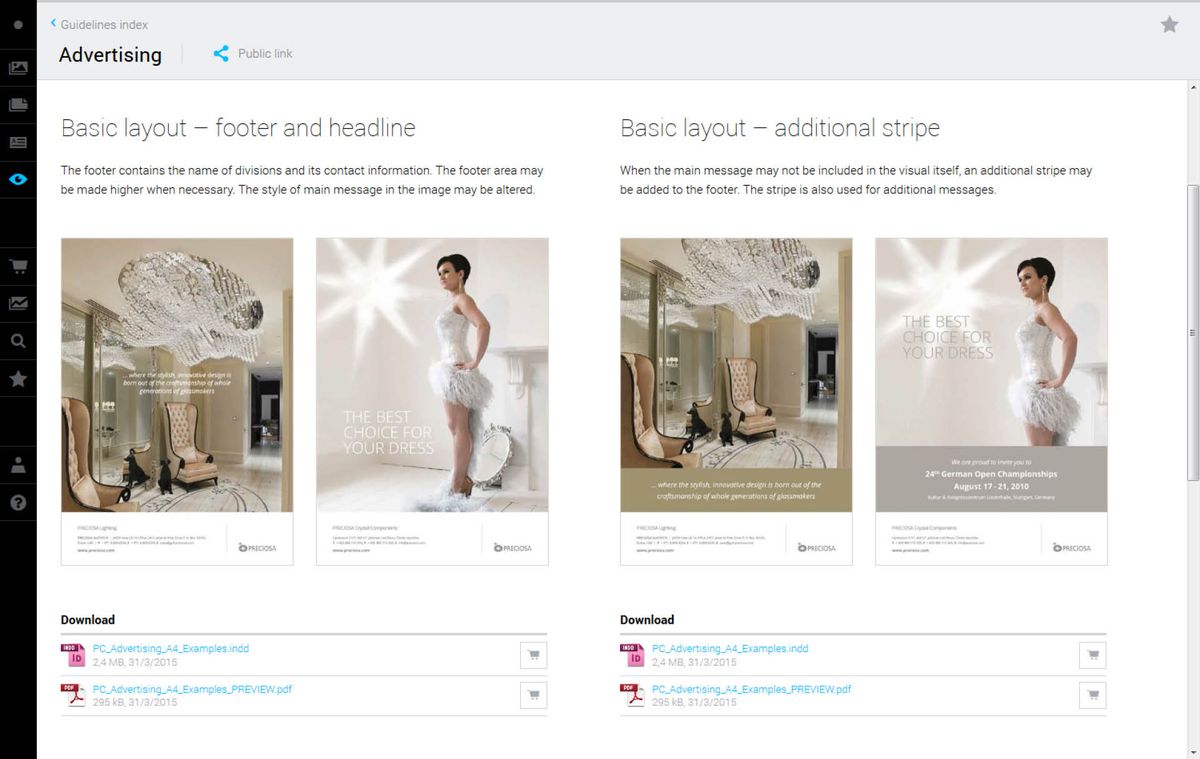
Planning and Executing Visual Campaigns
The success of a visual marketing campaign hinges on meticulous planning and execution. Developing a clear strategy that aligns with your brand’s objectives is the first step towards creating a campaign that resonates with your audience. This involves identifying the key visual elements that will tell your brand’s story and determining the best channels for distribution.
To ensure a campaign’s success, it’s crucial to have a detailed plan that outlines each phase of the campaign, from conception to launch and beyond.
A well-executed campaign should not only capture the attention of your target audience but also reinforce brand recognition and values. Here’s a simple checklist to guide you through the process:
- Define your campaign goals
- Select the appropriate color palette and visual elements
- Craft a compelling narrative
- Choose the right multimedia formats
- Plan the distribution across various platforms
- Set a timeline and budget
- Monitor and adjust the campaign as needed
Remember, the art of storytelling marketing can inspire and guide your visual campaign, providing templates and real-life examples that demonstrate the power of a well-told story.
Measuring the Effectiveness of Visual Content
To gauge the success of visual storytelling, it’s essential to track and analyze key performance indicators (KPIs). Metrics such as engagement rates, click-through rates, and conversion rates offer insights into how well visual content resonates with the audience.
- Engagement Rate: Measures the level of interaction with the content.
- Click-Through Rate (CTR): The percentage of viewers who click on a link within the content.
- Conversion Rate: The number of conversions divided by the total number of visitors.
By regularly monitoring these metrics, brands can refine their visual strategies to better align with their audience’s preferences and behaviors.
Additionally, qualitative feedback can provide context to the quantitative data. Customer surveys, social media comments, and reviews can reveal the emotional impact and storytelling effectiveness of the visuals. This feedback loop is crucial for continuous improvement and innovation in visual branding.
Optimizing Visuals for Different Channels
In the realm of visual branding, optimizing visuals for different channels is crucial for maintaining a cohesive brand identity. Each platform has its unique set of rules and audience expectations. For instance, the vibrant and casual visuals that resonate on Instagram might not be suitable for the professional environment of LinkedIn.
- Social media is inherently visual, and visual content provides a critical engagement boost. Posts with images or videos often see higher engagement rates, with more clicks and shares.
- Websites should prioritize clarity and user experience, ensuring that visuals are not only on-brand but also facilitate easy navigation and information processing.
- Email campaigns benefit from personalized and visually appealing content that can increase open rates and click-throughs.
- Offline materials, such as brochures and billboards, require high-quality visuals that can capture attention and convey messages quickly.
Remember, while consistency is key, it’s also important to tailor your visuals to the specific channel to maximize impact. What works on one platform may not work on another, so always consider the context and audience of each channel.
Ultimately, the goal is to create engaging and effective visual content that aligns with your brand’s message and resonates with your target audience across all touchpoints.
Future Trends in Visual Storytelling and Brand Identity
Embracing Emerging Technologies
In the quest to create a distinctive brand identity, embracing emerging technologies is a pivotal step. These technologies offer new avenues for storytelling that can captivate and engage audiences in unprecedented ways. For instance, augmented reality (AR) and virtual reality (VR) can immerse users in a brand’s narrative, creating memorable experiences that resonate on a deeper emotional level.
By integrating advanced technologies into visual branding strategies, companies can craft experiences that are not only innovative but also deeply aligned with their brand values. This alignment is crucial for establishing a strong and unique brand identity.
Moreover, the use of blockchain technology in branding efforts can add a layer of transparency and trust, appealing to the values of modern consumers. As we look to the future, the potential applications of these technologies in branding are vast and varied. Below is a list of key technologies that are shaping the future of visual storytelling:
- Augmented Reality (AR)
- Virtual Reality (VR)
- Blockchain
- Artificial Intelligence (AI)
- Internet of Things (IoT)
Each of these technologies offers unique opportunities for brands to tell their stories in ways that were not possible before, providing a competitive edge in the crowded marketplace.
Predicting Shifts in Consumer Behavior
Understanding and anticipating changes in consumer behavior is crucial for brands to maintain a strong visual identity that resonates with their audience. As demographics shift and new generations become dominant consumers, preferences in visual content evolve. For instance, younger audiences, including Millennials and Gen Z, are more inclined to engage with brands that offer dynamic and interactive visual experiences.
- Millennials and Gen Z are twice as likely to discover products online, with a significant preference for visual formats like product videos in their decision-making process.
- Color psychology plays a pivotal role in branding, with specific hues evoking distinct emotions and behaviors. For example, blue is associated with trust, while red can create a sense of urgency.
To stay ahead, brands must not only track these trends but also adapt their visual storytelling strategies accordingly. This involves a continuous process of learning and innovation, drawing insights from successful campaigns and emerging design trends.
Brands that effectively adapt to these behavioral shifts can create more meaningful connections with their audience, ensuring their visual identity remains fresh and relevant.
Staying Ahead of the Curve in Visual Communication
In the ever-evolving landscape of visual communication, staying ahead of the curve is not just about adopting the latest trends, but also about anticipating the needs and preferences of your audience. It’s crucial to continuously refine your visual branding elements to maintain relevance and engagement.
To ensure your brand remains visually consistent and fresh, consider the following steps:
- Regularly review and update your brand book.
- Conduct frequent audits of your visual communications.
- Embrace flexibility to adapt to new design trends.
- Invest in ongoing team education on visual literacy and multimedia tools.
By proactively managing your visual identity, you can create a dynamic brand that resonates with consumers and stands out in a crowded marketplace.
Remember, visual consistency matters in branding. As highlighted by The Drum, it’s important to not only update your brand book but also to audit your communications regularly—this will help your brand remain visually consistent over the years.
As we look towards the horizon of digital innovation, visual storytelling and brand identity are set to evolve in unprecedented ways. To stay ahead of the curve and ensure your brand’s narrative captivates your audience, consider leveraging our expertise in WordPress Development, eCommerce solutions, and custom web design. Our team at AM2 is dedicated to crafting digital experiences that resonate and drive results. Don’t let your brand’s story get lost in the shuffle of tomorrow’s trends. Visit our website to explore our services and see how we can help you shine in the digital landscape.
Conclusion
In the realm of brand building, visual storytelling emerges as a powerful conduit for conveying a brand’s essence, values, and personality. By weaving together compelling imagery and narratives, brands can craft an immersive experience that resonates deeply with their audience. This article has explored the multifaceted approach to creating a unique brand identity through visual storytelling, highlighting the importance of consistency, emotional connection, and the ability to simplify complex messages. As we’ve seen through various examples, when executed effectively, visual storytelling not only enhances brand recall but also fosters a sense of community and loyalty among consumers. In an age where attention is fleeting, and competition is fierce, harnessing the art of visual storytelling is not just an option—it’s a necessity for brands aiming to leave a lasting impact in the hearts and minds of their audience.
Frequently Asked Questions
How does visual storytelling enhance a brand’s identity?
Visual storytelling enhances a brand’s identity by conveying complex ideas and emotions through imagery, creating a memorable experience that resonates with the audience. It helps brands stand out and connect on a deeper level with their target market.
What are some effective strategies for developing a unique visual brand identity?
Effective strategies include aligning visuals with brand values, ensuring consistency across platforms, and innovating with design trends to create a cohesive and impactful identity that accurately represents the brand and appeals to its audience.
Can you provide examples of successful visual branding campaigns?
Examples of successful campaigns include the White Rabbit NFT project, Inchoo’s UX/UI strategy implementation, and the Geologija website, all of which utilized custom design and strategy to create a strong visual brand identity.
How do you measure the effectiveness of visual content in marketing?
The effectiveness of visual content can be measured through engagement metrics, conversion rates, brand recall, and audience feedback. Analyzing these data points helps in understanding the impact of the visuals on the brand’s marketing goals.
What future trends in visual storytelling should brands be aware of?
Brands should be aware of emerging technologies like AR/VR, shifts in consumer behavior favoring authentic and personalized content, and the importance of staying ahead in visual communication through continuous innovation and adaptation.
How can brands use visual storytelling to explain complex concepts?
Brands can use visual storytelling to simplify complex concepts by creating engaging content such as infographics, animations, and videos that educate the audience while keeping them entertained and engaged with the brand narrative.