Creating Unique Brand Identity through Visual Storytelling

In a marketplace flooded with competing messages, a unique brand identity is crucial for standing out. Visual storytelling offers a compelling way to craft a brand narrative that resonates with audiences and leaves a lasting impression. By strategically using images, colors, and design elements, brands can weave a story that captures their essence and values, fostering a deeper connection with consumers. This article explores the transformative power of visual storytelling in creating a distinctive brand identity.
Key Takeaways
- Visual storytelling is essential in creating a memorable brand identity that resonates with audiences on an emotional level.
- A cohesive visual language across all brand materials ensures consistency, which is key to building recognition and trust.
- Effective visual storytelling combines both visual and verbal elements to engage the senses and enhance the brand narrative.
- Sharing authentic stories, such as the brand’s founding story or customer successes, can humanize the brand and strengthen customer relationships.
- Collaborating with creative agencies can bring expertise and innovation to the visual storytelling process, ensuring alignment with the brand’s core values and goals.
The Power of Visuals in Brand Narratives
Understanding the Role of Visual Elements
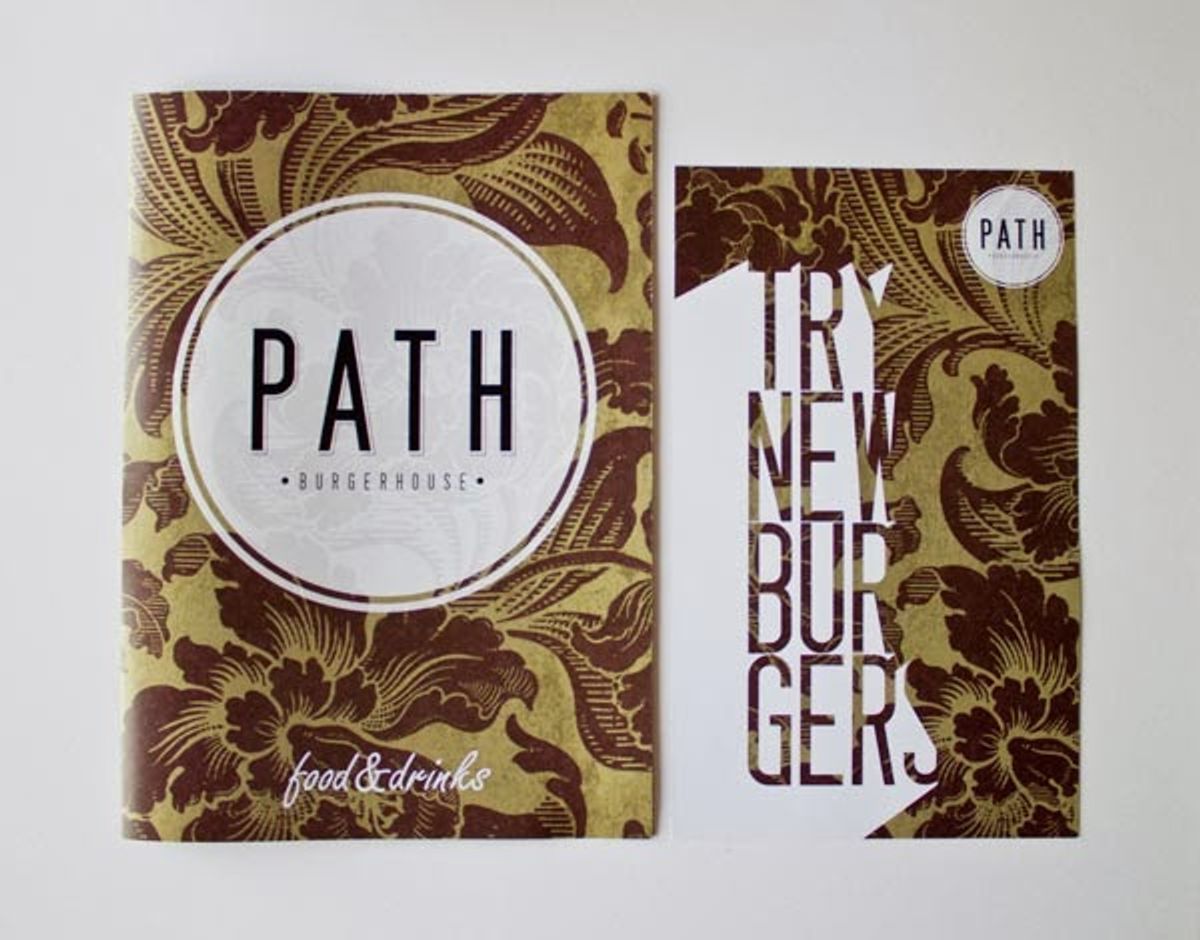
Visual elements are the building blocks of a brand’s visual identity. They include logos, color schemes, typography, and imagery that, when used consistently, create a recognizable and memorable brand experience. Visual storytelling is crucial for brand identity, requiring consistent use of these elements to convey the brand’s essence and foster recognition and trust among consumers.
Visual elements serve as silent ambassadors of your brand, often making the first impression on your audience.
Incorporating visual elements effectively means understanding their psychological impact. Colors, for instance, can evoke specific emotions and associations, which can be leveraged to align with a brand’s message. Icons and patterns add visual interest and are essential in crafting a cohesive visual language. Imagery, on the other hand, tells your brand’s story, illustrating values and connecting with the audience on an emotional level.
Here are some key considerations when incorporating visual elements into your brand’s design:
- Consistency across all platforms
- Alignment with the brand’s values and message
- Emotional resonance with the target audience
- Strategic use of color psychology
- Thoughtful selection of typography
By paying close attention to these aspects, brands can create a powerful visual narrative that resonates with consumers and stands out in a crowded marketplace.
Crafting a Cohesive Visual Language
To create a cohesive visual language, brands must consider the emotional appeal of their visuals. Imagery, facial expressions, and body language are potent tools for conveying feelings that resonate with the audience. Consistency in design elements such as color palettes, typography, and graphic styles is crucial. This consistency not only builds trust but also reinforces brand identity, making it memorable.
A brand’s visual elements should work in harmony, solidifying the narrative and ensuring that every piece of content aligns with the overarching story.
For example, a brand known for its playful fonts and pastel colors should extend this aesthetic across all platforms, from print to digital media. The table below illustrates how different visual elements contribute to a cohesive brand identity:
| Element | Role in Cohesive Visual Language |
|---|---|
| Color Palette | Sets the mood and tone |
| Typography | Communicates personality |
| Imagery | Evokes specific emotions |
By aligning visual identity with the expectations and desires of the target audience, brands can create a connection that is both emotive and profound. It’s about selecting elements that not only look good together but also tell a compelling story that audiences will want to follow.
Emotional Engagement through Imagery
The strategic use of visuals can evoke a spectrum of emotions, creating a memorable and impactful brand experience. Visuals evoke emotions more powerfully than words, harnessing the ability to trigger empathy, excitement, or curiosity. For instance, a travel agency might use stunning photos of exotic destinations to inspire action, while a nonprofit could show heartwarming scenes to evoke compassion.
Improved message retention and emotional connection are key benefits of integrating high-quality imagery into your brand’s storytelling. When visuals are seamlessly integrated, they streamline the audience’s understanding and retention of essential messages, fostering a deeper connection with the brand.
To achieve emotional engagement, consider the following points:
- Use imagery, facial expressions, and body language to convey feelings.
- Balance complexity and simplicity to avoid overwhelming your audience.
- Ensure imagery is high-quality and relevant to resonate with your target audience.
By crafting a cohesive visual narrative, brands can cultivate a loyal customer base and enhance their overall perception in the digital space. AM2 Studio’s diverse portfolio exemplifies their commitment to excellence and client satisfaction, setting them apart as a leader in strategic web development and innovative solutions.
Strategies for Effective Visual Storytelling
Incorporating Brand Imagery
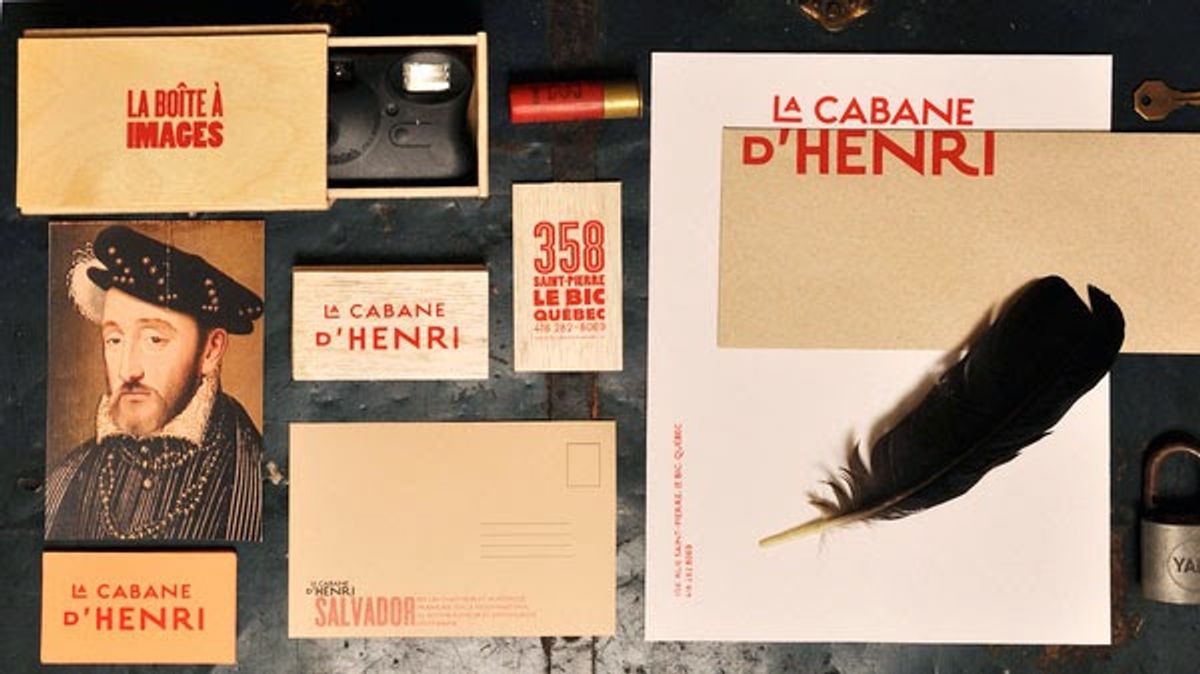
In the realm of visual storytelling, brand imagery stands as a pivotal element in crafting a narrative that resonates with the audience. It’s not just about the aesthetics; it’s about embedding the brand’s essence into every visual cue. From the logo to the color palette, typography, and beyond, each component works in harmony to convey the brand’s identity and values.
- Logo: The cornerstone of brand identity
- Color Palette: Evokes emotions and brand association
- Typography: Communicates brand personality
- Imagery: Connects emotionally with the audience
By using consistent visual elements such as photography style, illustrations, or patterns, designers can create a visual identity that is unique to the brand. These visual elements should align with the brand’s values and resonate with the target audience.
Incorporating these elements requires a strategic approach, ensuring that every visual interaction is an opportunity to strengthen the brand narrative. Put emotions first; branding is not about selling goods but about selling emotions and making customers feel satisfied. This emotional connection is what transforms first-time viewers into loyal brand advocates.
Balancing Visuals and Verbal Narratives
In the realm of visual storytelling, the harmony between imagery and text is paramount. Visual elements should not overshadow the narrative, but rather complement it, creating a seamless blend that enhances the brand’s message. A well-crafted visual brand narrative resonates with the audience, aligning visual elements with the core message and using consistent design elements to foster engagement.
- Understand the audience and their preferences
- Use visuals to simplify complex information
- Ensure that visuals align with the verbal narrative
- Incorporate interactive features to engage the audience
A delicate balance must be struck to ensure that visuals serve to clarify and not confuse, to attract and not distract. This equilibrium is essential for a narrative that captivates and retains the attention of the audience.
Innovation in visual storytelling can be a game-changer for brand identity. The consistent use of logos, colors, and imagery, coupled with the strategic use of interactive features, can significantly enhance branding efforts. It’s about creating a multi-sensory experience that immerses the audience in the brand’s world, making the brand’s values and message unforgettable.
Creating Multi-Sensory Experiences
To truly captivate an audience, visual storytelling must transcend the visual. It’s about creating an immersive experience that stimulates multiple senses, weaving together elements that resonate on a deeper level. For instance, the strategic use of sound and music can amplify the impact of visuals, with each component synchronized to enhance the narrative.
Incorporating interactive elements invites the audience to become active participants in the brand’s story. Touchscreens, motion sensors, and augmented reality features are just a few examples that can transform a passive viewer into an engaged explorer. This not only makes the experience memorable but also strengthens the connection between the brand and its audience.
By balancing complexity and simplicity, brands can deliver clear, impactful messages without overwhelming their audience. The key is to engage without excess, creating a harmonious blend of sensory inputs that support the brand’s narrative.
Ultimately, creating multi-sensory experiences is about encouraging viewers to explore further and connect with the brand on multiple levels. It’s a powerful way to leave a lasting impression and foster a deeper brand relationship.
Building Brand Identity with Visual Consistency
Establishing a Recognizable Visual Identity
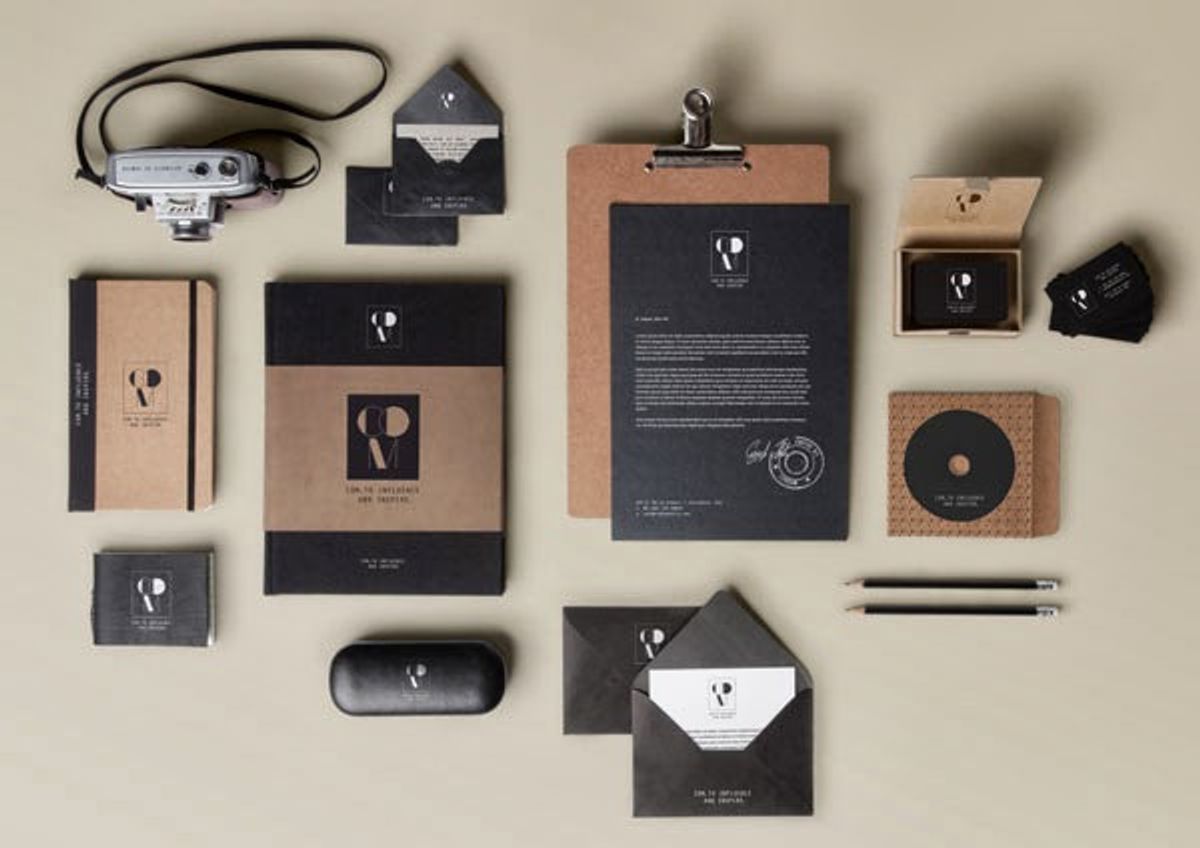
In the realm of branding, visual consistency is key. A brand’s visual identity is the embodiment of its essence, conveyed through logos, color schemes, typography, and other design elements. These components must be consistent across all platforms to foster brand recognition and trust among consumers.
- Consistency across all visual assets
- Use of brand identity elements
- Differentiation from competitors
Maintaining a cohesive visual presence across various mediums ensures that your brand is easily identifiable and memorable. This consistency is not just about aesthetics; it’s about creating a reliable and trustworthy image that resonates with your audience.
Incorporating brand imagery that aligns with the brand’s values and resonates with the target audience is crucial. It’s this strategic approach to visual design that enables a brand to stand out in a crowded marketplace. Authenticity and emotional connection are the cornerstones of building a loyal customer base.
Aligning Visuals with Brand Values
Aligning visuals with brand values is not just about aesthetics; it’s about creating a deep connection with your audience. When visuals reflect a brand’s core values, they resonate more profoundly with the target market, fostering trust and loyalty.
To achieve this alignment, consider the following steps:
- Identify the core values that define your brand.
- Select visual elements that represent these values.
- Integrate these visuals consistently across all platforms.
By embedding your brand’s values into every visual aspect, from website design to marketing materials, you create a powerful narrative that speaks volumes to your audience.
It’s essential to monitor the impact of your visual storytelling efforts. Key Performance Indicators (KPIs) and engagement metrics can provide valuable insights into how well your brand’s visuals are resonating with customers and influencing their perception and loyalty.
Fostering Unity in Brand Storytelling
To create a brand experience that resonates with customers, it’s essential to foster unity in brand storytelling. Visual consistency in branding builds trust and loyalty, ensuring that every touchpoint conveys the same message and feel. This unity is not just about aesthetics; it’s about weaving a common thread through all narratives that align with the brand’s core values and mission.
- Develop a visual language that includes logos, color schemes, and typography.
- Enhance engagement by using consistent design elements across all platforms.
- Maintain brand identity through storytelling that reflects the brand’s personality and values.
By integrating these elements into a cohesive strategy, brands can create a powerful and unified narrative that captivates and retains customers.
Ultimately, unity in brand storytelling is about creating a seamless brand experience that can build customer loyalty. It’s about ensuring that the brand’s story is told in a way that is authentic, engaging, and consistent, no matter where or how it is encountered.
Leveraging Storytelling to Enhance Brand Perception

Sharing the Brand’s Founding Story
The genesis of a brand is more than a timeline of events; it’s the embodiment of values, dreams, and the relentless pursuit of a vision. Sharing the brand’s founding story is a strategic move that humanizes the brand and fosters a deeper connection with the audience. It’s about revealing the heart and soul behind the brand, the challenges overcome, and the milestones achieved.
- Begin with the inception, the moment the idea took root.
- Narrate the journey, highlighting pivotal moments and key decisions.
- Conclude with the brand’s current standing and its vision for the future.
By crafting a narrative that resonates on a personal level, brands can transform customers into loyal advocates. This storytelling approach not only differentiates the brand in a crowded marketplace but also instills a sense of pride and ownership among consumers.
Highlighting Customer Success Stories
Customer success stories are a testament to the impact of a brand’s products or services on its clientele. By showcasing these narratives, brands can demonstrate real-world applications and benefits that resonate with potential customers. These stories often feature relatable challenges and triumphs, fostering a deeper connection with the audience.
- Share customer stories through images and videos, and include quotes on social media and websites.
- Encourage community members and clients to share their own experiences, amplifying the brand’s narrative reach.
- Incorporate testimonials, case studies, and reviews strategically in marketing to build trust with new customers.
Customer success stories not only highlight the value of the brand but also humanize it, allowing others to see the tangible difference it makes in people’s lives.
It’s crucial for brands to select stories that align with their values and messaging, ensuring a consistent and authentic brand identity. This strategy not only enhances brand perception but also inspires potential customers to envision themselves achieving similar successes.
Showcasing Behind-the-Scenes Processes
Behind-the-scenes content offers a transparent look into the creative and operational processes that shape a brand. This type of content humanizes the brand, fostering a deeper connection with the audience. For instance, sharing the journey of a product from conception to market can demystify the production process and instill a sense of trust and appreciation in consumers.
By revealing the meticulous care and expertise involved in creating a product or service, brands can strengthen their identity and showcase their commitment to quality.
Incorporating behind-the-scenes elements into a brand’s visual storytelling can take many forms. A bulleted list can outline the types of content that effectively pull back the curtain:
- Time-lapse videos of product development
- Interviews with team members
- Testimonials highlighting customer experiences
- Interactive tours of manufacturing facilities
Consistent posting on social media platforms with this visually appealing content increases brand awareness. The more your audience sees your content, the more they recognize and connect with your brand’s narrative.
Collaborating with Creative Agencies for Compelling Visuals
Tapping into Agency Expertise
Creative agencies are powerhouses of innovation and expertise, offering a treasure trove of benefits for brands looking to enhance their visual storytelling. By leveraging the specialized skills of these agencies, brands can elevate their visual narratives to new heights, ensuring that their identity stands out in a competitive market.
Creative agencies bring to the table a deep understanding of market trends and consumer behavior, which is crucial for crafting visuals that resonate with the target audience. Their experience in the industry allows them to foresee potential challenges and opportunities, guiding brands towards visual strategies that are not only aesthetically pleasing but also strategically sound.
Working closely with a creative agency can transform a brand’s visual identity from concept to reality, with a focus on cohesion, impact, and alignment with brand values.
Here’s what you can expect when partnering with a creative agency:
- Partnership: Seamless collaboration to ensure the brand vision is accurately translated into visuals.
- Code Quality: Adherence to the latest industry standards and best practices in design.
- Performance Optimization: Delivery of optimized visual solutions for better performance.
- Customization: Tailored visual elements that align with specific brand requirements.
- Innovation: Access to cutting-edge design techniques and technologies.
This strategic partnership not only enhances the visual appeal but also strengthens the brand’s overall market position.
Ensuring Cohesiveness and Impact
Achieving a cohesive visual narrative is crucial for brands to effectively communicate their identity and values. This requires meticulous planning and execution to ensure that every visual element aligns with the brand’s overarching message. Consistency in design elements such as color schemes, typography, and imagery is key to establishing a professional appearance and fostering brand recognition.
Crafting a cohesive visual language is essential for brands to stand out. Emotional engagement through imagery builds loyalty. Setting clear objectives and goals guides effective visual storytelling.
To ensure impact, visuals must not only be consistent but also resonate emotionally with the audience. Emotional appeal can be achieved through the strategic use of imagery that conveys feelings and stories that align with the brand’s essence. This emotional connection is a powerful tool in building a loyal customer base.
Here are some steps to ensure cohesiveness and impact in visual storytelling:
- Maintain consistency in your design elements.
- Use a cohesive color palette, typography, and graphic style throughout.
- Align your brand identity elements with your brand strategy, goals, and values.
- Be adaptable to the changing needs and preferences of your audience.
- Foster deeper connections through visuals that evoke specific emotions.
Aligning Visuals with Core Brand Goals
To create a compelling brand narrative, it’s essential to align visual elements with the brand’s core goals. This alignment ensures that every visual cue, from the website design to marketing materials, communicates the brand’s message effectively. By working with creative agencies, brands can tap into specialized expertise to develop visuals that not only look good but also resonate deeply with their target audience.
A strategic approach to visual storytelling involves a deep understanding of the brand’s mission and values. It’s about crafting visuals that embody the essence of the brand and speak directly to the hearts of consumers.
Incorporating brand elements in visual design is not just about aesthetics; it’s about creating a consistent and memorable identity. A well-defined visual strategy can transform how customers perceive a brand, turning casual viewers into loyal advocates. To achieve this, brands must ensure that their visual identity is not only distinctive but also consistently applied across all platforms.
In today’s fast-paced digital landscape, compelling visuals are not just an option—they’re a necessity. Partnering with a creative agency can elevate your brand’s storytelling and engage your audience like never before. At [Our Website], we specialize in creating custom web solutions that captivate and convert. From WordPress development to custom web and mobile design, our team is dedicated to making your digital presence unforgettable. Ready to transform your online strategy? Visit [Our Website] and let’s create something extraordinary together.
Conclusion
In the realm of branding, visual storytelling is not just an artistic endeavor; it’s a strategic tool that breathes life into a brand’s identity and fosters a deep connection with the audience. By weaving together compelling narratives with cohesive visual elements, brands can create memorable experiences that resonate on an emotional level. From the inception of a logo to the consistency of imagery, every detail contributes to the overarching story that a brand tells. As we’ve seen through various case studies and expert insights, the integration of storytelling into visual branding is a powerful way to stand out in a crowded market and build lasting relationships with consumers. Whether you’re a startup crafting your narrative or an established brand looking to revitalize your identity, the principles of visual storytelling can guide you towards creating a unique and impactful brand presence.
Frequently Asked Questions
What is visual storytelling in brand identity?
Visual storytelling in brand identity is the use of visual elements such as images, colors, typography, and design motifs to convey a brand’s narrative, values, and personality. It creates an emotional connection with the audience and makes the brand more memorable and relatable.
How does visual consistency contribute to brand identity?
Visual consistency helps establish a recognizable brand identity by using a cohesive set of visual elements across all brand touchpoints. This reinforces brand recognition, fosters trust, and communicates a clear and consistent brand message.
Can visual storytelling enhance customer engagement?
Yes, visual storytelling can significantly enhance customer engagement by creating compelling and relatable content that resonates with the audience, evoking emotions and driving interactions with the brand.
What role do creative agencies play in visual branding?
Creative agencies bring expertise in crafting unique visual narratives and identities that align with a brand’s values and goals. They provide strategic direction, design excellence, and market insights to ensure the visual branding is impactful and cohesive.
How can a brand balance visuals and verbal narratives?
A brand can balance visuals and verbal narratives by ensuring that both elements complement each other and work together to enhance the storytelling. The visuals should capture attention and set the tone, while the verbal narrative provides depth and context.
Why is it important to align visuals with brand values?
Aligning visuals with brand values is important because it ensures that the visual identity authentically represents the brand’s core principles and mission. It helps build credibility and trust with the audience, as they see a consistent reflection of the brand’s ethos.