Creating Unique Brand Identity through Visual Storytelling
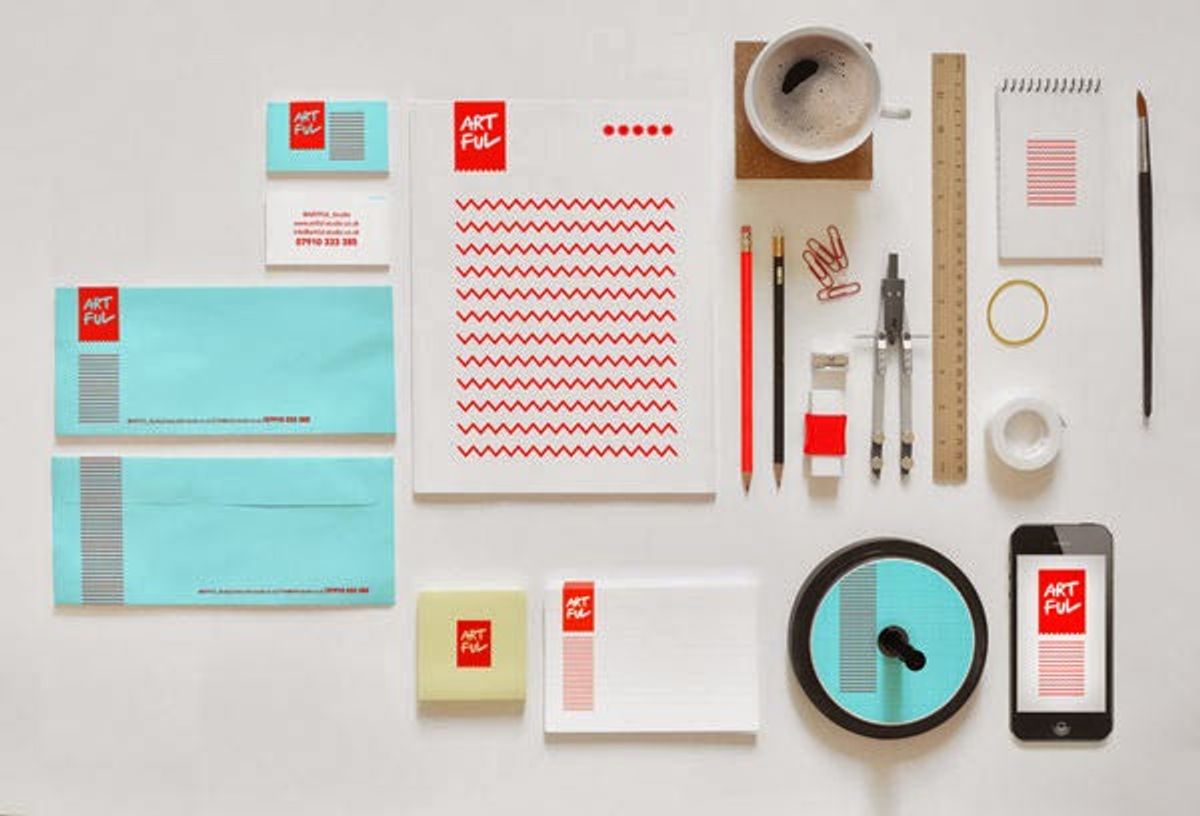
In today’s digital age, creating a unique brand identity is more crucial than ever, and visual storytelling has emerged as a key strategy for achieving this goal. Through the use of compelling visuals, brands can craft a narrative that not only stands out in a crowded marketplace but also resonates deeply with their target audience. This article explores the various facets of visual storytelling and how they can be harnessed to build a distinctive and memorable brand identity.
Key Takeaways
- Visual storytelling is essential for conveying a brand’s narrative and values, creating an emotional connection with the audience.
- A cohesive visual identity across all brand assets, such as logos and typography, is vital for brand recognition and consistency.
- Authentic visual content helps in building trust with the audience and differentiating the brand from competitors.
- Strategic use of visual storytelling aligns with marketing goals and enhances user experience, contributing to brand success.
- Future-proofing a brand involves embracing new visual mediums, staying updated with trends, and adapting visuals for a global audience.
The Power of Visuals in Crafting a Brand Narrative

Defining Your Brand’s Visual Language
The foundation of a compelling brand narrative is a well-defined visual language. Visual elements act as the alphabet of your brand’s story, conveying messages without the need for words. To establish this language, consider the following steps:
- Identify core values and messages that your brand stands for.
- Choose visual elements that reflect these values, such as colors, shapes, and imagery.
- Develop a style guide to maintain consistency across all visual representations.
A brand’s visual language should be distinctive and resonate with its target audience, creating a memorable and recognizable identity.
Consistency is key in visual branding. It ensures that your audience can instantly connect your visual content with your brand, building recognition and trust. This is where a style guide becomes invaluable, providing a reference for maintaining a cohesive look and feel across all brand assets.
Creating Emotional Connections Through Imagery
The ability to evoke specific feelings through visuals is a cornerstone of establishing an emotional connection with your audience. Brands like Nike and Apple have mastered the art of using imagery to not only reflect their values of excellence and innovation but also to inspire and challenge their viewers.
By carefully selecting images that resonate with your brand’s narrative, you can create a powerful emotional appeal that fosters brand loyalty. For instance, Dove’s "Real Beauty" campaign utilized relatable images of diverse women, which not only challenged beauty norms but also cultivated a loyal customer base.
Crafting authentic brand narratives with imagery leads to memorable experiences that can set your brand apart.
Understanding the emotional impact of visuals can guide you in choosing the right imagery for your brand. Here’s a simple list to consider when selecting images:
- Reflect your brand’s personality and values
- Evoke the desired emotions from your audience
- Inspire action and engagement
- Differentiate from competitors
Remember, the images you choose are a direct reflection of your brand’s identity and can significantly influence consumer behavior.
The Role of Color and Design in Storytelling
The strategic selection of colors and design elements is fundamental in visual storytelling. Color not only enhances the aesthetic appeal but also serves as a silent narrator, conveying emotions and setting the tone for the brand’s story. For instance, the color red can evoke feelings of excitement and urgency, often used in ‘Buy Now’ buttons, while blue is associated with trust and stability, a favorite among financial institutions.
The careful orchestration of design elements creates a visual hierarchy that guides the audience’s attention to key messages and calls to action.
Understanding the psychology behind colors and the principles of design can significantly impact how a brand is perceived and remembered. Here are some key points to consider:
- Colors evoke specific emotions and can influence consumer behavior.
- Design elements should create a clear visual path for the audience.
- Consistency in design across all brand assets reinforces brand identity.
By integrating these visual tools cohesively, brands can craft a compelling narrative that resonates deeply with their audience, fostering a strong and memorable brand identity.
Developing a Cohesive Visual Identity

Consistency Across Brand Assets
Achieving a consistent visual identity across all brand assets is crucial for establishing a strong and recognizable brand presence. This consistency extends to every aspect of the brand’s visual representation, from the logo and typography to the color palette and imagery used in marketing materials.
- Logo: The cornerstone of brand identity, used uniformly across all platforms.
- Typography: Carefully selected fonts that convey the brand’s personality.
- Color Palette: A set of colors that represent the brand’s values and are used consistently.
- Imagery: Photos and graphics that align with the brand’s messaging and style.
Consistency in these elements not only reinforces brand recognition but also builds trust with the audience. When consumers see uniformity, they associate it with reliability and professionalism.
Adaptability is also key; brand assets must be versatile enough to work across various touchpoints—be it print, digital, packaging, or beyond. By maintaining a cohesive visual language, brands like Coca-Cola and Apple have become iconic, their imagery synonymous with their respective industries.
Leveraging Logos and Typography
Logos and typography are not merely aesthetic elements; they are the keystones of brand identity. A logo acts as the face of a company, instantly conveying its personality and values. Typography complements this by setting the tone and voice through font choice and text arrangement. Together, they create a visual shorthand for what the brand stands for.
Effective logo and typography design hinge on several key factors:
- Adaptability: Ensuring the logo and typography are versatile across various platforms.
- Memorability: Creating designs that are easy to recall, like the Nike swoosh or Apple’s bitten apple.
- Consistency: Maintaining a uniform appearance across all brand touchpoints.
- Emotional Impact: Evoking the right feelings and associations in the audience.
By mastering these elements, brands can craft a visual identity that resonates deeply with consumers, fostering recognition and loyalty.
It’s crucial to understand that typography is not just about conveying a message; it’s integral to successful branding. As noted by Graphic Design Eye, when the logo is visually appealing, it enhances the brand’s professional image. This synergy between logos and typography is what makes a brand’s visual identity truly stand out.
Integrating Visuals with Brand Messaging
Integrating visuals with brand messaging is not just about creating attractive designs; it’s about weaving a narrative that resonates with your audience and reinforces your brand’s core message. Visual storytelling is key for brand identity, and it requires a deep understanding of the audience to be effective. Consistent use of logos, colors, and imagery ensures that every piece of content contributes to a cohesive brand story.
To achieve this integration, consider the following steps:
- Identify the core values and messages of your brand.
- Develop a visual style guide that aligns with these messages.
- Train your team to use this guide when creating visual content.
- Regularly review and update the visual elements to maintain relevance.
By ensuring that every visual asset tells a part of your brand’s story, you create a powerful tool for building recognition and trust. Innovation and adaptation are also crucial, as they drive future branding trends and keep your visual identity fresh and engaging.
Authenticity in Visual Storytelling

Representing Brand Values Visually
Visual storytelling is not just about aesthetics; it’s a strategic approach to embody the core values of a brand and communicate them to the audience. By selecting imagery and design elements that reflect a brand’s ethos, companies can create a visual narrative that resonates with their target market and fosters a deeper connection.
- Authentic Representation: Use visuals that align with brand identity to attract like-minded individuals.
- Showcasing Brand Personality: Curate visuals to convey the essence of the brand and stand out.
- Visual Brand Assets: Invest in cohesive brand assets like logos and typography for consistent storytelling.
Consistency in visual branding builds trust and recognition, making it easier for the audience to connect with the brand’s identity.
Each visual element, from the color palette to the style of photography, should be a reflection of the brand’s story and values. This alignment ensures that every piece of content contributes to a unified brand experience, differentiating the brand in a crowded marketplace.
Building Trust Through Genuine Imagery
In the realm of brand identity, genuine imagery is a cornerstone for building trust with consumers. Authentic visuals resonate deeply, conveying a brand’s sincerity and commitment to its values. By telling their story visually, businesses can establish credibility and foster a connection that goes beyond the superficial.
- Keep it authentic: Authenticity is key in visual storytelling. Use real images, behind-the-scenes glimpses, and user-generated content to create a genuine connection with your audience.
- Represent brand values visually: Ensure that every image reflects the core values and message of your brand, strengthening the narrative you wish to convey.
- Learn from successful brands: Analyze how brands like Airbnb and Nike use imagery to communicate their values and connect with their audience on an emotional level.
By using visuals that align with their brand identity, brands can attract like-minded individuals and create a sense of belonging within their target audience.
It’s not just about the images themselves, but the stories they tell and the authenticity they exude. When consumers see real, relatable imagery, it builds a level of trust that polished stock photos simply cannot match. This trust is the foundation upon which long-term customer relationships are built.
Differentiating Your Brand with Authentic Content
In the realm of visual storytelling, authenticity is the cornerstone of a brand’s unique identity. Authentic storytelling and visual elements are key in branding. Consistency, emotional connection, and relatability are crucial for engaging with audiences and creating a unique brand identity. By presenting genuine content that reflects the brand’s core values and mission, companies can forge a distinct presence in a crowded marketplace. This approach not only garners attention but also fosters loyalty and trust among consumers.
Authentic representation through visuals is not just about being different; it’s about being true to your brand’s story and values. It’s about creating a narrative that resonates with your audience on a deeper level.
To achieve this, brands must avoid the pitfalls of clichéd imagery and embrace visuals that truly represent their ethos. This might involve showcasing real customer experiences, leveraging user-generated content, or investing in custom photography that captures the brand’s spirit. Below are some key considerations for maintaining authenticity in your visual content:
- Keep it authentic: Use real images and behind-the-scenes glimpses to create a genuine connection.
- Avoid clichés: Invest in custom imagery that aligns with your brand story.
- Cultural sensitivity: Ensure imagery resonates with diverse audiences and is culturally sensitive.
- Adaptability: Imagery must work across various touchpoints, from print to digital.
Differentiating your brand with authentic content is not just a strategy; it’s a commitment to transparency and genuine engagement with your audience.
Visual Storytelling as a Strategic Tool

Aligning Visuals with Marketing Goals
To ensure that visual storytelling effectively supports your marketing objectives, it’s crucial to align your visual content with your marketing goals. This alignment transforms visuals from mere decoration to strategic assets that guide your audience through the marketing funnel.
- Understand your audience: Tailor your visuals to resonate with your target demographic.
- Define clear objectives: What do you want your visuals to achieve? Increase brand awareness, drive sales, or educate customers?
- Consistency is key: Maintain a consistent visual language across all platforms to reinforce brand identity.
- Measure and iterate: Regularly review analytics to understand the impact of your visuals and make data-driven decisions.
By mastering the art of visual storytelling, you’ll enhance your marketing funnel’s appeal and clarity, ultimately driving better results.
Remember, tracking and analyzing visual impact isn’t a one-time task. It’s an ongoing process that requires attention to detail and a willingness to adapt based on insights. This proactive approach ensures that your visual content remains an integral part of your marketing strategy, contributing to the overall success of your brand.
Enhancing User Experience with Visual Cues
In the realm of visual storytelling, user experience (UX) is paramount. Visual cues guide users through a brand’s narrative, subtly influencing their journey and interaction with the brand. For instance, strategically placed call-to-action (CTA) buttons can significantly increase user engagement and conversion rates.
Effective visual storytelling involves more than just aesthetics; it’s about creating a seamless flow that users can navigate intuitively. Consider the following points to enhance UX with visual cues:
- Placement and Hierarchy: Ensure that key elements are prominently placed following user scanning patterns, such as the F-shaped pattern.
- Clarity and Responsiveness: Optimize visuals for different devices to maintain clarity and functionality.
- A/B Testing: Experiment with different visual elements to determine what resonates best with your audience.
By analyzing user behavior, such as through heatmaps, we can gain insights into how users interact with visual elements. This data can inform design decisions, helping to craft a compelling visual narrative that aligns with the brand’s core message.
Remember, the goal is to create a user-centric design that not only looks good but also feels intuitive to use. This approach not only enhances the user experience but also reinforces the brand’s identity through consistent and strategic visual storytelling.
Measuring the Impact of Visual Storytelling
To truly understand the effectiveness of visual storytelling, it’s essential to measure its impact on your brand’s performance. One way to do this is by tracking engagement metrics, which provide valuable insights into how your audience interacts with your visual content. Metrics such as likes, shares, and comments can indicate the extent to which your content resonates with viewers.
By analyzing these metrics, you can identify which visual elements are most effective and adjust your strategy accordingly.
Additionally, conversion rates and brand sentiment are critical indicators of visual storytelling success. A well-crafted visual narrative can lead to higher conversion rates, suggesting that the story is compelling enough to prompt action. Brand sentiment, measured through customer feedback and social media analysis, reflects the emotional impact of your visuals on the audience’s perception of your brand.
To systematically evaluate the impact, consider the following steps:
- Define clear objectives for your visual storytelling campaigns.
- Implement tracking tools to measure engagement and conversion metrics.
- Analyze the data to understand audience behavior and preferences.
- Use insights to refine visual content and storytelling techniques.
- Repeat the process to continually optimize your visual storytelling strategy.
Future-Proofing Your Brand with Visual Innovation

Embracing New Visual Mediums and Technologies
In the ever-evolving landscape of digital media, embracing new visual mediums and technologies is crucial for brands aiming to stay relevant and captivating. Social media platforms like Instagram and TikTok have revolutionized the way visual content is consumed, necessitating a shift in how brands craft their visual narratives. National Geographic, for instance, uses Instagram to share stunning nature photography that resonates with its brand ethos, creating an immersive experience for its audience.
The use of infographics and data visualization has also become a staple in conveying complex information in a digestible format. Brands such as Google and The New York Times leverage these tools to simplify data, thereby enhancing user engagement. Moreover, the rise of mobile usage demands that visual content be optimized for speed and clarity, ensuring a seamless experience across all devices.
By integrating the latest visual technologies into their storytelling, brands can forge deeper emotional connections and deliver messages that resonate with their audience. This strategic approach not only differentiates a brand but also aligns with marketing goals, ultimately driving user engagement and loyalty.
To future-proof their visual identity, brands must consider the following:
- Staying ahead of visual trends and user expectations
- Adapting visual content for global audiences
- Ensuring accessibility and inclusivity in design
- Utilizing responsive design for optimal mobile experience
These steps will ensure that a brand’s visual storytelling remains impactful and relevant in a rapidly changing digital world.
Staying Ahead of Visual Trends
In the ever-evolving landscape of branding, staying ahead of visual trends is essential for maintaining a fresh and relevant brand identity. As we look towards 2024, it’s clear that certain trends will dominate the branding space. For instance, the integration of AI in design processes and the rise of motion design are set to shape the way brands communicate visually. Additionally, the emphasis on sustainability in branding reflects a growing consumer demand for environmentally conscious practices.
Embracing these trends not only revitalizes your brand but also ensures that your visual identity resonates with contemporary audiences. It’s about striking a balance between being trend-aware and maintaining the timeless aspects of your brand that customers have come to trust.
To effectively navigate these trends, consider the following steps:
- Regularly research and analyze emerging visual trends.
- Experiment with new design techniques and technologies.
- Update your visual assets to reflect current trends without losing brand essence.
- Monitor the impact of these changes on your brand’s engagement and adapt accordingly.
Remember, the goal is not to chase every trend but to discern which ones align with your brand’s values and audience preferences. By doing so, you can craft a visual narrative that is both innovative and authentic.
Adapting Visual Strategies for Global Audiences
In today’s interconnected world, adapting visual strategies for global audiences is essential for brands seeking international growth. A one-size-fits-all approach can lead to cultural misunderstandings and missed opportunities. Instead, brands must embrace diversity and tailor their visuals to resonate with different cultures and regions.
- Understand local preferences and cultural nuances
- Customize imagery and design elements to reflect local tastes
- Use language and symbols that are meaningful and appropriate
By considering these factors, brands can create visuals that are not only appealing but also culturally relevant, fostering a deeper connection with audiences worldwide.
Moreover, it’s crucial to maintain a balance between global consistency and local relevance. This ensures that while the brand is recognizable worldwide, it still speaks to the hearts of local consumers. Regularly reviewing and updating visual content to align with evolving cultural trends will keep the brand’s narrative fresh and engaging.
In a world where visual appeal can make or break your brand, it’s essential to stay ahead of the curve with innovative design and development. At our studio, we specialize in creating custom WordPress websites and eCommerce solutions that not only look stunning but also perform exceptionally. Don’t let your brand fall behind; visit our website to explore our services and see how we can help you create a visually compelling and future-proof online presence. Your brand’s evolution starts here—let’s make it extraordinary together.
Conclusion
In the realm of branding, visual storytelling emerges as a transformative force, capable of crafting a unique brand identity that resonates deeply with audiences. Through the strategic use of imagery, color, typography, and other visual elements, brands can convey their narratives, values, and personality in a way that words alone cannot. As we’ve explored in this article, from authentic representation to the creation of cohesive visual assets, each aspect of visual storytelling plays a pivotal role in differentiating a brand and fostering a strong connection with its target market. By prioritizing visual storytelling in their brand strategy, businesses can not only enhance brand recognition but also build an enduring legacy that stands out in the competitive landscape.
Frequently Asked Questions
What is visual storytelling in the context of brand identity?
Visual storytelling in brand identity involves using images, colors, design, and other visual elements to convey a brand’s narrative, values, and personality. It’s a way to create emotional connections with the audience and differentiate the brand from competitors.
How does color influence a brand’s visual storytelling?
Color plays a significant role in visual storytelling by evoking emotions and conveying messages without words. Each color can trigger different associations and feelings, helping to reinforce the brand’s message and identity.
Why is consistency important in a brand’s visual identity?
Consistency ensures that the brand is easily recognizable and memorable. It helps to build trust with the audience, as consistent use of visual elements across all brand assets signals reliability and professionalism.
How can authenticity in visual content affect brand trust?
Authentic visual content helps to build trust by showing the genuine side of the brand. It allows customers to connect with the brand on a deeper level, fostering loyalty and distinguishing the brand from those using generic or inauthentic imagery.
What are the benefits of aligning visuals with marketing goals?
Aligning visuals with marketing goals can enhance the effectiveness of campaigns, improve audience engagement, and ensure that the visual content contributes to the overall objectives of the brand, such as increasing awareness or driving sales.
How can brands stay ahead of visual trends?
Brands can stay ahead of visual trends by conducting regular market research, engaging with their community, collaborating with artists and influencers, and being open to experimenting with new visual mediums and technologies.