Creating Unique Brand Identity through Visual Storytelling

In today’s digital landscape, where consumers are bombarded with endless streams of content, creating a unique brand identity is more crucial than ever. Visual storytelling has emerged as a powerful tool to cut through the noise, allowing brands to craft compelling narratives that resonate with audiences on an emotional level. By leveraging visual elements effectively, companies can establish a distinct brand presence, foster emotional connections, and communicate their values and vision in an engaging manner. This article explores the strategies and techniques for harnessing the power of visual storytelling to create a standout brand identity.
Key Takeaways
- Visual storytelling is a potent means for brands to convey their identity and values, engaging audiences through emotive and memorable content.
- Developing a cohesive story arc and balancing visuals with text are essential for creating impactful narratives that resonate with consumers.
- Social media platforms, video content, and infographics are key channels for integrating visual storytelling into a brand’s marketing strategy.
- Understanding the psychology behind color and imagery, and humanizing brands through visual narratives can forge stronger emotional connections with the audience.
- Measuring the effectiveness of visual storytelling is critical, using KPIs and audience engagement metrics to refine and adapt strategies for greater impact.
The Art of Crafting Compelling Brand Narratives

Understanding the Power of Visual Elements
In the realm of visual storytelling, the power of visual elements is undeniable. Images, videos, and graphics are not just embellishments; they are the essence of a narrative that can evoke emotions and convey messages instantly. A strong central character or theme often anchors a visual story, providing a relatable touchpoint for audiences.
Visual elements can simplify complex information, making it more digestible and memorable. For instance, consider the impact of an infographic that distills intricate data into an engaging, easy-to-understand format. Here’s a quick list of visual elements that can enhance your brand’s story:
- High-quality images that reflect your brand’s ethos
- Videos that demonstrate your product or service in action
- Infographics that summarize data or processes
- Color schemes that evoke the right mood or emotion
- Typography that complements the visual aesthetic
Crafting a visual story is not just about selecting images but about weaving these elements into a cohesive and compelling narrative. It’s about striking a balance that aligns with your brand’s voice and resonates with your target audience.
Ultimately, the goal is to create a visual story that stands out in a crowded marketplace. By harnessing the power of visual elements, brands can create a unique identity that captures attention and fosters an emotional connection with their audience.
Developing a Cohesive Story Arc
To create a compelling visual story, it’s essential to develop a cohesive story arc that resonates with your audience. This involves mapping out the journey your brand will take viewers on, from the initial setup to the satisfying conclusion. Start by identifying the core elements of your brand’s narrative:
- Step 1: Begin with the most basic level of your brand’s existence.
- Step 2: Integrate your mission, purpose, and vision into the storyline.
- Step 3: Fill in any gaps to complete the narrative, ensuring it aligns with your brand values and message.
Consistency is key in maintaining a unified brand experience across all platforms. Your story should feature a strong central character that audiences can relate to, often facing challenges that your product or service can address. By weaving in emotional connections, you make the story more relatable and memorable.
Every compelling story has a journey, complete with challenges to overcome and obstacles to conquer. Showcasing how the brand helps its audience navigate these challenges can create narratives that are not only compelling but also inspiring.
Remember, conflict and resolution are crucial in adding depth and drama to your story, keeping audiences engaged and invested in the outcome. Use storytelling techniques like narrative structure, characters, dialogue, and conflict to make your story more engaging and to humanize your brand.
Balancing Visuals and Text for Maximum Impact
In the realm of visual storytelling, the harmony between imagery and text is crucial. Visuals captivate and convey emotions swiftly, while text provides context and depth. To achieve this balance, consider the following points:
- Choose the right visuals: Support your message with images, videos, infographics, or animations that resonate with your audience.
- Keep it simple: Use visuals that enhance your message, avoiding clutter and unnecessary details.
- Test and refine: Gather feedback and use analytics to adjust your visual story for better engagement.
When visuals and text are in equilibrium, they create a powerful narrative that is both engaging and informative.
Remember, there are times when visuals may serve as a distraction. If they do not add to the understanding of the story, they may not be worth including. Strive for simplicity to allow your audience to focus on the most important parts of your story. Additionally, it’s essential to maintain consistency across all visual storytelling content to establish a recognizable brand image.
Strategies for Integrating Visual Storytelling in Marketing
Leveraging Social Media Platforms
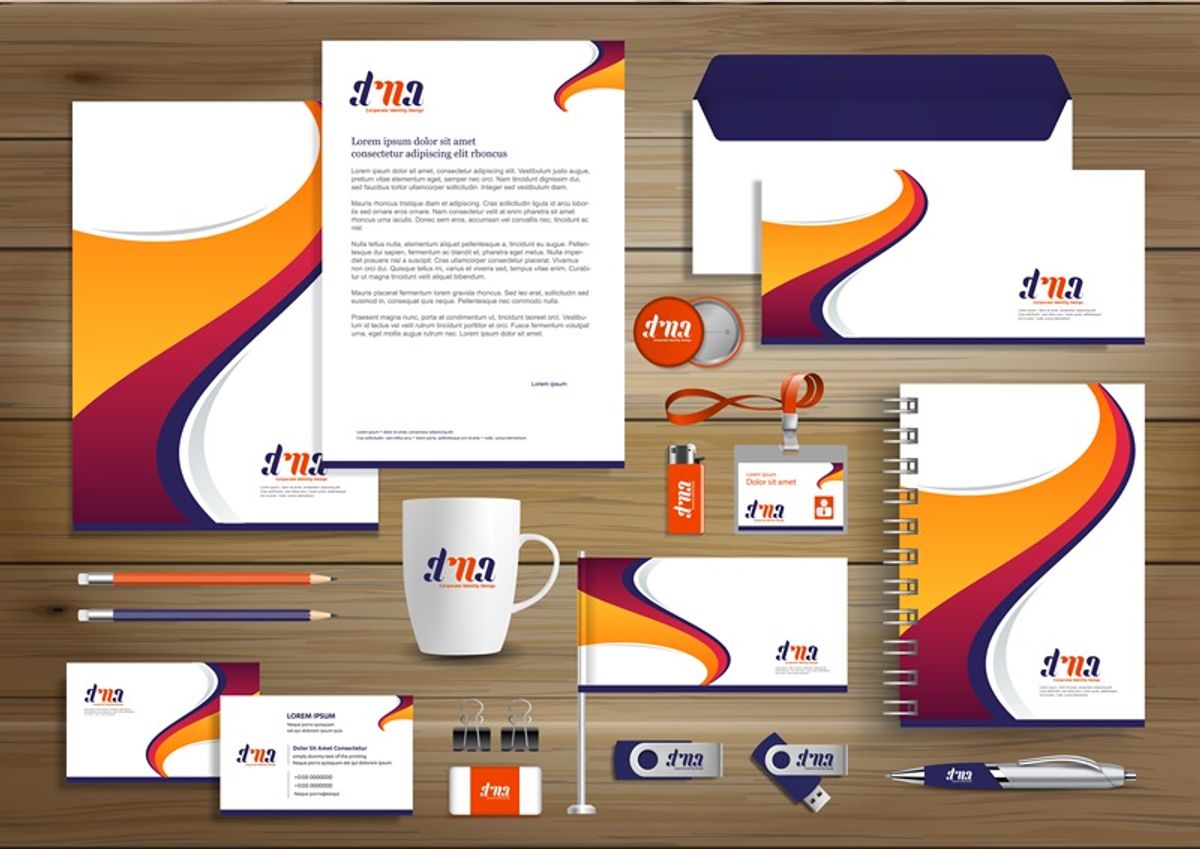
In the realm of visual storytelling, social media platforms are invaluable tools for brands to connect with their audience. Creating a visually cohesive feed is the first step towards establishing a brand’s visual narrative on platforms like Instagram. This involves curating content that aligns with the brand’s aesthetic and message, ensuring a consistent and recognizable presence.
Embracing multimedia content is essential; from images and videos to infographics, each format serves a unique purpose in engaging the audience. Collaborating with influencers can amplify a brand’s story, leveraging their followers and credibility to reach a wider audience.
Make your brand storytelling unforgettable by using feedback from your audience on social media. This direct engagement not only informs your content strategy but also fosters a sense of community and loyalty.
Encouraging brand advocacy through user-generated content (UGC) can humanize a brand and provide authentic narratives that resonate with consumers. This strategy not only showcases real-life applications of products or services but also builds trust through transparency.
Creating Engaging Video Content
In the realm of visual storytelling, creating engaging video content is a cornerstone for brand identity and marketing. Short, concise videos, often under two minutes, can significantly boost engagement and convey your brand’s story effectively. A compelling narrative is more important than high-end production; even a simple smartphone video can captivate your audience if it’s well-executed.
Emphasizing the narrative and ensuring clear audio and visuals can turn a basic video into a powerful brand tool.
Animation offers a versatile and attention-grabbing approach to video storytelling. Affordable tools now make it possible for startups and small businesses to create professional-looking animations without a hefty budget. Here are a few tips to enhance your video content:
- Focus on storytelling and the emotional journey
- Ensure clear, high-quality audio and visuals
- Use color grading and text overlays to evoke the desired emotions
- Consider animation to explain complex concepts or demonstrate products
Remember, visual strategies are crucial for brand identity, differentiation, and marketing success. Consistency, storytelling, and emotional connection through imagery and video are key elements for engaging and converting customers.
Designing Infographics and Visual Data
Infographics serve as a powerful tool to distill complex information into digestible, engaging visuals that enhance the brand’s narrative. When creating infographics, accuracy and clarity are paramount. Utilize concise language and compelling visuals to convey your message effectively.
For instance, consider the following steps to create an impactful infographic:
- Research and gather accurate, up-to-date data.
- Choose a clear, concise message for your infographic.
- Select strong visuals that complement your data and brand identity.
- Use design tools like Canva for templates and easy customization.
- Ensure your infographic is shareable and resonates with your audience.
By integrating infographics into your marketing strategy, you not only present data but also weave a visual story that can significantly boost engagement and understanding.
Remember, the goal is not just to display data, but to tell a story that aligns with your brand identity. Visual storytelling is key for brand identity, and understanding your audience is crucial. Consistent use of logos, colors, imagery, and innovation are vital for effective branding.
Building Emotional Connections Through Visuals

The Psychology Behind Color and Imagery
We live in an increasingly visual world where the power of imagery cannot be underestimated. Visual storytelling allows brands to convey complex ideas and emotions in a way that is immediate, visceral, and universally understood. Whether it’s through stunning photography, eye-catching infographics, or immersive videos, visual storytelling has the ability to captivate audiences and bring brand narratives to life in ways that words alone cannot.
The choice of colors used in a brand’s visual elements is critical. It’s typically the primary color that reflects the brand identity and desired emotional response. For call-to-action (CTA) buttons, a contrasting color is crucial for visibility and can significantly affect conversion rates.
For instance, a study by HubSpot found that a red CTA button outperformed a green one by 21%. This demonstrates the importance of color choices in web design and marketing. Consistent use of font and color schemes across all platforms can create a harmonious visual experience and increase users’ trust and perceived credibility, as found in a study by Stanford University.
Here are some key points to consider when selecting colors and imagery for your brand:
- Emotional impact: Different colors evoke different emotions. Choose colors that align with the emotional response you want to elicit from your audience.
- Brand consistency: Ensure that your color choices are consistent with your brand identity to create a cohesive and memorable experience.
- Visibility and conversion: Use contrasting colors for CTAs to make them stand out and improve conversion rates.
- Quality of imagery: High-quality and relevant imagery can enhance the visual appeal and create an emotional connection with the audience.
Humanizing Brands with Visual Narratives
In the realm of visual storytelling, the goal is to create a narrative that resonates on a human level. Brands that master this art form are able to weave visual elements into a story that speaks to the audience’s emotions, aspirations, and values. It’s akin to crafting a picture book or movie that not only captures attention but also fosters a deep connection with the viewer.
By humanizing their brand through visual narratives, companies can transform their identity from a corporate entity to a relatable character in their customers’ life stories.
Visual storytelling in branding is essential for conveying brand identity and values through compelling imagery and narratives, fostering emotional engagement and enhancing brand recognition and loyalty. Engagement is not just about broadcasting a message; it involves inviting the audience to participate and become part of the brand’s journey. This multi-sensory experience engages both the eyes and the ears, creating a rich sensory experience that is both memorable and impactful.
- Engagement: Inviting audience participation
- Multi-Sensory Experience: Combining visuals and narratives
- Memorable Impact: Creating lasting brand recognition
Utilizing User-Generated Content for Authenticity
In the realm of visual storytelling, user-generated content (UGC) stands as a testament to a brand’s authenticity. By showcasing real stories and visuals from customers, brands can foster a sense of community and trust. UGC not only serves as social proof but also amplifies the brand’s narrative through the lens of its audience.
Embrace authenticity and create emotional resonance by incorporating UGC into your brand’s visual narrative. This approach not only enhances credibility but also encourages further engagement and content creation from your audience.
Encouraging UGC requires a strategic approach. Here’s a simple list to get started:
- Identify and set clear goals for UGC
- Create a hashtag or campaign to centralize contributions
- Engage with contributors and show appreciation
- Feature outstanding UGC in your marketing materials
Remember, the goal is to maximize impact with high-quality, authentic visual content. Utilizing UGC effectively can lead to deeper engagement and a stronger brand identity.
Measuring the Impact of Visual Storytelling
Key Performance Indicators (KPIs) for Visual Content
In the realm of visual storytelling, Key Performance Indicators (KPIs) are essential for measuring the effectiveness of your content. These metrics provide insights into how well your visual narratives resonate with your audience and drive your brand’s objectives forward.
- Engagement Rate: Tracks how actively involved with your content your audience is.
- Conversion Rate: Measures the percentage of users who take a desired action after viewing your content.
- Click-Through Rate (CTR): Indicates the number of clicks on your content compared to the number of times it’s been shown.
- Social Shares: Reflects the virality and appeal of your content through the number of shares across social platforms.
By closely monitoring these KPIs, you can gauge the impact of your visual storytelling efforts and make data-driven decisions to optimize your strategy.
It’s important to remember that while KPIs can guide your strategy, the ultimate goal is to create a unique brand identity. Integrating video and animation can significantly enhance this identity, as they allow for a more dynamic and engaging way to present your brand’s message. Consistent visual storytelling is not just about aesthetics; it’s about crafting a narrative that embodies the essence of your brand and leaves a lasting impression on your audience.
Analyzing Audience Engagement and Response
To truly gauge the effectiveness of visual storytelling, analyzing audience engagement and response is crucial. Engagement metrics provide insights into how compelling your visual content is and whether it resonates with your target audience. Here are some key points to consider when assessing audience interaction:
- Engagement Rate: The percentage of viewers who interact with your content through likes, shares, comments, or other actions.
- View Duration: How long viewers watch your videos or interact with your visual content.
- Click-Through Rate (CTR): The ratio of users who click on a specific link to the number of total users who view a page, email, or advertisement.
By closely monitoring these metrics, brands can identify which visual stories captivate their audience and drive the desired actions.
Furthermore, it’s essential to engage with your audience by responding to comments, sharing user-generated content, and creating a dialogue. This not only strengthens the emotional connection but also encourages brand loyalty and advocacy. Remember, visual storytelling is not a one-way street; it’s an interactive experience that thrives on participation.
Adapting Strategies Based on Analytics Insights
Once the analytics have been thoroughly reviewed, it’s essential to adapt your visual storytelling strategies to the insights gained. This iterative process ensures that your brand’s visual content remains effective and engaging. For instance, if data shows that certain types of images resonate more with your audience, it’s wise to incorporate similar visuals in future campaigns.
- Review analytics to identify what works and what doesn’t
- Adjust visual elements based on audience preferences
- Test new strategies and measure their performance
By continuously refining your approach, you can maintain a dynamic and responsive brand identity that captivates your audience.
Remember, visual storytelling is crucial for brand identity, adapting strategies to industries, designing for memorability, and aligning with core values. Consistency and engagement are key for success. It’s not just about changing tactics; it’s about evolving with your audience and the market to keep your brand’s story fresh and relevant.
Case Studies: Success Stories of Visual Branding

Dissecting Successful Campaigns
When examining the landscape of successful visual branding, it’s clear that industry leaders set the standard for others to follow. For instance, Apple’s minimalist design not only conveys its products but also reflects its lifestyle and ethos. The key to their success is a combination of a clear narrative, strategic use of visuals, and engaging copy that resonates with their audience.
By analyzing successful campaigns, we can identify common threads that contribute to their effectiveness. These include a deep understanding of the target audience, the ability to evoke emotions through visuals, and the creation of a memorable brand experience.
Another noteworthy example is Adobe’s "Acrobat’s Got It" marketing campaign, which showcases the brand’s core differentiators through captivating video content. This approach not only highlights what makes Adobe special but also why customers should choose them over competitors.
Here’s a brief look at some of the elements that make these campaigns stand out:
- Clear and consistent messaging
- Innovative use of technology and design
- Strategic placement across various media channels
- Measurable results that demonstrate impact and engagement
By dissecting these successful campaigns, we gain valuable insights into the art of visual storytelling and how it can be harnessed to create a unique brand identity.
Lessons Learned from Visual Storytelling Missteps
While visual storytelling is a powerful tool in branding, it’s crucial to recognize when it may not serve the intended purpose. Avoiding unnecessary complexity is key; a cluttered visual can detract from the core message. It’s better to use simple, impactful imagery that aligns with the narrative.
-
When visuals distract, they can do more harm than good. If they don’t enhance understanding, they may not be worth including.
-
Resource constraints should be considered. High-quality visuals require time and effort. Without adequate resources, it’s preferable to opt for a simpler, well-executed story.
-
Testing and refinement are essential. Feedback and analytics can guide adjustments, ensuring the visual story resonates with the audience.
In the realm of visual storytelling, less can often mean more. Striking the right balance between visuals and text, and ensuring that every element serves the brand narrative, can turn potential missteps into strengths.
Future Trends in Visual Brand Identity
As we look towards the future, visual identity will continue to evolve with emerging trends and technologies. The year 2024 is already shaping up to be a transformative period for branding. A key trend is the shift towards minimalism and simplicity in design, with brands opting for cleaner and more straightforward logos and visuals. This approach not only aligns with contemporary aesthetic preferences but also enhances brand recognition.
Another significant trend is the integration of interactive elements into visual branding. Interactive websites, augmented reality experiences, and dynamic logos that change based on context are becoming more prevalent. These innovations offer a more engaging and personalized experience for consumers, fostering a deeper connection with the brand.
In the realm of social media, we’re seeing a surge in the use of user-generated content (UGC). Brands are leveraging UGC to create authentic and relatable visual narratives that resonate with audiences. This strategy not only provides fresh and diverse content but also builds community and trust around the brand.
The future of visual branding is not just about aesthetics; it’s about creating an immersive and interactive experience that tells a compelling story and forges an emotional bond with the audience.
To stay ahead, brands must be agile and adapt to these evolving trends, ensuring that their visual identity remains distinctive and relevant in a rapidly changing digital landscape.
Dive into our collection of case studies and discover the transformative power of visual branding. Each story is a testament to the meticulous craftsmanship and strategic insight that drive success in today’s digital landscape. Don’t just take our word for it; see for yourself how we’ve helped brands shine and stand out from the competition. Ready to elevate your brand’s visual identity? Visit our website and let’s create your success story together.
Conclusion
In the bustling marketplace of today, creating a unique brand identity is more crucial than ever, and visual storytelling has emerged as a powerful tool to achieve this goal. As we’ve explored, visual storytelling is not just about aesthetics; it’s about weaving a compelling narrative that resonates with your audience on an emotional level. By leveraging the power of visuals, brands can communicate complex ideas, showcase their personality, and create memorable experiences that engage and inspire. Whether through custom designs, strategic UX, or immersive content, the examples we’ve discussed demonstrate the effectiveness of visual storytelling in crafting a brand identity that stands out. As we move forward in an increasingly digital world, embracing visual storytelling will be key for brands looking to make a lasting impact and connect with their audiences in meaningful ways.
Frequently Asked Questions
What is visual storytelling in brand identity?
Visual storytelling in brand identity involves using compelling images, graphics, videos, and other visual media to craft a narrative that conveys the essence of a brand. It’s about creating a multi-sensory experience that connects with the audience on an emotional level and makes the brand memorable.
Why is visual storytelling important for marketing?
Visual storytelling is important for marketing because it captures attention in a crowded digital landscape, evokes emotions, and helps audiences remember and relate to the brand. It’s an effective way to convey complex messages quickly and can significantly enhance engagement and conversion rates.
How can visual storytelling build emotional connections with customers?
Visual storytelling builds emotional connections by using colors, imagery, and narratives that resonate with viewers’ experiences and values. It leverages the psychological impact of visuals to create a sense of familiarity, trust, and loyalty towards the brand.
What are some effective strategies for integrating visual storytelling in marketing?
Effective strategies include leveraging social media platforms for sharing visual content, creating engaging video content that tells a story, designing infographics that simplify complex data, and encouraging user-generated content to foster authenticity and community.
How do you measure the impact of visual storytelling on brand identity?
The impact of visual storytelling can be measured through key performance indicators such as audience engagement, social shares, conversion rates, and brand recall. Analyzing these metrics helps in understanding the effectiveness of visual content and refining marketing strategies.
Can you give examples of successful visual storytelling in brand marketing?
Successful examples include the use of thematic imagery in Apple’s product launches, Nike’s inspirational athlete stories, and Coca-Cola’s holiday campaigns that feature heartwarming visuals. These brands create consistent visual narratives that enhance their identity and connect with their audience.