Creating Unique Brand Identity through Visual Storytelling
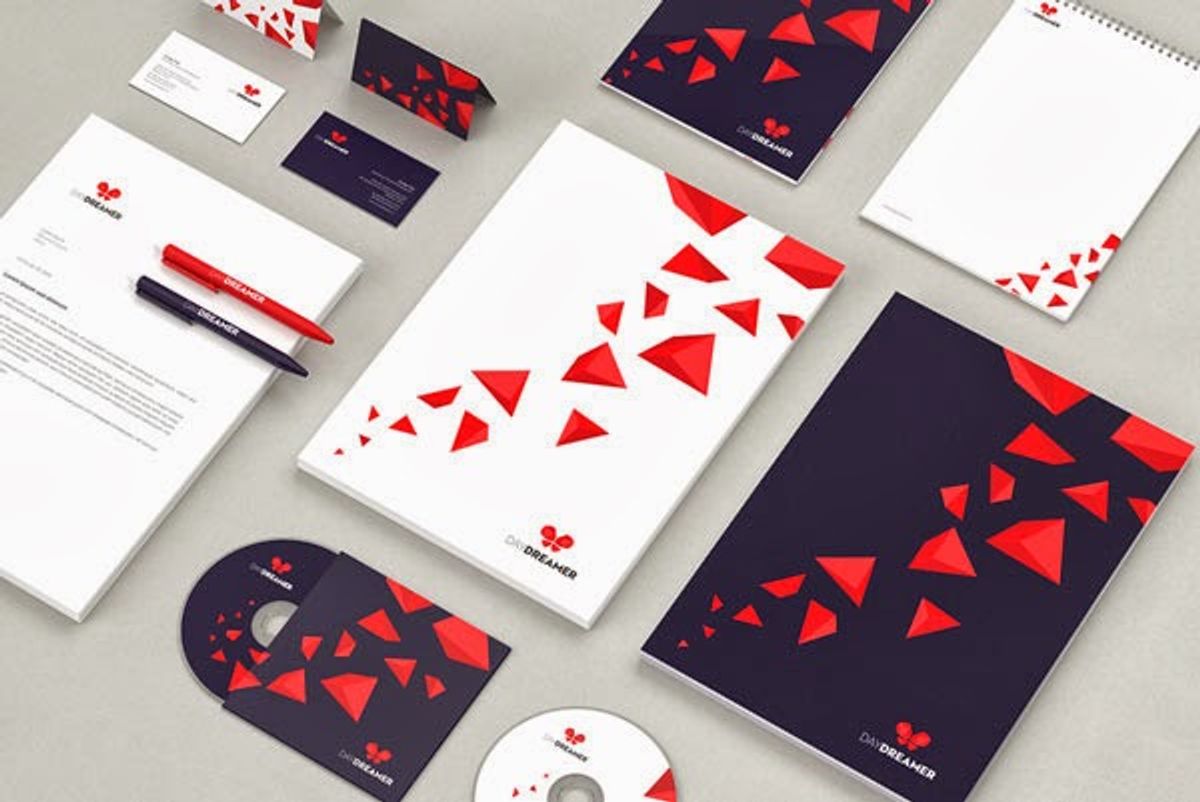
In the age of digital marketing, creating a unique brand identity is crucial for standing out in a crowded marketplace. Visual storytelling has emerged as a powerful technique to convey a brand’s narrative, connect emotionally with audiences, and build a loyal community. This article delves into the various aspects of visual storytelling and how it can be leveraged to craft a distinct and memorable brand identity.
Key Takeaways
- Visual storytelling in branding is essential for crafting a compelling brand narrative that resonates with audiences and fosters emotional engagement.
- Video content is a dominant force in marketing, offering brands the opportunity to connect with consumers in dynamic and impactful ways.
- User-generated content (UGC) enhances authenticity and trust, contributing to community building and brand loyalty.
- Maintaining visual consistency across all platforms is key to reinforcing brand recognition and ensuring a cohesive brand experience.
- Staying ahead of the curve with innovations like AR, VR, and personalized visual marketing can provide brands with a competitive edge.
The Art of Visual Storytelling in Branding

Crafting a Compelling Brand Narrative
Every brand has a unique story to tell, one that encapsulates its essence and connects with its audience on a personal level. Crafting a compelling brand narrative is not just about stringing together a series of events; it’s about weaving a tapestry of experiences that resonate with the core values and aspirations of the brand. This narrative becomes the foundation upon which all visual storytelling efforts are built, ensuring that each image, video, and graphic tells a part of the larger brand story.
By aligning your brand’s visual content with its core values and the sentiments of your target audience, you can create a deep emotional connection that resonates and drives brand loyalty.
Visual storytelling in branding is not a one-size-fits-all approach. It requires a strategic blend of creativity and technology, much like the services provided by AM2 Studio. Their data-driven approach and client testimonials showcase excellence in design and development, ensuring that the brand narrative is not only heard but also seen and felt across various platforms.
To effectively communicate your brand’s narrative, consider the following steps:
- Identify the core message and values of your brand.
- Develop a visual language that reflects these values.
- Create consistent and high-quality visual content.
- Engage with your audience through multimedia to foster emotional engagement.
- Measure the impact of your visual storytelling to refine and improve your strategy.
Leveraging Multimedia for Emotional Engagement
In the realm of branding, visual storytelling is a critical tool for emotional engagement. By utilizing a variety of multimedia elements, brands can create immersive narratives that resonate with their audience on a deeper level. This approach aligns imagery with brand values, fostering a meaningful narrative that enhances customer loyalty and connection.
Visuals have the power to evoke a wide range of emotions, and when these are strategically paired with a brand’s core values, the impact is profound. The right combination of images, videos, and other multimedia forms can establish a lasting emotional connect with the target audience, driving brand loyalty.
Crafting high-quality visual content is essential. Whether it’s through professional photography, videography, or graphic design, the production value of your visuals reflects your brand’s commitment to excellence.
Color psychology and composition are also vital components of visual storytelling. Strategic use of colors and compositional elements can guide perception and engagement, subtly influencing how the story is received by the audience. Personalization and customization of visual content further enhance the connection, making each interaction with the brand unique and memorable.
Consistency in Visual Language Across Platforms
Achieving visual consistency across various platforms is pivotal for establishing a strong brand identity. When customers interact with your brand, whether on social media, your website, or through marketing materials, they should encounter a harmonious visual language that reflects your brand’s core values and aesthetics.
A unified visual approach not only enhances brand recognition but also builds trust with your audience. It’s about creating a seamless experience that resonates with customers no matter where they engage with your brand.
To ensure consistency, consider the following steps:
- Establish a comprehensive brand style guide that outlines your visual elements, such as logos, color schemes, typography, and imagery.
- Utilize design and video editing software to maintain quality and coherence in all visual content.
- Regularly audit your visual presence across platforms to identify any discrepancies and make necessary adjustments.
Remember, consistency in design helps in creating a cohesive brand identity. Your brand should have a consistent look and feel across all platforms, from your website to social media accounts.
Harnessing the Power of Video Content

Embracing the Video Content Revolution
The video content revolution is reshaping the landscape of brand storytelling. With the human brain processing videos 60,000 times faster than text, incorporating video into your marketing strategy is not just beneficial; it’s imperative for creating lasting impressions and building stronger brand-customer relationships.
Video content has become the cornerstone of engaging and share-worthy marketing. It’s essential for brands to produce content that resonates with their audience, leveraging the power of visuals and sound to convey their message effectively.
To stay competitive, brands must adapt to the ever-evolving digital space where video-based platforms like YouTube, TikTok, and Instagram Reels dominate. Here are some key steps to consider:
- Understand your audience and tailor content to their preferences.
- Create immersive experiences that evoke emotions and encourage sharing.
- Measure the impact of your videos to refine and improve your strategy.
By embracing this revolution, brands can create immersive experiences that evoke emotions and engage viewers, balancing elements for effective communication and connection with the audience.
Integrating Video into Your Marketing Strategy
In the age of the video content revolution, integrating video into your marketing strategy is not just beneficial; it’s imperative for brand growth. Video content has the power to convey messages more effectively and forge stronger emotional connections with your audience.
To successfully integrate video into your marketing strategy, consider the following steps:
- Identify your goals: What do you want to achieve with your video content? Increase brand awareness, drive sales, or educate your audience?
- Understand your audience: Tailor your video content to the preferences and behaviors of your target demographic.
- Choose the right platforms: Different platforms cater to different audiences and content types. Select the ones that align with your brand and goals.
- Create a content calendar: Plan your video content in advance to maintain consistency and relevance.
- Measure performance: Use analytics to track the success of your videos and refine your strategy accordingly.
By aligning your video marketing strategy with your brand’s goals and audience insights, you can create content that resonates and drives engagement. Remember, the key is not just to create video content, but to create video content that tells your brand’s story in a compelling way.
Measuring the Impact of Video Storytelling
Understanding the effectiveness of video storytelling is crucial for refining marketing strategies and ensuring the best return on investment. One way to measure the impact of visual elements on your marketing campaigns is by tracking engagement metrics. These metrics provide valuable insights into how your audience interacts with your content.
To accurately assess the performance of video content, consider the following metrics:
- Engagement rates: How much of your video content is actually being watched and for how long.
- Click-through rates: The percentage of viewers who click on a call-to-action within or after watching your video.
- Bounce rates: The rate at which viewers leave after viewing only one page, indicating the relevance and stickiness of your content.
- Conversion rates: The number of viewers who take the desired action after watching your video.
By analyzing these metrics, brands can determine which aspects of their video content resonate with their audience and which areas need improvement. A/B testing different visuals can also provide valuable insights into what captures audience attention most effectively.
Remember, the goal is not just to tell a story, but to tell a story that engages, converts, and meets the strategic objectives of your brand.
User-Generated Content: Authenticity in Marketing
Encouraging Customer Participation
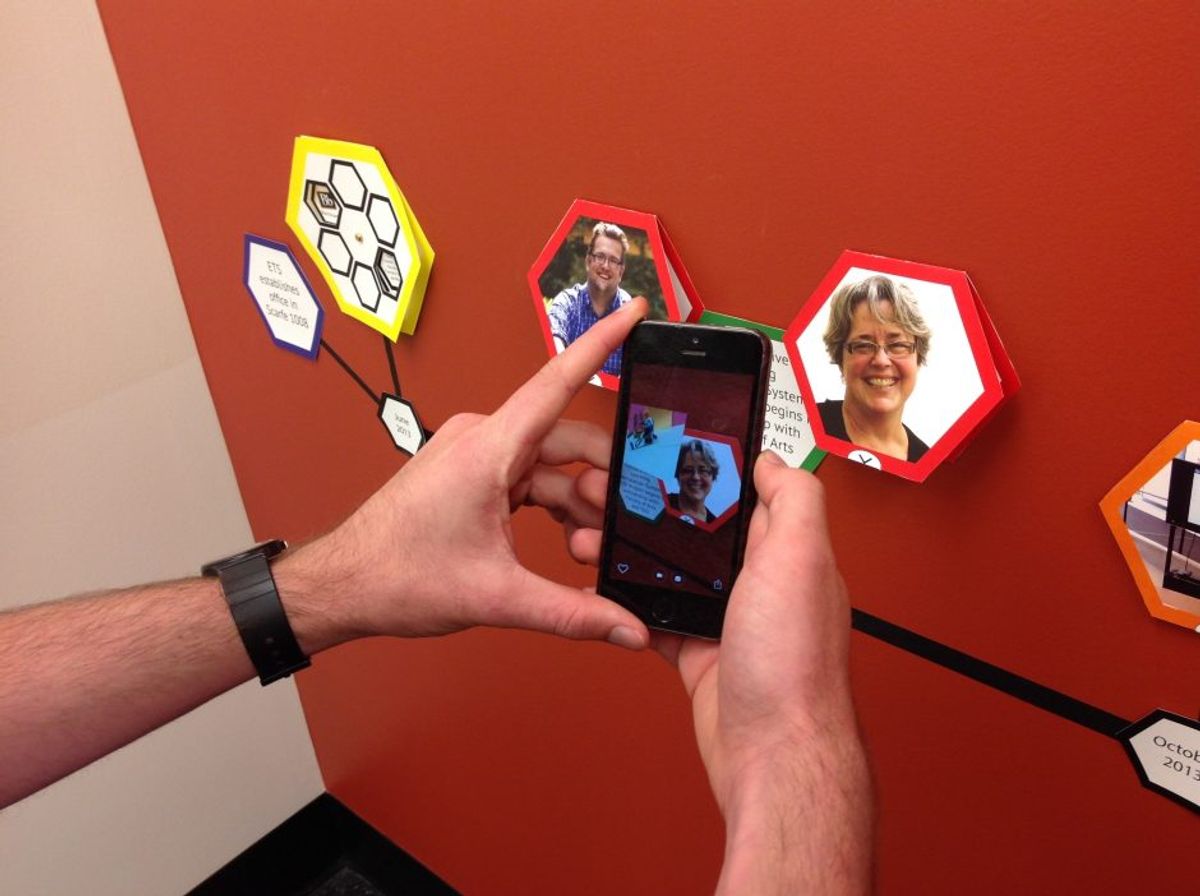
In the realm of visual storytelling, encouraging customer participation is a transformative strategy. By inviting customers to share their experiences with your brand through images and videos, you not only garner authentic content but also foster a vibrant community. This approach serves as a testament to the brand’s impact on real lives, providing powerful social proof that can sway potential customers.
- Create a hashtag for your brand’s campaign to track and showcase user-generated content.
- Host contests or challenges that prompt users to create content for a chance to win prizes.
- Feature customer stories on your website and social media to highlight real-world applications of your products.
- Provide tools or templates that make it easier for customers to create content aligned with your brand’s aesthetic.
By weaving user-generated content into your brand’s narrative, you create a tapestry of authentic experiences that resonate with both current and potential customers. This not only enhances trust but also solidifies your brand’s position in the market as one that values customer voices.
Encouraging sharing, engagement, and curation of content not only amplifies your brand’s narrative but also reinforces the consistency in visual storytelling. This is essential for brand recognition, as it ensures that the message remains cohesive and impactful across all customer touchpoints.
Building a Community Through Visuals
Visuals are not just a means of communication; they are the building blocks of a community. By encouraging customers to share their experiences with your brand through images and videos, you create a shared space where stories and values converge. This user-generated content (UGC) acts as a testament to your brand’s impact and fosters a sense of belonging among your audience.
The emotional connection that visuals can forge is unparalleled. When customers see real people using your products or engaging with your brand, it validates their choice to be part of your story. This authenticity is crucial for building trust and loyalty.
To effectively build a community through visuals, consider the following steps:
- Align your visual content with your brand’s core values.
- Encourage and incentivize customer participation in content creation.
- Showcase customer stories and testimonials prominently.
- Use social proof to influence new customers to join the community.
Remember, visuals can showcase statistics, explain a process, or simply provide information. Ensuring that your infographics and visual content are appealing and easy to understand will help solidify your brand’s narrative in the minds of your community.
Leveraging UGC for Brand Trust and Loyalty
In the digital age, user-generated content (UGC) has become a cornerstone of brand trust and loyalty. Customers sharing their experiences with a brand’s products or services not only provide authentic testimonials but also contribute to a collective brand narrative. This narrative, woven through the voices of real users, enhances credibility and fosters a sense of community.
- Encourage customers to share their stories and media.
- Highlight UGC in marketing campaigns.
- Respond to and engage with UGC to build relationships.
By integrating UGC into the brand’s visual storytelling, companies can create a more relatable and trustworthy image. This approach not only humanizes the brand but also empowers customers to become brand advocates.
It’s essential to maintain a balance between professional and user-generated content. While UGC adds a layer of authenticity, professional content ensures that the brand’s visual identity remains consistent and high-quality. Together, they form a powerful combination that can significantly boost consumer trust and loyalty.
Visual Consistency: The Key to Brand Recognition

Creating a Unified Visual Identity
Achieving a unified visual identity is fundamental to establishing a brand that is instantly recognizable and memorable. This involves a meticulous approach to design, ensuring that every visual element aligns with the brand’s core values and message.
- Craft a unique brand identity through visual storytelling, incorporating core brand values, characters, consistent design elements, and interactive features for engaging audience participation.
- Utilize design and video editing software to maintain a consistent brand aesthetic across various media.
- Implement a brand narrative through visuals to foster a loyal community of customers.
By aligning your brand’s visual content with its core values and the sentiments of your target audience, you can create a deep emotional connection that resonates and drives brand loyalty.
Visual consistency across platforms is not just about using the same colors and logos; it’s about creating a cohesive experience that reflects the brand’s personality and values. Whether it’s through your website, social media, or video content, each interaction should feel like a continuation of the story you are telling.
Maintaining Brand Aesthetics Across All Media
Achieving visual consistency is pivotal for a brand’s identity. It’s about ensuring that every piece of visual content, whether on your website, social media, or print materials, adheres to the same style guidelines. This uniformity helps customers recognize and feel familiar with your brand, no matter where they see it.
To maintain this consistency, consider the following steps:
- Inventory existing branding elements like logos and fonts.
- Define a clear style guide that includes color palettes and imagery.
- Regularly audit your visual content across platforms for adherence.
- Train your team on the importance of brand aesthetics.
- Utilize design and video editing software to streamline production.
By meticulously aligning your visual content with your brand’s core values and aesthetics, you create a cohesive experience that resonates with your audience and strengthens brand loyalty.
Remember, consistency in your visual narrative is not just about repetition; it’s about creating a seamless brand experience that tells your story effectively and memorably.
The Role of Design in Brand Perception
Design is not just about aesthetics; it’s a crucial factor in how consumers perceive and interact with a brand. The strategic use of design elements can significantly influence consumer behavior and brand recognition. For instance, color psychology can subtly affect moods and decisions, while the composition of visual elements guides the viewer’s focus and conveys the brand’s message effectively.
A well-crafted design strategy integrates the brand’s core values and narrative, ensuring that every visual touchpoint resonates with the audience and reinforces the brand identity.
To achieve visual consistency, brands must maintain a coherent design across all platforms. This includes a consistent use of logos, colors, and imagery that aligns with the brand’s narrative and values. By doing so, brands can create a strong visual identity that customers recognize and trust, leading to increased brand loyalty.
- Color Psychology: Influences emotions and behaviors
- Composition: Directs attention and tells a coherent story
- Consistency: Ensures recognizable brand identity
Understanding the audience is crucial for tailoring the design to resonate with them, and innovation in design keeps the brand relevant and engaging. As visual storytelling is key for brand identity, it’s vital that brands continuously evaluate and adapt their visual strategies to stay ahead in a competitive market.
Innovations in Visual Marketing: Staying Ahead of the Curve

Exploring AR and VR in Brand Experiences
The integration of augmented reality (AR) and virtual reality (VR) has revolutionized the way brands engage with their audiences. These technologies offer immersive and interactive content that goes beyond the flat landscape of traditional media, providing a personalized experience at scale.
- AR allows consumers to visualize products in their own environment before making a purchase, enhancing the decision-making process.
- VR transports users to a completely different setting, offering a unique way to experience a brand’s narrative.
By leveraging AR and VR, brands can create a distinctive and memorable brand identity that resonates with consumers on a deeper level.
Furthermore, AR and VR enable brands to tailor content to individual preferences, behaviors, and even locations, making marketing campaigns more effective and impactful. As these technologies continue to evolve, they will undoubtedly play a pivotal role in shaping the future of visual marketing and brand storytelling.
Personalization and Customization in Visual Content
In the realm of visual marketing, personalization and customization are not just buzzwords; they are the cornerstones of creating a unique brand identity that resonates with individual consumers. By leveraging advanced software tools, brands can tailor their visual content to reflect the preferences and behaviors of their audience segments, leading to higher engagement and conversion rates.
The ability to adapt visual content to the individual user is a game-changer in the digital landscape, offering a more intimate and relevant brand experience.
For instance, e-commerce platforms utilize recommendation engines to display products that align with a user’s browsing history, while video editing applications enable marketers to craft messages that speak directly to a viewer’s interests or needs. This level of customization not only enhances the user experience but also reinforces the emotional connect between the brand and its customers.
To effectively implement personalization in visual content, consider the following steps:
- Identify key audience segments and their unique preferences.
- Utilize design and video editing software to create adaptable content.
- Implement tracking tools to measure engagement and refine strategies.
- Encourage user-generated content to foster community and authenticity.
By embracing these practices, brands can create memorable designs and evolve their strategies to stay ahead in a competitive market, ensuring that their visual storytelling remains crucial for brand identity, adapting to industry trends, and engaging audiences emotionally.
Adapting to Emerging Visual Marketing Trends
As the landscape of visual marketing evolves, brands must stay agile and adapt to new trends to maintain relevance and engagement. The rapid advancement of technology has given rise to innovative marketing strategies that can significantly enhance brand storytelling.
- AI Tools: Fine-tuning the application of AI in marketing allows for more personalized and efficient customer interactions.
- High-Quality Content: Brands focusing on creating high-quality content are more likely to stand out and win customer loyalty.
- Strategic Design Choices: Going beyond aesthetics to make strategic design choices can create a deeper brand connection.
By embracing these trends, brands can craft narratives that resonate with evolving audience tastes, ensuring that their visual branding remains successful.
It’s crucial for marketers to not only keep an eye on current trends but also to anticipate future shifts in consumer behavior. This proactive approach can be the difference between a brand that thrives and one that falls behind. Remember, strategic design choices are not just about aesthetics; they are about creating a connection with your audience that is both relevant and engaging.
In the ever-evolving landscape of visual marketing, staying ahead of the curve is paramount. Our team at AM2 specializes in creating custom web design and development solutions that not only meet the current trends but also set new benchmarks. From WordPress Development to E-commerce optimization, we ensure your business stands out in the digital world. Don’t just take our word for it; our portfolio speaks volumes of our dedication and success. Ready to elevate your online presence? Visit our website and let’s craft a strategy that propels your brand to new heights.
Closing Thoughts
In the realm of brand building, visual storytelling emerges as a pivotal strategy for crafting a unique brand identity. It transcends mere aesthetics, weaving a narrative that resonates with audiences on an emotional level. The examples and insights discussed throughout this article underscore the potency of visuals in establishing brand recognition and fostering a loyal customer base. As we’ve seen, whether it’s through the immersive experiences of AR and VR, the authenticity of user-generated content, or the consistency of visual branding across platforms, the impact of well-executed visual storytelling is profound. Brands that harness this power effectively will not only captivate their audience but also secure a lasting place in the competitive market landscape. Remember, in the digital age, a picture is not just worth a thousand words—it’s a valuable currency in the economy of attention.
Frequently Asked Questions
What is visual storytelling in the context of branding?
Visual storytelling in branding involves using images, videos, and other visual media to craft a compelling narrative that embodies the brand’s values, mission, and personality. It’s a strategy designed to engage audiences emotionally and create a memorable brand identity.
How can video content enhance a brand’s identity?
Video content can bring a brand’s story to life, showcasing products or services in action, and providing a platform for customer testimonials. It’s a dynamic way to engage with audiences, offering an immersive experience that can evoke emotions and drive brand loyalty.
Why is user-generated content important for brands?
User-generated content (UGC) adds authenticity to a brand’s marketing efforts, as it comes directly from customers. It builds trust, fosters community, and serves as social proof that can influence potential customers to engage with the brand.
What role does visual consistency play in brand recognition?
Visual consistency across all platforms ensures that a brand is easily recognizable and memorable. It involves maintaining a uniform style, color palette, and tone in all visual content, which reinforces the brand’s identity and aids in building a strong brand image.
How are AR and VR changing the landscape of visual marketing?
AR and VR technologies are introducing new ways for brands to interact with consumers by creating immersive and interactive experiences. These technologies allow customers to ‘try before they buy’ and engage with products in a virtual space, enhancing the customer journey.
What are the best practices for measuring the success of visual marketing?
Measuring the success of visual marketing involves tracking analytics and key performance indicators (KPIs) such as engagement rates, click-through rates, conversion rates, and social shares. This data helps brands understand the impact of their visual content and optimize their strategies accordingly.