Creating Unique Brand Identity through Visual Storytelling
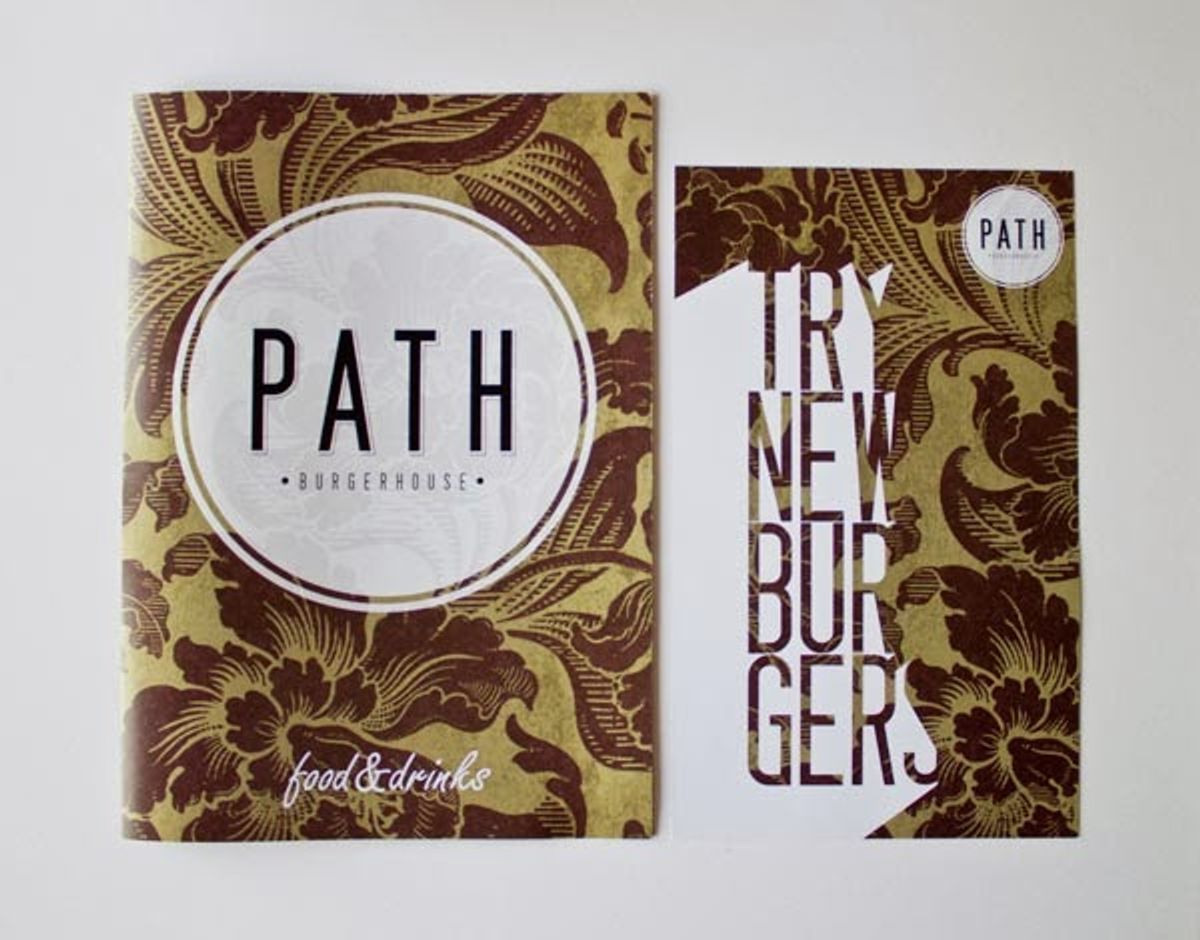
In the digital age, a brand’s visual identity is more than just a logo or color scheme; it’s a storytelling mechanism that can evoke emotions and create a lasting impression on consumers. Visual storytelling is a powerful tool that enables brands to differentiate themselves in a crowded marketplace, convey their values, and connect with their audience on a deeper level. This article explores the various facets of creating a unique brand identity through visual storytelling, offering insights into the art of visual narratives, the emotional impact of visuals, strategic asset use, digital platform optimization, and the measurement of visual storytelling’s impact.
Key Takeaways
- Visual storytelling is essential for crafting a brand identity that resonates with audiences and stands out in the digital landscape.
- Effective use of color, imagery, and design elements can build emotional connections with consumers and enhance brand recall.
- Consistency in visual branding across all platforms and assets is crucial for maintaining brand recognition and trust.
- Optimizing visual content for various digital platforms can significantly increase engagement and reinforce brand messaging.
- Measuring the effectiveness of visual storytelling through engagement metrics and performance analysis is vital for refining strategies and achieving brand objectives.
The Art of Visual Storytelling in Branding

Defining Your Brand’s Visual Language
The foundation of a unique brand identity is its visual language. Visual storytelling begins with the establishment of a visual language that is distinct and resonant with your brand’s core values. This language includes the use of specific colors, typography, imagery, and other design elements that together convey the essence of your brand to the audience.
To define your brand’s visual language, consider the following steps:
- Identify the emotions and values your brand represents.
- Choose colors and fonts that reflect these emotions and values.
- Develop a library of consistent imagery that supports your narrative.
- Create guidelines to maintain consistency across all visual media.
By crafting a visual language that is both consistent and adaptable, you can ensure that your brand remains relevant and engaging over time. It’s not just about aesthetics; it’s about creating a visual shorthand that communicates your brand’s story at a glance.
Remember, your visual language is a strategic tool that can help you stand out in a crowded marketplace. It’s the visual expression of your brand’s personality and should be used thoughtfully to create a lasting impression.
Crafting a Compelling Brand Narrative
Every brand has its own unique story that sets it apart from the competition. Crafting a compelling brand narrative is not just about creating content; it’s about weaving a story that embodies the brand’s values, mission, and vision. This narrative should be authentic, making emotional connections with the audience and ensuring consistent messaging across all platforms.
To craft a unique brand narrative, start by aligning visual elements with the core message. Use a combination of design elements that are consistent with the brand’s visual language and incorporate interactive elements to make the storytelling more engaging. Here’s a simple list to guide you through the process:
- Define the brand’s core values and mission
- Develop a visual language that reflects these values
- Create a storyline that connects with the target audience
- Use multimedia to add depth and interactivity to the story
- Ensure consistency in messaging across all channels
By focusing on these steps, brands can create narratives that not only inform but also inspire and resonate with their audiences. It’s not just about selling a product or service; it’s about sharing a vision that people can connect with on a deeper level.
Remember, a well-crafted brand narrative can convert passive viewers into loyal customers and advocates for the brand. It’s a strategic asset that, when done right, can lead to trust and ultimately, purchase decisions.
Leveraging Multimedia for Enhanced Engagement
In the realm of social media, visual storytelling is paramount to capturing audience attention. Multimedia elements such as images, videos, and infographics are not just embellishments; they are the driving force behind increased engagement and storytelling. For instance, platforms like Instagram and YouTube thrive on the power of visuals, where each post can significantly amplify a brand’s message.
By utilizing a variety of multimedia formats, brands can cater to different learning styles and preferences, ensuring that their message resonates with a broader audience.
Understanding the nuances of each platform is crucial. Not all social media channels measure engagement in the same way. Familiarizing oneself with the unique algorithms can make a substantial difference in the visibility and impact of content. Below is a list of best practices for creating engaging visuals:
- Investing in high-quality visual content to reflect brand standards
- Utilizing design and video editing software to enhance production value
- Simplifying complex concepts through visual media
- Crafting a consistent visual language across all platforms
In conclusion, the strategic use of multimedia can lead to a more compelling brand narrative and a stronger connection with the audience.
Building Emotional Connections with Visuals

The Psychology of Color in Branding
The strategic selection of colors is a powerful tool in branding, as color psychology can influence moods, behaviors, and decision-making processes. Establishing a cohesive color palette is a crucial step in building a recognizable brand identity. It’s essential to understand the connections between colors and the emotions they evoke to select hues that embody your brand’s values and message.
By leveraging the psychological effects of colors, brands can create a visually compelling narrative that subconsciously guides perception and engagement.
For instance, blue often conveys trust and dependability, making it a popular choice for financial institutions. In contrast, red can evoke excitement and urgency, frequently used in clearance sales. Here’s a brief overview of common color associations in branding:
- Blue: Trust, Dependability, Calm
- Red: Excitement, Urgency, Passion
- Green: Growth, Health, Renewal
- Yellow: Optimism, Clarity, Warmth
- Purple: Creativity, Luxury, Wisdom
- Black: Sophistication, Elegance, Power
Consistency in visual branding, including the use of color, builds trust and familiarity, helping audiences connect visual elements with the brand’s identity.
Imagery that Resonates with Target Audiences
To create imagery that resonates with target audiences, it’s essential to understand the diverse preferences and cultural nuances of different demographic segments. Age, gender, geographic location, and lifestyle all influence how imagery is perceived and which visual stories will be most effective.
- Understanding Your Audience: Tailor visuals to demographic preferences.
- Cultural Nuance: Incorporate cultural references that engage specific audience segments.
- Emotional Connection: Use images that evoke emotions aligned with your brand values.
Crafting visuals that speak directly to the heart of your audience can significantly amplify the impact of your brand’s message.
When visuals are carefully aligned with your brand’s core message, they create a multi-sensory experience that enhances brand recognition and connection. Tracking metrics such as likes, comments, and mentions can provide valuable insights into how well your visual storytelling is resonating with your audience. A spike in engagement often signals a successful emotional connection, which is a critical component of visual storytelling in branding.
Creating Shareable Visual Content
In the realm of visual storytelling, creating shareable visual content is a pivotal strategy for amplifying brand identity. Shareable content has the power to extend the reach of your brand’s narrative, fostering community and driving engagement. To achieve this, brands must focus on authenticity, crafting visuals that are not only eye-catching but also resonate deeply with their target audience.
- Keep it authentic: Authenticity is key in visual storytelling. Use real images, behind-the-scenes glimpses, and user-generated content to create a genuine connection with your audience.
- Use captions and hashtags: While visuals are powerful on their own, captions and hashtags can provide context, increase discoverability, and encourage engagement.
Visual storytelling is crucial for brand identity, requiring understanding of the audience, consistent branding elements, and innovation in response to trends and consumer behaviors.
Moreover, it’s essential to respect the rights and permissions associated with visual content. Utilizing reputable sources and ensuring proper permissions can safeguard your brand against legal complications. Tracking the number of social shares can serve as a good indicator of the impact and resonance of your visual storytelling efforts.
Strategic Use of Visual Assets
Designing Memorable Logos and Icons
The creation of logos and icons is a pivotal aspect of a brand’s visual identity. A logo is not just a symbol; it’s the face of the company and often the first point of interaction with the audience. Icons, on the other hand, play a crucial role in guiding users and enhancing the overall user experience. To design logos and icons that are both memorable and effective, consider the following steps:
- Understand the brand’s core values and mission.
- Research the industry and competitors’ visual identities.
- Sketch multiple concepts and iterate based on feedback.
- Choose colors and typography that align with the brand’s personality.
- Ensure scalability and versatility for different mediums.
When designing, it’s essential to balance simplicity with uniqueness. A logo should be easily recognizable, even when scaled down for a mobile app icon or social media avatar. Icons should be intuitive, conveying their function without the need for text.
Remember, the goal is to create visual elements that resonate with the brand’s target audience and stand the test of time. A well-designed logo and set of icons can significantly contribute to brand differentiation and growth.
Consistent Typography and Color Schemes
The visual consistency of typography and color schemes is pivotal in establishing a brand’s identity. When these elements are harmonized across all platforms, they create a seamless experience that fosters brand recognition and trust. Consistency in typography ensures that your brand’s voice is not only heard but also seen, reinforcing the message with every glance.
A cohesive visual strategy is not just about aesthetics; it’s about making a brand instantly recognizable and ensuring that every interaction reinforces the brand’s essence.
For example, consider the following aspects when evaluating your brand’s typography and color schemes:
- Font styles and weights should be selected to reflect the brand’s personality.
- Color palettes must be chosen not only for their visual appeal but also for their psychological impact.
- The use of type and color should be consistent across all marketing materials, from print to digital.
By adhering to these principles, a brand can craft a visual identity that resonates with its audience and stands the test of time.
Visual Guidelines for Brand Consistency
To establish a visual identity that is both distinctive and consistent, brands must develop visual guidelines that serve as a blueprint for all visual communications. These guidelines ensure that every piece of content, whether it’s a social media post, marketing material, or website design, aligns with the brand’s core values and aesthetic principles.
- Visual Consistency: Maintain a uniform style, color palette, and typography across all platforms.
- Asset Library: Create a centralized repository for logos, images, and other brand assets.
- Usage Rules: Define clear rules for how and when to use different visual elements.
- Adaptability: Allow for flexibility within the guidelines to accommodate various contexts and mediums.
By adhering to these visual guidelines, brands can create a cohesive and recognizable presence that resonates with audiences and builds brand equity. It’s not just about being visually appealing; it’s about being visually strategic.
Visual Storytelling Across Digital Platforms

Optimizing Visuals for Social Media Impact
In the realm of social media, visual storytelling is paramount to capturing the attention of your audience. Posts enriched with images or videos are proven to garner higher engagement rates, making it essential to integrate visual elements with brand messaging. To achieve this, one must understand the audience’s visual language and strive for consistency across platforms.
- Know your audience: Tailor visuals to their preferences and interests.
- Craft compelling brand narratives: Balance consistency with creativity.
- Measure and adapt: Track engagement to refine visual strategies.
By leveraging the power of visuals, brands can enhance their storytelling capabilities, improve brand awareness, and foster deeper connections with their audience.
Ultimately, the strategic use of visuals on social media not only boosts content reach but also serves as a critical tool for audience engagement. Crafting a compelling brand narrative and measuring the impact of your visuals are key steps in optimizing your social media presence.
Integrating Visuals into Website Design
In the realm of website design, visual storytelling is not just about aesthetics but also about enhancing user experience and interaction. Visual design elements like icons and interactive components are not mere decorations; they serve as standardized user interface components that communicate their clickable nature and meaning, ensuring a seamless and universally understood user interface.
Visual consistency across online platforms reinforces brand recognition and memorability.
To create a visually intuitive design, consider the following steps:
- Utilize visual communication skills to convey the interactive nature of elements.
- Integrate compelling calls-to-action within the visual content.
- Ensure visual consistency in style, color palette, and tone across all online platforms.
- Use website analytics tools to track the performance of visual content.
- Monitor conversion rates to determine if the visual storytelling is effectively motivating your audience to take action.
Video Storytelling for Online Marketing
In the digital age, video storytelling is not just an option; it’s a necessity for online marketing success. Videos have the unique ability to convey complex messages quickly, evoke emotional responses, and create a lasting impact on viewers. When used effectively, they can lead to a substantial increase in online sales, showcasing the persuasive power of visual storytelling.
To harness the full potential of video storytelling, it’s essential to understand the different stages of the sales process and tailor your content accordingly. Whether it’s a short tech explainer for brand awareness or a detailed product demo for the consideration stage, the format and narrative should align with your marketing goals.
Here are some steps to consider when integrating video into your marketing campaigns:
- Identify the core message and the most compelling way to present it.
- Develop a storyboard that outlines the sequence of events and key visuals.
- Choose the right platform to reach your target audience effectively.
- Measure performance and engagement to refine and improve future content.
Measuring the Impact of Visual Storytelling
Tracking Engagement and Brand Recall
Understanding the effectiveness of visual storytelling in branding is pivotal for refining strategies and achieving desired outcomes. Tracking engagement metrics is a fundamental approach to assess how audiences interact with visual content. These metrics can include likes, shares, comments, and the time spent on content, providing a clear picture of audience involvement.
By analyzing these engagement indicators, brands can determine which visual narratives resonate most with their audience and why.
Moreover, brand recall is a critical measure of success in visual storytelling. Surveys and interviews can reveal the extent to which an audience can remember and associate visual content with a brand. A high level of brand recall indicates a strong connection between the brand’s visual storytelling and its audience recognition.
To illustrate, consider the following table showing a simplified engagement metric analysis:
| Metric | Before Campaign | After Campaign | % Change |
|---|---|---|---|
| Likes | 1,000 | 1,500 | +50% |
| Shares | 300 | 450 | +50% |
| Comments | 150 | 225 | +50% |
| Time on Content | 2 min | 3 min | +50% |
This table demonstrates the potential impact of a successful visual storytelling campaign on audience engagement. By continuously monitoring these metrics, brands can adapt and evolve their visual strategies to maintain a dynamic and compelling brand presence.
Analyzing Visual Content Performance
To truly understand the impact of visual storytelling, analyzing the performance of visual content is crucial. Metrics such as engagement rates, click-through rates, and conversion rates offer insights into how effectively visuals are capturing attention and prompting action. A/B testing can further refine the understanding of what visuals resonate with your audience.
By leveraging website analytics tools like Google Analytics, businesses can dive into metrics like time on page and bounce rates, shedding light on user behavior and the effectiveness of visual content in driving conversions.
Here are some key metrics to consider when analyzing visual content performance:
- Engagement rates: Reflects the level of interaction with the content.
- Click-through rates: Indicates the percentage of viewers who click on a visual element.
- Bounce rates: Measures the rate at which new visitors leave the site after viewing only one page.
- Conversion rates: The percentage of visitors who take a desired action.
Integrating video and animation in your digital strategy can enhance the user experience and strengthen brand communication. It’s essential to align these multimedia elements with your brand values and ensure consistent incorporation for impactful visual branding.
Adapting Visual Strategies Based on Insights
In the dynamic landscape of visual branding, adapting your strategy based on insights is crucial for maintaining relevance and impact. By analyzing metrics such as audience engagement and conversion rates, brands can pinpoint what resonates with their audience. This process of continuous improvement involves several steps:
- Reviewing performance data to identify trends and patterns.
- Gathering customer feedback through surveys and social media interactions.
- Implementing A/B testing to compare different visual approaches.
- Refining content based on user interaction and feedback.
The key to successful adaptation is not just in collecting data, but in interpreting it to make informed, strategic decisions that enhance the visual narrative of your brand.
Moreover, it’s essential to recognize that adaptation is an ongoing process. As market trends shift and new technologies emerge, visual strategies should evolve to stay ahead of the curve. This proactive approach ensures that your brand’s visual storytelling remains fresh, engaging, and aligned with your audience’s preferences.
Visual storytelling has the power to captivate and engage audiences like no other medium. By harnessing the art of visual narrative, businesses can create compelling content that resonates with their audience and drives meaningful results. To truly measure the impact of your visual storytelling efforts, it’s essential to partner with experts who understand the intricacies of digital design and development. Visit our website to explore our range of services, including custom WordPress development, eCommerce solutions, and performance optimization, and let us help you tell your story in a way that not only looks great but also achieves your business goals. Don’t just take our word for it; see what our satisfied clients have to say and join the ranks of our successful partnerships. Take the first step towards enhancing your online presence by clicking the link below.
Conclusion
In the realm of brand building, visual storytelling emerges as a pivotal strategy for crafting a unique and memorable brand identity. By weaving together consistent visual branding, authentic representation, and emotional narratives, brands can connect with their audiences on a deeper level. The examples and strategies discussed throughout this article demonstrate the power of visuals in conveying a brand’s story, values, and personality. As we’ve seen with brands like Apple, investing in cohesive visual assets and embracing the evolving nature of brand identity can leave a lasting impression and foster brand loyalty. Whether through social media, marketing materials, or website content, the consistent application of visual storytelling principles is essential for brands aiming to stand out in a crowded marketplace and resonate with their target audience.
Frequently Asked Questions
What is visual storytelling in branding?
Visual storytelling in branding is the use of images, videos, and other visual media to convey a brand’s story, values, and personality. It helps create an emotional connection with the audience and differentiates the brand from competitors.
Why is visual storytelling important for brand identity?
Visual storytelling is crucial for brand identity as it provides a platform for brands to communicate their unique story and values in a compelling way. It helps in building a recognizable and memorable brand image that resonates with the target audience.
How can a brand define its visual language?
A brand can define its visual language by establishing a consistent visual style, color palette, typography, and imagery that reflects its personality and values. This language should be used consistently across all marketing channels.
What role do emotions play in visual branding?
Emotions play a significant role in visual branding as they help forge a deeper connection with the audience. The use of colors, imagery, and storytelling can evoke specific emotions and create a lasting impression of the brand.
How can consistency in visual assets enhance brand identity?
Consistency in visual assets like logos, icons, and color schemes ensures that the brand is easily recognizable and memorable. It builds trust and familiarity, which are key to establishing a strong brand identity.
What are some best practices for integrating visuals into digital platforms?
Best practices for integrating visuals into digital platforms include optimizing images and videos for each platform, maintaining brand consistency, creating shareable content, and using visuals to enhance user experience on websites and social media.