Creating Unique Brand Identity through Visual Storytelling

In the fast-paced world of branding, creating a unique brand identity is essential for standing out. Visual storytelling is a powerful tool that can convey your brand’s narrative, values, and personality in a way that resonates with your audience. This article will explore the intricacies of building a distinctive brand identity through visual elements, the psychology of design, and strategic storytelling.
Key Takeaways
- A strong brand identity aligns with the core values and mission of the business, ensuring a consistent and authentic message across all platforms.
- Compelling brand narratives and emotional connections through design are crucial for engaging audiences and fostering brand loyalty.
- The psychology of color, typography, and imagery plays a significant role in conveying subliminal messages and enhancing brand recognition.
- Logos serve as the visual keystone of a brand, requiring a balance between simplicity and complexity to be memorable and versatile.
- Long-term brand success hinges on integrating design with business strategy, maintaining adaptability, and evolving with the audience.
The Pillars of Brand Identity

Understanding Your Brand’s Core Values
At the heart of every strong brand lies a set of core values that define its essence and purpose. Understanding these values is the first step in creating a brand identity that resonates with your audience. It’s about digging deep to uncover what your brand stands for, its mission, and the principles it upholds. These values are the guiding stars that inform every aspect of your brand strategy, from product development to customer service.
Your brand’s personality should mirror its core values, whether it’s playful, professional, or empathetic. The tone of your brand voice may shift depending on the context, but it should always align with these fundamental beliefs.
By clearly defining your brand’s values and personality, you create a consistent and authentic experience that fosters trust and affinity. Remember, visual storytelling is key for brand identity, and understanding the audience is crucial. Consistent use of logos, colors, and imagery builds a cohesive brand. Innovation and adapting to trends are essential for future branding.
Developing a Cohesive Visual Language
A cohesive visual language is the foundation of a brand’s visual identity, encapsulating everything from color palettes to typography and imagery. It is the silent ambassador of your brand, conveying your message without words. To develop this language, start by choosing a color palette that reflects your brand’s values and resonates with your audience. Colors can evoke emotions and influence perceptions; for instance, bold colors may suggest innovation, while muted tones might imply sophistication.
Next, consider the typography. The fonts you select should complement your brand’s character and be legible across various applications. Similarly, imagery and iconography should be more than just decoration; they should reinforce your brand’s narrative and values. For example, a brand emphasizing simplicity might use clean lines and minimalist design elements.
Consistency in these visual elements is crucial. They should align with your brand’s core values and be used uniformly across all platforms to create a recognizable and memorable brand identity.
Remember, your visual language is not static. It should evolve with your brand while maintaining a consistent thread that your audience can follow. By doing so, you create a visual story that is uniquely yours, setting you apart in a crowded marketplace.
Ensuring Consistency Across All Platforms
To maintain a unified brand presence, it’s essential to ensure consistency across all platforms. This involves aligning your brand’s visual and verbal identity so that it is instantly recognizable, whether on your website, social media, or print materials.
Brand guidelines play a crucial role in this process. They serve as a blueprint for the representation of your brand, specifying the use of logos, color palettes, typography, and the tone of voice to be used in communications. These guidelines are not just for aesthetic uniformity; they also promote consistency and clarity in communication among internal teams, external partners, and vendors.
By selecting visual elements that align with your brand’s values and personality, you ensure consistency in how your brand is perceived across various touchpoints.
Moreover, embracing tools and processes that address complex design challenges can streamline workflows and ensure high-quality results within deadlines and budget constraints. This includes using AI to create an easily accessible brand guide, developing a strong brand story, and using color strategically to evoke the desired brand perception.
Crafting a Compelling Brand Narrative

Harnessing the Power of Storytelling
Storytelling is not just an art; it’s a strategic tool that can humanize your brand and set it apart in a crowded market. Brand storytelling is about sharing the journey of your brand, the problems you solve, and the impact you make. It’s about creating a narrative that’s not only heard but felt by your audience.
By crafting stories that resonate with human experiences, brands can evoke emotions that transcend the mere presentation of products or services. This emotional resonance is key to building lasting relationships with customers.
To effectively harness the power of storytelling, consider the following steps:
- Identify the core values and mission of your brand.
- Develop characters or mascots that embody these values.
- Share real-life challenges and triumphs related to your areas of expertise.
- Use a consistent tone and style that reflects your brand’s personality.
Remember, a compelling story can turn a casual observer into a loyal advocate. It’s about making your audience see themselves in your brand’s narrative, creating a sense of connection and empathy that fosters trust and loyalty.
Creating Emotional Connections Through Design
At the heart of every memorable brand is the ability to create emotional connections with its audience. This is achieved not just through the products or services offered, but through a design that resonates on a personal level. Stories have the power to evoke emotions that transcend the transactional nature of business, fostering empathy, trust, and loyalty.
By integrating relatability, engagement, authenticity, and consistency into visual storytelling, brands can enhance their identity and engage audiences on a deeper level.
A positive brand experience is more than just a pleasant interaction; it’s a series of memorable moments that build positive feelings and associations. These moments lead to a strong emotional bond between the customer and the brand, which is crucial for loyalty and advocacy. Here’s how a brand can ensure these connections:
- Weaving narratives that reflect human experiences
- Sharing authentic stories that resonate with the audience’s beliefs
- Creating cohesive brand experiences that drive engagement
Effective design is strategic, solving problems and telling a story. A design studio that understands your brand can integrate design into your overall business strategy, ensuring that every touchpoint with your audience strengthens the emotional connection.
Leveraging Case Studies and Success Stories
Case studies serve as a testament to the impact of visual storytelling in brand identity. They provide concrete examples of how brands have successfully integrated their core values and visual elements to connect with their audience. For instance, a study on a brand’s journey from obscurity to market leader can demonstrate the transformative power of a well-crafted brand narrative.
By showcasing real-world applications, case studies prove that a strategic approach to design and storytelling isn’t just theory—it’s effective practice.
These narratives often highlight pivotal moments where design choices made a significant difference in audience perception and engagement. Below is a list of key outcomes observed from various case studies:
- Enhanced brand recognition
- Increased customer loyalty
- Improved market positioning
- Higher engagement on digital platforms
Each outcome underscores the importance of aligning visual elements with the brand’s story to foster a strong, emotional connection with the audience. This alignment is crucial for differentiation in a crowded marketplace and for cultivating a loyal customer base.
Design Elements That Speak Volumes
The Psychology of Color in Branding
The strategic use of color in branding can be a powerful tool in shaping consumer perception and creating an emotional connection with the audience. Colors evoke emotions and can influence how a brand is perceived, whether it’s the trust inspired by a calming blue or the energetic appeal of a vibrant orange. A well-chosen color palette can communicate a brand’s core values and personality without saying a word.
By selecting visual elements that align with your brand’s values and personality, you ensure consistency in how your brand is perceived across various touchpoints.
Understanding the psychology behind color choices is essential for visual storytelling in branding. It’s not just about aesthetics; it’s about conveying the right message and evoking the desired response. Here’s a quick overview of common color associations in branding:
- Red: Excitement, passion, danger
- Blue: Trust, security, calm
- Yellow: Optimism, happiness, caution
- Green: Health, growth, tranquility
- Purple: Luxury, creativity, mystery
- Black: Sophistication, elegance, power
- White: Purity, simplicity, innocence
Incorporating these insights into your brand’s visual language is a step towards creating a unique and recognizable identity that resonates with your audience.
Typography and Its Subliminal Messaging
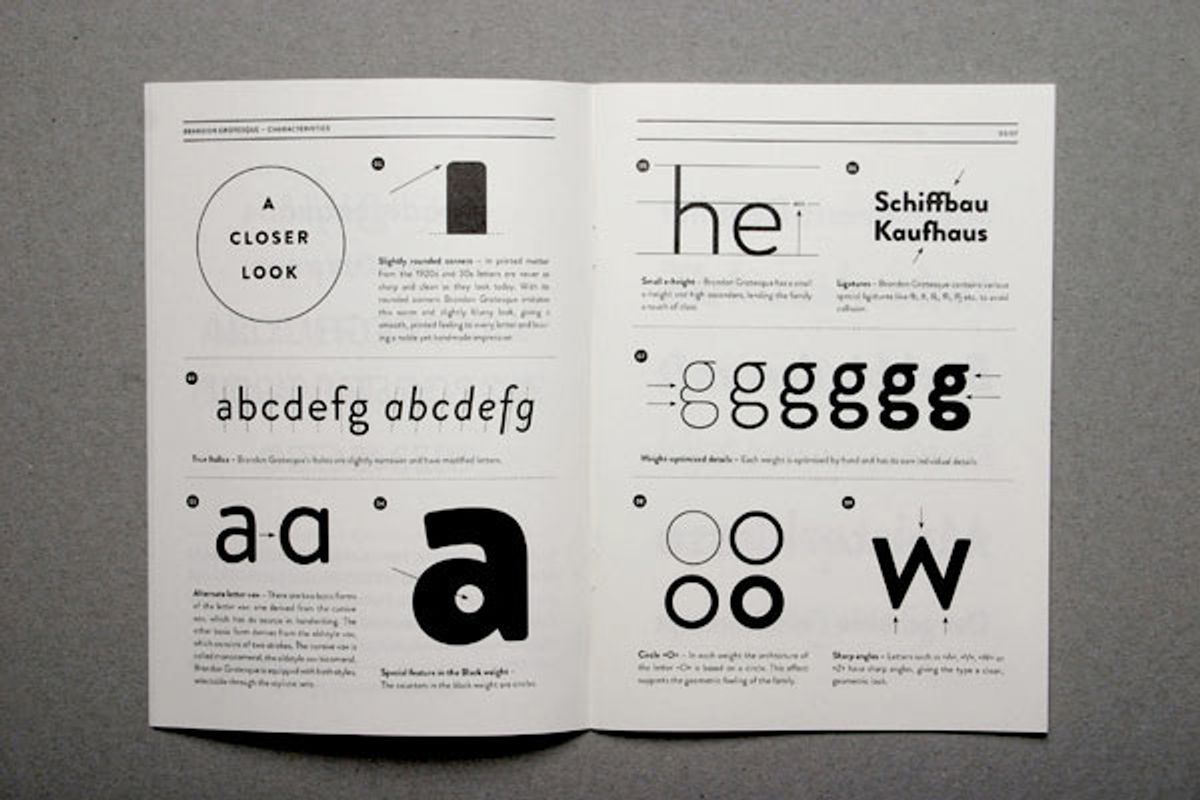
The choice of typography in branding is far from arbitrary; it’s a powerful tool that communicates more than just words. Fonts carry their own weight in conveying a brand’s personality—whether it’s the strength and boldness of a heavy sans-serif or the elegance of a flowing script.
Consistency in typography is not just about visual appeal; it’s about creating a seamless brand experience that fosters recognition and trust.
Selecting the right typography can establish a tone that resonates with the audience and reinforces the brand’s core message. For instance, a tech company might opt for a clean, modern font to express innovation, while a luxury brand might use ornate type to evoke exclusivity. Here’s a simple breakdown of font choices and their associated traits:
- Sans-serif fonts: Modern, clean, straightforward
- Serif fonts: Traditional, reliable, respectable
- Script fonts: Elegant, artistic, individualistic
Visual consistency and brand trust are crucial in branding. Establish brand guidelines for uniformity across digital and physical media. Use graphics and typography to engage and convey emotion effectively.
Imagery and Iconography: More Than Just Decoration
Imagery and iconography serve as the silent ambassadors of your brand, communicating values and ideas at a glance. Iconography is the use of symbols or images to represent an idea, concept, or brand, making it a cornerstone of visual storytelling. These visual elements are not mere embellishments; they are integral to conveying your brand’s unique narrative and personality.
Visual storytelling is crucial for brand identity, emphasizing consistency in logos, colors, and imagery. Crafting a narrative through design involves strategic use of elements to convey emotion and message effectively.
When chosen with intention, imagery and icons can evoke emotions and communicate messages that resonate deeply with your audience. Consider the following aspects when integrating these elements into your brand identity:
- Relevance: Ensure that each visual element is aligned with your brand’s core values and message.
- Consistency: Maintain a cohesive look across all platforms to reinforce brand recognition.
- Cultural Sensitivity: Be mindful of cultural symbols and their meanings to avoid misinterpretation.
- Scalability: Icons and images should be clear and recognizable at any size, from a tiny favicon to a large billboard.
The Role of Logos in Brand Recognition
Designing for Memorability and Versatility
A logo serves as the face of a brand, and its design is pivotal in making a lasting impression. A memorable logo is one that is instantly recognizable, evoking the brand’s essence with a simple glance. Versatility, on the other hand, ensures that the logo maintains its integrity across various mediums and scales, from a tiny favicon to a massive billboard.
To achieve both memorability and versatility in logo design, consider the following points:
- Simplicity: A simple design is often more memorable and easily adaptable.
- Distinctiveness: Unique features help a logo stand out in a crowded market.
- Timelessness: Avoiding trends can lead to a design that endures over time.
- Scalability: A logo should be legible and effective at any size.
- Relevance: The design must align with the brand’s core values and audience expectations.
By crafting a logo that embodies these qualities, you create a visual anchor for your brand narrative, seamlessly integrating your identity into the customer’s experience. This strategic approach to logo design not only enhances brand recall but also supports the broader goal of building a cohesive and enduring brand identity.
Remember, the goal is not just to create a logo but to forge a symbol that encapsulates the brand’s story, resonating with the audience on a deeper level. This is where the art of visual storytelling intersects with the science of design, resulting in a logo that is both a mark of identity and a medium for communication.
The Evolution of Logo Design in Branding
The evolution of logo design has been a fascinating journey, reflecting the changing tastes, technologies, and branding strategies over time. From intricate emblems to minimalist marks, logos have continuously adapted to remain effective communicators of brand identity.
- Early Logos: Often detailed and ornate, representing the company’s craftsmanship.
- Mid-20th Century: Shift towards simplicity and abstraction, influenced by modernist design principles.
- Digital Age: Emphasis on scalability and versatility for various media platforms.
The significance of logo evolution is not just about aesthetic changes; it’s about staying relevant and resonant with the audience.
As we look at the trajectory of logo design, it’s clear that the most successful logos are those that can stand the test of time while still being flexible enough to undergo subtle updates. This ensures that a brand remains fresh and current without losing the recognition and equity built over the years.
Balancing Simplicity and Complexity in Logo Creation
In the realm of logo design, the balance between simplicity and complexity is a delicate dance. A logo must be simple enough to be memorable, yet complex enough to convey the brand’s essence. This equilibrium is not just about aesthetics; it’s about embedding the brand’s message within a visual mark that resonates with audiences.
The logo serves as a visual cornerstone, encapsulating the brand’s identity in a form that should be versatile and reflective of the brand’s personality.
Consider the following elements when creating your logo:
- Visual Elements: Patterns, icons, and imagery that align with your brand’s message.
- Typography: Fonts that match your brand’s voice and tone.
- Color: Choices that evoke the desired emotional response and brand perception.
Remember, consistency in your visual identity across all platforms fosters brand recognition and loyalty. By selecting visual elements that align with your brand’s values and personality, you ensure a cohesive and powerful brand narrative.
Strategic Design and Brand Longevity
Integrating Design with Business Strategy
Integrating design into your business strategy is not just about creating an attractive brand; it’s about constructing a visual narrative that aligns with your company’s goals and resonates with your audience. Effective design is a strategic asset that can differentiate your brand in a competitive market and foster long-term customer loyalty.
- Discovery: Understanding the brand’s mission, vision, and values.
- Strategy Development: Crafting a roadmap that aligns design with business objectives.
- Design Execution: Creating visual elements that embody the brand’s strategy.
- Evaluation and Iteration: Continuously refining the design to ensure it meets business goals.
Visual strategy is crucial for brand differentiation and growth. Unique visuals, cohesive design, and storytelling enhance brand identity and customer engagement, driving business success.
By considering design as an integral part of your business strategy, you ensure that every visual touchpoint communicates your brand’s core message and values. This approach not only enhances the user experience but also contributes to a robust and adaptable brand identity that can evolve with your audience and the market.
Building a Brand That Grows with Your Audience
A brand that evolves alongside its audience is one that remains relevant and competitive. Successful brands prioritize seamless processes, good communication, and consistency in visual storytelling to foster customer loyalty. Understanding audience preferences and leveraging user-generated content are key practices that help a brand stay in tune with its consumers’ evolving needs.
- Align visuals with values to reflect the brand’s core message.
- Utilize blogs, Instagram, and podcasts as platforms for dynamic narrative.
- Incorporate case studies and success stories to demonstrate brand impact.
By maintaining a cohesive brand narrative and adapting to audience shifts, a brand can ensure its longevity and continued resonance with its target market. The importance of a dynamic narrative that grows with the audience cannot be overstated.
It’s essential for brands to not only listen to their audience but also to anticipate future trends and preferences. This proactive approach allows for the creation of a visual identity that is both adaptable and authentic, ensuring that the brand remains a staple in the lives of its consumers.
The Importance of Adaptability in Visual Identity
In the ever-evolving landscape of branding, adaptability is paramount for a visual identity that endures. A brand’s visual elements, including its logo, must be flexible enough to grow and evolve with the brand’s journey. It’s about maintaining clarity and impact regardless of scale, ensuring that the logo’s capability to adapt is always at the forefront of design considerations.
Adaptability in visual identity is not just about being able to change; it’s about evolving with purpose and intention, ensuring that every iteration of the brand’s visuals remains true to its core values while staying relevant and engaging to the audience.
Consistency is key when establishing a strong brand identity, but flexibility is equally important. Being consistent yet flexible allows a brand to maintain its essence while navigating new markets, trends, and consumer expectations. This balance is crucial for a brand’s longevity and success.
- Visual Elements: Patterns, icons, and imagery should complement the brand’s messaging.
- Typography: Choose fonts that reflect the brand’s voice and are readable across various mediums.
- Logo: Ensure the logo is memorable, versatile, and reflective of the brand’s personality.
In the realm of digital presence, strategic design is not just about aesthetics; it’s about crafting a lasting brand identity that resonates with your audience. At our agency, we specialize in WordPress Development, eCommerce solutions, and custom web design that ensure your brand stands out and endures the test of time. Don’t let your business fade into the background. Visit our website to explore our services and see how we can elevate your brand to new heights. Let’s create something timeless together.
Conclusion
In the realm of brand identity, visual storytelling emerges as a potent force, capable of weaving together the essence of a brand with the fabric of its audience’s experiences. As we’ve explored, the journey of creating a unique brand identity is intricate, blending strategy, psychology, and design into a cohesive narrative that resonates deeply with consumers. From the foundational brand strategy to the nuanced selection of visual elements like logos, typography, and imagery, every choice is a brushstroke in the larger picture of your brand’s story. By embracing this holistic approach and partnering with design studios that align with your vision, you can craft a visual identity that not only stands out in a crowded marketplace but also fosters a lasting connection with your audience. Remember, the goal is not just to be seen, but to be remembered and cherished, turning first-time viewers into lifelong advocates for your brand.
Frequently Asked Questions
What are the key components of a unique brand identity?
The key components of a unique brand identity include a clear understanding of the brand’s core values, a cohesive visual language, consistency across all platforms, a compelling brand narrative, and strategic use of design elements like color, typography, and imagery.
How does visual storytelling enhance brand identity?
Visual storytelling enhances brand identity by creating emotional connections with the audience, conveying the brand’s message in an engaging way, and differentiating the brand from competitors through memorable visual narratives.
Why is consistency important in brand identity?
Consistency is important in brand identity because it reinforces brand recognition, builds trust with the audience, and ensures that the brand’s message is communicated clearly and effectively across all touchpoints.
What role does color psychology play in branding?
Color psychology plays a significant role in branding by influencing perceptions and emotions, shaping consumer behavior, and helping to convey the brand’s personality and values through strategic color choices.
How can a logo impact brand recognition?
A logo can impact brand recognition by serving as a visual symbol that encapsulates the brand’s essence, making it easily identifiable and memorable, and fostering brand loyalty through consistent exposure.
What is the importance of adaptability in visual identity?
Adaptability in visual identity is crucial for a brand’s longevity as it allows the brand to evolve with changing market trends, consumer preferences, and technological advancements, while maintaining its core identity.