Creating Unique Brand Identity through Visual Storytelling
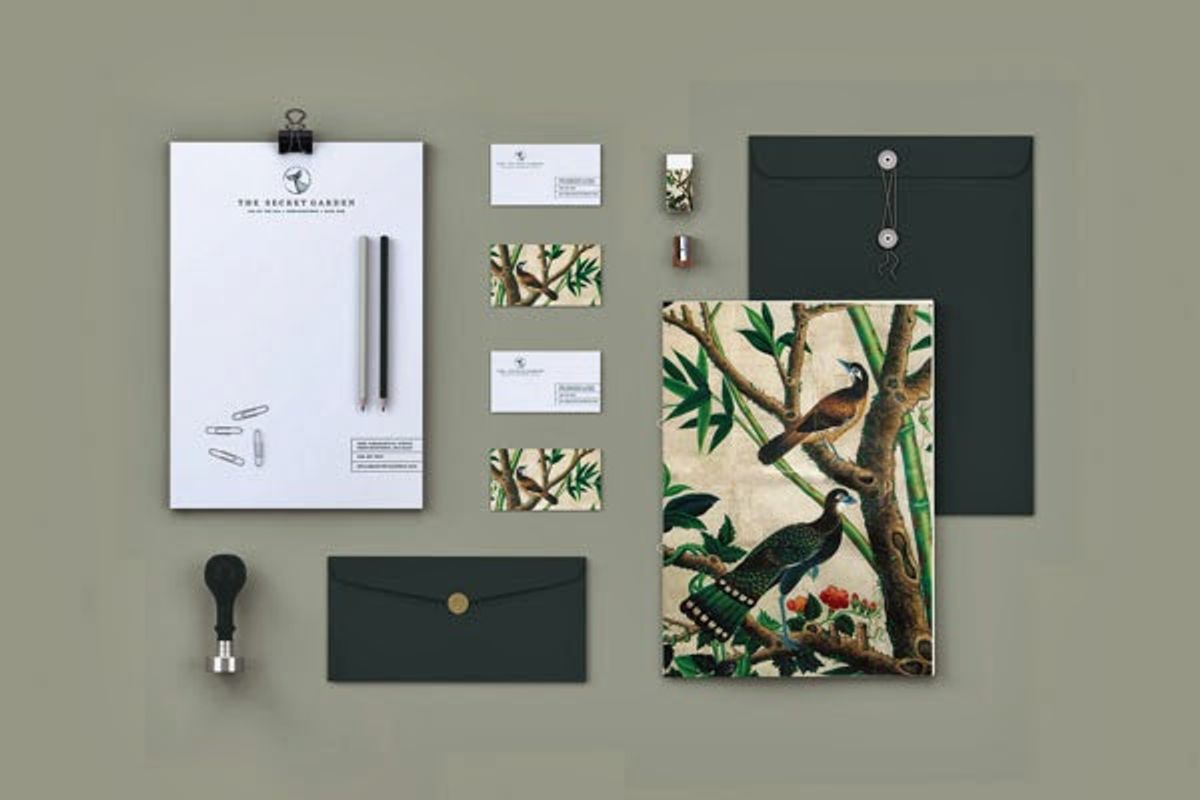
In the bustling marketplace, brands vie for attention, and those that tell a compelling story stand out. Visual storytelling in branding is not just about aesthetics; it’s a strategic approach to crafting a brand identity that resonates with audiences on an emotional level. This article delves into the techniques and benefits of integrating storytelling into visual branding, offering insights into how it can create a unique and memorable brand identity.
Key Takeaways
- Visual storytelling is crucial for creating a brand identity that emotionally engages and resonates with the target audience.
- Consistent visual messaging across all platforms strengthens brand recognition and fosters trust with consumers.
- Incorporating customer success stories and behind-the-scenes content humanizes the brand and builds deeper connections.
- Illustrations can simplify complex concepts and convey brand values, aiding in differentiation in a competitive market.
- Measuring the success of visual storytelling involves analyzing engagement metrics and gathering consumer feedback to refine the brand narrative.
The Art of Visual Storytelling in Branding

Crafting a Narrative with Visual Elements
In the realm of branding, visual storytelling is akin to painting a vivid picture that captures the essence of your brand’s journey and values. It’s about creating a cohesive narrative using imagery, color schemes, typography, and other visual elements that collectively convey your brand’s unique story.
By meticulously selecting and combining these elements, brands can craft a narrative that not only informs but also emotionally connects with their audience.
Visual storytelling transcends mere aesthetics; it strategically aligns with the brand’s mission and communicates a message that resonates with the target audience. For instance, a brand might use a consistent color palette across all platforms to evoke a specific emotion or highlight a particular aspect of their brand personality.
To effectively craft a visual narrative, consider the following steps:
- Define your brand’s core message and values.
- Choose visual elements that reflect your brand’s identity.
- Develop a visual consistency that is recognizable and memorable.
- Integrate storytelling into every aspect of your visual branding, from website design to social media posts.
AM2 Studio’s approach to web development exemplifies the power of a well-crafted visual narrative. Their focus on strategic planning, creative design, and cutting-edge technology ensures that each digital experience is not only unique but also deeply rooted in the brand’s story, guaranteeing client satisfaction and success.
Emotional Engagement through Visuals
Visual storytelling is a potent tool for emotional engagement, creating a bond between the brand and its audience. Through the strategic use of illustrations and other visual elements, brands can evoke feelings that resonate with consumers, prompting them to take action. This connection is not only about the immediate response but also about fostering long-term loyalty and advocacy.
Emotional triggers in visual content can significantly enhance recall and brand recognition. When consumers form an emotional connection with a brand, they are more likely to remember and choose it over competitors.
In the realm of social media, premium visual content is essential. Engaging videos and captivating images can elevate a brand’s perception, making it stand out in a crowded digital landscape. Below is a list of best practices for visual storytelling on social media:
- Utilize compelling imagery that aligns with your brand narrative.
- Incorporate videos that tell a story and engage viewers.
- Consistently use visual elements that reflect your brand’s identity.
- Measure engagement to understand what resonates with your audience.
Consistency in Visual Messaging
Achieving a consistent visual identity across various platforms is a cornerstone of effective branding. It’s not just about using the same logo or color scheme; it’s about creating a cohesive experience that resonates with your audience at every touchpoint. This consistency extends to fonts, imagery, and even the tone of messaging, ensuring that your brand is instantly recognizable and reliable.
Consistency in visual storytelling is not a one-time effort but an ongoing commitment. It requires regular monitoring and updates to maintain alignment with your brand’s evolving story and the dynamic market landscape.
To ensure consistency, consider the following steps:
- Establish clear brand guidelines that detail the use of visual elements.
- Train your team on these guidelines to ensure uniform application across all materials.
- Regularly review and refresh your visual assets to keep your brand current and engaging.
Remember, visual storytelling is key for brand identity, and understanding your audience is crucial. Consistent use of logos, colors, imagery, and tech innovation are vital for effective branding.
Strategies for Integrating Storytelling into Brand Identity

Developing a Brand Story Framework
A brand story framework is the backbone of your brand’s narrative, providing a structured approach to conveying your identity and values to the audience. It’s essential to start by answering key questions about your brand’s mission, vision, and the emotions you want to evoke. This process can be guided by a template, such as the one outlined in the guide ‘How to Create your Brand Story in 2024’, which prompts you to answer 11 critical questions to shape your narrative.
Crafting a unique visual identity is not just about aesthetics; it’s about weaving a narrative that resonates with your audience. Consistent design elements and interactive features are vital in engaging viewers effectively and should be integral to your brand story framework.
Once the foundation is set, the framework serves as a guide for all visual storytelling efforts. It ensures that every piece of content aligns with the overarching narrative and maintains a cohesive brand identity across all platforms. Remember, your brand is like the main character in a story—it should be compelling and memorable to keep your audience engaged and invested in your journey.
Leveraging Customer Success Stories
Customer success stories are a testament to a brand’s impact and can serve as a powerful component of visual storytelling. By showcasing real-life examples of customer satisfaction and achievement, brands can foster trust and authenticity. These narratives not only highlight the benefits of products or services but also humanize the brand, making it more relatable to potential customers.
When customers share their experiences, they provide social proof that resonates with prospects. This form of endorsement is invaluable as it comes from a genuine place of appreciation and satisfaction.
To effectively leverage these stories, consider the following steps:
- Identify customers who have had positive experiences with your brand.
- Collaborate with them to create compelling visual narratives.
- Share these stories across various platforms to reach a wider audience.
- Monitor the response and engagement to these stories to gauge their impact.
Remember, the goal is to create a connection with your audience by presenting relatable and aspirational stories that embody the essence of your brand.
Behind-the-Scenes: Humanizing the Brand
Taking the audience behind the scenes is a powerful way to humanize a brand and foster a deeper connection. By showcasing the people and processes behind the products, customers gain insight into the brand’s values and culture. This transparency builds trust and adds a layer of relatability that can be the difference between a one-time purchase and a lifelong customer.
- Share stories of employees and their roles
- Highlight the creation process of products
- Reveal the brand’s commitment to social and environmental responsibility
Brands that peel back the curtain invite consumers into their world, creating a sense of belonging and partnership. It’s not just about the end product; it’s about the journey and the values that drive the company forward.
Case studies and customer testimonials are effective tools for illustrating the impact of a brand’s narrative. They demonstrate how the brand’s story resonates with and enriches the customer experience, leading to increased engagement and distinguishing the brand in a competitive market. Aligning visual identity with brand values ensures a lasting impression on the audience.
Illustrations: A Canvas for Brand Stories

Conveying Complex Concepts with Simplicity
In the realm of branding, the power of illustrations lies in their ability to distill complex ideas into clear and engaging visuals. This simplicity is not just about aesthetics; it’s about making the brand’s message accessible to a wider audience. For instance, infographics are a prime example of how data and narratives can be woven into a single image, enhancing comprehension and retention.
By leveraging illustrations, brands can create a visual shorthand that communicates their story more effectively than words alone. This visual language can bridge the gap between the brand and its audience, turning intricate concepts into relatable stories.
Illustrations also play a crucial role in user experience, particularly in guiding customers through a digital landscape. A well-designed illustration can illuminate the path to purchase, reducing confusion and smoothing out the user journey. Here’s how illustrations can enhance the user experience:
- Improves user understanding: Visual narratives can clarify complex processes, much like IKEA’s assembly instructions that transform a daunting task into a simple step-by-step story.
- Simplifies the user journey: Strategic placement of visual cues in digital interfaces can lead users intuitively, preventing frustration and drop-offs.
- Demystifies data: Infographics translate statistics and processes into visually appealing and easily digestible formats, encouraging engagement.
Ultimately, the goal is to create a seamless experience where the customer feels informed and confident in their interactions with the brand. The impact of illustration in modern advertising is a testament to its effectiveness in not only capturing attention but also in enhancing the overall brand identity.
Illustrations that Resonate with Target Audiences
Illustrations have the power to transform abstract brand concepts into tangible visual stories, making the brand’s core messages more accessible and engaging. This not only aids in attracting new customers but also in retaining existing ones by reinforcing their connection to the brand through familiar and beloved visual elements.
Illustrations offer the flexibility to communicate brand values and personality in a way that is immediately apparent to the viewer. This visual representation enables brands to differentiate themselves, not just through the products or services they offer, but through the emotions and experiences they evoke in their marketing narratives.
By leveraging illustrations that align with the brand’s identity and message, companies can create a memorable and enjoyable user experience that encourages repeated interactions. Here’s how illustrations can be strategically incorporated into marketing materials:
- Tailoring to appeal to specific demographics
- Humanizing the brand to make it more relatable
- Conveying a wide range of emotions to align with the emotional state or aspirations of the target audience
- Creating an emotional connection to motivate consumers to take action
Visual storytelling is essential for brand identity, using logos, colors, and imagery to convey brand essence and foster recognition. Crafting a cohesive narrative through design enhances audience engagement and brand impact. Consistent visuals aligned with the core message create a multi-sensory experience for audiences, enhancing brand recognition and connection.
Building a Visual Language for Your Brand
Developing a visual language for your brand is akin to creating an alphabet for your brand’s story. Each visual element acts as a letter or word, contributing to the overall narrative. This visual alphabet includes logos, color schemes, typography, and imagery that are consistently used across all mediums. It’s not just about aesthetics; it’s about making your brand instantly recognizable and deeply relatable to your audience.
To establish a visual language, start by defining the core elements:
- Logo: The cornerstone of your visual identity.
- Color Palette: Conveys mood and brand values.
- Typography: Reflects personality and readability.
- Imagery: Sets the tone and context for your story.
By meticulously crafting these elements, you create a lexicon of visuals that communicate your brand’s essence without the need for words. It’s a silent yet powerful dialogue with your customers, building familiarity and trust.
Remember, a visual language is not static; it evolves with your brand and the changing perceptions of your audience. Regularly review and refresh your visual elements to ensure they remain effective and engaging. This iterative process is crucial for maintaining a dynamic and enduring brand identity.
The Impact of Storytelling on Consumer Perception

Creating Memorable Brand Experiences
In the realm of branding, visual storytelling is key to creating unique and impactful user experiences. By weaving a brand’s essence into a visual narrative, companies can foster meaningful connections with their audience. This not only showcases the brand’s identity but also elevates its narrative in a competitive market.
Brands that master visual storytelling often see a significant impact on consumer perception. The strategic use of design elements can lead to increased loyalty and a stronger brand presence. It’s essential to measure the effectiveness of these efforts through various metrics to ensure that the visual storytelling aligns with the brand values and resonates with the target audience.
To truly captivate and engage, brands must create interfaces that not only align with their brand but also resonate deeply with their audience. This ensures maximum engagement and contributes to the creation of memorable brand experiences. Below is a list of key factors that contribute to this goal:
- Crafting a narrative with visual elements
- Emotional engagement through visuals
- Consistency in visual messaging
- Developing a brand story framework
- Leveraging customer success stories
- Behind-the-scenes content to humanize the brand
Each of these elements plays a crucial role in shaping how consumers perceive and interact with a brand. By focusing on these areas, businesses can create a consistent effort that stands out and fosters brand loyalty.
Fostering Brand Loyalty through Emotional Connections
Building emotional loyalty is both an art and a science, where a genuine connection with customers becomes the cornerstone of brand allegiance. This connection is not a one-off event but an ongoing dialogue that evolves with each interaction. Brands that master this art see their customers not just as buyers, but as part of a shared story.
By fostering authentic communication, brands can create a space where customers feel heard and valued. Transparency, responsiveness, and meaningful conversations are key to nurturing this bond.
Illustrations play a pivotal role in this process, simplifying complex concepts and resonating deeply with target audiences. When a brand’s visual storytelling aligns with its audience’s values and experiences, it can create powerful emotional triggers that enhance recall and recognition.
- Emotional triggers in visual storytelling
- Consistent and authentic brand communication
- Deep understanding of target audience values
These elements work together to lay the foundation for long-term loyalty and success, turning customers into brand advocates.
Differentiation in a Saturated Market
In a landscape brimming with competitors, differentiation is the key to standing out. It’s not just about being different; it’s about being relevant and resonant with your target audience. To achieve this, brands must delve deep into understanding their market and competition. This involves analyzing trends, strategies, and the overall dynamics that define the space they wish to occupy.
By identifying gaps in the market and crafting a unique brand position, companies can carve out a niche for themselves, even in the most crowded industries.
A well-defined competitive landscape mapping can serve as a guide to pinpoint where your brand stands. Consider the following points to assess your position:
- Who are your competitors and what do they stand for?
- Are there unexplored gaps in the market?
- How can your brand’s unique position be defined and communicated?
Differentiation can be a potent tool to attract new customers, retain existing ones, and ultimately drive business growth, even in the most saturated markets. It’s about creating a brand identity that is not just seen but felt, and that requires a narrative that speaks directly to the hearts of consumers.
Measuring the Success of Visual Storytelling in Branding

Analyzing Engagement Metrics
To truly understand the impact of visual storytelling on your brand, engagement metrics are indispensable. These metrics shed light on how audiences interact with your content, offering insights into what captures their attention and encourages participation.
For instance, tracking metrics such as likes, shares, comments, and view duration on social media platforms can reveal the narrative elements that resonate most with your audience. Additionally, website analytics can provide data on user behavior, such as page views, bounce rates, and time spent on site, which are crucial for evaluating the effectiveness of your visual storytelling.
By analyzing these metrics, brands can identify successful patterns and areas for improvement, refining their visual narrative to better align with audience preferences.
It’s also important to consider the context of these metrics. Seasonal trends, marketing campaigns, and external events can all influence engagement, making it necessary to analyze data over time to discern true patterns. Here’s a simple table illustrating some key engagement metrics to monitor:
| Metric | Description |
|---|---|
| Likes | Measures the popularity of your content. |
| Shares | Indicates the reach and virality. |
| Comments | Reflects audience engagement level. |
| View Duration | Shows how long viewers stay engaged. |
| Page Views | Tracks the number of page visits. |
| Bounce Rate | Reveals if content holds viewer interest. |
| Time on Site | Assesses the overall engagement time. |
By regularly reviewing these metrics, brands can make data-driven decisions to enhance their visual storytelling strategies and foster deeper connections with their audience.
The Role of Feedback in Refining Brand Narratives
Feedback is the compass that guides the evolution of a brand’s narrative. Customer insights and reactions provide invaluable data that can be used to adjust and enhance the storytelling elements of a brand. By actively listening to feedback, brands can identify which aspects of their story resonate with the audience and which need to be reworked.
- Identify: Gather feedback through surveys, social media, and direct customer interactions.
- Analyze: Look for patterns and common themes in the feedback.
- Implement: Make changes to the brand narrative based on the analysis.
- Measure: Assess the impact of changes through further feedback and engagement metrics.
The iterative process of refining a brand’s narrative is not just about altering the story; it’s about aligning it more closely with the values and desires of the audience. This alignment is what ultimately strengthens the connection between brand and consumer, making the brand’s visual storytelling more effective and memorable.
Long-Term Brand Value and Storytelling
The enduring impact of visual storytelling on brand value cannot be overstated. Long-term brand value is significantly enhanced by a consistent and engaging visual narrative. This narrative not only captivates the audience but also fosters a deep, emotional connection that can translate into sustained brand loyalty.
Visual storytelling is not a one-time campaign; it’s an ongoing dialogue with customers that evolves with the brand and the market. It’s about building a legacy that resonates with the audience long after the initial interaction.
By differentiating the brand in a crowded marketplace, visual storytelling ensures that the brand remains top-of-mind for consumers. It’s a strategic investment that pays dividends in the form of customer retention and brand advocacy. To gauge the effectiveness of visual storytelling efforts, brands can track a variety of metrics over time:
- Brand recall and recognition
- Customer engagement levels
- Conversion rates and sales figures
- Social media shares and mentions
These metrics provide valuable insights into how well the brand’s visual stories are resonating with the target audience and influencing consumer behavior.
Visual storytelling is a powerful tool in branding, creating memorable experiences that resonate with audiences. To truly gauge the effectiveness of your visual narratives, it’s essential to measure their impact on your brand’s success. Visit our website to explore our comprehensive services in WordPress Development, eCommerce solutions, and custom web design that can elevate your brand’s storytelling to new heights. Let’s collaborate to craft a visual story that captivates and converts. Click on ‘Our Work‘ to see how we’ve transformed ideas into impactful brand stories.
Conclusion
In the bustling marketplace of today, a unique brand identity is not just a luxury but a necessity for standing out. Visual storytelling emerges as a powerful strategy to craft a compelling brand narrative that resonates with audiences on an emotional level. Through the artful integration of narrative-driven illustrations, custom designs, and cohesive visual elements, brands can convey their mission, values, and the human touch behind their offerings. As we’ve explored, this approach not only garners attention but fosters a deep sense of loyalty and connection, transforming passive viewers into active participants in the brand’s journey. Whether it’s through the success stories of design agencies or the strategic implementation of visual branding, the message is clear: storytelling is the heartbeat of a memorable brand identity. Embrace it, and watch your brand come to life in the minds and hearts of your consumers.
Frequently Asked Questions
What is visual storytelling in branding?
Visual storytelling in branding involves using graphic elements, such as images, videos, and illustrations, to create a narrative that conveys the brand’s values, mission, and personality. It’s a way to engage audiences emotionally and differentiate the brand in the market.
How can visual storytelling enhance brand identity?
Visual storytelling can enhance brand identity by making it more memorable and relatable. It adds depth to the brand experience, connects with audiences on an emotional level, and helps communicate complex concepts in a simple, impactful way.
What are some effective strategies for integrating storytelling into a brand’s visual identity?
Effective strategies include developing a consistent brand story framework, leveraging customer success stories, showcasing behind-the-scenes content, and using illustrations to convey the brand’s journey and values.
How do illustrations contribute to a brand’s story?
Illustrations can simplify complex ideas, resonate with target audiences, and build a unique visual language for the brand. They can encapsulate the essence of a brand’s identity and values, making the story more engaging and accessible.
What impact does storytelling have on consumer perception?
Storytelling can create memorable brand experiences and foster loyalty by establishing emotional connections with consumers. It helps brands stand out in a saturated market by providing unique, imaginative engagement that encourages consumer action.
How can the success of visual storytelling in branding be measured?
The success can be measured by analyzing engagement metrics, such as social media interactions, website traffic, and conversion rates. Feedback plays a crucial role in refining brand narratives, and long-term brand value can be assessed through customer loyalty and brand recognition.