Creating Unique Brand Identity through Visual Storytelling

In the bustling digital marketplace, a strong brand identity is essential for distinguishing your business and creating a lasting impression. Visual storytelling emerges as a transformative strategy for brands, weaving together imagery, color, and design into a compelling narrative that captures the essence of the brand and resonates with audiences. This article delves into the art of visual storytelling and offers practical strategies for building a unique brand identity that engages and inspires.
Key Takeaways
- Visual storytelling is a critical component in establishing a unique brand identity, using imagery and design to convey a brand’s narrative and values.
- A consistent visual language across all platforms reinforces brand recognition and fosters a cohesive brand experience.
- Emotional connections with audiences are deepened through strategic use of color, typography, and visuals that align with brand messaging.
- Innovative techniques such as interactive experiences and video content enhance the storytelling impact and audience engagement.
- Future trends in visual storytelling, including AR/VR and personalization, will continue to shape how brands communicate and connect with their audiences.
The Art of Visual Storytelling in Branding
Defining Your Brand’s Visual Language
In the realm of brand storytelling, a well-defined visual language is the cornerstone of creating a narrative that resonates with your audience. It’s about more than just aesthetics; it’s about crafting a cohesive visual story that embodies your brand’s personality and values. To achieve this, consider the following steps:
- Identify your brand’s core values and ensure that every visual element reflects these principles.
- Develop a consistent color palette and typography that align with your brand’s character.
- Use imagery and graphics that tell your brand’s unique story and differentiate you from competitors.
- Create buyer personas to better understand and target your audience with visuals that appeal to their preferences and needs.
By meticulously defining your brand’s visual language, you establish a foundation for all your marketing efforts, ensuring that every piece of visual content you create is an authentic representation of your brand.
Remember, a consistent visual language is not just about repetition; it’s about creating a familiar and reliable visual experience that your audience can connect with. This consistency helps to reinforce your brand’s story and fosters a stronger relationship with your customers.
Crafting a Narrative with Images and Graphics
The power of visual elements in branding cannot be overstated. Images and graphics are the storytellers of the brand world, translating complex ideas into relatable stories. Crafting a narrative with these tools involves more than just aesthetic appeal; it requires a deep understanding of the brand’s ethos and the message it aims to convey.
Illustrations and graphics serve as a bridge between the brand and its audience, encapsulating the brand’s journey and mission. They should be authentic, steering clear of artificial representations that could erode trust. Here’s a simple guide to ensure your visuals are telling the right story:
- Capture genuine moments that reflect your brand’s values.
- Use color and typography strategically to evoke the desired emotions.
- Develop a consistent visual language across all platforms.
- Incorporate narrative-driven art to share your brand’s impact.
By focusing on these elements, brands can create a compelling visual narrative that not only engages but also fosters a sense of participation in a larger, shared mission. Crafting a strong brand narrative, especially for social media platforms, is akin to painting a masterpiece—it requires skill, creativity, and a touch of uniqueness.
AM2 Studio’s approach to web development exemplifies the importance of personalized strategies and innovative solutions. Their commitment to performance optimization ensures lasting digital experiences that resonate with clients and their audiences.
The Role of Color and Typography in Storytelling
The strategic use of color and typography is not just about aesthetics; it’s about conveying the right message and emotions to the audience. Color psychology plays a pivotal role in visual storytelling, as different hues can evoke specific feelings and associations. For instance, blue often represents trust and stability, while red can signify excitement or urgency.
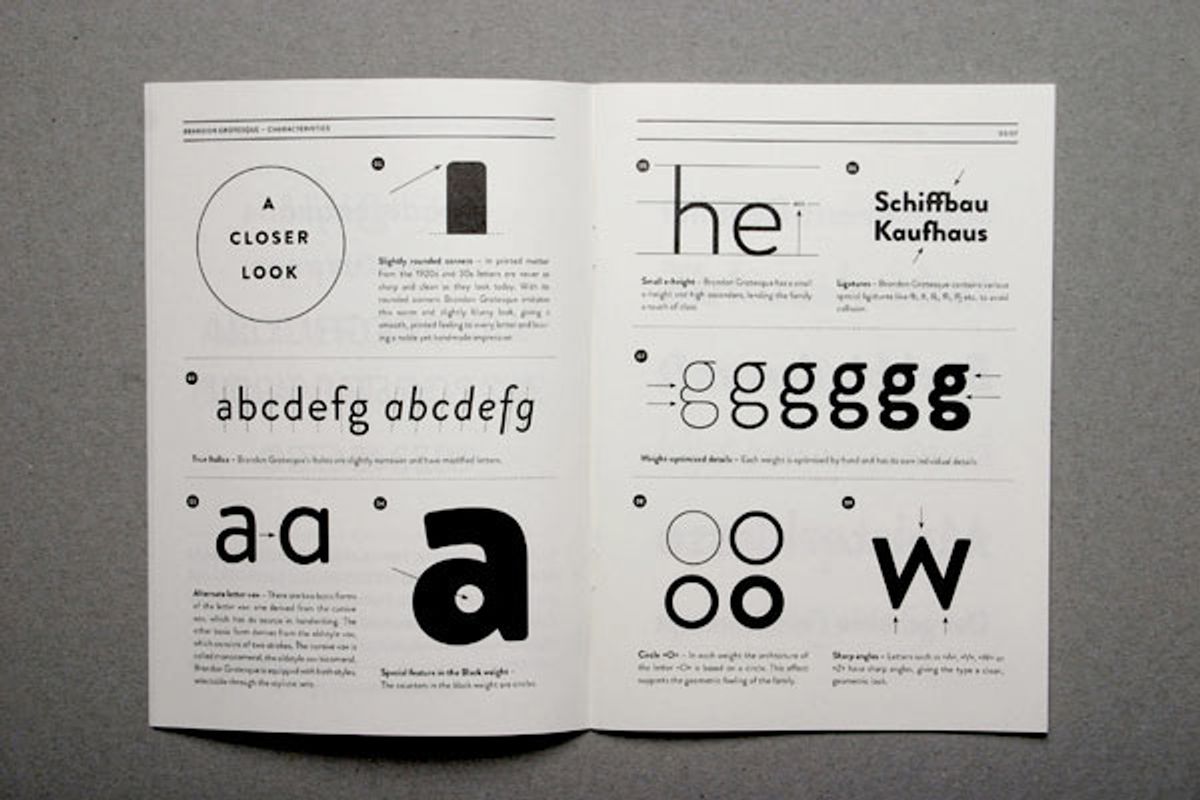
Typography, on the other hand, is the art of arranging type to make the written language legible, readable, and appealing when displayed. The choice of typeface and font style can greatly influence how a message is perceived. A well-chosen font can enhance the storytelling by adding character and voice to the narrative.
By combining the psychological impact of color with the expressive potential of typography, brands can create a powerful visual language that resonates with their audience.
To ensure consistency and clarity in your brand’s visual storytelling, consider the following points:
- Select a color palette that aligns with your brand’s values and message.
- Choose typography that reflects the personality of your brand.
- Use color and typography consistently across all platforms and materials.
- Test different combinations to see what works best for engaging your audience.
Strategies for Developing a Unique Visual Identity
Consistency Across All Platforms
Achieving a consistent brand identity across various platforms is pivotal for a brand’s success. It ensures that customers receive the same message and visual cues, whether they’re browsing your website, scrolling through social media, or reading an email. This uniformity not only reinforces brand recognition but also builds trust and reliability in the eyes of the audience.
To maintain this consistency, brands should develop comprehensive guidelines that cover all aspects of their visual identity. These guidelines typically include specifications for logos, color palettes, typography, and imagery. Adherence to these standards across all platforms is essential for creating a cohesive brand experience.
By implementing a consistent visual strategy, brands can enhance their visibility and audience engagement, leading to increased brand loyalty and customer retention.
Here are some practical steps to ensure brand consistency:
- Social Media Posts: Align your visuals with your brand’s aesthetic on all social media channels.
- Website Design: Your website should be an extension of your brand’s visual identity.
- Email Marketing: Use templates that are in harmony with your brand’s design language.
Incorporating Brand Values into Design
In the realm of visual branding, infusing your brand’s core values into every design element is paramount. This approach not only fosters brand recognition but also ensures that your audience forms a genuine connection with your brand’s ethos. To achieve this, consider the following steps:
- Align Visual Elements: Ensure that colors, fonts, and graphics are in harmony with your brand’s identity and values. Refer to your brand guidelines to maintain consistency.
- Craft a Narrative: Use visual storytelling to convey your brand’s message. This could be through short films or other engaging content that embodies your brand’s values.
- Feedback and Evolution: Regularly seek feedback on your visual branding and be prepared to evolve your design strategy to stay relevant and impactful.
By meticulously incorporating your brand values into your design, you create a visual identity that resonates deeply with your audience and stands out in a crowded marketplace.
Remember, consistency across all platforms is key to reinforcing your brand’s identity. Collaborate with experts, such as a Brand Strategy Agency, to ensure that your visual storytelling is cohesive and impactful.
Leveraging User-Generated Content
In the realm of visual branding, user-generated content (UGC) stands as a testament to a brand’s resonance with its audience. UGC encompasses a variety of formats, from text and images to videos and reviews, all crafted by the consumers themselves rather than the brand. This authentic material not only enriches the brand’s narrative but also fosters a community around it, as customers share their experiences and become inadvertent brand ambassadors.
By encouraging customers to share their stories, brands can create a repository of genuine and relatable content. This not only serves as a powerful marketing tool but also enhances the brand’s credibility.
To effectively harness UGC, consider the following steps:
- Encourage customers to share their experiences through social media and branded hashtags.
- Showcase selected UGC across various platforms to highlight customer satisfaction.
- Create campaigns that incentivize content creation, such as contests or featured spots on the brand’s channels.
Leveraging UGC requires a strategic approach, ensuring that the content aligns with the brand’s values and aesthetic. When done right, it can lead to increased engagement, stronger customer loyalty, and a more dynamic brand identity.
The Impact of Visual Storytelling on Audience Engagement

Creating Emotional Connections with Visuals
Visual storytelling is not just about presenting images; it’s about weaving a narrative that strikes a chord with the audience. Illustrations and imagery are powerful tools in eliciting emotions and building a deeper connection with your audience. Whether it’s through captivating images on your website or engaging videos on social media, premium visual content can significantly elevate your brand’s perception and appeal.
Embrace the Emotional Connection: The power of emotional storytelling can forge deep, meaningful connections that keep audiences returning for more. By tapping into your audience’s emotions, you can motivate consumers to take action, such as making a purchase or sharing content on social media.
Understanding the audience is crucial for creating visuals that resonate. Here are some key considerations:
- The role of emotions in visual storytelling
- Influencing viewer perception through emotional imagery
- Creating memorable experiences that resonate with the audience
Visual storytelling is key for brand identity, and consistent branding elements and innovation are vital. Audience connection and feedback enhance brand impact, making it essential to measure the effectiveness of visual content.
Using Visuals to Enhance Brand Messaging
Visuals serve as a pivotal element in the tapestry of brand messaging, transforming abstract concepts into tangible experiences. They are not mere decorations but strategic tools that amplify the core message and values of a brand. By integrating visuals that resonate with the target audience, companies can create a multi-sensory experience that fosters deeper connections and drives brand loyalty.
Visual storytelling is crucial for brand communication, driving engagement and sales. Consistent visuals aligned with core message create a multi-sensory experience for audiences.
In the realm of social media, where attention spans are fleeting, the power of an image can be the difference between a scroll-past and a meaningful interaction. A well-crafted visual narrative can elevate the brand’s story, making it more accessible and memorable. Below is a list of key considerations when using visuals to enhance brand messaging:
- Align visuals with the brand’s core values and message
- Use high-quality and relevant images to capture attention
- Employ consistent design elements across all platforms
- Incorporate user-generated content to build community and authenticity
- Measure the impact of visual content through engagement metrics
Measuring the Effectiveness of Visual Content
In the realm of visual storytelling, measuring the effectiveness of visual content is crucial for understanding brand performance. Key metrics and analytics provide insights into how well the visual narrative resonates with the audience. Whether it’s through compelling images, engaging videos, or interactive experiences, tracking these elements can inform future strategies and optimizations.
The success of visual content can be quantified by various performance indicators. These include engagement rates, conversion metrics, and social media shares, among others. By analyzing these data points, brands can gauge the impact of their visual storytelling efforts.
To systematically evaluate visual content, consider the following metrics:
- Engagement Rates: How often are users interacting with your content?
- Conversion Metrics: Are your visuals leading to desired actions?
- Social Shares: Is your content being spread across social platforms?
- Brand Recall: Can audiences remember your brand after viewing?
- Audience Growth: Are you reaching a wider audience over time?
It’s essential to align these metrics with your brand’s specific goals to ensure that your visual storytelling is not only creative but also effective in driving business outcomes.
Innovative Techniques in Visual Brand Storytelling
Interactive and Immersive Visual Experiences
In the realm of visual storytelling, interactive and immersive experiences are revolutionizing the way brands connect with their audience. By integrating dynamic elements such as animations, videos, and interactive illustrations, companies can craft engaging narratives that invite active participation and foster a deeper connection with consumers.
To truly captivate and hold the attention of users, it’s essential to blend high-quality visuals with interactive features that resonate with the brand’s identity.
While striving for immersion, practicality should not be overlooked. Simple enhancements like branded sounds or hover-triggered color changes can significantly elevate the user experience without compromising performance or accessibility. Here are some practical tips for creating interactive experiences:
- Utilize dynamic cursors and animations to add a layer of engagement.
- Incorporate non-conventional scrolling techniques, such as parallax or horizontal scrolling.
- Employ interactive illustrations to transform static visuals into dynamic stories.
- Opt for high-quality images, illustrations, and short video clips to convey emotions effectively.
These strategies not only enhance the storytelling aspect but also improve user engagement metrics, such as reducing bounce rates and increasing conversion likelihood.
The Power of Video in Conveying Brand Stories
In the realm of brand storytelling, video stands out as a particularly potent medium. It combines visuals, sound, and narrative in a way that can convey complex messages and evoke strong emotional responses. Videos have the ability to bring a brand’s story to life, offering a cinematic experience that can deeply impact the audience’s perception of the brand.
The impact cinematic video storytelling will have on your brand is profound. It’s a form of video that emotionally resonates with your audience and impacts the perception of your brand.
Here are some key benefits of using video for brand storytelling:
- Videos can deliver a brand narrative that is both informative and entertaining.
- They allow for the showcasing of customer success stories and testimonials in a dynamic way.
- The use of high-quality images and graphics within videos can reinforce brand messaging and values.
- Videos are an excellent tool for explaining complex concepts in an engaging and accessible manner.
By leveraging the power of video, brands can create a memorable and impactful narrative that not only informs but also inspires and connects with their audience on a deeper level.
Utilizing Data Visualization for Complex Narratives
In the realm of visual storytelling, data visualization is a powerful tool that transforms complex narratives into clear, engaging visuals. By presenting data through charts, graphs, and infographics, brands can communicate intricate stories in a way that is both accessible and compelling.
Visualization brings data to life and gives it a voice so it speaks directly to its audience.
For instance, an infographic can distill vast amounts of information into a digestible format, highlighting key statistics and trends. This not only simplifies the message but also makes it more memorable. Consider the following table showcasing a brand’s growth over five years:
| Year | Revenue | New Customers | Market Share |
|---|---|---|---|
| 2018 | $1M | 10,000 | 5% |
| 2019 | $1.5M | 15,000 | 7% |
| 2020 | $2M | 20,000 | 10% |
| 2021 | $2.5M | 25,000 | 12% |
| 2022 | $3M | 30,000 | 15% |
The use of data visualization is not just about presenting facts; it’s about crafting a narrative that resonates with the audience. By comparing the ‘before’ and ‘after’ states, or illustrating how specific problems were resolved, a brand can tell a story that is both informative and emotionally engaging.
Future Trends in Visual Storytelling for Brands

The Rise of Augmented Reality (AR) and Virtual Reality (VR)
The integration of Augmented Reality (AR) and Virtual Reality (VR) is revolutionizing the way brands tell their stories and engage with consumers. These technologies offer immersive experiences that go beyond traditional media, allowing for interactive and personalized storytelling.
Emerging technologies like AR and VR are not just futuristic concepts but are currently shaping the landscape of consumer engagement. They enable brands to create frictionless, tailored shopping experiences that align with modern consumer trends. As we move into 2024, the use of these cutting-edge technologies is becoming a staple in the marketing strategies of forward-thinking companies.
By leveraging AR and VR, brands can transport customers into a virtual world where the narrative of the brand unfolds in a captivating and memorable way.
The potential for AR and VR in branding is vast, with applications ranging from virtual try-ons and interactive advertisements to immersive brand worlds that can be explored by consumers. This not only enhances the customer experience but also provides valuable data on user interactions, which can inform future marketing efforts.
Personalization and Customization in Visual Content
In the realm of visual storytelling, personalization and customization are key to creating a brand identity that resonates with your audience. Custom illustrations and designs can be tailored to reflect a brand’s unique personality, tone, and values, ensuring that every visual element aligns with the brand’s narrative. This approach not only enhances brand recognition but also fosters a sense of authenticity that can set a brand apart from its competitors.
By incorporating personalized visual content, brands can create a distinctive visual identity, including a memorable logo, color palette, typography, and imagery that reflects the brand’s personality and values.
Moreover, leveraging user-generated content can add a layer of personalization that resonates with the audience. Encouraging customers to share their experiences with the brand through visuals can build a community around the brand, deepening the emotional connection and trust. Here’s how brands can integrate personalization into their visual storytelling:
- Utilize data to understand customer preferences and behaviors.
- Create customized illustrations that reflect the diversity of the audience.
- Develop a consistent visual language that incorporates brand values.
- Encourage and showcase user-generated content to enhance authenticity.
Embracing these strategies can lead to a more engaged and loyal audience, ultimately contributing to the brand’s success.
Sustainability and Ethical Storytelling in Branding
In the realm of branding, sustainability and ethical practices are becoming increasingly pivotal. Brands that embrace these values are not just contributing to a better world, but are also seeing a positive impact on their customer loyalty and market share. Successful sustainable brands employ storytelling to communicate their values, connecting with consumers on an emotional level. Additionally, they are transparent about their processes and the lifecycle of their products, which fosters trust and authenticity.
Visual storytelling in branding is essential for conveying brand identity and values through powerful imagery and narratives, fostering emotional engagement and boosting customer loyalty.
To illustrate the commitment to sustainability, brands often share their journey towards reducing carbon footprints, ethical sourcing, and community involvement. This narrative can be effectively communicated through a series of visual content that not only informs but also inspires action. Below is a list of common themes in sustainable branding stories:
- The origin of materials and ethical sourcing practices
- The manufacturing process and its environmental impact
- Community and social responsibility initiatives
- Product lifecycle and recycling programs
By integrating these elements into their visual storytelling, brands can create a compelling narrative that resonates with the values of today’s conscious consumers.
As the digital landscape evolves, brands must adapt to the latest trends in visual storytelling to captivate their audience. Our team at AM2 specializes in creating custom web solutions that not only look stunning but also drive results. From WordPress development to eCommerce optimization, we ensure your brand’s story is told in the most engaging way possible. Ready to elevate your brand’s online presence? Visit our website to explore our services and see how we can help your business shine in the digital world.
Conclusion
In the realm of digital marketing, visual storytelling emerges as a pivotal element in establishing a unique brand identity. It’s not just about aesthetics; it’s about weaving a narrative that encapsulates the essence of a brand, making it relatable and memorable. As we’ve explored, the integration of consistent visual elements, the power of storytelling, and the expertise of specialized agencies can significantly elevate a brand’s presence in the market. By leveraging these strategies, businesses can craft a visual identity that not only stands out but also resonates deeply with their target audience, ultimately setting them apart in a crowded digital landscape. Whether through social media, website design, or marketing materials, the art of visual storytelling is an indispensable tool for any brand looking to leave a lasting impression.
Frequently Asked Questions
What is visual storytelling in branding?
Visual storytelling in branding involves using images, graphics, color, and typography to craft a narrative that embodies a brand’s identity and values. It’s a way to communicate the brand’s story, connect emotionally with the audience, and make the brand more relatable and memorable.
How can visual storytelling enhance audience engagement?
Visual storytelling can create emotional connections with the audience, making the brand’s messaging more impactful. By using visuals that resonate with viewers, brands can increase engagement, foster loyalty, and encourage sharing of content.
Why is consistency important in visual identity?
Consistency across all platforms ensures that the brand is immediately recognizable to the audience. It helps in building a cohesive brand identity that reinforces brand recognition and trust.
What role do user-generated content play in branding?
User-generated content leverages the voices of customers to create authenticity and trust. It can amplify a brand’s message, provide social proof, and engage the community in the brand’s narrative.
How can brands measure the effectiveness of their visual content?
Brands can measure the effectiveness of visual content by tracking engagement metrics such as likes, shares, comments, and conversion rates. Analyzing these metrics provides insights into how well the content resonates with the audience and drives business goals.
What are the future trends in visual storytelling for brands?
Future trends in visual storytelling include the rise of augmented reality (AR) and virtual reality (VR), personalization and customization of visual content, and a focus on sustainability and ethical storytelling to align with consumer values.