Creating Unique Brand Identity through Visual Storytelling

In today’s competitive market, creating a unique brand identity is crucial for standing out. Visual storytelling emerges as an influential strategy that allows brands to weave their core message into a compelling visual narrative. This not only enhances brand recognition but also fosters an emotional connection with the audience. By strategically using visual elements, such as color, iconography, and multimedia content, brands can effectively communicate their story and values, ensuring a lasting impression on their target market.
Key Takeaways
- Visual storytelling is a dynamic tool for crafting a brand’s identity, enabling a narrative that aligns with the brand’s values and mission.
- The selection of visual elements, including color schemes and imagery, should be deliberate to convey the brand’s message consistently across all platforms.
- Digital platforms offer unique opportunities for maximizing the impact of visual branding through optimization for social media, user experience enhancements, and multimedia integration.
- Measuring the success of visual branding strategies involves setting clear goals, analyzing audience engagement, and being adaptable to evolve the visual approach.
- Case studies of transformative visual brand identities provide insights into revitalizing established brands, launching new ventures, and sustaining growth with consistent visual messaging.
The Art of Crafting a Visual Narrative
Defining Your Brand’s Core Message
Creating a unique brand identity begins with defining your brand’s core message. This message encapsulates who you are, what you stand for, and the unique value you provide to your customers. It’s the foundation upon which all other visual storytelling elements are built.
To establish this core message, consider the following steps:
- R – Research Your Audience: Understand the needs and preferences of your target market.
- A – Articulate Your Message: Clearly communicate your brand’s essence.
- N – Nurture Consistency: Ensure uniformity across all brand interactions.
- D – Differentiate Your Brand: Emphasize what sets you apart from competitors.
By integrating these elements into your brand’s narrative, you create a compelling story that resonates with consumers and remains memorable over time.
Remember, your brand’s story should be evident in every aspect of your marketing, from the domain name of your website to the design choices you make. It’s not just about visuals; it’s about creating a narrative that sticks with your audience.
Choosing the Right Visual Elements
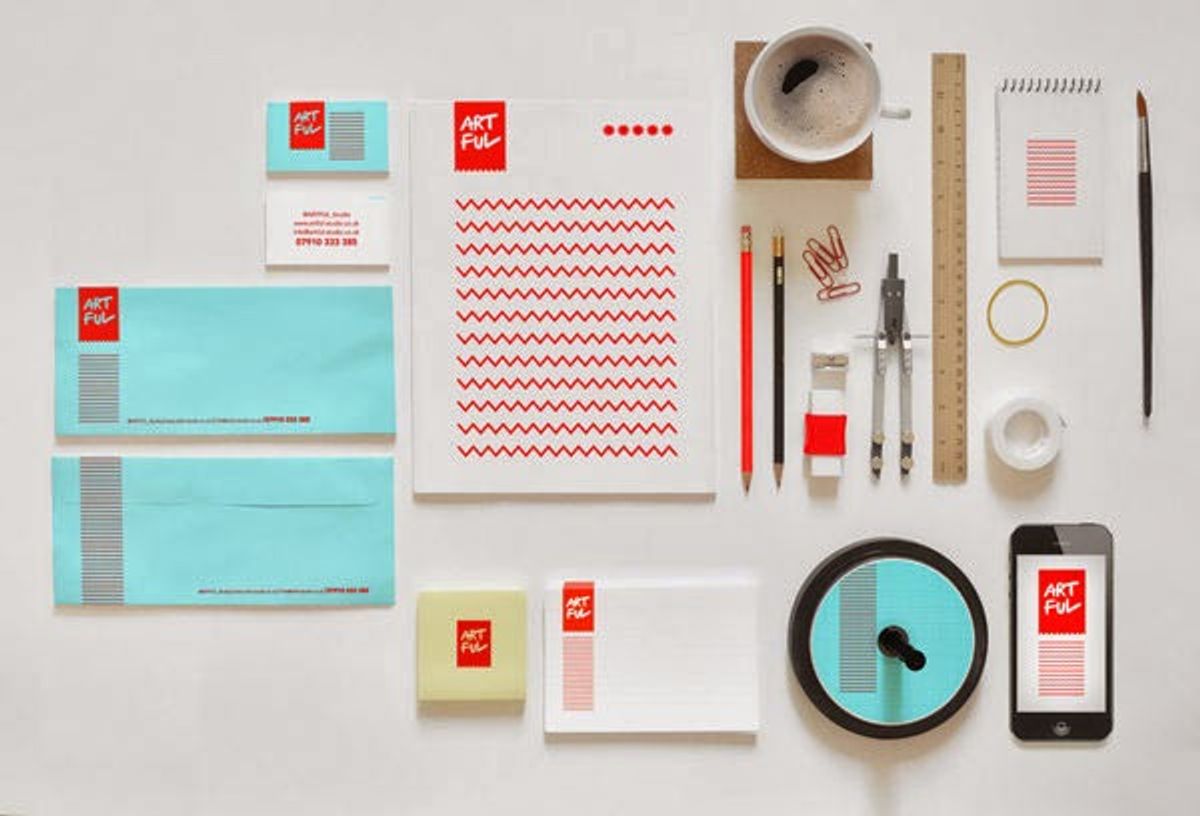
In the realm of visual storytelling, selecting the right elements is paramount to creating a brand identity that stands out. It’s the visual identity that sets your brand apart, making it recognizable and memorable. Consistency across all platforms ensures that every interaction with your brand carries the same visual message. This includes using consistent colors, fonts, and imagery, as well as adhering to a specific image style.
Crafting narratives through design not only enhances brand impact but also solidifies brand memorability.
Here are some key considerations when choosing visual elements for your brand:
- Logo: The cornerstone of your visual identity.
- Color Palette: Conveys mood and brand values.
- Typography: Reflects personality and readability.
- Imagery Style: Should be cohesive and resonate with your target audience.
Remember, visual storytelling is crucial for brand identity, using logos, colors, and imagery to convey brand essence. Analyzing and evolving your visual brand is an ongoing process that can lead to a strong visual presence that resonates with your audience.
Creating a Cohesive Visual Language
A cohesive visual language is the foundation of a brand’s visual identity, ensuring that every element conveys the core message with clarity and consistency. Every point of contact with your brand should reflect the same visual elements, from your website to social media profiles to marketing materials. This uniformity is essential for brand recognition and helps to establish a strong connection with your audience.
Maintaining a consistent visual identity across all platforms is not just about using the same colors and fonts; it’s about creating a resonant and emotive connection with your target audience.
To achieve this, consider the following steps:
- Choose Your Typography: Select fonts that complement other visual elements and contribute to your brand’s overall aesthetic.
- Align with Audience Expectations: Your visual elements should resonate with the desires of your audience, fostering engagement on a deeper level.
- Consistency Across Channels: Ensure that your color palettes, typography, and image style are uniform across all mediums.
- Evolve Without Losing Identity: As your brand grows, your visual identity should also evolve, but it must retain the core elements that make it recognizable.
Strategies for Effective Visual Brand Storytelling
Leveraging Color Psychology
Colors are not just visual elements; they are powerful tools that convey emotions and messages, influencing consumer behavior. Successful brands use color psychology to their advantage, tailoring their visual identity to evoke specific feelings and associations. For instance, blue is often associated with trust and stability, while red can trigger excitement and urgency.
To leverage color psychology effectively, it’s essential to understand the emotions and behaviors that different colors can induce. This understanding allows brands to create a visual narrative that resonates with their audience and reinforces their core message.
Establishing a brand color palette is a critical step in this process. Here’s a simple guide to some common color associations:
- Blue: Trust, Dependability, Calm
- Red: Excitement, Energy, Passion
- Yellow: Optimism, Creativity, Happiness
- Green: Growth, Health, Renewal
Remember, the impact of color psychology extends beyond logos and packaging; it should be consistent across all visual content, from website design to social media imagery, to create a cohesive and recognizable brand identity.
Incorporating Iconography and Symbolism
Iconography and symbolism serve as the shorthand of visual storytelling, conveying complex ideas through simple imagery. Choosing the right icons and symbols can significantly enhance brand recognition and communicate your brand’s values at a glance. For instance, a lightning bolt might symbolize power and speed, while a tree could represent growth and stability.
When integrating iconography into your brand’s visual narrative, consider the following steps:
- Identify the core values and concepts associated with your brand.
- Select icons and symbols that align with these values and resonate with your target audience.
- Ensure consistency in style and usage across all brand materials to reinforce brand identity.
By thoughtfully incorporating iconography and symbolism, brands can create a visual shorthand that speaks directly to their audience’s subconscious, fostering a deeper emotional connection.
It’s not just about aesthetics; it’s about embedding meaning into every aspect of your visual branding. This strategic approach can lead to a more cohesive and impactful brand experience. Remember, every icon and symbol is an opportunity to tell a part of your brand’s story, so choose wisely to ensure they contribute to crafting a compelling brand narrative.
Utilizing Photography and Videography
In the realm of visual branding, photography and videography are indispensable tools for conveying a brand’s narrative. These mediums allow for the capture of authentic moments that resonate deeply with audiences, fostering a sense of trust and connection. It’s not just about the visual appeal; it’s about storytelling with purposeful brand photography that attracts the ideal clients.
By crafting compelling visual narratives, brands can differentiate themselves in a competitive landscape. This involves a strategic approach that includes consistent visual elements and a focus on genuine, unscripted moments.
Social media platforms offer a unique opportunity to amplify brand reach through photography and videography. Here, engagement is key, and photographers can leverage story-driven captions and interactions to cultivate a dedicated community. The table below outlines the components of an effective visual storytelling strategy on social media:
| Component | Description |
|---|---|
| Visual Narrative | Crafting a storyline through images and videos that align with the brand’s message. |
| Engagement | Utilizing captions, comments, and shares to foster community and interaction. |
| Consistency | Maintaining a cohesive look and feel across all visual content to build brand recognition. |
In conclusion, the integration of photography and videography into a brand’s visual identity is not just about aesthetics; it’s a strategic move to create a lasting impression and emotional connection with the target audience.
Maximizing Impact with Digital Platforms

Optimizing Visual Content for Social Media
In the realm of social media, first impressions are paramount. A split-second glance should be enough to convey your brand’s essence through compelling visuals. To achieve this, it’s essential to tailor your content to the unique demands of each platform. For example, Instagram thrives on high-quality imagery and Stories, while YouTube is a haven for engaging video content.
Engage your audience with interactive elements such as polls, contests, and user-generated content to foster a sense of community and brand loyalty.
Here’s a quick guide to optimizing your visual content for some of the top social media platforms:
- Instagram: Focus on high-resolution images, Stories, and Reels to captivate your audience.
- Facebook: Utilize a mix of images, videos, and live sessions to encourage shares and interactions.
- Twitter: Leverage eye-catching images and short videos to complement your tweets.
- Pinterest: High-quality, vertical images with descriptive text to inspire and inform.
- LinkedIn: Professional imagery and infographics that add value to your network.
Remember, consistency in your visual branding across all platforms reinforces your brand identity and aids in creating a memorable impact.
Enhancing User Experience on Websites
In the digital age, a website’s user experience (UX) can make or break its success. Enhancing UX is pivotal for retaining visitors and converting them into loyal customers. Web designers and developers employ various strategies to create an engaging and intuitive interface. These include implementing web design best practices, optimizing content for search engines, and ensuring fast load times.
By focusing on personalization, websites can offer a more tailored experience, which increases user satisfaction and engagement.
Accessibility is another critical aspect, making sure the website is usable for people with disabilities. Moreover, conversion rate optimization techniques are leveraged to improve sales and performance. Below is a list of key considerations for enhancing UX on websites:
- Implementing intuitive navigation and layout
- Using responsive design for mobile compatibility
- Applying color psychology to influence user behavior
- Incorporating clear calls-to-action
- Providing valuable and relevant content
- Ensuring quick page load times
- Utilizing A/B testing to refine UX elements
Ultimately, the goal is to create a seamless experience that resonates with the audience, encouraging them to engage with the brand and its offerings.
Leveraging Multimedia in Online Marketing
In the digital age, multimedia is a critical component of online marketing. It encompasses various forms of content, including videos, animations, and interactive presentations, which can significantly enhance user engagement. Strategic use of multimedia boosts user interaction and brand loyalty, crafting a narrative that informs, entertains, and inspires.
Multimedia elements, when optimized for online platforms, have the power to captivate and engage viewers in ways that text alone cannot. This dynamic form of storytelling is essential for brands looking to stand out in the crowded marketplace.
To maximize the impact of multimedia in your marketing efforts, consider the following steps:
- Identify the types of multimedia that resonate with your target audience.
- Integrate multimedia elements seamlessly with your brand’s visual identity.
- Optimize multimedia content for various digital platforms to ensure accessibility and performance.
- Measure the effectiveness of multimedia content through engagement metrics and adjust strategies accordingly.
Measuring Success in Visual Branding

Setting Goals and Key Performance Indicators
Establishing clear goals and key performance indicators (KPIs) is fundamental to measuring the success of your visual branding efforts. Setting specific, measurable, achievable, relevant, and time-bound (SMART) objectives provides a framework for evaluating progress and making informed decisions.
For instance, a goal might be to increase brand awareness by 20% within six months, using KPIs such as website traffic, social media engagement, and conversion rates. To track these metrics effectively, consider the following steps:
- Identify the most relevant KPIs for your brand
- Set up tracking tools and analytics
- Regularly review data and compare against your goals
- Adjust strategies based on insights gained
By consistently monitoring these indicators, you can gain valuable insights into audience behavior and preferences, which is crucial for refining your visual storytelling approach.
Remember, the key to successful visual branding is not just about creating appealing content; it’s about creating content that resonates with your audience and drives them to action. As such, it’s important to understand your audience and tailor your KPIs to reflect the nuances of their interactions with your brand.
Analyzing Engagement and Audience Response
To truly craft compelling brand narratives, it’s essential to analyze how your audience interacts with your visual content. Engagement metrics such as likes, shares, comments, and watch time provide valuable insights into what resonates with your viewers. By understanding your audience’s visual preferences, you can fine-tune your storytelling to maintain their interest and encourage further interaction.
A cohesive visual branding strategy is not static; it evolves with your audience’s response. Regularly reviewing engagement data allows for timely adjustments, ensuring your visual identity remains fresh and relevant.
For a more structured approach, consider tracking the following metrics in a simple table:
| Metric | Description | Impact on Branding |
|---|---|---|
| Likes | Indicator of content’s popularity | Reflects immediate audience approval |
| Shares | Measure of content’s virality | Extends brand reach and credibility |
| Comments | Level of audience interaction | Offers direct feedback and sentiment |
| Watch Time | Engagement duration with video content | Indicates content’s ability to retain attention |
Balancing consistency and creativity in your visual branding is key to sustaining growth. By measuring engagement, you can identify which elements of your visual storytelling are most effective and which areas may require a creative refresh.
Adapting and Evolving Visual Strategies
In the dynamic landscape of visual branding, adapting and evolving visual strategies is essential for maintaining a competitive edge. As market trends shift and audience preferences change, a brand’s visual identity must be flexible enough to grow and transform. Regularly reviewing and updating your visual elements ensures that your brand stays fresh, relevant, and engaging.
To stay ahead, it’s crucial to monitor and refine your visual strategy continuously. This proactive approach can lead to sustained growth and a stronger brand identity.
A brand’s visual narrative is not set in stone; it’s a living component that should evolve with the business. This evolution can be guided by performance tracking, audience feedback, and staying abreast of design innovations. By embracing change and seeking improvement, brands can foster trust and ensure their visual identity resonates with their audience over time.
Case Studies: Transformative Visual Brand Identities

Revitalizing Established Brands
In the dynamic landscape of brand identity, established brands often face the challenge of staying relevant and resonating with evolving audiences. Conducting regular reviews and updates is crucial to ensure that a brand’s visual narrative does not become outdated. A structured approach to revitalizing a brand can involve several key steps:
- D – Differentiate Your Brand: Identify and emphasize what sets your brand apart.
- R – Review and Refresh: Regularly assess and update your visual elements to maintain relevance.
- A – Analyze Audience Response: Gather feedback to understand how your brand is perceived.
- N – Navigate New Trends: Stay informed about current trends and incorporate them thoughtfully.
- D – Deliver Consistently: Ensure that all visual messaging is cohesive across various platforms.
Establishing and maintaining a compelling visual presence for your brand is an ongoing process that demands creativity, strategy, and attentiveness.
By embracing these steps, brands can create a solid and memorable identity that not only stands the test of time but also continues to engage and inspire their audience. It’s about crafting a story that aligns with the core message of the brand and finding new ways to express it visually.
Launching New Ventures with a Bang
Launching a new venture is an exhilarating experience that demands a strong visual identity to make a lasting impression. Case studies highlight the power of storytelling in brand strategy, demonstrating that a well-crafted visual identity is not just about aesthetics but about embodying the brand’s core values and connecting with the audience on a deeper level.
When embarking on this journey, consider the following steps:
- Identify the unique selling proposition (USP) of your venture.
- Develop a visual strategy that aligns with your brand’s message and values.
- Choose visual elements that resonate with your target audience.
- Ensure consistency across all platforms to reinforce brand recognition.
A successful launch is not just about being seen—it’s about being remembered. Crafting a visual narrative that is authentic and innovative is essential for brand success, as it helps create a unique brand identity that resonates with audiences.
Remember, visual storytelling is not a one-time effort but a continuous process that evolves with your brand. By learning from industry leaders and staying true to your brand’s essence, you can sustain growth through consistent visual messaging and make a powerful entrance into the market.
Sustaining Growth through Consistent Visual Messaging
To sustain growth and maintain a strong brand identity, visual consistency is key. It’s not just about having a recognizable logo; it’s about ensuring that every aspect of your visual branding is harmonious and reflects your core values. This means adhering to established guidelines on logos, colors, and imagery across all platforms. Such consistency enhances brand recognition, fosters audience engagement, and ultimately contributes to brand loyalty and a wider global reach.
By maintaining a cohesive visual identity, businesses can navigate the ever-evolving digital landscape while keeping their brand message clear and impactful.
For businesses looking to thrive in the long term, here are some essential steps:
- Develop and strictly follow a comprehensive brand style guide.
- Regularly audit your visual assets across all customer touchpoints.
- Train your team on the importance of visual consistency.
- Monitor and adapt to trends without losing your brand’s unique voice.
These practices not only solidify your brand’s presence but also reassure customers that they can expect the same quality and experience wherever they encounter your brand.
Discover how a powerful visual brand identity can revolutionize your business with our case studies. Each story is a testament to the transformative impact of strategic design and development. Don’t let your brand fall behind; visit our website to see how our expertise in WordPress Development, eCommerce solutions, and custom web design can elevate your online presence. Ready to start your own success story? Connect with us today and let’s create something remarkable together.
Conclusion
In conclusion, the art of visual storytelling is a transformative approach that empowers brands to craft a unique identity that resonates with their audience. By harnessing the power of imagery and narrative, businesses can convey their values, mission, and the essence of their brand in a way that is not only visually appealing but also emotionally compelling. The examples and strategies discussed throughout this article serve as a testament to the effectiveness of visual storytelling in creating a memorable brand experience. As we have seen, whether it’s through the meticulous design of a WordPress theme or the strategic use of visual elements, the goal remains the same: to tell a story that captivates and engages. Brands that successfully integrate visual storytelling into their identity are not just seen; they are remembered. They stand out in the crowded marketplace by creating a lasting impression that goes beyond the product or service itself, fostering a deeper connection with their customers.
Frequently Asked Questions
What is visual storytelling in brand identity?
Visual storytelling is the art of using imagery, color, and other visual elements to convey a brand’s narrative, values, and personality. It’s a strategic approach to create an emotional connection with the audience, making the brand more relatable and memorable.
How can color psychology influence brand perception?
Color psychology studies how colors impact human behavior and emotions. In branding, choosing the right colors can evoke specific feelings in the audience, such as trust, excitement, or calmness, thereby influencing how they perceive the brand.
Why is a cohesive visual language important for a brand?
A cohesive visual language ensures that all visual elements of a brand, such as logos, typography, and imagery, work harmoniously to create a consistent brand experience. This consistency helps build recognition and trust with the audience.
What role does photography play in visual brand storytelling?
Photography is a key component of visual storytelling, offering a genuine glimpse into the brand’s world. It can showcase products, capture moments, and convey emotions, contributing to a narrative that aligns with the brand’s identity.
How can brands measure the success of their visual identity?
Brands can measure the success of their visual identity by setting clear goals and key performance indicators (KPIs), such as engagement rates, website traffic, and conversion rates. Analyzing audience response and adapting strategies are also crucial.
What are some strategies for optimizing visual content on digital platforms?
To optimize visual content on digital platforms, brands should tailor their content to each platform’s specifications, focus on high-quality visuals, use responsive design for websites, and incorporate multimedia elements to enhance engagement.