Creating Unique Brand Identity through Visual Storytelling
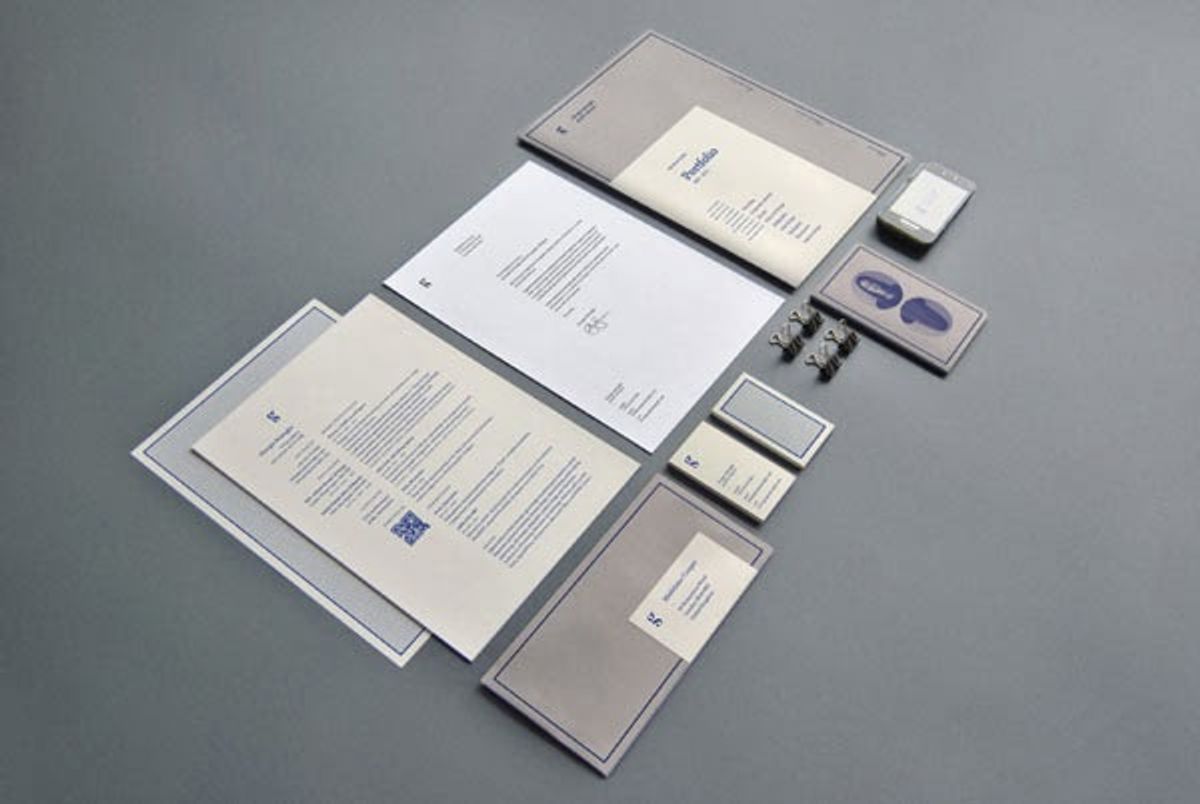
In the bustling marketplace of brands vying for consumer attention, visual storytelling emerges as a potent tool for crafting a unique brand identity. By weaving a visual narrative that resonates with audiences, brands can create memorable experiences that foster emotional connections and loyalty. This article delves into the nuances of visual storytelling and its pivotal role in shaping a brand’s image, ensuring consistency across platforms, and engaging with audiences in a meaningful way.
Key Takeaways
- Visual storytelling is essential in establishing a brand’s unique identity and connecting with audiences on an emotional level.
- A cohesive visual brand identity across all platforms enhances recognition and trust among consumers.
- Strategic visual identity development focuses on differentiation, versatility, and consistent application to stand out in a competitive market.
- Compelling brand stories engage audiences, foster brand loyalty, and can turn customers into advocates.
- Sustainable visual branding practices align with corporate social responsibility and can contribute to a brand’s positive image.
The Art of Visual Storytelling in Branding

Crafting a Narrative with Visual Elements
Visual storytelling is a powerful tool in branding, capable of conveying complex ideas instantly. A single image can encapsulate a brand’s ethos, values, and direction, making visuals an essential component of a brand’s narrative. By interlacing images, words, and occasionally sound, brands craft resonating, educating, and motivating narratives for their audience.
The magic of visual storytelling lies in its ability to tell your story in Technicolor, where every visual element weaves into the larger tapestry of your brand’s identity.
To achieve this, a consistent visual language is crucial. It ensures that all visual elements align with the brand’s personality and story, reinforcing the brand’s message across various platforms. Here are some key considerations for crafting a visual narrative:
- Authenticity: Reflect the truth about the brand to enhance credibility.
- Memorability: Use beauty and truth to make the brand’s narrative memorable.
- Sustainability: Make environmentally conscious choices if it aligns with the brand’s values.
- Versatility: Ensure the visual identity is adaptable across different mediums and scales.
Infusing Brand Personality into Imagery
To create a resonant brand identity, it’s essential to infuse your brand’s personality into every visual element. This approach not only ensures consistency but also fosters an instant connection with your audience. Consider the following steps to achieve this:
- Logo design: Develop a logo that encapsulates your brand essence.
- Color palette selection: Choose colors that reflect your brand’s values and emotions.
- Typography: Select typefaces that complement your brand’s personality.
- Imagery and graphics: Curate imagery that aligns with your brand’s narrative.
Authenticity in visual branding is not just about aesthetics; it’s about creating an emotional and truthful connection with the audience. This truthfulness enhances the credibility of the brand’s narrative.
By telling compelling stories through visuals, you can convey the journey behind your brand, highlight customer success stories, or showcase the human side of your business. The aesthetic choices in your design should create a harmonious representation of your brand, making it memorable and distinct.
Leveraging Visual Consistency for Brand Recognition
Achieving a strong brand identity is not just about the initial design; it’s about maintaining a consistent visual presence across all platforms. This consistency is the cornerstone of brand recognition, enabling customers to instantly identify your brand amidst a sea of competitors.
Visual consistency involves the repeated use of specific visual elements, such as logos, color schemes, and typography, which become synonymous with your brand. It’s these elements that customers come to associate with your quality and values. For instance, consider the following benefits of a consistent visual identity:
- Brand recognition: Customers recognize and remember your brand.
- Market differentiation: Stand out in crowded marketplaces.
- Marketing support: Streamline marketing efforts with a cohesive look.
By infusing your brand’s unique personality into every visual element, you create a narrative that resonates with your audience. This narrative is not static; it evolves with your brand, yet maintains a familiar thread that weaves through all your marketing materials.
Understanding your audience is crucial to crafting a visual narrative that not only engages but also builds a lasting connection. Innovation within your visual identity keeps the brand fresh and relevant, while the core elements remain consistent, reinforcing brand identity and fostering audience connection.
Strategic Visual Identity Development

Differentiating Through Design
In the crowded marketplace, standing out is imperative, and design is the key to making a lasting impression. Differentiation through design isn’t just about aesthetics; it’s about creating a visual identity that captures the essence of your brand and communicates it effectively to your audience.
A well-crafted design strategy should highlight your brand’s unique selling points, ensuring that every visual element aligns with your brand’s personality and values. This adaptability not only fosters a unified brand experience but also resonates with the values of your target audience, creating a deeper emotional connection.
By embedding your brand’s unique characteristics into every design decision, you create a visual language that is distinctly yours. This visual language becomes a powerful tool in telling your brand’s story and building customer loyalty.
Remember, consistency is key. Consistent application of your visual identity across all platforms reinforces brand recognition and trust. Whether it’s your website, social media, or packaging, each touchpoint should be a reflection of your brand’s narrative and commitment to quality.
Ensuring Versatility and Scalability
In the realm of branding, versatility and scalability are paramount for a visual identity that adapts to various contexts without losing its essence. A brand’s visual elements must maintain their integrity across different mediums, from the smallest mobile interface to the largest billboard. This adaptability not only ensures a cohesive brand experience but also supports the brand’s growth as it explores new markets and platforms.
Responsive design principles are crucial in this regard, involving flexible layouts and optimized content for diverse screen sizes. This ensures that users receive a consistent and user-friendly experience, regardless of the device they use. For instance, when embedding videos, it’s essential to specify parameters like height, width, and controls, and to make video resolution scalable to different screen sizes and orientations.
A strong design foundation serves as a compass for designers, guiding them through the vast landscape of possibilities and aligning each decision with the brand’s essence.
Ultimately, the goal is to create a visual strategy that not only differentiates the brand but also allows for its evolution without sacrificing quality or recognition. The following points highlight key considerations for ensuring versatility and scalability in visual branding:
- Differentiation: Emphasize unique selling points to stand out.
- Consistency: Apply the visual identity uniformly across all channels.
- User Experience: Prioritize seamless experiences to meet user expectations.
By focusing on these aspects, brands can craft a visual identity that is both dynamic and enduring, capable of navigating the challenges of an ever-evolving digital landscape.
Maintaining Consistency Across Platforms
In the digital age, maintaining consistency across platforms is crucial for a strong brand identity. This means ensuring that all visual elements, from logos to color schemes, are uniform whether a customer is browsing your website, reading an email, or scrolling through social media.
To achieve this, consider the following steps:
- Brand guidelines: Establish detailed guidelines that dictate the use of visual elements across various media.
- Digital assets management: Keep a centralized repository of digital assets to guarantee uniformity.
- Templates and collaterals: Utilize templates for common materials to reinforce a consistent brand image.
By adhering to these practices, brands can create a seamless experience that resonates with their audience, regardless of the platform they encounter it on.
It’s not just about aesthetics; it’s about creating a reliable and recognizable presence that customers can trust. With the digital landscape constantly evolving, brands must also engage in regular refinement to ensure that the seamless experiences they crafted continue to meet the ever-changing needs and expectations of users.
Engaging Audiences with Compelling Brand Stories

The Role of Emotion in Visual Branding
Emotions play a pivotal role in how consumers interact with and remember a brand. Visual storytelling in branding is not just about aesthetics; it’s about forging an emotional connection with the audience. This connection can transform a one-time buyer into a loyal advocate. For instance, a brand’s color palette is carefully chosen to evoke specific emotions that align with the brand’s identity, such as trust or excitement.
Visual elements are powerful communicators of a brand’s values and mission. They can instantly convey what a business stands for and promises to its customers. This immediate communication is crucial in a fast-paced world where first impressions are often lasting.
By leveraging visual consistency, brands can enhance recognition and foster loyalty. A consistent visual language across all platforms ensures that the emotional bond with the audience remains strong, regardless of where they encounter the brand.
Ultimately, the goal is to create memorable brand experiences that resonate on an emotional level. This resonance not only differentiates a brand from its competitors but also contributes to a higher perceived value of its products or services.
Showcasing Brand Evolution Through Visuals
Brands that master the art of visual storytelling can effectively convey the journey behind their brand, highlighting milestones and evolving values. This visual evolution can be showcased through a series of rebranding efforts, marketing campaigns, and the integration of new design elements that reflect the brand’s growth and adaptation to market trends.
A brand’s visual evolution is not just about aesthetics; it’s a strategic communication of its journey and values to the audience.
For instance, a brand may start with a simple logo and color scheme, but as it grows, it might incorporate more complex imagery, multimedia elements, and interactive experiences to craft a compelling brand narrative. This progression can be documented and shared with consumers to foster emotional connections and reinforce brand identity.
- Launch strategy: Begin with internal assets, then digital, and finally physical collateral.
- Communications plan: Develop a plan to introduce the new visual identity.
- Monitoring: Continuously monitor across channels.
- Updates: Regularly review and adjust to stay relevant.
Creating Customer Advocacy with Authentic Narratives
In the realm of branding, authentic narratives are the cornerstone of customer advocacy. When a brand shares its journey, values, and mission through genuine stories, it not only communicates its essence but also establishes a profound connection with its audience. This connection paves the way for customer loyalty and, ultimately, advocacy.
Multimedia storytelling enhances brand identity by aligning visuals with core values, engaging audiences through blogs, Instagram, and podcasts, and crafting authentic narratives that resonate with consumers.
To achieve this, brands must be strategic in their storytelling approach. Here are some key steps to consider:
- Identify the core values and mission that define the brand.
- Develop a narrative that is both truthful and engaging.
- Utilize a variety of multimedia channels to share the story.
- Encourage customer participation and co-creation of the brand story.
- Measure the impact of storytelling on customer behavior and brand perception.
By following these steps, brands can create a narrative that not only stands out in a crowded marketplace but also fosters a community of passionate advocates.
Integrating Visual Identity in Digital Marketing

Optimizing Visuals for Social Media Impact
In the realm of social media, first impressions are pivotal. Users scroll through feeds at lightning speed, making it crucial for brands to capture attention with striking visuals. Optimizing images and graphics for social media not only enhances engagement but also reinforces brand identity.
Visual content optimization goes beyond mere aesthetics; it’s about creating a seamless user experience that reflects the brand’s story and values.
To achieve this, consider the following steps:
- Use high-quality, relevant images that align with your brand’s message.
- Tailor content dimensions to fit each platform’s requirements.
- Employ consistent color schemes and design elements to maintain brand recognition.
- Test different types of visuals to see what resonates best with your audience.
Remember, consistent branding is key for professionalism. By integrating visuals into website design and optimizing them for social media, brands can create a unique brand identity that stands out in the digital landscape.
Balancing Aesthetics and Functionality in Web Design
In the realm of web design, aesthetics and functionality must coexist harmoniously to create an effective digital presence. A visually stunning website can captivate an audience, but without a focus on usability, it risks becoming a mere showcase without purpose. Conversely, a site that prioritizes functionality may achieve its practical goals but fail to engage users on a deeper, emotional level.
The challenge lies in crafting a user experience that is both intuitive and visually compelling. This involves a meticulous approach to design where every element serves a dual purpose: to delight the eye and to facilitate interaction.
To achieve this balance, designers employ a variety of strategies:
- Prioritizing essential information to guide the user’s journey.
- Selecting color schemes, typography, and imagery that reflect the brand while ensuring readability and ease of navigation.
- Implementing animations and interactive elements judiciously to enhance the experience without overwhelming the user.
Ultimately, the goal is to design interfaces that are not only beautiful but also functional, creating a seamless experience that resonates with the user and reinforces the brand identity.
Measuring the Effectiveness of Visual Campaigns
In the realm of digital marketing, visual storytelling is not just about creating appealing content; it’s about measurable impact. To gauge the success of visual campaigns, brands must look beyond surface-level metrics and delve into the data that reflects engagement, conversion, and brand recall.
The true test of a visual campaign’s effectiveness lies in its ability to convert passive viewers into active participants and customers.
A structured approach to measurement can include:
- Market feedback: Collecting and analyzing reactions from targeted demographics.
- Performance metrics: Tracking engagement rates, click-through rates, and conversion statistics.
- Adaptation: Refining visuals based on performance data to enhance resonance with the audience.
Visual storytelling in branding emphasizes optimization, engagement, and consistency. Key takeaways include aligning visuals with core values, analyzing successful campaigns, and adapting to future trends.
Sustainable Visual Branding Practices

Eco-friendly Design Choices
In the realm of visual branding, eco-friendly design choices are not just a trend but a commitment to sustainability and corporate responsibility. These choices reflect a brand’s dedication to reducing its environmental footprint and resonating with consumers who value green initiatives.
- Material selection: Opting for recycled or sustainable materials in packaging and promotional materials.
- Digital alternatives: Reducing paper waste by offering digital versions of brochures, reports, and other traditionally printed items.
- Energy-efficient processes: Implementing energy-saving measures in the production and distribution of marketing materials.
By integrating eco-friendly practices into visual branding, companies can craft a unique brand identity that aligns with their core messages and values. This approach not only benefits the environment but also enhances brand perception, fostering a deeper connection with the audience.
Moreover, the interactive features of digital platforms allow for engaging audience participation, further amplifying the brand’s commitment to sustainability. As consumers become more environmentally conscious, brands that adopt eco-friendly design choices are likely to gain a competitive edge and create lasting customer advocacy.
Long-term Brand Identity Investments
Investing in a visual brand identity is not just about the immediate impact; it’s a strategic move that pays dividends over time. A strong visual identity lays the foundation for brand longevity, ensuring that as the market evolves, the brand remains relevant and recognizable. This is particularly important in a world where consumer preferences can shift rapidly, and new competitors emerge constantly.
When considering long-term investments in brand identity, it’s essential to think about the scalability and adaptability of the visual elements. A brand must be able to grow and evolve without losing its core identity. This means creating a visual language that can be applied across various mediums and contexts, from digital platforms to physical products.
The key to sustainable brand identity investments is to build a visual narrative that resonates with audiences and stands the test of time. It’s about creating a story that people can connect with, one that weaves through every aspect of the brand’s presence.
To ensure a brand identity that endures, consider the following steps:
- Establish a clear brand mission and vision that guide all visual decisions.
- Develop a versatile design system that includes a flexible logo, color palette, and typography.
- Regularly review and refresh the visual identity to keep it current without straying from the brand’s essence.
- Engage with customers and gather feedback to understand how the brand is perceived and where it can improve.
Aligning Visuals with Corporate Social Responsibility
In the realm of visual branding, aligning visuals with corporate social responsibility (CSR) is not just a trend but a strategic imperative. Brands that integrate CSR into their visual identity can forge a deeper connection with their audience, reflecting shared values and a commitment to the greater good.
- Sustainability: Consider the environmental impact of your visual identity materials, especially if your brand values sustainability. This can affect choices in packaging, promotional materials, and more.
- Storytelling: Your visual identity should tell your brand’s story. Every element should contribute to a cohesive narrative about who you are and what you stand for.
By embedding CSR into the visual narrative, brands can demonstrate their dedication to ethical practices and social contributions, which can resonate powerfully with consumers.
It’s essential to ensure that visual elements are not just aesthetically pleasing but also embody the principles of CSR. This approach can lead to increased brand loyalty and can even influence purchasing decisions. Companies that successfully integrate CSR into their visual branding can set themselves apart and establish a reputation for being socially conscious and responsible.
In today’s digital landscape, your brand’s visual identity is more than just aesthetics; it’s a commitment to sustainability and innovation. At [Our Website], we specialize in creating stunning, eco-friendly visual branding solutions that resonate with your audience. From WordPress Development to custom eCommerce platforms, our services are tailored to elevate your online presence while minimizing environmental impact. Ready to transform your brand? Visit [Our Website] and let’s craft a sustainable future together.
Conclusion
In the journey to create a unique brand identity, visual storytelling emerges as a pivotal strategy. It’s not just about aesthetics; it’s about weaving a narrative that resonates with your audience, setting your brand apart in a crowded marketplace. The examples we’ve explored illustrate the transformative power of a well-executed visual identity, from the immersive experience of NFT projects to the functional elegance of e-commerce platforms. By consistently applying visual themes across all touchpoints, brands can forge a strong, memorable presence that captivates and retains customer attention. As we’ve seen, the art of visual storytelling is not just about telling a story—it’s about telling your story in a way that aligns with your brand’s core values and mission, ensuring that every pixel speaks volumes about who you are and what you stand for. Embrace this approach, and watch your brand’s identity flourish in the hearts and minds of your audience.
Frequently Asked Questions
What is visual storytelling in branding?
Visual storytelling in branding involves using images, graphics, and other visual elements to craft a narrative that embodies the brand’s values, personality, and message. It’s a way to engage audiences emotionally and create a memorable brand experience.
How can visual consistency improve brand recognition?
Visual consistency across your website, social media profiles, and marketing materials helps create a cohesive brand identity that resonates with your audience and sets you apart from the competition.
Why is versatility important in visual identity development?
Versatility ensures that your visual elements work across various mediums and scales, from tiny mobile screens to large billboards, without losing clarity or impact. It’s crucial for maintaining brand integrity in different contexts.
What role does emotion play in visual branding?
Emotion is a powerful tool in visual branding that can captivate attention, evoke empathy, and drive action. By incorporating emotional elements, brands can forge a deeper connection with their audience.
How can a brand’s story be reflected through visuals?
A brand’s story can be conveyed through visuals by highlighting the journey behind the brand, showcasing customer success stories, or presenting the human side of the business. Each visual element should contribute to a cohesive narrative.
What are sustainable visual branding practices?
Sustainable visual branding practices include making eco-friendly design choices, investing in long-term brand identity developments, and aligning visuals with the company’s corporate social responsibility efforts.