Creating Unique Brand Identity through Visual Storytelling
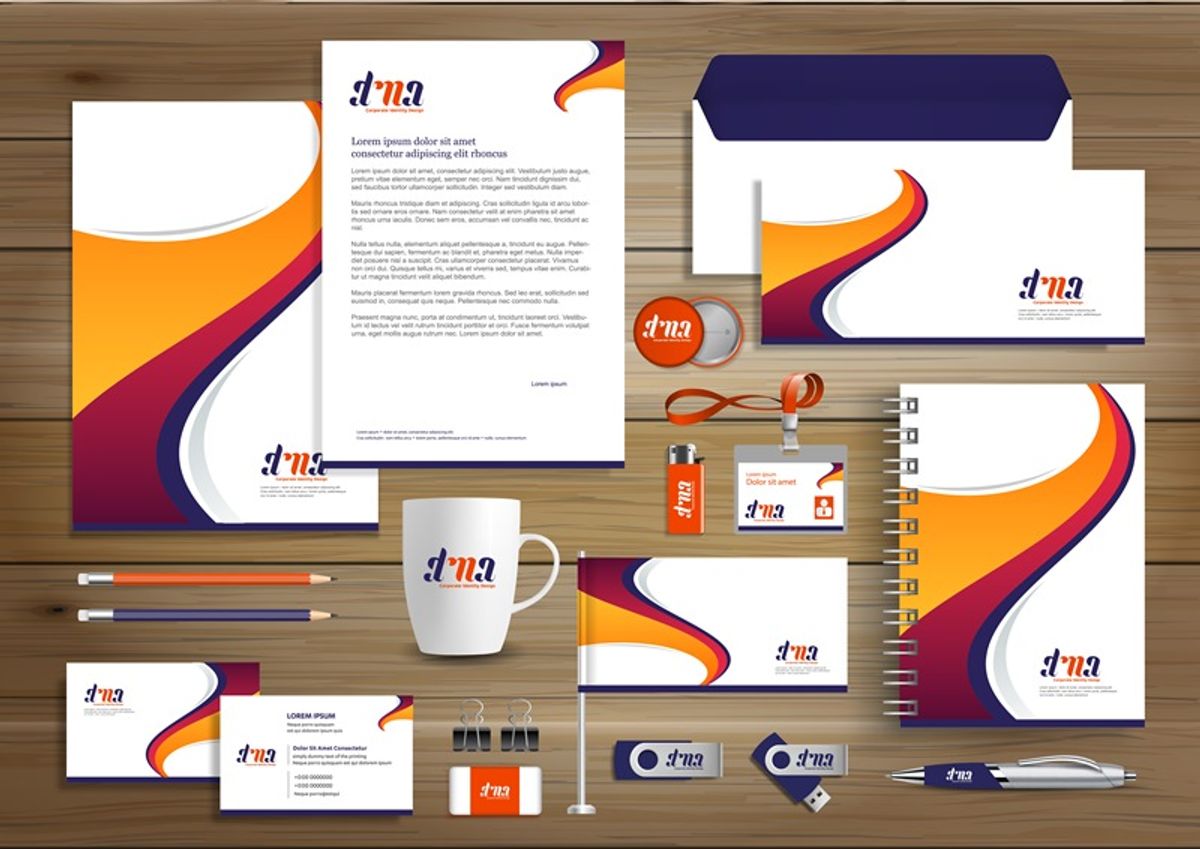
In the digital age, a brand’s visual identity has become more crucial than ever, serving as the silent ambassador of the brand’s essence. Creating a unique brand identity through visual storytelling is not just about aesthetics; it’s about crafting a narrative that resonates with audiences and distinguishes the brand from its competitors. This article explores the multifaceted approach to building a brand’s visual narrative, from understanding the role of visuals in brand recognition to analyzing successful case studies and predicting future trends.
Key Takeaways
- Visual storytelling is a powerful tool for creating a memorable brand identity that stands out in a crowded marketplace.
- Consistency in visual elements, paired with strategic creativity, helps in establishing brand recognition and loyalty.
- Effective visual branding goes beyond logos and colors; it encompasses the entire narrative that a brand conveys through various multimedia channels.
- Learning from successful case studies can provide valuable insights into the impact of visual storytelling on consumer engagement and brand transformation.
- Staying abreast of future trends and innovations in digital design is essential for adapting brand identity to changing consumer behaviors.
The Art of Visual Narratives in Branding

Understanding the Role of Visuals in Brand Recognition
The power of visuals in establishing brand recognition cannot be overstated. Visual storytelling is essential for brand narratives, conveying ideas and emotions that resonate with audiences. Engaging visuals not only capture attention but also increase audience engagement, ultimately driving sales and fostering a holistic brand image.
When we think of iconic brands, their visual identity often comes to mind first. This identity is built on a foundation of consistency across various elements:
- Consistent use of logos, fonts, and colors
- Familiar language and tone in messaging
- Organized and cohesive presentation across all platforms
By adhering to a strategic visual style guide, brands can ensure that every piece of content aligns with their identity, reinforcing recognition at every touchpoint.
It’s crucial for brands to define their mission and understand their buyer personas before crafting their visual identity. This clarity ensures that the visuals are not only consistent but also authentic and aligned with the brand’s core values.
Crafting a Compelling Brand Story through Imagery
The power of a compelling brand story cannot be overstated. It’s the narrative that encapsulates the essence of your brand and connects with your audience on an emotional level. To craft a brand story that resonates, it’s crucial to define and consider your target audience, using buyer personas or archetypes that embody their traits.
Visual storytelling in branding enhances brand identity through strategic visuals that captivate, engage, and convey messages. Authentic brand narratives create memorable experiences for audiences, fostering a deeper connection with the brand. This connection is not just about recognition; it’s about creating a feeling, an association that your audience will remember and relate to.
Crafting an authentic brand narrative is not just about being seen—it’s about being remembered.
To ensure that your visual storytelling is effective, consider the following steps:
- Identify the core message and values your brand represents.
- Develop a consistent visual language that aligns with your brand personality.
- Choose imagery that reflects the quality and tone of your brand.
- Integrate your visuals seamlessly across all marketing channels.
Remember, consistency is key. While creativity breathes life into your brand story, maintaining a consistent visual theme ensures that your brand remains recognizable and reliable in the eyes of your customers.
Balancing Consistency and Creativity in Visual Elements
In the realm of visual branding, consistency is the key to recognition, but it must be harmoniously blended with creativity to keep the brand dynamic and engaging. A brand style guide is essential in defining the boundaries within which creativity can flourish without compromising the brand’s cohesive image. This guide should detail the use of primary and secondary colors, typography, and imagery that aligns with the brand’s core values and messaging.
To maintain a consistent brand identity across various platforms, it’s crucial to adapt visual elements to different marketing channels while preserving their essence. For instance, web accessible colors and Instagram-friendly designs ensure brand consistency in digital spaces.
Including a variety of visual assets such as logos, fonts, and approved imagery in the style guide empowers content creators to produce consistent yet varied collateral. It’s about finding the right balance between uniformity and innovation to craft compelling brand narratives that resonate with the audience. By understanding the audience’s visual preferences and measuring engagement, brands can optimize their visual storytelling strategies for maximum impact.
Strategies for Effective Visual Storytelling

Identifying Core Brand Values for Visual Representation
To establish a visual identity that resonates with your audience, it’s crucial to first identify your brand’s core values. These values serve as the foundation for your visual storytelling and guide the creative process. Begin by defining what your brand stands for and how you want it to be perceived. This clarity will inform the choice of colors, typography, and imagery that align with your brand’s personality.
- Define your brand’s mission and vision
- Determine the emotional response you want to evoke
- Choose visual elements that reflect these aspirations
Ensuring that every visual element echoes your brand’s values is not just about aesthetics; it’s about creating a connection with your audience that builds trust and loyalty.
Once your core values are clear, consistency becomes key. Consistent use of design elements across all platforms reinforces brand recognition and fosters a sense of familiarity. However, it’s important to balance this consistency with creativity to keep your brand dynamic and engaging. Measure the effectiveness of your visual branding by how well it connects with your brand narrative and resonates with your target audience.
Leveraging Color Psychology and Design Principles
The strategic use of color in branding can evoke specific emotions and associations, making it a powerful tool in visual storytelling. Choosing the right color palette is crucial, as it should align with your brand’s values and message. For example, a brand like AM2 Studio, known for its strategic web development, might select colors that convey creativity and innovation.
When naming your brand’s colors, consider unique titles that reflect your brand’s ethos. This not only adds personality but also strengthens brand recognition. ‘Stop Light’ red for a law firm specializing in car accident cases is a memorable example of such a practice.
Consistency across all platforms ensures that your visual branding remains cohesive and recognizable, whether it’s on your website, Instagram, or printed materials.
Finally, creating easy-to-use branded templates can empower your team to produce consistent, high-quality visual content, even without extensive design experience.
Utilizing Multimedia to Enhance Brand Messaging
In the realm of visual branding, multimedia is a powerful tool that can significantly amplify a brand’s message and connect with audiences on a deeper level. By integrating various forms of media such as videos, animations, and interactive content, brands can create a more dynamic and engaging experience for their customers.
- Videos can showcase products in action, tell a brand’s story, and convey emotions effectively.
- Animations add a layer of creativity and can simplify complex messages.
- Interactive content such as quizzes or games encourages user participation and increases dwell time.
The synergy of visual storytelling with aligned imagery and multimedia enhances brand messaging, engages audiences, and fosters loyalty through interactive elements.
It’s essential to choose the right mix of multimedia that aligns with the brand’s identity and goals. For instance, a luxury brand might focus on high-quality videos to convey exclusivity, while a tech company might use interactive demos to highlight innovation. The key is to maintain brand consistency across all media while also offering fresh and captivating content to keep the audience interested.
Case Studies: Success Stories in Visual Branding

Analyzing the Impact of Visual Storytelling on Consumer Engagement
The potency of visual storytelling in branding is undeniable, with its ability to forge a deeper connection between brand and consumer. Visual narratives serve as a bridge, translating brand values into relatable and memorable experiences. This translation is not just artistic but strategic, aiming to boost consumer engagement—a metric crucial for brand success.
- Visual consistency across messaging reinforces brand recognition.
- Strategic use of brand colors and imagery can evoke specific emotions.
- Cohesive language and organized presentation enhance the overall brand experience.
By meticulously crafting a visual story, brands can create a distinctive identity that resonates with their audience, encouraging loyalty and advocacy.
Understanding how branded storytelling content impacts consumer engagement is essential for refining marketing strategies. It’s a dynamic process that requires continuous adaptation to the evolving landscape of consumer preferences and digital innovation.
Learning from Brands that Mastered Visual Identity Transformation
The transformation of a brand’s visual identity is a testament to the power of visual storytelling in establishing a connection with the audience. Brands that have successfully navigated this journey offer valuable insights into the strategic alignment of visuals with core brand values.
For instance, consider the case of a brand that redefined its image by adopting a new color scheme, consistent typography, and imagery that resonated with its mission statement. This cohesive approach not only enhanced brand recognition but also reinforced the brand’s message across various marketing channels.
By analyzing these transformations, we can distill the essence of a brand’s visual evolution and the impact it has on consumer perception and engagement.
A common thread among such success stories is the meticulous development of a brand style guide. This document serves as a blueprint for all visual assets, ensuring that every element, from the logo to the website design, is a reflection of the brand’s identity. Adherence to this guide is crucial for maintaining visual consistency, which is a key factor in building a memorable and authentic brand presence.
Exploring Cross-Industry Applications of Visual Branding Techniques
Visual branding transcends industry boundaries, offering a universal language of engagement. Retailers, for instance, harness visual merchandising to not only showcase products but to communicate their brand’s ethos and aesthetic. This approach is echoed across sectors, from the meticulous design of digital platforms in the tech industry to the strategic use of color and imagery in hospitality to create an inviting atmosphere.
Effective visual branding is not confined to the digital realm; it plays a crucial role in physical spaces as well. For example, a law firm might employ a distinctive color scheme throughout its office to reinforce its brand identity, turning a mundane space into a powerful brand statement.
The versatility of visual branding is its greatest strength, allowing for tailored applications that resonate with diverse audiences and industries.
While each industry has its unique challenges and opportunities, the core principles of visual branding remain consistent: clarity, memorability, and emotional connection. By adhering to these principles, businesses can craft a visual identity that not only stands out but also aligns with their values and mission.
Tools and Techniques for Building a Visual Brand Identity

Selecting the Right Visual Assets for Your Brand
The selection of visual assets is a pivotal step in crafting a brand identity that resonates with your audience. Visual storytelling is key for brand identity, and understanding the audience is crucial. It’s essential to consider the uniqueness of your brand and the message you want to convey through visuals. For instance, a law firm might choose a color like red to symbolize ‘Stop Light’ and reflect its specialization in car accident cases.
Creating easy-to-use branded templates can empower your team to maintain visual consistency, even without a design background. These templates, alongside a comprehensive style guide, ensure that your branding remains cohesive across various marketing channels. Consistency in logos, colors, and language helps in building a recognizable and organized brand presence.
When selecting visuals, it’s important to balance the need for a memorable style guide with the flexibility to adapt to different channels and mediums. This approach not only aids in sizing and accessibility but also upholds brand integrity in a multi-platform environment.
Remember, while innovation in visual elements is vital for effective branding, it should not come at the cost of brand recognition. The right visual assets should align with your brand’s mission statement and buyer personas, creating a strong and consistent brand narrative.
Integrating Visuals into Digital and Physical Marketing Channels
Integrating visuals into various marketing channels is a critical step in creating a consistent and recognizable brand identity. For digital platforms, this means ensuring that your visual assets are optimized for different devices and social media formats. It’s essential to maintain a cohesive look across your website, email campaigns, and online advertisements. Similarly, physical marketing materials like brochures, billboards, and packaging should reflect the same visual style to reinforce brand recognition.
To effectively integrate visuals, consider the following steps:
Evaluate the requirements of each channel.
Adapt your visual assets to fit those specifications.
Maintain brand consistency across all mediums.
Regularly update visuals to keep the brand fresh and relevant.
By carefully selecting and tailoring visual elements, you can craft a compelling brand narrative that resonates with your audience, regardless of where they encounter your brand. Remember, the goal is to create an immersive experience that enhances brand identity and fosters emotional connections with consumers.
Measuring the Effectiveness of Visual Branding Strategies
To gauge the success of visual branding efforts, businesses must employ a variety of metrics that reflect both quantitative and qualitative outcomes. Key performance indicators (KPIs) such as brand awareness, engagement rates, and conversion metrics are essential for understanding the impact of visual elements on the target audience.
For instance, tracking the increase in social media followers or the click-through rates on visually-driven campaigns can provide insights into the effectiveness of a visual strategy. Additionally, customer surveys and feedback can offer valuable information about the brand’s visual resonance with its audience.
It’s not just about the numbers; the sentiment and emotional connection that visuals foster with the audience are equally important to measure.
Ultimately, the goal is to ensure that the visual strategy is crucial for brand identity and differentiation in a competitive landscape. High-quality imagery and cohesive design elements help build trust, engage customers, and drive business growth. Regularly reviewing and adjusting the visual branding strategy based on these measurements can lead to sustained improvement and success.
Future Trends in Visual Storytelling and Branding

Innovations in Digital Design and Their Implications for Branding
The digital landscape is continuously evolving, with new technologies shaping the way brands interact with their audiences. Innovations in digital design are not just about aesthetics; they redefine the entire brand experience. For instance, the integration of artificial intelligence (AI) in design processes can lead to more personalized user experiences, while virtual reality (VR) and augmented reality (AR) offer immersive ways for consumers to engage with brands.
The seamless fusion of technology and creativity is crucial for brands aiming to stay ahead in the digital curve. It’s about creating a cohesive visual storytelling experience that resonates with the audience on a deeper level.
Moreover, the rise of user-generated content has empowered consumers to become part of the brand’s narrative, fostering stronger emotional connections. Brands that leverage these digital trends effectively can expect to see a significant impact on consumer engagement and loyalty.
- Embrace AI for personalized experiences
- Utilize VR/AR for immersive storytelling
- Encourage user-generated content
- Focus on cohesive visual storytelling
As we look towards the future, it’s clear that the brands which adapt to these digital transformations will be the ones that stand out. By embracing these innovations, brands can create a unique visual identity that not only captures attention but also builds lasting relationships with their audience.
Adapting to Changing Consumer Behaviors with Visual Content
As consumer behaviors evolve, brands must adapt their visual storytelling strategies to maintain relevance and engagement. Visual storytelling is a powerful tool for enhancing brand engagement, perception, and identity. To stay ahead, brands need to be agile, continuously analyzing and responding to new trends and preferences.
- Understand your audience: Keep a pulse on their changing interests and values.
- Leverage data: Use insights to inform your visual content strategy.
- Experiment: Try new formats and platforms to see what resonates.
- Personalize: Tailor content to individual preferences and behaviors.
Consistency, emotional connection, and innovation are key for successful visual branding campaigns.
By integrating these practices, brands can create a dynamic visual narrative that resonates with consumers’ current lifestyles and preferences, ensuring a lasting impact on brand recognition and loyalty.
Predicting the Evolution of Brand Identity in the Visual Age
As we look towards the future of branding, visual storytelling will continue to be a pivotal element in creating unique brand identities. The evolution of brand identity is expected to be driven by digital innovation and shifts in consumer behavior, with a focus on immersive experiences and interactive content.
- Clear objectives and the use of strategic tools will remain essential in crafting these visual narratives.
- Consistency across various platforms will be balanced with the need for creativity to stand out in a crowded digital landscape.
- Multimedia elements will become increasingly important, as they offer a dynamic way to convey a brand’s story and connect with consumers on a deeper level.
In this visual age, the memorability and aesthetics of a brand’s storytelling are what will ultimately forge a lasting connection with the audience.
By analyzing case studies and best practices, brands can gain valuable insights into successful visual branding techniques. The use of setting, characters, conflict, and resolution can create impactful stories that resonate with consumers and enhance brand identity.
As we look towards the horizon of digital innovation, visual storytelling and branding are evolving at an unprecedented pace. To stay ahead of the curve and ensure your brand’s narrative captivates your audience, visit our website for cutting-edge WordPress Development, eCommerce solutions, and bespoke design services. Let’s craft your story with the expertise that has propelled over 700 projects to success. Click on ‘Our Work‘ to see how we’ve redefined excellence in digital storytelling and branding.
Conclusion
In the dynamic landscape of branding, visual storytelling emerges as a pivotal tool for crafting a unique brand identity. By weaving together compelling narratives with striking visuals, brands can forge a deep connection with their audience, transcending mere aesthetics to evoke emotions and build loyalty. The examples discussed throughout this article, from the innovative NFT platforms to the festive allure of Glow Christmas, underscore the transformative power of visual storytelling. As we’ve seen, whether it’s through meticulously designed websites or immersive metaverse experiences, the essence of a brand is amplified when its story is told with clarity and creativity. For businesses looking to leave a lasting impression, investing in visual storytelling is not just an option—it’s an imperative for standing out in a crowded marketplace. Embrace the art of visual narrative, and watch your brand identity flourish in the hearts and minds of your consumers.
Frequently Asked Questions
What is visual storytelling in branding?
Visual storytelling in branding involves using images, colors, videos, and other visual elements to convey a brand’s values, message, and personality. It’s a way to create a memorable brand experience and connect emotionally with the audience.
How does visual storytelling enhance brand identity?
Visual storytelling enhances brand identity by providing a consistent and compelling visual narrative that resonates with consumers. It helps establish brand recognition and differentiates the brand from competitors in the market.
Can visual storytelling improve customer engagement?
Yes, visual storytelling can significantly improve customer engagement by making the brand more relatable and memorable. Engaging visuals can evoke emotions and drive consumers to take action, such as sharing content or making a purchase.
What are some key elements of effective visual storytelling?
Key elements of effective visual storytelling include a clear message, consistent branding, emotional appeal, high-quality visuals, and a narrative that aligns with the brand’s values and target audience.
How can brands measure the effectiveness of their visual storytelling?
Brands can measure the effectiveness of their visual storytelling by tracking metrics such as engagement rates, conversion rates, social shares, brand awareness, and the overall impact on sales and customer loyalty.
What role does color psychology play in visual storytelling?
Color psychology plays a significant role in visual storytelling by influencing perceptions and emotions. Different colors can evoke different feelings and associations, which can be leveraged to reinforce the brand’s message and identity.