Creating Unique Brand Identity through Visual Storytelling

In the digital age, a brand’s identity is more than just a logo or a tagline; it’s a complete narrative that encapsulates the essence of the business and connects with its audience on an emotional level. Visual storytelling has emerged as a powerful tool for creating a unique brand identity that stands out in a crowded marketplace. Through a combination of design, color, imagery, and strategic communication, businesses can craft compelling visual narratives that resonate with consumers and foster brand loyalty. This article delves into the art of visual storytelling and provides actionable strategies to help brands weave their stories into the very fabric of their visual identity.
Key Takeaways
- Visual storytelling is a vital component of brand identity, offering a way to convey brand values and messages through compelling visual narratives.
- A unique visual brand story can differentiate a business in the market and create a deeper emotional connection with the audience.
- Color psychology, imagery, and design principles are essential tools for creating an emotional impact within visual brand storytelling.
- Consistency and cohesion across all platforms are key to reinforcing the brand story and ensuring a seamless brand experience.
- Future trends in visual storytelling include the integration of emerging technologies and adapting to changing consumer behaviors to maintain brand relevance.
The Art of Visual Storytelling in Branding

Understanding the Power of Visuals in Brand Identity
A visual identity is more than just a logo or color scheme; it’s the embodiment of a brand’s essence, communicated through visual elements that resonate with its audience. The strategic use of visuals in brand identity can create a powerful connection with customers, as it taps into the human brain’s innate preference for images over text.
Visual storytelling is not just an artistic endeavor but a strategic one that hinges on understanding the audience. It’s about weaving a narrative that is both aesthetically pleasing and emotionally compelling. Consistent use of logos, colors, and imagery helps to establish a brand’s presence and can be a catalyst for innovation in branding.
By leveraging the visual appeal and storytelling capabilities of video content, brands can effectively convey their message and stand out in a crowded digital space.
To maximize the impact of visual storytelling, consider these tips:
- Understand your audience’s preferences and tailor your visuals accordingly.
- Maintain consistency in your visuals across all platforms to build brand recognition.
- Utilize color psychology and composition to evoke the desired emotional response.
- Integrate motion graphics and video to create immersive brand experiences.
Crafting a Visual Narrative that Resonates with Your Audience
To create a visual narrative that truly resonates with your audience, it’s essential to understand their preferences and the cultural context in which they operate. Crafting a story that aligns with your audience’s values and experiences can forge a deeper connection and make your brand more memorable.
- Understanding Audience Preferences: Pay attention to the type of content your audience enjoys and the platforms they frequent. This insight allows you to tailor your visual storytelling effectively.
- Consistency in Visual Branding: Maintain a consistent visual identity across all mediums to build brand recognition and trust.
- Integrating Storytelling Elements: Use characters, plot, and emotions to create a captivating narrative that supports your brand’s message.
By focusing on these key aspects, you can develop a visual brand story that not only stands out but also fosters a strong emotional bond with your audience.
Remember, the goal is not just to tell a story, but to tell your story in a way that it becomes a part of your audience’s story. This is where the magic of visual storytelling lies. When done right, it can transform passive viewers into active participants who feel a personal stake in your brand narrative.
Leveraging Color Psychology and Imagery for Emotional Impact
The strategic use of color and imagery in visual storytelling is not just about aesthetics; it’s about evoking the right emotions and creating a lasting impact on your audience. Color psychology is a powerful tool in this regard, as different colors can trigger different emotional responses. For instance, blue often instills a sense of trust and security, while red can evoke excitement or urgency.
When selecting imagery, it’s crucial to align with your brand’s core values and message. High-quality photographs and graphics that tell your brand’s story can significantly enhance the emotional connection with your audience. This visual narrative should be consistent across all platforms to reinforce brand recognition.
By meticulously choosing a color palette and imagery that align with your brand’s identity, you can design a distinctive visual identity that resonates deeply with your audience.
Remember, the goal is to use these visual elements to support and amplify your brand’s narrative, not to overshadow it. Regularly updating your design based on customer feedback and industry trends can ensure that your visual identity remains fresh and relevant.
Strategies for Crafting a Unique Visual Brand Story

Defining Your Brand’s Core Message and Values
At the heart of every memorable brand is a clear and compelling core message and set of values. These foundational elements are the bedrock of your visual storytelling and must resonate with your audience to foster a strong brand identity. Begin by introspecting on what your brand stands for, the problems it solves, and the impact you wish to make. This introspection is crucial for crafting a narrative that is both authentic and engaging.
Your brand’s core message should encapsulate the essence of what you offer and why it matters. It’s the central theme that all your visual storytelling efforts should align with.
To effectively communicate your brand’s core message and values, consider the following steps:
- Identify the key characteristics and traits that define your brand’s personality.
- Articulate your mission statement and the values that guide your business practices.
- Ensure that your visual elements, such as logos and imagery, are in harmony with your brand’s message.
Remember, a well-defined brand message and consistent values are instrumental in building a strong connection with your audience, making them more likely to support and advocate for your brand.
Choosing the Right Visual Medium for Your Message
Selecting the right visual medium is a pivotal step in crafting a unique visual identity for your brand. Whether it’s photography, video, infographics, or illustrations, the medium must resonate with your target audience and be in harmony with your brand’s essence.
- Understanding Audience Preferences: Small details can significantly impact audience engagement. Tailoring your visual storytelling to align with the content type and platforms your audience prefers is crucial.
- Consistency in Visual Branding: Using consistent design elements across various mediums reinforces your brand message and aids in building a recognizable brand identity.
By incorporating visually appealing graphics and design elements, brands can create a seamless and engaging experience that captivates the audience and reinforces their brand message.
Remember, visual strategy is key for brand differentiation and growth. High-quality imagery, cohesive design, and storytelling not only enhance brand identity but also drive customer engagement and business success.
Incorporating Consistency and Cohesion Across All Platforms
Achieving a unified brand identity requires meticulous attention to detail across all platforms. This means ensuring that your logo, color scheme, typography, and other visual elements are consistently applied, creating a seamless user experience. For instance, a well-organized website that aligns with your brand’s aesthetic can significantly improve customer trust and the likelihood of sales.
Visual consistency is key for brand identity. Utilize creative strategies, analyze engagement, and leverage customer advocacy to enhance brand loyalty and reach a diverse audience.
Understanding audience preferences is crucial in tailoring your visual storytelling. Little details, such as the type of content they enjoy or the platforms they frequent, can make a big difference in engagement. Below is a list of key considerations for maintaining visual consistency:
- Consistently applying visual elements to foster brand recognition
- Optimizing navigation and layout for a better user journey
- Establishing a consistent design language through UI/UX
- Crafting a seamless user journey across various touchpoints
By adhering to these principles, brands can create a cohesive narrative that resonates with their audience, reinforcing their story and identity.
Maximizing Impact with Visual Storytelling Techniques
Utilizing Composition and Design Principles to Convey Your Story
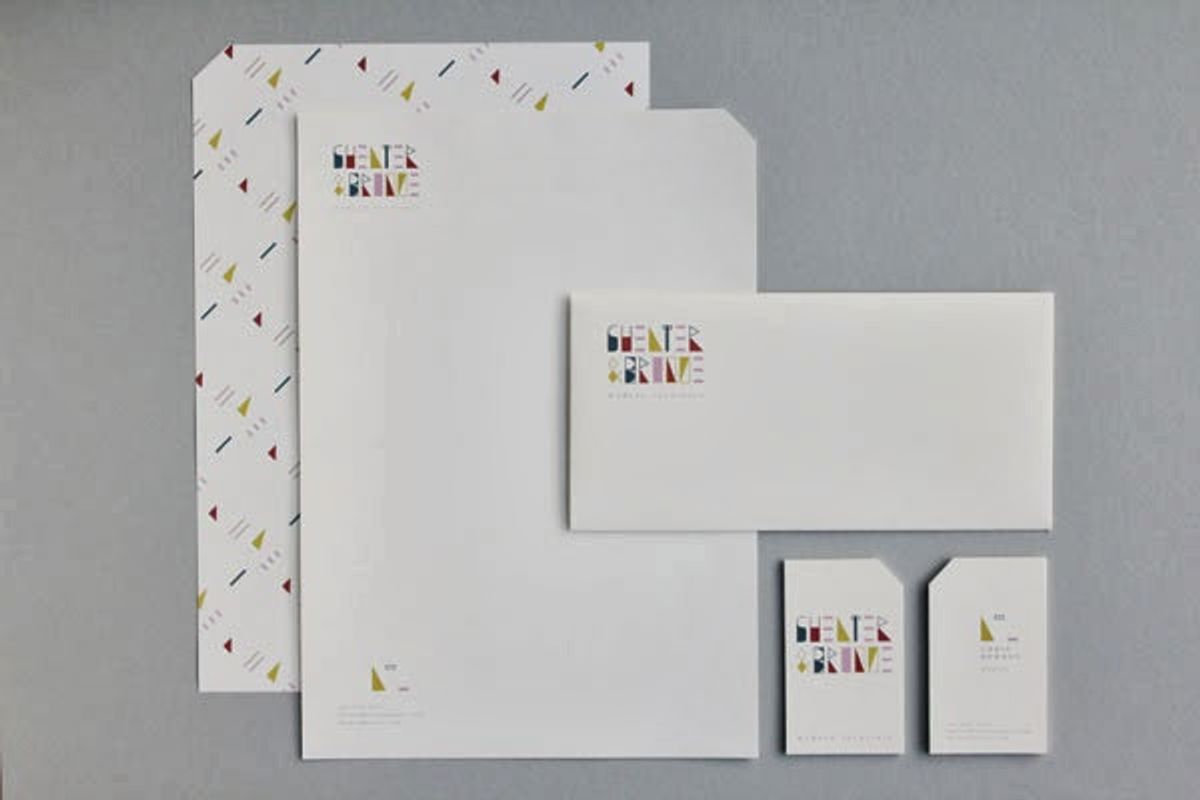
The composition and design of visual elements are fundamental in telling a brand’s story. By carefully arranging elements such as color schemes, typography, and layout, brands can create visually appealing and cohesive storytelling pieces. A style guide is crucial for maintaining consistency across all visual content, reinforcing brand recognition.
Incorporating storytelling elements like characters, plot, and emotions can captivate and connect with the audience on a deeper level. It’s essential to balance aesthetics with functionality, ensuring that the narrative enhances usability rather than compromising it. Interactive elements, intuitive navigation, and clear calls-to-action should work harmoniously with the visual story.
Emotion is at the heart of visual storytelling. Thoughtful use of color psychology, imagery, and animation can elicit specific feelings, creating memorable experiences that resonate with the target audience.
To measure the impact of visual storytelling, track engagement metrics and user interaction. This data can inform further improvements, ensuring that the visual narrative remains effective and relevant.
Integrating Interactive Elements to Engage the Audience
In the realm of visual storytelling, interactive elements are key to fostering a deeper connection with your audience. Brands can elevate their narrative by incorporating interactive media such as quizzes, augmented reality experiences, and interactive websites. This not only encourages active engagement but also creates memorable moments that audiences are likely to share.
Interactive content allows for a personalized and immersive brand experience that can significantly boost audience retention and shareability.
Graphics and design elements play a pivotal role in guiding users through these experiences, ensuring that the journey is not only captivating but also coherent with the brand’s message. It’s crucial to balance aesthetics with functionality, making sure that the narrative enhances the usability of the interface.
To measure the impact of these interactive strategies, brands should monitor engagement metrics like likes, shares, and comments. This data provides insights into what resonates with the audience, enabling brands to refine their approach for maximum impact.
Measuring the Effectiveness of Your Visual Storytelling
To truly understand the impact of your visual storytelling, it’s essential to measure the success of your efforts. This involves tracking a variety of metrics that reflect audience engagement and the reach of your content. Key performance indicators (KPIs) such as likes, shares, and comments can provide insights into how your audience interacts with your visuals. Additionally, brand awareness metrics like reach, impressions, and mentions offer a broader view of your visual narrative’s penetration.
By closely monitoring these metrics, you can identify which aspects of your visual storytelling resonate with your audience and which areas may need refinement.
Another critical aspect is analyzing the audience’s feedback and behavior. This qualitative data can reveal the emotional impact of your visuals and guide future content creation. Here’s a simple table summarizing the metrics to track:
| Metric Type | Examples |
|---|---|
| Engagement | Likes, Shares, Comments |
| Awareness | Reach, Impressions, Mentions |
Remember, the goal is not just to create visually appealing content but to craft a narrative that captivates and connects with your audience. By measuring these metrics, you can ensure that your visual storytelling is not only seen but also felt and remembered.
Case Studies: Successful Visual Brand Stories

Analyzing the Visual Storytelling Approach of Leading Brands
Leading brands have long recognized the importance of visual storytelling in creating a distinctive brand identity. By weaving together imagery, color, and design, they craft narratives that not only convey their message but also evoke emotions and build connections with their audience.
- Nike, for instance, uses powerful visuals and motivational stories to inspire athletes of all levels.
- Apple‘s clean and innovative design aesthetic communicates its commitment to simplicity and cutting-edge technology.
- Coca-Cola‘s use of vibrant colors and nostalgic imagery taps into a sense of universal joy and community.
These brands demonstrate that a well-told visual story can transcend cultural and linguistic barriers, creating a global resonance.
It’s not just about the visuals themselves, but how they are strategically used to reinforce the brand’s core values and message. The alignment of visual identity with brand values is crucial for audience engagement and differentiation, as highlighted in various case studies. This strategic approach to visual branding is what sets market leaders apart and cements their position in the minds of consumers.
Lessons Learned from Visual Rebranding Campaigns
Rebranding campaigns offer invaluable insights into the dynamic nature of visual storytelling in brand identity. Consistent design elements and authenticity are not just buzzwords but the backbone of successful brand perception. A rebrand that aligns with the core values and message of a company can significantly enhance customer engagement, brand loyalty, and awareness.
- Understanding Audience Preferences: Tailoring visual content to the preferences of your target audience is crucial. It ensures that the narrative is not only seen but also resonates.
- Balancing Creativity and Brand Guidelines: Creativity should flourish, but not at the expense of brand consistency. The challenge lies in innovating within the boundaries of established brand guidelines.
Rebranding is not just about a new look; it’s a strategic move towards innovation that can rejuvenate a brand’s story and connect with the audience on a deeper level.
Measuring the impact of these campaigns is essential. It’s not just about the aesthetic changes, but how these changes translate into real-world metrics like customer retention and conversion rates. The lessons learned from analyzing rebranding campaigns can guide future strategies and help avoid common pitfalls.
How Small Businesses Can Leverage Visual Storytelling for Growth
Small businesses often face the challenge of standing out in a crowded market. Visual storytelling is a powerful tool that can help these businesses create a unique brand identity and forge an emotional connection with their audience. By crafting authentic narratives that reflect their values and mission, small businesses can differentiate themselves and resonate with their target customers.
To begin leveraging visual storytelling, small businesses should focus on a few key strategies:
- Identify the core message that embodies the brand’s values and mission.
- Choose visuals that are consistent across all platforms, reinforcing the brand identity.
- Use color psychology and imagery to evoke the desired emotional response.
- Tell a story that is authentic to the brand, making it relatable and memorable.
By implementing these strategies, small businesses can enhance their market presence and foster growth through a strong visual brand story.
It’s essential to remember that consistency and authenticity are not just buzzwords but the pillars of a successful visual brand identity. Small businesses that maintain these principles in their storytelling efforts are more likely to build trust and loyalty with their audience, leading to sustained growth and success.
Future Trends in Visual Storytelling for Brand Identity

Emerging Technologies Shaping the Future of Visual Branding
As we navigate the digital landscape, emerging technologies are revolutionizing the way brands tell their stories visually. The integration of augmented reality (AR), virtual reality (VR), and artificial intelligence (AI) is transforming traditional narratives into immersive experiences that leave a lasting impression on users.
With these advancements, brands can craft stories that are not only visually compelling but also interactive, providing a deeper connection with their audience.
To stay ahead, brands must explore and adopt these technologies strategically. Here’s a list of key technologies that are currently shaping the future of visual branding:
- Augmented Reality (AR) for interactive storytelling
- Virtual Reality (VR) for immersive brand experiences
- Artificial Intelligence (AI) for personalized content
- Blockchain for authenticity and trust in brand storytelling
These tools offer a new dimension to visual storytelling, enabling brands to create narratives that are more engaging, personalized, and memorable. By harnessing the power of these technologies, brands can ensure their visual identity resonates with the audience and stands out in a crowded marketplace.
The Role of User-Generated Content in Visual Storytelling
In the realm of visual storytelling, user-generated content (UGC) has emerged as a transformative force. UGC encompasses a variety of formats, including text, videos, images, and reviews, all crafted by individuals rather than corporate entities. This democratization of content creation allows brands to tap into authentic stories that resonate with their audience, fostering a deeper connection and trust.
The inclusion of UGC in a brand’s visual narrative can be a strategic move, as it often carries a sense of genuineness that polished corporate messages may lack. By showcasing real experiences and testimonials, brands can create a more relatable and humanized image. Moreover, UGC can serve as social proof, validating the brand’s value proposition through the lens of the consumer.
Leveraging UGC effectively requires a thoughtful approach. Brands must curate and present user content in a way that aligns with their overall brand story, ensuring consistency and relevance. It’s not just about collecting content; it’s about weaving it into the fabric of the brand’s visual identity.
To maximize the impact of UGC, consider the following steps:
- Identify and encourage the creation of UGC that aligns with your brand values.
- Curate and highlight standout UGC that exemplifies your brand’s message.
- Integrate UGC into your marketing channels, from social media to advertising campaigns.
- Monitor and measure the impact of UGC on brand perception and engagement.
By embracing UGC, brands can create a more inclusive and dynamic visual story, one that not only tells but also involves the audience in its narrative.
Adapting to Changing Consumer Behaviors and Preferences
In the dynamic realm of visual branding, adapting to changing consumer behaviors and preferences is crucial for maintaining a strong brand identity. As digital landscapes evolve, brands must stay attuned to their audience’s shifting tastes and expectations. A continuous improvement mindset is not just beneficial but necessary to keep your visual identity fresh and relevant.
Little details can make a big difference in audience engagement. By understanding and responding to consumer preferences, such as favored content types or platforms, brands can craft visual stories that truly resonate.
For instance, a particular color scheme might drive more conversions, or a specific layout could enhance user experience. Regular updates based on customer feedback and industry trends are essential for a Shopify store’s appeal. Below is a list of key considerations for adapting your visual storytelling strategy:
- Understanding Audience Preferences
- Consistency in Visual Branding
- Performance Optimization
- Tracking & Measuring User Interaction
By focusing on these areas, brands can ensure that their visual storytelling remains impactful and aligned with their audience’s evolving needs.
As we look towards the horizon of digital innovation, visual storytelling has become a pivotal element in shaping brand identity. To stay ahead of the curve and ensure your brand resonates with your audience, it’s crucial to embrace the latest trends and technologies. Visit our website to explore our comprehensive services in WordPress Development, eCommerce solutions, and custom web design that will elevate your brand’s digital presence. Let’s craft a narrative that captivates and converts. Discover how we can help you make a lasting impression in the digital world today.
Crafting a Lasting Legacy with Visual Storytelling
In conclusion, visual storytelling is not just an artistic endeavor but a strategic tool that can forge a deep connection with your audience and carve a unique brand identity. By understanding your audience’s preferences, choosing the right visual mediums, and integrating storytelling elements effectively, you can create a narrative that not only captivates but also resonates on an emotional level. Whether it’s through custom design, meticulous development, or post-launch monitoring, the examples we’ve explored demonstrate the power of visual storytelling in creating memorable brand experiences. As we’ve seen, the journey from strategy to design to development is a collaborative and creative process that can set your brand apart in a crowded marketplace. Embrace the art of visual storytelling, and let it be the cornerstone of your brand’s legacy.
Frequently Asked Questions
What is visual storytelling in the context of branding?
Visual storytelling in branding involves using visual elements like images, colors, and designs to tell a brand’s story and convey its message in an engaging and memorable way. It’s a strategic approach to create an emotional connection with the audience through visuals.
How can visual storytelling differentiate my brand?
Visual storytelling can differentiate your brand by creating unique visual narratives that reflect your brand’s personality, values, and message. This helps your brand stand out in a crowded marketplace and fosters a deeper connection with your target audience.
What role does color psychology play in visual branding?
Color psychology is pivotal in visual branding as different colors can evoke various emotions and associations. By understanding and leveraging these psychological effects, brands can influence how their audience perceives and interacts with their visual content.
Can visual storytelling improve customer engagement?
Yes, visual storytelling can significantly improve customer engagement by making content more relatable and memorable. Interactive elements and compelling visuals can captivate the audience, leading to increased interaction and stronger brand loyalty.
What are some effective visual storytelling techniques?
Effective visual storytelling techniques include using consistent branding elements, integrating interactive features, employing composition and design principles, and crafting a cohesive visual narrative that aligns with the brand’s core message and values.
How can I measure the effectiveness of my visual storytelling?
The effectiveness of visual storytelling can be measured through various metrics such as audience engagement, conversion rates, brand recall, and social media shares. Analyzing these metrics can provide insights into how well your visual content resonates with your audience.