Creating Unique Brand Identity through Visual Storytelling
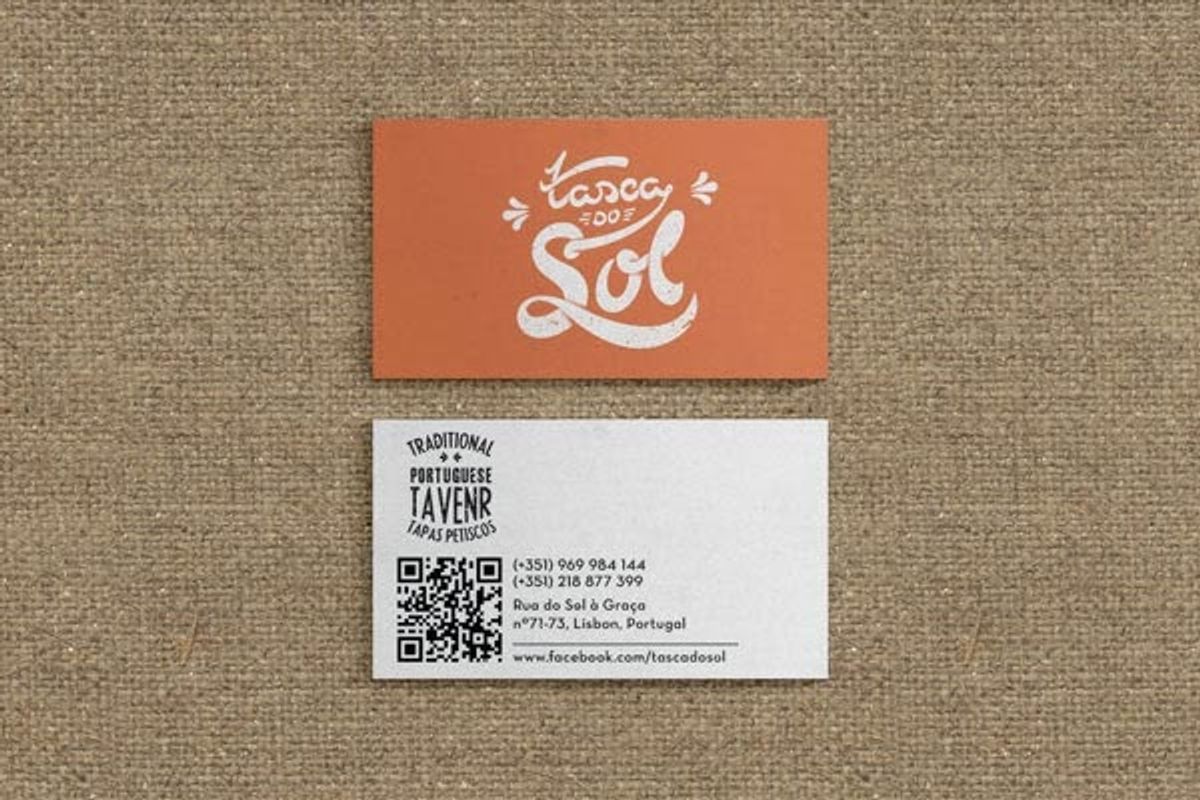
In the realm of branding, visual storytelling stands as a pivotal strategy for forging a unique brand identity. It’s an approach that transcends mere aesthetics, weaving a narrative that captures the essence of a brand and connects with audiences on a deeper level. This article explores the nuances of visual storytelling and how it can be harnessed to create a distinctive and memorable brand identity.
Key Takeaways
- Visual storytelling is a critical component in establishing a brand’s identity, allowing for a narrative that resonates with consumers and differentiates the brand in the marketplace.
- Employing imagery and color psychology, as well as incorporating motion graphics and animation, can significantly enhance the emotional and psychological impact of a brand’s message.
- Aligning visual content with brand values and ensuring consistency across platforms are strategic imperatives for crafting compelling brand stories.
- Case studies of industry leaders and niche brands demonstrate the effectiveness of tailored visual storytelling campaigns in engaging different market segments.
- Measuring the impact of visual storytelling through key performance indicators and analytics is essential for refining strategies and understanding the long-term benefits of a robust visual identity.
The Art of Visual Storytelling in Branding

Understanding the Basics of Visual Narratives
Visual storytelling is an art that combines imagery with narrative to convey messages in a way that is engaging, memorable, and impactful. It’s about crafting a visual journey that resonates with your audience, making your brand’s presence felt in a crowded marketplace.
To master visual storytelling, one must recognize the essentials: a strong hook to capture attention, a clear structure to guide the audience, and an emotional connection to leave a lasting impression.
Creating a successful visual narrative involves several key steps:
- Start with a Strong Hook: Your first visual or frame should grab attention.
- Use a Clear Structure: Organize your story with a beginning, middle, and end.
- Emotional Connection: Select images and graphics that evoke the desired emotions.
- Simplicity: A simple, clean design can effectively communicate your message.
By integrating these elements, brands can create powerful visual narratives that not only tell a story but also build a connection with their audience.
Leveraging Imagery and Color Psychology
The strategic use of color and imagery can profoundly influence consumer perception and behavior. A brand’s color palette, when chosen with intention, can convey its ethos and evoke specific emotions, leading to a deeper connection with the audience. For instance, a color such as blue can instill a sense of trust and dependability, while red might evoke excitement and urgency.
- Color Consistency: Maintaining a consistent color scheme across all platforms ensures that customers recognize your content in a sea of information.
- Emotional Connection: Select images and colors that mirror the feelings you want to evoke, whether it’s joy, trust, or curiosity.
- Simplicity: A clean design can communicate your message more effectively than a cluttered one.
By naming your brand’s colors and using them strategically, you create a unique language that speaks directly to your audience’s subconscious, enhancing brand recognition and engagement.
It’s not just about the colors themselves, but also how they are used together. A well-crafted visual narrative can transform a simple message into a compelling brand story. Remember, visual storytelling is crucial for brand identity.
Incorporating Motion Graphics and Animation
In the realm of visual storytelling, motion graphics and animation play a pivotal role in creating a dynamic and engaging brand identity. These elements can transform static images into a narrative that captures the essence of a brand and communicates its message in an interactive way.
Motion graphics, in particular, are a great tool for explaining complex ideas succinctly and effectively. They can be used to highlight key brand messages or to illustrate product features in a way that is both informative and visually appealing. Here’s how you can incorporate motion graphics into your brand storytelling:
- Define the core message you want to convey and ensure that your motion graphics align with it.
- Use consistent brand colors and fonts to maintain visual coherence across all animations.
- Consider the tone and style of your brand when choosing animation types, such as playful or sophisticated.
By thoughtfully integrating motion graphics and animation into your brand’s visual narrative, you can create a memorable and distinctive identity that resonates with your audience.
It’s important to remember that motion graphics should not only be visually captivating but also strategically designed to reinforce your brand’s identity. Consistency in visual elements builds trust and recognition, while engaging storytelling fosters a deeper connection with viewers.
Strategies for Crafting Compelling Brand Stories

Aligning Visuals with Brand Values
To master visual storytelling, every visual element must reflect the core values of your brand. This strategic alignment not only enhances brand recognition but also fosters trust with your audience. Consider the following points when aligning visuals with your brand’s narrative:
- Clarity of Message: Ensure that your visual story is straightforward and aligns with your brand’s message. Whether it’s to inform, persuade, entertain, or inspire, elements like color and typography should support this goal.
- Consistency Across Platforms: Maintain a consistent visual identity across all platforms. This can be achieved by using design templates that adhere to your brand’s color schemes, fonts, and layout structures.
- Motion Graphics Integration: Incorporate brand colors and fonts into motion graphics for instant recognition. Decide on the tone and feel of your animations to match your brand’s personality.
By creating a cohesive visual identity, you’re not just decorating your brand; you’re strategically positioning it in the minds of consumers. A well-aligned visual narrative is a powerful tool that can transform your brand’s narrative and create a lasting impression.
Remember, visuals are a silent ambassador of your brand’s message. They should inspire action and convey your story without the need for words. Measure the effectiveness of your visual storytelling through key metrics to ensure that your brand’s identity resonates with your target audience.
Creating Emotional Engagement Through Visuals
Visual storytelling is a potent tool for creating an emotional connection with your audience. By selecting images and graphics that reflect the emotions you wish to evoke, you can significantly enhance brand engagement. For instance, joy, trust, or curiosity can be powerfully conveyed through the right visual elements, making your brand more relatable and memorable.
Embracing visual storytelling is not just about crafting a message; it’s about fostering a loyal community around your brand. A simple, clean design often speaks volumes, ensuring your message is digestible and impactful.
Incorporating a variety of visuals can keep your narrative dynamic and interesting. Use design elements like contrast and alignment to emphasize key points, and don’t forget to add interactive elements such as polls or calls-to-action to increase visibility and foster community. Here’s a quick checklist to ensure your visuals are emotionally engaging:
- Select imagery that mirrors desired emotions
- Employ a simple and clean design for clarity
- Incorporate interactive elements for engagement
- Use design to emphasize important messages
Remember, every post is a building block in your brand’s narrative, so make each one count by ensuring it resonates with your audience on an emotional level.
Utilizing Cross-Platform Consistency
In the realm of visual storytelling, cross-platform consistency is a cornerstone for establishing a cohesive brand identity. It’s not just about using the same logo or color scheme across different media; it’s about ensuring that every piece of visual content tells a part of the same story, regardless of where it’s seen.
To achieve this, brands must craft compelling brand narratives by understanding audience’s visual preferences, balancing consistency and creativity in visual branding, and measuring engagement for optimization. A centralized style guide is crucial, serving as the single source of truth for all visual elements. This guide should be easily accessible and regularly reviewed to maintain visual consistency.
Maintaining a consistent brand voice and visual identity across various platforms can significantly enhance user experience and brand recognition.
Moreover, the use of project templates and libraries can streamline the workflow and ensure that all projects adhere to the brand’s visual standards. Regular style guide review sessions and human oversight are necessary to cater to nuanced customer needs and maintain the brand’s unique voice.
Case Studies: Successful Visual Storytelling Campaigns

Analyzing Industry Leaders
The rise of visual storytelling has been attributed to several factors, including the increasing importance of social media and the decreasing attention span of consumers. Industry leaders have capitalized on this trend by creating immersive brand experiences that resonate with their audience.
For instance, companies like HubSpot and Zapier have become adept at using visual narratives to connect with their customers. HubSpot’s comprehensive approach to building a business on its platform is enhanced by its strategic use of visuals that align with its brand values. Similarly, Zapier’s marketing efforts are complemented by engaging visual content that simplifies complex workflows for users.
By analyzing the strategies of industry leaders, we can distill key insights into how visual storytelling can be leveraged to create a unique and compelling brand identity.
These insights reveal that consistency across platforms, attention to user experience, and alignment with brand values are crucial for success. The following list highlights some common themes observed among successful campaigns:
- Consistent visual branding across all touchpoints
- Strategic use of color and imagery to evoke emotions
- Incorporation of motion graphics to capture attention
- Clear and engaging visual narratives that tell a brand’s story
By examining these elements, brands can learn how to effectively communicate their identity and values through visuals, thereby creating a lasting impression on their audience.
Learning from Niche Brand Successes
Niche brands often serve as excellent case studies for visual storytelling. These brands typically have a focused target audience, allowing them to craft highly specialized and resonant visual narratives. By analyzing their strategies, larger brands can uncover insights into creating a unique brand identity that speaks directly to a specific market segment.
Successful niche brands demonstrate the importance of integrating a clear narrative with strategic visuals and engaging copy to connect with their audiences.
For instance, a niche brand may use a combination of bespoke imagery, tailored messaging, and a distinct color palette to convey its brand values and ethos. This approach not only differentiates the brand but also fosters a strong emotional engagement with its audience. Below is a list of key takeaways from niche brand successes:
- Authenticity in visual and narrative elements
- Strategic use of color psychology to evoke specific emotions
- Customized motion graphics and animation to tell a brand story
- Consistent visual identity across all platforms
By embracing these practices, brands can create a compelling visual identity that resonates with their audience and stands out in the competitive market.
Adapting Strategies for Different Market Segments
Adapting visual storytelling strategies to cater to different market segments is crucial for a brand’s success. Understanding your audience’s demographics, behaviors, and preferences is the first step in this adaptation process. By defining your target audience by shared attributes, such as age and gender, you can identify the problems or issues they face and tailor your messaging to resonate with them.
It’s essential to maintain a consistent brand identity across various platforms while customizing your approach to fit each segment’s unique needs.
For instance, if your brand is active on Instagram and your website, ensure that your branding is not only web accessible but also optimized for Instagram’s format. However, the core elements of your branding should remain consistent, regardless of the platform.
Continuous monitoring and adaptation are key to staying relevant. Use AI tools to track performance metrics and adjust your strategies accordingly. This will help you stay ahead of the curve and maintain a strong connection with your audience across different market segments.
Tools and Techniques for Creating Visual Brand Identity

Choosing the Right Design Software and Platforms
Selecting the appropriate design software and platforms is a pivotal decision that can significantly influence the efficiency and quality of your visual branding efforts. The best graphic design software of 2024, as highlighted by TechRadar, includes industry giants like Adobe Photoshop CC with its innovative Generative Fill feature. However, the choice extends beyond individual features and should align with your team’s workflow and project requirements.
- Adobe Photoshop CC: Renowned for its comprehensive toolset and versatility in photo editing and complex designs.
- Affinity Designer: Offers a balance of power and simplicity, favored for its precision and vector graphic capabilities.
When considering software options, it’s crucial to evaluate how they integrate with other tools and platforms used by your team. This ensures a seamless workflow and maintains cohesion across various design tasks.
Moreover, the software should support multi-format content creation, allowing for the adaptation of visuals to different platforms while maintaining brand consistency. This is particularly important in an era where cross-platform presence is essential. Look for platforms that offer extensive template libraries and customization options to optimize your branding for all channels, ensuring accessibility and engagement across diverse audiences.
The Role of Templates in Maintaining Brand Consistency
Templates serve as a cornerstone in maintaining visual consistency across various channels and mediums. By providing a set of pre-defined guidelines on logos, colors, typography, and imagery, templates ensure that every piece of content aligns with the brand’s identity, enhancing engagement and trust.
Not everyone is a designer, but templates level the playing field, allowing team members to produce professional-looking assets. This is crucial for brands that operate across different platforms, where optimized branding for each channel is necessary. Templates not only cater to sizing and accessibility but also to the unique demands of each platform.
Flexibility in templates is essential. They should allow for easy adjustments while keeping the core brand elements intact. This enables brands to adapt to different stories and messages without losing their identity.
Choosing the right template involves evaluating its visual impact and ensuring it stands out in a crowded space. It’s a balance between eye-catching elements and simplicity, where the key message is immediately clear. Regular testing and iteration with various templates can help in finding the most resonant design for your audience.
Customizing Visuals for Targeted Audience Impact
To create a unique brand identity, it’s essential to customize visuals that resonate with your target audience. Tailoring your content to align with their preferences and needs is fundamental for attracting and retaining valuable customers. By understanding your audience’s demographics, behaviors, and preferences, you can craft a visual narrative that speaks directly to them.
Customizing visuals is not just about aesthetic appeal; it’s about creating a connection that reflects the audience’s identity and aspirations.
Incorporating visual storytelling elements in your content is crucial as visuals have a unique ability to captivate attention and engage audiences more rapidly. To achieve this, consider the following steps:
- Evaluate Visual Impact: Ensure your visuals stand out in a crowded digital space while conveying your key message clearly.
- Emotional Connection: Select images and graphics that evoke the desired emotions in your audience.
- Incorporate Visual Variety: Use a mix of photos, videos, infographics, and text to keep your narrative dynamic.
- Emphasize Key Points with Design: Utilize design elements like contrast and alignment to guide your audience’s attention to what matters most.
- Test and Iterate: Use analytics and engagement metrics to refine your visual strategy over time.
Measuring the Impact of Visual Storytelling on Brand Identity

Key Performance Indicators for Visual Branding
To gauge the effectiveness of visual storytelling in branding, it’s crucial to monitor specific Key Performance Indicators (KPIs). These metrics provide insights into how visual elements resonate with the audience and influence brand perception. A well-structured KPI board can help brands track these indicators visually, ensuring targets are met and results are clear at a glance.
Establishing a set of KPIs tailored to visual branding efforts is essential. These may include engagement rates on social media, website traffic attributed to visual content, conversion rates from campaigns featuring strong visual narratives, and brand recall metrics.
Here’s a snapshot of common visual branding KPIs:
- Engagement Rates: Likes, shares, comments on visual content.
- Traffic Metrics: Number of visitors to web pages with visual storytelling elements.
- Conversion Rates: Percentage of users taking the desired action after interacting with visual content.
- Brand Recall: The ability of consumers to recognize and remember the brand through its visual elements.
By regularly reviewing these KPIs, brands can refine their visual strategies for maximum impact. The long-term benefits of a strong visual identity are reflected in sustained customer loyalty and brand equity growth.
Using Analytics to Refine Visual Strategies
In the dynamic landscape of visual branding, analytics play a pivotal role in refining strategies to ensure they resonate with the target audience. By tracking key performance metrics, brands can gain insights into what visual elements are most effective and which areas require improvement.
Analytics enable a cycle of continuous improvement, where each iteration of visual content is informed by data-driven insights, leading to more impactful brand storytelling.
For instance, engagement rates can reveal how compelling your visual narratives are, while conversion metrics can indicate the effectiveness of your visuals in driving desired actions. Here’s a brief overview of essential metrics to monitor:
- Engagement Rates: Likes, shares, comments, and time spent on content.
- Conversion Metrics: Click-through rates, downloads, and sales.
- Audience Growth: New followers, subscribers, and community size.
- Brand Sentiment: Positive, neutral, or negative reactions.
It’s not just about collecting data, but also about interpreting it to make informed decisions. For example, a sudden spike in engagement after introducing a new color scheme or imagery style can guide future design choices. Similarly, a drop in conversions might prompt a reassessment of the call-to-action placement or messaging. The key is to test, learn, and iterate, always with the goal of enhancing the visual storytelling that is key for brand identity.
The Long-Term Benefits of a Strong Visual Identity
The long-term benefits of a strong visual identity cannot be overstated. A clear and consistent brand identity helps customers understand what your business stands for, making it easier for them to choose your products or services. Over time, this clarity and consistency foster customer loyalty and trust, which are invaluable assets for any business.
A strong visual identity increases customer awareness and recognition, providing a competitive advantage in the marketplace. It allows brands to command a premium price, reflecting the perceived value of their offerings.
Moreover, the impact of visual storytelling extends beyond immediate customer engagement. It contributes to a brand’s legacy, influencing how it is remembered and discussed. Brands with a compelling visual identity are more likely to be shared and recommended, amplifying their reach and solidifying their place in the market.
- Customer Loyalty: A visually coherent brand nurtures a loyal customer base.
- Brand Advocacy: Satisfied customers become brand ambassadors.
- Market Differentiation: Unique visual elements set a brand apart.
- Value Perception: Quality visuals can justify higher pricing.
- Legacy Building: Memorable branding creates a lasting impression.
Visual storytelling is a powerful tool that can transform your brand’s identity and connect with your audience on a deeper level. By harnessing the art of visual narratives, you can convey your brand’s values, mission, and personality in a way that resonates with consumers. To learn more about how we can help you leverage visual storytelling to enhance your brand, visit our website and explore our range of services, from custom WordPress development to eCommerce solutions. Let’s create a visual story that sets your brand apart. [Visit us now] to start your journey towards a more impactful brand identity.
Conclusion: Harnessing Visual Storytelling for Brand Distinction
In conclusion, visual storytelling is an indispensable tool for creating a unique brand identity in today’s saturated market. By weaving together compelling narratives with striking visuals, brands can communicate their values, mission, and personality in a way that resonates deeply with their audience. Whether through the dynamic motion of graphics, the consistency of Canva templates, or the immersive experiences of digital platforms, each visual element acts as a silent ambassador, fostering emotional connections and distinguishing your brand from competitors. As we have explored, the strategic use of visual storytelling not only captivates but also cultivates a loyal community around your brand, ultimately driving business growth and success.
Frequently Asked Questions
What is visual storytelling in branding?
Visual storytelling in branding is the use of images, colors, motion graphics, and other visual elements to convey a brand’s narrative, values, and personality. It’s a strategic approach that helps create an emotional connection with the audience and differentiates the brand in the market.
How do motion graphics enhance brand identity?
Motion graphics add dynamic and engaging elements to a brand’s visual narrative. They can simplify complex messages, evoke emotions, and create memorable experiences that reinforce the brand’s identity and message.
Why is consistency important in visual storytelling?
Consistency in visual storytelling ensures that all visual elements align with the brand’s identity, creating a cohesive and recognizable brand experience across all platforms. This helps build trust and strengthens the brand’s presence in the consumer’s mind.
Can visual storytelling impact business growth?
Yes, effective visual storytelling can significantly impact business growth by enhancing brand recognition, fostering customer loyalty, and driving engagement, which can lead to increased sales and market share.
What role do Canva templates play in brand storytelling?
Canva templates provide a starting point for creating consistent and professional-looking visual content. They help maintain brand consistency and save time while allowing customization to fit the brand’s unique story and identity.
How can a brand measure the success of its visual storytelling?
A brand can measure the success of its visual storytelling by tracking key performance indicators such as engagement rates, conversion rates, website traffic, social media growth, and brand sentiment. Analyzing these metrics helps refine strategies and demonstrates the impact of visual storytelling on brand identity.