Creating Unique Brand Identity through Visual Storytelling

In the swiftly evolving marketplace, brands are constantly seeking ways to stand out and resonate with their audiences. Creating a unique brand identity through visual storytelling is not just about being visually appealing; it’s about weaving a narrative that captures the essence of the brand and connects with consumers on an emotional level. This article delves into the strategies and elements that can help a brand craft a compelling visual story, ensuring a memorable and impactful presence in the minds of consumers.
Key Takeaways
- A strong visual language is crucial for conveying a brand’s story and values consistently across various platforms.
- Developing a unique visual narrative involves understanding the brand’s core values and incorporating symbolism and metaphors.
- Case studies from industry leaders and small businesses alike demonstrate the power of effective visual branding.
- Visual storytelling can be integrated into marketing campaigns to create more engaging and memorable content for audiences.
- Emerging trends like AR/VR, sustainable branding, and AI-driven personalization are shaping the future of visual brand identity.
The Role of Visual Elements in Brand Storytelling

Crafting a Visual Language
In the realm of branding, visual storytelling is crucial for brand identity, emphasizing consistency in logos, colors, and imagery. A visual language is not just about aesthetics; it’s a strategic framework that conveys your brand’s values and message to the audience without the need for words. Crafting a narrative through design involves the strategic use of elements to convey emotion and message effectively.
When embarking on the journey of crafting a visual language, consider these key design elements:
- Visual hierarchy – Organize elements to guide the viewer’s eye and convey importance.
- Alignment – Create harmony and structure by strategically placing text and graphics.
- Colors – Stick to a simple and recognizable brand palette, typically 3-5 complementary colors.
As the cornerstone of your brand identity, these visual assets become the silent ambassadors of your brand’s story, ensuring a consistent and captivating brand experience across all consumer touchpoints.
Remember, each photograph, video, or graphic is a piece of your brand’s narrative puzzle. By creating a diverse visual library, you secure a toolbox of ownable content, ready to adapt and deploy across various mediums—turning every visual into a powerful tool in branding.
Consistency Across Platforms
Achieving visual consistency across various platforms is crucial for a brand’s identity. It’s not just about using the same logo or color scheme; it’s about creating a seamless experience for your audience, no matter where they encounter your brand. This consistency helps in enhancing brand recognition and building trust with your audience.
Visual consistency is key for building brand identity. Guidelines on logos, colors, typography, and imagery ensure accurate representation across platforms, enhancing recognition and trust.
To maintain this consistency, consider the following steps:
- Establish a comprehensive brand style guide that outlines the use of logos, color palettes, typography, and imagery.
- Adapt your visual elements to fit the context of each platform while maintaining the core aspects of your brand identity.
- Regularly audit your brand’s presence across platforms to ensure alignment with your visual identity guidelines.
Remember, consistency doesn’t mean uniformity. Each platform has its unique features and audience expectations. The goal is to be recognizable, not repetitive.
Emotional Engagement Through Imagery
The power of visual storytelling lies in its ability to evoke emotions that resonate with the audience. Images are not just a complement to text; they are a language of their own, capable of conveying complex messages and evoking a spectrum of feelings. By carefully selecting and crafting imagery that aligns with your brand’s message, you can create a multi-sensory experience that not only informs but also emotionally engages your audience.
Visual storytelling is essential for brand communication, driving engagement and sales. Consistent visuals aligned with core message create a multi-sensory experience for audiences.
To achieve this, consider the following steps:
- Identify the emotions that are at the heart of your brand and community.
- Select visuals that tap into these emotions to create a memorable impact.
- Use humor or emotion to forge a stronger connection with your audience, making your content more relatable.
- Ensure that every visual tells a part of your brand’s story, contributing to a cohesive narrative.
When imagery is used effectively, it can transform the way consumers perceive and interact with a brand. It’s not just about the aesthetic appeal; it’s about creating an emotional bridge between the brand and its audience.
Strategies for Developing a Unique Visual Narrative

Understanding Your Brand’s Core Values
At the heart of every memorable brand lies a set of core values that define its essence and purpose. Identifying and embracing these values is crucial for creating a visual narrative that resonates with your audience. Start by asking foundational questions: What inspired your brand’s creation? What unique selling points distinguish you from competitors? And most importantly, what impact does your brand aim to have on people’s lives?
By aligning your visual storytelling with your brand’s core values, you ensure authenticity and foster a deeper connection with your audience.
To effectively communicate these values, consider the following steps:
- Reflect on the inspiration behind your brand and the people who stand with it.
- Determine the values your brand stands for and why they matter to you and your customers.
- Choose visuals that showcase the impact of your brand on people’s lives, evoking emotion and a sense of community.
Remember, crafting a compelling brand narrative involves more than just aesthetics; it’s about creating a consistent and authentic experience that engages and inspires your audience.
Incorporating Symbolism and Metaphor
Symbolism and metaphor serve as the cornerstone of a brand’s visual narrative, offering a way to convey complex ideas and values in a simple, yet profound manner. By embedding symbols and metaphors into your brand’s design, you create layers of meaning that resonate with your audience on a deeper level.
- Craft a compelling brand narrative through design by aligning visual elements with the core message.
- Use consistent design elements to establish a visual shorthand that becomes synonymous with your brand.
- Incorporate interactive features to foster engagement and deepen the connection with your audience.
When thoughtfully applied, symbolism transforms a logo or design from a mere graphic to a storyteller, encapsulating the essence of a brand in a universal language that speaks to emotions and experiences.
Understanding the psychology behind certain symbols can greatly enhance the effectiveness of your visual branding. For instance, a tree might represent growth and stability, while a mountain could symbolize endurance and achievement. Selecting the right symbols that align with your brand’s core values is crucial for crafting an authentic and memorable identity.
Leveraging Color Psychology and Typography
The strategic use of color and typography is not just about aesthetics; it’s about invoking the right emotions and conveying your brand’s message effectively. Color psychology can significantly influence consumer behavior, with each hue capable of triggering different responses. For example, blue is often associated with trust and dependability, while red can evoke feelings of excitement and urgency.
Choosing the right typography is equally important. It’s not just the typeface itself but also how it’s used—font size, spacing, and weight all play a role in readability and brand perception. A well-chosen font can communicate your brand’s personality, whether it’s professional, friendly, or avant-garde.
Consistency in these visual elements across all platforms ensures a cohesive brand identity that resonates with your audience and stands out in the marketplace.
Here’s a simple guide to help you get started with color and typography for your brand:
- Colors: Select a primary palette that reflects your brand’s personality and elicits the desired emotional response.
- Fonts: Choose a primary and secondary font that complements your brand and is legible across various mediums.
- Contrast: Use contrast to make important elements stand out and to enhance the overall readability of your content.
Case Studies: Success Stories of Visual Branding

Analyzing Industry Leaders
The transformation of a brand’s visual identity can be a pivotal moment in its history, often leading to significant market growth. Industry leaders who have successfully navigated this journey provide valuable lessons in the power of visual storytelling. For instance, a study titled ‘7 Interesting Rebrand Case Studies to Learn From‘ by SmashBrand reveals intriguing case studies that demonstrate the effectiveness of strategic rebranding.
By examining these industry giants, we can distill the essence of what makes their visual branding resonate with consumers. It’s not just about aesthetics; it’s about weaving a narrative that aligns with the brand’s core values and connects on an emotional level.
A common thread among these success stories is the meticulous attention to detail and the seamless integration of visual elements with the brand’s message. Here are a few key takeaways:
- A clear vision and well-defined brand values are essential.
- Consistent application across all platforms solidifies brand recognition.
- Emotional connection is achieved through thoughtful imagery and design.
These insights serve as a blueprint for others aiming to elevate their brand’s visual narrative and create a lasting impact in the market.
Small Business Transformations
Small businesses often face the challenge of standing out in a crowded market. Visual storytelling has emerged as a powerful tool for these businesses to differentiate themselves and connect with their audience on a deeper level. By crafting a unique visual narrative, small businesses can convey their brand’s personality and values, creating a memorable brand identity that resonates with customers.
The transformation of a small business’s brand identity through visual storytelling is not just about aesthetics; it’s a strategic move that can lead to increased customer loyalty and business growth.
For instance, consider the case of a local bakery that rebranded itself with a new logo, color scheme, and packaging that reflected its commitment to organic ingredients and traditional baking methods. The bakery saw a significant uptick in foot traffic and social media engagement as a result of its revamped visual identity. Similarly, a boutique clothing store that incorporated the stories of the artisans who made its clothes into its branding materials found that customers were more engaged and willing to pay a premium for the products.
Case studies highlight the power of storytelling in brand strategy. Visual identity design must align with brand values for lasting impact and audience connection. These transformations are not overnight successes but are the result of careful planning, understanding the target audience, and consistently applying the visual narrative across all customer touchpoints.
Niche Market Branding Examples
In the realm of niche markets, brand identity is paramount, as it differentiates a business in a specialized segment. For instance, White Rabbit, an NFT project, leveraged a custom design strategy to stand out in the metaverse space. Similarly, Geologija, representing the Croatian Geological Society, created a unique presence with a custom-designed website that reflects its scientific focus.
- White Rabbit (NFT): Custom Design Strategy
- Geologija: Custom Design
- Ardea: Unique Real Estate Branding
- Dr. Segal’s: Fashionable Compression Socks
These examples illustrate how tailored visual storytelling enhances brand communication and emotional connection. Small businesses, like the winter festival Glow Christmas, have also seen success by creating an easy-to-navigate website that conveys the magic of the event, fostering a strong brand identity even before customers attend.
By focusing on the unique attributes of their offerings and the specific needs of their target audience, niche brands can craft a visual narrative that resonates deeply with consumers, turning them into loyal advocates.
Integrating Visual Storytelling in Marketing Campaigns
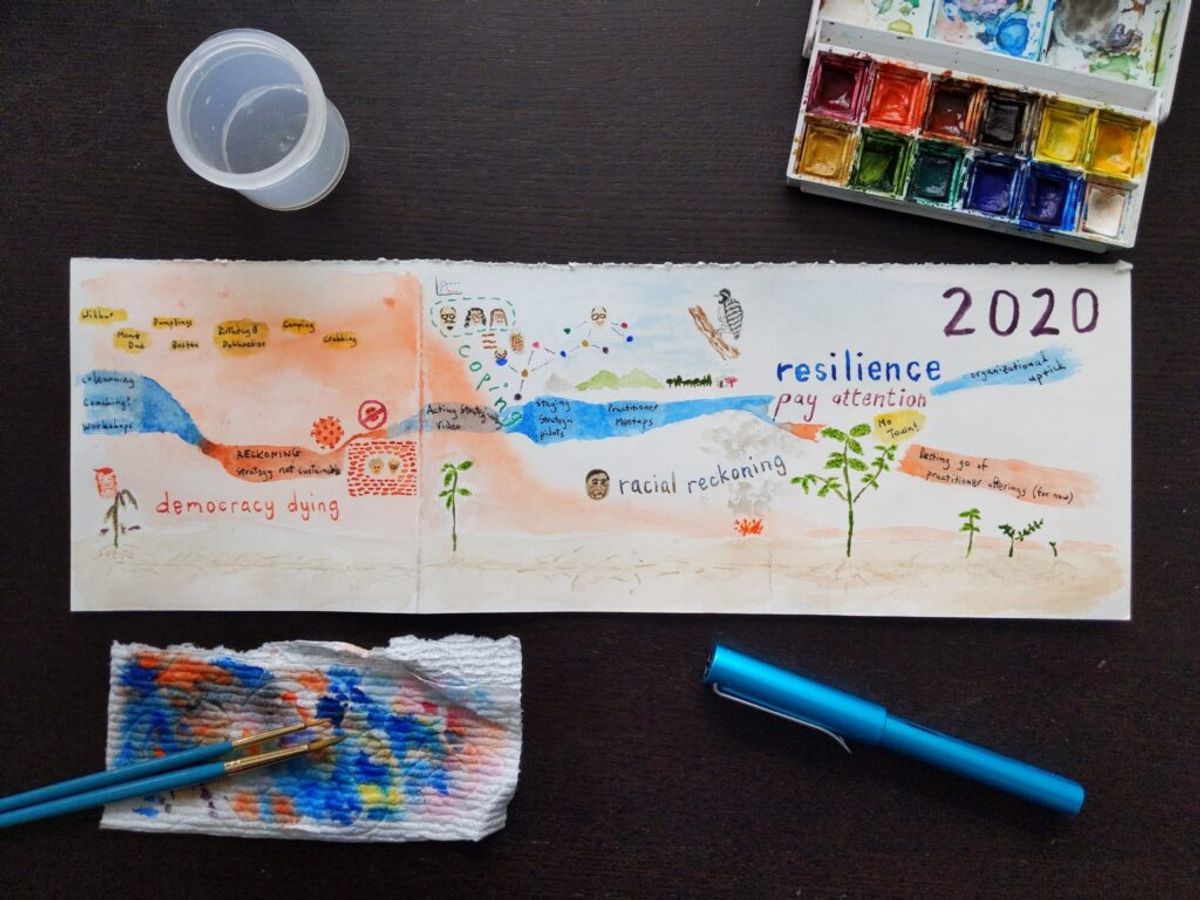
Creating Campaign-Specific Visuals
To forge a connection with your audience, each marketing campaign should have visuals that are not only tailored to the campaign’s message but also resonate with the target demographic. This involves a meticulous process of aligning the visual elements with the campaign’s goals and the brand’s overall narrative.
- Identify the campaign’s core message: What is the central idea or emotion you want to convey?
- Design with the audience in mind: Who are you trying to reach, and what visual cues will appeal to them?
- Select appropriate imagery and color schemes: These should complement the campaign’s theme and enhance its impact.
- Incorporate consistent branding elements: Ensure logos, typography, and style are in line with brand guidelines.
- Test and iterate: Use feedback to refine visuals for maximum engagement.
By creating campaign-specific visuals, brands can ensure that each marketing initiative is a unique chapter in their ongoing story, contributing to a cohesive and memorable brand identity.
Remember, the visuals are a strategic tool to guide the viewer’s emotions and actions. Industry leaders excel in visual storytelling, setting benchmarks for others, such as Apple’s minimalist approach that conveys lifestyle and ethos. Success lies in clear narratives and engaging, personalized content. Explore our guide on the critical steps to design a winning marketing campaign plan and get started today with our free template.
User-Generated Content and Community Building
In the realm of visual storytelling, user-generated content (UGC) stands as a testament to a brand’s resonance with its audience. UGC not only amplifies the brand’s message but also fosters a sense of community among consumers. By showcasing real stories and experiences, brands can create a more authentic and relatable image.
Leveraging UGC effectively requires a strategic approach. Encourage your audience to share their experiences with your brand through contests, hashtags, or interactive campaigns. Highlighting customer testimonials and stories can build trust and credibility, turning customers into brand advocates.
To maximize the impact of UGC, consider these steps:
- Identify your audience’s preferences to tailor campaigns that resonate.
- Create a platform for sharing content, such as a dedicated hashtag or a section on your website.
- Show appreciation for contributors by featuring their content prominently and offering rewards.
Remember, the goal is to create a dialogue, not a monologue. Engage with your community by responding to their content, asking for feedback, and showing that you value their input. This engagement is crucial for building lasting relationships and a loyal customer base.
Measuring the Impact of Visual Storytelling
To gauge the effectiveness of visual storytelling, brands must employ a mix of qualitative and quantitative metrics. Tracking engagement rates, conversion metrics, and social shares provides tangible evidence of a campaign’s reach and impact. Additionally, customer feedback and sentiment analysis offer insights into the emotional resonance of the visual narrative.
Establishing a set of KPIs (Key Performance Indicators) tailored to visual content is crucial for measuring success. These may include website traffic attributed to visual campaigns, the number of new leads generated, and the growth in brand awareness.
For a comprehensive analysis, consider the following structured approach:
- Define clear objectives for your visual storytelling efforts.
- Implement tracking mechanisms, such as UTM parameters and analytics tools.
- Regularly review performance data to identify trends and areas for improvement.
- Adjust strategies based on data-driven insights to optimize future campaigns.
Future Trends in Visual Brand Identity

The Rise of Augmented Reality (AR) and Virtual Reality (VR)
The integration of Augmented Reality (AR) and Virtual Reality (VR) is revolutionizing brand identity and marketing strategies. These technologies are not just futuristic concepts but are now essential tools for creating immersive brand experiences. AR, in particular, has become widely available through smartphones, allowing brands to offer immersive experiences with ease. The use of AR and VR in marketing is reshaping how consumers interact with brands, by superimposing digital elements onto the physical world and creating new, engaging worlds.
The seamless blend of digital and physical realities through AR and VR is setting new standards in immersive design. Brands that leverage these technologies can create multisensory experiences that are self-guided, co-created, and nonlinear, offering a level of engagement that traditional media cannot match.
As the boundary between digital and physical worlds continues to blur, brands are increasingly focusing on immersive design to attract and retain users. The magic of AR and VR lies in their ability to transport audiences to another destination, whether real or imagined, using nothing more than modern technology.
Sustainability and Ethical Branding
In the realm of brand identity, sustainability and ethical branding are no longer just trends but essential components of a company’s core values. Successful sustainable brands employ storytelling to communicate their values, connecting with consumers on an emotional level. They showcase their commitment to the environment and social responsibility, which resonates with a growing demographic of eco-conscious consumers.
To illustrate the importance of sustainability in branding, consider the following points:
- Consumers are increasingly making purchasing decisions based on a brand’s environmental and social impact.
- Transparency in sourcing materials and production processes is becoming a standard expectation.
- Brands that adopt sustainable practices often see a positive impact on their overall reputation and customer loyalty.
By integrating sustainability into their brand story, companies can forge a deeper connection with their audience, one that goes beyond the transactional and fosters a sense of community and shared values.
As the market evolves, brands that fail to adapt to these expectations may find themselves at a competitive disadvantage. It is crucial for businesses to understand that sustainability is not just a marketing strategy but a business imperative for the future.
Personalization and AI in Visual Content Creation
In the realm of visual storytelling, personalization has become a game-changer for brands aiming to connect more deeply with their audience. By leveraging artificial intelligence (AI), companies can now tailor visual content to individual preferences and behaviors, creating a more engaging and relevant experience.
- AI-driven analytics can identify patterns in consumer engagement, informing the creation of personalized content.
- Machine learning algorithms can automate the design process, generating unique visuals that resonate with specific audience segments.
- Real-time personalization allows for dynamic content adaptation, ensuring that visual storytelling remains pertinent and impactful.
The integration of AI in visual content creation not only streamlines the process but also infuses a level of sophistication that can elevate a brand’s narrative. It’s a strategic approach that harnesses both creativity and technology to forge a stronger bond with consumers.
As we look to the future, the fusion of AI with visual storytelling is poised to redefine how brands communicate their identity and values. It’s an exciting prospect that promises to bring a new dimension to brand-consumer interactions.
As the digital landscape continues to evolve, staying ahead in visual brand identity is crucial for any business. Our team at AM2 specializes in creating custom web design and development solutions that not only reflect your brand’s unique aesthetic but also drive growth and engagement. Discover the future trends and elevate your brand’s online presence with our expert services. Visit our website to explore our portfolio and learn more about how we can help you stand out in the digital world. Let’s create something extraordinary together!
Conclusion
In the journey to create a unique brand identity, visual storytelling emerges as a pivotal strategy. It’s not just about aesthetics; it’s about crafting a narrative that resonates with your audience and embodies your brand’s values. From logos that encapsulate your mission to a diverse array of content forms that keep your narrative fresh, the art of visual storytelling is about connecting with your audience on a deeper level. Remember, consistency is key. Your visual assets are silent ambassadors, speaking volumes without uttering a single word. They are the threads that weave together the fabric of your brand’s story, making it memorable and distinct. As you move forward, let your brand’s personality and values guide your visual narrative, and watch as your unique brand identity unfolds, capturing the hearts and minds of your target audience.
Frequently Asked Questions
What is the significance of visual elements in brand storytelling?
Visual elements are crucial in brand storytelling as they create a visual language that communicates the brand’s values, personality, and message. They help establish an emotional connection with the audience and ensure consistency across different platforms.
How can a brand develop a unique visual narrative?
A brand can develop a unique visual narrative by understanding its core values, incorporating symbolism and metaphor, and leveraging color psychology and typography to create a distinct visual identity that resonates with its target audience.
Can you provide examples of successful visual branding?
Success stories include industry leaders like Apple, small business transformations such as local artisan shops, and niche market branding examples like specialty subscription services that all leverage unique visual branding to stand out.
How does visual storytelling integrate with marketing campaigns?
Visual storytelling can be integrated into marketing campaigns by creating campaign-specific visuals, encouraging user-generated content for community building, and measuring the campaign’s impact through engagement and conversion metrics.
What are the future trends in visual brand identity?
Future trends include the rise of augmented reality (AR) and virtual reality (VR) in creating immersive brand experiences, a focus on sustainability and ethical branding, and the use of personalization and AI in visual content creation.
How important is it for a brand to maintain consistency in its visual identity?
Maintaining consistency in visual identity is vital for brand recognition and trust. It ensures that customers can easily identify the brand across various media and platforms, reinforcing the brand’s message and values.