Creating Unique Brand Identity through Visual Storytelling
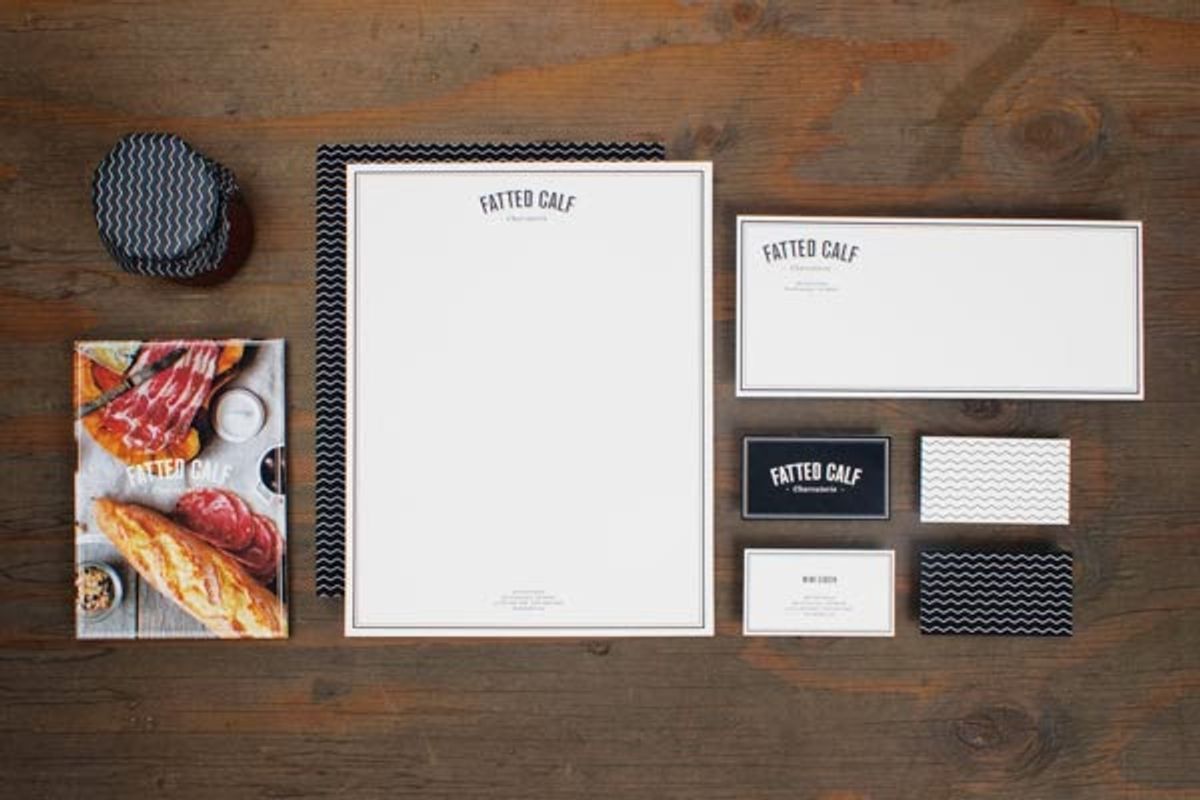
In the vast and competitive landscape of visual communication, character illustrations stand out as a timeless and versatile tool for conveying messages, engaging audiences, and building brand identity. From beloved mascots to relatable characters, illustrations have the power to capture attention, evoke emotions, and leave a lasting impression. This article delves into the art of visual storytelling and its pivotal role in creating a unique brand identity that resonates with the audience.
Key Takeaways
- Character illustrations are a potent tool for establishing an emotional connection with audiences, fostering brand recognition and loyalty.
- Consistency in visual branding across all platforms is essential for creating a cohesive and memorable brand identity.
- Strategically utilizing visuals in marketing can significantly enhance brand recognition and improve user navigation through visual hierarchy.
- Adapting visual content for different digital platforms while maintaining quality and branding is key to engaging a diverse online audience.
- Measuring the impact of visual storytelling through engagement metrics and audience response is crucial for continuous improvement and adaptation.
The Art of Visual Storytelling

Harnessing the Power of Character Illustrations
Character illustrations serve as a dynamic force in visual storytelling, offering a unique blend of emotional resonance and brand representation. These visual creations are more than just art; they become the face of a brand, embodying its values and message in a way that resonates with audiences.
By leveraging character illustrations, brands can forge a deeper connection with their audience, as these characters often become synonymous with the brand itself.
Illustrations have the versatility to transcend various media platforms, from digital marketing to print materials, making them a staple in a marketer’s toolkit. Here’s how character illustrations can enhance your brand’s narrative:
- They provide a relatable and memorable face to your brand.
- They can convey complex messages simply and effectively.
- They evoke emotions, creating a lasting bond with the audience.
- They differentiate your brand in a crowded marketplace.
AM2 Studio’s approach to web development and client satisfaction is a testament to the power of strategic visual storytelling. Their comprehensive services ensure that websites not only stand out but also deliver measurable results in the digital space.
Crafting Compelling Narratives
To craft a unique brand identity, a narrative must be woven through every aspect of design, aligning visual elements with the core message. This approach transforms complex data into engaging stories that captivate audiences and keep them invested in the brand’s journey.
Creating a compelling narrative involves several key steps:
- Identify relatable themes that resonate with your target audience.
- Develop authentic characters that embody these themes.
- Paint vivid scenes using descriptive language to enhance the sensory experience.
- Bridge emotional connections by appealing to the audience’s emotions.
By incorporating these steps, brands surpass expectations in terms of relevance and engagement, building lasting connections that extend beyond the initial interaction. Storytelling is not just about conveying a message; it’s about creating an immersive experience that leads to conversations, shares, and conversions long after the story has ended.
Consistency in visual storytelling is crucial. It ensures that the narrative flows smoothly across all platforms, reinforcing the brand’s identity and facilitating audience engagement.
Emotional Engagement and Audience Connection
The art of visual storytelling is not just about aesthetics; it’s a powerful tool for creating an emotional connection with your audience. By leveraging character illustrations and narratives that resonate, brands can evoke empathy and affection, leading to increased engagement and loyalty.
Emotional engagement is the cornerstone of a strong brand-audience relationship. It turns passive viewers into active participants who feel a part of the brand’s story.
To enhance this connection, consider the following steps:
- Identify relatable themes and incorporate them into your content.
- Use surprise and storytelling to create memorable experiences.
- Blend fiction with reality by including real-life examples and testimonials.
- Connect your business goals with emotional benefits that matter to your audience.
By focusing on audience interests and adding layers of interactivity and personal stories, you create content that not only attracts but retains readership. This strategy not only improves the user experience but also boosts the likelihood of conversions—a win-win scenario for any brand.
Building a Memorable Brand Identity

Consistency Across Platforms
Achieving visual consistency across various platforms is a cornerstone of building a strong brand identity. It ensures that customers receive the same brand experience, whether they’re browsing your website, using your mobile app, or engaging with social media. This uniformity not only reinforces brand recognition but also fosters trust and reliability in the eyes of your audience.
To maintain this consistency, brands must focus on several key areas:
- Single Sign-On (SSO): Providing a seamless login experience across platforms.
- Cross-Browser Compatibility: Ensuring your website looks and functions the same across different browsers.
- Data Synchronization: Keeping user data consistent across web and mobile interfaces.
- User Feedback: Regularly monitoring and incorporating user feedback for continuous improvement.
By prioritizing these aspects, brands can create a cohesive visual narrative that resonates with their audience, regardless of the touchpoint. It’s not just about aesthetics; it’s about creating a reliable and recognizable presence that customers can connect with, no matter where they encounter your brand.
Remember, innovation in branding requires both adaptability and consistency. It’s a balancing act that, when done correctly, can significantly enhance brand recognition and trust.
Creating Relatable Brand Mascots
Creating a relatable brand mascot goes beyond just designing an appealing character. It’s about forging a deep emotional connection with the audience. Mascots can personify brand values, embodying traits that resonate with customers and making the brand more approachable.
- Character Backstory: A well-crafted backstory makes a mascot more than just a visual; it becomes a character with depth that audiences can relate to.
- Consistent Personality: The mascot should have a consistent set of traits that align with the brand’s identity, ensuring it is memorable and recognizable.
- Audience Engagement: Interactive campaigns featuring the mascot can enhance customer relationships and foster brand loyalty.
By integrating mascots into the brand’s visual identity and customer interactions, companies can create a unique and engaging narrative that stands out in a crowded marketplace.
Remember, a powerful mascot should not only be visually striking but also integrate seamlessly into the brand’s overall visual storytelling strategy. It’s not just about having a mascot; it’s about having one that actively engages with customers and becomes synonymous with the brand experience.
Differentiation Through Visual Elements
In a world where brands vie for consumer attention, visual elements play a pivotal role in differentiating one brand from another. A visual identity, as defined by Stripe, is the visual aspect of branding that businesses create to portray a distinctive, consistent image to their target customers. This identity is crucial in establishing a unique brand presence that resonates with audiences.
Visual storytelling through character illustrations, for instance, offers versatility and adaptability across various mediums. Whether it’s a website, social media, or packaging, these illustrations can be tailored to fit the brand narrative and appeal to the desired demographic. The table below showcases the impact of visual elements on user engagement and SEO rankings:
| Visual Element | User Engagement Increase | SEO Ranking Improvement |
|---|---|---|
| Character Illustrations | 20% | 15% |
| Infographics | 30% | 10% |
| Interactive Guides | 25% | 12% |
By integrating a mix of visual formats, from images and videos to in-depth guides and tutorials, brands can cater to diverse user preferences and enhance content relevancy.
Moreover, the strategic use of visual elements not only captivates but also retains users on a page longer. This retention signals to search engines that the site delivers value, potentially boosting SEO rankings. Ultimately, the goal is to create a visual language that is unmistakably associated with the brand, ensuring that every interaction reinforces the brand identity.
Strategic Use of Visuals in Marketing

Enhancing Brand Recognition
In the realm of visual storytelling, brand recognition is the cornerstone of a company’s visual identity. It’s about creating a consistent and memorable presence that resonates with consumers. To achieve this, brands must identify relatable themes that align with their message, such as overcoming challenges or the excitement of discovery. These themes evoke emotions and foster a sense of shared understanding.
Unexpected elements in the narrative can serve as powerful hooks that capture attention. Whether it’s an unconventional solution or an unexpected outcome, these twists contribute to a compelling brand narrative. Moreover, the development of authentic characters can personify the brand, making it more relatable and memorable.
By integrating character illustrations and crafting a narrative that includes surprising twists and authentic characters, brands can craft a compelling brand narrative through visual storytelling, multimedia integration, and consistent branding to enhance brand identity and engage consumers effectively.
Ultimately, the strategic use of visuals in marketing is not just about aesthetics; it’s about weaving a story that sticks in the minds of the audience, turning casual viewers into loyal customers.
Visual Hierarchy and User Navigation
In the realm of digital marketing, visual hierarchy is a cornerstone of user-friendly design, guiding the viewer’s eye through the content in a logical and intuitive manner. It’s about creating a clear path for the user to follow, from the most important elements down to the finer details. This approach not only enhances the user experience but also reinforces the brand message.
Effective visual hierarchy on digital platforms involves a strategic layout of elements such as headings, typography, and color schemes. For instance, on mobile devices, where screen space is at a premium, the design must be optimized to communicate key messages swiftly and clearly. Here’s a simple list of considerations for mobile user navigation:
- Streamline navigation with collapsible menus or simplified structures.
- Ensure CTAs are prominent and intuitive.
- Minimize layout clutter to maintain focus.
- Optimize touchable elements for ease of interaction.
By prioritizing content and optimizing for mobile interactions, brands can create a seamless experience that resonates with users and encourages engagement.
Remember, a well-executed visual strategy not only aids navigation but also serves as a powerful tool for brand differentiation and growth. Unique visuals, cohesive design, and storytelling are essential to enhance brand identity and foster customer engagement, ultimately driving business success.
Leveraging Imagery for Storytelling
In the realm of digital marketing, visuals are a cornerstone of storytelling, transforming mere messages into compelling brand narratives. To effectively leverage imagery, consider the following steps:
- Identify the core message of your brand story.
- Select images that evoke the desired emotions and values.
- Use a consistent visual style to maintain brand identity.
- Integrate visuals with text to enhance the narrative.
- Analyze the impact of your visuals on audience engagement.
By strategically using imagery, brands can create a visual language that speaks directly to their audience, fostering a deeper connection and driving engagement.
Visual storytelling on social media platforms like Instagram and Facebook has become a powerful tool to Tell Your Story and show your audience more than just your product. It’s about creating a holistic brand image that resonates with viewers and enhances the connection. Consistent visuals across platforms ensure that the brand’s message is not only heard but also felt, leading to a more profound audience response and, ultimately, to conversions.
Optimizing Visual Content for Digital Platforms

Adapting to Various Screen Sizes
In the realm of visual storytelling, the adaptability of content across different screen sizes is paramount. Ensuring that your brand’s visual narrative is consistently compelling on any device is a challenge that requires meticulous planning and execution. Here are some key considerations:
- Responsive Design: Implementing fluid grid layouts, flexible images, and CSS media queries to create a seamless experience across devices.
- Testing on Devices: Regularly testing on a variety of devices to identify and rectify any issues with layout or functionality.
- Optimizing Images: Using techniques like srcset and the picture element to serve the right image size to the right device, enhancing loading times and performance.
Adapting strategies to industries and ensuring a compelling visual experience is crucial for maintaining a strong brand identity.
Moreover, readability and accessibility should not be overlooked. Legible font sizes and sufficient contrast are essential for user engagement, especially on mobile devices where screen real estate is limited. Remember, a user’s encounter with your brand on a small screen could be their first impression, and it needs to be a positive one.
Interactive Elements and User Experience
In the realm of visual storytelling, interactive elements play a crucial role in creating an immersive user experience (UX). These elements, ranging from buttons to gesture-driven interfaces, must be intuitive and enhance the narrative being conveyed.
Interactive elements, intuitive navigation, and clear calls-to-action must work harmoniously with the visual story, ensuring that users can seamlessly navigate through the digital landscape.
To achieve this, consider the following UX considerations for mobile and desktop platforms:
- Mobile-Friendly Navigation: Utilize collapsible menus and simplified navigation structures for smaller screens.
- Touchable Elements: Ensure interactive elements are large and spaced well to prevent accidental taps.
- Load Time Optimization: Enhance user satisfaction by minimizing heavy elements and optimizing images for quick loading.
- AI-Driven Design Recommendations: Use AI to suggest design improvements and automate tasks like malware scanning.
By prioritizing these aspects, brands can deliver a cohesive and engaging experience that resonates with their audience and strengthens their identity.
Maintaining Visual Quality and Branding
In the digital realm, maintaining visual quality and branding is paramount for a brand’s success. As users interact with your brand across various platforms, the consistency of visual elements fosters a sense of familiarity and trust. To achieve this, it’s essential to optimize visual content not just for aesthetics but also for functionality, ensuring that it resonates with the audience on any device.
- Consistent brand presentation is crucial for professionalism. Utilize specialized vendors for cohesive branding.
- Optimize visual content for social media and website design to enhance brand identity and user experience.
- Utilize social media imagery strategically for brand identity.
- Maintain visual coherence in omnichannel marketing for consistent brand messaging and loyalty.
By prioritizing visual quality and branding, businesses can create a seamless user experience that aligns with their brand’s story and values. This strategic approach not only strengthens brand identity but also supports marketing efforts across all channels.
Measuring the Impact of Visual Storytelling

Tracking Engagement Metrics
Understanding the effectiveness of visual storytelling is pivotal in measuring its impact on brand identity. Key metrics such as impressions, shares, and conversion rates provide valuable insights into audience engagement. These metrics not only reflect the reach of your content but also the depth of the audience’s interaction with your brand’s visual narrative.
One crucial metric is the Content Performance Indicator (CPI), which gauges the success of content against set objectives. Whether aiming to boost brand awareness, drive traffic, or engage users, CPI evaluates the efficacy of your content by examining factors like page duration, share frequency, comment volume, and visitor-to-customer conversion rates.
By analyzing CPI regularly, brands can pinpoint successful content elements and areas needing improvement, leading to strategic enhancements.
To systematically track these metrics, consider the following table outlining key engagement indicators:
| Metric | Description |
|---|---|
| Impressions | Total displays of visual content |
| Shares | Number of times content is shared |
| Comments | Volume of user comments |
| Conversion Rate | Percentage of visitors converted to customers |
Continuous monitoring and analysis of these metrics enable brands to iterate and refine their visual storytelling strategies, turning casual visitors into loyal customers and positively impacting profit margins.
Analyzing Audience Response
Understanding the impact of visual storytelling on your audience is pivotal for refining your brand’s narrative. To align your content with what truly resonates with your readers, begin by gathering data through surveys, social media listening, and engagement metrics. This reveals patterns and trends that inform your content creation process. For instance, you may discover that your audience favors in-depth analytical articles over brief news updates, shaping your editorial calendar accordingly.
Identifying key pain points and desires of your target audience is another crucial step. By analyzing metrics, you can find out which topics are popular, what formats people prefer, and even the best times to publish. This information is invaluable for planning a content strategy that captures your audience’s attention.
By adhering to these strategies focused on audience interests and leveraging cutting-edge tools where appropriate, you set a clear path toward crafting content that engages, informs, and inspires action within your targeted demographic.
Lastly, continuous analysis allows for the optimization of engaging website content. Introducing tools like the Content Performance Indicator (CPI) can inform and improve your content strategy, tailoring it to better meet the needs and desires of your audience.
Continuous Improvement and Adaptation
In the realm of visual storytelling, continuous improvement and adaptation are vital for maintaining relevance and effectiveness. By regularly analyzing user analytics and feedback, brands can pinpoint areas that require enhancement. This iterative process leads to incremental changes that keep the visual narrative fresh and engaging.
To stay ahead, it’s crucial to update the visual content in response to user needs and technological advancements. This proactive approach ensures that the brand’s visual storytelling remains impactful and resonant with the audience.
For instance, consider the following steps for ongoing improvement:
- Monitoring user analytics to understand engagement patterns
- Gathering and acting on user feedback to refine the visual experience
- Employing cross-browser compatibility tools to ensure consistent user experience
- Regularly updating the platform to integrate new features and address feedback
By embracing these practices, brands can foster a dynamic visual presence that evolves with their audience’s preferences and the digital landscape.
Visual storytelling is not just an art; it’s a powerful means of communication that can significantly enhance your brand’s online presence. By leveraging the creative expertise at AM2, you can transform your website into a captivating narrative that resonates with your audience. Don’t let your message get lost in the digital noise. Visit our website to explore our comprehensive services in WordPress Development, eCommerce solutions, and custom web design. Let’s craft a visual story that propels your business forward. Click to start your journey with us today!
Conclusion
In the realm of branding, visual storytelling through character illustrations emerges as a transformative strategy. It’s not just about creating a logo or a color scheme; it’s about weaving a narrative that resonates with audiences on an emotional level. As we’ve explored, character illustrations serve as a bridge between a brand and its audience, fostering a unique identity that stands out in a crowded marketplace. They offer a way to encapsulate the essence of a brand’s message, values, and personality in a relatable and memorable form. By harnessing the power of visual storytelling, brands can craft a distinctive presence that not only attracts attention but also builds lasting connections with their audience. Whether through the whimsy of a mascot or the relatability of a character’s journey, the strategic use of illustrations is a potent tool in the marketer’s arsenal, one that can turn viewers into loyal advocates and stories into shared experiences.
Frequently Asked Questions
What is visual storytelling in brand identity?
Visual storytelling in brand identity involves using imagery, graphics, and other visual elements to convey the brand’s narrative, values, and personality. It’s a strategic approach to make a brand more relatable and memorable to its audience.
Why are character illustrations important for branding?
Character illustrations are important for branding as they can serve as visual ambassadors, embodying the brand’s essence and appealing directly to the emotions of the audience, thus enhancing brand recognition and loyalty.
How can visual elements differentiate a brand?
Visual elements like logos, color schemes, typography, and imagery can differentiate a brand by creating a unique visual language that stands out in a crowded market and provides a consistent experience across various platforms.
What role does visual hierarchy play in user navigation?
Visual hierarchy guides users’ attention to the most important information first and helps in easier navigation by organizing content in a clear, structured manner, using size, color, and typography to prioritize elements.
How can we measure the impact of visual storytelling?
The impact of visual storytelling can be measured through engagement metrics like time spent on page, social shares, and conversion rates, as well as through audience feedback and the overall increase in brand recognition.
What are some best practices for optimizing visual content for digital platforms?
Best practices for optimizing visual content include ensuring responsiveness across devices, maintaining high-quality images, implementing interactive elements for better user experience, and keeping branding consistent.