Creating Unique Brand Identity through Visual Storytelling

In the realm of marketing, a brand’s identity is its heartbeat, setting the rhythm for consumer engagement and loyalty. ‘Creating Unique Brand Identity through Visual Storytelling’ delves into the art and science of using visual narratives to craft a brand’s essence and communicate its values in a way that resonates deeply with audiences. This article explores the transformative power of imagery, the role of premier branding agencies, and the elements that make visual storytelling compelling. It also offers a behind-the-scenes look at the creative process and anticipates the future trends that will shape the landscape of brand storytelling.
Key Takeaways
- Visual storytelling is a potent tool for brand differentiation, creating emotional connections with consumers that transcend traditional marketing.
- Brand identity agencies play a pivotal role in interpreting a brand’s core values and translating them into engaging visual narratives that captivate audiences.
- The effectiveness of a visual narrative hinges on its authenticity, strategic messaging, and the harmonious integration of multimedia elements.
- The journey from concept to execution in visual storytelling is collaborative and iterative, requiring a synergy of creative vision and strategic planning.
- Emerging trends in digital storytelling and branding are continuously evolving, necessitating brands to innovate and adapt to maintain relevance and impact.
The Power and Essence of Visual Storytelling

Defining Visual Storytelling in Branding
At the heart of visual storytelling in branding lies the ability to convey a company’s ethos, values, and personality through compelling visual narratives. This approach goes beyond mere aesthetics; it’s about crafting a cohesive visual language that resonates with the audience on an emotional level.
- Emotional Connection: Visuals evoke emotions, creating a bond between the brand and its consumers.
- Consistency: A consistent visual narrative across all platforms reinforces brand recognition.
- Engagement: Engaging imagery captivates attention, making the brand more memorable.
Visual storytelling transforms abstract brand values into tangible experiences that captivate the audience’s imagination.
By utilizing a mix of imagery, color, typography, and design elements, brands can tell their unique stories in a way that not only informs but also entertains and inspires. The ultimate goal is to create an emotional, value-driven connection between customers and the brand, as highlighted by Acquia’s insight on brand storytelling.
The Impact of Visuals on Brand Perception
Visual elements are the silent ambassadors of your brand, creating a lasting impression that can set you apart from the competition. A well-designed logo, a harmonious color scheme, and impactful imagery are not just aesthetic choices—they are strategic tools that shape how consumers perceive and remember your brand.
The narrative woven through visual branding is a powerful force, capable of evoking emotions and forging connections with the audience.
Color, in particular, wields significant influence over perception. It can signal action, sway mood, and even trigger physiological responses. Brands that master the use of color can forge a strong, immediate connection with their audience. For instance, the color red may evoke feelings of passion or urgency, while blue can impart a sense of calm and reliability.
- Logos embody the essence of a brand
- Color palettes evoke specific emotions
- Imagery and typography cultivate identity
AM2 Studio, through their comprehensive services and focus on unique digital experiences, demonstrates the profound impact visuals have on brand perception. Their strategic web development and client testimonials underscore the importance of excellence in visual storytelling.
Emotional Resonance through Imagery
The heart of a brand’s loyalty lies in its ability to forge an emotional connection with its audience. Through imagery that triggers visceral reactions, brands can craft narratives that resonate on a deeply personal level. This connection is not just about evoking feelings; it’s about creating a relationship that turns customers into advocates.
Crafting a compelling brand narrative with authenticity and emotional resonance through powerful visuals and messaging to connect deeply with the audience.
Visual storytelling techniques, such as the use of metaphors and similes, allow brands to communicate complex messages in a relatable way. By comparing attributes or values to easily understood symbols, brands simplify their messaging while deepening audience engagement. The transformation from a ‘before state’ of frustration to an ‘after state’ of relief or happiness, as demonstrated through visuals, builds a narrative that not only captures attention but also fosters a desire for the brand’s promise of betterment.
The Premier Brand Identity Agency: Architects of Visual Narratives
The Role of Agencies in Shaping Brand Identity
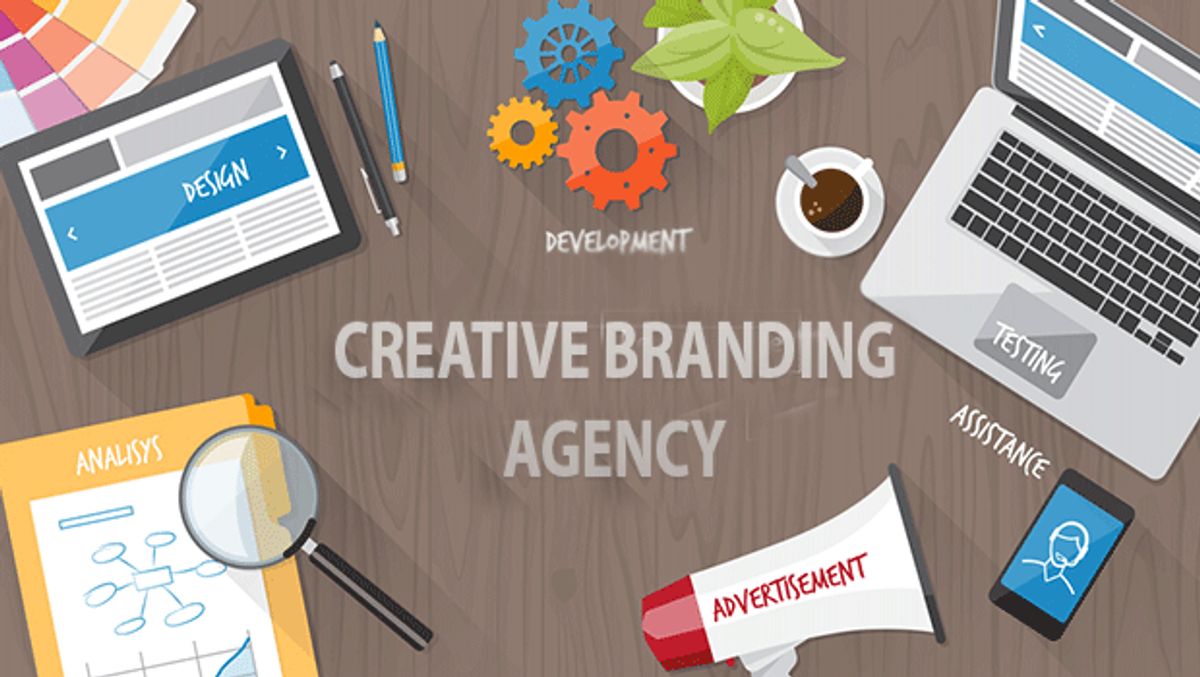
Brand identity agencies are pivotal in crafting a brand’s core narrative and visual representation. They serve as the architects of a brand’s image, meticulously constructing the visual and emotional cues that resonate with the target audience. These agencies leverage their expertise to create a cohesive brand story that aligns with the company’s values and market position.
Within the labyrinth of brand identity, a premier agency stands as a guiding light, illuminating the path toward authenticity and distinction.
The collaborative process between agencies and businesses is essential for developing a strong brand identity. It involves a series of steps, from initial research and strategy formulation to the final design and implementation. Here’s a glimpse into the typical workflow:
- Conducting thorough market research
- Defining the brand’s mission and core values
- Developing a unique visual language
- Creating consistent and engaging brand touchpoints
- Managing and evolving the brand identity over time
Agencies not only provide the creative spark but also ensure that the brand’s messaging remains consistent across all platforms, thereby reinforcing the brand’s presence in the consumer’s mind.
Collaborative Efforts in Crafting Visual Stories
The creation of a visual story is a symphony of collaborative efforts, where each participant plays a vital role. From the initial brainstorming to the final touches, it’s a dance between creativity and strategy, ensuring that every visual element aligns with the brand’s core message.
The process is iterative and dynamic, with a constant exchange of ideas and feedback. It’s about weaving together the skills of designers, strategists, and the brand’s own visionaries to craft a compelling brand narrative.
Agencies specializing in brand identity understand the importance of this partnership. They work closely with clients to develop characters, use consistent design elements, and incorporate interactive features that drive engagement. Below is a list of steps typically involved in this collaborative journey:
- Aligning visual elements with the brand’s core message
- Developing relatable characters and story arcs
- Ensuring consistency in design across all platforms
- Incorporating interactive elements to foster engagement
This approach not only enhances the storytelling but also fortifies the brand’s presence in the market, making it memorable and distinct.
Case Studies: Successful Brand Transformations
Through a series of case studies, we can observe the remarkable transformations that brands undergo when they harness the power of visual storytelling. These narratives are not just about aesthetic changes but also about aligning with core brand values and connecting with audiences on a deeper level.
Each case study is a testament to the agency’s ability to humanize brands, making them relatable and emotionally resonant. The journey from a legacy logo to a vibrant visual identity encapsulates the essence of a brand’s evolution.
The table below showcases a selection of our agency’s successful brand transformations, highlighting the diverse sectors and the unique challenges each project presented:
| Project | Sector | Challenge | Outcome |
|---|---|---|---|
| White Rabbit (NFT) | Metaverse | Establishing a digital presence | A thriving NFT community |
| Inchoo | eCommerce | Revamping UX/UI strategy | Enhanced user engagement |
| Geologija | Non-profit | Modernizing brand image | Increased public awareness |
| Ardea | Real Estate | Differentiating in a competitive market | A distinct brand identity |
These transformations are not just about a new look; they represent a strategic repositioning and a narrative that resonates with the target audience. It’s about creating a visual language that speaks volumes and stands the test of time.
Deciphering the Elements of Compelling Visual Narratives

Key Components of an Engaging Visual Narrative
At the heart of every captivating visual narrative lies a strategic blend of elements that, when combined, tell a story that resonates with audiences. Character development is crucial, as relatable characters become the conduits through which viewers experience the narrative. Equally important is the setting, which grounds the story in a specific time and place, adding depth and context.
- Plot and Conflict: Essential to driving the narrative forward.
- Theme: The underlying message or idea being conveyed.
- Pacing: The rhythm at which the story unfolds, maintaining engagement.
- Visual Style: The aesthetic choices that give the narrative its unique flavor.
The use of plain, intuitive visual markers such as headers and graphical elements not only divides information but also eases navigation, enhancing the overall storytelling experience.
Finally, the resolution provides closure, leaving the audience with a lasting impression. It’s the careful calibration of these components that crafts a visual narrative capable of standing out in a crowded marketplace.
Balancing Creativity with Brand Messaging
In the realm of visual storytelling, the harmony between creativity and brand messaging is paramount. Brands must navigate the delicate balance of being innovative while staying true to their core message. This equilibrium ensures that the visual narratives crafted not only captivate but also resonate with the intended audience.
Crafting a visual story that aligns with your brand’s identity involves a strategic blend of artistic expression and the foundational elements that define your brand. It’s about creating a consistent experience that reflects your brand’s values and mission, without stifling the creative process.
To achieve this, brands should consider the following steps:
- Define your brand identity: Establish the core values and mission that will guide your visual storytelling.
- Develop your ideal brand voice: Choose a tone that matches your brand’s personality and resonates with your audience.
- Choose storytelling platforms: Select the mediums that will best showcase your visual narrative.
- Measure engagement: Continuously assess how your audience interacts with your visuals to optimize and refine your approach.
By intertwining creativity with a strong brand message, companies can craft compelling brand narratives that not only stand out but also build lasting connections with their audience.
Utilizing Multimedia to Enhance Storytelling
In the realm of visual storytelling, the strategic use of multimedia can be transformative. By incorporating a mix of images, videos, and interactive elements, brands can create a more immersive experience for their audience. This multi-sensory approach not only captivates but also helps to convey complex messages with clarity and impact.
The artful blend of various media forms allows for a storytelling that is dynamic and engaging. It’s about creating a narrative that resonates on multiple levels, appealing to the diverse preferences of a broad audience.
To achieve this, consider the following steps:
- Know your audience to tailor the narrative to their interests and needs.
- Show your brand’s human side by sharing stories that reveal the people and values behind the products.
- Create and utilize resources such as infographics and interactive demos.
- Introduce a brand character or mascot to serve as a relatable figure.
- Leverage user-generated content to foster community and authenticity.
By weaving together different media types, brands can Tell Your Story in a way that is both informative and emotionally compelling. It’s about painting a picture that goes beyond the product, showcasing the brand’s ethos and journey in a way that is accessible and memorable.
Unveiling the Creative Process: A Peek Behind the Curtain

From Brainstorming to Execution: The Creative Journey
The journey from concept to comic is a transformative one, where initial ideas evolve into compelling visual narratives. It begins with a creative brainstorming session, where the seeds of inspiration are sown and nurtured. This is followed by meticulous planning and sketching, where the abstract becomes tangible, and the story begins to take shape.
The magic of visual storytelling lies not only in the end result but also in the journey that unfolds behind the scenes.
Once the foundation is laid, the collaborative efforts of artists, strategists, and developers coalesce to breathe life into the story. The process is iterative, with each revision refining and enhancing the narrative. Below is an outline of the key steps in the creative journey:
- Discovery and strategy formulation
- Design and concept development
- Development and realization
- Quality assurance and refinement
- Post-launch monitoring and iteration
This structured approach ensures that the final product not only meets but exceeds the expectations of both the brand and its audience. It’s a seamless, enjoyable process that delivers top-quality products within agreed-upon deadlines, ensuring a stressless delivery and a narrative that resonates.
Integrating Strategy with Artistic Vision
The alchemy of visual storytelling is achieved when strategy and artistic vision are seamlessly integrated. This fusion ensures that the brand’s core message is not only conveyed but also felt by the audience. A strategic approach begins with understanding the brand’s objectives and audience, which then informs the creative direction.
The creative journey is a dance between logic and art, where every step is purposeful and every flourish is meaningful.
To illustrate this integration, consider the following steps:
- Discovery and research to align with brand goals
- Brainstorming sessions to generate innovative ideas
- Concept development that marries message with aesthetics
- Iterative design process involving feedback and refinement
- Final execution that brings the visual narrative to life
Each of these steps is crucial in crafting a visual story that is both compelling and true to the brand’s identity. By balancing the analytical with the artistic, brands can create narratives that resonate deeply with their audience and stand the test of time.
Behind-the-Scenes: The Making of a Visual Campaign
The magic of visual storytelling lies not only in the end result but also in the journey that unfolds behind the scenes. Step into our world and witness the creative process in motion—a whirlwind of brainstorming sessions, sketching sessions, and collaborative efforts aimed at bringing visions to fruition.
Through a meticulous blend of artistry and strategy, our agency navigates the complexities of brand identity, delivering narratives that captivate and inspire. The stages of this creative odyssey are as follows:
- Strategy: Through a process of discovery and creative brainstorming, we determine the best approach to accomplishing your objectives.
- Design: Our creative team then develops a beautiful design that resonates with both you and your customers.
- Development: This is where our development team steps in, transforming the design into a tangible, interactive experience.
- Quality Assurance: Before launch, our QA specialists rigorously test to ensure the highest standards are met.
- Post-Launch Monitoring: We carefully monitor the campaign post-launch to swiftly address any emerging issues.
Delivering top-quality products in a seamless, enjoyable process is not just our promise—it’s our practice. We guide our clients every step of the way, ensuring a stressless process and delivery within agreed-upon deadlines.
Pioneering Trends and Innovations: Charting the Future of Visual Storytelling
Emerging Trends in Visual Branding
In the ever-evolving landscape of visual branding, staying ahead means being aware of the latest trends that captivate audiences. Brands are increasingly leveraging the power of storytelling to forge a deeper connection with their customers. Here are some of the most notable trends:
- Authenticity in branding has become paramount, with consumers seeking out brands that exhibit genuine storytelling and values.
- The use of augmented reality (AR) and virtual reality (VR) is on the rise, providing immersive experiences that enhance the narrative.
- There’s a growing emphasis on sustainability, with visual branding reflecting eco-friendly practices and green initiatives.
- Micro-moments are being utilized to capture attention quickly, using powerful visuals to convey a message in a short span of time.
The key to successful visual branding lies in the ability to craft an authentic brand narrative that resonates on an emotional level, creating memorable experiences for the audience.
As we look to the future, it’s clear that brands will continue to explore new ways to use visuals to tell their stories. By embracing design trends strategically, they can enhance brand recognition and engagement, ensuring that their message not only reaches but also impacts their audience.
Innovative Techniques in Digital Storytelling
In the realm of digital storytelling, innovation is key to captivating audiences. At a basic level, digital storytelling involves using technology to weave narratives that engage and inspire. Websites, for instance, serve as a potent platform for such storytelling, offering a canvas for brands to express their identity and values.
The integration of multimedia elements like video, interactive graphics, and virtual reality has revolutionized the way stories are told. These tools not only enrich the narrative but also provide a more immersive experience for the viewer.
To illustrate the breadth of techniques available, consider the following:
- Interactive storytelling allows users to choose their own adventure, creating a personalized experience.
- Data visualization turns complex information into compelling graphical stories.
- Gamification introduces game design elements to make the storytelling process more engaging.
- Transmedia storytelling extends the narrative across multiple platforms, creating a unified and expansive brand universe.
These techniques, when executed effectively, can transform a brand’s message into a memorable digital experience that resonates with its audience.
Predicting the Evolution of Brand Narratives
As we look to the future of visual storytelling, it’s clear that innovation and adaptation will be the cornerstones of enduring brand narratives. Understanding the audience is crucial, as is maintaining consistent branding elements across various platforms. Here are some anticipated developments in the realm of brand storytelling:
- Integration of emerging technologies like augmented reality (AR) and virtual reality (VR) to create immersive experiences.
- Personalization at scale, leveraging data analytics to tailor stories to individual preferences and behaviors.
- Interactive storytelling that allows consumers to shape the narrative, fostering a deeper connection with the brand.
- Sustainability narratives that align with the growing consumer demand for environmentally responsible practices.
The brands that will thrive are those that can craft a narrative flexible enough to evolve with technological advancements while staying true to their core values.
The challenge for brands will be to balance the allure of new storytelling mediums with the timeless principles of compelling narrative—authenticity, emotion, and relevance. Those who succeed will not only capture the attention of their audience but will also build a loyal community around their brand.
As we navigate the ever-evolving landscape of visual storytelling, it’s crucial to stay ahead of the curve with the latest trends and innovations. Our website is a treasure trove of insights and services designed to propel your narrative to new heights. From custom WordPress development to immersive eCommerce experiences, we have the expertise to bring your vision to life. Don’t let your story go untold—visit our website today to see how we can help you chart the future of visual storytelling.
Conclusion
In the realm of brand identity, visual storytelling emerges as a powerful conduit for conveying a brand’s essence and forging an emotional connection with the audience. This article has traversed the landscape of visual narratives, showcasing how strategic design and creative storytelling can transform a brand’s message into a compelling visual odyssey. From the meticulous crafting of brand tales to the innovative trends shaping the future of visual storytelling, we’ve explored the pivotal role of imagery in establishing a unique brand identity. As we’ve seen through various case studies, the synergy of artistry and strategy is paramount in creating resonant brand experiences that captivate and endure. Whether you’re revitalizing an established brand or crafting a new one, the insights shared here serve as a beacon, guiding you towards creating a visual narrative that not only tells your story but also elevates your brand to unprecedented heights.
Frequently Asked Questions
What is visual storytelling in branding?
Visual storytelling in branding is the use of compelling visuals, such as images, videos, and graphics, to narrate a brand’s story, convey its values, and create a memorable identity that resonates with the audience.
How do visuals impact brand perception?
Visuals have a profound impact on brand perception as they can evoke emotions, create associations, and influence consumer behavior. A strong visual identity helps a brand stand out and be remembered by consumers.
Why is emotional resonance important in branding?
Emotional resonance helps to establish a deeper connection between a brand and its audience. When consumers feel an emotional tie to a brand, they are more likely to remain loyal and advocate for the brand.
What role do agencies play in shaping brand identity?
Agencies specialize in crafting and evolving a brand’s identity. They use their expertise in strategy, design, and storytelling to create visual narratives that accurately reflect the brand’s essence and appeal to the target audience.
What are the key components of an engaging visual narrative?
An engaging visual narrative consists of a clear message, cohesive design elements, a consistent theme, and a compelling storyline that aligns with the brand’s values and resonates with the target audience.
How can multimedia be utilized to enhance storytelling?
Multimedia can be utilized to enhance storytelling by providing diverse formats such as videos, animations, interactive websites, and social media content. These formats can enrich the storytelling experience and engage audiences on multiple levels.