Creating Unique Brand Identity through Visual Storytelling

In the digital age, a brand’s visual identity is more than just a logo or color scheme; it’s a comprehensive narrative that encapsulates the essence of the company and connects with customers on an emotional level. ‘Creating Unique Brand Identity through Visual Storytelling’ delves into the art of using visual elements to craft a brand story that resonates with audiences, enhances brand recognition, and fosters a strong digital presence. This article explores strategies for developing a compelling visual narrative, leveraging digital platforms to reinforce brand identity, and measuring the effectiveness of visual storytelling in building a memorable brand.
Key Takeaways
- Visual storytelling is crucial for crafting a brand narrative that aligns with core values and emotionally connects with customers.
- A memorable logo and cohesive color palette are essential elements that contribute to strong brand recognition across various platforms.
- An optimized digital presence, including a user-friendly website and integrated social media strategy, is key to a robust brand identity.
- Overcoming challenges in brand identity creation involves strategic rebranding, audience feedback incorporation, and maintaining authenticity.
- The impact of visual storytelling can be measured through brand awareness, customer engagement, and adjustments based on performance metrics.
The Art of Crafting a Compelling Brand Narrative

Defining Your Brand’s Core Values
At the heart of every memorable brand lies a set of core values that define its essence and purpose. Defining your brand’s core values is the first step in creating a unique identity that resonates with your audience. These values serve as the foundation for your brand narrative and influence every aspect of your visual storytelling.
For instance, a brand like Patagonia is anchored in environmental and social responsibility, which is evident in their earthy color choices and rugged imagery. This alignment of values and visual elements not only strengthens their brand identity but also fosters a deep connection with their environmentally-conscious customers.
To successfully establish your brand’s core values, consider these steps:
- Identify the fundamental beliefs and principles that your brand stands for.
- Reflect on how these values align with your business objectives and customer expectations.
- Craft a narrative that weaves these values into a story that captivates and engages your audience.
- Ensure that your brand story and visual language are consistent across all channels, reinforcing your brand’s authenticity.
By embedding your core values into every facet of your brand’s identity, you create a powerful and cohesive message that not only stands out but also builds a loyal community around your brand.
Developing a Cohesive Visual Language
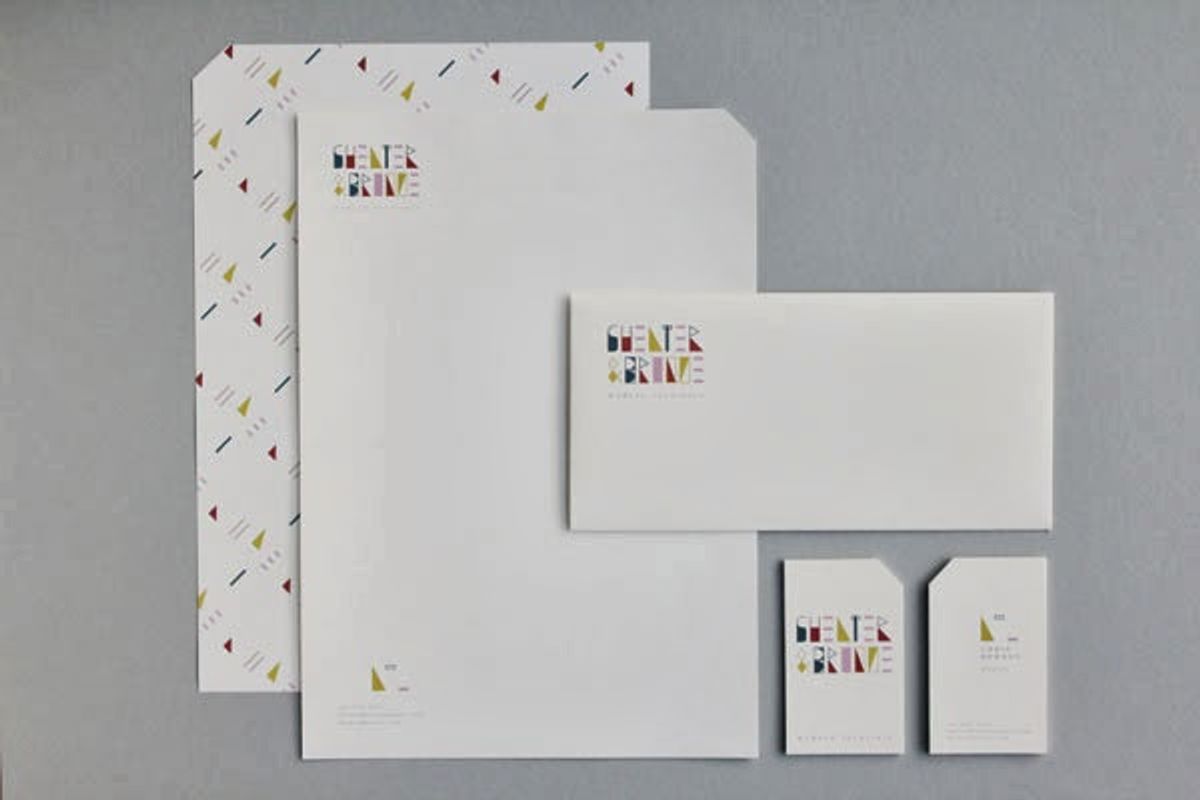
A cohesive visual language is fundamental to establishing a brand identity that resonates with audiences and stands the test of time. This language encompasses all visual aspects of a brand, from the logo to the typography and color palette. Each element must not only be distinctive but also harmonious, creating a seamless brand experience.
- Design a memorable visual identity: Your logo, colors, typography, and other design elements should be instantly recognizable.
- Consistency: Ensure that all visual elements work together across various platforms.
- Develop a brand style guide: This document will maintain consistency and strengthen your brand identity.
Crafting a cohesive visual language is not just about aesthetics; it’s about creating a visual ecosystem that embodies the brand’s essence and communicates its message effectively.
By adhering to these principles, brands can develop a visual language that is not only aesthetically pleasing but also strategically aligned with their core values and goals. The ultimate aim is to forge a connection with the customer, turning first-time viewers into long-term brand advocates.
Emotional Storytelling and Customer Connection
At the heart of every successful brand is a story that resonates with its audience. Emotional storytelling is a powerful tool that can forge a deep connection between your brand and its customers. By sharing experiences that align with your audience’s values and aspirations, you create a sense of belonging and loyalty.
Emotional connection is particularly important in brand storytelling because it helps create a bond between the brand and the consumer.
Here are some steps to enhance emotional storytelling in your brand narrative:
- Start with understanding your customer’s needs and desires.
- Use narrative techniques like characters, settings, and conflicts to craft your story.
- Encourage employee buy-in to ensure they embody and convey your brand’s values.
- Inspire action through stories that evoke strong emotions and a call to action.
Remember, a brand story is more than just a marketing tool; it’s the essence of your brand’s identity that inspires and moves people to engage with your brand.
Leveraging Visual Elements for Brand Recognition

Designing a Memorable Logo
A logo is more than just an image; it’s a point of recognition for clients and an important foundation for the branding of your company. When designing a memorable logo, simplicity is key. A simple yet powerful logo not only stands out in the minds of consumers but also ensures versatility across various mediums.
Consider the emotional connection a logo can establish with your audience. It should resonate with the values and experiences that your customers associate with your brand, much like the iconic Harley-Davidson logo which evokes a sense of adventure and freedom.
Consistency across all brand touchpoints reinforces the memorability and recognition of your logo. This uniformity is crucial, from your website to social media, packaging, and promotional materials.
Here are some steps to ensure your logo makes a lasting impact:
- Define your brand’s core values and mission
- Develop a visual strategy that aligns with your brand identity
- Choose typography and colors that reflect your brand’s voice and tone
- Test your logo’s effectiveness across different platforms and mediums
Remember, a logo is a visual storyteller, encapsulating your brand’s essence and setting the stage for your entire visual strategy.
Choosing a Color Palette That Reflects Your Brand
The selection of a color palette is more than just picking shades that appeal to the eye; it’s about communicating the essence of your brand. Colors have the power to evoke emotions and set the tone for your brand’s story. For instance, a vibrant orange can convey energy and enthusiasm, while a deep blue might suggest trustworthiness and stability.
When developing your brand’s color palette, consider the psychological impact of colors and how they align with your brand’s core values and personality. This strategic choice can significantly influence customer perception and engagement.
It’s essential to plan your palette with purpose. VistaPrint suggests starting with three colors: your base, accent, and neutral. These should be chosen carefully to ensure they work harmoniously and reflect your brand’s identity. Here’s a simple guide to help you get started:
- Base Color: Represents your brand’s dominant trait.
- Accent Color: Highlights key areas and calls to action.
- Neutral Color: Balances the palette and provides visual rest.
Remember, consistency across all platforms is crucial for brand recognition. Whether it’s your website, social media, or packaging, your chosen colors should be consistently applied to create a cohesive and memorable brand experience.
Consistency Across All Platforms
Achieving consistency across all platforms is a cornerstone of building a strong brand identity. It’s not just about using the same logo or color scheme; it’s about creating a seamless experience for your audience, no matter where they encounter your brand. This uniformity fosters trust and reinforces brand recognition, making your brand more memorable and reliable in the eyes of consumers.
Consistency in branding goes beyond visuals. It encompasses the tone of voice, messaging, and even the quality of customer service. Each interaction should reflect the brand’s core values and promise, delivering a coherent brand experience.
To ensure consistency, consider the following steps:
- Establish clear brand guidelines that cover all aspects of your brand’s identity.
- Train your team to understand and implement these guidelines in every aspect of their work.
- Regularly review and update your brand’s digital presence to maintain alignment with your brand identity.
- Utilize tools and software that help maintain visual and operational consistency across various platforms and media.
Remember, consistency is key to making your brand stand out in a crowded marketplace. It’s what turns first-time buyers into loyal customers and advocates for your brand.
The Role of Digital Presence in Brand Identity

Optimizing Your Website for User Experience
In the realm of digital presence, optimizing your website for user experience is paramount. A seamless user experience begins with high-quality content that is relevant, engaging, and informative. It’s essential to ensure that your website is not only fast but also accessible and easy to navigate across various devices.
To enhance user experience, consider implementing the following steps:
Regularly update content to keep it fresh and relevant.
Simplify navigation to make information easy to find.
Optimize for mobile to ensure a responsive design on all devices.
Improve loading times to reduce bounce rates.
Incorporate accessibility features to cater to all users.
Accessibility is a crucial aspect of user experience, aiming to make your website more inclusive for visitors with disabilities. By addressing these areas, you not only improve the user experience but also positively impact your SEO efforts, making your site more discoverable in the competitive digital landscape. Remember, website optimization is an ongoing process, and staying ahead requires continuous monitoring and adaptation to the evolving digital trends.
Integrating Social Media into Your Brand Strategy
In the digital age, social media is more than just a platform for sharing content; it’s a vital tool for crafting your brand’s story and engaging with your audience. By actively listening and responding to your audience, you can create a brand narrative that resonates and inspires action.
A website emphasizes the importance of a responsive strategy, leveraging multimedia for enhanced interaction, and the art of storytelling in brand narratives to engage audiences effectively.
Here are some steps to effectively integrate social media into your brand strategy:
- Utilize social listening tools to monitor brand mentions and customer feedback.
- Craft posts that align with your brand’s core values and visual language.
- Engage with your audience by responding to comments and messages promptly.
- Analyze social media insights to refine your storytelling and content strategy.
Utilizing Multimedia for Enhanced Engagement
In the digital landscape, multimedia elements such as images, videos, and interactive features are pivotal in capturing and maintaining user attention. By incorporating various forms of media, brands can create a richer, more dynamic storytelling experience that resonates with their audience.
For instance, microinteractions, which are subtle animations and feedback mechanisms, significantly boost user engagement. They provide visual cues that reinforce user actions, making the experience more enjoyable and memorable. Similarly, leveraging emerging technologies like AI, VR, and AR can lead to immersive experiences that captivate users and set a brand apart.
Emotional design is also crucial in multimedia storytelling. It connects with users on a deeper level, making the brand more relatable and the experience more impactful.
To effectively utilize multimedia, consider the following steps:
- Understand your audience’s interests and pain points.
- Create engaging content with compelling visuals.
- Prioritize responsive design for seamless multi-platform accessibility.
- Incorporate microinteractions for subtle yet powerful user feedback.
- Explore emerging technologies to create immersive experiences.
By focusing on these areas, brands can enhance their digital presence and foster a stronger connection with their audience.
Overcoming Challenges in Brand Identity Creation

Navigating Rebranding Efforts
Rebranding is a strategic pivot that involves altering the visual identity, messaging, or other brand elements to align with evolving goals, values, or market expectations. It’s a delicate process that can rejuvenate a brand, as seen with Old Spice’s successful shift towards a younger audience through humorous campaigns and new product lines.
- Assess the current brand identity: Understand what works and what doesn’t.
- Define clear objectives: What does the rebrand aim to achieve?
- Engage with stakeholders: Include customers, employees, and partners in the process.
- Develop a rebranding strategy: Outline the steps for visual and messaging changes.
- Implement carefully: Roll out changes in phases to gauge reaction.
- Monitor and iterate: Be prepared to refine based on feedback.
While rebranding can inject new life into a brand, it must be approached with caution. Poor execution can lead to customer alienation and brand dilution. Ensure that the benefits of rebranding significantly outweigh the risks involved.
Visual storytelling in branding is essential for conveying brand identity and values, enhancing customer connection, and staying ahead of trends. Crafting cohesive visual narratives and leveraging multimedia are key strategies.
Addressing Audience Feedback and Iteration
In the dynamic landscape of brand identity creation, audience feedback is an invaluable asset for continuous improvement. Brands that actively seek and incorporate customer insights can refine their strategies to better align with user expectations. Here’s a simple process to integrate feedback effectively:
- Collect feedback: Utilize surveys, social media, and direct customer interactions to gather opinions.
- Analyze insights: Look for common themes and actionable items within the feedback.
- Implement changes: Make iterative adjustments to your brand’s visual elements and messaging.
- Measure impact: Assess how the changes affect customer perception and engagement.
By embracing an iterative design process, brands can evolve with their audience, ensuring that their visual storytelling remains fresh and relevant.
It’s crucial to remember that feedback should not only lead to cosmetic changes but also to substantive enhancements that resonate with the core values of the brand. This approach not only improves the user experience but also fosters a sense of community and loyalty among customers.
Maintaining Authenticity in Your Brand’s Story
In the realm of brand storytelling, authenticity is the cornerstone of a narrative that resonates with audiences. It’s about being true to your brand’s identity and values, and ensuring that your story aligns with the reality of your products and services. This trust is vital, as it turns casual customers into loyal advocates.
To ensure authenticity, brands must be honest and transparent in their storytelling, avoiding the pitfalls of overpromising and underdelivering.
Here are some key points to consider when maintaining authenticity in your brand’s story:
- Lean into authenticity by using your brand’s legacy, aspirations, and values as your north star.
- Maintain consistent storytelling across all channels to stay connected with your audience.
- Incorporate core values into your brand story, reflecting what’s important to both your brand and your audience.
Remember, a brand that lives up to its claims earns the trust of its customers. It’s not just about crafting a memorable logo or choosing the right color palette; it’s about creating a narrative that is both relatable and true to your brand’s core values.
Measuring the Impact of Your Visual Storytelling
Tracking Brand Awareness and Perception
Understanding how your brand is perceived and the level of awareness it holds in the market is pivotal for evaluating the success of your visual storytelling efforts. Brand awareness is the measure of how recognizable your brand is to your target audience, while brand perception delves into how your audience views the qualities and attributes of your brand.
To effectively track these metrics, businesses can employ a variety of tools and strategies:
- Surveys and questionnaires to gauge recognition and sentiment
- Social media monitoring for direct customer feedback and reach
- Analysis of website traffic and user behavior for interest and engagement
- Brand recall tests to measure the memorability of visual elements
By consistently monitoring these indicators, companies can gain valuable insights into the effectiveness of their visual branding and storytelling. This data can then inform future marketing strategies and design choices, ensuring that the visual narrative remains compelling and aligned with the brand’s core values.
It’s essential to not only track these metrics but also to understand the stories they tell about your brand. Are you seen as innovative, reliable, or perhaps eco-friendly? Each piece of data contributes to a larger narrative that defines your brand’s place in the market.
Analyzing Customer Engagement and Loyalty
Understanding customer engagement and loyalty is pivotal for assessing the success of your visual storytelling efforts. Engagement metrics reveal how compelling your narrative is, while loyalty indicators show the depth of the relationship customers have with your brand. To effectively analyze these aspects, consider the following steps:
- Monitor interaction rates with your content across various platforms.
- Track repeat purchase behavior and customer lifetime value.
- Survey customers to gauge satisfaction and emotional connection.
- Observe the frequency and sentiment of brand mentions on social media.
By synthesizing this data, you can identify strengths and weaknesses in your brand’s storytelling approach, allowing for targeted improvements.
Additionally, analyzing industry leaders’ strategies can provide valuable insights. Seamless processes, user-generated content, and consistent branding are often at the heart of their success in fostering emotional connections and brand loyalty.
Adjusting Strategies Based on Performance Metrics
Once you’ve gathered data on your brand’s performance, it’s crucial to translate insights into action. Performance metrics should not only be a measure of past success but a beacon for future strategy. For instance, if customer engagement is lower than expected, consider revisiting your visual storytelling elements or the platforms you use to share your narrative.
Brands must be nimble, ready to pivot strategies based on the insights gleaned from performance metrics.
To effectively adjust your strategies, follow these steps:
- Review your goals and ensure they align with the metrics you’re measuring.
- Analyze the data to identify trends and areas for improvement.
- Implement changes incrementally to monitor their impact.
- Continue to track performance and iterate as necessary.
Remember, the digital landscape is ever-changing, and what resonates with your audience today may evolve tomorrow. Stay informed about the latest trends and be willing to adapt to maintain a competitive edge.
Visual storytelling is a powerful tool that can transform your brand’s narrative and engage your audience like never before. To truly understand the effectiveness of your visual content, it’s essential to measure its impact meticulously. Visit our website to explore our comprehensive services, including WordPress Development, eCommerce solutions, and custom web design, all tailored to amplify your digital presence. Let’s collaborate to craft a visual story that resonates and achieves results. Discover how we can elevate your project today.
Conclusion
In the journey to create a unique brand identity, visual storytelling emerges as a powerful tool that transcends mere aesthetics to forge deep connections with audiences. By meticulously crafting a visual narrative that embodies the brand’s core values and mission, businesses can captivate and engage their audience in a way that is both memorable and impactful. As we’ve seen through various examples, from the transformative rebranding of Airbnb to the aspirational narratives of TOMS Shoes, a well-executed visual identity can elevate a brand from being just another player in the market to becoming a beloved icon. It’s not just about looking good—it’s about resonating with the very essence of the audience’s aspirations and values. For those ready to embark on this creative endeavor, remember that consistency, empathy, and a clear understanding of your audience are your guiding stars. With these principles in mind, your brand’s visual story has the potential to leave an indelible mark on the hearts and minds of consumers, paving the way for lasting success and loyalty.
Frequently Asked Questions
What are the core components of a unique brand identity?
The core components of a unique brand identity include a memorable logo, a cohesive color palette, consistent typography, a compelling brand narrative, and a consistent visual language that is used across all platforms and customer touchpoints.
How can visual storytelling enhance my brand’s identity?
Visual storytelling can enhance your brand’s identity by creating emotional connections with your audience, conveying your brand’s values and message in an engaging way, and helping your brand stand out in a crowded market.
Why is consistency important in brand identity?
Consistency in brand identity is important because it reinforces brand recognition, builds trust with customers, and ensures a cohesive experience across all platforms and marketing materials, which is key to maintaining a strong brand image.
Can you give an example of a successful brand storytelling campaign?
One successful brand storytelling campaign is TOMS Shoes’ ‘One for One’ model, which highlights the company’s commitment to social responsibility and inspires customers to support the brand’s mission by sharing the story of how each purchase contributes to helping someone in need.
What role does a digital presence play in brand identity?
A digital presence plays a critical role in brand identity as it’s often the first point of contact between a brand and potential customers. An optimized website, active social media engagement, and multimedia content are essential for building brand awareness and identity online.
How can I measure the impact of my visual storytelling efforts?
You can measure the impact of your visual storytelling efforts by tracking metrics such as brand awareness, customer engagement, loyalty, and conversion rates. Analyzing these metrics will help you understand the effectiveness of your storytelling and where you can make improvements.