Ensuring Website Scalability for Growing Businesses
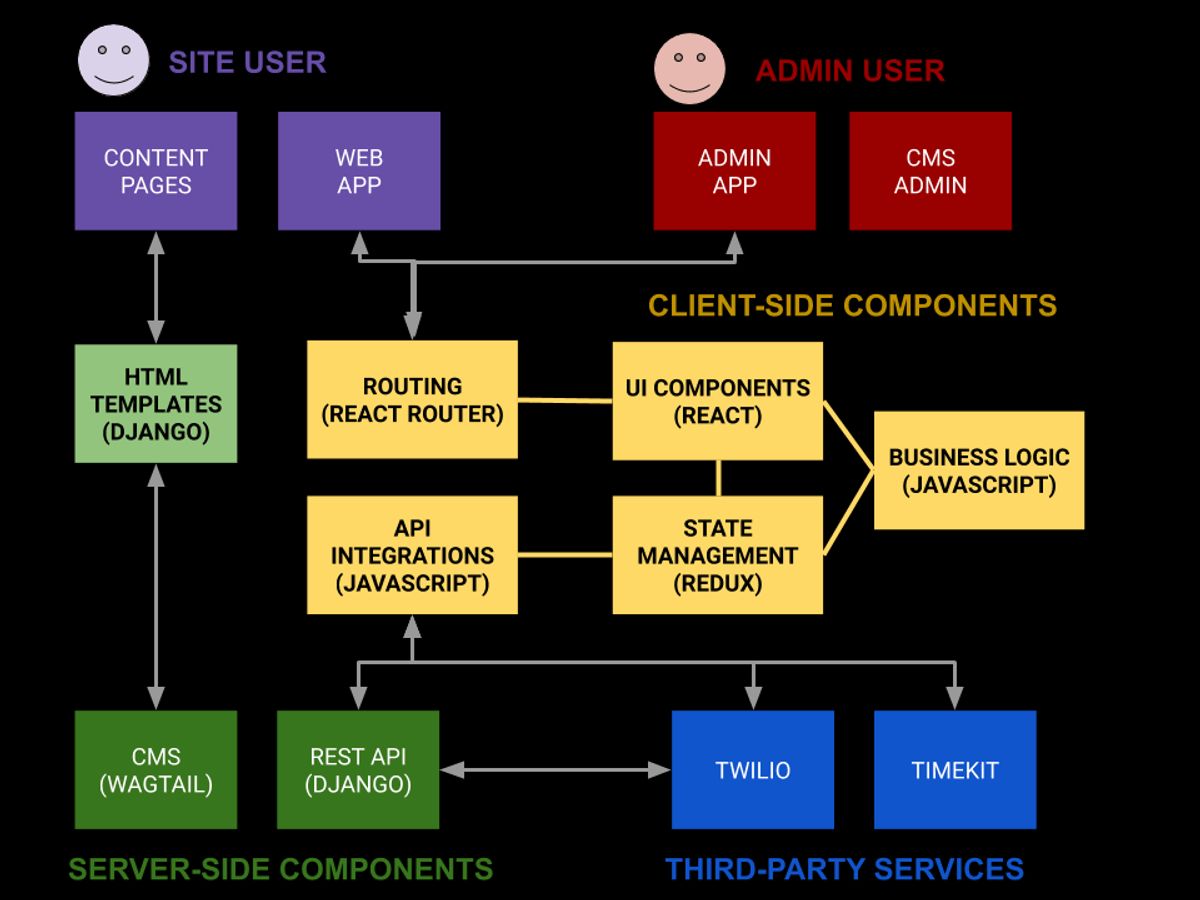
In the dynamic world of online business, scalability is the cornerstone of growth. As companies expand, their websites must be able to handle increased traffic and provide a seamless user experience. This article explores the crucial steps businesses must take to ensure their websites are primed for growth, focusing on performance optimization, robust web architecture, and continuous improvement strategies, with a special emphasis on WordPress development as a platform known for its versatility and scalability.
Key Takeaways
- Optimizing images and minimizing the use of external scripts are fundamental for improving website performance and scalability.
- Implementing effective caching strategies and conducting regular security audits are key to maintaining a high-performing WordPress website.
- Scalable web architecture, including auto-scaling capabilities, is essential for handling increased traffic and ensuring customer satisfaction.
- Continuous website improvement through comprehensive health audits and user experience enhancements is crucial for staying competitive.
- Custom WordPress theme development and collaboration with design and marketing agencies can maximize a business’s online potential.
Optimizing Website Performance for Scalability

The Importance of Image Optimization
In the realm of website scalability, image optimization plays a pivotal role. It’s not just about reducing file sizes; it’s about enhancing the overall user experience while maintaining visual quality. Image optimization can lead to quicker page load times, which is crucial since a delay of even a few seconds can result in increased bounce rates and lost conversions.
Effective image optimization involves several key steps:
- Compressing image files without sacrificing quality to ensure fast loading times.
- Choosing the right file format for each image type (JPEG for photographs, PNG for graphics with transparency, etc.).
- Implementing responsive images that adapt to different screen sizes and resolutions.
- Adding descriptive alt text to images, aiding both SEO and accessibility.
By optimizing images, businesses can save on infrastructure costs, improve SEO, and streamline workflows, ultimately contributing to a scalable and efficient online presence.
Remember, the goal is to strike a balance between file size and image quality to provide a seamless experience for users, regardless of their device or connection speed. As your business grows, so does the importance of maintaining this balance to ensure that your website remains fast, accessible, and engaging.
Implementing Effective Caching Strategies
To harness the full potential of caching, it’s essential to strike a balance between cache consistency and cache hit rate. This balance is crucial for maintaining both the freshness of data and the efficiency of the cache system. Implementing advanced caching practices, such as OpCache, Object Cache, or MySQL Query Caching, can lead to significant performance improvements by reducing server load and enhancing response times.
Effective caching strategies involve several key steps:
- Choosing the right consistency model for your application’s needs.
- Utilizing server-level caching to minimize server load.
- Implementing a Content Delivery Network (CDN) to serve static resources swiftly to users worldwide.
- Regularly optimizing the website’s database to ensure efficient data retrieval.
By thoughtfully applying these caching techniques, businesses can save local resources, improve customer experience, and potentially reduce hosting costs.
Moreover, upgrading caching resources is often a straightforward process, accessible through a control panel or dashboard, without the need for complex server migrations. It’s a methodical yet flexible approach that aligns with the pursuit of excellence and performance in website development.
Minifying Scripts for Faster Load Times
In the quest for optimal website performance, minifying scripts is a crucial step. This process involves removing unnecessary characters from CSS, JavaScript, and HTML files without changing their functionality. By doing so, the size of these files is reduced, leading to faster load times and a more streamlined user experience.
Minification is not just about reducing file size; it’s about enhancing the user’s interaction with your website by decreasing the time it takes for pages to load.
Here are some benefits of script minification:
- Improve Loading Time: Smaller file sizes mean quicker loading times for your website, which can keep users engaged.
- Enhance Performance: Minified scripts require less bandwidth and reduce server load, contributing to better website performance.
- Increase SEO Rankings: Search engines favor fast-loading websites, so minification can indirectly boost your SEO efforts.
To implement minification effectively, consider using tools and services that automate the process. Regularly monitor the impact of these changes on your website’s performance to ensure that the benefits are realized.
Reducing External Script Dependencies
External scripts, such as analytics, fonts, and widgets, can significantly impact your website’s load time and overall performance. Minimizing the use of these scripts is crucial for scalability. By hosting scripts locally or combining multiple scripts into a single request, you can reduce the number of external calls your website makes, leading to faster load times and a smoother user experience.
When optimizing for scalability, it’s essential to audit your website for external script dependencies regularly. This process helps identify scripts that can be hosted locally or eliminated altogether without sacrificing functionality.
Here are some steps to reduce external script dependencies:
- Evaluate the necessity of each script.
- Host commonly used scripts locally.
- Use asynchronous loading for non-critical scripts.
- Combine multiple scripts into fewer files.
- Regularly update and remove outdated scripts.
By following these steps, you can ensure that your website remains agile and responsive, even as traffic volumes grow. Remember, every millisecond counts when it comes to retaining visitors and improving the user experience.
Maintaining WordPress Website Security and Performance

Regular Security Audits and Updates
As businesses grow, the complexity of their web infrastructure often increases, introducing new security challenges. Regular security audits are crucial to ensure that all components of the website adhere to stringent security standards. These audits help identify vulnerabilities and areas for improvement, allowing businesses to maintain a robust security posture even as they scale.
By integrating security considerations into scaling plans, businesses can ensure that new resources comply with established security policies and regulations. This includes maintaining data encryption, expanding intrusion detection systems, and upgrading firewalls.
To stay ahead of potential threats, it’s important to implement a routine that includes frequent updates and compliance checks. Here’s a simplified checklist to guide you through the process:
- Conduct thorough security audits periodically
- Update security protocols and software regularly
- Monitor for and promptly address any security breaches
- Review and enhance data protection measures
- Ensure compliance with relevant regulations, such as GDPR
Adhering to these practices not only improves security but also supports compliance with industry standards and regulations.
Performance Optimization Techniques
To ensure that your WordPress website scales effectively with your business, it’s crucial to implement performance optimization techniques. Efficient resource utilization is key, as it prevents bottlenecks that can limit scalability. This includes optimizing CPU, memory, and disk space usage through efficient algorithms and load balancing.
By focusing on performance optimization, you can achieve cost savings, improved site performance, and smoother operations, which are essential for a growing business.
Caching is another vital technique, as it stores frequently accessed data, reducing latency and backend system load. Additionally, regular updates and security checks are necessary to maintain optimal performance and protect against vulnerabilities.
Here are some recommended actions:
- Optimize Images: Compress and optimize images while retaining quality to speed up your website.
- Implement Caching: Utilize tools like WP-Optimize or 10Web Booster to cache data and improve customer experience.
- Minify Scripts: Reduce CSS and JavaScript HTTP requests and file sizes for faster loading times.
- Optimize External Scripts: Minimize the use of external scripts to reduce unnecessary third-party requests.
Remember, a well-optimized website not only enhances user experience but also contributes to higher conversion rates and better search engine rankings.
WordPress Support and Maintenance Best Practices
Maintaining a WordPress website is an ongoing process that requires regular attention to ensure optimal performance and security. One of the best practices is to perform frequent core and plugin updates. This not only keeps your site secure from vulnerabilities but also ensures that you have the latest features and improvements.
Regular maintenance tasks such as security checks, backups, and performance monitoring are essential for a healthy WordPress site.
Another critical aspect is to implement automated backups. These should be scheduled to occur at regular intervals and stored in a secure location, allowing for quick restoration in case of data loss or site compromise. Additionally, uptime monitoring with automated alerts can help you respond promptly to any accessibility issues, minimizing potential downtime.
Here’s a quick checklist of maintenance tasks to keep your WordPress site running smoothly:
- Daily security checks for malware
- Frequent updates of WordPress core and plugins
- Performance checks to ensure fast loading times
- SEO monitoring to track rankings and fix potential issues
- Automated backups for easy restoration
By adhering to these best practices, you can maintain a robust online presence, safeguard user experience, and ultimately support your business’s growth and reputation.
Leveraging Scalable Web Architecture for Business Growth

Building a Foundation for Future Expansion
For businesses anticipating growth, establishing a scalable infrastructure is crucial. This involves investing in robust technology systems, efficient processes, and resources that can adapt to increased demand without sacrificing quality or efficiency. A well-designed business model is the cornerstone of scalability, allowing for revenue and profit generation without being constrained by structural or resource limitations.
By focusing on a scalable business model, companies can ensure that their growth is supported by a foundation that is both strong and adaptable.
Building such a foundation requires a strategic approach, including identifying target markets, creating repeatable sales processes, and leveraging technology. These steps are essential for long-term success and the ability to handle expansion seamlessly. It’s not just about growing; it’s about growing smartly and sustainably.
Understanding the Impact of Scalability on Customer Satisfaction
Scalability is not just a technical requirement; it’s a customer satisfaction imperative. Businesses that scale effectively can maintain performance levels and service quality as demand grows, ensuring a consistent and reliable user experience. This is crucial because customers expect quick and seamless interactions with websites, regardless of the number of concurrent users.
Scalability in web hosting, for example, directly influences an online store’s ability to handle increased traffic and expanding product lines. Without scalability, businesses risk hitting a ceiling that can lead to lost sales and diminished trust.
Scalability challenges, particularly in high-traffic e-commerce environments, can lead to frustrating customer experiences. When a website is unprepared for a surge in traffic, it may become slow or unresponsive, causing potential customers to abandon their shopping carts. To illustrate the benefits of scalability, consider the following points:
- Adapting to growth without compromising performance
- Streamlining operations and reducing costs
- Providing a seamless and satisfying customer experience
By prioritizing scalability, businesses not only prepare for growth but also demonstrate a commitment to customer satisfaction, which is essential for long-term success.
Auto-Scaling Capabilities and Infrastructure Management
In the realm of web architecture, auto-scaling capabilities are a cornerstone for businesses anticipating growth. Auto-scaling is the automated adjustment of resources to meet demand in real-time, ensuring that a website can handle traffic spikes without manual intervention. This just-in-time provisioning is crucial for maintaining performance during unexpected surges, and when paired with an Elastic Load Balancing load balancer, it forms a resilient system that can dynamically distribute incoming traffic across multiple servers.
Automation in infrastructure management not only streamlines the scaling process but also enhances efficiency and reduces the risk of downtime. By setting predefined criteria, systems can proactively scale up or down, optimizing resource use and cost.
Challenges such as performance bottlenecks and security concerns can be mitigated through a combination of scalable architecture, load balancing, and continuous monitoring. The table below outlines some key strategies for managing scalability:
| Strategy | Description |
|---|---|
| Scalable Architecture | Invest in infrastructure that grows with your business needs. |
| Load Balancing | Distribute traffic evenly across servers to prevent overload. |
| Cloud Computing | Utilize cloud services for flexible and scalable resource management. |
| Automation | Implement automated processes for scaling and deployment. |
| Performance Monitoring | Regularly monitor server performance to preemptively address issues. |
Embracing automation and AI can revolutionize scalability and server administration, predicting demand spikes and optimizing resources in advance. A proactive scalability strategy not only improves performance but also customer satisfaction, which is directly impacted by website reliability and speed.
Strategies for Continuous Website Improvement
Conducting Comprehensive Website Health Audits
A comprehensive website health audit is a critical step in maintaining the vitality of your online presence. By evaluating key aspects such as cross-browser compatibility, user experience, and functionality, you can pinpoint areas that require attention.
Regular audits provide a structured approach to identifying and rectifying issues that could hinder your website’s performance and user satisfaction.
Here’s a succinct checklist to guide your audit process:
- Perform cross-browser and cross-device testing to ensure consistent user experience.
- Check for broken links and correct them to avoid frustrating dead ends for users.
- Review content for typos and grammar errors to maintain professionalism.
- Conduct functional testing of interactive elements like forms and buttons.
- Assess performance to ensure fast loading times and smooth user interactions.
Remember, the goal of an audit is not just to find problems but to provide actionable solutions that enhance your website’s effectiveness. As Similarweb suggests, the first step in optimizing a site for SEO is a site audit, which is an integral part of this comprehensive review.
Implementing User Experience Enhancements
Enhancing user experience (UX) is a continuous journey that directly impacts customer satisfaction and website performance. Incorporating user feedback is essential for identifying usability issues and improving the overall UX. This iterative process involves several steps:
- Conducting usability testing with real users to pinpoint friction points.
- Regularly reviewing user feedback to identify common issues.
- Implementing changes based on user suggestions to show responsiveness to their needs.
- Introducing new features that align with user needs and industry trends.
- Monitoring analytics and user behavior to inform further enhancements.
By focusing on user experience enhancements, businesses can ensure that their website remains intuitive, engaging, and efficient, ultimately leading to increased customer loyalty and conversion rates.
It’s also crucial to test all interactive elements, such as forms and navigation, to ensure they function correctly. Broken links or errors can significantly hinder user interaction and detract from the user experience. A proactive approach to UX improvements can lead to a more robust and scalable website, ready to accommodate growth and increased traffic volumes.
Staying Updated with Web Development Trends
In the ever-evolving landscape of web development, staying ahead of trends is not just beneficial; it’s essential for continuous improvement. The software landscape evolves rapidly, and by identifying emerging technologies and changing user preferences, you position your website as a forward-thinking solution. Spotting customer preferences and pain points allows for timely enhancements that align with market demands.
Collaboration with developers is key to translating vision into reality. Regular updates, feedback loops, and a shared understanding of your website’s goals ensure a smooth development process and focus on responsiveness.
Understanding and implementing the latest web development trends can lead to significant improvements in website performance and user satisfaction. For instance, the adoption of dark mode interfaces, which are easier on the eyes, and mobile-first development practices reflect the current user preferences and technological advancements. Keeping abreast of these trends not only improves the user experience but also contributes to better SEO rankings and overall website visibility.
Maximizing Business Potential with WordPress Development
Custom WordPress Theme Development for Brand Uniqueness
In the realm of WordPress development, custom theme development stands as a cornerstone for brand uniqueness. Tailoring a theme to your brand’s identity not only differentiates your online presence but also aligns with your strategic business objectives.
Custom WordPress theme development is not just about aesthetics; it’s about creating a seamless user experience that reflects the core values and personality of your brand.
A custom theme offers the flexibility to incorporate specific functionalities and design elements that are unique to your business, ensuring that your website resonates with your target audience. Here’s what you can expect when you embark on this journey:
- Partnership: Collaboration with design teams to ensure your vision is accurately translated into the digital space.
- Code Quality: Adherence to the latest industry standards and best practices in theme development.
- Performance Optimization: Delivery of a website that is not only visually appealing but also fast and responsive.
- Ease of Management: An intuitive admin interface that makes website management straightforward.
- Custom Development: The ability to implement bespoke features that cater to your specific business needs.
By investing in custom WordPress theme development, you’re not just building a website; you’re crafting an online identity that is uniquely yours. It’s a strategic move that can unlock how to develop a custom WordPress theme and transform your design into a highly optimized, pixel-perfect representation of your brand.
Optimizing WordPress for High Traffic Volumes
As your business grows, your WordPress site must be equipped to handle an influx of visitors without compromising on performance. Database optimization is paramount; regular cleanups and strategic indexing can prevent slowdowns during peak traffic. Load balancing is another critical strategy, ensuring that traffic is evenly distributed across multiple servers, thus maintaining a seamless user experience.
To prepare for high-traffic events, consider the following steps:
- Implement web caching to reduce server load.
- Apply image optimization to speed up page loading.
- Minify and compress your JS and CSS files.
- Keep your WordPress core and plugins up to date.
- Use a Content Delivery Network (CDN) to distribute load.
By proactively optimizing your WordPress site, you can ensure that it remains fast, reliable, and ready to scale with your business needs. Regularly revisiting these practices will keep your site agile and efficient, capable of welcoming more visitors without a hitch.
Collaborating with Design and Marketing Agencies
In the digital landscape, collaboration with design and marketing agencies is a pivotal step for businesses aiming to scale their online presence effectively. These partnerships bring together diverse expertise to create a cohesive brand experience and drive growth.
- Partnership: Working closely with agencies ensures that the design vision is accurately translated into the website, maintaining brand consistency across all platforms.
- Code Quality: High standards in coding practices are essential for a robust and secure website.
- Performance Optimization: A well-optimized website is crucial for fast loading times and improved user engagement.
- Easy to Manage: An intuitive admin interface allows for straightforward content management, empowering businesses to keep their site up-to-date.
- Custom Development: Tailoring functionality to meet specific business needs can set a website apart from the competition.
By fostering strong relationships with agencies, businesses can leverage specialized skills to enhance their website’s design, functionality, and overall performance. This strategic alliance not only supports current needs but also lays the groundwork for future scalability.
The process of collaboration often involves a series of steps, from initial concept discussions to the final quality assurance checks. It’s a journey that requires clear communication, mutual understanding, and a shared commitment to delivering a product that resonates with the target audience and aligns with business objectives.
Unlock the full potential of your business with our expert WordPress Development services. From custom website design to performance optimization, we provide a comprehensive suite of solutions to elevate your online presence. Don’t let your website be just another URL lost in the vastness of the internet. Partner with us for a transformative digital experience that drives results. Visit our website now to explore our services and start your journey towards digital excellence.
Conclusion: Future-Proofing Your Website for Growth
In the digital age, a scalable website is not just an advantage; it’s a necessity for growing businesses. As we’ve explored, optimizing images, implementing caching, minifying scripts, and judicious use of external scripts are pivotal steps in ensuring your website can handle increased traffic and maintain peak performance. Regularly employing a comprehensive checklist, like our 15-point review, can help identify additional opportunities for enhancement. Moreover, staying vigilant with security practices and updates is crucial to safeguard your online presence. By embracing these strategies, businesses can create a robust platform that not only meets current demands but is also prepared for future growth. Remember, scalability is about flexibility and efficiency—key ingredients for a successful and enduring online business.
Frequently Asked Questions
What are the key activities to optimize image performance on a website?
Key activities include image compression and optimization while retaining the quality of the image to help your website run faster.
How does caching benefit my website?
Caching saves local resources on your website server, improves performance, and enhances the overall customer experience.
Why is it important to minimize and optimize website scripts?
Minimizing and optimizing CSS and JavaScript files reduces HTTP requests and file sizes, which can significantly improve website loading times and customer experience.
What is the impact of external scripts on website performance?
Minimizing the use of external scripts and pixels reduces unnecessary third-party requests and optimizes website performance.
How does website performance affect customer satisfaction and business growth?
Websites with optimized performance have higher conversion rates, improved user experience, and enhanced search engine rankings, leading to increased sales and customer satisfaction.
What are the best practices for maintaining WordPress website security?
Best practices include regular security audits, updates, and implementing strong security measures like firewalls and DDoS protection to ensure a safe environment for users.