Ensuring Website Scalability for Growing Businesses

In the modern digital era, where businesses are constantly evolving and expanding, website scalability has become a fundamental aspect of online success. A scalable website can efficiently handle increased traffic and growing user demands without compromising on performance. This article explores crucial strategies to ensure that your website remains robust and responsive as your business grows, covering performance optimization, scalable web architecture, security, analytics, and ongoing support and maintenance.
Key Takeaways
- Optimizing website performance through image compression, effective caching, script minimization, and prudent use of external scripts is essential for scalability.
- Designing a web architecture that is flexible and can grow with the business involves choosing the right hosting solutions and ensuring user experiences remain seamless during traffic surges.
- Maintaining website security is critical while scaling, which includes conducting regular security audits, updates, and implementing robust backup and recovery systems.
- Leveraging analytics is vital for scalable growth, as monitoring performance metrics and using data-driven decisions can lead to continuous improvement.
- Providing ongoing support and maintenance is necessary to sustain scalability, which involves routine updates, preventing downtime, and adapting to technological advances and market trends.
Optimizing Website Performance for Scalability

The Role of Image Optimization
In the quest for scalability, image optimization plays a pivotal role. It’s not just about reducing file sizes; it’s about maintaining visual quality while ensuring your website loads swiftly. Consider the impact of image formats, the use of responsive images, and the strategic deployment of CDNs (Content Delivery Networks) to accelerate content delivery globally.
Effective image optimization can lead to significant improvements in loading times, which is crucial since a delay can result in a substantial drop in conversion rates. Moreover, regular audits of your image assets ensure that your website remains optimized over time.
By embracing best practices in image optimization, businesses can enhance user engagement and SEO performance, contributing to a robust and scalable online presence.
Here’s a quick checklist to help you get started:
- Choose the right image format (e.g., JPEG, PNG, WebP)
- Implement responsive images for different devices
- Apply lossless or lossy compression techniques
- Utilize CDNs for faster image delivery
- Conduct regular image optimization audits
Implementing Effective Caching Strategies
Caching is a pivotal technique in enhancing website scalability and performance. Implementing effective caching strategies can significantly reduce server load and improve page load times, which are critical factors for user retention and SEO. Caching stores copies of files or dynamic data across various points in the delivery process, allowing for quicker access upon subsequent requests.
Effective caching involves several layers, including browser caching, server-side caching, and content delivery networks (CDNs). Browser caching allows repeat visitors to load your website faster by storing static resources locally. Server-side caching, such as object caching or full-page caching, can drastically reduce database queries, further speeding up the website. CDNs distribute your content across multiple geographically dispersed servers, ensuring faster delivery to users worldwide.
To maximize the benefits of caching, consider the following steps:
- Identify static resources that can be cached, such as CSS files, JavaScript, and images.
- Set appropriate cache expiration times to ensure content remains fresh.
- Utilize tools and plugins that facilitate easy caching implementation and management.
- Regularly monitor and update your caching strategy to adapt to changing website content and traffic patterns.
By strategically implementing caching, you can create a robust foundation for a scalable website that accommodates growth while maintaining optimal performance.
Remember, while caching is powerful, it’s not a set-it-and-forget-it solution. Regular reviews and adjustments are necessary to align with your website’s evolving needs. Additionally, as highlighted in the snippet, regular security audits are essential to ensure that your caching mechanisms do not compromise the security of your website.
Minimizing and Combining Scripts for Efficiency
In the pursuit of optimizing website performance for scalability, it’s crucial to focus on the efficiency of scripts running on your site. Minimizing and combining CSS and JavaScript files can significantly reduce the number of HTTP requests, leading to faster page load times and a smoother user experience. Here’s how you can streamline your scripts:
- Minify CSS and JavaScript files to eliminate unnecessary characters without changing functionality.
- Combine multiple scripts into a single file to reduce HTTP requests.
- Utilize CSS preprocessors like Sass or Less to help organize and maintain your stylesheets more effectively.
- Implement JavaScript modules to manage dependencies and only load the code that is needed.
By adopting these practices, you can ensure that your website remains responsive and agile, even as traffic volumes grow.
Remember, reducing external script dependencies is also key to improving load times. Libraries like jQuery have made development easier, but they can add extra weight. Evaluate if such libraries are essential or if native JavaScript can achieve the same results with better performance. As your business grows, so should your website’s ability to handle increased demand without compromising on speed or user experience.
Managing External Scripts to Reduce Load Times
External scripts, such as analytics, social media widgets, and advertising pixels, can significantly impact your website’s load times. Minimizing the number of external scripts is crucial for maintaining fast loading pages, which is essential for both user experience and SEO rankings. Prioritize scripts that are essential and defer or asynchronously load others to prevent them from blocking the main content from rendering.
By keeping external script usage to a minimum and optimizing their load order, you can achieve a more streamlined and efficient website.
Here are some steps to manage external scripts effectively:
- Evaluate the necessity of each script on your website.
- Use script loading tools like
asyncanddeferattributes to control execution. - Consolidate scripts where possible to reduce HTTP requests.
- Monitor script performance and impact on load times regularly.
AM2 Studio’s approach to web development includes strategic planning and the use of advanced technologies to ensure excellence in performance optimization.
Strategies for Scalable Web Architecture
Designing for Flexibility and Growth
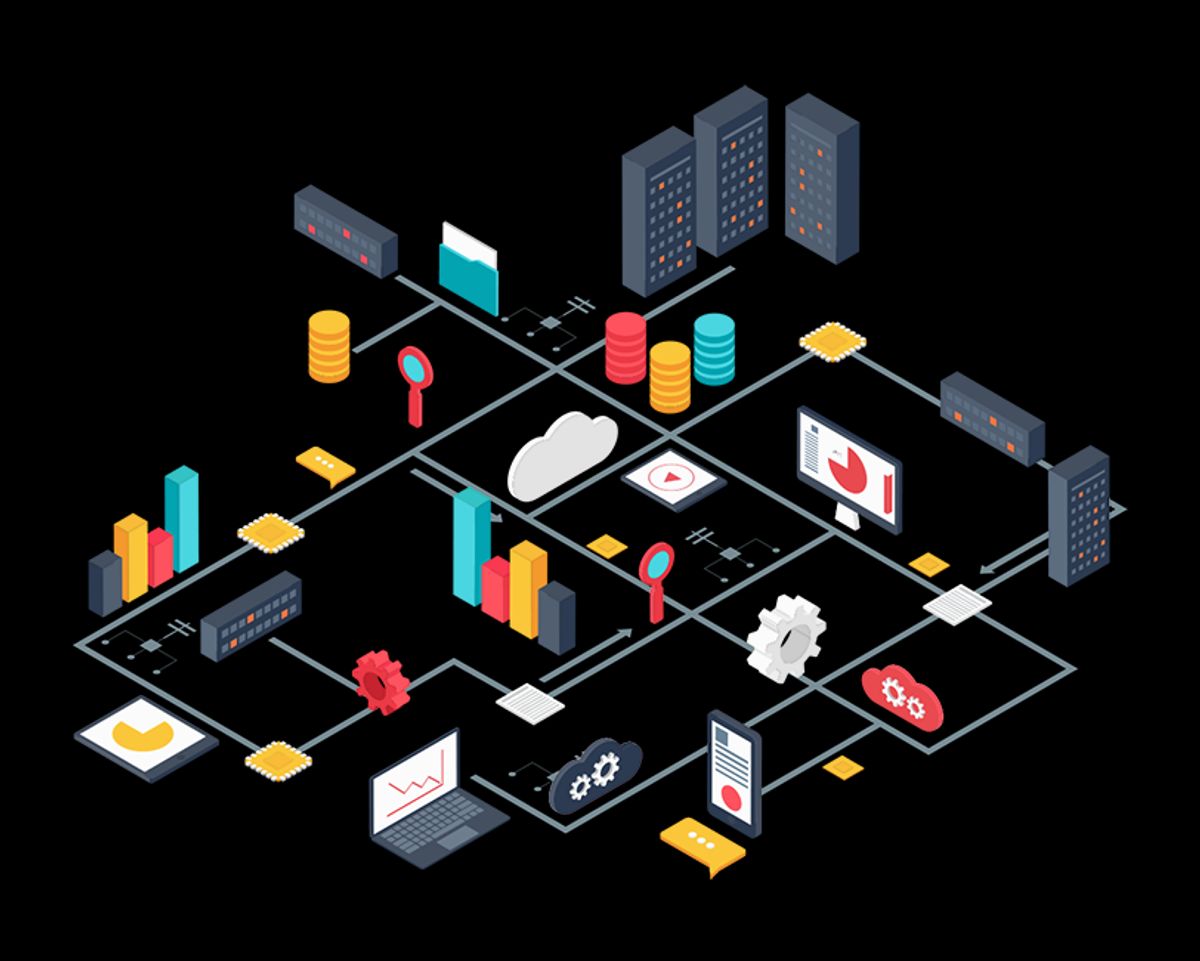
When it comes to designing for flexibility and growth, a modular approach is key. This strategy allows for components of the web application to be independently developed, scaled, and replaced as needed. By using independent nodes, caches, proxies, balancers, queues, and indexing, businesses can ensure that their website can handle increased traffic and user demand without extensive rework or additional hardware investments.
Scalable software is not just about handling growth—it’s about doing so efficiently, without compromising on performance or security. Enhanced flexibility means that new features and functionalities can be easily integrated as the business evolves.
Choosing the right technologies and architecture from the outset is crucial. Full stack developers often prioritize scalability and futureproofing, employing best practices in coding, database management, and infrastructure provisioning. They anticipate future challenges and plan for scalability, leveraging cloud services, microservices architecture, and containerization to adapt to changing market dynamics.
Ultimately, a scalable web architecture is about more than just technology—it’s about a mindset that embraces change and is prepared for growth. By building a robust foundation, startups and established businesses alike can scale effectively in the long term.
Choosing the Right Hosting Solutions
Selecting the appropriate hosting solution is a pivotal decision for businesses aiming to scale. A hosting provider that offers scalability and reliable customer support is crucial for accommodating growth and handling traffic surges. Dedicated support is invaluable for addressing any issues that arise, ensuring a seamless hosting experience.
When evaluating hosting options, consider the following:
- The ability to upgrade server resources easily
- Availability of scalable plans to match your growth
- Quality of customer service and technical support
- Uptime guarantees and performance track records
Scalability in web hosting is not just about handling more traffic; it’s about providing the flexibility to grow without service interruptions or performance degradation.
Ultimately, the choice of a web hosting provider should align with your business’s current needs and future ambitions. It’s an investment that impacts your online presence, user experience, and overall success in the digital landscape.
Ensuring Seamless User Experiences During Traffic Surges
For growing businesses, handling traffic surges effectively is pivotal to maintaining a seamless user experience. Scalable solutions provided by reliable web hosting services are essential to accommodate these spikes without compromising website performance. This not only ensures accessibility but also supports positive user engagement and prevents revenue loss during critical periods.
Automatic resourcing and scaling are key to adapting to fluctuating demands. By dynamically provisioning resources, businesses can ensure optimal performance and customer satisfaction.
To further enhance user experiences during high traffic times, consider the following strategies:
- Invest in Scalable Architecture: Building with scalability in mind allows for future growth without extensive rework.
- Implement Load Balancing: This helps distribute traffic evenly across servers, preventing bottlenecks.
- Leverage Cloud Services: Cloud computing offers on-demand resources, reducing the need for physical infrastructure management.
Ultimately, the goal is to provide a user experience that is not only consistent but also resilient to the ebb and flow of web traffic. By prioritizing scalability, businesses can ensure that their websites remain a reliable touchpoint for users at all times.
Maintaining Security While Scaling Your Website

Regular Security Audits and Updates
To maintain a robust security posture, it’s essential to integrate a website security checklist into your scaling plan. This checklist should include routine tasks such as reviewing user accounts, updating content management systems like WordPress, scanning for malware, and testing backups. By doing so, you ensure compliance with security standards and enhance the scalability of your website.
Regular updates and maintenance are not just about keeping your website’s features fresh; they are crucial for safeguarding against emerging vulnerabilities. Automating these processes can significantly reduce risks and ensure tasks like installing security patches and adjusting scaling limits are performed accurately and on time.
Here’s a simple breakdown of key security measures:
- SSL Certificates and HTTPS
- Regular Software and Plugin Updates
- Backup Services
- Server Security Measures
By establishing these security foundations, you can put your mind at ease, knowing that your website is prepared to handle both current and future threats.
Implementing Robust Backup and Recovery Systems
An effective backup strategy is a cornerstone of website scalability and resilience. Regular backups, stored across multiple locations, ensure that your website can recover quickly from data loss incidents. Testing these backups is as crucial as creating them, to guarantee they can be restored successfully.
A scalable architecture is not complete without robust backup and recovery systems. They are the safety nets that protect against data disasters.
In addition to backups, consider implementing a tiered recovery plan. Here’s a simple framework:
- Tier 1: Real-time data replication for immediate failover.
- Tier 2: Daily incremental backups for quick recovery of recent data.
- Tier 3: Weekly full backups for comprehensive data snapshots.
Remember, the goal is not just to back up data but to do so in a way that aligns with your business’s recovery objectives and growth plans. As traffic grows, so should your backup frequency and complexity to handle increased data volumes and complexity.
Balancing Security with Performance
When scaling your website, it’s crucial to maintain a delicate balance between robust security measures and optimal performance. Automating routine security tasks such as installing security patches and adjusting scaling limits can significantly reduce risks while maintaining efficiency. Automation ensures these tasks are performed accurately and promptly, without sacrificing website speed.
Anticipate growth, review hosting needs, prioritize security, and ensure scalability for a successful website.
Load balancing is a key strategy in managing performance during scaling. By distributing incoming requests across multiple servers, it prevents any single server from becoming overwhelmed, thus enhancing the system’s overall performance and scalability. Below is a list of benefits that load balancing contributes to a scalable website:
- Cost-effective scalability
- Increased reliability
- Improved performance
Regular security audits and updates are essential to safeguard your website as it grows. Implementing robust backup and recovery systems will help you recover quickly from any potential breaches or data loss, ensuring continuous operation and trust from your users.
Leveraging Analytics for Scalable Growth

Monitoring Website Performance Metrics
To ensure the scalability of a growing business, monitoring website performance metrics is indispensable. It provides insights into user experience and identifies areas that require optimization. A top down approach to website performance monitoring is recommended, focusing on the most impactful metrics first.
By regularly analyzing performance data, businesses can make informed decisions to enhance their website’s efficiency and user satisfaction.
Key metrics to monitor include page load times, user engagement, and conversion rates. These metrics offer a clear picture of the website’s health and its effect on business outcomes. For instance, a slow page load time can increase bounce rates and reduce conversions, while efficient caching can improve speed and user experience.
To effectively track these metrics, businesses can employ various tools and services that provide real-time data and automated alerts. This proactive stance allows for swift responses to any issues that arise, maintaining a seamless user experience even during traffic surges.
Using Data to Drive Scalability Decisions
In the journey of scaling a website, data stands as the compass guiding each step. Decisions anchored in data not only ensure a strategic approach to scalability but also mitigate risks associated with guesswork. By monitoring key performance indicators (KPIs), businesses can pinpoint areas that require attention and allocate resources effectively. For instance, a sudden spike in bounce rates might indicate the need for server upgrades or content optimization.
Data-driven strategies empower businesses to anticipate changes and adapt swiftly, maintaining a competitive edge in a dynamic digital landscape.
Understanding the relationship between various metrics can reveal insights into user behavior and system performance. Here’s a simplified view of how certain KPIs might interact:
- Page Load Time: Directly impacts user satisfaction and bounce rates.
- Concurrent Users: Reflects the server’s ability to handle traffic.
- Conversion Rate: Indicates the effectiveness of the site’s design and content.
By establishing a feedback loop where data informs decisions, which in turn generate new data for analysis, businesses create a cycle of continuous improvement. This iterative process is crucial for sustaining growth and ensuring that the website remains scalable, secure, and successful.
Continuous Improvement Through Analytics
The journey of website scalability is ongoing, and analytics play a crucial role in steering the course towards success. Continuous analysis of performance metrics ensures that a website can adapt to changing demands and user behaviors. By leveraging analytics, businesses can make informed decisions that drive scalability and growth.
Analytics not only highlight areas that require attention but also reveal opportunities for optimization and enhancement.
For instance, monitoring tools can pinpoint performance bottlenecks, allowing for targeted improvements. Regularly reviewing analytics data helps in identifying trends, which can inform strategic decisions such as server scaling or feature development. Here’s a simplified view of the analytics cycle:
- Collect data on website performance and user interactions.
- Analyze the data to uncover actionable insights.
- Implement changes based on those insights.
- Monitor the impact of those changes and start the cycle anew.
This iterative process is vital for maintaining a competitive edge and ensuring that the website remains robust and responsive. It’s important to optimize database performance and prioritize security, as these are foundational to sustainable business growth and performance.
Support and Maintenance for Sustained Scalability

The Importance of Ongoing Support
Ongoing support is not just a service; it’s a vital component of a successful online presence. As businesses grow and their websites attract more traffic, the need for continuous support and maintenance becomes increasingly apparent. This support ensures that the website remains functional, secure, and up-to-date with the latest technological advancements.
- Handling Traffic Surges: Preparing for unexpected spikes in website traffic is essential. Ongoing support can help manage these surges, ensuring that the website remains available and responsive.
- Room for Growth: As your business expands, so do your website’s requirements. Continuous support provides the flexibility to scale up resources as needed.
- 24/7 Support and Assistance: Access to round-the-clock assistance means issues can be resolved quickly, minimizing downtime and maintaining user satisfaction.
Ongoing support facilitates the adaptability and scalability of custom software to accommodate these changes. It’s about being proactive rather than reactive, anticipating potential issues and addressing them before they impact the user experience.
Focusing on scalable business models and strategic approaches like identifying target markets and leveraging technology are crucial for sustainable growth. Scalability ensures customer satisfaction and business success through performance, reliability, and cost-efficiency.
Routine Maintenance to Prevent Downtime
Routine maintenance is a cornerstone of website reliability. Implementing a maintenance schedule is essential for uptime monitoring, security scans, updates, and performance assessments. Regularly scheduled SEO monitoring and backups are also crucial to maintain the integrity and performance of your website.
- Uptime monitoring ensures your site is accessible to users and identifies any accessibility issues promptly.
- Security scans detect vulnerabilities and protect against threats.
- Updates for software and plugins patch security holes and improve functionality.
- Performance assessments help in optimizing the site’s speed and efficiency.
- SEO monitoring keeps track of your site’s search engine performance.
- Regular backups safeguard your data against loss or corruption.
Proactive maintenance not only prevents downtime but also prepares your website for future growth. By planning for scalability, monitoring, and regular audits, you ensure the reliability and security of your online presence.
Automating these tasks can significantly reduce risks and improve accuracy. Automation ensures that critical maintenance tasks are not overlooked and are executed in a timely manner. This approach is integral to maintaining a website that is both secure and scalable.
Adapting to Technological Advances and Market Trends
In the dynamic landscape of digital technology, adapting to technological advances and market trends is crucial for maintaining website scalability. As new technologies emerge and consumer behaviors shift, businesses must be agile, continuously evaluating and integrating innovative solutions to stay competitive.
- Customer Experience (CX): Prioritize user experience enhancements to meet evolving expectations.
- Technological and Social Change: Leverage new technologies to improve efficiency and engagement.
- Resource-Efficient Development: Streamline development processes to optimize resource use.
- Adaptive Collaboration: Foster a culture of flexibility and cross-functional teamwork.
By focusing on these areas, businesses can ensure their websites remain scalable, efficient, and aligned with current and future market demands.
Moreover, staying informed about industry trends and customer feedback is essential. Regularly reviewing performance metrics and seeking feedback can highlight areas for improvement. Embracing simplicity in design and functionality can also lead to a more scalable and user-friendly website. It’s about finding the balance between innovation and practicality, ensuring that scalability does not come at the expense of performance or security.
Ensuring your website scales with your growing business is crucial, and our dedicated Support & Maintenance services are here to help. At [Your Company], we specialize in WordPress Development, including performance optimization and website health audits, to keep your site running smoothly. Don’t let technical issues slow you down—visit our website for comprehensive support that will keep you ahead of the curve. Let’s work together to maintain and scale your digital presence effectively. [Visit us now] for more information on how we can assist you in achieving sustained scalability.
Conclusion
In the digital age, where business growth and online presence go hand-in-hand, ensuring website scalability is not just an option—it’s a necessity. From optimizing images to implementing caching, minifying scripts, and managing external scripts, the strategies discussed in this article provide a roadmap for businesses to enhance their website’s performance and prepare for future expansion. Regular maintenance, security checks, and performance optimization are also crucial to maintaining a robust online platform. As businesses continue to evolve, adopting these best practices will help them stay competitive, provide a seamless customer experience, and ultimately, drive higher conversion rates and growth. Remember, a scalable website is the foundation of a scalable business.
Frequently Asked Questions
What are the benefits of optimizing website images for scalability?
Optimizing images can significantly reduce load times and server resources, enhancing website speed and improving user experience. This can lead to higher conversion rates and customer satisfaction.
How does effective caching contribute to website scalability?
Caching saves local resources on your server and provides users with faster access to your website content. This improves customer experience and can handle more traffic without compromising performance.
Why is it important to minimize and combine website scripts?
Minimizing and combining scripts reduces the number of HTTP requests and optimizes file sizes, which can lead to faster website loading times and a more efficient customer experience.
What role does a web hosting provider play in website scalability?
A reliable web hosting provider offers scalable solutions to handle traffic surges and growth, ensuring your website remains accessible and performs well even during peak times.
How can regular security audits and updates help in scaling my website?
Regular security audits and updates protect your website from vulnerabilities, ensuring stability and trust, which are essential for handling increased traffic and maintaining performance during scaling.
Why is ongoing support and maintenance crucial for sustained website scalability?
Ongoing support and maintenance keep your website up-to-date, secure, and functioning optimally, which is vital for adapting to technological advances and market trends that influence scalability.