Ensuring Website Scalability for Growing Businesses
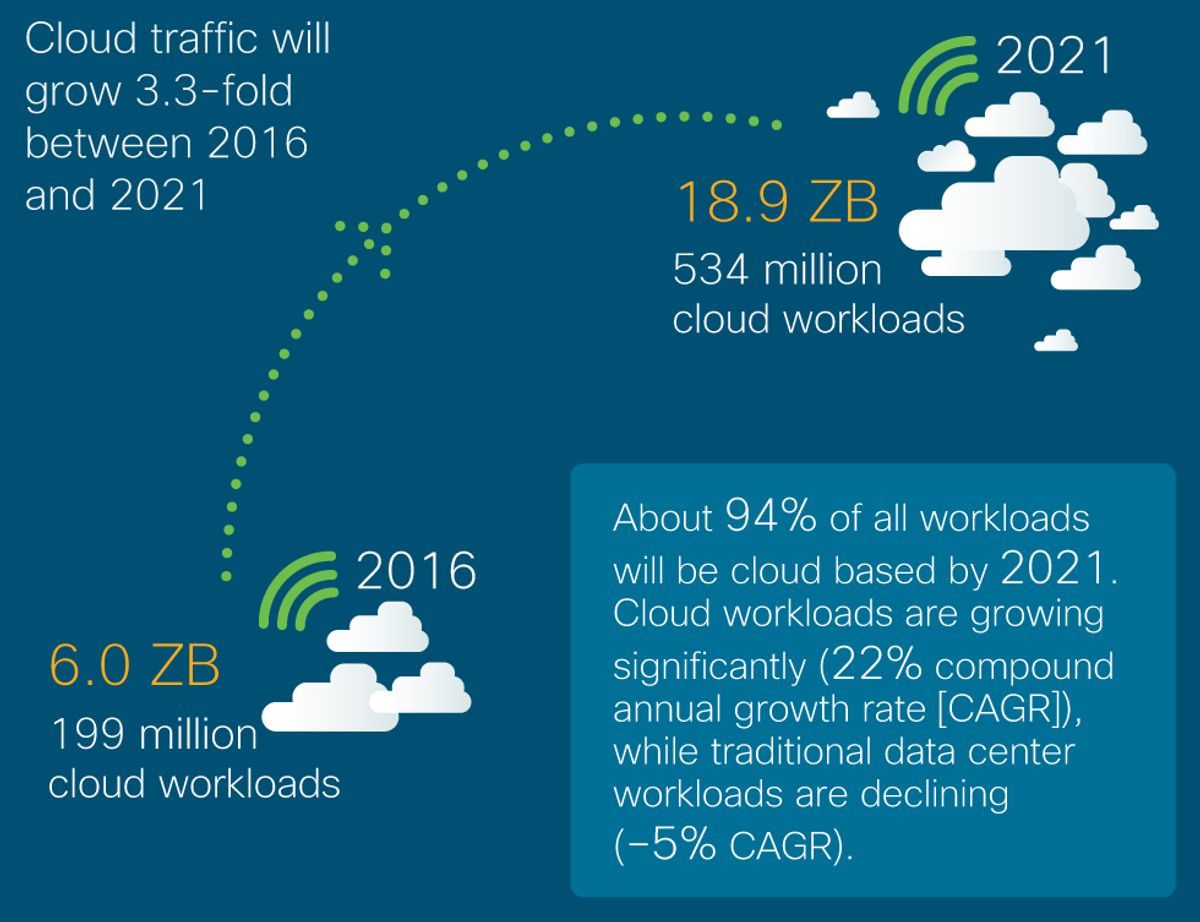
In the digital age, a business’s online presence is crucial for its growth and success. A scalable website is not just an asset but a necessity to accommodate increasing traffic and evolving market demands. Ensuring website scalability involves various strategies and best practices that help businesses maintain performance, security, and user experience as they grow. This article explores the multifaceted approach to building and maintaining a website capable of scaling alongside a growing business.
Key Takeaways
- Embrace image optimization and caching strategies to enhance website performance and user experience.
- Implement regular security audits and strong access controls to maintain a secure online environment.
- Utilize WordPress’s customizability and support for scalable web solutions that can evolve with your business.
- Balance performance enhancements with infrastructure costs for a cost-effective scalability strategy.
- Prioritize mobile responsiveness, secure payment gateways, and user data protection to support business growth and customer satisfaction.
Optimizing Website Performance for Scalability

Image Optimization Techniques
Optimizing images is a cornerstone of website performance, particularly for growing businesses that rely on visual content to engage users. Reducing image file sizes without compromising quality is essential for faster page loading times, which can significantly improve user experience and SEO rankings. Here are some key techniques:
- Image Compression: Use tools to decrease image size while maintaining visual quality.
- Appropriate Format Selection: Choose the right image format (e.g., JPEG, PNG, WebP) based on the image’s content and required transparency.
- Responsive Images: Implement different image sizes for various screen resolutions and devices.
- Lazy Loading: Load images only as they enter the viewport, reducing initial page load time.
By methodically applying these techniques, businesses can ensure that their websites remain quick and responsive, even as traffic grows. This approach not only meets unique project needs but also enhances the overall digital experience.
Regularly reviewing and updating image optimization practices is crucial as technology and standards evolve. Utilizing automated tools for ongoing optimization can help maintain performance levels without manual intervention.
Effective Caching Strategies
To ensure that your website scales effectively, implementing the right server-level caching is crucial. Caching reduces server load and improves response times, which is essential for handling increased traffic without compromising on performance. Here are some steps to optimize caching:
- Choose a reliable hosting provider that supports scalable caching solutions.
- Utilize a Content Delivery Network (CDN) to serve static resources from servers closer to the user.
- Regularly clean up your website’s database to reduce overhead and enable database caching.
By strategically implementing caching, you not only save on server resources but also enhance the customer experience, making it a win-win for both your business and your users.
Remember, the benefits of caching are exponential. It’s not just about improving server performance; it’s about providing a seamless experience for your customers. Regular monitoring and adjustments based on traffic trends will help maintain optimal performance as your website grows.
Minification of CSS and JavaScript
The process of minifying CSS and JavaScript files is a critical step in optimizing a website for scalability. By removing unnecessary characters such as whitespace, comments, and block delimiters, we can reduce the size of these files, leading to faster loading times and improved performance. This practice not only enhances user experience but also contributes to reduced bandwidth costs.
- Benefits of Minification:
- Reduces file size
- Improves loading time
- Decreases server load
- Enhances user experience
Minification should be part of your regular website maintenance routine. It’s a simple yet effective way to ensure your site remains fast and responsive as your business grows.
Incorporating automated tools can streamline the minification process. For instance, using build tools like Gulp or Webpack can help automate and manage the minification of resources efficiently. Remember, the goal is to improve your site’s loading time and overall page performance, which is essential for retaining visitors and improving conversion rates.
External Script Usage Reduction
Reducing the reliance on external scripts is crucial for a scalable website. Identifying third-party scripts and assessing their impact on performance is the first step towards optimization. By minimizing the use of these scripts, you can decrease load times and improve user experience. Consider the following steps:
- Evaluate the necessity of each external script.
- Replace heavy third-party scripts with lighter alternatives or custom code.
- Use asynchronous or deferred loading for non-critical scripts.
- Regularly audit script performance and remove any that are no longer needed.
By strategically managing external scripts, you can maintain a swift and responsive site that scales with your business needs.
Remember that JavaScript modules can be more efficient than separate external files, allowing for better optimization of smaller files. This approach not only streamlines the number of requests to your server but also enhances the overall performance of your website.
Maintaining Security in a Scalable Website Environment

Regular Security Audits
Conducting regular security audits is a cornerstone of maintaining a robust online presence, especially as your business scales. These audits help identify vulnerabilities and ensure that security measures are up to date and effective. A comprehensive website security checklist should include reviewing user accounts, updating the WordPress core and plugins, scanning for malware, testing backups, and assessing the quality of hosting services. The importance of maintaining a secure environment and reliable backups cannot be overstated for scalability.
Maintaining website security is not just a one-time task but a continuous process that involves updating security measures, implementing firewalls, and ensuring malware protection. This proactive approach is essential for secure scaling and protecting your business’s online assets.
To streamline the process, consider the following steps:
- Perform vulnerability scans and penetration testing to detect potential threats.
- Update all software, including third-party plugins, to the latest versions.
- Implement strong access controls and monitor user activity.
- Regularly back up your website and verify the integrity of these backups.
By adhering to these practices, you can fortify your website against cyber threats, safeguarding customer data and maintaining the integrity of your online presence.
Implementing Strong Access Controls
To maintain a secure and scalable website, implementing strong access controls is a fundamental step. Access control is key in IT and cybersecurity to minimize risks by allowing resource access only to authorized users and systems. This ensures that sensitive areas of your website are protected from unauthorized access, which is crucial for maintaining the integrity and confidentiality of user data.
By establishing robust access controls, businesses can effectively manage who has the ability to make changes to the website, access customer data, and perform administrative functions. It’s not just about securing the front end, but also about safeguarding the backend where critical data resides.
Here are some essential measures to consider for strengthening access controls:
- Utilize multi-factor authentication (MFA) to add an extra layer of security.
- Implement role-based access control (RBAC) to ensure users have the minimum level of access required for their role.
- Regularly review and update access permissions to reflect changes in staff roles or responsibilities.
- Use strong, unique passwords and enforce regular password updates.
- Monitor and log access attempts to detect and respond to any unauthorized activities promptly.
Staying Updated with Latest Security Patches
Keeping your website’s security measures up-to-date is a continuous process that plays a critical role in maintaining a secure online presence. Regularly updating your website’s core, plugins, and themes ensures that you are protected against known vulnerabilities and exploits. This proactive approach is not just about fixing bugs, but also about enhancing the website’s features and performance.
By staying on top of updates, you not only safeguard your website but also reinforce customer trust by demonstrating a commitment to security.
It’s essential to establish a routine for checking and applying updates. Here’s a simple checklist to help you stay organized:
- Review and apply WordPress core updates promptly.
- Update plugins and themes to their latest versions.
- Test updates in a staging environment before applying them to the live site.
- Backup your website regularly to prevent data loss in case of an update issue.
Anticipate growth and maintain scalability with flexible hosting solutions that can adapt to your increasing traffic and content demands. Prioritize security measures to ensure a reliable and secure website presence for your users.
Leveraging WordPress for Scalable Web Solutions

Custom Theme Development for Scalability
When it comes to scaling your WordPress site, custom theme development plays a pivotal role. Unlike pre-made templates, custom themes are tailored to your specific business needs and can grow with your company. They provide the flexibility to adapt to new devices and integrate future technologies seamlessly, ensuring your website remains competitive and relevant.
Custom themes are not just about aesthetics; they are about creating a robust foundation for your website that can handle increased traffic and content without compromising on performance.
To achieve this, it’s crucial to work with experienced developers who understand the importance of clean, efficient code. A well-coded theme is easier to maintain, update, and leverage WordPress for optimal performance. Below is a list of what you can expect from a custom WordPress theme development:
- Partnership: Collaboration with design teams to ensure the vision is accurately translated into the website.
- Code Quality: Adherence to the latest coding standards and best practices.
- Performance Optimization: Delivery of a website that loads quickly and efficiently.
- Ease of Management: An admin interface that is user-friendly and tailored to your needs.
- Custom Development: Building custom functionality or recommending reliable plugins.
Remember, investing in custom theme development is not just about the present; it’s about setting up your website for future growth and scalability. It’s a strategic move that can prioritize scalability for cost-effective website maintenance and long-term success.
Performance Optimization Best Practices
To ensure a scalable WordPress website, performance optimization is key. Begin by choosing a hosting provider that can scale with your business, offering performance upgrades as needed. Implement server-level caching and leverage a content delivery network (CDN) to distribute static resources, reducing load times for users worldwide.
Optimize your website’s database by cleaning up unused data and employing database caching. Regularly monitor site performance, adjusting based on traffic trends and user behavior. Minimize HTTP requests and optimize images to keep page load times low. A lightweight theme and minimal plugin use can prevent bloat and maintain speed.
By focusing on these optimization strategies, you can enhance user experience, improve search engine rankings, and prepare your website for increased traffic without compromising performance.
Remember to minify CSS and JavaScript files, reducing the number of HTTP requests and file sizes. This, along with minimizing external script usage, can significantly improve loading times. Regular reviews using a performance checklist can identify additional areas for improvement, ensuring your website remains fast and reliable.
Support and Maintenance for Growth
As businesses grow, the importance of ongoing support and maintenance for their WordPress websites cannot be overstated. The dynamic nature of technology demands that solutions are not only built but also regularly updated to meet evolving market conditions and user expectations. This includes adding new features, redesigning elements, and modifying existing functionalities to ensure the website remains relevant and efficient.
Ensuring that your website is always up to date, fast, and secure is crucial for maintaining a competitive edge. Regular updates and security measures are part of a comprehensive support strategy that protects your website from emerging threats and performance issues.
Choosing the right partner for support and maintenance is a decision that impacts the credibility and scalability of your business. Trustworthy web development companies provide tailored solutions and guarantee scalability, allowing your website to grow seamlessly with your business. Here’s a list of what a robust support package should include:
- Website monitoring and uptime assurance
- Automated security checks to keep the site malware-free
- Frequent updates for WordPress core and plugins
- Performance optimization checks
- SEO monitoring and reporting
- Incremental and secure automated backups
By investing in a full-service WordPress support and maintenance package, businesses can focus on their core activities, confident that their website is in capable hands.
Strategies for Cost-Effective Scalability
Understanding Auto-Scaling Capabilities
Auto-scaling is a pivotal feature for websites that experience variable traffic levels. It ensures that resources are dynamically adjusted to meet the demands of real-time traffic, which is crucial for maintaining optimal performance and cost efficiency. For instance, during a traffic surge, a managed WordPress hosting provider can automatically scale up resources to handle the load, and scale down when traffic decreases, avoiding unnecessary costs.
Auto-scaling and infrastructure management are vital for web architecture, ensuring performance and customer satisfaction through automation, load balancing, and scalable strategies.
However, it’s not just about handling traffic spikes. Auto-scaling also means paying only for the resources you use, rather than over-provisioning. This can be achieved through technologies like load balancers and auto-scaling groups that distribute traffic and allocate resources seamlessly.
- Vertical scaling, or ‘scaling up’, adds more power to your existing server.
- Horizontal scaling, or ‘scaling out’, involves adding more servers to your infrastructure.
Both methods have their place, and the choice depends on your website’s specific needs and the scalability strategy you have in place. WordPress scalability should also not compromise security, so implementing strong security measures alongside scaling is essential.
Balancing Performance with Infrastructure Costs
Achieving a balance between website performance and infrastructure costs is crucial for growing businesses. Optimizing website performance for scalability is not just about enhancing speed; it’s about doing so cost-effectively. Infrastructure considerations such as scalable CMS, networking solutions, and CDN/load balancing are essential for efficient growth management without incurring prohibitive costs.
- Proactive vs. Reactive: A proactive approach to scalability can prevent the need for sudden, costly upgrades. Planning ahead allows for incremental investments in infrastructure, which can be more budget-friendly.
- Monitoring Tools: Utilize scalable hosting providers that offer performance monitoring tools. These can help identify bottlenecks early, potentially saving on costs associated with downtime or emergency interventions.
- Optimization Techniques: Employ image optimization, caching, and script minimization to reduce server load and improve user experience, which can lead to lower infrastructure demands.
By carefully considering the trade-offs between performance enhancements and the associated costs, businesses can ensure a scalable web presence that supports growth without breaking the bank.
Ultimately, the goal is to create a scalable environment that supports business objectives, such as reaching new audiences and expanding into new markets, while keeping an eye on the bottom line. This may involve making strategic decisions about when and how to invest in infrastructure upgrades.
Proactive Scalability Planning
Proactive scalability planning is essential for businesses anticipating growth. By preparing in advance for increased traffic and user interactions, you ensure that performance and user experience remain consistent. A key aspect of this planning involves monitoring key performance indicators (KPIs) and adjusting infrastructure accordingly.
- Monitor KPIs: Track metrics such as page load times, server response times, and concurrent user sessions.
- Adjust Infrastructure: Scale resources up or down based on demand, using cloud services or dedicated hosting solutions.
- Choose Scalable Platforms: Opt for platforms known for handling growth efficiently, like cloud-based services.
A well-thought-out scalability plan not only supports current operations but also positions your website for future expansion. It’s about being one step ahead, ready to embrace opportunities without being hindered by technical limitations.
Remember, scalability is not just about handling peak loads; it’s about doing so in a cost-effective manner. Balancing performance with infrastructure costs is crucial to avoid overspending on unused capacity or under-provisioning that could lead to poor user experiences.
Enhancing User Experience to Support Business Growth

Mobile Responsiveness and Cross-Device Compatibility
In the era of ubiquitous mobile devices, ensuring a seamless user experience across all platforms is paramount for business growth. Responsive design principles are the cornerstone of modern web development, allowing content to adapt fluidly to various screen sizes. This not only caters to the user’s convenience but also contributes to higher engagement and conversion rates.
Mobile page speed optimization is equally crucial. A fast-loading site on mobile devices reduces bounce rates and fosters a positive perception of your brand.
To achieve this, businesses must focus on several key areas:
- Comprehensive testing for cross-browser and device compatibility
- Implementing responsive design to accommodate different devices
- Optimizing images and scripts to ensure quick loading times
- Incorporating mobile-friendly features that enhance usability
By prioritizing these aspects, companies can build a robust online presence that supports their expansion and resonates with a diverse audience.
Secure and Efficient Payment Gateways
In the digital marketplace, secure and efficient payment gateways are the cornerstone of a trustworthy e-commerce experience. The integration of reliable payment solutions not only establishes confidence among consumers but also ensures smooth transactional operations.
Businesses must prioritize encryption and robust data security measures to protect sensitive customer information. This includes adhering to standards like PCI DSS compliance, which safeguards payment data.
Offering a variety of payment methods caters to different customer preferences and broadens market reach. Here’s a list of essential features for a secure payment gateway:
- Strong encryption protocols
- Compliance with PCI DSS standards
- Support for multiple payment options (credit/debit cards, digital wallets, etc.)
- Fraud detection and prevention mechanisms
- Seamless integration with the website’s shopping cart
By leveraging third-party services, businesses can enhance customer experience and support growth without compromising on security. It’s crucial to select payment gateways that align with the company’s scalability needs and customer expectations.
SSL Encryption and User Data Protection
In today’s digital landscape, SSL encryption is a fundamental component in protecting user data and maintaining trust. SSL certificates create a secure connection, ensuring that sensitive information is transmitted securely. This not only safeguards against data breaches but also boosts customer confidence.
To further enhance security, businesses must adopt a multi-layered approach. This includes regular security audits to identify vulnerabilities and implementing strong access controls to limit data exposure. Payment gateways should employ robust encryption protocols to protect financial transactions, and displaying trust symbols can reassure users of the website’s commitment to security.
By prioritizing user data protection and SSL encryption, businesses can maintain a secure online presence, essential for scalability and reliability.
Maintaining a secure online presence requires continuous effort. Adjusting hosting and security measures, evolving access controls, and adhering to strong encryption standards are crucial steps. Regular reviews and audits are not just recommended practices; they are essential for a business’s scalability and reliability.
At the heart of every successful business is an exceptional user experience that keeps customers coming back for more. Our custom web design and development solutions are tailored to elevate your brand and optimize your online presence for growth. Ready to transform your digital strategy and boost your business? Visit our website and discover how our expertise in WordPress Development, eCommerce, and bespoke web solutions can support your business goals. Let’s create something amazing together!
Conclusion
In conclusion, ensuring website scalability for growing businesses is a multifaceted endeavor that demands attention to various technical and strategic aspects. From optimizing images and implementing caching to minifying scripts and judiciously using external scripts, each step contributes to a robust and responsive website capable of handling increased traffic and user engagement. Regular maintenance, security checks, and performance optimizations are not just best practices but necessities in a digital landscape where user expectations and technological advancements are constantly evolving. By adopting a proactive approach to scalability, businesses can provide a seamless user experience, maintain high search engine rankings, and ultimately, support their growth objectives with confidence and efficiency.
Frequently Asked Questions
What are the key techniques for optimizing website images?
Key techniques include image compression and optimization while retaining quality, which helps the website run faster and reduces server load.
How does caching benefit website scalability?
Caching saves local resources on the server, improves website performance, and enhances the overall customer experience by speeding up load times.
Why is it important to minify CSS and JavaScript files?
Minifying CSS and JavaScript reduces the number of HTTP requests and optimizes file sizes, leading to faster website loading times and a better customer experience.
How can I ensure my WordPress website stays secure?
Regular security audits, strong access controls, and staying updated with the latest security patches are essential for maintaining a secure WordPress website.
What is the impact of website performance on customer satisfaction?
Optimized website performance leads to increased sales, improved user experience and engagement, and enhanced search engine rankings, which all contribute to higher customer satisfaction.
Why is scalability important for a growing business’s website?
Scalability ensures that a website can handle increased traffic and load, adapt to new functionalities, and continue providing a smooth user experience as the business grows.