Implementing Robust Development Practices for Future-Proof Websites

In the digital age, where technology and user preferences evolve rapidly, building future-proof websites is crucial for sustained success. Implementing robust development practices is not just about using the latest technologies; it’s about creating a strategic, adaptable, and quality-focused approach to web development. This article explores the essential steps and best practices that ensure your website remains relevant, secure, and efficient in the long run.
Key Takeaways
- Strategic planning with clear objectives and milestones lays the groundwork for a website’s longevity.
- Future-proof design incorporates responsive and adaptive elements with user-centric aesthetics for a broad range of devices.
- Development best practices include adhering to code quality standards, scalable architecture, and rigorous security measures.
- Comprehensive quality assurance and testing, both automated and manual, are vital for delivering a bug-free user experience.
- Post-launch strategies such as continuous monitoring, performance optimization, and staying updated with web technologies are essential for maintaining a competitive edge.
Strategic Planning for Longevity

Discovery and Objective Setting
The foundation of a future-proof website lies in meticulous discovery and objective setting. This phase is critical for aligning the project with the business goals and user needs. It involves gathering insights about the target audience, market trends, and technological advancements. A clear understanding of these elements ensures that the development strategy is adaptable and robust, setting the stage for long-term success.
By establishing clear objectives early on, teams can focus their efforts on creating a website that not only meets current demands but is also prepared for future evolution.
The process typically unfolds in several key steps:
- Identifying the target audience and understanding their expectations.
- Analyzing market trends and competitor strategies.
- Setting measurable goals for the website’s performance and user engagement.
- Outlining the project scope, including features, timelines, and milestones.
This strategic approach not only streamlines collaboration but also facilitates efficient resource optimization and scalability, ultimately leading to a seamless process and delivery within agreed-upon deadlines.
Creative Brainstorming and Conceptualization
The creative brainstorming phase is pivotal in shaping the future of a web application. It’s a time when the development team, along with designers and stakeholders, come together to explore a myriad of ideas, both functional and visual. This collaborative effort is rooted in a deep analysis of the target group’s desires and expectations, ensuring that the brainstorming is not just a creative exercise but a strategic one as well.
After gathering a diverse set of ideas, the team engages in a process of selection, where the most promising concepts are chosen for further development. This is not just about picking the most innovative design but also ensuring that it aligns with the strategic objectives of the project.
The goal is to emerge from this stage with a clear direction and a set of defined tasks, ready to move forward into the prototyping phase.
It’s essential to recognize that this stage is not just about generating ideas but also about setting a foundation for a seamless and enjoyable process that leads to the delivery of a top-quality product within the agreed-upon deadlines.
Defining the Scope and Milestones
Defining the project scope is a critical step in the development process. It involves outlining the features, functionalities, and target audience for the website. This clarity helps in aligning the project goals with stakeholder expectations and sets the foundation for a successful development journey.
A well-defined scope ensures that the development team has a clear roadmap to follow, which significantly reduces the risk of project overruns and scope creep.
To establish a comprehensive scope, engage with stakeholders to understand their needs and expectations. Break down the development process into manageable tasks, set timelines, and document everything to provide transparency and a reference point for the entire team. Here’s a simplified breakdown of the steps involved:
- Engage with stakeholders
- Outline the project’s deliverables
- Define tasks and activities
- Set timelines and milestones
Remember, investing in planning and architecture not only ensures goal alignment and resource optimization but also facilitates scalability, user satisfaction, and efficient collaboration.
Designing for the Future
Responsive and Adaptive Design
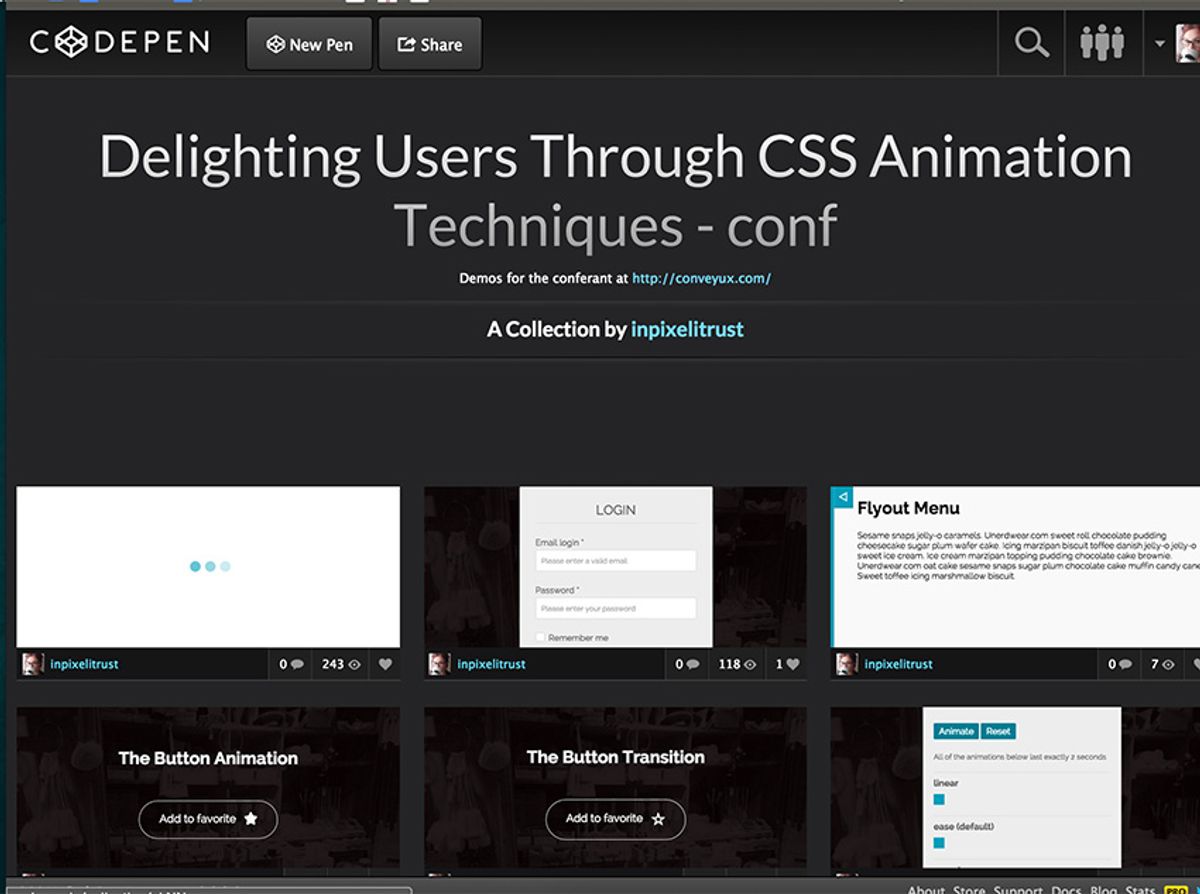
In the realm of web development, responsive and adaptive design are crucial for creating websites that provide an optimal viewing experience across a multitude of devices. Responsive design involves fluid grids and flexible images, ensuring that layouts adapt to any screen size. Adaptive design, on the other hand, uses static layouts based on breakpoints which cater to specific devices.
Embracing a mobile-first approach is not just a trend but a best practice that prioritizes the growing number of users who access the web via mobile devices.
To achieve a truly responsive web application, developers must consider various aspects such as touch interfaces, smaller screens, and different user contexts. Below is a list of key considerations for implementing responsive and adaptive design:
- Utilize media queries to apply different styles for different devices.
- Implement flexible grid layouts that can resize and adapt to any screen size.
- Optimize images and media content to load efficiently on all devices.
- Conduct thorough cross-browser and cross-device testing to ensure compatibility.
- Stay updated with emerging technologies to integrate future-proof solutions.
User-Centric Aesthetics
Creating a website that resonates with users requires a deep understanding of their needs and preferences. Design for humans by involving users in the design process, ensuring that the interface is not only visually appealing but also intuitive and accessible. This balance between usability and aesthetics is crucial for crafting interfaces that meet user expectations.
To achieve this, consider the following steps:
- Conduct user research to understand the target audience.
- Develop personas that represent your users.
- Create wireframes and prototypes for early feedback.
- Iterate on the design based on user testing and input.
By prioritizing user-centric design, we ensure that our websites are not only beautiful but also functional, providing a seamless experience that encourages engagement and satisfaction.
Remember, the ultimate goal is to deliver a product that users will love and continue to use. This requires ongoing evaluation and adaptation to user feedback even after the website has launched.
Design to Development Handoff
The transition from design to development is a critical phase where the vision becomes a tangible product. It’s essential to ensure that the design is not only aesthetically pleasing but also technically feasible and ready for development. To facilitate a smooth handoff, the following steps should be meticulously followed:
- Finalize and approve all design elements.
- Create a comprehensive design specification document.
- Ensure all assets are properly formatted and accessible.
- Conduct a thorough briefing session with the development team.
A successful handoff requires clear communication, detailed documentation, and a shared understanding of the project goals to prevent costly revisions and delays.
By adhering to these steps, the development team can confidently begin their work, knowing they have a solid foundation to build upon. This process not only streamlines workflow but also upholds the integrity of the design, ensuring that the final website meets both the creative and functional expectations.
Development Best Practices

Code Quality and Standards
Ensuring code quality and adherence to standards is crucial for the longevity and maintainability of any website. Adopting a style guide is a foundational step in this process. A style guide provides a cohesive set of conventions for writing code, which enhances readability and reduces cognitive load for both the original developers and future contributors.
By committing to standardized coding practices, teams can avoid the pitfalls of inconsistent styles that lead to difficult-to-maintain codebases.
Unit tests are another pillar of robust code development. They allow developers to verify individual components of the code, ensuring that each part functions as intended. This is especially important as the complexity of the code increases. A well-defined testing strategy, including both unit and integration tests, is essential for confirming program behavior and facilitating automated testing.
Here are some key points to consider for maintaining code quality:
- Use a consistent coding style across the entire codebase.
- Implement unit tests to cover critical functionality.
- Conduct code reviews to enforce standards and catch issues early.
- Integrate automated testing routines into the development workflow.
- Regularly refactor code to improve structure and readability.
- Ensure documentation is clear and up to date.
Scalable Architecture
Building a scalable architecture is crucial for websites that aim to endure and adapt to changing user demands and technological advancements. Scalability ensures that your web application can handle increased traffic and user activity without compromising performance.
One effective strategy is to adopt a modular architecture, where the application is divided into smaller, independent components. This not only facilitates scaling but also simplifies the addition of new features and performance optimization. Here are some key tips for creating a scalable and maintainable architecture:
- Prioritize maintainability and scalability from the outset.
- Leverage cloud-based solutions to allow for flexible resource management.
- Optimize images and scripts to reduce load times.
- Implement caching to improve user experience and server performance.
- Regularly review and update your architecture to adapt to new technologies and practices.
By focusing on these areas, developers can create a robust foundation that supports growth and provides a seamless experience for users, regardless of how much the website expands.
Remember, the goal is to build a system that is not only functional today but can also evolve with the future needs of the business and its users.
Security and Compliance
In the digital age, security and compliance are not just optional extras, but foundational elements of any robust website development process. With cyber threats evolving rapidly, it’s crucial to integrate security measures into the development lifecycle from the start. This includes implementing industry-standard encryption for sensitive data, secure authentication protocols, and regular security audits to identify and mitigate vulnerabilities.
By prioritizing security, you not only safeguard your website but also build trust with your users, ensuring they feel confident in the integrity of their data.
Regular updates and maintenance are essential to keep up with the latest security patches and compliance regulations. This proactive approach to security can prevent potential legal issues and protect your brand’s reputation. Additionally, regularly optimize page speed with best practices like image compression and code minification to enhance user experience and maintain high performance.
Below is a list of key security practices to consider:
- Data encryption using industry-standard algorithms
- Secure password storage with hashing and salting
- Implementation of SSL/TLS for secure communications
- Multi-factor authentication to prevent unauthorized access
- Regular security audits and penetration testing
- A vulnerability management process for timely issue resolution
Adhering to these practices will help ensure that your website remains secure, compliant, and prepared for the future.
Quality Assurance and Testing

Pre-Launch Bug Hunts
Before a website goes live, it’s crucial to conduct thorough pre-launch bug hunts to ensure a seamless user experience. This involves a meticulous review of the site’s functionality across various browsers and devices, aiming to achieve cross-browser compatibility and cater to a diverse user base. It’s a balance of automated and manual testing efforts to identify and resolve any potential issues that could impair the site’s performance or user satisfaction.
A successful pre-launch phase is characterized by rigorous testing and refinement, setting the stage for a high-quality product that resonates with users.
Regular audits post-launch are equally important to maintain the integrity of the website. Post-launch monitoring is essential to quickly address any new bugs that may surface, ensuring the website remains reliable and secure. This ongoing vigilance helps to preempt issues, enhancing the overall user experience and solidifying the site’s reputation for quality.
Automated and Manual Testing Routines
In the realm of web development, automated and manual testing routines are pivotal for ensuring a high-quality end product. Automated testing, as the name suggests, relies on software to run tests that check for a variety of issues, from functionality to performance. This type of testing is efficient for repetitive tasks and can be integrated into the continuous integration/continuous deployment (CI/CD) pipeline, allowing for regular and systematic validation of the codebase.
Manual testing, on the other hand, involves human testers who can provide insights that automated tests may miss, such as usability concerns or unexpected user interactions. It’s crucial to balance both methods to cover the full spectrum of potential issues. Below is a list of steps to effectively combine automated and manual testing:
- Involve QA professionals early in the development process.
- Adopt Test-Driven Development (TDD) practices.
- Implement Continuous Integration (CI) for regular code validation.
- Refactor code regularly to maintain quality.
- Utilize automated testing for efficiency and coverage.
- Incorporate user feedback to enhance quality assurance.
By following these steps, developers can create a robust testing framework that leverages the strengths of both automated and manual testing to deliver a superior website experience.
Ultimately, the goal is to establish a testing routine that is both thorough and adaptable, capable of evolving with the project’s needs and the ever-changing web landscape.
User Acceptance and Beta Testing
Following the User Acceptance and Beta Testing phase, the focus shifts to ensuring that the website continues to meet user expectations and adapts to the ever-changing digital landscape. This is where a robust QA framework becomes essential, encompassing not only the initial bug hunts but also ongoing performance and security optimizations.
A successful website is never truly ‘finished’—it evolves with its users and technology.
Continuous monitoring allows for the detection and rectification of any post-launch issues, maintaining a seamless user experience. Learning from successful QA implementations can guide the refinement of these processes. Performance optimization is a cyclical task, aiming to keep the website responsive and efficient as user traffic and content grow. Lastly, staying abreast of emerging web technologies ensures that the website remains compatible and relevant, preventing obsolescence.
To encapsulate, the post-launch period is critical for a website’s longevity, demanding vigilance, adaptability, and a commitment to excellence.
Post-Launch Strategies

Continuous Monitoring and Maintenance
To ensure the long-term success of a website, continuous monitoring and maintenance are indispensable. Regularly reviewing performance metrics and identifying bottlenecks allows for informed decisions that enhance efficiency and user experience.
Maintenance is not just about fixing bugs; it’s a proactive approach to improve performance and adapt to evolving user expectations.
A comprehensive maintenance strategy includes several key activities:
- Uptime monitoring with automated alerts to address accessibility issues promptly.
- Security checks to maintain a malware-free environment.
- Performance optimization to ensure fast loading times and a smooth user experience.
- Frequent updates of core systems and plugins to safeguard against vulnerabilities.
By embracing these practices, you can maintain a robust, secure, and high-performing website that meets the demands of today’s digital landscape.
Performance Optimization
Optimizing website performance is not just about speeding up load times; it’s about creating a seamless user experience that keeps visitors engaged. Regular maintenance and updates are crucial in identifying areas that impact performance, such as code efficiency, database management, and server configurations. By addressing these areas, we can enhance user satisfaction, reduce bounce rates, and ultimately increase conversion rates.
Performance optimization is an ongoing process that requires a strategic approach to ensure that websites remain fast, responsive, and resource-efficient.
Here are some practical steps to consider for performance optimization:
- Implement lazy loading to defer the loading of non-critical resources.
- Use asynchronous script loading to prevent render-blocking.
- Optimize database queries with indexes and caching strategies.
- Apply server-side caching for frequently accessed data.
- Minimize file sizes through code minification and compression.
- Optimize images to reduce load times without compromising quality.
Remember, the goal is to provide the best possible experience for the user by making your website as efficient as possible.
Adapting to Emerging Web Technologies
The digital landscape is in constant flux, with new technologies emerging at a rapid pace. To ensure the longevity and relevance of a website, developers must embrace a continuous learning mindset. This approach enables the integration of the latest advancements, ensuring that the website remains compatible with new devices and browsers, and adheres to the latest security practices.
By adopting agile methodologies and focusing on cross-platform compatibility, developers can create flexible and future-proof web applications. It’s essential to optimize performance and prioritize security, as these are critical factors that influence user trust and satisfaction.
Building a skilled team that understands the importance of integrating design and development is crucial. Such a team can swiftly adapt to new technologies, keeping the website at the forefront of innovation. Below is a list of key considerations for adapting to emerging web technologies:
- Embrace responsive and adaptive design principles
- Conduct cross-browser testing regularly
- Stay updated with the latest coding standards and frameworks
- Implement security measures that meet current compliance standards
- Foster a culture of continuous education and skills development
Launching your website is just the beginning. To truly thrive online, you need a robust post-launch strategy that drives traffic and converts visitors into customers. At [Our Company], we specialize in WordPress Development, eCommerce solutions, and custom web design that make your digital presence stand out. Don’t let your website be just another URL lost in the vastness of the internet. Visit our website now to learn how we can help you grow your business and keep your site performing at its best.
Conclusion
In conclusion, implementing robust development practices is essential for creating future-proof websites that stand the test of time. Throughout this article, we’ve explored various strategies, from optimizing images and implementing caching to ensuring responsive design and prioritizing mobile experience. By adhering to best practices in web application development, such as minifying scripts, optimizing external script usage, and conducting regular website health audits, developers can build scalable, maintainable, and secure web applications. Moreover, a focus on quality assurance, post-launch monitoring, and continuous learning is vital to adapt to the ever-evolving web technologies. Remember, a website is not just a project but an ongoing process that requires attention to detail, strategic planning, and a commitment to excellence to ensure it remains relevant and effective in serving its purpose.
Frequently Asked Questions
How do you ensure a website is future-proof?
To future-proof a website, focus on responsive and adaptive design, scalable architecture, and regular updates to adapt to emerging web technologies. Implement quality assurance processes and post-launch strategies like continuous monitoring and performance optimization.
What are the best practices for web development?
Best practices include maintaining code quality and standards, ensuring security and compliance, optimizing performance, and implementing responsive design. Regular testing and updates are also crucial for keeping the website relevant and secure.
Why is responsive design important for websites?
Responsive design is essential as it ensures a website looks and functions well on various devices and screen sizes, improving user experience, engagement, and accessibility, which are key factors for a website’s success and search engine ranking.
What is the role of quality assurance in web development?
Quality assurance is critical to identify and fix bugs before launch, ensure the website meets quality standards, and provide a seamless user experience. It involves automated and manual testing routines and user acceptance testing.
How can website performance be optimized?
Website performance can be optimized by compressing images, implementing caching, minifying scripts, and reducing unnecessary external scripts. These actions improve loading times, user experience, and can lead to better search engine rankings.
What should be included in post-launch website strategies?
Post-launch strategies should include continuous monitoring for bugs, regular maintenance, security scans, and backups. Additionally, keeping up with the latest web technologies and performance optimization are key to maintaining a robust online presence.