Implementing Robust Development Practices for Future-Proof Websites

In the swiftly evolving digital landscape, having a robust and adaptable online presence is vital. This article delves into the best practices for crafting websites that are not only resilient in the face of technological shifts but are also optimized for performance, user experience, security, and scalability. By implementing these strategies, businesses can ensure that their websites remain relevant and effective, providing a solid foundation for growth and success in the years to come.
Key Takeaways
- Adopt a strategic development approach that integrates SEO, content strategy, and cutting-edge features for a competitive edge.
- Optimize website performance by ensuring fast load times, implementing responsive design, and leveraging Progressive Web Apps (PWAs).
- Prioritize security and privacy through robust security measures, data protection practices, and content security policies.
- Design for scalability and flexibility with a modular approach, adaptive design principles, and a mobile-first strategy.
- Commit to continuous improvement with regular website health audits, post-launch monitoring, and performance optimization.
Strategic Development for Longevity

Incorporating SEO and Content Strategy
To ensure the longevity of a website, incorporating a robust SEO and content strategy is paramount. Consumers today rely heavily on search engines to find everything from local services to global products, highlighting the importance of SEO in capturing and retaining audience attention. Crafting content that is both informative and keyword-optimized can significantly draw more traffic to your site.
A thorough review of your website’s content is a critical first step. Update outdated content, enhance existing material, and remove anything that doesn’t serve a genuine purpose.
Adapting to Google’s evolving standards is crucial. Here are some steps to align your website with these standards:
- Conduct regular content and SEO audits.
- Integrate keywords naturally, focusing on user intent.
- Partner with reputable SEO experts to stay ahead of trends.
By following these practices, you can create a strategy that not only meets the current SEO landscape but also positions your website for future success.
Embracing Cutting-Edge Features
In the realm of web development, staying ahead of the curve is not just about keeping pace; it’s about setting the pace. Embracing cutting-edge features is crucial for creating websites that not only stand out today but also remain relevant in the future. Features such as responsive and mobile-friendly design, progressive web apps (PWAs), and artificial intelligence are transforming the user experience into something more intuitive and engaging.
By integrating modern technologies like augmented and virtual reality, Internet of Things (IoT) connectivity, and voice user interfaces, developers can craft interactive and immersive experiences that captivate users and drive business success.
To ensure that your website is designed for the future, consider the following points:
- Prioritize essential functionalities that address real user problems.
- Craft a user journey that is both convenient and intuitive.
- Optimize workflows to nurture user relationships and partnerships.
- Adopt a device-agnostic approach to reach a wider audience.
These strategies not only enhance the user experience but also contribute to the longevity and success of a website. As we explore how we create websites designed for the future, it’s clear that responsive, user-centric, and innovative web development practices are key to achieving longevity and success.
Adapting to Technological Advancements
To remain competitive and relevant, businesses must embrace technological advancements and integrate them into their web development strategies. This not only caters to evolving customer expectations but also positions the website for future growth and innovation.
By proactively adapting to new technologies, you ensure that your website is not left behind as digital landscapes evolve.
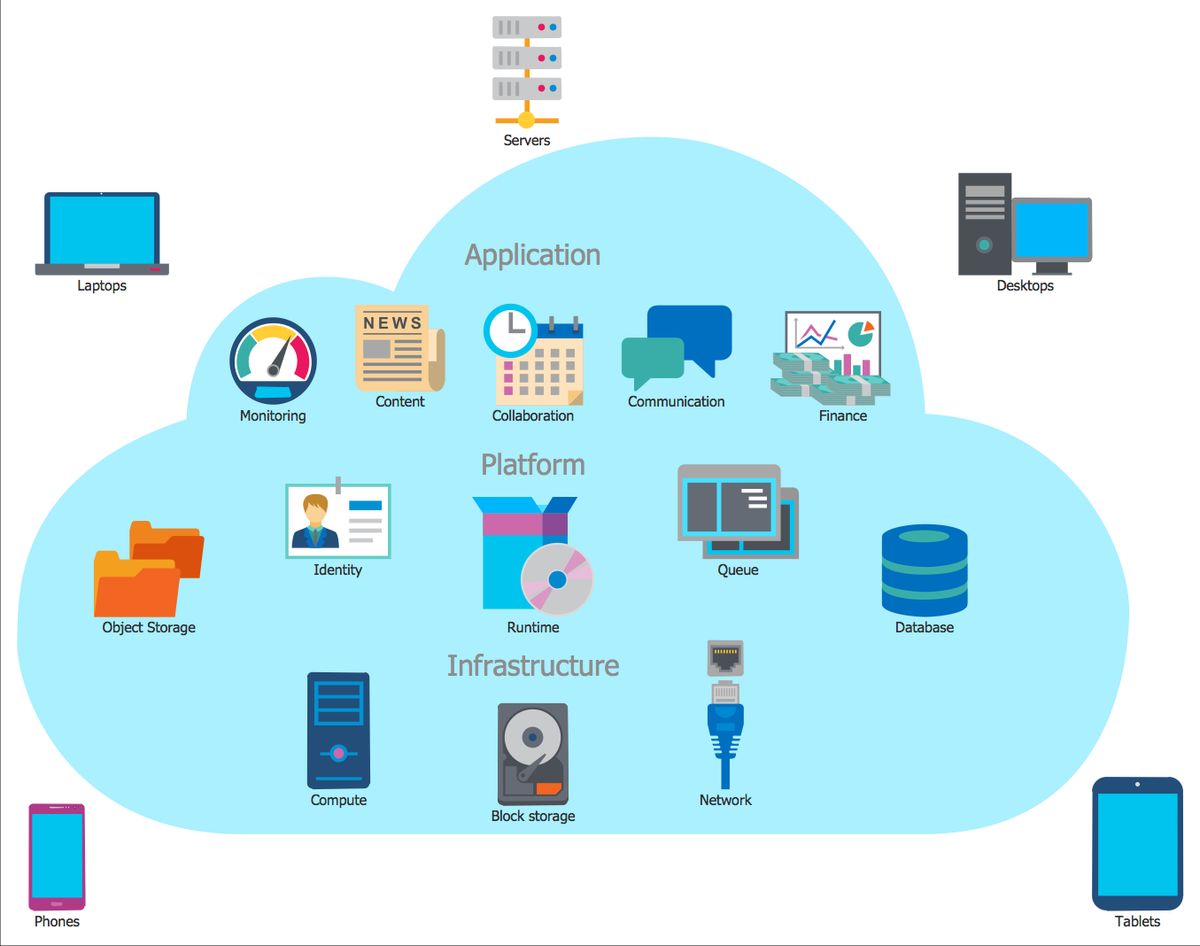
It’s crucial to evaluate new technologies carefully, considering factors such as compatibility with existing systems, scalability, and cost. Not every trend will fit every business model, but staying informed and ready to adopt relevant innovations can make a significant difference. For instance, cloud environments have become a go-to for modernization due to their flexibility and cost-effectiveness.
Finally, the best way to stay updated is to continually practice and experiment with new technologies. This could involve developing side projects or contributing to open-source initiatives. Such hands-on experience is invaluable for understanding the practical implications of new tech on your web projects.
Optimizing Performance and User Experience

Ensuring Fast Load Times
In the pursuit of ensuring fast load times, a multi-faceted approach is paramount. Techniques such as code minification, asset optimization, and leveraging content delivery networks (CDNs) are critical. These strategies not only reduce the page weight but also bring resources geographically closer to the user, thereby enhancing performance.
By prioritizing performance optimization, websites can offer a seamless experience, which is crucial for user retention and search engine rankings.
Regular testing and updates are essential to maintain swift load times. This includes optimizing images, minimizing HTTP requests, and implementing caching. It’s not a one-time task but an ongoing process to keep up with the evolving web landscape. Below is a list of actionable items to improve website load times:
- Minimize the use of plugins to reduce server load.
- Optimize images for faster loading without compromising quality.
- Implement caching to save resources and speed up content delivery.
- Minify CSS and JavaScript files to decrease the number of HTTP requests.
- Regularly test site speed to identify and rectify bottlenecks.
Responsive and Mobile-Friendly Design
In the era of ubiquitous mobile internet access, ensuring a responsive and mobile-friendly design is paramount for user retention and engagement. A website that adapts seamlessly to various devices, from smartphones to tablets and desktops, provides a consistent and satisfying user experience. This adaptability not only caters to user preferences but also contributes to improved search engine rankings, as mobile optimization is a key factor in Google’s indexing algorithms.
To achieve this, developers must prioritize simplicity in design, optimizing content and multimedia elements for smaller screens and touch-friendly navigation. It’s not just about scaling down a desktop site; it involves a thoughtful redesign of the user interface to ensure clarity and ease of use on mobile devices. Moreover, gesture-based interactions can significantly enhance the mobile browsing experience, making it more intuitive and engaging for users.
Embracing a mobile-first approach is not just a trend but a strategic move towards future-proofing your website. Starting with mobile design ensures that the most essential features are prioritized, and the user experience is optimized from the ground up.
With the increasing importance of mobile-friendly websites, it’s clear that responsive design is no longer optional. It’s a critical aspect of web development that directly impacts a site’s effectiveness and its ability to compete in the digital marketplace.
Progressive Web Apps (PWAs)
Progressive Web Apps (PWAs) are revolutionizing the way users interact with websites by offering an app-like experience directly in the web browser. PWAs are designed to work offline, providing uninterrupted access to content and ensuring functionality even in areas with poor connectivity. This offline capability is achieved through the use of service workers, which cache important assets and enable the app to load quickly on repeat visits.
Key benefits of PWAs include increased user engagement and improved conversion rates. Users can install PWAs on their home screens, receive push notifications, and enjoy a full-screen experience without the need for an app store. To ensure the success of a PWA, developers should focus on a few critical areas:
- Performance: Monitor user interactions and performance metrics to identify and address issues promptly.
- Updates: Regularly update the PWA to incorporate new web standards and APIs, enhancing functionality and security.
- User Experience: Design for simplicity and ease of use, with touch-friendly navigation and gesture-based interactions.
By strategically implementing PWAs, businesses can create a seamless and engaging user experience that rivals native applications, while maintaining the reach and accessibility of a traditional website.
Security and Privacy Considerations
Implementing Robust Security Measures
In the digital age, security is not an afterthought; it’s a prerequisite. To safeguard your website, it’s essential to integrate security measures from the ground up. This includes establishing strong access controls to prevent unauthorized entry and reduce the risk of security breaches.
By weaving security into the fabric of your website’s development, you ensure compliance with industry standards and protect against evolving threats.
Effective security measures encompass a range of practices, from encryption and security headers to regular audits. Below is a list of key security practices to implement:
- Multifactor authentication for enhanced access security
- SSL/TLS encryption to secure data in transit
- Regular security training for staff
- Data backup plans for recovery
- Content Security Policies (CSP) to prevent unauthorized modifications
Remember, maintaining a secure website is an ongoing process that requires vigilance and regular updates to stay ahead of potential vulnerabilities.
Maintaining User Privacy and Data Protection
In the digital realm, user privacy and data protection are not just ethical responsibilities but also legal imperatives. With regulations like GDPR and CCPA in place, developers must ensure that privacy policies are transparent and that user consent for data collection is explicitly obtained.
Minimizing the data collected is the best way to protect user privacy. This approach not only aligns with the ‘Privacy by Design’ principle but also reduces the risk of data breaches and non-compliance penalties.
To effectively control data access and maintain privacy, consider the following steps:
- Enforce role-based access controls to manage user permissions.
- Monitor and log data access to track interactions with user information.
- Adhere to strong password policies and discourage credential sharing.
- Implement least-privileged and just-in-time access to limit exposure.
By prioritizing these practices, businesses can safeguard user data and build trust, which is crucial for long-term success.
Content Security Policies
Implementing a Content Security Policy (CSP) is crucial for protecting your website against common threats such as Cross-Site Scripting (XSS) and data injection attacks. By defining a set of rules for what content is allowed to load and execute on your website, you can significantly reduce the risk of security breaches.
To effectively deploy a CSP, consider the following steps:
- Identify which resources need to be loaded for your website to function properly.
- Define the appropriate directives and source expressions in your policy.
- Test your policy in report-only mode to ensure it doesn’t break your site.
- Monitor and refine the policy based on reports to adapt to new threats or site changes.
Emphasizing the importance of regular updates and monitoring, a CSP should be part of a dynamic security strategy that evolves with your website and the digital landscape.
Remember, while CSPs are a powerful tool, they should be complemented with other security practices such as SSL/TLS encryption, security headers, and regular security audits to create a comprehensive defense against cyber threats.
Maintaining Scalability and Flexibility
Modular Design and Content Reusability
Embracing modular design principles is a cornerstone of robust development practices. By breaking down website content into reusable components, such as headers, footers, and product cards, teams can work more efficiently and maintain consistency across different pages. This approach not only streamlines the development process but also ensures a uniform user experience.
Content reusability is another key aspect that contributes to the longevity of a website. When changes are made to a single module, they are automatically reflected wherever that module is used, simplifying maintenance and updates. This strategy is particularly beneficial for large-scale websites or applications that require frequent updates.
The initial investment in a modular content strategy pays off with substantial long-term benefits in efficiency, consistency, and scalability.
Moreover, modular design fosters better collaboration among designers, developers, and content creators. Each team can focus on specific components independently while adhering to established design patterns and guidelines. Backend architecture that supports modularity enhances maintainability, allowing for independent development and updates of different components without affecting the overall system.
Adaptive Web Design Principles
Adaptive web design is essential for creating a website that provides an optimal viewing experience across a wide range of devices. It ensures that content is easily accessible and legible, regardless of the device’s screen size or resolution. By employing fluid grids, flexible images, and media queries, developers can construct layouts that adapt to the user’s environment.
Prioritizing simplicity and clarity is key in adaptive design. A clean, intuitive interface enhances user engagement and satisfaction. For instance, optimizing images and multimedia for seamless display on all devices, and implementing touch-friendly navigation can significantly improve the mobile user experience.
Embracing adaptive design principles is not just about technical adjustments; it’s about adopting a mindset that values inclusivity and user-centricity.
To illustrate the importance of adaptive design, consider the following statistics:
- 74% of users are more likely to return to mobile-friendly sites.
- Mobile-first strategies can lead to increased engagement and conversions.
- Inclusive design can expand your audience by accommodating diverse user needs.
By integrating accessibility from the start and considering a mobile-first approach, developers can create websites that are not only compliant with legal requirements but also more appealing to a broader audience.
Mobile-First Approach
With the ascendancy of mobile traffic, a mobile-first approach is no longer optional but a necessity for future-proof websites. Over 58% of web traffic now comes from mobile devices, making it imperative to prioritize mobile experiences from the outset. This strategy involves designing for the smallest screens first and scaling up to larger desktop views, ensuring that all users have a seamless experience regardless of device.
Emphasizing a mobile-first design philosophy means reimagining user interactions, from touch-friendly navigation to gesture-based controls. It’s about creating intuitive and accessible interfaces that cater to the on-the-go nature of mobile users.
To effectively implement a mobile-first approach, consider the following steps:
- Adopt mobile-first design, ensuring that the user experience is optimized for mobile interactions.
- Ensure cross-browser compatibility to provide a consistent experience across all platforms.
- Use modern frameworks to create efficient, maintainable codebases that can adapt to changing technologies.
- Stay updated with agile methodologies to keep your website evolving alongside user expectations and technological advancements.
Continuous Improvement and Monitoring

Regular Website Health Audits
To ensure the resilience and longevity of a website, regular health audits are indispensable. These audits encompass a variety of checks and balances, from performance analysis to security evaluations. By conducting these audits, internal teams can proactively identify areas for improvement and maintain high standards of quality assurance.
Embracing agile practices for continuous learning and improvement, prioritizing customer feedback, and regular website health audits and updates are essential for website resilience and longevity.
External assessments also play a critical role, offering an unbiased perspective on the website’s adherence to standards and overall performance. Action plans derived from these assessments guide the necessary corrective measures. Below is a list of key components typically reviewed during a website health audit:
- Performance metrics and optimization opportunities
- Security checks for vulnerabilities and malware
- SEO effectiveness and keyword ranking
- Usability and user experience
- Core and plugin updates for WordPress sites
By staying vigilant with these audits, businesses can ensure their websites remain secure, user-friendly, and aligned with the latest SEO practices.
Post-Launch Monitoring and Updates
After the excitement of launching a website, the real work begins to ensure its continued success. Regular monitoring and timely updates are crucial for maintaining the performance, security, and user experience that your audience expects. This involves a proactive approach to identifying and resolving any issues that may arise post-launch.
Feedback and analytics tools are indispensable for gaining insights into user behavior and system performance. They help in pinpointing areas that require attention, whether it’s a spike in load times or a dip in user engagement. For instance, if user feedback indicates frequent crashes, a quality assurance team would analyze reports and conduct testing to identify and rectify bugs, thereby enhancing the application’s functionality.
It’s essential to stay current with industry trends and technological advancements to keep your website relevant and effective. Regular updates on keyword research and content adjustments in line with SEO best practices are part of this ongoing process.
Additionally, a structured maintenance schedule is key to a smooth operation. Here’s a simplified checklist for post-launch care:
- Weekly updates of core systems and plugins
- Daily security and performance scans
- Automated backups
- Regular SEO monitoring and adjustments
- Immediate response to any uptime issues
By adhering to these practices, you can ensure that your website remains a reliable and dynamic presence in the ever-evolving digital landscape.
Performance Optimization Techniques
Optimizing your website’s performance is not just a one-time task but a continuous process that can significantly enhance user satisfaction and conversion rates. Techniques such as image compression, caching, and script minimization play a crucial role in reducing load times and improving the overall user experience.
By implementing a strategic approach to performance optimization, you can ensure that your website remains fast, efficient, and competitive in the ever-evolving digital landscape.
To effectively monitor and improve website performance, consider the following steps:
- Regularly analyze your website’s speed and identify bottlenecks.
- Optimize images and assets to reduce their size without compromising quality.
- Implement caching to store frequently accessed data and reduce server load.
- Minify CSS and JavaScript files to decrease the number of HTTP requests.
- Utilize content delivery networks (CDNs) to serve assets from locations closer to the user.
Remember, a website that loads quickly not only retains visitors but also contributes to higher search engine rankings, making it a critical factor for online success.
At the heart of every successful business is the commitment to continuous improvement and monitoring. Our team at AM2 specializes in providing custom web design and development solutions that help your business thrive in the digital world. From WordPress Development to eCommerce solutions, we ensure your online presence is optimized for performance and growth. Don’t just take our word for it; explore our services and see how we can elevate your business. Visit our website today and let’s make your digital dreams a reality!
Conclusion
In conclusion, implementing robust development practices is essential for creating future-proof websites that stand the test of time. By focusing on performance optimization, mobile-first design, modular content, and cutting-edge technologies, businesses can ensure their online presence remains competitive and relevant. It’s important to embrace a proactive approach to website maintenance, incorporating regular updates, security measures, and quality assurance checks. As technology evolves, so should your website, adapting to new trends and user expectations to maintain a seamless and engaging user experience. Remember, future-proofing your website is not a one-time effort but a continuous journey towards growth and excellence.
Frequently Asked Questions
What are key strategies for future-proofing a website?
Key strategies for future-proofing a website include incorporating SEO and content strategy, embracing cutting-edge features like responsive design and PWAs, adapting to technological advancements, ensuring robust security measures, and maintaining scalability and flexibility.
How can I ensure my website’s performance remains optimal?
To ensure optimal website performance, focus on fast load times through image optimization, script minification, implementing caching, reducing external script usage, and conducting regular website health audits for continuous improvement.
What are the benefits of a mobile-first design approach?
A mobile-first design approach prioritizes the growing number of mobile users, ensuring a better user experience on smaller screens, improving load times, and potentially increasing the likelihood of users returning to the site.
How important is security in web development?
Security is paramount in web development to protect against data breaches and cyber threats. Implementing robust security measures, including regular updates and content security policies, is essential for maintaining user trust and compliance with privacy regulations.
Can you describe the process of creating a future-proof website?
Creating a future-proof website involves strategic planning, design, development, quality assurance, and post-launch monitoring. It’s a seamless process that includes regular updates, performance optimization, and adapting to new technologies to ensure the site remains relevant and effective.
What role does user experience play in website longevity?
User experience is crucial for website longevity as it directly impacts user satisfaction, engagement, and conversion rates. A website designed with the user in mind, offering easy navigation and fast performance, will likely retain visitors and foster loyalty.