Implementing Robust Development Practices for Future-Proof Websites

In the digital age, where technology advances at a rapid pace, creating future-proof websites is vital for businesses to remain competitive and relevant. This article, ‘Implementing Robust Development Practices for Future-Proof Websites,’ delves into the strategies and best practices that ensure a website’s longevity and adaptability to future technological shifts. We will explore how to understand user behavior, set clear objectives, design responsively, write maintainable code, and conduct thorough testing to build robust websites that stand the test of time.
Key Takeaways
- Strategic planning and understanding user needs are foundational to creating websites that can adapt and grow over time.
- Incorporating responsive and adaptive design ensures that websites provide a consistent user experience across all devices.
- Adhering to development best practices, such as clean coding and security measures, is crucial for website maintainability and protection.
- Quality assurance and user testing play a significant role in delivering a bug-free website and enhancing user satisfaction.
- Ongoing support, maintenance, and regular updates are essential to keep a website secure, performant, and aligned with the latest trends.
Strategic Planning for Longevity
Understanding User Needs and Behavior
To ensure the longevity of a website, it is crucial to grasp the evolving needs and behaviors of its users. This understanding forms the foundation for creating a user experience that is both engaging and effective. Continuous improvement begins with structured user feedback collection. Usability testing sessions are invaluable, as they provide direct observations of how users interact with the site. Additionally, online surveys and feedback tools offer insights into user preferences and pain points.
By analyzing user behavior data and incorporating these insights into your website, you can stay ahead of the curve and meet consumer expectations.
Understanding your audience goes beyond mere observation. It involves developing detailed user personas and mapping out the user journey from the initial landing to the final action. This process ensures that each page serves a clear purpose and guides the user effortlessly towards the desired outcome. Moreover, balancing visual elements and text, and avoiding cluttered layouts, are key to maintaining user focus and facilitating a seamless experience.
User testing, especially beta testing, is another critical step. It provides real-world feedback that can reveal overlooked issues and areas for improvement. As consumer preferences evolve, so should your website. This iterative process of feedback, analysis, and implementation is essential for a future-proof website.
Setting Clear Objectives and KPIs
To ensure the longevity and success of a website, it is crucial to define clear objectives and Key Performance Indicators (KPIs). These objectives should align with the overarching business goals and provide a roadmap for the website’s strategic development. For instance, if the aim is to enhance online presence, specific KPIs like monthly active users, session duration, and bounce rate become relevant metrics to track progress.
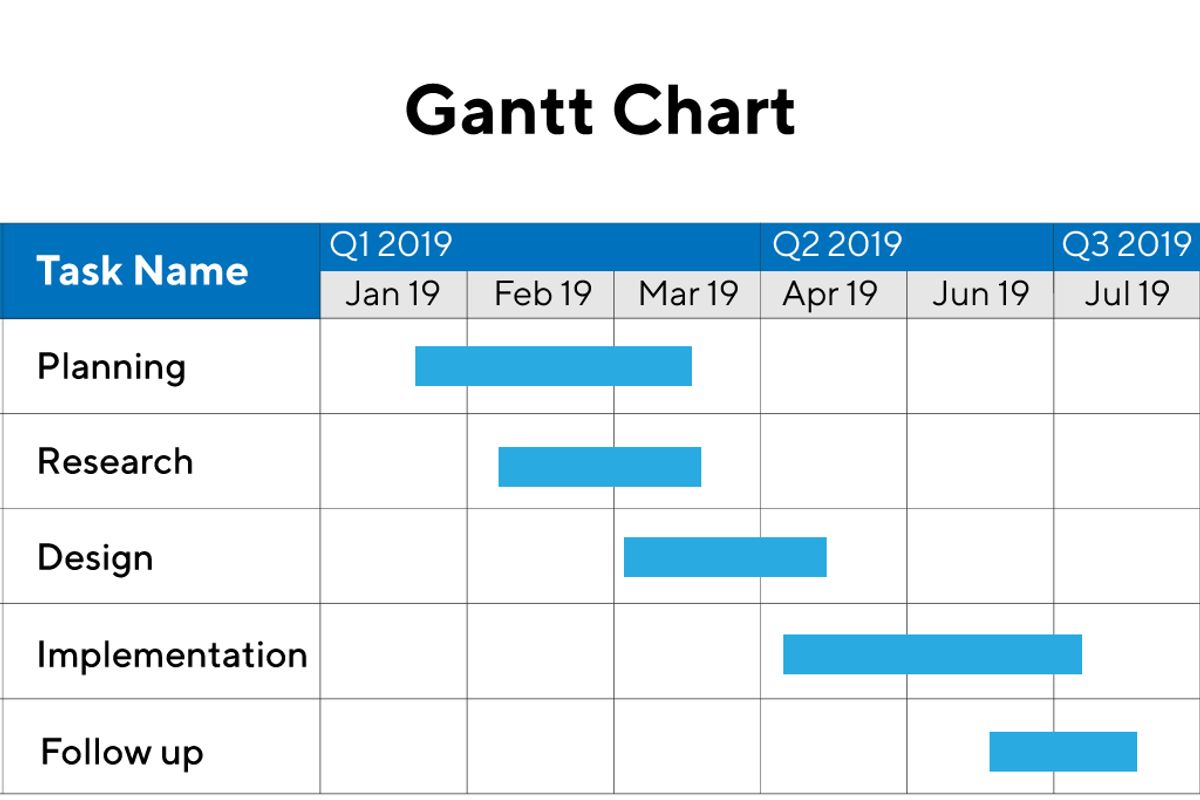
- Discovery and Planning: This phase involves understanding business objectives, target audience, and digital strategy. Stakeholders should collaborate to set measurable goals.
- Define Clear Objectives: Specify goals such as lead generation, brand awareness, e-commerce sales, or customer support.
- Technology Stack Consideration: Choose a CMS and technologies that fit both current needs and future growth.
By strategically planning with a vision for growth and prioritizing user experience, websites can achieve success through design, development, and continuous testing.
It’s also important to conduct a competitor analysis to gain insights into audience expectations and to involve key stakeholders from various departments to ensure a comprehensive approach. Regularly revisiting and adjusting these objectives and KPIs will help maintain relevance and effectiveness over time.
Adopting Agile Development Methodologies
In the realm of web development, embracing Agile methodologies is pivotal for fostering team collaboration and expediting the delivery of functional products. Agile’s iterative approach allows for rapid adaptation to changing requirements, ensuring that the end product aligns with user expectations and market demands.
Agile practices encourage continuous feedback and improvement, making it easier to incorporate changes without disrupting the project’s flow.
By breaking down projects into manageable units, teams can focus on high-quality development, frequent testing, and regular releases. This not only enhances productivity but also provides stakeholders with tangible progress. Below is a list of core Agile principles that contribute to robust development:
- Customer satisfaction through early and continuous delivery
- Welcoming changing requirements, even late in development
- Delivering working software frequently
- Close, daily cooperation between business people and developers
- Projects built around motivated individuals
- Face-to-face conversation as the best form of communication
- Working software as the primary measure of progress
- Sustainable development pace
- Continuous attention to technical excellence
- Simplicity—the art of maximizing the amount of work not done
- Self-organizing teams
- Regular reflection on how to become more effective
Designing for the Future

Responsive and Adaptive Design
In the realm of web development, responsive design and adaptive design are pivotal in creating websites that are not only visually appealing but also functionally robust across a multitude of devices. Responsive design employs a fluid grid system that dynamically adjusts to the screen size of the device, providing an optimal viewing experience. On the other hand, adaptive design uses static layouts that cater to specific screen sizes. While both approaches aim to enhance user experience, they differ in their execution and flexibility.
Embracing responsive design is not just about aesthetic adaptability; it’s about ensuring that all users have a seamless experience regardless of the device they use. This approach is crucial for maintaining user engagement and satisfaction.
To illustrate the differences between responsive and adaptive design, consider the following table:
| Design Type | Flexibility | Layouts |
|---|---|---|
| Responsive Design | Highly flexible | Dynamic, fluid |
| Adaptive Design | Less flexible | Static, predefined |
Ultimately, the choice between responsive and adaptive design should be informed by the specific needs and behavior of your website’s user base. By understanding these needs, you can create a website that not only looks great but also performs exceptionally well across all platforms.
Modular Components for Easy Updates
The adoption of modular components is a cornerstone in building future-proof websites. These components, often referred to as web components, are encapsulated and interchangeable parts of a website that can be developed in isolation and reused throughout the application. This approach not only streamlines the development process but also simplifies future updates and maintenance.
By embracing modular design, developers can update individual elements without the need to overhaul entire sections of a site, ensuring that the website evolves smoothly over time.
Modular architecture also promotes consistency across the website, as the same blocks can be employed in multiple contexts. Below is a list of benefits that modular components offer:
- Enhanced reusability and efficiency
- Easier testing and debugging
- Improved design consistency
- Faster development cycles
- Simplified maintenance and updates
Incorporating Accessibility Standards
Ensuring that a website is accessible to all users, including those with disabilities, is not just a legal requirement but also a moral imperative. Web accessibility enhances user experience and reaches a wider audience, reflecting inclusivity and social responsibility.
To achieve this, developers must adhere to the Web Content Accessibility Guidelines (WCAG), which provide a framework for creating web content that is accessible to people with a wide range of disabilities. This includes auditory, cognitive, neurological, physical, speech, and visual disabilities.
By integrating accessibility standards into the design and development process, websites can cater to a broader demographic, ensuring that no user is left behind.
Here are some practical steps to consider:
- Utilize semantic HTML to structure content meaningfully.
- Ensure that all interactive elements are keyboard navigable.
- Provide alternative text for images and other non-text content.
- Maintain a consistent and clear layout throughout the site.
- Test the website with various assistive technologies.
Accessibility should be viewed as an ongoing commitment rather than a one-time task. Regular audits and updates are necessary to maintain compliance and provide the best possible experience for all users.
Development Best Practices

Writing Clean and Maintainable Code
The foundation of a robust website lies in the quality of its codebase. Clean and maintainable code is not just about writing code that works; it’s about creating a codebase that is easy to read, understand, and modify by any developer who may work on it in the future. This involves adhering to coding standards, using meaningful naming conventions, and documenting the code effectively.
By ensuring that each line of code serves a clear purpose and is written with future maintenance in mind, developers can save countless hours of troubleshooting and refactoring. This approach also facilitates smoother collaboration within a team, as the code’s intent and structure are clear to all members.
To achieve this, consider the following points:
- Refactor regularly to improve code quality and reduce complexity.
- Utilize version control systems like Git to track changes and collaborate efficiently.
- Implement code reviews to catch issues early and share knowledge within the team.
- Adopt coding standards and tools that enforce them, such as linters and formatters.
Remember, writing clean code is a practice that pays dividends in the long run, contributing to a website’s longevity and adaptability.
Implementing Security from the Start
In the realm of web development, security is not an afterthought but a foundational element. From the initial stages of a project, incorporating security practices is crucial to safeguard against the evolving threat landscape. This proactive approach is known as ‘Privacy by Design‘ and is essential for maintaining user trust and compliance with regulations.
With cybersecurity threats on the rise, it’s imperative to integrate security measures early in the development process. This includes HTTPS encryption, cross-site scripting (XSS) prevention, and content security policies.
A strategic approach to security involves several key steps:
- Incorporate security practices from the outset of the development process.
- Conduct regular security audits to identify and rectify vulnerabilities.
- Stay updated with the latest security protocols and patches.
- Implement strict access control measures and consider multi-factor authentication (MFA).
By embedding security into the development lifecycle, developers can create a robust defense system that not only protects against current threats but is also adaptable to future challenges.
Optimizing for Performance and Scalability
To ensure that a website remains efficient and can cope with future demands, optimizing for performance and scalability is essential. This involves a variety of strategies, from refining back-end code and database queries to adopting scalable web application architectures.
For instance, implementing caching and minifying scripts are proven methods to enhance site speed, which in turn, can lead to increased user satisfaction and conversions. Similarly, optimizing images and reducing the use of external scripts contribute to a leaner, more responsive site.
By focusing on performance from the outset, developers can create a robust foundation for a website that delivers a seamless user experience, even under high traffic conditions.
It’s also crucial to plan for scalability by ensuring the infrastructure can handle growth in traffic and operations. This may involve modular architecture and microservices, which allow for easier updates and maintenance. Recognizing early signs of scalability challenges is key to implementing timely solutions that maintain optimal performance and security.
Quality Assurance and User Testing

Comprehensive Testing Strategies
To ensure the longevity and robustness of a website, comprehensive testing strategies are indispensable. These strategies encompass a variety of tests, each targeting different aspects of the website to guarantee a seamless user experience across all platforms and devices.
- Test Across Devices and Browsers: It’s crucial to verify that the website functions correctly on all major browsers and devices, enhancing both reach and user experience.
- Accessibility Testing: Employ tools and checklists to ensure the site meets accessibility standards, which is not only ethical but also a legal imperative.
- User Testing: Collecting feedback from real users during beta testing can uncover issues that may not be evident during in-house reviews.
By adopting a meticulous approach to testing, teams can identify and mitigate potential risks, select appropriate tools, and assign roles effectively, as outlined in a well-structured test plan.
Automated testing tools like DeepScan, Codacy, and Testim can significantly streamline the testing process, allowing for more frequent and thorough checks. Incorporating AI into automated testing can further enhance the detection of issues and improve the overall quality of the web development process.
User Feedback Integration
Integrating user feedback is essential for the continuous improvement of a website. It’s not just about collecting data; it’s about creating a dialogue with users to understand their needs and enhance their experience. Start with usability testing sessions to observe real users as they navigate your site. This can reveal valuable insights into user behavior and potential areas for improvement.
Online surveys and feedback tools are also instrumental in capturing user sentiment. They can be strategically placed throughout the site to gather specific feedback at key interaction points. For instance, after completing a purchase or using a particular feature, a quick survey can ask users about their experience.
By acting on user feedback, you can make informed decisions that lead to a more engaging and effective website.
Remember to establish clear feedback loops. This means not only collecting feedback but also showing users that their input has been heard and is valued. This can be done through regular updates on how their feedback is being used to shape the website.
Post-Launch Monitoring and Bug Fixes
After the excitement of launching a website, the focus shifts to maintaining its performance and user experience. Continuous monitoring is essential to identify and resolve any post-launch issues swiftly. This includes tracking uptime, page load speeds, and overall site functionality to ensure a seamless user experience.
A proactive approach to post-launch support minimizes disruptions and maintains the integrity of the website.
Regularly reviewing user feedback and behavior analytics provides insights into potential improvements and the need for updates. It’s also crucial to have a structured process for addressing and deploying bug fixes, which can be outlined as follows:
- Monitor website performance metrics and user feedback.
- Prioritize issues based on their impact on user experience.
- Develop and test solutions in a staging environment.
- Deploy fixes to the live site with minimal disruption.
By adhering to these practices, businesses can safeguard their online presence and continue to meet the evolving needs of their users.
Ongoing Support and Maintenance

Regular Security and Performance Audits
To ensure the longevity and health of a website, regular security and performance audits are crucial. These audits are designed to identify vulnerabilities and performance bottlenecks, allowing for timely interventions that maintain the integrity and user experience of the site.
Security measures, health audits, and user-centric design are essential for maintaining trust and integrity.
A comprehensive audit typically includes checks for malware, outdated plugins or software, and optimization of website speed. The following list outlines key components of a security and performance audit:
- Daily automated security checks to detect malware and breaches
- Performance checks to ensure optimal loading times
- Frequent updates of core and plugins to patch security vulnerabilities
- Load testing to assess how the site performs under stress
By proactively addressing these areas, businesses can safeguard sensitive data, enhance user satisfaction, and prevent potential security risks that could harm their reputation.
Automated Backups and Disaster Recovery
In the realm of website maintenance, automated backups and disaster recovery plans stand as critical components for ensuring data integrity and operational continuity. Automated backups serve as a safety net, providing regular snapshots of your website’s data, which can be swiftly restored in the event of data loss or a catastrophic failure.
By establishing a routine for automated backups, you not only secure your data but also streamline the recovery process, making it less daunting and more manageable.
It is essential to not only implement these solutions but also to regularly test and validate them to confirm their effectiveness. The following list outlines key practices to consider for a robust backup and disaster recovery strategy:
- Implement automated backup solutions to ensure consistency and reliability.
- Regularly test backups to confirm successful restoration.
- Maintain a clear and actionable disaster recovery plan.
- Ensure regular updates and proactive measures for resilience.
Adherence to these practices will provide robust protection against potential threats and minimize downtime, thus safeguarding your website’s longevity and the trust of your users.
Keeping Software and Plugins Up-to-Date
Ensuring that your website’s software and plugins are up-to-date is a critical component of maintaining a secure and efficient online presence. Regular updates not only patch security vulnerabilities but also introduce new features and improvements that can enhance the user experience and website performance.
By proactively managing updates, you mitigate risks and maintain compatibility with the latest technologies. This ongoing process is vital for the stability and longevity of your website.
To streamline the update process, consider the following steps:
- Schedule regular checks for software and plugin updates.
- Test updates in a staging environment before applying them to the live site.
- Automate the update process where possible, while ensuring backups are in place.
- Keep a changelog to track updates and their impact on the website.
It’s important to balance the need for the latest features with the stability of your platform. A well-maintained website is less likely to encounter issues that could disrupt service and negatively impact user trust.
Ensuring your website remains up-to-date and fully functional is crucial for your business’s online presence. Our team at AM2 specializes in ongoing support and maintenance to keep your site running smoothly. Don’t let technical issues slow you down—visit our website for comprehensive WordPress support and maintenance services that will help you stay ahead of the curve. Let’s work together to make your digital world better.
Conclusion
In the ever-evolving landscape of web development, implementing robust development practices is not just beneficial but essential for creating future-proof websites. By embracing agile methodologies, prioritizing security, optimizing performance, and ensuring scalability, businesses can build websites that stand the test of time. This article has outlined key strategies and best practices that pave the way for websites that are not only visually appealing but also highly functional, secure, and adaptable to future technological advancements. As we continue to witness rapid changes in technology and user behavior, the importance of a well-architected, flexible, and secure web presence cannot be overstated. It is through these diligent practices that organizations can ensure their websites remain relevant, engaging, and successful in the long run.
Frequently Asked Questions
How can I ensure my website is future-proof?
To future-proof your website, adopt flexible and scalable design principles such as responsive design and modular components. Stay updated with current web technologies and best practices, and ensure your website is easily maintainable and adaptable to future changes.
What are the best practices for web development in 2024?
Best practices for web development include writing clean and maintainable code, adopting agile methodologies, optimizing for performance and scalability, implementing security measures from the start, and conducting comprehensive testing.
How important is website security, and how can I improve it?
Website security is crucial to protect user data and prevent cyber threats. Improve your website’s security by using HTTPS encryption, preventing cross-site scripting (XSS), implementing content security policies, and conducting regular security audits.
What should I consider when selecting a content management system (CMS)?
When selecting a CMS, consider ease of publishing, flexibility, scalability, security features, and the ability to integrate with other systems. Choose a CMS that supports your strategic goals and simplifies content management processes.
Why is responsive and adaptive design important for websites?
Responsive and adaptive design are important as they ensure a consistent and optimal user experience across various devices and screen sizes. This design approach improves user engagement, accessibility, and contributes to better search engine rankings.
What are the advantages of adopting agile development methodologies?
Agile development methodologies offer flexibility, efficiency, and the ability to quickly adapt to changes. They emphasize regular testing, customer feedback, and iterative progress, which can lead to higher quality products and greater customer satisfaction.