User-Centric Website Design Approach for Engaging User Experience

In the digital era, where user engagement is paramount, adopting a user-centric website design approach is essential. This methodology focuses on tailoring the design and functionality of a website to the preferences and behaviors of its users. By prioritizing user experience (UX), businesses can create intuitive interfaces, foster personal connections, and optimize conversion rates. This article explores the principles and strategies of user-centric design, emphasizing the importance of understanding user needs, implementing feedback, and continuously refining the user experience for truly engaging digital environments.
Key Takeaways
- User-centric design principles prioritize the user’s needs and behaviors, leading to more engaging and effective websites.
- Analyzing user behavior and designing for specific personas can result in a personalized and connected user experience.
- Optimizing website usability and accessibility, including mobile-first design and fast load times, enhances user satisfaction.
- Incorporating user feedback and conducting user testing are essential for iterative improvements and user satisfaction.
- Effective user-centric design can significantly improve conversion rates through better user engagement and clear calls to action.
Understanding User-Centric Design Principles
Defining User-Centric Design
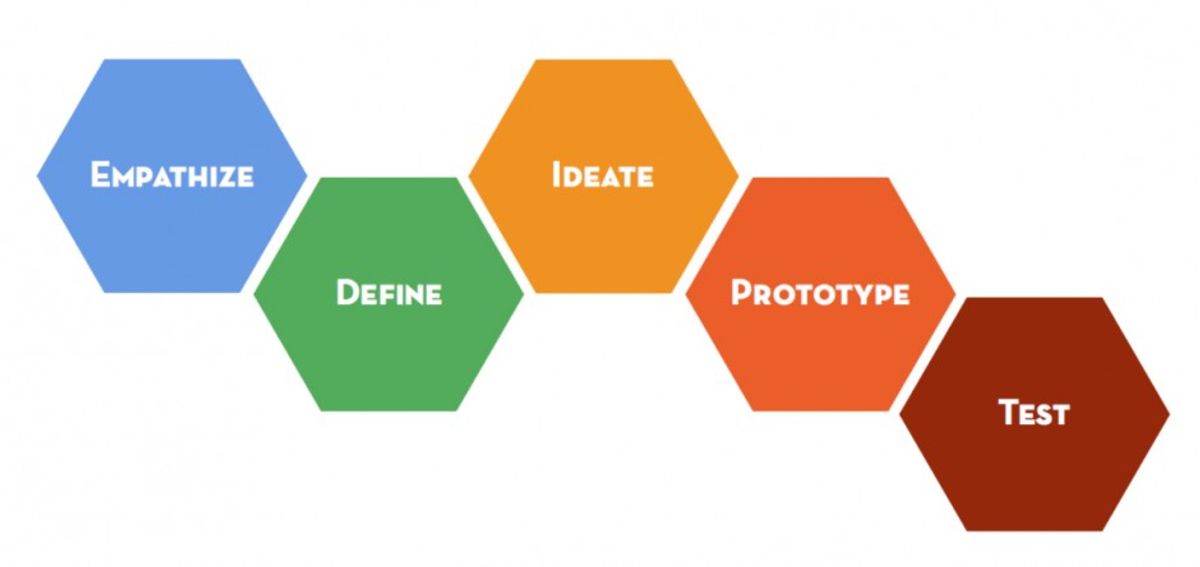
At the core of user-centric design is the philosophy that the user should be the focal point of the design process. This approach is characterized by a deep understanding of the user’s needs, behaviors, and goals. By prioritizing the user, every feature and design element is crafted to enhance the user’s experience, ensuring that the final product is not only functional but also intuitive and satisfying to use.
- Understand user needs and goals
- Prioritize user experience in design decisions
- Create intuitive and satisfying user interfaces
User-centric design is not just about aesthetics or technical specifications; it’s about creating a meaningful connection between the user and the product.
By integrating user feedback and testing into the design process, designers can iterate and refine their work to better meet user expectations. This iterative process is essential for creating a product that truly resonates with its intended audience and stands the test of time.
The Importance of User Experience
User experience (UX) is the cornerstone of a successful website. It is the sum of all interactions a user has with a website, from navigation to content consumption. A positive UX is crucial for engaging users and encouraging them to return. It’s not just about aesthetics; it’s about creating a seamless journey that meets user needs and expectations.
A website with a strong user experience design is more likely to retain visitors, convert leads, and foster brand loyalty.
Understanding the user’s perspective is essential for crafting an experience that resonates. This involves analyzing user behavior, preferences, and feedback to inform design decisions. Below is a list of key factors that contribute to an exceptional user experience:
- Clear and consistent navigation
- Fast loading times
- Responsive design for various devices
- Accessible content for all users
- Intuitive user interface
By prioritizing these elements, businesses can create a digital environment that users are happy to engage with, leading to increased satisfaction and, ultimately, higher conversion rates.
Creating Intuitive User Interfaces
Intuitive user interfaces are the cornerstone of a user-centric design. They enable users to navigate and interact with a website effortlessly, which is essential for a positive user experience. Key elements include empathy, simplicity, and consistency. Empathy allows designers to understand and anticipate user needs, while simplicity ensures that the interface is uncluttered and straightforward. Consistency in design elements across the website fosters a sense of familiarity and predictability.
By focusing on intuitive navigation and clear labeling, designers can significantly reduce the learning curve for users. This approach not only enhances user satisfaction but also encourages deeper engagement with the website.
Analyzing user behavior is crucial in refining the user interface. Tools like Google Analytics provide insights into how users interact with a website, which can inform iterative testing and improvements. The goal is to create a seamless interaction that feels almost second nature to the user, thereby improving overall engagement and satisfaction.
Strategies for Engaging User Experience
Analyzing User Behavior
To create a truly user-centric design, understanding user behavior is paramount. Tools like Google Analytics offer a window into how visitors interact with your website, revealing patterns that are critical for optimization. For instance, you can discern which pages captivate users the longest and at which points they disengage. This data is instrumental in pinpointing areas for enhancement and aligning your website’s architecture and content with user needs.
By leveraging user behavior data, you can refine your website to better serve your audience, ultimately fostering a more compelling and satisfying user experience.
It’s not just about collecting data, but also about interpreting it to make informed decisions. Consider the following steps to analyze user behavior effectively:
- Identify key performance indicators (KPIs) relevant to your website goals.
- Utilize behavior tracking tools to gather data on user interactions.
- Analyze the data to uncover trends and areas for improvement.
- Implement changes based on insights and monitor the impact.
Remember, a user-centric approach is not a one-time task but a continuous cycle of analysis, implementation, and refinement. AM2 Studio’s approach to web development focuses on strategic planning, creative design, quality assurance, and ongoing support to create standout websites that exceed client expectations.
Designing for Specific Personas
Designing for specific personas is a pivotal step in creating a user-centric website that resonates with your audience. By understanding the unique needs and behaviors of different user groups, you can tailor the experience to be more engaging and intuitive.
To start, research your users to gather insights into their preferences and pain points. This can involve user interviews, surveys, and usability testing. With this data, you can create detailed personas that represent your diverse user base. These personas should guide every design decision, ensuring that the website feels personalized and relevant to each user.
Here’s a simple process to follow:
- Conduct user research to understand your audience.
- Create detailed personas based on research findings.
- Design user flows and interfaces that cater to each persona.
- Craft content that addresses the interests and needs of each group.
- Continuously test and refine the experience for each persona.
By focusing on specific personas, you not only enhance the user experience but also increase the likelihood of user satisfaction and loyalty. This approach can lead to a more interactive web presence, ultimately boosting engagement and conversion rates.
Personalization and User Connection
In the realm of user-centric design, personalization is a cornerstone for creating a meaningful connection with users. By tailoring content and functionality to individual preferences, websites can foster a sense of value and understanding. Utilizing tools such as cookies and user accounts allows for the storage of user preferences, leading to a more intuitive and engaging experience.
Personalization strategies should be rooted in a deep understanding of user behavior and preferences. This ensures that the content is not only relevant but also accessible, enhancing user engagement and brand loyalty.
For instance, a website personalization strategy might include:
- Remembering language settings
- Recommending products based on past behavior
- Customizing user interfaces to user roles
These features not only improve the user experience but also have the potential to increase conversion rates by making users feel understood and catered to.
Optimizing Website Usability and Accessibility

Streamlining Navigation
A well-designed website navigation system is like a roadmap that guides users through your digital space effortlessly. Confusing layouts and cluttered menus can frustrate visitors, leading them to abandon your site quickly. To prevent this, it’s essential to streamline your navigation.
- Keep your navigation simple and clear: Use descriptive labels and logical grouping.
- Employ breadcrumb trails and search bars: Enhance user convenience and findability.
- Limit your menu items: Focus on displaying only the most relevant categories.
By optimizing navigation, you not only improve the user experience but also support your SEO efforts, as search engines favor websites with clear and intuitive navigation structures.
Remember, intuitive design and streamlined menu structures are key elements of effective website navigation. Testing your menus for accessibility and ensuring they are user-friendly across all devices is crucial for maintaining engagement and satisfaction.
Embracing Mobile-First Design
In the realm of user-centric website design, embracing a mobile-first approach is not just a trend but a fundamental shift in design philosophy. It’s a philosophy that ensures websites and applications are designed with mobile devices as the primary platform, and later scaled up for desktops and larger screens. This ensures that the core content and functionality are accessible and optimized for users on the go.
A mobile-first design caters to the majority of internet users who access the web via smartphones. By prioritizing mobile responsiveness, websites adapt seamlessly to various screen sizes, offering a consistent experience across all devices. This not only boosts user engagement but also contributes to better search engine rankings.
The mobile-first approach is imperative in today’s digital landscape. It places the user’s mobile experience at the forefront, ensuring that every design decision enhances usability and engagement on smaller screens.
To effectively implement a mobile-first design, consider the following steps:
- Start with the smallest screen size and work your way up.
- Simplify navigation to enhance usability on touch screens.
- Optimize images and media to load quickly and fit within the screen dimensions.
- Utilize responsive design techniques to ensure fluidity across different devices.
By adopting these practices, designers can create digital experiences that are not only visually appealing but also highly functional and user-friendly on mobile devices.
Ensuring Fast Load Times
In today’s digital landscape, fast load times are not just a convenience, they are a necessity. Users expect quick access to information, and delays can lead to frustration and increased bounce rates. To keep your website competitive, consider the following steps:
- Optimize images: Large, unoptimized images can drastically slow down your website. Compressing and optimizing images can significantly reduce load times without compromising quality.
- Minify CSS and JavaScript: Removing unnecessary characters from code can speed up parsing, downloading, and execution times.
- Implement caching: Caching stores copies of files so that they can be served faster to users on subsequent visits.
- Use a Content Delivery Network (CDN): CDNs distribute your content across multiple servers around the world, reducing the distance it needs to travel to reach your users.
By focusing on these key areas, you can improve your website’s performance, enhance user experience, and contribute to better SEO rankings.
Remember, the goal is to create a seamless experience for the user. Regularly monitoring and testing your website’s speed is crucial for identifying bottlenecks and making necessary adjustments. A user-centric approach to website design always prioritizes the user’s time and convenience.
Implementing User Feedback and Testing
The Role of User Testing
User testing is a crucial component in the design process, providing direct input on how real users interact with your website. By observing user behavior, designers can identify pain points and areas that need refinement. This iterative process of testing and feedback is essential for creating a user-centric website that meets the needs and expectations of its audience.
User testing not only uncovers usability issues but also offers insights into user preferences and behaviors that might not be apparent at first glance.
Effective user testing involves a series of steps:
- Developing test plans that outline the objectives and methods.
- Recruiting participants that represent your target audience.
- Conducting the tests, which can range from in-person sessions to remote usability studies.
- Analyzing the results to draw actionable conclusions.
- Implementing changes based on the feedback and testing again.
This cycle continues until the design meets the usability standards and provides a seamless user experience. Remember, user testing is not a one-time task but an ongoing effort to enhance the website as user needs evolve.
Incorporating User Feedback
Incorporating user feedback into the design process is a critical step towards creating a website that truly resonates with its audience. Feedback mechanisms such as surveys, suggestion boxes, and contact forms are essential tools for gathering this valuable input. Regular analysis of user feedback allows for data-driven decisions that align with user needs and preferences, demonstrating to users that their opinions are valued.
By actively seeking and integrating user feedback, you not only enhance the user experience but also foster a sense of loyalty and trust among your audience.
It’s important to categorize and prioritize changes based on feedback to ensure the most impactful improvements are made first. Continuous iteration and refinement post-launch are vital, as monitoring for issues helps maintain an engaging user experience. Below is a list of key steps in the feedback incorporation process:
- Gathering feedback from various sources
- Categorizing feedback to identify common themes
- Prioritizing changes to address the most critical issues
- Implementing changes and continuously iterating the design
- Monitoring post-launch to quickly identify and resolve any new issues
Continuous Improvement and Iteration
The iterative design process is fundamental to user-centric website design, emphasizing the need for continuous improvement. This process involves a cycle of planning, analysis, implementation, and evaluation, with each cycle refining the website’s design and functionality.
User feedback is a goldmine of insights that can drive constant improvement. Implement user feedback mechanisms like surveys, suggestion boxes, or contact forms to gather valuable opinions from your audience.
By analyzing user behavior and feedback, designers can identify areas for enhancement. Regular updates based on this data ensure the website remains aligned with user needs and preferences. Below is a list of steps to foster continuous improvement:
- Monitor user feedback and industry trends
- Analyze data to spot potential bottlenecks
- Regularly iterate and update the website
- Focus on long-term improvement
Remember, user needs will evolve, and staying open to design changes is crucial for future iterations. This approach not only improves the user experience but also fosters loyalty and trust by showing users that their opinions are valued.
Conversion Optimization through User-Centric Design

Impact of Design on Conversion Rates
The design of a website is a critical factor in its ability to convert visitors into customers. A well-crafted design not only captures attention but also guides users towards desired actions, such as making a purchase or signing up for a newsletter. This strategic approach to design can significantly increase conversion rates and generate valuable leads.
By optimizing the user experience through seamless interfaces and intuitive navigation, businesses can foster a positive user interaction that encourages conversions.
To achieve this, several design elements must be considered:
- User research to understand the needs and preferences of the target audience.
- Seamless user interfaces (UI) that provide a frictionless experience.
- Optimized user experience (UX) that aligns with user expectations.
- An effective content strategy that communicates value and relevance.
- Privacy maintenance to build trust and ensure user comfort.
These components work together to create a user-centric design that resonates with visitors and compels them to take action. By focusing on the user’s journey and the overall usability of the website, businesses can optimize their online presence for better conversion outcomes.
Clear Calls to Action
A website’s ability to drive user actions is pivotal to its success. Clear and compelling calls to action (CTAs) are the cornerstone of this engagement, guiding users towards the desired outcome. Use contrasting colors and persuasive copy to make your CTAs stand out, and strategically place them on high-traffic pages to maximize their impact.
Optimize user journeys with logical flow, well-placed CTAs, and accessible design. Prioritize user needs, engagement, and feedback for a seamless and inclusive digital experience.
Effective CTAs are not just about visibility; they must also resonate with the user’s intent. To achieve this, consider the following points:
- Ensure CTAs are action-oriented and use strong verbs.
- Keep the message clear and concise to avoid confusion.
- Create a sense of urgency to encourage immediate action.
- Test different CTA placements to find the most effective spots.
Remember, the goal is to convince site visitors to spend time on your website and perform the action that aligns with your business objectives. By focusing on these elements, you can significantly enhance your conversion rates.
Measuring and Analyzing User Engagement
To truly understand the impact of a user-centric design, it’s crucial to measure and analyze user engagement. This involves tracking various metrics that reflect how users interact with your website. Engagement metrics, as highlighted by sources like Hotjar, provide a narrative about user sentiment towards your site.
By analyzing metrics such as time on page, bounce rate, and conversion rates, you can gain insights into user behavior and preferences. This data is invaluable for making informed decisions to enhance the user experience.
Here are some key metrics to consider:
- Average session duration
- Pages per session
- Bounce rate
- Conversion rate
- Click-through rate (CTR)
- Task completion rate
Each metric offers a different perspective on how users engage with your website. For instance, a high bounce rate might indicate that your landing pages are not resonating with visitors, while a low conversion rate could suggest that your calls to action are not effective enough. Regularly monitoring these metrics allows you to identify trends, understand the efficacy of your design changes, and continuously improve the user experience.
Unlock the full potential of your online presence with our user-centric design approach at AM2. Our expert team specializes in WordPress Development, eCommerce solutions, and custom web design that’s tailored to drive conversions and grow your business. Don’t settle for less—visit our website to explore our services and see how we can elevate your digital strategy. Your journey towards a high-performing website begins with us. [Discover our services] and let’s create something exceptional together!
Conclusion
In conclusion, a user-centric website design approach is paramount for crafting an engaging user experience that resonates with visitors. By prioritizing usability, creating intuitive navigation, and understanding user behavior, designers can develop websites that not only look appealing but also function seamlessly. The real-world examples and strategies discussed in this article underscore the importance of aligning design with user needs to foster satisfaction and drive conversions. As we’ve seen, employing a user-centric design not only enhances user engagement but also contributes to the overall success of a website, making it an indispensable aspect of web development. Remember, a website that is designed with the user in mind is more likely to achieve its business goals while providing a memorable experience for its audience.
Frequently Asked Questions
What is user-centric website design?
User-centric website design is an approach that focuses on the needs, goals, and behaviors of users. It ensures that the design and development of a website are tailored to provide the best possible experience for its target audience, resulting in intuitive, accessible, and effective websites.
Why is user experience so important in web design?
User experience is crucial because it directly impacts user engagement, satisfaction, and conversion rates. A positive user experience leads to a higher likelihood of users returning to the site, recommending it to others, and completing desired actions such as making a purchase or signing up for a service.
How can analyzing user behavior improve website design?
Analyzing user behavior helps designers understand how visitors interact with a website, which areas they focus on, and where they encounter difficulties. This information is used to create more effective and personalized user interfaces that cater to the specific needs and preferences of the target audience.
What role does mobile-first design play in user-centric web design?
Mobile-first design is essential in user-centric web design because it prioritizes the growing number of users accessing websites via mobile devices. It ensures that websites are optimized for smaller screens, touch interactions, and mobile usability, providing a seamless experience across all devices.
How does incorporating user feedback contribute to web design?
Incorporating user feedback is a key component of a user-centric design approach. It allows designers to make informed decisions based on actual user experiences, continually refine the website, and resolve issues that may not have been initially apparent, ultimately enhancing the overall user experience.
What impact does user-centric design have on conversion rates?
User-centric design can significantly impact conversion rates by creating a website that is easy to navigate, aesthetically pleasing, and relevant to the user’s needs. Clear calls to action, personalized content, and optimized performance all contribute to a higher likelihood of users taking desired actions, thus boosting conversions.