User-Centric Website Design Approach for Engaging User Experience
In today’s digital landscape, creating a website that not only looks good but also provides an exceptional user experience is crucial for engaging and retaining visitors. A user-centric website design approach places the needs and preferences of users at the forefront of the design process, ensuring that every element of the website is optimized for usability, accessibility, and satisfaction. This article delves into the key strategies and best practices for crafting a user-centric website that captivates users and drives engagement.
Key Takeaways
- User-centric design is essential for creating engaging and intuitive websites that cater to the specific needs and behaviors of the target audience.
- Incorporating user research and feedback is critical for developing a deep understanding of user personas and refining design elements through iterative testing.
- Analyzing user journeys and leveraging analytics can significantly enhance the user experience by optimizing navigation and interface consistency.
- Performance optimization, including website speed and post-launch monitoring, plays a vital role in user satisfaction and overall website success.
- A strategic and collaborative approach to web development, encompassing discovery, design, development, and quality assurance, ensures the delivery of high-quality, user-focused websites.
Understanding and Implementing User-Centric Design
The Importance of User Research in UX/UI Design
User-centric design (UCD) is a framework that places the user at the forefront of the design process, ensuring that the final product is tailored to meet their needs and preferences. By conducting user research, designers can uncover invaluable insights into user behavior, pain points, and desires. This research is the cornerstone of creating a product that resonates with users and encourages engagement.
The process of user research involves a variety of methods, including surveys, interviews, and usability testing. Here’s a brief overview of common UCD research methods:
- Surveys and questionnaires: To gather quantitative data from a large audience.
- In-depth interviews: For qualitative insights from individual users.
- Usability testing: To observe users interacting with the product in real-time.
- Ethnographic observation: For understanding user behavior in their natural environment.
- Focus groups: To discuss and gather feedback from a group of users.
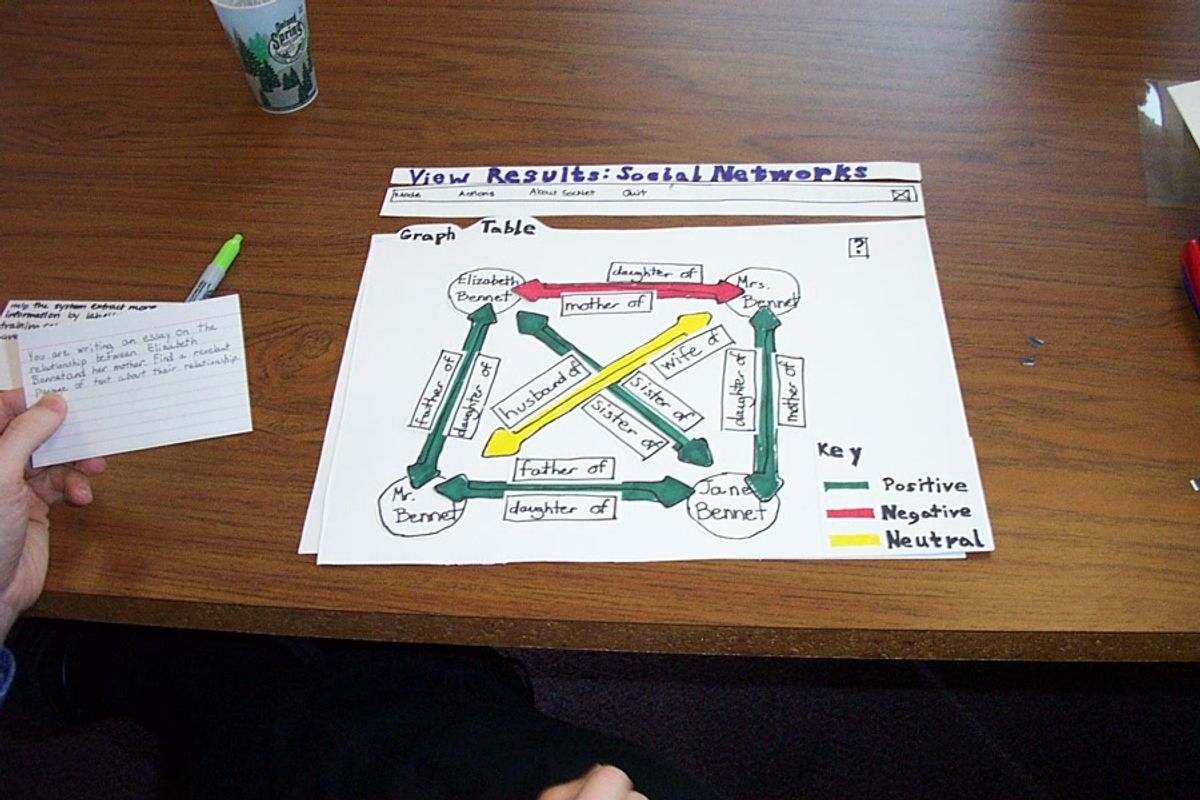
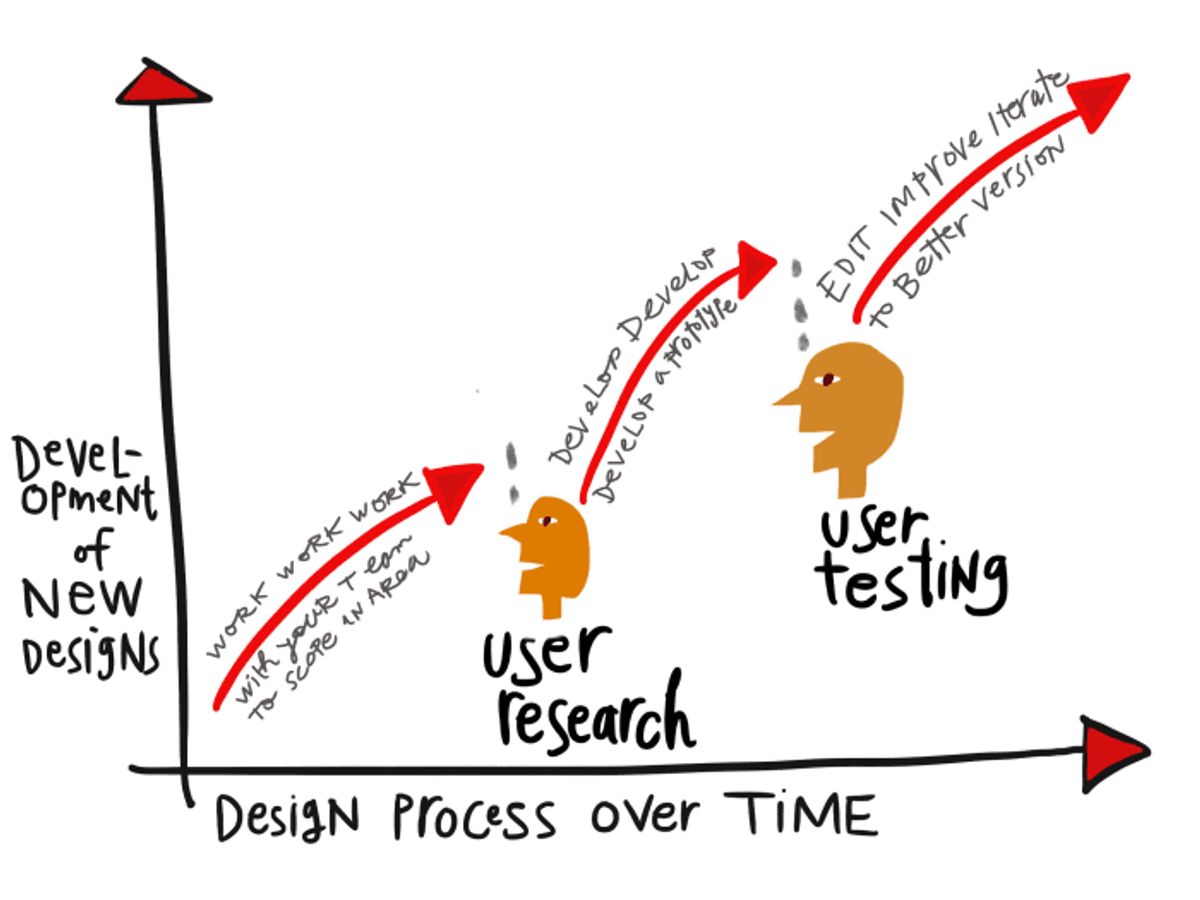
Iterative design is a key aspect of UCD, where designers create prototypes, test them with real users, and refine the design based on feedback. This cycle continues until a well-rounded product emerges that meets the users’ needs effectively.
Empathy, collaboration, and pragmatism are essential qualities for UX researchers to possess. These traits enable researchers to understand user motivations and create designs that are not only aesthetically pleasing but also highly functional and user-friendly.
Developing User Personas for Targeted Design
Developing user personas is a foundational step in creating a user-centric website design. These personas represent the various segments of your target audience, each with unique characteristics, goals, and pain points. A well-crafted persona includes a name and photo to humanize the data, background information such as job and lifestyle, and a clear outline of the user’s objectives and challenges.
By focusing on empathetic design principles, we ensure that the user’s experience is at the heart of every decision. This approach not only enhances the user’s interaction with the website but also aligns with the business’s objectives.
To effectively implement user personas in your design process, consider the following steps:
- Conduct thorough user research to understand the needs and behaviors of your target audience.
- Synthesize the data into relatable and actionable personas.
- Utilize these personas to guide design decisions, ensuring that each element of the website resonates with the intended user group.
Remember, a user-centric approach is your North Star, guiding every aspect of the design process to create a website that truly engages and satisfies your users.
Incorporating User Feedback into Iterative Design
In the realm of user-centric design, the incorporation of user feedback is a pivotal step in the iterative design process. It ensures that the product not only aligns with user expectations but also evolves based on their experiences and insights. This feedback loop can be visualized as a cycle of continuous refinement, where each iteration brings the design closer to the ideal user experience.
By actively seeking and integrating user feedback, designers can identify and resolve usability issues, enhance functionality, and tailor the user interface to meet the specific needs of the target audience.
To effectively incorporate user feedback, a structured approach is beneficial. Here’s a simple list to guide the process:
- Collect feedback through various channels such as surveys, interviews, and usability testing.
- Analyze the feedback for common themes and actionable insights.
- Prioritize changes based on their potential impact on the user experience.
- Implement the changes and monitor their effect on user behavior.
- Repeat the cycle, using new feedback to inform further iterations.
This approach not only improves the product but also fosters a sense of collaboration and trust between users and designers. It’s a testament to the fact that a user-centered design is not a one-time effort but a continuous journey towards perfection.
Optimizing User Experience for Better Engagement

Leveraging Analytics to Enhance User Journeys
By leveraging analytics, we can transform raw data into actionable insights that drive user engagement and satisfaction. Analytics tools act as a compass, guiding improvements in website design and functionality. For instance, analyzing bounce rates and conversion metrics can highlight which areas of a site users find most compelling or problematic.
Analytics not only reveal where users struggle but also where they thrive, enabling a tailored user experience that resonates with their needs and preferences.
To effectively utilize analytics, consider the following steps:
- Identify key performance indicators (KPIs) relevant to user experience.
- Collect and analyze user data to understand behavior patterns.
- Implement A/B testing to compare different design elements.
- Make data-driven decisions to refine and optimize the user journey.
Optimizing user experience through accessibility, analytics, and streamlined navigation leads to enhanced engagement and user satisfaction. It’s a continuous process of adapting strategies based on data and insights, ensuring that the website evolves with the users’ expectations.
Designing Intuitive Navigation and Menus
Intuitive navigation is the cornerstone of a user-friendly website. Clear labels and logical groupings of menu items are essential for users to find information swiftly. A minimalist design approach, with effective use of whitespace, can significantly enhance the user experience by reducing clutter and focusing attention on important content.
By prioritizing usability and simplicity in navigation design, we can create a seamless experience that guides users through a website with ease.
Incorporating strategies such as understanding user behavior and personalizing user journeys can lead to a more engaging experience. Here’s a list of key considerations for intuitive navigation:
- Use clear, descriptive labels for menu items
- Group related links to establish a logical flow
- Leverage user data to personalize navigation paths
- Implement menu structures that are easy to understand and use
Remember, the goal is to provide a navigation experience that feels natural and requires minimal effort from the user.
Creating Consistent and Accessible Interfaces
Creating a clear, consistent, and user-friendly interface is crucial for engaging users and minimizing confusion. By establishing a consistent visual language and interaction patterns, users find it easier to navigate and interact with the website. This familiarity reduces cognitive load and allows users to learn and navigate the website with ease.
Accessibility is another key component of user-centric design. Ensuring that the website is usable by everyone, including those with disabilities, is not just a legal requirement but also a moral imperative. Designers must consider color contrast, font sizes, and the integration of assistive technologies to create an inclusive digital environment.
By focusing on simplicity and intuitiveness, we can reduce the user’s workload and create an interface that is free of clutter and unnecessary complexity. The goal is to allow users to achieve their objectives with minimal instruction and to easily repeat tasks without confusion.
Finally, it’s important to remember that a website’s interface should be responsive, adapting seamlessly to various devices and screen sizes. This adaptability ensures that the user experience is consistent across all platforms, further enhancing engagement and satisfaction.
Innovative UI Designs for Maximum Impact
Merging Creativity with Functionality
In the realm of user-centric design, balancing creativity with functionality is paramount. This approach ensures that the aesthetic elements of a website do not overshadow its usability, but rather complement it to enhance the overall user experience. A website that captivates with its design yet remains intuitive and easy to navigate can significantly boost user engagement and satisfaction.
By integrating intuitive navigation, visually appealing elements, and interactive features, designers can create a harmonious blend that resonates with users and supports the brand’s message.
The process of merging these two aspects involves a structured approach, much like the one followed by successful design agencies such as Irugoo. It begins with a clear understanding of the user journey, which is then brought to life through meticulous attention to detail in typography, color theory, and layout principles. The result is a digital environment that is not only beautiful but also inclusive and adaptable to the needs of all users.
- User Interface (UI) Design: Translating conceptual ideas into functional interfaces.
- Content Strategy: Aligning with the brand message for an inclusive digital environment.
- Testing and Iteration: Ensuring the design meets user expectations and is scalable.
Ultimately, the goal is to deliver websites that not only look great but also function flawlessly, achieving business objectives while fostering user engagement and satisfaction.
Cultivating an Environment for User Satisfaction
Creating an environment that fosters user satisfaction is pivotal in user-centric design. Businesses that focus on user needs enhance their digital presence and foster a sense of value among users. This leads to increased engagement and loyalty, which are essential for sustained success.
Continuous feedback is the lifeblood of user-centric design. By utilizing interactive elements such as feedback forms and chatbots, businesses can gather real-time insights and identify patterns that signal areas for improvement.
To ensure that user satisfaction remains at the core of the design process, consider the following steps:
- Conducting thorough user research to understand needs and behaviors
- Developing detailed user personas for a more targeted approach
- Incorporating user feedback to refine and iterate on the design
By adhering to these practices, designers can create intuitive and accessible interfaces that resonate with users, ultimately leading to a personalized and satisfying user experience.
Employing Best Practices for a Seamless Experience
To achieve a seamless user experience, it’s essential to employ best practices that cater to both the technical and human aspects of web design. Optimizing resource allocation and ensuring statelessness across sessions can significantly enhance website performance. Responsive design is no longer optional; it’s a necessity for accommodating the multitude of devices users employ to access the web.
User-centric navigation is paramount in guiding visitors through your site with ease. This involves a clear and intuitive layout, consistent labeling, and logical flow. Below is a list of best practices that are instrumental in creating a seamless experience:
- Intuitive navigation and site architecture
- Consistent and accessible interfaces
- Fast loading times and optimized images
- Mobile-first design approach
- Clear calls-to-action and minimal user input requirements
By adhering to these principles, designers and developers can create websites that not only look good but also function efficiently, providing users with a frictionless journey from the first click to the final conversion.
The Role of Performance in User-Centric Websites

Analyzing and Optimizing Website Speed
To ensure a swift and responsive user experience, analyzing and optimizing website speed is crucial. This process begins with identifying elements that can slow down your site, such as large images and excessive HTTP requests.
Optimization strategies include:
- Image compression to reduce file sizes without compromising quality.
- Minimizing HTTP requests by combining files and using sprites.
- Implementing browser caching to store frequently accessed resources on local devices.
- Utilizing a Content Delivery Network (CDN) to distribute the load.
- Streamlining code and server-side processes for efficiency.
By focusing on these areas, you can significantly improve your website’s performance, leading to enhanced user satisfaction and retention.
Regular performance monitoring and maintainability testing are essential to ensure that the website remains fast and reliable over time. It’s not just about the initial load time; consistent speed across the user’s journey is key to a user-centric design.
Impact of Performance on Customer Satisfaction
The speed and performance of a website are pivotal factors that influence customer satisfaction. A swift and responsive site not only retains users but also encourages them to engage more deeply with the content. Conversely, slow load times can lead to increased bounce rates and a significant drop in user satisfaction.
Performance optimization is not just about quick wins; it’s a strategic approach to delivering a superior user experience that aligns with customer expectations.
To illustrate the importance of performance, consider the following points:
- User retention: A delay of just a few seconds in page load time can cause a substantial number of users to abandon a site.
- Conversion rates: Optimized performance directly correlates with higher conversion rates, as users are more likely to complete transactions on a site that responds quickly.
- Search engine ranking: Search engines favor websites that load quickly, which can lead to better visibility and more organic traffic.
Understanding that website quality acts as a stimulus for customer behavior is crucial. It can lead to positive outcomes such as word-of-mouth promotion and repeat purchases. By prioritizing performance, businesses can enhance user satisfaction, drive growth, and maximize the impact of their online presence.
Post-Launch Monitoring for Continuous Improvement
After the launch of a website, the journey towards excellence continues. Post-launch monitoring is crucial for identifying areas that need refinement and ensuring the website remains aligned with user needs and expectations. This phase involves a series of activities:
- Process Evaluation: Regularly checking that the website operates according to the set standards and making necessary adjustments.
- User Feedback: Continuously collecting and analyzing user feedback to inform further enhancements.
- Performance Metrics: Tracking key performance indicators using tools like Google Analytics to gauge the website’s effectiveness.
By maintaining a vigilant eye on the website’s performance and user interaction post-launch, we can uncover valuable insights that drive ongoing improvements.
It’s not just about fixing bugs; it’s about evolving the website to better serve its users. This requires a structured approach to monitoring and analysis, which can be summarized in the following steps:
- Implement tracking tools to monitor user behavior and website performance.
- Analyze data to identify trends and areas for improvement.
- Prioritize changes based on impact and feasibility.
- Deploy updates in a controlled manner to measure their effect.
- Repeat the cycle to foster a culture of continuous improvement.
Strategic Approach to User-Centric Web Development
Discovery and Creative Brainstorming
The discovery phase is a critical starting point in the user-centric web development process. It’s where the team gathers insights about the users, their needs, and the business objectives. This phase often involves activities such as user research, competitive analysis, and reviewing existing data and tools to ensure alignment with business goals.
During creative brainstorming, the team collaborates to generate a wide range of ideas and solutions. Techniques like the double diamond framework facilitate this process by structuring it into distinct stages: Discover, Define, Develop, and Deliver. This approach encourages divergent thinking followed by convergent thinking, ensuring a thorough exploration of possibilities before honing in on the most viable solutions.
By fostering an environment of open communication and creative freedom, teams can uncover innovative solutions that truly resonate with users.
The table below outlines the steps in the double diamond framework:
| Stage | Step | Description |
|---|---|---|
| One | Discover | Understand user needs and problems through research. |
| One | Define | Prioritize problems to solve based on insights. |
| Two | Develop | Ideate and prototype potential solutions. |
| Two | Deliver | Test solutions with users and iterate as needed. |
Collaborative Design and Development Process
The collaborative design and development process is a cornerstone of user-centric web development. It involves strategic planning for robust development, with a focus on harmonizing UX/UI design, software development, and quality assurance. This synergy ensures that the final product not only looks appealing but also functions seamlessly, providing an engaging user experience.
By fostering an environment of open communication and transparency, teams can navigate the complexities of web development while keeping the user’s needs at the forefront.
A typical workflow might include the following steps:
- Discovery and brainstorming sessions to align on goals and user needs.
- Sketching and wireframing to visualize ideas.
- Prototyping to bring concepts to life and test functionality.
- Development where the design is translated into code.
- Quality assurance to identify and eliminate any bugs.
- User testing to gather feedback and refine the product.
This iterative approach, with ongoing user feedback, ensures that the website remains aligned with the user experience goals, ultimately leading to higher customer satisfaction and retention.
Quality Assurance and Bug Elimination
After ensuring that the design and development processes are aligned with user expectations, quality assurance (QA) and bug elimination become the critical final steps before launch. A rigorous QA process not only identifies and rectifies any functional issues but also enhances the overall user experience by ensuring that the website operates smoothly and reliably.
A senior team of QA specialists is essential in meticulously combing through the website to detect any bugs that could compromise the user experience or functionality. This proactive approach to quality assurance is a cornerstone of delivering top-quality products.
QA is not just a one-time event but an ongoing commitment to excellence. Post-launch monitoring is crucial to quickly address any new bugs that may emerge, maintaining the integrity of the user experience. The table below outlines the key pillars of website quality assurance:
| Pillar | Description |
|---|---|
| Functional Testing | Ensuring the website operates as intended. |
| Compliance and Security | Adhering to industry standards and protecting sensitive data. |
| Performance Optimization | Analyzing and improving website speed for better user engagement. |
By integrating these practices into the web development lifecycle, businesses can significantly reduce costs and prevent disasters that could arise from overlooked issues. The result is a seamless, enjoyable process that culminates in the delivery of a product that both the business and its customers will value.
In today’s digital landscape, a strategic approach to user-centric web development is not just beneficial, it’s essential. Our team at AM2 specializes in creating custom web solutions that are tailored to your business needs and designed to grow with you. From WordPress Development to eCommerce solutions, we ensure that your online presence is powerful, effective, and most importantly, centered around your users. Ready to elevate your digital strategy? Visit our website and discover how we can help you achieve your online goals.
Conclusion
In conclusion, adopting a user-centric website design approach is paramount for creating engaging user experiences that resonate with your audience. Throughout this article, we’ve explored the importance of understanding user needs, implementing innovative UI designs, and ensuring seamless navigation and interaction. By prioritizing usability, maintaining clear communication, and continuously optimizing performance, businesses can foster an environment where users feel valued and understood. This not only enhances customer satisfaction but also drives conversions and fosters brand loyalty. Remember, a website is not just a digital space—it’s a dynamic platform for storytelling, interaction, and growth. Embrace user-centric design to ensure your website is a compelling and effective extension of your brand.
Frequently Asked Questions
What is user-centric website design?
User-centric website design is an approach that prioritizes the needs, preferences, and behaviors of the end-users at every stage of the design and development process. It involves extensive user research, persona development, and iterative testing to create an intuitive and engaging user experience.
How does user research improve UX/UI design?
User research helps designers understand the target audience’s needs, preferences, and pain points. This information guides the design process, ensuring that the final product is tailored to the users’ requirements and improves overall user satisfaction.
Why is it important to develop user personas?
Developing user personas allows designers to create a detailed profile of the ideal user, which helps in designing a more targeted and relevant user experience. Personas represent different user types and guide the creation of features and content that resonate with the audience.
What role does analytics play in optimizing user experience?
Analytics provide insights into user behavior, preferences, and interaction patterns on a website. Leveraging this data, designers can identify areas for improvement, optimize user journeys, and enhance engagement by making data-driven decisions.
How does website performance impact user experience?
Website performance, including speed and reliability, has a direct impact on user satisfaction and engagement. Faster loading times and smooth interactions lead to a better user experience, which can result in increased conversions and customer retention.
What are some best practices for creating a seamless user experience?
Best practices for a seamless user experience include designing with a clear and intuitive navigation, maintaining consistency in design elements, ensuring accessibility, simplifying forms and processes, and using clear calls-to-action (CTAs) to guide users effectively.