User-Centric Website Design Approach for Engaging User Experience
In today’s digital landscape, creating a website that stands out from the competition is crucial, and a user-centric design approach is key to achieving this. User-centric design focuses on tailoring the website’s design and functionality to meet the needs and preferences of the users, ensuring a more engaging and satisfying experience. This article explores the philosophy behind user-centric design, strategies to enhance user experience, techniques for optimizing website performance, and methods for integrating user-centric principles into development processes. Additionally, it discusses how to measure the success of a user-centric web design.
Key Takeaways
- User-centric design is a philosophy that prioritizes the user’s needs and experiences at every stage of the design process, resulting in higher user engagement and satisfaction.
- Empathy and user research are fundamental in understanding user behavior, which informs the balance between aesthetics and functionality in design.
- Innovative UI designs, combined with usability and accessibility considerations, create impactful and personalized user experiences.
- Website performance, including speed optimization and post-launch monitoring, is critical for user satisfaction and contributes to the overall success of a website.
- Measuring success in user-centric web design involves analyzing KPIs and UX metrics, as well as learning from real-world examples and case studies.
Understanding the User-Centric Design Philosophy
The Essence of User-Centric Design
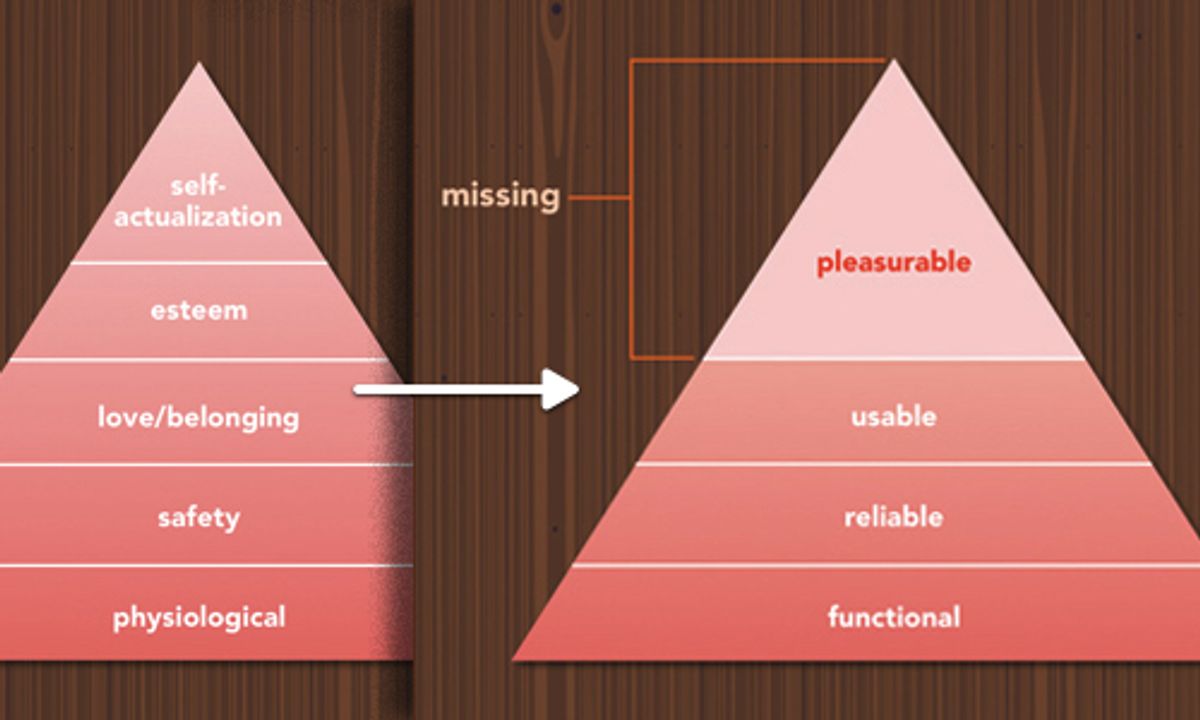
At the core of user-centric design is the commitment to deeply understand and prioritize the user’s needs and behaviors throughout the design process. This philosophy ensures that the final product is not only functional but also intuitive and enjoyable to use.
User-centric design principles focus on aligning websites with user needs, behaviors, and satisfaction. Key components include empathy, inclusivity, intuitive navigation, accessibility, responsiveness, and usability. By incorporating these elements, designers can create experiences that users find engaging and fulfilling.
The goal is to create a seamless interaction between the user and the product, where the user’s needs are anticipated and met with ease.
To achieve this, a series of steps are often followed:
- Conducting thorough user research
- Developing user personas
- Creating intuitive information architecture
- Implementing iterative design and testing
- Ensuring accessibility for all users
These steps help in crafting a website that not only looks good but also feels right to the user, fostering a positive experience that encourages repeat visits and long-term loyalty.
Empathy as a Core Principle
At the heart of user-centric design lies the ability to understand and share the feelings of the user. Empathy is the compass that guides designers to create solutions that resonate on a personal level. It’s about stepping into the users’ shoes, recognizing their challenges, and crafting an experience that feels intuitive and considerate of their needs.
- FOSTER A CULTURE OF EMPATHY: Encourage teams to internalize user stories and feedback, keeping the user’s perspective central to the design process.
- PRIORITIZE ACCESSIBILITY: Begin with accessibility in mind, ensuring products are usable by as many people as possible, reflecting a commitment to inclusivity.
By integrating empathy into the design philosophy, products become more than just functional; they become meaningful extensions of the users themselves, fostering deeper engagement and satisfaction.
Balancing Aesthetics with Functionality
In the realm of web design, aesthetics and functionality must coexist harmoniously. Users often favor a design that not only captivates their senses but also provides a seamless and intuitive experience. Aesthetic choices should not overshadow the practicality of the website; instead, they should enhance the user’s ability to navigate and interact with the content.
It is essential to remember that a website’s design is not just about looking good, but also about being effective in guiding users to their desired outcomes.
To achieve this balance, consider the following points:
- Ensure that aesthetic elements align with the brand’s identity and message.
- Prioritize usability and adhere to accessibility standards, such as the WCAG guidelines.
- Anticipate user needs and design for sustainability, avoiding trends that may quickly become outdated.
By integrating aesthetics and functionality, we create a user-centric design that is both visually appealing and highly functional, leading to sustainable user engagement and satisfaction.
Strategies for Engaging User Experience
Innovative UI Designs for Maximum Impact
In the realm of web design, innovative UI designs are pivotal in creating an engaging user experience. By merging creativity with functionality, designers can craft interfaces that not only captivate users but also facilitate seamless interaction. The goal is to leave a lasting impression from the first click, turning visitors into loyal customers.
Engagement and interaction strategies in UI/UX design focus on personalized experiences, storytelling, interactive content, and intuitive navigation.
To achieve this, a user-centered approach is essential. It involves delving into user research and defining clear objectives to ensure a design that prioritizes a seamless experience across various devices. The incorporation of elements such as vibrant color schemes, clean layouts, and seamless navigation is non-negotiable.
- Intuitive navigation
- Visually stunning elements
- Meaningful interactions
These components work together to elevate user experiences and drive conversions. By focusing on these aspects and more, we can create an intuitive user experience for your audience.
Usability and Accessibility
To create a user-centric website, usability and accessibility must be at the forefront of design decisions. Enhancing these aspects ensures that a website can be used by the widest possible audience, including those with disabilities or limitations. With over a billion people globally experiencing some form of disability, focusing on usability and accessibility is not just a matter of inclusivity but also a strategic business decision.
Accessibility is about asking whether ‘everyone’ can use the website, if it complies with standards, and if it’s cross-platform compatible. Simplicity, on the other hand, involves reducing the user’s workload, avoiding clutter and unnecessary functionality, and ensuring the design is intuitive.
By prioritizing usability and accessibility, designers can significantly improve the overall user experience, leading to increased satisfaction and engagement.
Identifying usability issues through user testing and evaluating user understanding are critical steps in this process. Observing user interactions can uncover problems such as unclear labels or confusing navigation, which can then be addressed to streamline the user experience.
Personalization and User Feedback
Personalization is a key factor in creating a user-centric website design. By understanding and implementing user preferences, websites can offer a more engaging and tailored experience. This approach not only increases user satisfaction but also fosters brand loyalty. For instance, Netflix’s success with personalized recommendations has significantly boosted viewer activity, demonstrating the power of a customized user interface.
User feedback is equally important in refining the user experience. It provides direct insights into user needs and preferences, allowing for iterative improvements. Below is a list of benefits that user feedback offers:
- Effective product design
- Improved user experience
- Higher adoption rates
By optimizing user experience through balancing functionality and aesthetics, personalization, accessibility, and leveraging analytics for continuous improvement, businesses can ensure their websites remain dynamic and user-friendly.
Optimizing Website Performance for User Satisfaction
The Impact of Performance on Customer Satisfaction
The speed and performance of a website are pivotal factors that influence customer satisfaction. Optimizing website performance is crucial for user satisfaction and business success. Techniques such as image compression, caching, and minifying scripts are not just technical details; they are essential components that contribute to a seamless user experience. When a site responds swiftly, users are more likely to stay engaged, trust the platform, and ultimately, contribute to the growth of the business.
Regular maintenance and scalability ensure that a website remains responsive and efficient over time. A site that adapts quickly to user demands and technological advancements reflects a commitment to quality and customer care.
Optimizing for performance also enhances SEO, making the website more visible to potential users. The table below summarizes the benefits of performance optimization:
| Benefit | Description |
|---|---|
| Sales & Conversions | Increased speed leads to higher conversion rates. |
| User Experience | Improved loading times enhance user engagement. |
| SEO Rankings | Faster websites are favored by search engines. |
By continuously monitoring and improving website performance post-launch, businesses can adapt to user feedback and evolving needs, ensuring long-term customer satisfaction and loyalty.
Techniques for Speed Optimization
In the realm of web development, speed is synonymous with success. A swift website not only enhances the user experience but also contributes to higher search engine rankings and improved conversion rates. To achieve this, several techniques can be employed:
- Minimize HTTP requests: Reduce the number of files that need to be loaded by combining resources where possible.
- Optimize images: Ensure images are compressed without losing quality and use appropriate formats.
- Enable browser caching: Store frequently accessed resources locally to reduce load times on subsequent visits.
- Compress code: Utilize tools to minify CSS, JavaScript, and HTML.
- Leverage CDNs: Content Delivery Networks distribute your content across multiple servers worldwide, bringing it closer to your users.
Regular monitoring with tools like PageSpeed Insights can help pinpoint areas for improvement, ensuring that your website remains fast and efficient. Remember, optimizing website performance is crucial for user satisfaction, leading to increased sales and engagement. Accessibility is fundamental for inclusivity and usability for all users.
By focusing on these optimization strategies, you can significantly reduce load times and create a more seamless experience for your visitors. This proactive approach to performance tuning is not just about speed—it’s about respecting your users’ time and providing them with the content they seek without delay.
Post-Launch Monitoring and Continuous Improvement
After a website launch, the journey towards excellence continues with post-launch monitoring and continuous improvement. It’s crucial to keep a vigilant eye on the website’s performance, security, and user feedback to ensure it remains efficient and secure over time. This involves a cycle of testing, gathering user-centric metrics, and implementing changes based on insights gained.
- Monitor server health and traffic: Regularly check server performance and handle traffic spikes efficiently.
- Analyze performance data: Use analytics to identify bottlenecks and areas for optimization.
- Gather user feedback: Collect and review user feedback to understand their needs and pain points.
- Implement changes: Make necessary updates and improvements to enhance user experience and website functionality.
Embracing a culture of continuous improvement is essential for maintaining a competitive edge and delivering a user experience that meets evolving expectations.
By setting and tracking Key Performance Indicators (KPIs), businesses can measure the success of their website and pinpoint areas for improvement. This ongoing process ensures that the website not only meets but exceeds user expectations, fostering satisfaction and loyalty.
Integrating User-Centric Design in Development Processes

Collaboration Between Design and Development Teams
The synergy between design and development teams is pivotal for crafting websites that not only look great but also function seamlessly. Designers and developers must work in unison, ensuring that the creative vision aligns with technical feasibility. This collaboration is a dynamic process, involving regular communication and a shared understanding of project goals.
- Designers bring a deep understanding of user needs and aesthetic appeal.
- Developers translate these designs into functional code.
- Quality assurance teams refine and validate the final product.
By fostering an environment of mutual respect and open dialogue, teams can overcome challenges and innovate solutions that enhance the user experience.
Effective collaboration also involves establishing clear roles and responsibilities, setting realistic timelines, and utilizing design frameworks that streamline the handoff from design to development. This not only improves the quality of the final product but also optimizes the development timeline, making efficient use of resources and reducing the potential for user errors and frustration.
Quality Assurance and User Testing
Quality assurance (QA) and user testing are pivotal in the user-centric design process, ensuring that the final product aligns with user expectations and requirements. During QA, a team of specialists meticulously examines the website to identify and rectify any defects, while user testing involves real users interacting with the website to provide feedback on their experience.
By integrating user feedback early and continuously throughout the development cycle, we can make informed decisions that enhance the website’s usability and overall user satisfaction.
User testing serves multiple purposes, such as evaluating user understanding, gauging satisfaction, and identifying usability issues. These insights lead to iterative improvements, making the website more intuitive and user-friendly. Below is a list of key activities typically involved in user testing:
- Conducting A/B testing to compare different design solutions
- Observing user behavior to uncover interaction patterns
- Gathering qualitative feedback through surveys and interviews
- Utilizing analytics to track user engagement and task success rates
The ultimate goal of QA and user testing is to deliver a website that not only looks great but also performs flawlessly, providing a seamless experience that encourages user retention and engagement.
Adapting to User Needs Over Time
In the dynamic landscape of web design, adapting to user needs over time is crucial for maintaining engagement and satisfaction. As users evolve, so should the websites they interact with. This requires a commitment to continuous improvement and a willingness to embrace change.
A user-centric website is never truly ‘finished.’ It must grow and adapt with its audience, incorporating new trends and feedback into its design and functionality.
To stay aligned with user expectations, regular updates based on user feedback and performance analytics are essential. This iterative process ensures that the website remains relevant and effective. Below is a list of steps to consider in this ongoing journey:
- Conduct ongoing user research to detect shifts in preferences and behaviors.
- Implement changes based on analytical insights and user feedback.
- Regularly review and update content to keep it fresh and engaging.
- Ensure the website’s design remains accessible and user-friendly.
- Monitor technological advancements and integrate them when beneficial.
By prioritizing user needs and staying agile, websites can continue to captivate and serve their audience effectively, leading to sustained user engagement and loyalty.
Measuring Success in User-Centric Web Design

Key Performance Indicators (KPIs) for User Engagement
To truly understand the effectiveness of a user-centric website design, one must delve into the Key Performance Indicators (KPIs) that reflect user engagement. These metrics serve as a compass, guiding the continuous improvement of the user experience.
KPIs are not just numbers; they are a narrative of the user journey, revealing the peaks and valleys of user interaction.
A well-rounded set of KPIs encompasses a variety of user behaviors and interactions. Below is a list of essential KPIs that should be monitored:
- Conversion Rates: The ultimate measure of a website’s effectiveness in prompting user action.
- Bounce Rates: An indicator of whether the content meets the user’s expectations.
- Average Session Duration: Insight into the level of user interest and engagement with the site.
- Page Views: A gauge of content’s reach and appeal.
- User Feedback: Direct reflections of user satisfaction and areas for enhancement.
By analyzing these KPIs, one can identify areas for improvement, optimize website navigation, and enhance the overall user experience. Regular monitoring and analysis are crucial for staying attuned to user needs and making informed decisions to foster a more engaging user experience.
User Experience (UX) Metrics and Analysis
To truly understand the impact of a user-centric design, one must delve into the realm of UX metrics and analysis. These metrics provide a quantitative measure of user interactions, satisfaction, and overall engagement with the website. By analyzing this data, designers and developers can make informed decisions to enhance the user experience.
The key to a successful user-centric design lies in the continuous analysis and iteration based on user feedback and behavior.
A common approach includes tracking specific KPIs such as conversion rates, bounce rates, and average time on page. However, it’s crucial to balance these quantitative metrics with qualitative insights gathered from user feedback, usability tests, and session recordings. Here’s a succinct table summarizing some essential UX metrics:
| Metric | Description |
|---|---|
| Conversion Rate | The percentage of users who take a desired action. |
| Bounce Rate | The percentage of visitors who navigate away after viewing only one page. |
| Average Time on Page | The average amount of time users spend on a single page. |
| Task Success Rate | The effectiveness of users in completing specific tasks. |
| Error Rate | The frequency of errors users encounter while using the website. |
By integrating these metrics into the development process, teams can create a feedback loop that prioritizes user needs and preferences, leading to a more engaging and satisfying user experience.
Case Studies and Real-World Examples
The culmination of a user-centric design approach is best illustrated through real-world examples and case studies. These narratives not only highlight the successful application of user-centric principles but also provide actionable insights for designers and developers. For instance, the case study titled ‘11 Inspiring UX Case Studies That Every Designer Should Study’ offers a deep dive into design strategies and outcomes that have reshaped user experience.
By examining these case studies, we can distill the essence of what makes a user interface truly engaging. It’s about understanding the user’s journey, anticipating their needs, and crafting an experience that feels intuitive and rewarding.
A table of selected case studies can succinctly demonstrate the variety of industries and solutions where user-centric design has made a significant impact:
| Industry | Company | Design Focus |
|---|---|---|
| E-commerce | Amazon | One-Click Ordering |
| Real Estate | Ardea | Custom Design for Vibrant Districts |
| Event Management | Glow Christmas | Navigable Festival Website |
| Non-Profit | Old School Initiative | Funding for Local Programs |
Each case study serves as a testament to the adaptability and effectiveness of user-centric design across different sectors. By learning from these examples, businesses can better tailor their websites to meet the evolving demands of their users, ensuring a lasting and engaging user experience.
In the realm of web design, success is not just about aesthetics; it’s about creating a user experience that converts visitors into customers. At [Our Company], we specialize in user-centric web design that prioritizes performance, engagement, and conversion. Our expert team is ready to elevate your online presence with custom WordPress solutions, eCommerce development, and much more. Don’t settle for mediocrity; visit our website and let us help you achieve digital excellence. Your journey to a successful web presence starts here—[Find out more] about our services and how we can tailor them to your unique needs.
Conclusion
In the journey to create a website that not only looks aesthetically pleasing but also offers a seamless and engaging user experience, a user-centric design approach is paramount. Throughout this article, we’ve explored the importance of understanding user behavior, the necessity of intuitive navigation, and the impact of responsive and accessible design. By implementing the strategies and principles discussed, designers and developers can ensure that their websites resonate with users, fostering satisfaction and loyalty. Remember, a website is not just a digital space; it’s a dynamic environment where users interact, explore, and connect. As we continue to embrace innovation and prioritize user needs, the future of web design looks promising, with the potential to deliver experiences that are not only functional but also delightful and memorable.
Frequently Asked Questions
What is user-centric website design?
User-centric website design is an approach that prioritizes the needs, preferences, and behaviors of users throughout the design process. It involves empathy, research, and testing to create intuitive, accessible, and engaging online experiences.
Why is empathy important in user-centric design?
Empathy is crucial as it allows designers to understand and share the feelings of the users, ensuring that the website caters to their actual needs and provides a satisfying experience.
How do aesthetics and functionality balance in user-centric design?
In user-centric design, aesthetics and functionality are balanced by creating visually appealing designs that also offer seamless navigation and usability, thus enhancing the overall user experience.
What are some key strategies for creating an engaging user experience?
Key strategies include innovative UI designs, ensuring website usability and accessibility, and incorporating personalization and user feedback to continually refine the user experience.
How does website performance affect user satisfaction?
Website performance, including loading speed and responsiveness, directly impacts user satisfaction as it influences their engagement, retention, and likelihood to convert or return to the site.
What metrics are used to measure success in user-centric web design?
Success is often measured using key performance indicators (KPIs) like user engagement rates, conversion rates, time on site, bounce rates, and through user experience (UX) metrics and analysis.