User-Centric Website Design Approach for Engaging User Experience

In today’s digital landscape, creating a website that stands out requires more than just an eye-catching design. It demands a user-centric approach, where every element is crafted with the user’s needs and experiences in mind. At Clikr Marketing, a leading digital marketing agency based in Vancouver, we understand the pivotal role of user-centric web experiences in driving engagement, conversion, and customer loyalty. In this comprehensive guide, we’ll dive into the best practices and tips for designing and developing websites that not only look great but also provide an engaging and intuitive user experience.
Key Takeaways
- Understanding user behavior through research and data analysis is foundational to creating personalized experiences.
- Usability and accessibility are crucial for an inclusive design that allows users of all abilities to navigate and interact with a website effectively.
- Website performance optimization is key to user satisfaction, with fast load times and streamlined journeys contributing to a positive user experience.
- Engaging content and visuals, guided by a clear visual hierarchy and multimedia elements, capture user attention and enhance interaction.
- Maintaining user privacy and security is essential in a user-centric design, building trust and offering users control over their personal information.
Understanding User Behavior and Preferences

Conducting User Research
Understanding your users is the cornerstone of a user-centric website design. User research takes the people that visit your website and places them in the very center of the design process. It’s about empathizing with their needs and integrating their perspectives into every stage of your project. By conducting surveys, interviews, and usability tests, you can gather valuable insights into user preferences, pain points, and behaviors.
Effective user research involves a variety of methods:
- User interviews to understand daily workflows and pain points
- Shadowing to observe real-time interactions with your system
- Surveys to identify patterns and inform user personas
By systematically studying target users and their requirements, we add realistic contexts and insights to the UX design process.
This data not only informs design decisions but also helps in creating a website that truly resonates with the audience. It’s essential to delve into who the user is to determine what will appeal to them, ensuring that the final product is not just functional but also enjoyable to use.
Analyzing User Interaction Data
To truly understand the efficacy of a website’s design, one must delve into the analysis of user interaction data. This involves tracking and measuring various metrics that reflect how users engage with the site. By implementing tools that capture this data, we can identify patterns, pain points, and areas for improvement. For instance, heatmaps can reveal which sections of a page attract the most attention, while click tracking can indicate the effectiveness of calls-to-action.
The strategic approach to web development, with a focus on user-centric design and quality assurance, ensures that websites not only meet but exceed user expectations.
The insights gained from this analysis are invaluable. They guide the iterative design process, ensuring that each change is informed by actual user behavior. Below is a summary of key user interaction metrics:
- Pageviews: The total number of pages viewed.
- Bounce Rate: The percentage of visitors who navigate away after viewing only one page.
- Average Time on Page: The average amount of time users spend on a single page.
- Conversion Rate: The percentage of users who take a desired action.
By adapting to user behaviors and leveraging these analytics, businesses can refine their products or services, ensuring continued relevance and usability in a rapidly changing digital landscape.
Tailoring User Experience Based on Feedback
Incorporating user feedback into the design process is essential for creating a user-centric website. Actively seek out and analyze feedback from various channels such as surveys, usability tests, and direct user interactions. This approach helps in identifying pain points and opportunities for enhancement, ensuring that the website evolves with the user’s needs.
- Conduct surveys to gather quantitative and qualitative data.
- Analyze usability testing results to understand user behavior.
- Engage directly with users to gain in-depth insights.
- Iterate design based on feedback to improve user satisfaction.
By tailoring the user experience to feedback, designers can create a more intuitive and satisfying website for their audience.
Remember to prioritize accessibility features and leverage analytics to measure the success of design changes. This data-driven strategy ensures that the website not only meets but exceeds user expectations, fostering long-term satisfaction and loyalty.
Designing for Usability and Accessibility
Implementing Intuitive Navigation
Efficient and intuitive navigation is essential for a seamless user experience. By prioritizing simplicity and clarity in menu structures, users can effortlessly find the information they need, reducing frustration and cognitive load.
Consider the following points to enhance navigation:
- Maintain consistency across pages to prevent confusion.
- Implement a logical hierarchy and clear labels.
- Include a search function to facilitate quick access to content.
Intuitive navigation is not just about helping users find their way; it’s about creating a journey that feels familiar and effortless.
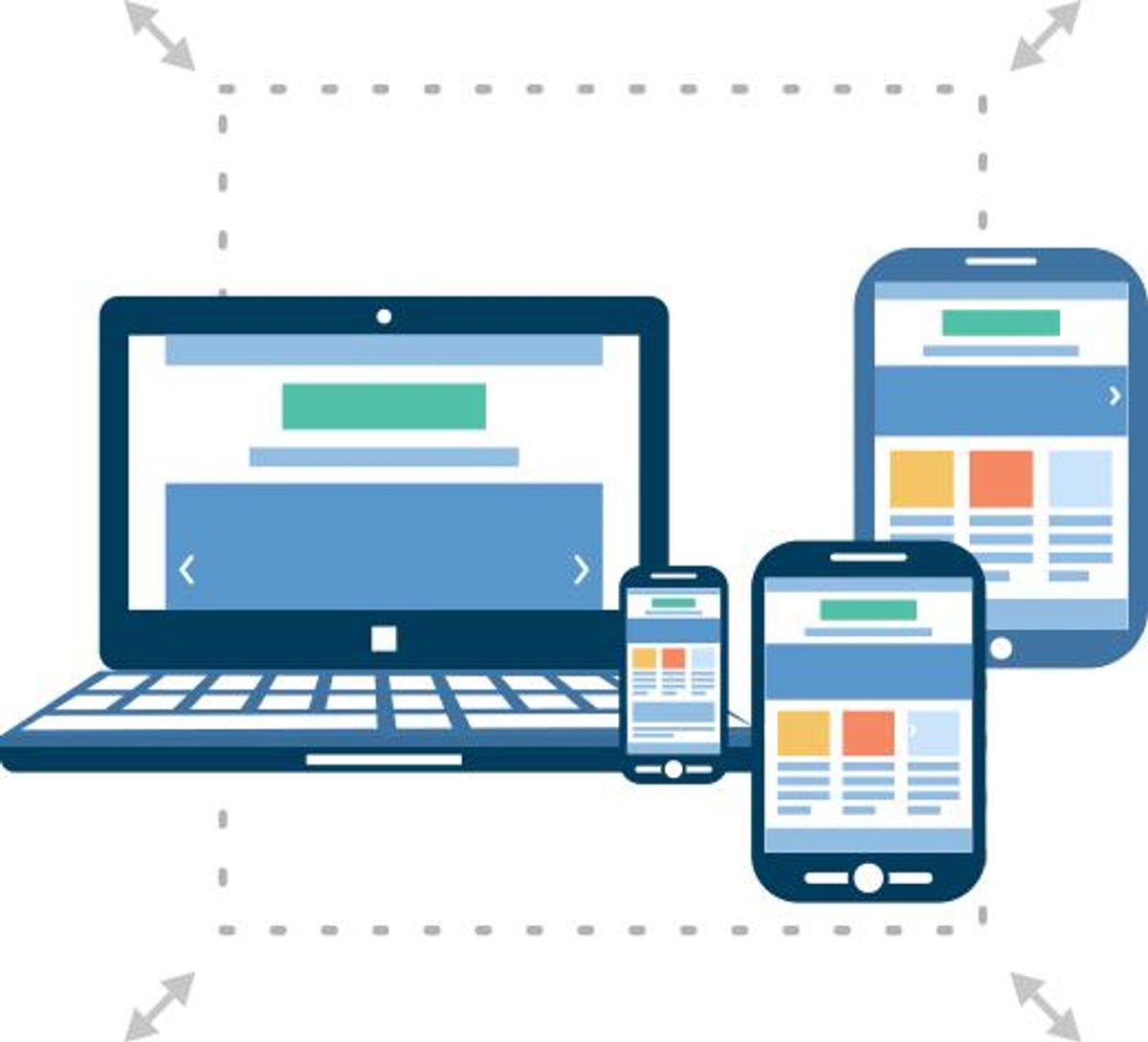
Responsive design is also a key factor in navigation. It ensures that the website is accessible and easy to navigate regardless of the device being used. This adaptability is crucial in today’s multi-device world where users expect a seamless transition from desktop to mobile.
Ensuring Compatibility Across Devices
In today’s digital landscape, ensuring compatibility across devices is crucial for providing a consistent user experience. Compatibility testing plays a pivotal role in this process, evaluating how well a website functions on various browsers, operating systems, and devices. This testing is vital to guarantee that users have a reliable experience, no matter their choice of technology.
A seamless user interface is the cornerstone of a positive user experience. It is imperative that the interface remains consistent and visually appealing across all platforms.
Responsive design is a key strategy in achieving device compatibility. It ensures that the user interface adapts fluidly to different screen sizes, from desktops to smartphones. This adaptability is essential for catering to the growing number of mobile users and their expectations for a seamless browsing experience.
- Catering to Mobile Users: Mobile optimization is non-negotiable in a user-centric design approach.
- Consistent Branding: Maintain your brand’s look and feel across all platforms.
- Performance Optimization: Ensure that your website is not only compatible but also performs efficiently on all devices.
Adhering to Accessibility Standards
Ensuring that a website is accessible to all users, including those with disabilities, is a cornerstone of user-centric design. Accessibility is not just a legal mandate but a reflection of a brand’s commitment to inclusivity. Simple yet impactful actions can be taken to enhance a website’s accessibility:
- Use of alt text for images to provide descriptions for screen readers.
- Ensuring that all functionality is available from a keyboard.
- Designing with sufficient color contrast to aid users with visual impairments.
By focusing on these and other accessibility measures, we can create a digital environment that welcomes a diverse audience, thereby expanding our reach and improving the overall user experience.
Accessibility should be integrated into the design process from the very beginning, rather than being an afterthought. This proactive approach not only streamlines development but also avoids the need for costly retroactive modifications. Remember, an accessible website is one that accommodates all users, regardless of their browsing context or physical abilities.
Optimizing Website Performance for User Satisfaction

Improving Page Load Speed
In the realm of user-centric website design, ensuring that pages load swiftly is paramount. Users expect websites to load quickly and run smoothly, with a delay of just a few seconds potentially increasing bounce rates significantly. To combat this, several strategies can be employed:
- Compress images to reduce their file size without compromising quality, thus speeding up load times.
- Implement browser caching, which stores parts of your site on users’ devices to facilitate faster access on subsequent visits.
- Minimize the use of heavy scripts and streamline code to prevent unnecessary processing delays.
By focusing on these optimization techniques, you can enhance user satisfaction and maintain engagement.
Moreover, performance testing under quality assurance is crucial to identify and eliminate bottlenecks. This proactive approach ensures that your website delivers optimal speed and responsiveness. Remember, a user-centric website must perform seamlessly across all devices, providing a consistent and engaging experience whether accessed from a desktop, tablet, or smartphone.
Streamlining User Journeys
Streamlining user journeys is essential for a seamless and efficient user experience. By simplifying the path users take to achieve their goals, we can significantly reduce friction and enhance satisfaction. A user-centric approach involves prioritizing user needs and preferences throughout the design process, ensuring that every decision enhances the user experience.
To optimize user journeys, it’s crucial to reduce the number of steps users must take to reach their desired outcome. Whether it’s making a purchase, finding information, or accessing a service, the goal is to keep the process as straightforward as possible.
Here are some strategies to streamline user journeys:
- Reduce unnecessary steps and simplify tasks
- Implement intuitive navigation structures
- Optimize form fields to include only essential information
- Minimize page load times and distractions
- Regularly review and refine the user journey based on performance analytics
By focusing on these areas, we can create a more goal-focused design that allows users to accomplish their tasks with ease, leading to increased conversions and customer satisfaction.
Leveraging Performance Analytics
Performance analytics play a crucial role in the continuous improvement of website performance, directly impacting user satisfaction and engagement. By analyzing key performance indicators (KPIs), businesses can make informed decisions to enhance the user experience. This data-driven approach allows for the identification of bottlenecks and the implementation of strategic optimizations.
Performance analytics drives business transformation by enabling businesses to set, track, and analyze progress against goals.
Utilizing tools and techniques to measure website speed, user journey efficiency, and overall system health, organizations can pinpoint areas for improvement. Below is a list of common metrics tracked in performance analytics:
- Page load time
- Time to first byte (TTFB)
- Number of HTTP requests
- Server response time
- Browser rendering time
These metrics provide a snapshot of a website’s performance and are essential for creating a seamless user experience. Regular monitoring and analysis ensure that websites remain fast, reliable, and user-friendly, which is vital in today’s digital landscape where user expectations are higher than ever.
Creating Engaging Content and Visuals
Crafting Compelling Copy
The essence of user-centric website design lies not only in the aesthetics but also in the communication with the audience through text. Crafting compelling copy is a strategic endeavor that involves understanding the user’s language and delivering messages that resonate. A top tip is to employ active voice, as it energizes your copy and engages your audience naturally.
Effective copywriting should guide users effortlessly through your website, prompting them to take action. This can be achieved by:
- Using clear and concise language
- Creating persuasive calls-to-action
- Weaving storytelling elements to connect on an emotional level
- Highlighting benefits over features
Remember, the goal is to create a narrative that not only informs but also inspires users to engage with your content.
Incorporating user feedback into your copy is crucial. It ensures that the content remains relevant and addresses the actual needs and desires of your audience. Continuously refining your message based on user interaction data can lead to more impactful and successful design solutions.
Utilizing Visual Hierarchy
Effective website design hinges on the strategic use of visual hierarchy to guide users through content effortlessly. By manipulating size, color, contrast, and placement, designers can highlight the most important elements, ensuring they catch the user’s attention first. This approach not only improves readability but also creates a more engaging and intuitive user experience.
Visual hierarchy is not just about aesthetics; it’s a functional tool that influences user behavior and decision-making on a website.
For instance, a clear visual hierarchy can make call-to-action buttons stand out, encouraging more clicks and conversions. It’s essential to balance the use of whitespace with content to prevent overwhelming users, as clutter can lead to confusion and a poor user experience. Below is a list of key considerations when utilizing visual hierarchy in web design:
- Prioritize content by importance
- Use typography to establish information order
- Employ color and contrast to draw attention
- Integrate whitespace to reduce cognitive load
- Arrange elements to lead the eye through the page
Incorporating Multimedia Elements
In the digital age, engaging content and visuals are paramount to capturing and retaining user attention. High-quality images, videos, and infographics serve not only to break up text but also to convey information in a more dynamic and visually appealing manner. This multimedia approach aligns with the audience’s interests and enhances the overall aesthetic of the site.
Multimedia elements should be strategically placed to guide users through the content, ensuring that each visual adds value and context to the accompanying text.
Incorporating multimedia is not just about aesthetics; it’s about creating a seamless user experience. Microinteractions, such as subtle animations and feedback loops, provide users with a sense of responsiveness and engagement. These details, though small, play a crucial role in the overall user experience.
To effectively integrate multimedia elements, consider the following steps:
- Identify the key messages you want to convey.
- Select appropriate media types (images, videos, infographics) that best represent your content.
- Place multimedia strategically throughout your site to maintain user interest and guide their journey.
- Ensure all multimedia is optimized for performance to avoid slow page load times.
- Continuously test and iterate based on user feedback to improve the multimedia experience.
Maintaining Privacy and Security in User-Centric Design

Implementing Robust Data Protection
In the realm of user-centric website design, implementing robust data protection is not just a regulatory compliance issue but a cornerstone of user trust. By integrating strong security mechanisms throughout the data lifecycle, from collection and transmission to storage and deletion, websites can safeguard against data breaches and unauthorized access.
Ensuring data security is a continuous process that involves regular updates and adherence to best practices in data protection.
To achieve this, a multi-layered security strategy is essential. Below is a list of key components that should be included:
- Encryption of sensitive data
- Regular security audits
- Secure data storage solutions
- Access controls and authentication protocols
- Data anonymization techniques
User feedback and testing play a pivotal role in refining these security measures. They help maintain uniformity across different platforms and drive continuous improvements, striking a balance between functionality and security for a seamless and secure user experience.
Building Trust with Transparency
In the realm of user-centric website design, building trust with transparency is paramount. Users are more likely to engage with and remain loyal to websites that are open about their practices and policies. This includes clear communication about the use of cookies, the purpose of data collection, and the security measures in place to protect user information.
Transparency isn’t just about fulfilling legal requirements; it’s about fostering a relationship with users based on honesty and openness.
To achieve this, consider the following steps:
- Provide clear and accessible privacy policies and terms of service.
- Explain the use of cookies and obtain user consent in a straightforward manner.
- Display contact information prominently to establish legitimacy.
- Showcase testimonials and reviews to demonstrate accountability.
- Regularly update users on changes to services or policies.
By prioritizing transparency, businesses not only comply with regulations but also cultivate a sense of trustworthiness. This positive perception attracts new customers and retains existing ones, leading to increased brand loyalty.
Offering User Control Over Personal Information
Empowering users with control over their personal information is a cornerstone of user-centric design. Users should be able to easily manage their privacy settings and understand how their data is being used. This transparency not only complies with privacy regulations but also fosters trust between the user and the platform.
To prioritize user privacy, it’s essential to design interfaces that allow users to understand the data flow, minimize data collection, and enable user control. Security measures should be updated regularly to protect user data effectively.
Here are some steps to ensure user control over personal information:
- Provide clear options for users to opt-in or opt-out of data collection.
- Implement user-friendly privacy settings that are easy to find and adjust.
- Regularly inform users about updates to privacy policies and practices.
By integrating these practices into the design, websites can offer a more personalized experience while safeguarding user data.
In today’s digital landscape, protecting your privacy and ensuring security are paramount, especially when it comes to user-centric design. Our team at AM2 specializes in creating custom web solutions that prioritize your safety without compromising on functionality or aesthetics. From WordPress Development to eCommerce optimization, we’ve got you covered. Ready to elevate your online presence with a partner who values your privacy as much as you do? Visit our website and discover how we can help secure your digital footprint while enhancing your user experience.
Conclusion
In conclusion, the user-centric website design approach is a powerful strategy for creating engaging and satisfying user experiences. By prioritizing usability, simplicity, and functionality, and by continuously conducting user research, businesses can craft websites that not only meet but exceed user expectations. The practical tips and best practices discussed throughout this article serve as a roadmap for designers and developers to create intuitive, accessible, and enjoyable digital platforms. As the digital landscape evolves, so too must our approach to design, always keeping the user’s needs at the forefront. Embracing a user-centric mindset is not just beneficial for users; it’s a critical component for any business aiming to thrive in the competitive online space.
Frequently Asked Questions
What is user-centric website design?
User-centric website design is an approach that prioritizes the needs, preferences, and behaviors of users throughout the design process. It involves creating a website with a focus on providing a positive and engaging experience for its users, ensuring that every element is crafted to be intuitive, accessible, and valuable to the website’s audience.
Why is understanding user behavior important in web design?
Understanding user behavior is crucial in web design because it helps designers create experiences that are tailored to how users interact with websites. By analyzing user interaction data and feedback, designers can identify patterns, preferences, and pain points, which allows them to make informed decisions that enhance usability and satisfaction.
How can website performance affect user satisfaction?
Website performance, particularly page load speed, has a significant impact on user satisfaction. Users expect quick and responsive websites, and slow loading times can lead to frustration and increased bounce rates. Optimizing performance not only improves the user experience but also contributes to better search engine rankings and potentially higher conversion rates.
What role does content play in user-centric design?
Content plays a vital role in user-centric design as it communicates the website’s message and value proposition. Engaging, relevant, and well-structured content can capture users’ attention, provide them with the information they seek, and guide them through a seamless journey on the website.
How does accessibility factor into user-centric web design?
Accessibility is a key component of user-centric web design as it ensures that the website can be used by everyone, including people with disabilities. Adhering to accessibility standards means implementing design choices that accommodate various user needs, such as providing alt text for images, ensuring sufficient color contrast, and allowing keyboard navigation.
What measures can be taken to maintain privacy and security in user-centric design?
To maintain privacy and security in user-centric design, it’s important to implement robust data protection measures, be transparent about how user data is collected and used, and offer users control over their personal information. This includes secure data storage, clear privacy policies, and easy-to-use privacy settings.