User-Centric Website Design Approach for Engaging User Experience

In the digital age, creating a website that stands out is crucial for engaging users and fostering a positive user experience. A user-centric website design approach is pivotal in achieving this goal. It involves understanding and prioritizing the needs and behaviors of users throughout the design process to create an intuitive, accessible, and enjoyable online experience. This article delves into the philosophy behind user-centric design and offers practical strategies for optimizing user experience, enhancing usability, leveraging analytics, and maintaining a user-centric approach post-launch.
Key Takeaways
- User-centric design is an approach that places the user’s needs and feedback at the forefront of the website design process, leading to higher engagement and satisfaction.
- Analyzing user behavior data and personalizing interactions are fundamental in optimizing user experience for better engagement and website performance.
- Responsive design, accessibility, and iterative testing are essential strategies for enhancing usability across various devices and user demographics.
- Leveraging analytics and A/B testing allows for continuous improvements and insights into user needs, driving optimized user experiences.
- Post-launch, it’s important to maintain a user-centric website through regular updates, ongoing user feedback, and adaptation to evolving user expectations.
Understanding the User-Centric Design Philosophy
Defining User-Centric Design
At the heart of user-centric design (UCD) is the philosophy that the user should be the focal point throughout the product development process. This approach prioritizes the needs, preferences, and limitations of end-users, ensuring that the final product is not only functional but also intuitive and satisfying to use.
User-centric design is not just about aesthetics; it’s about creating a seamless interaction between the user and the product.
By incorporating user feedback and behavior data, designers can craft experiences that are not only visually appealing but also highly functional and tailored to the user’s requirements. The ultimate goal of UCD is to enhance user satisfaction and loyalty, leading to a more engaging and successful product.
Key elements of user-centric design include:
- Understanding user needs and goals
- Conducting usability testing
- Iterative design process
- Accessibility for all user demographics
- Personalization of user interactions
Benefits of a User-Centric Approach
Adopting a user-centric design philosophy yields substantial rewards for both users and businesses. User-centric design principles focus on aligning websites with user needs, behaviors, and satisfaction, which translates into a more engaging and efficient user experience. Key components such as empathy, inclusivity, and personalized interactions are at the heart of this approach, ensuring a seamless user experience.
The benefits of a user-centric approach are manifold:
- Enhanced user satisfaction: By prioritizing user needs and preferences, websites become more intuitive and enjoyable to use.
- Increased engagement: Personalized and relevant user experiences lead to higher levels of user engagement and time spent on the site.
- Improved conversion rates: A focus on user experience can directly influence the likelihood of users taking desired actions, such as making a purchase or signing up for a newsletter.
- Better accessibility: A user-centric design is inclusive, catering to users with diverse abilities and ensuring that everyone can access and benefit from the website.
By integrating user feedback and behavior data into the design process, businesses can create websites that not only meet but exceed user expectations. This outside-in approach leads to designs that seamlessly meet behavioral expectations in layout, content, and functionality.
Ultimately, a user-centric design approach is a strategic investment that pays dividends in user loyalty, brand reputation, and business success.
Incorporating User Feedback in Design
In the realm of user-centric design, the incorporation of user feedback is pivotal. It ensures that the final product resonates with the needs and preferences of its intended audience. This outside-in approach not only meets but often exceeds user expectations, leading to a more engaging and satisfying experience.
By actively seeking out and valuing user feedback, designers can create solutions that are not just functional but also emotionally resonant. This can be achieved through various methods:
- Conducting online surveys and feedback forms to gather direct user insights.
- Analyzing user behavior data to understand how users interact with the website.
- Utilizing A/B testing to refine and optimize design elements based on user preferences.
Each of these methods contributes to a design process that is continuously informed by the user’s voice, driving metrics from sales to loyalty. Remember, the goal is to understand the users’ needs better than they understand their own, which sometimes means interpreting actions over words.
Optimizing User Experience for Better Engagement

Analyzing User Behavior Data
To create a user-centric website, it’s essential to understand the intricacies of user behavior. This involves examining various types of user interactions, such as navigational patterns, content engagement, and transactional activities. By analyzing these behaviors, designers can uncover valuable insights into user goals, preferences, and pain points.
Analyzing user behavior data is not just about collecting statistics; it’s about gaining a deep understanding of the user’s journey to create a more intuitive and satisfying experience.
Here are some fundamental methods for collecting user behavior data:
- Utilize web analytics tools to track and measure user interactions.
- Conduct user testing sessions to observe behavior directly.
- Implement heatmaps to visualize where users click and how they scroll.
- Collect feedback through surveys and user interviews.
Leveraging this data effectively can lead to higher user engagement, satisfaction, and ultimately, conversion rates. It’s a continuous process that requires regular updates and refinements to stay aligned with user needs.
Personalizing User Interactions
To create a truly engaging user experience, personalization is key. By analyzing user behavior data, websites can tailor content, recommendations, and even navigation to individual preferences, leading to a more intuitive and satisfying interaction. For instance, e-commerce sites can display products based on past purchases or browsing history, while content platforms might suggest articles or videos that align with the user’s interests.
Personalization not only enhances the user experience but also encourages repeat visits and longer engagement times. It’s a proactive approach to meet users’ needs before they even have to ask.
Effective personalization requires a deep understanding of different user segments. Here’s a simple breakdown of how to approach this:
- Segment users based on demographics, behavior, and preferences.
- Analyze data to identify patterns and predict future behavior.
- Customize experiences to match these insights, creating a more relevant user journey.
By incorporating these steps, websites can evolve from a one-size-fits-all model to a dynamic, user-focused platform. AM2 Studio’s methodical yet flexible approach to web development ensures that personalization is woven into the fabric of the user experience, maintaining website excellence and boosting user satisfaction.
Improving Navigation and Usability
To create a website that stands out, it’s crucial to focus on improving navigation and usability. This involves understanding visitor behavioral flows to shape the site’s content, structure, and navigation. By analyzing where users look for information and the paths they follow, designers can construct an intuitive information architecture, thereby removing friction points that hinder user experience.
Enhancing forms and conversions is another key aspect. Identifying conversion fall-off points in forms and checkout processes allows for incremental improvements. This can be achieved by shortening forms, changing field labels or types, highlighting required items, and streamlining steps.
Consistency and clarity in navigation elements across the site are essential. Meaningful headings and subheadings give users context and help them understand their location within the site.
Finally, capturing behavioral data across user demographics and abilities is vital for creating a more accessible and inclusive design. This ensures all users can navigate, perceive, and understand the user interfaces effectively.
Design Strategies for Enhanced Usability
Responsive Design for Multi-Device Compatibility
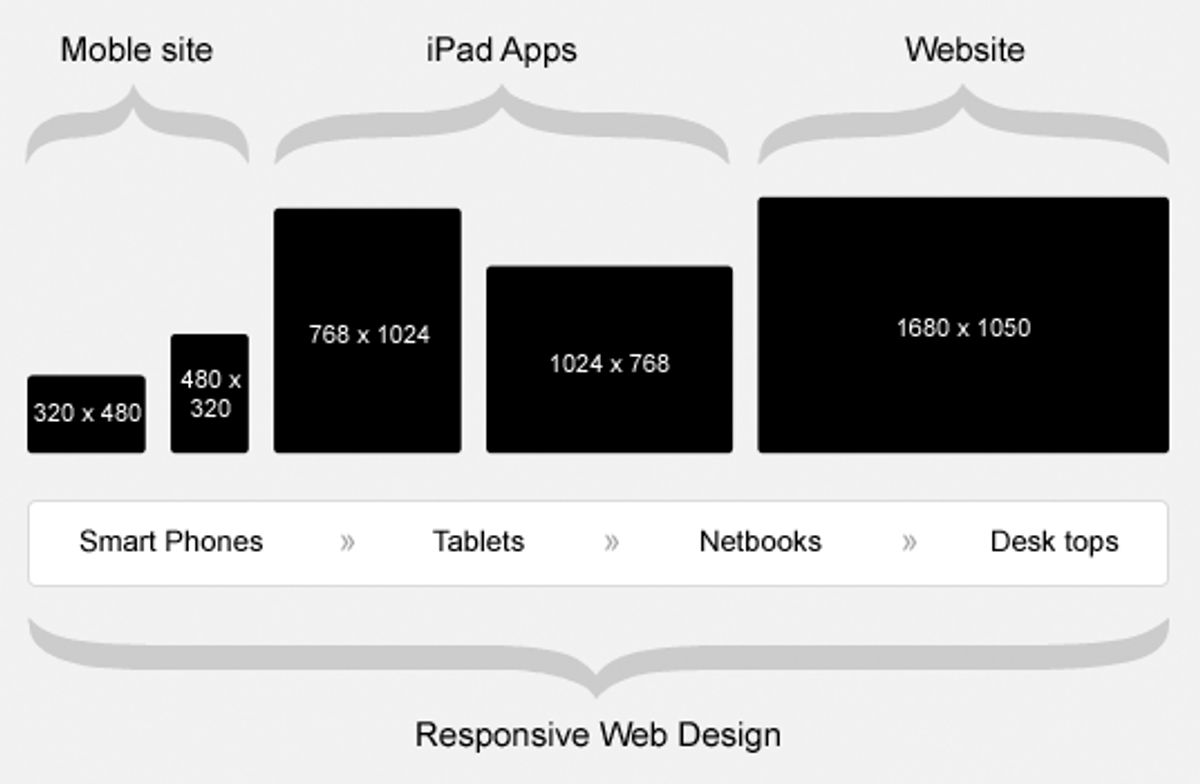
In today’s digital landscape, responsive design is not just a feature—it’s a necessity. With a multitude of devices, each with different screen sizes and resolutions, a website must seamlessly adapt to provide an optimal experience. Responsive design techniques ensure that your site automatically resizes and restructures its layout to fit the user’s device, whether it’s a desktop, tablet, or smartphone.
By focusing on flexibility and efficiency, responsive design enhances mobile usability, which is crucial as mobile traffic continues to surge. A site that performs well on all devices is more likely to retain visitors and keep them engaged.
To achieve this, it’s essential to prioritize key elements and optimize responsiveness for critical viewports, especially for mobile-first users. Here’s a simple checklist to guide you:
- Implement fluid grid layouts
- Use flexible images and media queries
- Ensure text is readable without zooming
- Provide accessible navigation
- Test on a variety of devices and browsers
Regular monitoring and testing of your site’s performance across these different platforms will help you maintain a consistent and engaging user experience. Remember, optimizing user experience with responsive design is not a one-time task but an ongoing effort that requires attention to detail and a willingness to adapt to new trends and technologies.
Accessibility and Inclusive Design
Creating an accessible and inclusive online environment is not just a regulatory requirement; it’s a moral imperative that enhances the user experience for everyone. Understanding user needs with empathy is the cornerstone of designing for accessibility. This involves more than just adhering to technical standards; it’s about embracing the diversity of human experience.
To ensure that websites are accessible to all, including people with disabilities, designers must prioritize accessibility from the outset. Following best practices and guidelines, such as the Web Content Accessibility Guidelines (WCAG), is essential. Here’s a simple checklist to get started:
- Ensure text alternatives are available for non-text content.
- Create content that can be presented in different ways without losing information.
- Make all functionality available from a keyboard.
- Provide users enough time to read and use content.
- Do not design content in a way that is known to cause seizures.
- Provide ways to help users navigate, find content, and determine where they are.
Balancing aesthetics with usability is crucial. A well-designed website should not only look good but also be operable, understandable, and robust for all users, regardless of their abilities.
By integrating these principles into the design process, we can create websites that are not only compliant but also welcoming and engaging for a diverse range of users. This approach leads to a more inclusive digital world, where everyone has equal access to information and services.
Iterative Design and Testing for Continuous Improvement
The iterative design process is fundamental to creating a user-centric website that not only meets but exceeds user expectations. This approach involves a cycle of designing, testing, evaluating, and refining the product. By continuously iterating on the design based on user feedback and testing results, we ensure that the website evolves with the users’ needs.
Iteration in UX refers to the cyclical and repetitive process of refining and improving design solutions based on feedback, testing, and evaluation.
A/B testing is a critical component of this process, allowing us to compare different design versions and determine which elements most effectively engage users. For instance, we might test variations in button color, page layouts, or form fields to identify what maximizes user interaction. The insights gained from these tests guide both quantitative and qualitative improvements.
To effectively balance manual and automated testing, we employ a strategy akin to the test pyramid:
- Unit Tests: Validate isolated functionalities.
- Integration Tests: Examine interactions between components.
- End-to-End Tests: Evaluate the complete user journey.
This structured approach ensures comprehensive coverage and high-quality user experiences across all touchpoints.
Leveraging Analytics for User-Centric Improvements
Using Analytics to Understand User Needs
Leveraging web analytics tools such as Google Analytics is crucial for tracking traffic sources, on-site behavior, and conversions. These tools provide a wealth of data that can be synthesized to reveal user needs, preferences, and pain points. By analyzing navigational, informational, and transactional data, we can gain insights into user goals and intent.
To effectively collect and interpret this data, consider the following steps:
- Identify key user engagement metrics.
- Utilize AI-powered analytics platforms for real-time insights.
- Record user sessions to understand the user journey.
- Employ heat mapping tools to visualize click patterns and engagement.
With the right analytics in place, teams can build what users truly want, leading to higher engagement and satisfaction. This targeted approach to website optimization focuses on iterative improvements that directly address user needs.
Ultimately, the goal is to guide the design process with data-driven decisions, ensuring a user-centric approach that resonates with your audience and fosters continuous improvement.
A/B Testing for Optimized User Experiences
A/B testing is a powerful strategy for optimizing user experiences on websites. By comparing two versions of a web element, designers can determine which one performs better in terms of user engagement and conversion rates. Testing different phrases or words on CTA buttons, for instance, can significantly impact user actions.
A/B testing not only confirms which elements are more effective but also provides insights into user preferences and behaviors. This data-driven approach ensures that design decisions are based on actual user responses rather than assumptions.
Incorporating A/B testing into the design process involves several steps:
- Identifying key elements to test, such as headlines, images, or navigation menus.
- Creating variations for each element.
- Running the tests with a segment of the website’s audience.
- Analyzing the results to understand which variation leads to better user engagement.
- Implementing the successful elements site-wide.
Ultimately, the goal is to create a more engaging and intuitive user experience that aligns with user needs and drives conversions.
Tracking and Measuring User Engagement
To truly understand the impact of a user-centric design, it’s essential to track and measure user engagement effectively. Identifying key user engagement metrics is the first step towards gaining actionable insights. These metrics should align with your product goals, whether they are acquisition, engagement, conversion, or retention. Common metrics include bounce rates, time on page, clicks, and conversion funnel drop-offs, while mobile metrics may track taps, swipes, session length, and crashes.
By leveraging analytics tools, you can reveal valuable insights into how visitors interact with your website. This data is crucial for making informed decisions that enhance the user experience.
For a comprehensive understanding, consider the following types of user behavior data:
- Navigational: How users find information or features, and the paths they take.
- Informational: What content users view, the time spent, and their comprehension.
- Transactional: Conversions, purchases, registrations, and downloads.
Analyzing this data not only reveals user goals, intent, and preferences but also highlights pain points on both micro and macro levels. With these insights, you can guide your design process to focus on iterative improvements that directly address user needs and preferences, ultimately driving more effective and efficient outcomes.
Maintaining a User-Centric Website Post-Launch

Regular Updates and Maintenance
Maintaining a user-centric website requires ongoing attention and refinement. Regular updates and maintenance are not just about fixing bugs; they’re about enhancing performance, ensuring security, and responding to user feedback. A proactive approach to website care is crucial for sustaining user trust and reliability.
- Weekly updates to core systems and plugins
- Daily security and performance scans
- Automated backups for data integrity
By consistently monitoring and updating your website, you can prevent many issues before they arise and keep your site running smoothly. This vigilance is key to providing a seamless user experience.
Post-launch monitoring and updates are essential for website maintenance, including security, performance, and user feedback. Proactive care ensures reliability and user trust.
Gathering Ongoing User Feedback
Maintaining a user-centric website requires continuous engagement with your audience to gather ongoing feedback. This iterative process is essential for understanding evolving user needs and enhancing the website experience.
Effective user testing involves developing test plans, recruiting participants, conducting tests, analyzing results, and implementing changes. Incorporating user feedback is crucial for continuous improvement and iteration in website design.
To ensure a comprehensive feedback loop, consider the following methods:
Online surveys and feedback forms
User satisfaction (CSAT) surveys
Net Promoter Scores (NPS)
Exit surveys for site visitors
These tools not only provide insights into user satisfaction but also reveal areas for potential enhancement. By prioritizing user feedback, you can adapt your website to meet user expectations and foster a more engaging user experience.
Adapting to Evolving User Expectations
In the dynamic world of web design, staying attuned to user expectations is crucial for maintaining a competitive edge. As users become more sophisticated, their expectations for intuitive, responsive, and personalized experiences grow. To keep up, websites must evolve continuously, ensuring that they not only meet but exceed user demands.
- Anticipate user needs: Stay ahead by predicting changes in user behavior and preferences.
- Adapt website design: Implement changes swiftly to align with new expectations.
- Prioritize user interaction: Focus on enhancing the quality of every user interaction.
- Embrace adaptable architectures: Build flexibility into your website to accommodate future changes with ease.
By fostering a culture of adaptability, businesses can pivot quickly in response to new trends, technologies, and user feedback, maintaining a user-centric approach that drives engagement and loyalty.
Regularly reviewing analytics, seeking user feedback, and testing new features are part of a proactive strategy to keep your website fresh and relevant. It’s not just about responding to changes—it’s about leading the way in creating innovative user experiences that set the standard for others to follow.
Ensuring your website remains user-centric after launch is crucial for ongoing success. At AM2, we specialize in WordPress Development, eCommerce solutions, and custom web design that keep your site at the forefront of digital innovation. Don’t let your website fall behind – visit our ‘Services‘ page to see how we can support and maintain your online presence, optimize performance, and conduct comprehensive website health audits. Partner with us for a stress-free, efficient process refined over 10 years and more than 700 successful projects. Take the first step towards a better digital future and contact us today!
Conclusion
In conclusion, a user-centric website design approach is pivotal for creating an engaging user experience that resonates with your audience. By prioritizing usability, accessibility, and satisfaction, organizations can craft digital platforms that not only meet but exceed user expectations. The insights shared in this article underscore the importance of understanding user behavior, leveraging analytics, and adopting a responsive, iterative design process. As we’ve explored, the transformative potential of UX design is immense, offering a pathway to improved engagement, higher conversion rates, and a stronger online presence. Whether you’re developing a non-profit website or a commercial platform, the principles of user-centric design remain universally applicable, guiding you towards a successful, impactful digital experience.
Frequently Asked Questions
What is User-Centric Design?
User-Centric Design is a design philosophy that places the user at the center of the design process, ensuring that the final product meets their needs, preferences, and behaviors. It involves considering the user’s experience at every stage of product development to create engaging and efficient user experiences.
Why is User-Centric Design important for engagement?
User-Centric Design is important for engagement because it creates products that are tailored to the user’s needs, resulting in a more intuitive and satisfying experience. This leads to increased user satisfaction, higher conversion rates, and greater user loyalty.
How can user feedback be incorporated into website design?
User feedback can be incorporated into website design through various methods such as surveys, user testing, feedback forms, and analytics. This information helps designers make informed decisions about feature improvements, usability enhancements, and content relevance.
What role does analytics play in User-Centric Design?
Analytics plays a crucial role in User-Centric Design by providing insights into user behavior, preferences, and pain points. This data guides design decisions, helps optimize user experiences, and allows for A/B testing to refine and improve the website continuously.
How does Responsive Design enhance user experience?
Responsive Design enhances user experience by ensuring that a website is accessible and functional across various devices and screen sizes. It provides a consistent experience for users whether they are on a desktop, tablet, or smartphone, improving usability and satisfaction.
What is the importance of post-launch monitoring in maintaining a User-Centric website?
Post-launch monitoring is important for maintaining a User-Centric website as it allows for the identification and quick resolution of any new issues that may arise. It ensures the website continues to meet user needs and adapts to evolving user expectations over time.