Building Engaging Content Strategy for Online Presence

In the digital age, having a robust online presence is crucial for businesses and individuals alike. An engaging content strategy is not just about creating content but ensuring that it resonates with the target audience, leverages multimedia to maximize engagement, and is optimized for search engines. Analytics play a vital role in measuring success and guiding content adaptation. Integrating social media effectively can amplify reach and foster community, while post-launch monitoring ensures that the digital footprint remains strong and positive. This article will explore the key components of building an engaging content strategy to enhance your online presence.
Key Takeaways
- A successful content strategy must be audience-centric, addressing the specific needs and interests of the target demographic.
- Consistent posting and the use of a content calendar are essential for building trust and maintaining a steady online presence.
- Multimedia integration, including visuals, videos, podcasts, and interactive content, can significantly increase user engagement.
- SEO optimization and the use of analytics are crucial for ensuring content visibility and facilitating continuous improvement.
- Social media integration and community engagement are powerful tools for expanding reach and creating meaningful interactions.
Crafting a Content Strategy That Resonates

Identifying Your Target Audience
Understanding who your audience is and what they need is the cornerstone of a successful content strategy. Identifying your target audience is not just about demographics; it’s about finding the intersection of your audience’s desires and your brand’s value proposition. To do this effectively, consider the following steps:
- Conduct audience research to gather insights.
- Analyze your current customer base and their behavior.
- Utilize social media analytics to understand interests and trends.
- Create buyer personas that represent your ideal customers.
- Regularly review and adapt your strategy based on audience feedback and analytics.
Crafting content that resonates with your audience requires a deep understanding of their challenges and aspirations. By tailoring your content to meet their specific needs, you can create a more engaging and effective online presence.
Remember, the goal is to create content that not only attracts but also retains your audience. This involves a continuous process of learning and adapting. Stay abreast of changes in your audience’s behavior and preferences to ensure your content remains relevant and impactful.
Developing a Unique Brand Voice
Developing a unique brand voice is essential for differentiating your company in a crowded marketplace. It’s not just about the words you choose; it’s about finding the tone that resonates with your audience and embodies your brand’s personality. Start by defining your brand’s mission and values, as they are the foundation of your voice.
A content audit can reveal insights into what works and what doesn’t, helping to refine your voice further.
Leverage buyer personas to tailor your brand voice to the specific needs and preferences of your target audience. This approach ensures that your content speaks directly to those you aim to engage.
Here’s a step-by-step guide to developing your brand voice:
- Define your brand personality
- Define your brand’s mission and values
- Conduct a content audit
- Leverage buyer personas to tailor your brand voice
Remember, consistency across all platforms is key to reinforcing your brand voice and building a strong, recognizable presence.
Creating a Content Calendar for Consistency
A content calendar is a strategic tool that helps organize and schedule your content effectively. It ensures that you maintain a steady stream of quality content that resonates with your audience. By planning ahead, you can align your content with key dates, events, and product launches, providing a cohesive narrative for your brand.
Consistency in posting is crucial for building trust with your audience. A well-maintained content calendar keeps you accountable and helps avoid last-minute scrambles for content ideas.
Here’s a simple structure for a basic content calendar:
- Monday: Blog Post – ‘Industry Insights’
- Wednesday: Social Media Update – ‘Midweek Motivation’
- Friday: Newsletter – ‘Weekly Wrap-up’
Remember, the goal is to post consistently on each social channel and across your content platforms. A social media content planner can be a valuable asset in managing this process. Tailor your calendar to the rhythm of your audience’s engagement and be prepared to adapt as necessary.
Maximizing Online Engagement Through Multimedia

Incorporating Visuals and Videos
In the digital age, visuals and videos are indispensable tools for capturing the attention of your audience. With the majority of online users preferring to consume content through visual mediums, integrating these elements into your content strategy is not just beneficial, it’s essential. Videos, being the powerhouse of engagement, can convey complex messages succinctly and evoke emotional responses that text alone cannot achieve.
To maximize engagement with visuals and multimedia, it’s crucial to balance quality with accessibility. High-resolution images and HD videos can enhance your brand’s perceived value, but they should not come at the cost of slow loading times which can deter users. Here’s a simple checklist to ensure your visual content is both impactful and user-friendly:
- Use image and video compression tools to reduce file sizes without compromising quality.
- Implement responsive design so content looks great on all devices.
- Test loading times regularly and optimize for faster performance.
- Establish a consistent brand voice across all visual content for a recognizable online presence.
By strategically using visuals and videos, you can create a more immersive and interactive experience for your audience. This approach not only supports the narrative of your content but also encourages users to spend more time engaging with your brand.
Leveraging Podcasts and Webinars
Podcasts and webinars are powerful tools for deepening audience engagement and establishing authority in your field. Create podcasts that explore niche topics or interview industry leaders to captivate listeners with your brand’s unique perspective. Hosting webinars allows for real-time interaction, making them perfect for in-depth discussions, training, or showcasing new products.
By offering gated content such as exclusive webinars or downloadable resources, you can convert listeners into leads while providing immense value.
Incorporate these multimedia elements into your content strategy to diversify your outreach and provide a mix of educational and entertaining resources. Remember, consistency is key; plan and schedule these activities to maintain a steady stream of content.
- Audio storytelling and expert interviews
- Live Q&A sessions during webinars
- Gated content for lead generation
- Consistent scheduling for ongoing engagement
Interactive Content: Quizzes and Polls
Interactive content like quizzes and polls not only adds a layer of engagement to your platform but also provides valuable insights into your audience’s preferences and behaviors. Crafting quizzes that captivate your audience requires a strategic mix of question types and topics that resonate with their interests.
To ensure your quizzes are effective, consider the following points:
Tailor questions to reflect your brand and the information you wish to gather.
Keep the quiz length manageable to maintain user interest.
Offer incentives for completion, such as discounts or access to exclusive content.
Incorporating a variety of question types can keep participants intrigued and more likely to complete the quiz. Here’s a simple breakdown of question types you might include:
- Multiple-choice: Offers a set of predefined answers.
- True or false: A quick way to engage users with straightforward questions.
- Fill in the blanks: Encourages active recall, which can be more memorable.
Remember, the goal is to create an enjoyable experience that encourages users to share their results and return for more.
SEO and Analytics: Measuring Success
Optimizing Content for Search Engines
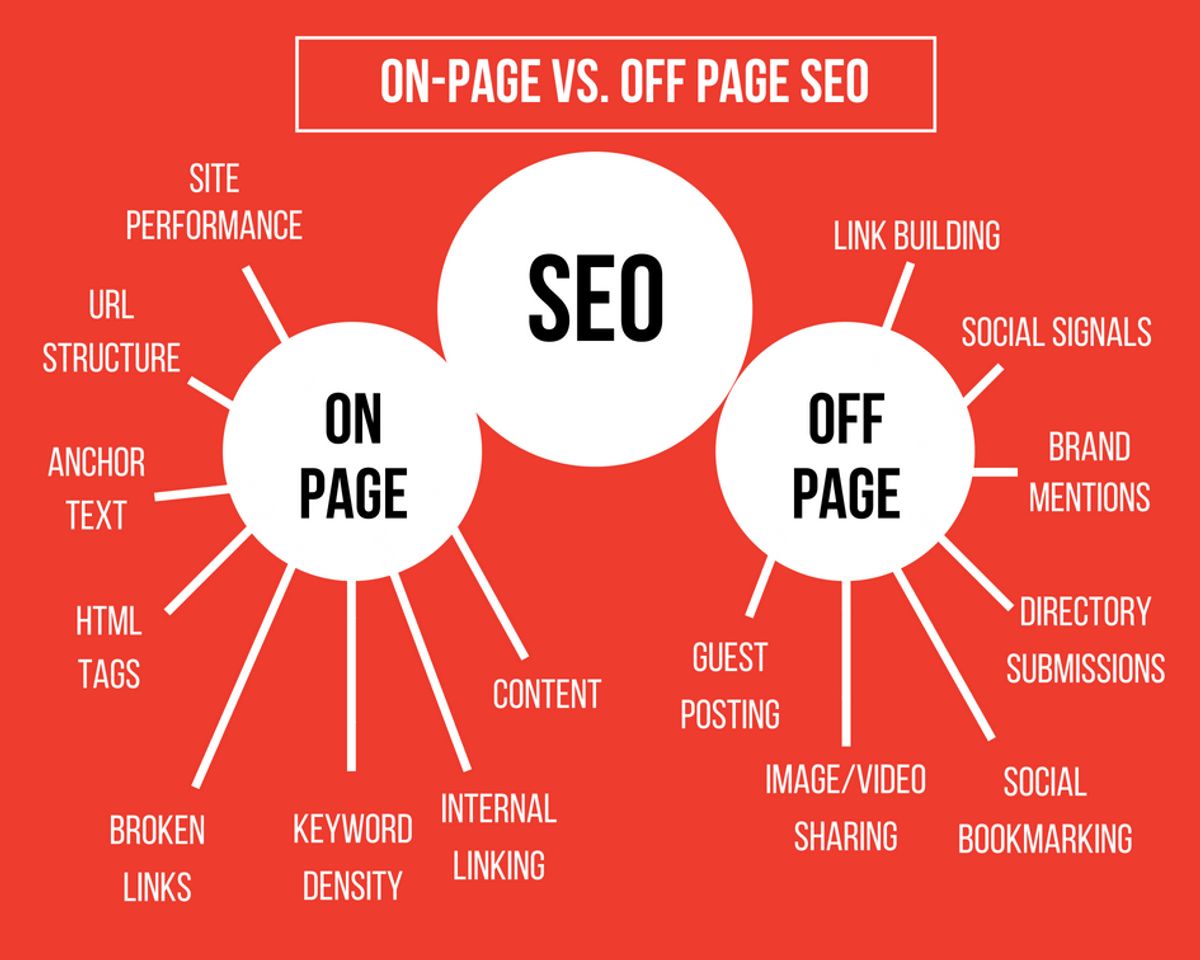
To ensure your content reaches the widest audience, optimizing for search engines is a must. This involves a multifaceted approach, starting with keyword research to understand what your audience is searching for. Once you’ve identified key terms, incorporate them naturally into your content, titles, and meta descriptions.
Effective SEO also includes technical aspects, such as improving site speed, ensuring mobile-friendliness, and securing your site with HTTPS. Remember to utilize analytics to track your content’s performance and make data-driven decisions to refine your strategy for better audience resonance.
Consistency in posting and updating content is also crucial for SEO. Search engines favor websites that are active and provide fresh content regularly.
Lastly, engage with your community through comments and social media to build relationships and encourage sharing, which can further boost your online visibility.
Utilizing Analytics for Content Adaptation
In the digital landscape, analytics tools are indispensable for adapting content to meet the evolving needs of your audience. By analyzing user data and metrics, you can gain insights into what resonates with your visitors and refine your content strategy accordingly.
For instance, consider the following steps to leverage analytics for content adaptation:
- Set clear objectives for what you want to achieve with your content.
- Select the right analytics tools that align with your goals.
- Analyze keywords and topics that are trending within your target audience.
- Conduct regular website audits to evaluate performance and user engagement.
- Review and assess the quality and relevance of your backlinks.
- Monitor performance metrics to track the success of your content.
By consistently engaging with your audience through interactive content and social media strategies, you can boost the vitality of your brand and ensure your content remains fresh and relevant.
Optimizing content for online success is not a one-time task but a continuous process that involves incorporating SEO best practices and staying ahead of trends. Analytics provide the roadmap for ongoing improvement and adaptation, ensuring that your online presence is dynamic and impactful.
Staying Ahead with Trend Analysis
In the ever-evolving landscape of online content, staying ahead of trends is not just beneficial; it’s imperative for maintaining a competitive edge. Trend analysis allows you to anticipate shifts in consumer behavior and adapt your content strategy accordingly. By analyzing data from various sources, you can identify emerging patterns that signal new opportunities or potential threats to your online presence.
To remain relevant, it’s essential to engage the audience through user-generated content, adapt to digital trends, and monitor performance metrics. This proactive approach aligns your content strategy with the ever-changing social media algorithms and consumer preferences.
Regularly reviewing performance metrics provides insights into what content resonates with your audience and what doesn’t. This data-driven strategy ensures that your content remains fresh, relevant, and engaging. Here’s a simple framework to incorporate trend analysis into your content strategy:
- Monitor industry news and social media for emerging trends.
- Analyze your own content performance metrics for patterns.
- Adapt your content plan based on these insights.
- Engage with your community to encourage feedback and participation.
- Reassess and refine your strategy regularly to stay ahead.
Integrating Social Media into Your Content Strategy

Choosing the Right Platforms for Your Brand
Selecting the appropriate social media platforms is crucial for amplifying your brand’s voice and reaching the intended audience. Each platform has its unique culture and user expectations, which means your content strategy must be tailored accordingly. For instance, Instagram Stories may be ideal for quick, visual updates, while LinkedIn is better suited for in-depth, professional content.
A successful content strategy evolves with audience needs, involves content ideation and creation, platform-specific tailoring, and multimedia engagement for optimal online presence.
Consistency is key to building trust with your audience. Regular posting schedules and integrating multimedia such as visuals and videos can significantly boost engagement. It’s also important to stay adaptable, keeping up with the latest trends and tools to ensure your content remains relevant and engaging. Below is a list of considerations when choosing platforms:
- Understand the demographic and behavior of users on each platform.
- Align platform strengths with your brand’s content types (e.g., videos, blogs, podcasts).
- Evaluate the level of engagement and community interaction each platform offers.
- Consider the SEO benefits and visibility each platform can provide.
By carefully analyzing these factors, you can create a robust online presence that resonates with your audience and strengthens your brand.
Building Community Through Engagement
Engagement on social media is not just about sharing content; it’s about fostering a community that actively participates and connects with your brand. By encouraging dialogue and interaction, you create a space where relationships can flourish. This is where your audience feels heard and valued, leading to a deeper brand loyalty.
Engagement is a two-way street. It’s about creating opportunities for your audience to interact with your brand and with each other. This approach not only humanizes your brand but also provides valuable insights into your audience’s preferences and needs.
To effectively build a community, consider these steps:
- Initiate conversations with thought-provoking questions or topics.
- Respond promptly to comments, messages, and mentions.
- Host live sessions to connect in real-time and add a personal touch.
- Create contests and polls to encourage participation and gather feedback.
Remember, engagement builds relationships. We use social media to learn from our customers and community about how we can improve their experience. By maintaining a routine of engaging with the community through contests, polls, and live sessions, and monitoring trends and feedback, you ensure a relevant and vibrant online presence.
Social Media Campaigns and Their Impact
Social media campaigns are pivotal in amplifying your brand’s online presence and can lead to significant increases in brand awareness and loyalty. Utilize predictive analytics to refine your content strategy, collect data, and identify trends that resonate with your audience. Testing different ideas and engaging with users on various platforms can yield effective results.
Social media platforms offer businesses a unique opportunity to expand their reach and establish a strong brand presence. Crafting campaigns that captivate and involve your audience can transform passive followers into active brand advocates.
Creating a diverse array of content tailored to the platform can enhance engagement. For instance, Instagram Stories may require a different approach compared to LinkedIn posts. Monitoring the performance of these campaigns is crucial to understand their impact and to make data-driven decisions for future strategies.
- Identify the campaign goals
- Develop creative and relevant content
- Choose the right platforms for your target audience
- Engage with the community and encourage participation
- Analyze the results and adapt accordingly
Post-Launch: Monitoring and Maintaining Online Presence

Website Health Audits for Improved Performance
Regular website health audits are essential to ensure your online presence remains robust and efficient. These audits encompass a variety of checks, from performance analysis to security assessments, all aimed at enhancing the user experience and maintaining high search engine rankings.
- Performance: Identify slow-loading pages and optimize them for faster access.
- Security: Check for vulnerabilities and apply necessary updates.
- SEO: Ensure your content is optimized for search engines to improve visibility.
- Usability: Evaluate the ease of navigation and accessibility across devices.
By conducting these audits, you can pinpoint areas that need improvement, which can lead to better engagement and conversion rates. Remember, a healthy website not only supports your business goals but also builds trust with your audience.
Incorporating these practices into your routine can significantly impact your site’s effectiveness. Utilize social media effectively for brand expansion through engaging content and community building, complementing the solid foundation provided by a well-maintained website.
Support and Maintenance Best Practices
To ensure the longevity and health of your online presence, regular maintenance and support are non-negotiable. A well-maintained website not only provides a secure and efficient user experience but also supports your SEO efforts and online reputation.
- Weekly updates of core systems and plugins to mitigate security risks.
- Daily security scans to detect and address vulnerabilities promptly.
- Automated backups to safeguard your data against unexpected events.
Consistently monitoring the performance of your website is crucial in order to proactively discover any potential issues that may impact the user experience.
By adopting a proactive approach to maintenance, you can preemptively address issues before they escalate. This includes optimizing images to improve load times, implementing caching for better performance, and minifying scripts to streamline the user experience. Additionally, regular health audits can reveal opportunities for improvement, ensuring that your website remains an effective tool for engaging with your audience.
Quality Assurance and Post-Launch Monitoring
After the excitement of launching your online presence, the journey doesn’t end; it evolves into a phase of vigilant monitoring and quality assurance. This involves a meticulous process of post-launch checks to ensure that your website or digital platform operates flawlessly. Regular performance checks are crucial, as they not only enhance user experience but also contribute to better search engine rankings.
The final step before launch is crucial, but it’s the ongoing vigilance post-launch that truly determines the longevity and success of your online presence.
Automated backups and security checks should be part of your routine to safeguard against data loss and malicious attacks. It’s also essential to keep your website’s core and plugins updated to prevent vulnerabilities. Here’s a quick checklist to help you stay on top of post-launch maintenance:
- Uptime monitoring with automated alerts
- Daily security scans for malware
- Frequent updates of core and plugins
- SEO monitoring and regular keyword ranking reports
Remember, post-launch monitoring is not just about fixing bugs; it’s about proactively improving and adapting your content strategy based on user feedback and analytics. This continuous improvement cycle is what keeps your online presence relevant and engaging.
Launching your website is just the beginning of your digital journey. To ensure your online presence remains strong and effective, it’s crucial to monitor performance and maintain your site regularly. At [Our Services], we specialize in WordPress Development, eCommerce solutions, and providing a comprehensive website health audit to keep your site running at peak performance. Don’t let your website fall behind – visit us now for a consultation and let’s keep your digital presence thriving!
Conclusion
In the dynamic landscape of online content, building an engaging content strategy is essential for establishing a strong digital presence. Throughout this article, we’ve explored various facets of content creation, from understanding the importance of audience-centric approaches to the integration of multimedia and SEO optimization. Consistency in posting, compelling storytelling, and social media engagement are key to fostering trust and interaction with your audience. Moreover, regular analytics and adaptation ensure that your strategy remains effective and relevant. Remember, the goal is to create narratives that resonate, provide value, and elicit a human response, ultimately leading to a loyal community around your brand. Whether you’re crafting blogs, videos, or podcasts, the essence lies in quality and adaptability. Embrace the evolving digital trends and tools, and consider partnering with content creation agencies to enhance your capabilities. By doing so, you’ll not only boost your online presence but also drive meaningful engagement and growth for your business.
Frequently Asked Questions
How do I identify my target audience for content strategy?
Identify your target audience by analyzing your product or service and determining who would benefit most from it. Research demographic data, conduct surveys, and analyze social media trends to understand their preferences and behaviors.
What are the best practices for developing a unique brand voice?
Develop a unique brand voice by understanding your brand’s core values and personality. Create a brand voice chart that outlines how your brand communicates, including tone, language, and purpose. Be consistent across all content to establish recognition.
Why is a content calendar important for online engagement?
A content calendar is important for maintaining consistency, ensuring timely publication of content, aligning with marketing campaigns, and keeping the content creation process organized. It helps in planning and tracking content across all platforms.
How can multimedia elements enhance online engagement?
Multimedia elements like visuals, videos, podcasts, and interactive content such as quizzes and polls can enhance engagement by catering to different user preferences, increasing time spent on site, and encouraging interactions.
What role does SEO play in a content strategy?
SEO is crucial in content strategy as it helps in improving the visibility of your content on search engines, driving organic traffic, and ensuring your content reaches the right audience. It involves using targeted keywords, optimizing meta tags, and creating quality content.
How can social media be effectively integrated into a content strategy?
Social media can be integrated into a content strategy by choosing the right platforms for your audience, creating platform-specific content, engaging with followers, and using social media analytics to measure and adapt your strategy for better performance.