Building Engaging Content Strategy for Online Presence

In the digital age, a robust online presence is vital for businesses looking to engage and expand their audience. An effective content strategy serves as the backbone of this presence, ensuring that every piece of content is purposeful and contributes to the brand’s overall goals. This article explores the essential steps for building an engaging content strategy that not only captures attention but also fosters a loyal community around your brand.
Key Takeaways
- A comprehensive content strategy must be audience-focused, consistently executed, and enriched with multimedia to enhance engagement.
- Optimizing user experience and SEO through regular website audits, on-site SEO best practices, and site performance improvements is crucial for visibility.
- The design and development phase should prioritize aesthetic appeal, functionality, and rigorous quality assurance before website launch.
- Post-launch success hinges on monitoring feedback, performing regular updates and maintenance, and using analytics for ongoing refinement.
- Showcasing case studies with unique challenges, measurable results, and client testimonials can significantly boost credibility and showcase success.
Crafting a Comprehensive Content Strategy

Identifying Your Audience and Their Needs
To build a successful online presence, understanding your audience is the foundation of a content strategy that resonates and engages. Market research and social media insights offer a wealth of data to pinpoint what your audience is drawn to, from topics to content types, and their preferred digital hangouts. Tailoring your content to these preferences ensures it aligns with their interests and needs, fostering a connection that is both meaningful and impactful.
Knowing your audience’s demographics—age, gender, location, occupation, and income level—is essential. This information shapes the content you create, making it more relevant and personal to those you aim to reach.
Here’s a simple list to help you start identifying your audience:
- Utilize analytics tools to understand content preferences
- Define clear goals for audience growth
- Conduct user surveys to uncover pain points
- Engage with influencers to learn from their strategies
Remember, a well-defined target audience is the cornerstone of any content strategy. As highlighted by Sprout Social, reaching your target audience effectively involves learning from real-world examples and adapting successful brand strategies to your own context.
Developing a Content Calendar for Consistency
A well-structured content calendar is crucial for maintaining a consistent online presence. It serves as a roadmap for what content to post, when to post it, and where it should be shared. By planning ahead, you can ensure that your content aligns with key dates, events, and product launches, keeping your audience engaged and informed.
To stay organized and consistent, start by mapping out your content themes and types across different time periods. This approach allows for a balanced mix of content that caters to various audience interests.
Creating a content calendar involves several steps:
- Define your content goals and KPIs.
- Identify key dates and events relevant to your audience.
- Plan content themes and types for each period.
- Assign tasks and deadlines to team members.
- Review and adjust the calendar regularly to reflect changes in strategy or audience feedback.
Remember, a content calendar can help you streamline content across all channels. It’s not just about what you post, but also about creating the highest-quality content and scheduling it at the optimal time for maximum impact.
Leveraging Multimedia for Enhanced Engagement
In today’s digital landscape, multimedia is a cornerstone of user engagement. High-quality images, videos, and interactive elements are not just embellishments; they are essential tools for capturing and retaining user attention. To truly engage your audience, consider the following points:
- Embrace Video Content: Video has become a dominant force in online engagement. From live streams to tutorials, videos offer a dynamic way to present information and showcase your brand’s personality.
- High-Quality Visuals: Use crisp images and infographics to convey your message visually and enhance the aesthetic appeal of your content.
- Interactive Elements: Experiment with quizzes, polls, and contests to make your content more engaging and encourage user participation.
By integrating a variety of multimedia formats, you can create a richer, more immersive experience for your audience. This not only boosts engagement but also aids in conveying complex information in an easily digestible manner.
Remember, the goal is to create content that resonates with your audience and encourages them to interact with your brand. Continuous testing and iteration are key to refining your multimedia strategy and ensuring that it aligns with your audience’s preferences and behaviors.
Optimizing for User Experience and SEO
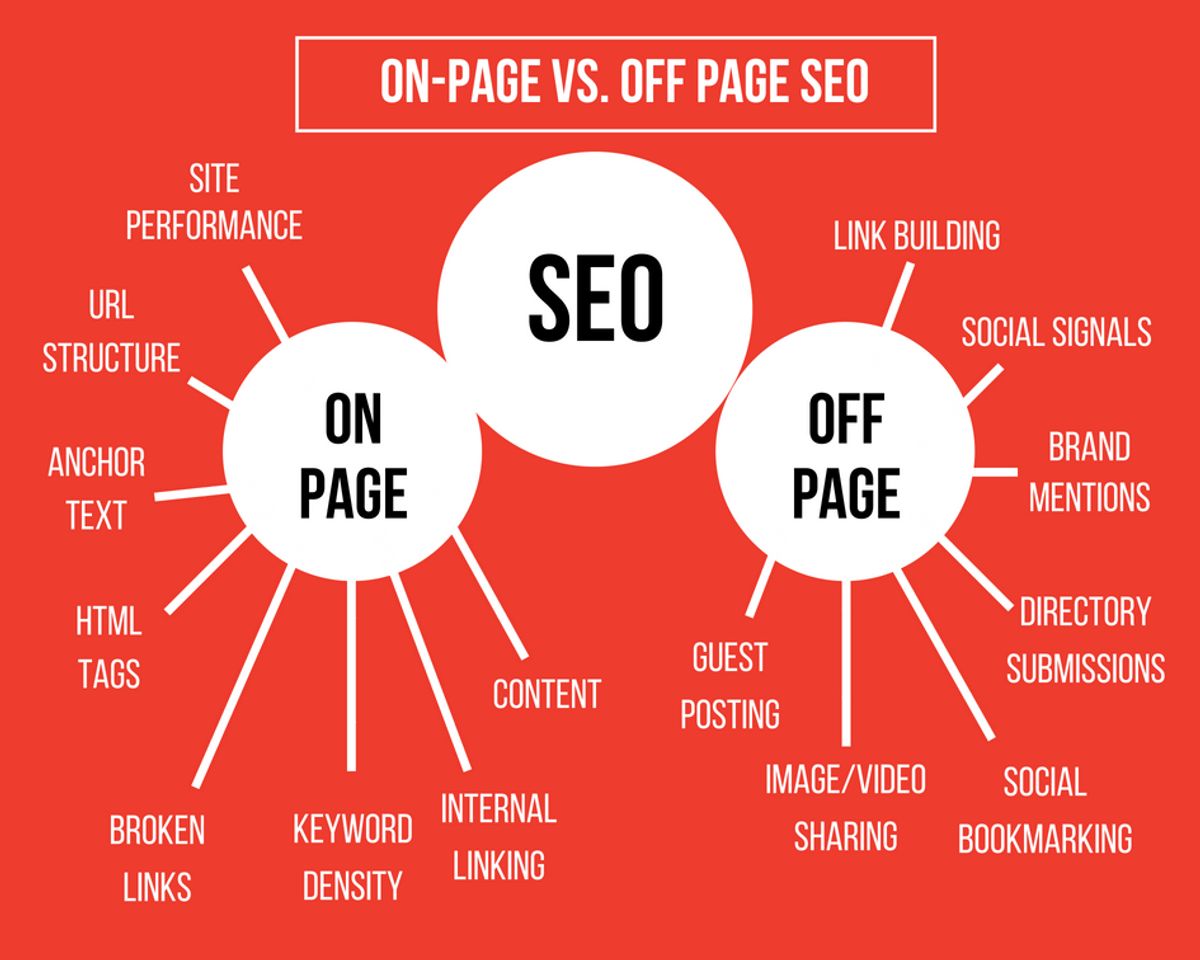
Conducting Thorough Website Health Audits
A comprehensive website health audit is a critical step in ensuring your online presence is both effective and secure. By systematically evaluating various aspects of your site, you can uncover issues that may be hindering user experience or search engine performance.
The audit process should be thorough, covering key areas such as performance, security, and SEO. It’s not just about finding problems, but also about providing actionable solutions.
Here’s a basic checklist to guide your audit:
- Review site performance metrics for speed and responsiveness.
- Ensure all security measures are up to date, including SSL certificates.
- Check for broken links and correct HTML/CSS errors.
- Analyze on-site SEO elements like meta tags and keyword optimization.
- Assess mobile responsiveness and cross-browser compatibility.
By addressing these areas, you can improve site performance and user experience, which are essential for a strong online presence. Remember, a healthy website not only attracts more visitors but also retains them, leading to increased engagement and conversions.
Implementing On-Site SEO Best Practices
To ensure your online presence is both visible and engaging, implementing on-site SEO best practices is essential. Begin by optimizing your page profiles; a task often overlooked but crucial for driving traffic. Ensure your bio sections are complete, links to your site are included, and that your visuals are appealing.
Creating a user-centric web experience involves a series of steps:
- Optimize for mobile to cater to the growing number of smartphone users.
- Focus on navigation and structure for a seamless user journey.
- Compress and optimize images to improve site speed without sacrificing quality.
- Implement caching to enhance performance and user experience.
- Minify scripts to reduce load times.
- Use external scripts sparingly to maintain optimal site performance.
By adhering to these practices, you not only improve the user experience but also boost your site’s SEO, making it more likely to rank higher in search results.
Regularly conducting website health audits and optimizing for performance are also key components of a robust SEO strategy. This includes checking for mobile responsiveness, site speed, and image optimization. Remember, a fast-loading site can significantly increase user satisfaction and conversion rates.
Enhancing Site Performance and Security
To ensure a seamless user experience, optimizing site performance is crucial. Users expect rapid loading times and smooth interactions. Compressing images, implementing caching, and minimizing heavy scripts can significantly boost speed and reduce bounce rates. Mobile responsiveness is also essential, as a growing number of users access the web via smartphones.
Security is equally important. Regular updates, security scans, and backups are vital to safeguard against threats. A secure site fosters trust and protects both user data and business reputation.
Here are some key steps to enhance your website’s performance and security:
- Optimize images to maintain quality while improving load times.
- Implement caching to save server resources and enhance user experience.
- Minify CSS and JavaScript to reduce file sizes and HTTP requests.
- Keep external script usage to a minimum to decrease load on third-party services.
- Regularly update WordPress core and plugins to patch vulnerabilities.
By focusing on these areas, you can improve not only the user experience but also your site’s SEO, leading to better visibility and potentially higher conversion rates.
Maximizing Impact with Design and Development

Embracing Aesthetic and Functional Design
In the realm of online presence, visual aesthetics and functionality are not mutually exclusive; they are the pillars upon which user engagement is built. Ease of use is paramount, as it prioritizes simplicity in UI design, reducing cognitive load and enhancing navigation. This approach aligns with the principles of User-Centered Design, which places the needs and preferences of the target audience at the forefront, ensuring the design is both appealing and functional.
Visual appeal significantly impacts user engagement. A cohesive visual design strategy, incorporating elements like color schemes, typography, and animations, can evoke positive emotions and foster a connection with the audience. Emotional design goes beyond mere aesthetics, aiming to create an experience that resonates on a deeper level with users.
The synergy between aesthetic appeal and functional design is the cornerstone of a successful online platform. It is not just about looking good but also about delivering a seamless and enjoyable user experience.
To illustrate the balance between aesthetics and functionality, consider the following aspects of design:
- User Interface (UI): Focuses on the visual and interactive elements of a product, aiming to create an intuitive and visually pleasing interface.
- User Experience (UX): Concerns the overall journey and satisfaction of the user, striving to create a seamless experience.
A well-executed design strategy can transform a website from a mere digital space into a compelling story that engages and retains users. It is a critical component in building an online presence that not only attracts but also delights and converts visitors into loyal customers.
Streamlining the Development Process
In the realm of web development, efficiency and clarity are paramount. Streamlining the development process is not just about speed; it’s about creating a workflow that is both agile and predictable. By adopting a phased approach, teams can ensure that each stage of development is given the attention it deserves, while also maintaining momentum.
A streamlined process often follows a sequence of stages, such as defining the project, planning, designing, content creation, development, testing, and maintenance. This structure helps in managing tasks and resources effectively.
For instance, a typical workflow might include:
- Define Your Project: Establish clear goals and objectives.
- Plan Your Website: Outline the scope and create a timeline.
- Design Your Website: Focus on UX/UI for optimal user engagement.
- Create Content: Develop relevant and compelling content.
- Develop Your Website: Code and build the website’s functionality.
- Test Your Website: Conduct thorough testing to ensure quality.
- Maintain Your Website: Provide ongoing support and updates.
By adhering to these steps, developers can minimize confusion and delays, leading to a product that not only meets but exceeds user expectations. It’s about delivering top-quality products in a seamless and enjoyable process, with good communication and transparency guiding clients every step of the way.
Ensuring Quality Assurance Pre-Launch
The final step before your website goes live is a rigorous quality assurance (QA) process. This phase is crucial to identify and rectify any potential issues that could impact user experience or functionality. A strategic design approach not only focuses on aesthetics but also on the seamless integration of user feedback and brand storytelling. By conducting continuous testing and iteration, developers can proactively prevent issues, ensuring a smooth launch.
Quality assurance is a critical phase of content review and encompasses thorough proofreading of all website content. This step ensures precision and consistency across your online presence.
To guarantee a successful pre-launch QA, consider the following checklist:
- Prototyping and usability testing to refine user interactions.
- Accessibility checks to ensure inclusivity for all users.
- Performance evaluations to optimize loading times and responsiveness.
- Security audits to safeguard against vulnerabilities.
Remember, engaging visuals and content are key to retaining user attention post-launch. However, without a solid foundation of quality assurance, even the most captivating designs can falter. By dedicating time to QA, you lay the groundwork for a reliable and professional online presence.
Post-Launch Strategies for Continued Success
Monitoring and Responding to Post-Launch Feedback
Once your content strategy is in motion and your online presence is established, monitoring and responding to feedback becomes crucial. This phase is about being attentive to your audience’s reactions and adapting accordingly. Engage with your followers by responding to comments, messages, and mentions promptly. This not only shows that you value their input but also helps in building a strong community around your brand.
Regularly reviewing your social media activity is essential. Pay attention to which posts resonate with your audience and adjust your strategy to amplify successful content.
Use analytics tools to track performance across platforms. Key metrics such as engagement, reach, and conversion rates will guide your ongoing strategy. This data-driven approach ensures that your content remains relevant and impactful. Remember, the goal is to foster a two-way conversation, turning users into loyal advocates for your brand.
Regular Updates and Maintenance for Peak Performance
To maintain a website’s peak performance, regular updates and maintenance are crucial. This not only ensures that the site remains secure and functional but also that it continues to meet the evolving needs of users and search engines. A well-maintained website reflects your commitment to quality and can significantly impact user experience and trust.
Regular maintenance tasks include checking for updates, optimizing images, and implementing caching. These actions help to keep the website running smoothly and efficiently, reducing the risk of downtime or security breaches.
Here are 8 essential maintenance tasks to keep your website in top condition:
- Regularly Check for Updates: Keep plugins and themes up to date to avoid security vulnerabilities.
- Optimize Images: Compress images to improve load times without sacrificing quality.
- Implement Caching: Use caching to decrease page load times and enhance user experience.
- Minify Scripts: Reduce the size of CSS and JavaScript files to speed up website performance.
- Monitor Security: Perform regular security scans to identify and fix potential threats.
- Backup Regularly: Ensure you have a recent backup to recover from any unforeseen issues.
- Review Performance: Analyze website speed and make necessary adjustments for optimization.
- Engage in SEO: Continuously refine your SEO strategy to maintain and improve search rankings.
By adhering to these practices, you can provide a seamless and enjoyable experience for your visitors, which is essential for retaining customers and achieving long-term success online.
Utilizing Analytics for Ongoing Improvement
In the digital age, analytics play a pivotal role in shaping and refining your content strategy. By tracking key performance indicators (KPIs), you can gain valuable insights into user behavior and content effectiveness. This data-driven approach allows for the optimization of your online presence, ensuring that your content resonates with your audience and achieves desired outcomes.
Analytics can help you personalize content experiences for your audience, leading to improved engagement and conversions.
To effectively utilize analytics, consider the following steps:
- Implement tracking tools to monitor user interactions and conversions.
- Analyze the data to identify trends and patterns in user behavior.
- Use these insights to inform content creation and distribution strategies.
- Continuously measure the impact of changes and adapt your strategy accordingly.
By embracing analytics, you can create a cycle of continuous improvement, where each iteration of your content is more engaging and effective than the last.
Showcasing Success Through Case Studies

Highlighting Unique Project Challenges and Solutions
Every project comes with its own set of unique challenges, requiring tailored solutions that not only address the immediate issues but also pave the way for future success. Understanding the intricacies of each project is crucial in crafting a strategy that resonates with the target audience and meets business objectives. For instance, the development of a new website for a leading Magento eCommerce agency in Europe necessitated a fresh UX/UI strategy to enhance user engagement and drive conversions.
The key to success lies in the meticulous planning and execution of a project-specific strategy that aligns with the client’s vision and market demands.
A comprehensive approach often involves multiple facets such as design, development, and post-launch support. Below is a list of common project challenges and the bespoke solutions that have been successfully implemented:
- Customizing design to reflect brand identity
- Optimizing website performance for faster load times
- Ensuring mobile responsiveness to cater to a growing mobile audience
- Implementing robust security measures to protect against cyber threats
- Providing ongoing maintenance and updates to keep the website current
Each solution is a testament to the adaptability and problem-solving skills required to deliver top-quality products in a seamless and enjoyable process.
Demonstrating Measurable Results and Client Satisfaction
In the realm of content strategy, client satisfaction and measurable results stand as the twin pillars of success. To illustrate this, consider the case of a social media campaign where the goal was to increase direct messages (DMs). The campaign’s success was quantifiable; a rise from 30 to 50 DMs marked a clear victory. Similarly, for a website redesign, key performance indicators (KPIs) like follower growth, referral traffic, conversions, and engagement rates provide tangible evidence of improvement.
By segmenting data and analyzing customer satisfaction scores, we gain deeper insights into user experiences and can tailor strategies for even greater impact.
Case studies serve as powerful testimonials, showcasing the challenges faced and the strategic solutions implemented. For instance, a project that enhances a website’s user experience not only meets immediate goals but also sets the stage for long-term growth and client retention. Below is a snapshot of results from various projects:
| Project | Improvement | Client Feedback |
|---|---|---|
| Social Media Campaign | 66% increase in DMs | Positive user engagement |
| Website Redesign | 20% growth in traffic | Enhanced user satisfaction |
These outcomes not only validate the effectiveness of the strategies employed but also reinforce the credibility of the services provided, encouraging potential clients to embark on their own journeys of digital transformation.
Leveraging Testimonials and Reviews for Credibility
In the digital age, testimonials and reviews are the lifeblood of credibility. They serve as a powerful tool for potential customers to gauge the trustworthiness and quality of your services. A well-structured testimonials page can significantly influence buying decisions.
When incorporating testimonials into your content strategy, focus on authenticity and relevance. Highlight stories that resonate with your audience’s challenges and aspirations.
Consider creating a dedicated section on your website for customer feedback. Here’s an example of how to structure such information:
- Client Name: Insight into the client’s industry or background
- Project Description: Brief overview of the services provided
- Outcome: Key results or benefits experienced by the client
This format not only showcases your work but also demonstrates the tangible impact of your services. Remember, a single genuine testimonial can be more convincing than a dozen generic accolades. By strategically placing these endorsements throughout your online presence, you can enhance your brand’s online presence and foster a sense of community and trust.
Discover how our tailored web solutions have propelled businesses to new heights by exploring our compelling case studies. Each story is a testament to our expertise in WordPress Development, eCommerce, and custom web design. Ready to transform your digital presence? Visit our website and let’s create your success story together.
Conclusion
In conclusion, building an engaging content strategy for your online presence is a multifaceted endeavor that requires careful planning, creativity, and ongoing optimization. From the initial strategy development to the design and development phases, and through to quality assurance and post-launch monitoring, each step plays a crucial role in ensuring your content resonates with your audience. Remember to maintain a robust support and maintenance plan to keep your website performing at its best, and don’t shy away from conducting regular website health audits to identify opportunities for improvement. By staying committed to delivering top-quality products and fostering a seamless, enjoyable process, you can create a digital presence that not only meets but exceeds your objectives. Keep your content fresh, your interactions genuine, and your strategies aligned with your brand’s goals, and you’ll be well on your way to establishing a strong and engaging online presence.
Frequently Asked Questions
What are the key components of a comprehensive content strategy?
A comprehensive content strategy includes identifying your target audience and their needs, creating a content calendar for consistent publishing, leveraging multimedia for engagement, optimizing for user experience and SEO, and ensuring quality assurance before launching.
How can I optimize my website for better user experience and SEO?
Optimizing your website involves conducting website health audits, implementing on-site SEO best practices, enhancing site performance and security, and regularly updating your content to ensure peak performance.
What steps should I take post-launch to maintain a successful online presence?
Post-launch, it’s crucial to monitor and respond to feedback, perform regular updates and maintenance, and utilize analytics to continuously improve your online presence.
How can showcasing case studies improve my online credibility?
Showcasing case studies with unique challenges and solutions, measurable results, and client satisfaction can build credibility and demonstrate the effectiveness of your services or products to potential clients.
What role does design play in building an engaging online presence?
Design plays a critical role by providing aesthetic and functional appeal to your website, which can enhance user engagement, improve user experience, and contribute to a positive brand image.
Why is regular website maintenance important?
Regular website maintenance ensures your site remains secure, up-to-date, and operates at optimal performance, which can prevent issues that might deter users and negatively impact your online reputation.