Building Engaging Content Strategy for Online Presence
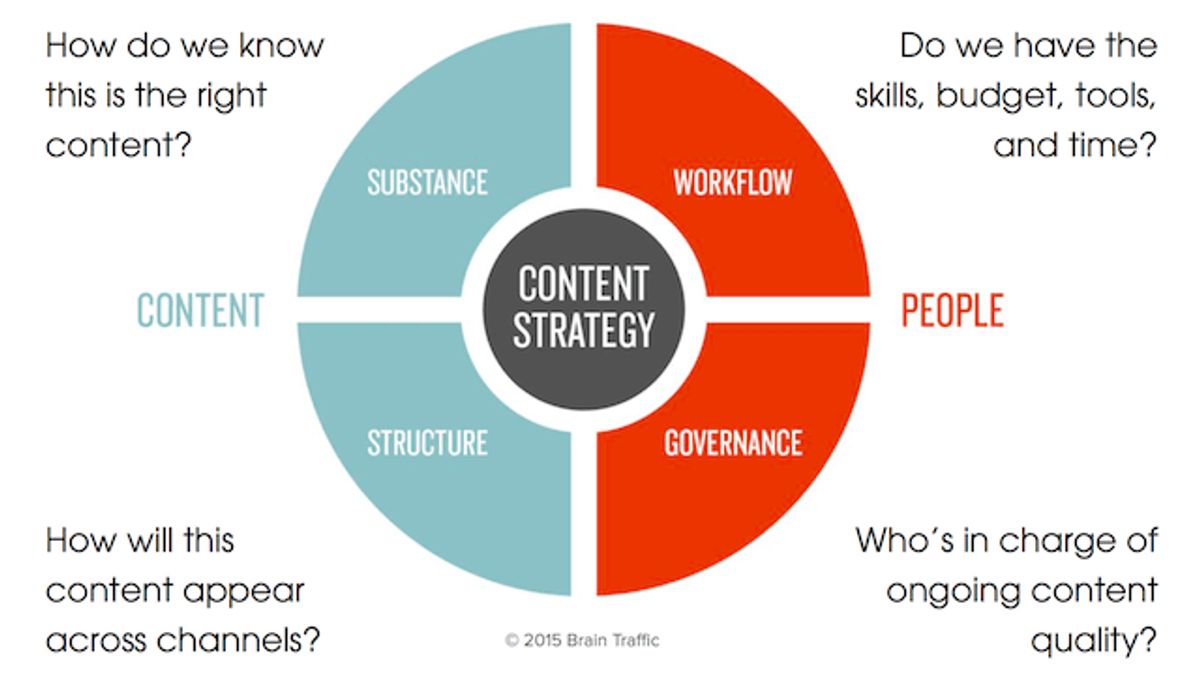
In today’s digital age, establishing a strong online presence is crucial for businesses and individuals alike. An engaging content strategy plays a pivotal role in capturing the attention of your target audience and building a lasting connection with them. This article provides a comprehensive guide on how to build an effective content strategy that not only draws in your audience but also optimizes your content for search engines, ensures visibility across various channels, and fosters a sense of community among your followers. By measuring the success of your strategy and being willing to adapt to new insights and trends, you can create a dynamic online presence that resonates with your audience and achieves your business goals.
Key Takeaways
- Analyze your target audience and content goals to create a tailored content strategy that resonates with your audience and aligns with your business objectives.
- Develop a diverse content calendar that incorporates different types of content, such as blogs, social media posts, and interactive media, to maximize engagement.
- Incorporate SEO best practices and use analytics to continually improve content relevance and user experience, ensuring your content ranks well and meets audience needs.
- Leverage multi-channel distribution, including social media, email marketing, and paid advertising, to increase visibility and reach a wider audience.
- Regularly measure the impact of your content using KPIs, conduct content audits, and adapt your strategy based on performance data and evolving market trends.
Crafting a Robust Content Strategy Framework

Identifying Target Audience and Content Goals
Understanding your target audience is the cornerstone of a successful content strategy. By delving into the demographics, behaviors, and preferences of your audience, you can craft content that resonates deeply with their needs and aspirations. Start by analyzing your current customer base, considering factors such as age, gender, location, and interests. This insight allows you to personalize content, making it more relevant and engaging.
Once you’ve pinpointed your audience, it’s time to define your content goals. What do you wish to achieve with your content? Whether it’s driving website traffic, improving search engine rankings, or growing social media engagement, setting clear, measurable objectives is crucial. Align these goals with the types of content your audience prefers, whether it’s blog posts, videos, or infographics.
To ensure your content hits the mark, regularly engage with your audience through surveys, feedback forms, and social media interactions. This ongoing dialogue helps refine your strategy and keeps your content aligned with audience interests.
Here are some steps to align your content with audience needs:
- Conduct market research to understand the audience’s preferences.
- Analyze data and feedback to identify trending topics.
- Utilize personalization and segmentation to tailor content.
- Maintain a feedback loop to ensure content relevance.
Developing a Content Calendar
A content calendar is a cornerstone of a proactive content strategy, allowing you to plan and schedule your content effectively. It ensures consistency and relevance, aligning your posts with key dates, trends, and promotional cycles. Here’s how to get started:
- Identify key dates and events relevant to your audience.
- Determine the frequency of your posts, considering your capacity and audience engagement.
- Assign themes or topics to each period to maintain a coherent narrative.
- Use tools like Google Calendar or Asana to organize and schedule your content.
By analyzing past content performance, you can refine your calendar to focus on what works best. If a particular type of post received significant views, consider incorporating similar elements into future content.
Remember, flexibility is crucial. While a calendar provides structure, be prepared to adjust your strategy based on real-time analytics and audience feedback.
Diversifying Content Types for Maximum Engagement
To maximize online engagement, it’s crucial to diversify the types of content you offer. This approach caters to different preferences and learning styles within your audience. For instance, while some may prefer in-depth articles, others might engage more with quick, informative videos or visually appealing infographics.
A successful content strategy evolves with audience needs, involving content ideation and creation, optimization for platform diversity, and tailoring content for different channels.
Experimenting with various content formats allows you to discover what resonates best with your audience. Here’s a list of content types to consider incorporating into your strategy:
- Blog posts
- Videos
- Infographics
- Social media posts
- Podcasts
- Webinars
- Whitepapers
Remember, the key is not just to create content but to provide value that captivates and retains audience attention. Utilize analytics to measure engagement and refine your approach continuously.
Optimizing Content for Search Engines and Users
Incorporating SEO Best Practices
To ensure your content reaches the widest possible audience, utilize SEO best practices that cater to both search engines and human readers. Keyword research is the cornerstone of SEO; by understanding the terms and phrases your audience uses, you can craft content that resonates with their search intent. Technical optimization, such as improving site speed and mobile-friendliness, also plays a crucial role in boosting your search rankings.
Effective SEO involves a balance between technical elements and the quality of your content. Here are some key areas to focus on:
- Keyword Optimization: Integrate relevant keywords naturally into your content.
- Meta Tags: Craft compelling meta titles and descriptions to improve click-through rates.
- Image Optimization: Ensure images are compressed and have descriptive alt tags.
- Internal Linking: Create a network of links within your site to keep users engaged.
By consistently applying these SEO tactics, you can enhance your content’s visibility and drive more organic traffic to your site.
Remember, SEO is not a one-time task but an ongoing process. Regularly review your content’s performance and adjust your strategy to stay ahead of the competition and the ever-evolving search engine algorithms.
Balancing User Experience with Content Relevance
Creating content that is both relevant to your audience and provides a seamless user experience (UX) is crucial for online success. Understanding your audience’s needs is the first step towards achieving this balance. By analyzing data and feedback, you can identify the topics and formats that resonate most with your users.
Incorporating SEO best practices is important, but not at the expense of UX. Clear navigation, engaging content, and an appealing design are key to keeping users on your site longer, which in turn can lead to better SEO outcomes.
To enhance engagement, consider the following UX principles:
Simplify the user interface to reduce cognitive load.
Use visual hierarchy to guide users to important content.
Provide clear calls-to-action to encourage user interaction.
Remember to balance quality and quantity in content creation. While it’s important to publish regularly to keep your audience engaged, the focus should always be on delivering value. Repurposing content across different formats can help you maintain this balance and establish trust with realistic expectations.
Leveraging Analytics for Content Improvement
To enhance your content strategy, utilize analytics tools to gain insights into how users interact with your content. Tools like Google Analytics and Facebook Insights provide valuable data that can inform your content creation process. By analyzing metrics such as traffic, conversions, shares, and comments, you can identify what resonates with your audience and adjust your strategy accordingly.
Analytics not only help you understand the performance of your content but also guide you in making data-driven decisions to optimize for better engagement and relevance.
For instance, consider the following key metrics to track:
- Traffic: Measure the number of visitors and the sources they come from.
- Conversions: Track the actions visitors take that are valuable to your business.
- Engagement: Look at shares, comments, and time spent on your content.
- Bounce Rate: Understand the percentage of visitors who leave after viewing only one page.
By regularly reviewing these metrics, you can iterate on your content to improve quality and ensure it aligns with your audience’s interests. Remember, the goal is to create engaging content that is both relevant and useful, utilizing various formats to maintain interest.
Maximizing Visibility Through Multi-Channel Distribution

Strategizing Social Media Outreach
To effectively engage with your social media audience, it’s crucial to understand the content that resonates with them. This includes a mix of visuals, such as graphics and images, and written material like blogs and articles, tailored for each platform’s preferred timing, frequency, and tone.
An effective social media strategy involves not just content creation but also active interaction. Prompt responses to comments and messages, as well as participation in relevant conversations, can significantly boost your online presence.
Diversifying your approach by repurposing old content and exploring niche channels can lead to new opportunities for growth. Additionally, boosting existing posts can amplify your reach, ensuring your message is seen by a wider audience.
To maximize your social media strategy, consider the following steps:
- Promote content across various channels, including email and paid ads.
- Measure results with analytics tools to track engagement metrics.
- Use data and feedback to refine content quality and relevance.
Utilizing Email Marketing and Automation
Email marketing remains a powerful tool for connecting with your audience and nurturing leads. By automating your email campaigns, you can deliver personalized content to your subscribers without constant manual effort. This automation ensures timely communication that can drive engagement and conversions.
- Survey your audience to tailor content to their preferences.
- Develop a series of automated emails for different stages of the customer journey.
- Use segmentation to send targeted messages, increasing relevance and impact.
- Monitor open rates and click-through rates to refine your approach.
Automation allows for consistent and relevant communication with your audience, fostering a relationship that can lead to increased loyalty and sales.
Remember to balance automation with a personal touch. While automated emails can handle the bulk of communication, personalized messages for special occasions or milestones can significantly enhance customer experience. By leveraging both automation and personalization, you can maximize online engagement and build a robust email marketing strategy that resonates with your audience.
Exploring Paid Advertising Options
Once you’ve honed your content and identified your audience, it’s time to amplify your reach with paid advertising. Selecting the right advertising platforms is crucial to ensure your content resonates with your target demographic. Begin by evaluating your resources, considering factors like budget, time, skills, and available tools. Use analytics dashboards and social media management software to monitor and measure performance, adapting your strategy as needed.
Paid advertising should be seen as an investment in your content’s visibility. A well-executed campaign can significantly boost your online presence and drive targeted traffic to your content.
Diversify your approach by using a mix of advertising channels. Here’s a quick guide to get started:
- Identify the best content for your chosen paid channels.
- Survey your audience to understand their online habits.
- Use targeted advertising to reach specific demographics.
- Collaborate with influencers who share your target audience.
- Monitor and optimize your campaigns for better performance.
Remember, the harmony between your content and its distribution method is key to a successful paid advertising strategy.
Engaging and Retaining Your Audience
Creating Interactive and Shareable Content
In the digital age, content is king, but not all content is created equal. Interactive content stands out by offering an engaging experience that encourages user participation and increases the likelihood of sharing. To create content that resonates and compels users to interact and share, consider the following steps:
- Identify the purpose of your interactive content. Is it to educate, entertain, or collect user data?
- Choose the right format such as quizzes, polls, or interactive infographics that align with your goals.
- Incorporate elements of gamification to boost engagement, such as points, badges, or leaderboards.
- Ensure mobile responsiveness so users can interact with your content on any device.
- Test and iterate based on user feedback and performance metrics to refine the experience.
By focusing on the creation of interactive content, you not only enhance the user experience but also increase the potential for virality. This approach can lead to a significant boost in online presence and audience engagement.
Remember, the goal is to create a seamless and enjoyable process for users that encourages them to return and share your content with others. Utilize analytics to monitor the performance of your interactive pieces and make data-driven decisions to improve them over time.
Implementing Feedback Loops
In the digital landscape, feedback is the cornerstone of growth. By implementing feedback loops, you can continuously refine your content strategy to better meet the needs of your audience. Start by integrating tools such as surveys, feedback forms, and analytics to gather insights directly from your users.
It’s not just about collecting feedback, but acting on it to create a more engaging and relevant experience for your audience.
Consider the following steps to establish effective feedback loops:
- Brainstorm with your team to identify key areas for feedback collection.
- Test your content’s resonance with your audience using the integrated tools.
- Analyze the data to understand user preferences and behavior.
- Adapt your content strategy based on the insights gained.
Remember, a content strategy that evolves with its audience is more likely to succeed. Stay active on social media, engage with comments, and join relevant groups to foster a sense of community. This proactive approach ensures that your content remains aligned with user expectations and industry trends, ultimately leading to a more agile and responsive online presence.
Fostering Community Through Content
To foster a brand community, it’s essential to create content that resonates with your audience’s preferences and encourages interaction. By integrating multimedia elements and interactive features, you can enhance the user experience and promote sharing. Tailoring your content to audience preferences not only shows that you value their input but also increases the likelihood of engagement.
Encouraging content sharing and participation can lead to a supportive and uplifting online community.
Maintaining a vibrant community requires routine maintenance and engagement. Interactive content serves as a bridge between the brand and its audience, fostering a sense of belonging. Monitoring trends and feedback is crucial for ensuring that your content remains relevant and impactful, thereby maintaining an effective online presence.
Measuring Success and Iterating on Strategy

Setting and Tracking Key Performance Indicators (KPIs)
To effectively measure the success of your content strategy, it’s crucial to set and track Key Performance Indicators (KPIs). These metrics should align with your business objectives and provide insights into your content’s performance. Begin by identifying the most relevant KPIs for your strategy, which may include website traffic, conversion rates, engagement metrics, and social media reach.
Establishing a baseline for each KPI is essential for measuring progress and identifying areas for improvement.
Utilize tools and platforms that offer analytics to monitor these indicators regularly. For instance, Google Analytics can track website visitor behavior, while social media platforms provide insights into post engagement and audience growth.
Here’s a simple breakdown of potential KPIs to consider:
- Website Traffic: Total visits, unique visitors, page views
- Engagement: Average session duration, pages per session, bounce rate
- Conversions: Conversion rate, number of leads generated, sales
- Social Media: Followers, likes, shares, comments
By consistently monitoring and analyzing these KPIs, you can gain valuable insights into what content resonates with your audience and where to focus your efforts for maximum impact. Remember to adjust your KPIs as your strategy evolves to ensure they remain aligned with your goals.
Conducting Regular Content Audits
Regular content audits are essential to maintain your online presence and ensure that your content remains relevant and effective. By systematically reviewing your content, you can identify pieces that are underperforming and take action to improve or remove them. This process not only helps in optimizing your content strategy but also in enhancing user engagement.
A content audit allows you to assess the health of your content and align it with your content goals and audience expectations.
To conduct a thorough content audit, follow these steps:
- Compile a list of all content items.
- Assess each item for relevance, quality, and performance.
- Determine which content to keep, update, or remove.
- Implement changes and monitor the results.
Remember, a content audit is not a one-time task but a recurring activity that should be integrated into your content strategy. It’s a way to engage with your community for a two-way conversation, building trust and loyalty.
Adapting Strategy Based on Insights and Trends
In the ever-evolving landscape of online content, adapting your strategy based on insights and trends is crucial for sustained success. Utilizing analytics tools to monitor user engagement and content performance provides a wealth of data that can inform your content strategy. Look for patterns in what content resonates with your audience and which platforms yield the best results.
By continuously analyzing this data, you can refine your approach, ensuring that your content remains relevant and engaging.
Consider the following steps to effectively adapt your strategy:
- Review your content’s performance metrics regularly.
- Identify emerging trends and topics within your industry.
- Experiment with new content formats and distribution channels.
- Gather feedback directly from your audience to understand their changing needs.
Remember, a flexible content strategy is one that can pivot and grow with your audience, keeping them engaged and connected to your brand.
To truly thrive in today’s digital landscape, measuring the success of your online strategies and iterating for improvement is crucial. At [Our Company], we specialize in creating custom web solutions that drive growth and deliver results. From WordPress Development to eCommerce optimization, our team is dedicated to helping you succeed. Don’t just take our word for it; explore our services and see how we can elevate your digital presence. Ready to take the next step? Visit our website and let’s craft a winning strategy together!
Conclusion
In conclusion, building an engaging content strategy for your online presence is a multifaceted endeavor that requires a deep understanding of your target audience, a commitment to producing high-quality and diverse content, and a willingness to adapt based on performance metrics. From the initial stages of strategy and design to the development and post-launch monitoring, every step should be executed with precision and care. By incorporating services like support and maintenance, website health audits, and performance optimization, you can ensure that your website not only attracts but also retains customer interest. Remember, the digital world is ever-evolving, and so should your content strategy. Stay flexible, stay informed, and don’t hesitate to seek professional guidance to keep your content fresh, relevant, and engaging.
Frequently Asked Questions
What are the key components of a robust content strategy framework?
A robust content strategy framework includes identifying your target audience and content goals, developing a content calendar, diversifying content types for maximum engagement, and optimizing content for search engines and users.
How can SEO best practices enhance my content strategy?
Incorporating SEO best practices such as using relevant keywords, optimizing meta tags, and creating high-quality, relevant content can improve your search engine rankings, drive organic traffic, and increase the visibility of your content.
What are the benefits of a multi-channel distribution approach?
A multi-channel distribution approach maximizes visibility by promoting your content across various platforms, including social media, email marketing, and paid advertising, to reach a broader audience and engage users where they spend their time.
How can I engage and retain my online audience effectively?
Engage and retain your audience by creating interactive and shareable content, implementing feedback loops to understand their preferences, and fostering a community through consistent and relevant content that resonates with them.
What metrics should I track to measure the success of my content strategy?
Track key performance indicators (KPIs) such as website traffic, engagement rates, conversion rates, social shares, and the performance of your content against your set goals to measure the success and impact of your content strategy.
How often should I conduct a content audit?
Regular content audits should be conducted to assess the performance and relevance of your content. This allows you to identify areas for improvement, remove outdated content, and adapt your strategy based on insights and industry trends.